By Zachery Onyango | Project Leader
Dear Donor,
Children and schools must remain part of epidemic preparedness. Schools bring together large numbers of children, teachers and families, making them important platforms for health education and prevention.
The continuing Ebola emergency in the DRC, now involving more than 7,200 confirmed cases and 3,475 deaths, demonstrates why health education cannot be postponed until an outbreak reaches a community.
Development Alert continues integrating Ebola preparedness messages into community and school-focused health education.
Our approach emphasizes age-appropriate hygiene education, handwashing, responsible sharing of health information and early communication with trusted adults when a child becomes seriously ill.
We also encourage teachers and school administrators to avoid stigmatizing children or families who may have been exposed to Ebola. Fear and discrimination can cause children to hide illness or discourage families from seeking assistance.
Schools can also help counter misinformation. Teachers are trusted sources of information and can reinforce messages from health authorities in language that children understand.
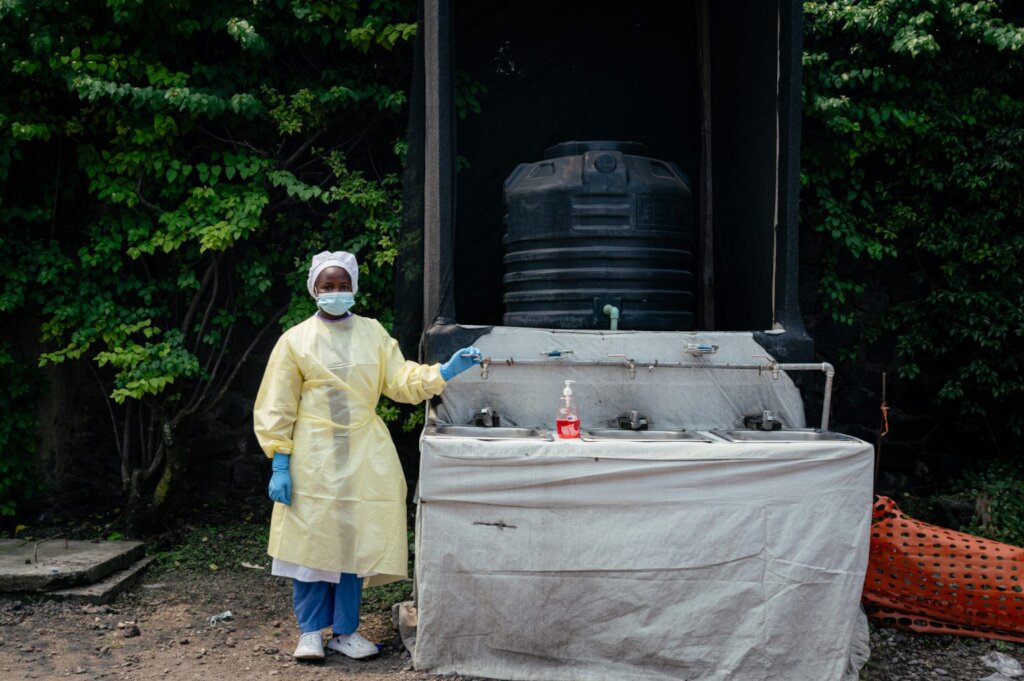
Where practical, we encourage schools to maintain functioning handwashing facilities and ensure that students have opportunities to practice good hygiene.
Our community engagement also extends to parents. Health messages become more effective when children hear consistent information at school and at home.
The broader response in the DRC is increasingly emphasizing community-level care and decentralized treatment because people need access to appropriate services closer to where they live.
Development Alert's long-term goal is to help communities build health knowledge that remains useful after the current outbreak.
A child who learns proper hygiene today can carry those habits into adulthood. A teacher who understands how to communicate during an outbreak can protect hundreds of families.
Investing in school-based preparedness is therefore an investment not only in today's Ebola response, but in the health resilience of the next generation.
By Zachery Onyango | Project Leader
By Zachery Onyango | Project Leader
Project reports on GlobalGiving are posted directly to globalgiving.org by Project Leaders as they are completed, generally every 3-4 months. To protect the integrity of these documents, GlobalGiving does not alter them; therefore you may find some language or formatting issues.
If you donate to this project or have donated to this project, you can receive an email when this project posts a report. You can also subscribe for reports without donating.



Support this important cause by creating a personalized fundraising page.
Start a Fundraiser