Development Alert will protect vulnerable communities along the Uganda-DRC border through Ebola prevention, health education, community surveillance, hygiene promotion, and rapid referral support. Working with local leaders, health workers, schools, traders, transport workers, and volunteers, we will strengthen preparedness, reduce misinformation, promote early reporting, and help communities respond safely today.
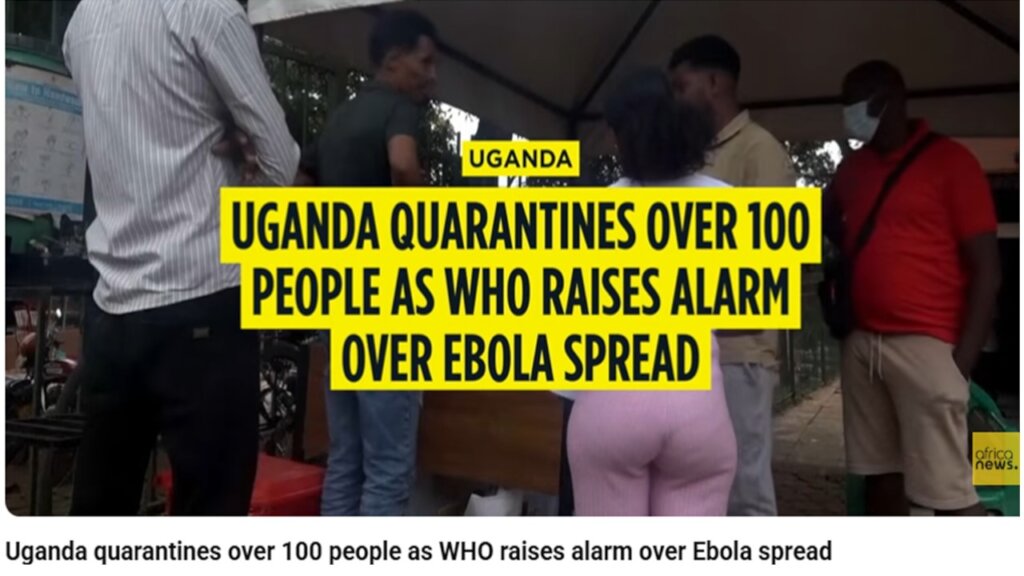
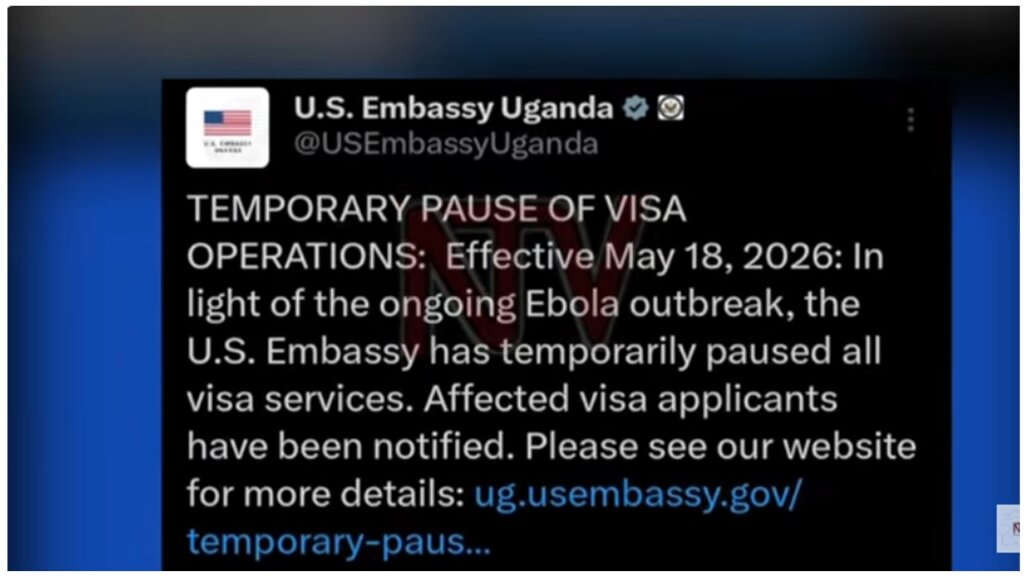
There are currently 5,100 confirmed Ebola cases and over 2,400 deaths in DRC and Uganda. Much as Uganda has been declared free of Ebola, Border communities remain vulnerable because people frequently cross between Uganda and the DRC for trade, work, family visits, transport, farming, education, and healthcare. The continuing Ebola outbreak in the DRC increases the need for vigilance. Limited information, fear, stigma, and weak reporting channels can delay detection and response rapidly today.
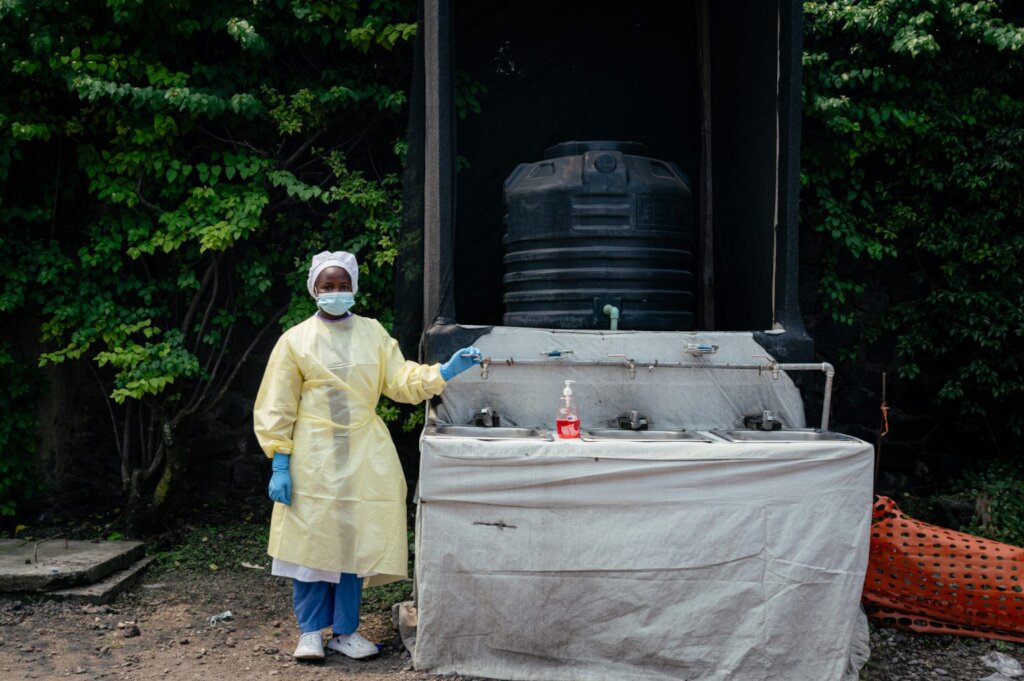
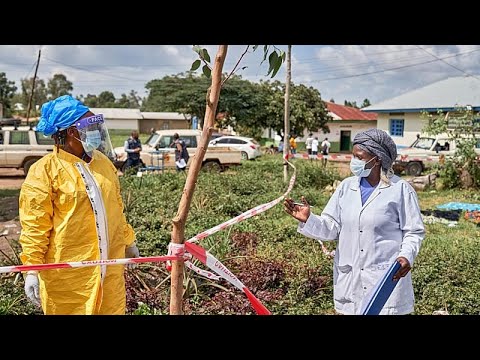
This project empowers a trusted network of local Village Health Teams (VHTs), community leaders, and informal workers to lead the response from ground up. Establish 150 community-managed handwashing stations at major motorcycle (boda-boda) stages and markets. Train 200 local volunteers to conduct safe, door-to-door public health education and assist families with safe isolation protocols, distribute basic hygiene packs and food support to families placed under quarantine so they can stay home.
By mobilizing a grassroots response, this project will protect over 50,000 residents in vulnerable Kampala neighborhoods from local, secondary Ebola transmission. Beyond containment, this intervention strengthens the long-term capacity of local community structures to manage future public health emergencies independently. By building trust, improving sanitation infrastructure, and fostering accurate health literacy, we ensure that Kampala's communities remain resilient.



Support this important cause by creating a personalized fundraising page.
Start a Fundraiser