By Francis Oyat Otoo | Project Team Leader
Periodic quarterly project progress report
Reporting Period: July–September 2026
Implementing Partner: Family Harvest Foundation (FHF)
Contact Persons:
Project Focus: Vocational skills development, youth empowerment, livelihood creation, and economic inclusion for vulnerable young people, women, and urban refugees in Northern Uganda.
1. EXECUTIVE SUMMARY: INVESTING IN SKILLS, BUILDING INDEPENDENCE
Family Harvest Foundation (FHF), through its Learn to Earn Trades School, continues to advance its mission of equipping vulnerable young people with practical vocational skills that enable them to earn a living, support their families, and contribute to their communities.
During July–September 2026, limited enrolment constrained the commencement of new formal training cohorts. Many prospective learners and their families faced financial difficulties that affected their ability to enrol. Consequently, FHF concentrated on following up with previous graduates, tracking livelihood outcomes, strengthening partnerships, and improving the institution's legal and operational foundations.
Despite these challenges, the quarter recorded encouraging progress. The Foundation received official examination results for 38 former trainees who sat in March 2026 Uganda Vocational Training Assessment Board (UVTAB) examinations, and documented an inspiring graduate success story demonstrating the lasting value of vocational training.
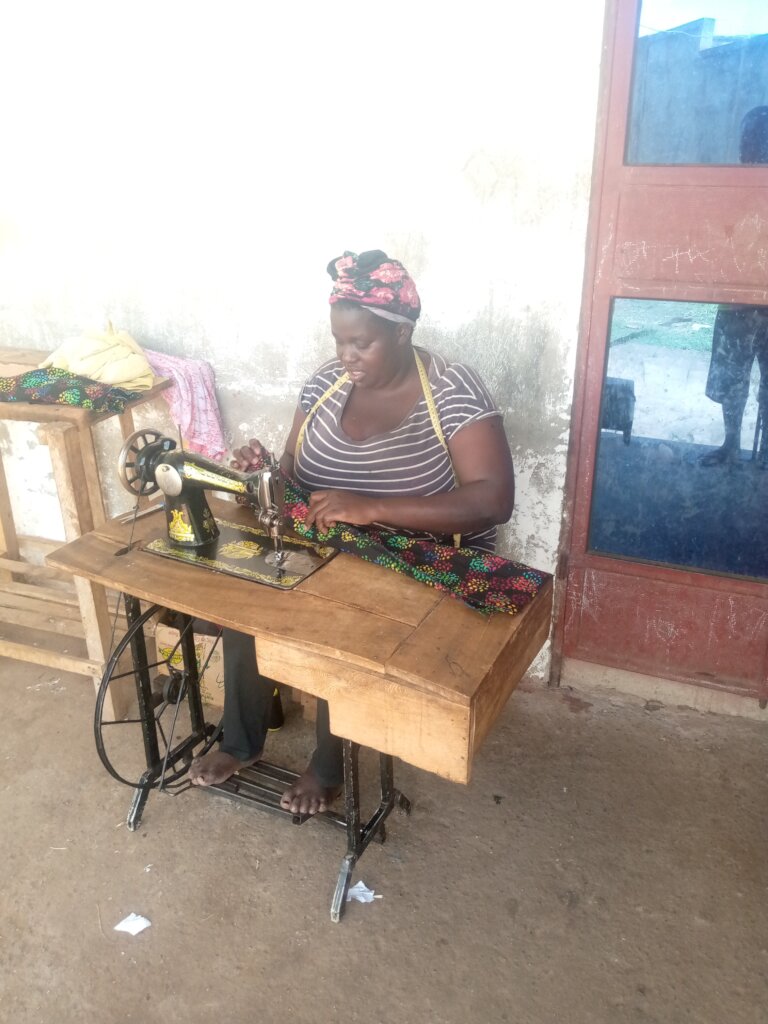
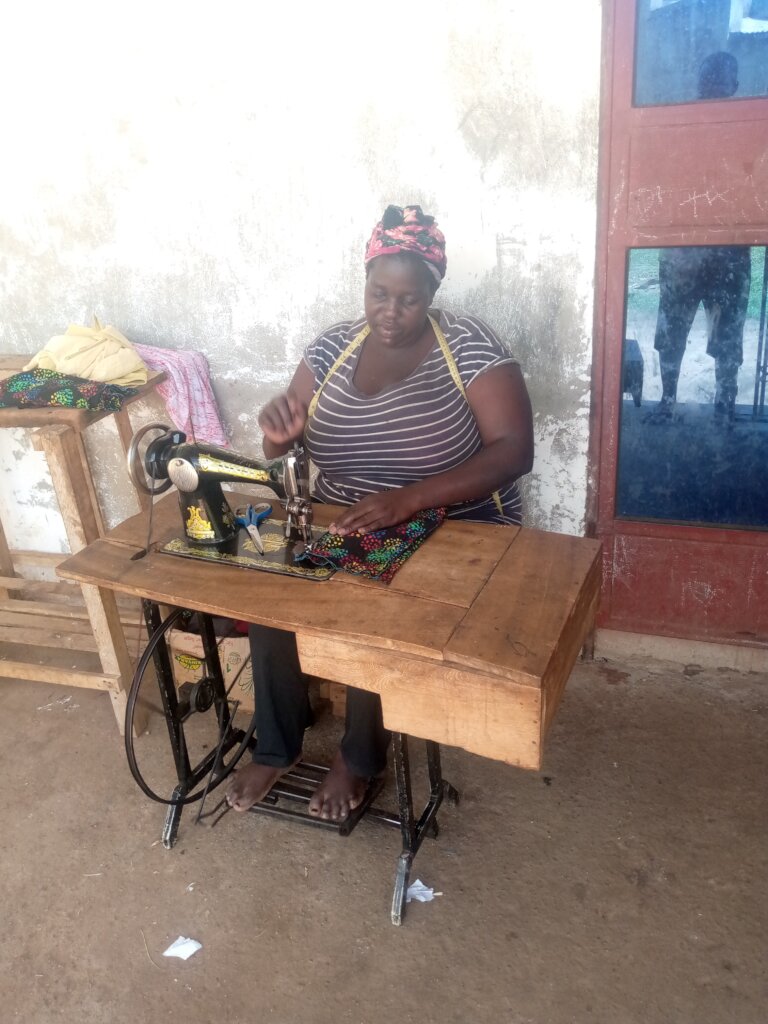
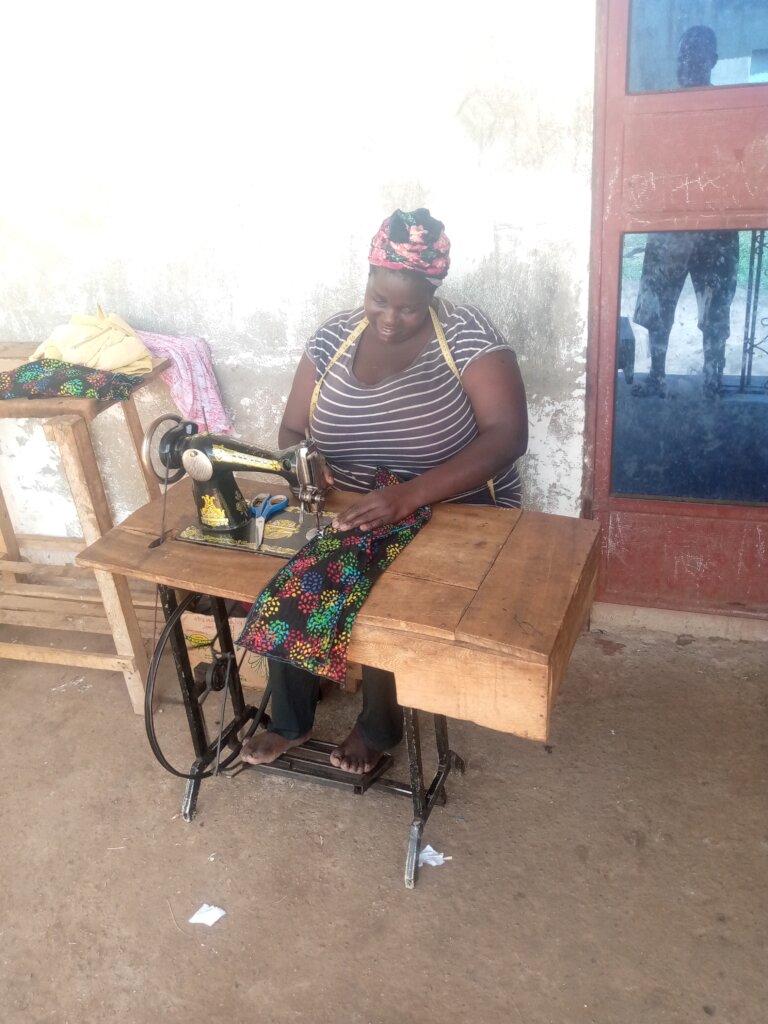
One particularly encouraging outcome is that Karungi Zam , a beneficiary supported through GlobalGiving funding, has established herself as a tailor, purchased her own sewing machine, and secured an opportunity to train other women and girls in Keyi A village, Kabedopong Cell in Gulu City. Her journey illustrates how practical skills training can create pathways from learning to self-employment, income generation, and community-level skills transfer.
These achievements reinforce FHF's commitment to ensuring that previous investments in vocational education translate into sustainable livelihoods. Continued donor partnership will be essential to help overcome financial barriers to enrolment, expand access to training, provide essential equipment, and develop the Foundation's 4.6-acre training site.
2. BACKGROUND AND PROGRAMME CONTEXT
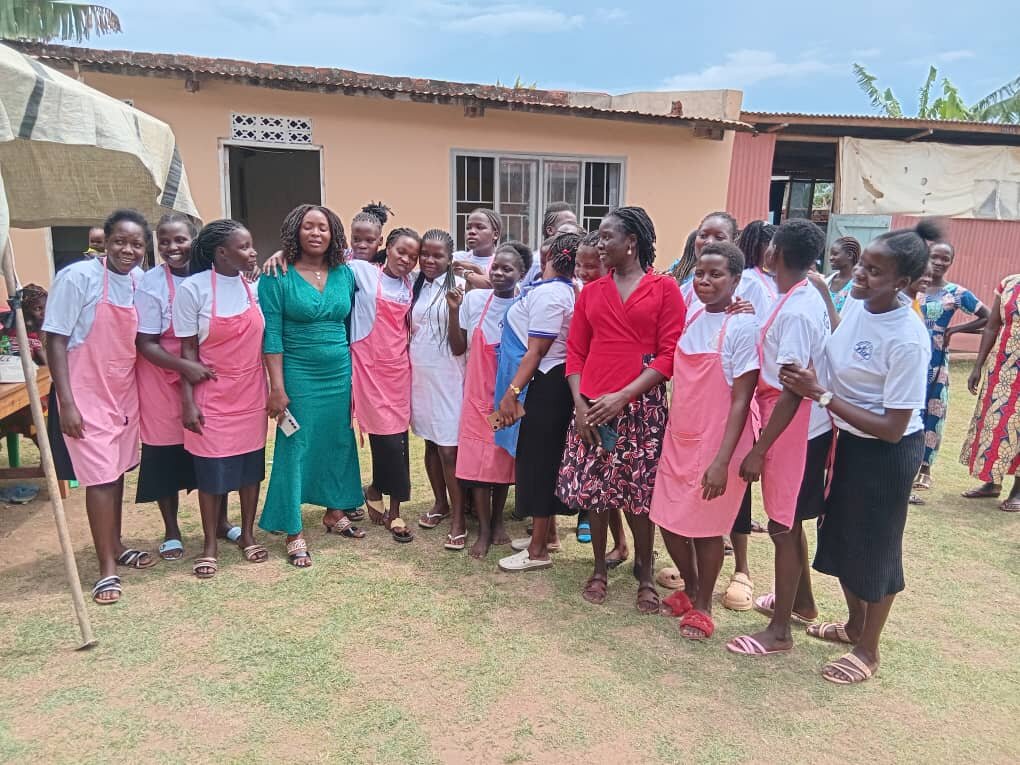
The Learn to Earn Trades School was established to respond to the limited access that vulnerable young people have to practical vocational education and sustainable livelihood opportunities. The programme prioritizes young women, vulnerable local youth, urban refugees, and other disadvantaged groups who face economic and social barriers to education and employment.
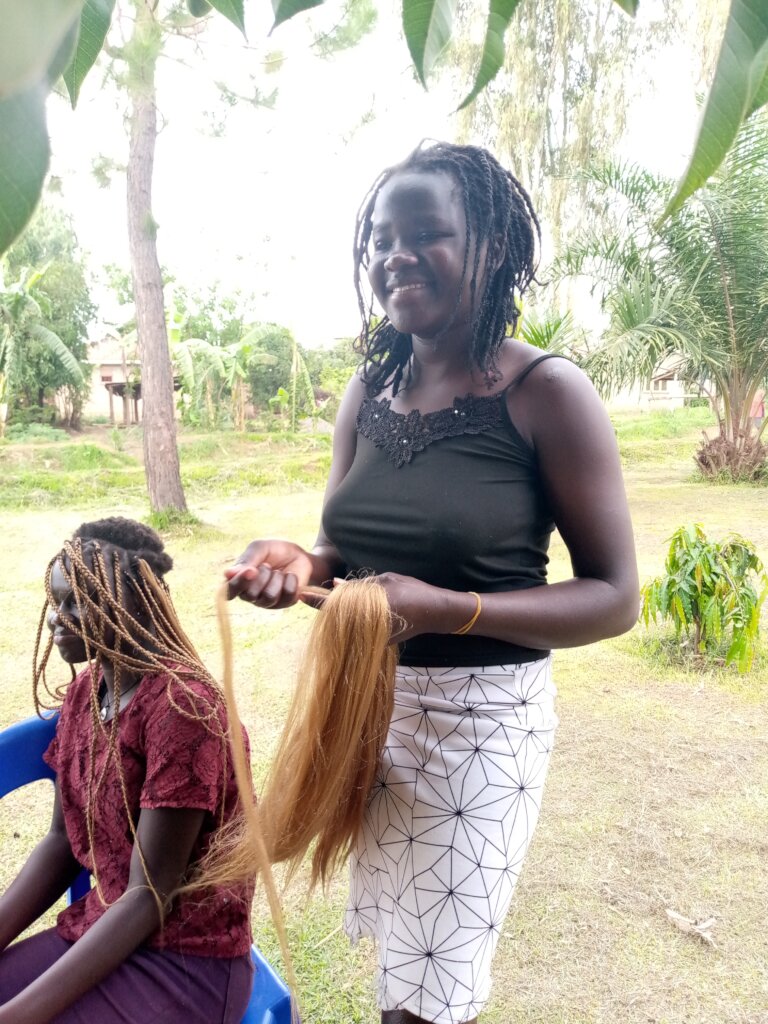
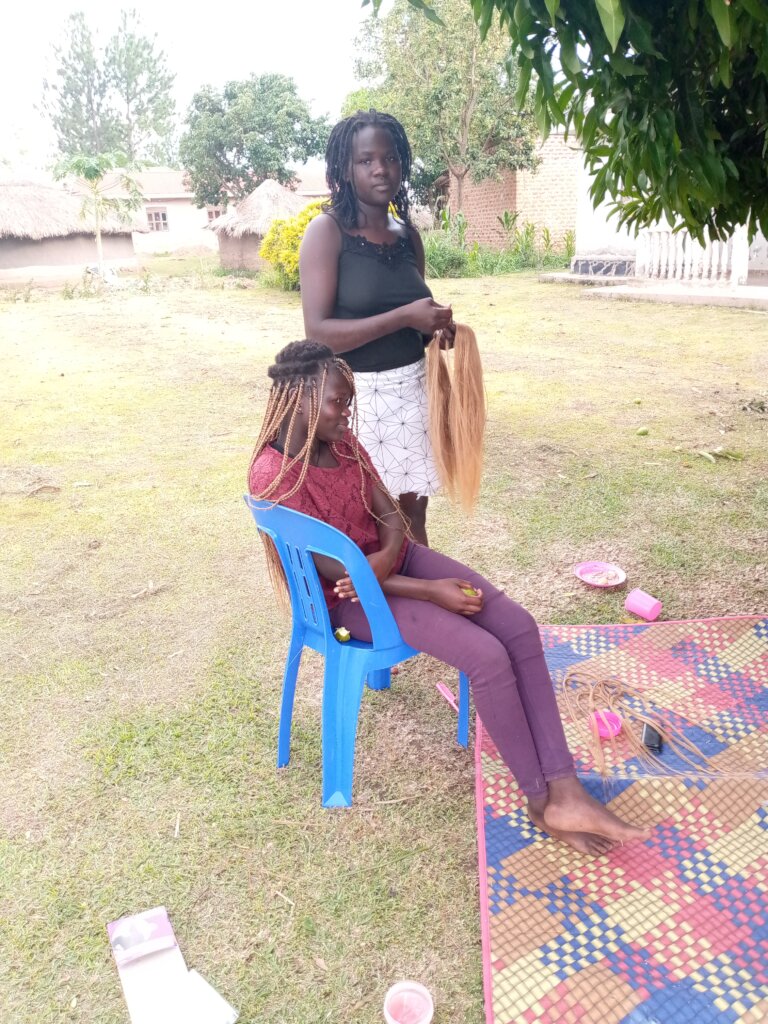
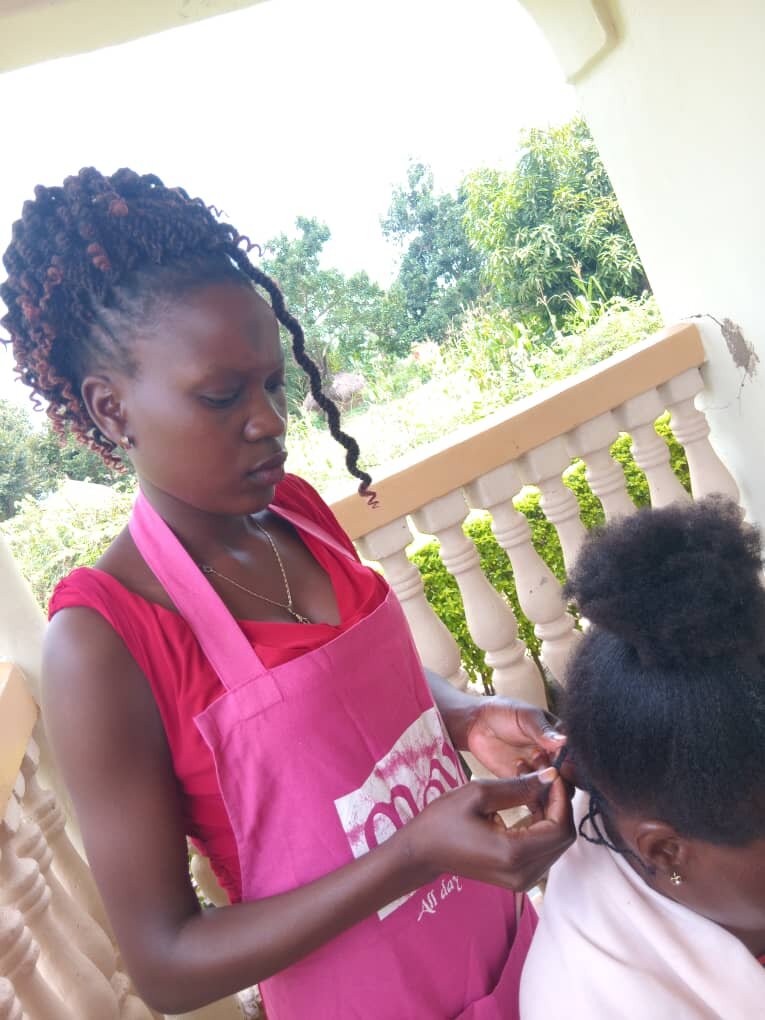
Through competency-based vocational training, mentorship, and livelihood follow-up, FHF seeks to equip learners with marketable skills in trades such as tailoring, hairdressing, construction, and bakery, among other practical disciplines.
The programme recognizes that completing training is only one step towards economic independence. Graduates also need opportunities to access tools, start-up equipment, working capital, markets, and continued mentorship.
During the reporting quarter, financial hardship among prospective learners affected enrolment. Although new learners registered their interest in training, the numbers did not meet the minimum class size required to commence the planned courses under the applicable UVTAB training arrangements.
FHF therefore used the quarter to consolidate previous programme gains, monitor graduate outcomes, maintain partnerships, and strengthen the institutional systems necessary for future growth.
3. KEY ACHIEVEMENTS AND ACTIVITIES
3.1 New Trainee Registration and Mobilization
During the reporting period, eleven (11) prospective learners registered for vocational training, comprising:
The prospective learners expressed interest in the following trades:
Formal training had not commenced by the end of September because the enrolment numbers were insufficient to support the planned training cohorts. FHF continues to mobilize additional learners and will incorporate the registered candidates into the next intake, subject to adequate enrolment and training requirements.
This experience highlights an important challenge facing vulnerable youth: the young people who stand to benefit significantly from vocational training are often the least able to meet the costs associated with participation.
Opportunity for donor support: Scholarships, training materials, and targeted enrolment assistance would help vulnerable learners overcome financial barriers and enable FHF to organize viable training cohorts.
3.2 Follow-up on UVTAB Examination Results
During the quarter, FHF received official examination results for 38 trainees who had previously completed vocational training and undertaken UVTAB assessments in March 2026.
Access to official assessment results helps graduates demonstrate their competencies to potential employers, customers, and other stakeholders. It also supports their progression towards independent livelihoods and further upgrades in training.
FHF will continue assisting the candidates to access their results and linking graduates to appropriate livelihood opportunities.
3.3 Graduate Tracer Visits: A Story of Transformation
FHF recognizes that the true value of vocational education is demonstrated not only by the number of learners trained but also by the extent to which graduates apply their skills to improve their lives.
During the reporting period, the project team continued livelihood follow-up with a graduate previously supported through GlobalGiving funding.
Another Success Story of Zam – from Vocational Trainee to Tailor and Trainer
Zam has successfully established herself in the community as a tailor after completing her vocational training.
Through the income generated from her work, she has been able to purchase her own sewing machine. This represents an important step towards greater economic independence, improved productive capacity, and the ability to generate income through her trade.
Her progress demonstrates three important outcomes of vocational investment:
Zam’s experience illustrates the potential of vocational training to create a ripple effect: one learner gains practical skills, establishes a livelihood, invests in productive assets, and contributes to the development of others.
While this is an individual graduate case rather than a representative measure of all beneficiaries, it provides a valuable example of the long-term outcomes that continued training, mentorship, and follow-up can help achieve.
FHF will continue documenting graduate experiences to strengthen accountability, demonstrate programme outcomes, and identify the additional support graduates need to sustain and expand their enterprises.
4. PARTNERSHIPS, NETWORKING, AND COMMUNITY ENGAGEMENT
FHF continued engaging with development partners, community stakeholders, and organizations working to improve the welfare and economic opportunities of vulnerable populations.
Key engagement areas included:
These engagements help FHF maintain relationships with relevant stakeholders, identify opportunities for collaboration, and explore pathways for programme expansion.
Partnerships remain important to the sustainability of the Learn to Earn Trades School, particularly in connecting training with market opportunities, apprenticeship placements, livelihood support, and additional funding.
During the quarter, FHF participated in three partnership meetings to maintain active relationships and explore opportunities for collaboration.
5. INSTITUTIONAL DEVELOPMENT AND SUSTAINABILITY
FHF continued investing in the institutional foundations needed to deliver accountable, credible, and sustainable vocational training.
5.1 Legal Registration
The registration of REELMA Family Harvest Foundation Limited by Guarantee was completed during the reporting period.
This milestone strengthens the organization's formal institutional framework and provides a foundation for further development of its governance, partnerships, and operational systems.
5.2 Vocational Institution Licensing
FHF continued processing the vocational training institution licence with the Ministry of Education and Sports. Inspections by both the Education Inspector and the Health Inspector had been completed, and the Foundation continued following up on the outstanding licensing requirements.
Obtaining the required licence remains an important priority for strengthening institutional compliance and supporting the continued development of the training centre.
5.3 Financial Management and Accountability
Preparations to establish an independent bank account in the name of REELMA Family Harvest Foundation were underway, with completion targeted for October 2026.The planned account is intended to strengthen financial management, improve the separation and traceability of organizational funds, and support transparent handling of future donor contributions.
5.4 Development of the 4.6-Acre Training Site
FHF continues to seek long-term partners to support the development of its 4.6-acre training site in Jengtong Village, Owoo sub-County, Gulu district.
The site represents a strategic opportunity to expand practical vocational education and create a stronger foundation for future programme growth. Its development will require phased investment in training infrastructure, equipment, learning materials, and essential facilities.
FHF welcomes engagement with donors and technical partners interested in supporting a sustainable vocational training centre that can serve vulnerable young people, women, and refugee communities.
6. FINANCIAL SUMMARY: JULY–SEPTEMBER 2026
The following figures summarizes the financial position reported for the quarter.
Financial item Amount (USD)
Donations received $183.77
GlobalGiving disbursements $274.00
Programme expenditure, including partner co-funding $124.74
GlobalGiving disbursement was $274.00 during the reporting period, FHF continued supporting programme-related activities through available resources and contributions from partner organizations.
Reported programme expenditure exceeded donations received during the quarter, reflecting the contribution of resources beyond the donations recorded in the table. The expenditure figure includes partner co-funding and should therefore not be interpreted as expenditure financed solely by GlobalGiving.
FHF remains committed to responsible stewardship of donor resources and to maintaining the financial records necessary to demonstrate how contributions support training, graduate follow-up, institutional development, and programme sustainability.
7. CHALLENGES AND LESSONS LEARNED
7.1 Low Enrolment and Financial Barriers
The main challenge during the quarter was insufficient enrolment to commence the planned training cohorts. Financial difficulties among prospective learners and their families affected participation.
Lesson learned: Recruitment alone may not be sufficient where learners cannot afford the costs associated with training. Targeted scholarships and enrolment support could help convert expressed interest into actual participation.
7.2 Limited Funding for Training Delivery
Limited resources constrained the Foundation's ability to finance training materials and operational costs while preparing for new cohorts.
Lesson learned: Predictable funding is essential for planning viable training cycles, procuring materials, and maintaining continuity in practical skills development.
7.3 Limited Access to Start-up Equipment and Business Capital
Graduates may possess relevant skills but lack the tools and working capital required to establish or expand their businesses.
Lesson learned: Linking vocational training with appropriate post-training support can improve the prospects of translating skills into productive assets and sustainable livelihoods.
7.4 Difficulties Tracking Former Trainees
Some graduates have relocated or changed their contact details, making follow-up and outcome verification more difficult.
Lesson learned: Maintaining updated graduate records and establishing stronger alumni communication networks will help FHF monitor employment, enterprise development, and longer-term programme outcomes.
8. PRIORITIES FOR OCTOBER–DECEMBER 2026
During the next quarter, FHF intends to focus on the following priorities:
9. DONOR ENGAGEMENT: TURNING SKILLS INTO SUSTAINABLE LIVELIHOODS
The July–September quarter demonstrated both the challenges faced by vulnerable learners and the value of maintaining long-term engagement with previous beneficiaries.
Min Abudu's progress shows what can happen when a young woman gains practical skills and applies them to generate income, acquire productive equipment, and train others. Her experience provides an encouraging example of the livelihood pathways that vocational education can help create.
However, many young people continue to face financial barriers that prevent them from accessing the same opportunities. Additional support could help FHF address these barriers through:
FHF welcomes continued support from GlobalGiving donors and other development partners to help translate vocational skills into meaningful economic opportunities.
Every investment has the potential to do more than support an individual learner: it can strengthen a household's livelihood, increase a young person's economic independence, and build practical skills within the wider community.
10. CONCLUSION AND ACKNOWLEDGEMENT
Although new training activities were limited during July–September 2026, the quarter was a progress. FHF continued monitoring graduate livelihood outcomes, maintaining strategic partnerships, and strengthening the institution's legal and operational foundations.
The experience of Zam provides encouraging evidence of how vocational skills can support self-employment, productive asset ownership, and skills transfer to other women and girls. At the same time, the difficulties encountered in recruiting new learners reinforce the need for targeted financial assistance and reliable resources to make training accessible to vulnerable young people.
Family Harvest Foundation sincerely appreciates the GlobalGiving Foundation, its donors, partner organizations, and community stakeholders for their continued interest in and support for the Learn to Earn Trades School.
FHF remains committed to strengthening programme accountability, documenting meaningful outcomes, expanding access to practical vocational education, and creating sustainable livelihood opportunities for vulnerable young people in Northern Uganda.
Together, we can turn practical skills into income, opportunity, and lasting change.
By Francis Oyat Otoo | Project Team Leader
By Francis Oyat Otoo | Project Team Leader
Project reports on GlobalGiving are posted directly to globalgiving.org by Project Leaders as they are completed, generally every 3-4 months. To protect the integrity of these documents, GlobalGiving does not alter them; therefore you may find some language or formatting issues.
If you donate to this project or have donated to this project, you can receive an email when this project posts a report. You can also subscribe for reports without donating.


Support this important cause by creating a personalized fundraising page.
Start a Fundraiser