By Bipin Irabatti | Executive Donor Relations
1. Brief
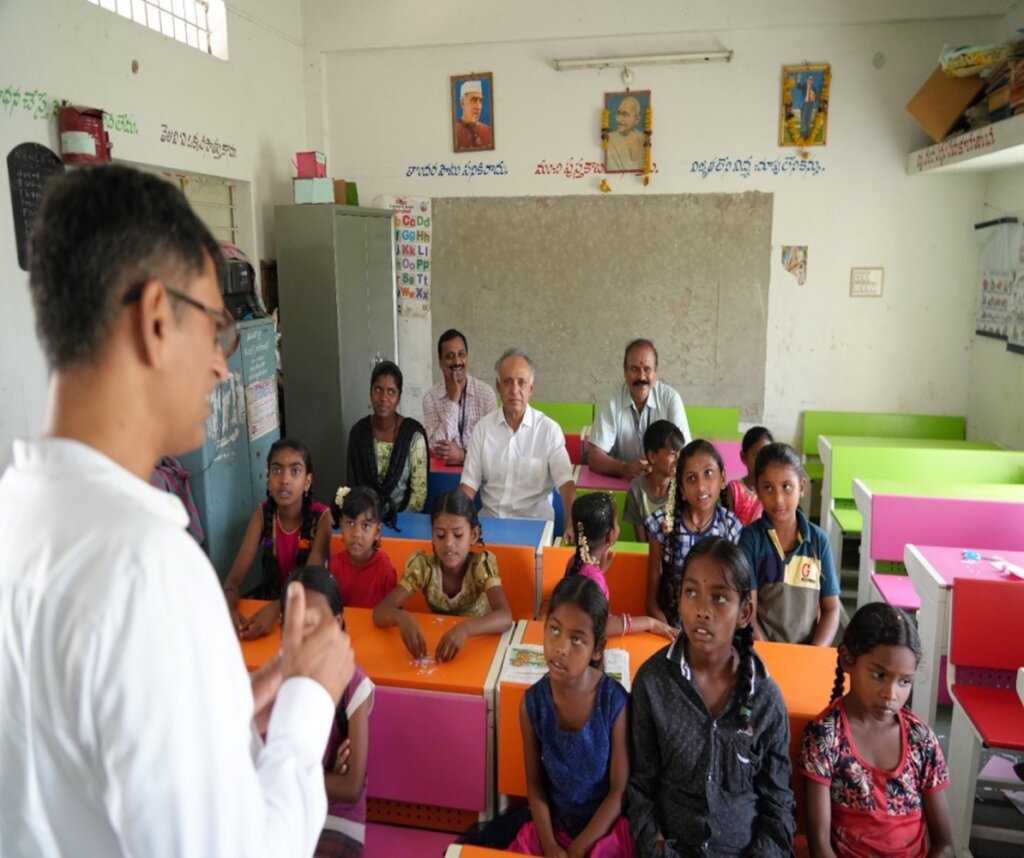
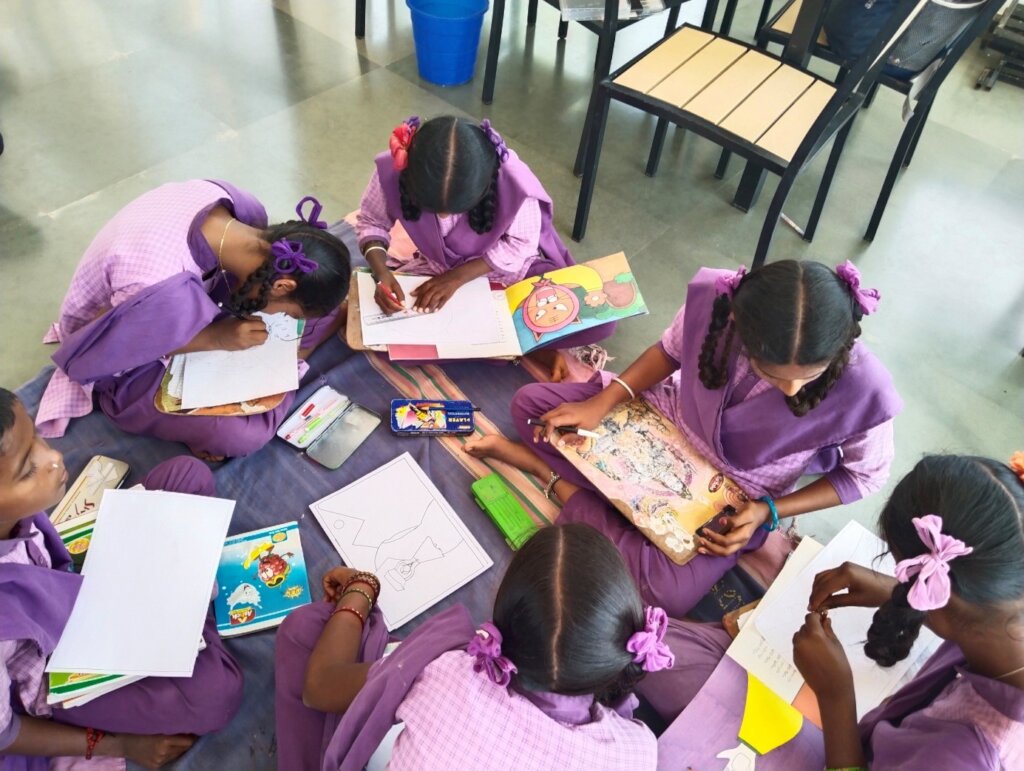
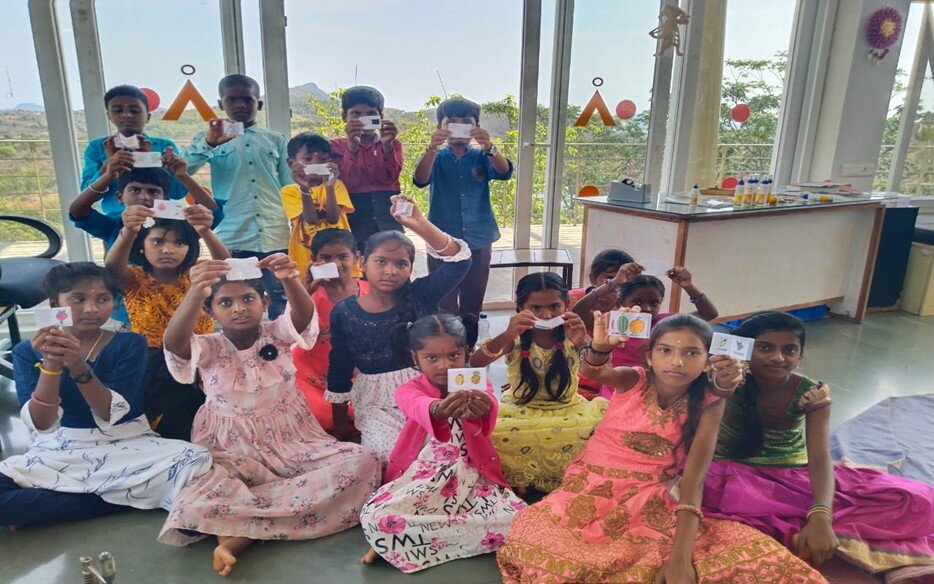
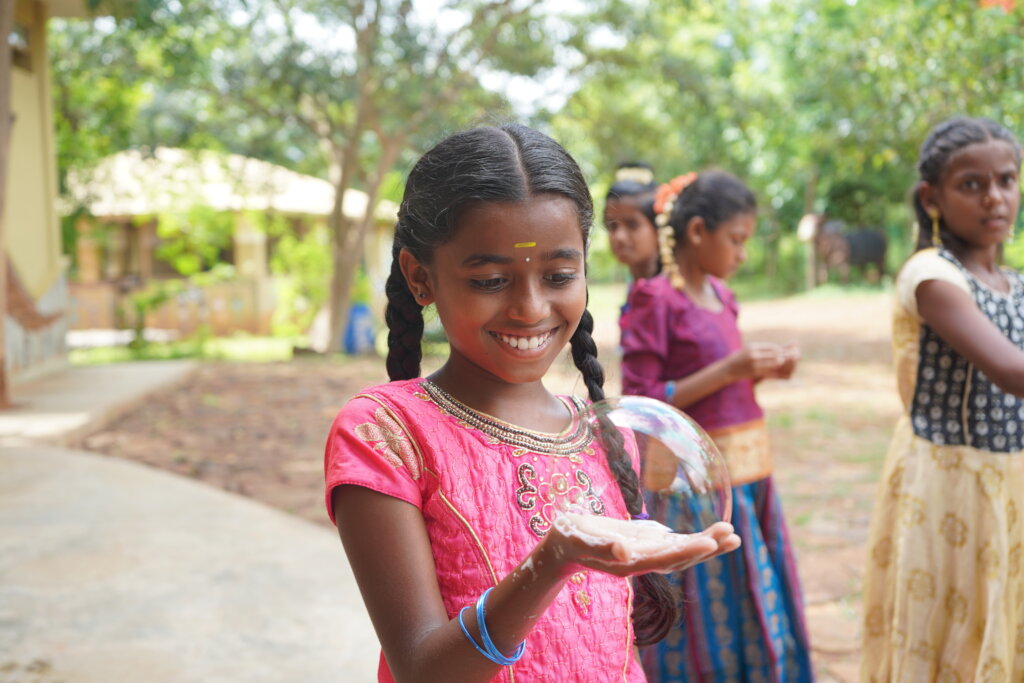
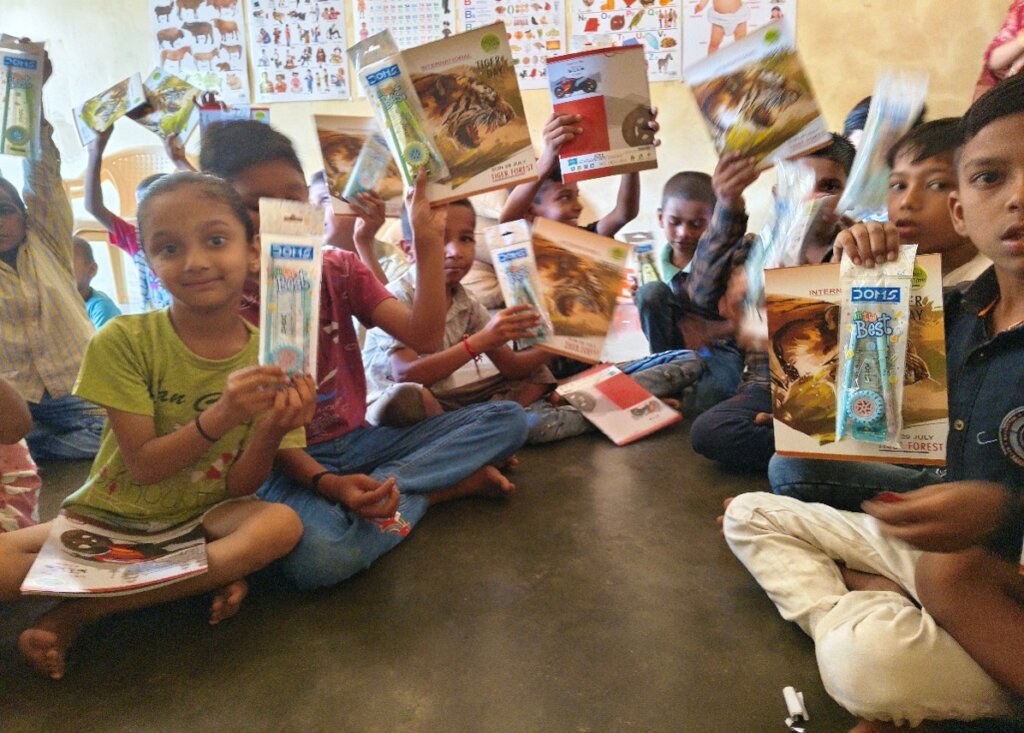
During the quarter, the Mobile Lab programme focused on strengthening students’ understanding of Science and Mathematics through hands-on experiments, activity-based learning and real-life examples. The programme also included impact assessment, teacher capacity-building, Science Fair activities, special awareness programmes and celebrations that provided students with opportunities to learn beyond conventional classroom methods.
2. Science Learning Sessions
Throughout the quarter, students participated in experiential sessions covering a wide range of scientific and mathematical concepts.
July 2026
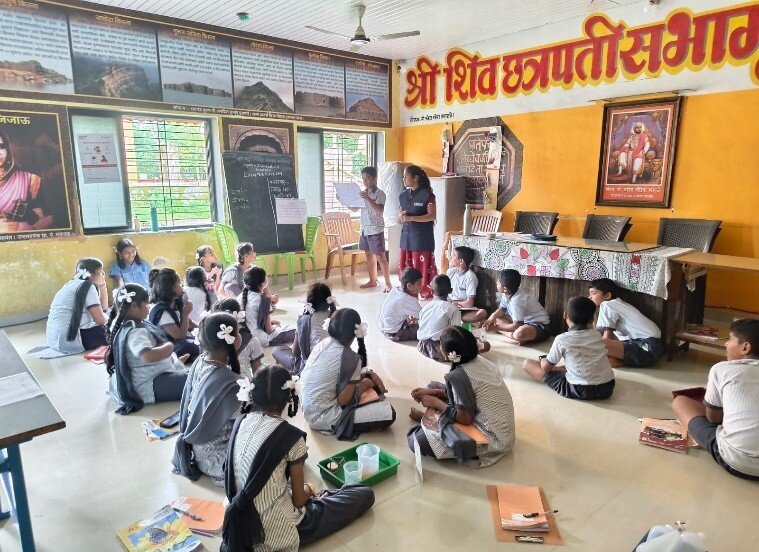
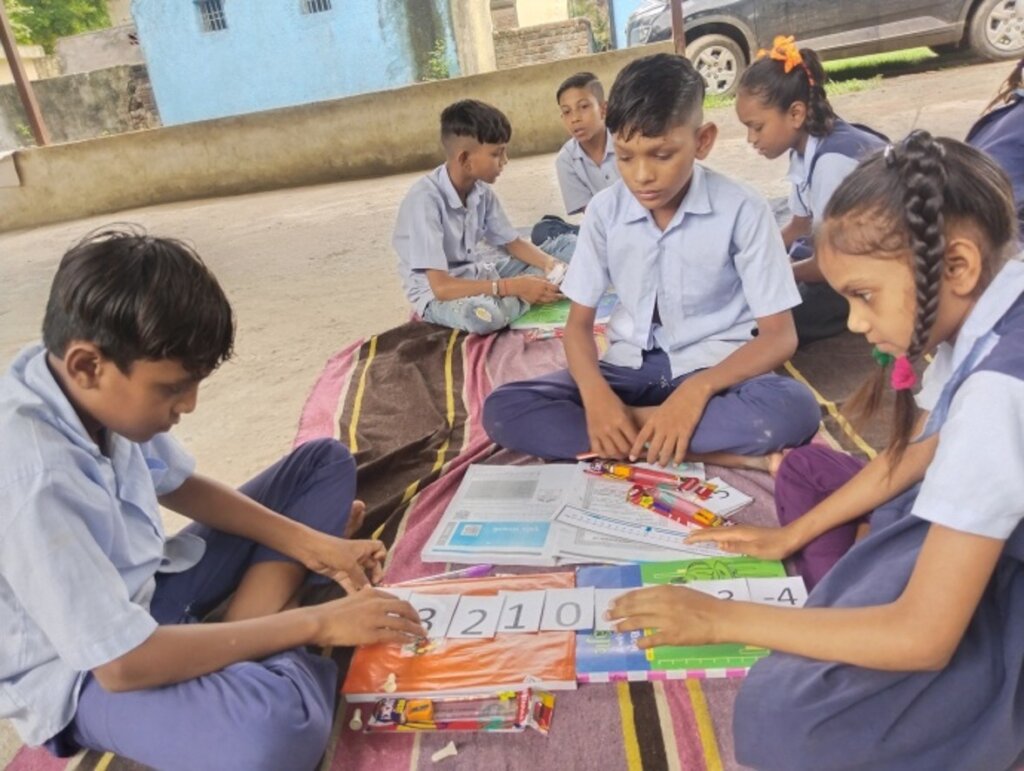
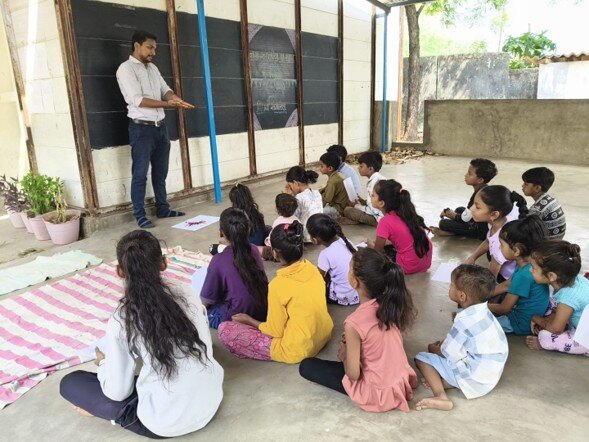
Science and Mathematics sessions covered topics such as Pressure, Force and Geometrical Construction. Students were encouraged to connect theoretical concepts with practical examples and activities. The sessions promoted logical thinking, observation, curiosity, confidence and problem-solving skills.
The team also conducted an Impact Assessment Session, where students responded to questionnaires designed to understand their thoughts, opinions and overall understanding of General Science. The assessment was intended to help understand the impact of the science sessions on students' learning, interest and conceptual understanding.
August 2026
Students explored topics including Periodic Table, Pressure, Measurement, Force, Parts of a Plant and Laws of Motion, along with Mathematics-related activities. Students actively participated in experiments and activities, helping them understand concepts more practically. The sessions encouraged curiosity, confidence, teamwork, scientific attitude, observation and problem-solving.
September 2026
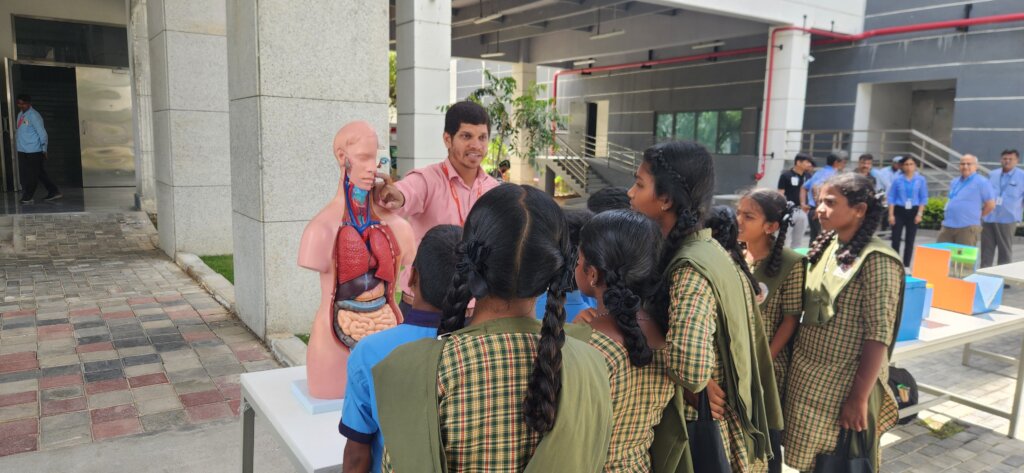
Sessions covered Geometry Construction, Parts of a Plant, Respiratory System, Properties of Natural Resources and Separation of Substances. Students learned through question-answer discussions, hands-on activities, experiments, observation and real-life examples. Activities such as filtration, sieving and sedimentation helped students understand different methods of separating substances.
3. Science Fair and Student Showcasing
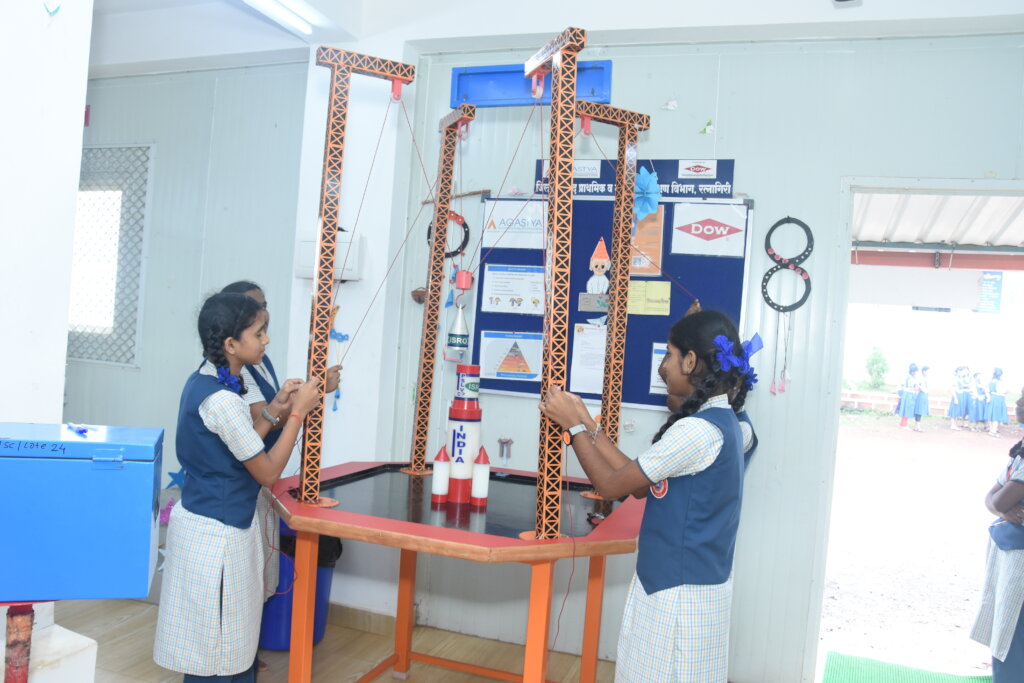
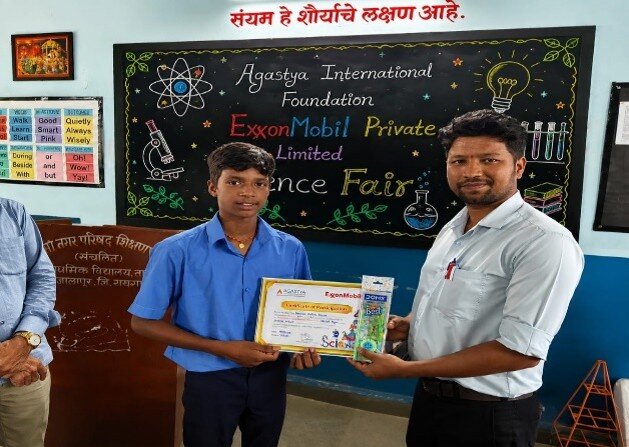
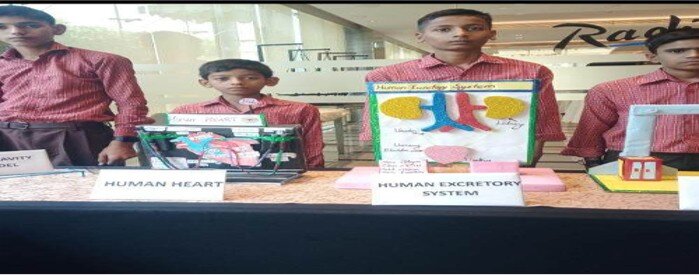
A Science Fair was organised at Khopoli Nagar Palika, Takai School during August. Students presented their science models with confidence and explained the concepts behind their models. Teachers appreciated their creativity, efforts and presentations. The Science Fair provided students with an opportunity to demonstrate their understanding, develop communication skills and experience science through practical models.
The photographs included in the August report also document students presenting models and receiving appreciation/certificates during the Science Fair.
4. Special Programs and Celebrations
The quarter included several activities designed to connect learning with cultural, environmental and social themes.
Ashadhi Ekadashi Celebration:
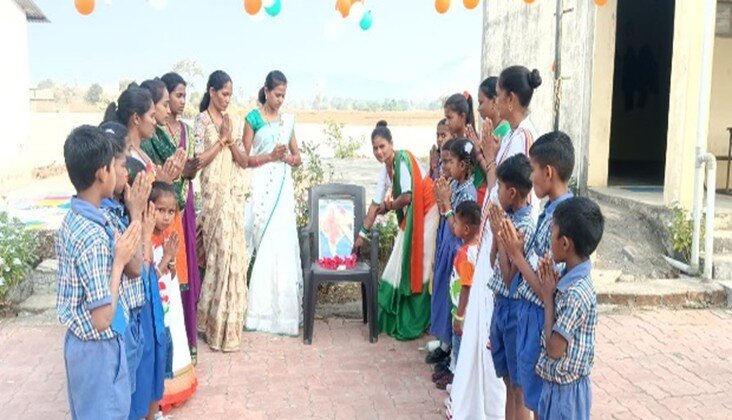
Students at R.Z.P. School Vadgaon participated in activities related to the cultural and traditional significance of Ashadhi Ekadashi.
Guru Purnima Celebration:
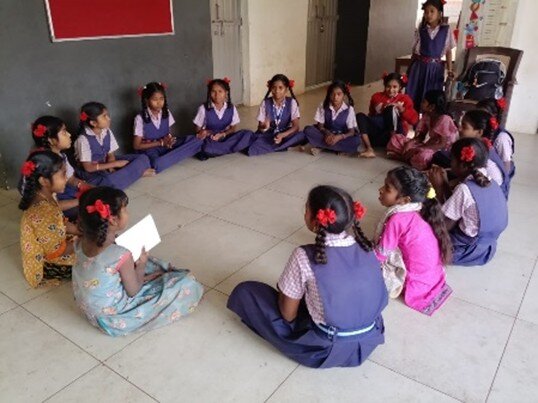
Guru Purnima was celebrated at Dr. Parnerkar Maharaj Vashiwali School. Students participated in essay writing, elocution and other educational activities focused on the importance and contribution of teachers.
Renewable Energy Day:
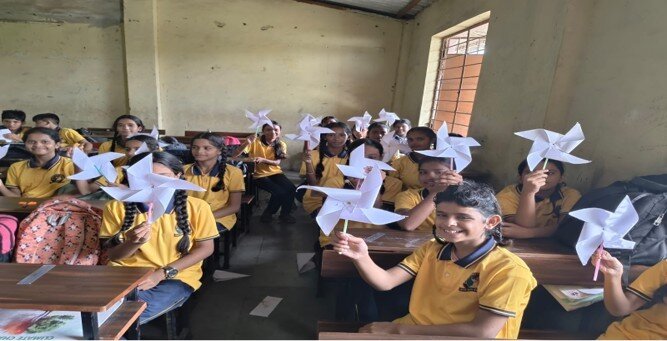
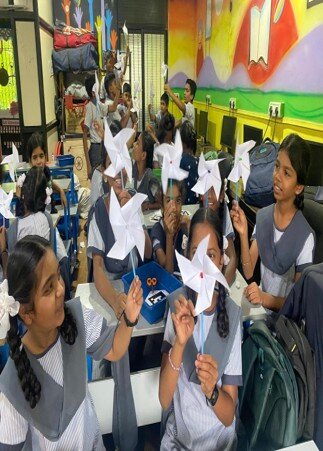
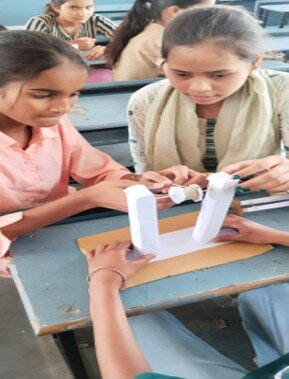
Students at Dr. Parnerkar Maharaj Vashiwali School explored renewable energy through engaging activities, including a windmill activity. The programme helped students understand renewable energy and the importance of sustainable practices while encouraging creativity, scientific thinking and teamwork.
5. Teacher Training and Capacity Building
Teacher capacity-building was an important component during the quarter.
In July, the team participated in CCE training, which focused on holistic student development and skills such as creative thinking, critical thinking, problem-solving, communication, teamwork and decision-making. The training also introduced group activities, brainstorming, role plays and hands-on learning approaches.
In September, a Teacher Training Workshop was organised in Raigad district. Mathematics and Science teachers from the Khalapur division participated. Teachers engaged in CCE and Science activities designed to provide hands-on experiences and encourage activity-based learning in their classrooms. Feedback was collected and certificates were distributed at the conclusion of the workshop.
The September report also documents training activities involving topics such as Triangles, Nutrition in Plants and Properties of Natural Resources, with practical activities including photosynthesis and understanding how air occupies space.
6. Team Learning and Professional Development
The team also participated in internal learning and content-development activities.
An AI-related online meeting was conducted in August, introducing the team to Artificial Intelligence, its importance and practical applications.
A Content Discussion session was also organised to review academic content, activity flow and the new curriculum for Classes 6, 7 and 8. The discussion helped the team prepare for upcoming sessions and improve understanding of curriculum implementation.
7. Impact Assessment and Baseline Learning
The quarter included efforts to understand students' existing knowledge and assess the learning impact of the programme.
Impact assessment activities in July used questionnaires to understand students' perceptions and understanding of General Science.
Teacher feedback from August and September also highlighted the use of baseline activities to understand students' existing knowledge, curiosity and participation levels. These observations helped teachers identify learning needs and plan subsequent sessions accordingly.
8. Beneficiary Feedback
Students consistently highlighted the value of learning through practical activities.
Students reported that hands-on experiments helped them better understand Separation of Substances, including filtration, sieving and sedimentation. Others shared that practical activities helped them understand Electricity and electric circuits, while experiments related to the Respiratory System made the topic easier and more interesting.
August feedback similarly highlighted students' positive experiences with Measurement, Force and Renewable Energy activities. Students described the practical approach as enjoyable and helpful in understanding concepts more clearly.
Teacher feedback also recognised the value of activity-based learning in making concepts from Chemistry, Physics and Biology easier to understand while encouraging students to observe, question and participate actively.
9. Questions Raised by Students
The sessions encouraged students to ask questions and explore scientific concepts beyond the immediate activity. Questions recorded during the quarter included:
10. Overall Impact
The July–September quarter demonstrated a continued focus on hands-on, experiential and activity-based science learning. Students were exposed to scientific concepts through experiments, demonstrations, models, discussions and practical activities rather than relying only on textbook-based learning.
The programme supported the development of curiosity, scientific thinking, observation, creativity, confidence, teamwork and problem-solving skills. Science Fair activities provided opportunities for students to demonstrate and communicate their understanding, while special programmes connected science learning with environmental awareness, cultural activities and everyday experiences.
Teacher training further strengthened the programme by equipping educators with activity-based approaches and practical learning methodologies. Impact assessment and baseline activities also helped the team understand students' learning levels and identify areas requiring further support.
Overall, the quarter strengthened the Mobile Lab's role in creating engaging and meaningful learning experiences for students while supporting teachers in adopting experiential approaches to science education.
By Bipin Irabatti | Executive Donor Relations
By Bipin Irabatti | Executive Donor Relations
Project reports on GlobalGiving are posted directly to globalgiving.org by Project Leaders as they are completed, generally every 3-4 months. To protect the integrity of these documents, GlobalGiving does not alter them; therefore you may find some language or formatting issues.
If you donate to this project or have donated to this project, you can receive an email when this project posts a report. You can also subscribe for reports without donating.



Support this important cause by creating a personalized fundraising page.
Start a Fundraiser