Project Report
| Oct 12, 2026
The roles that visibility is playing KIFA
By George Obua | Project Leader
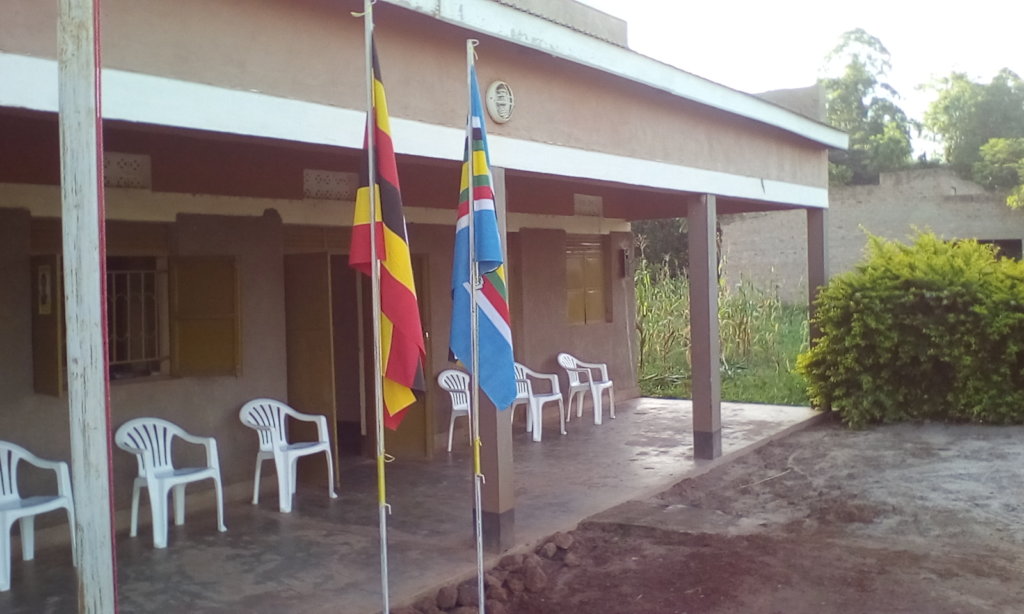
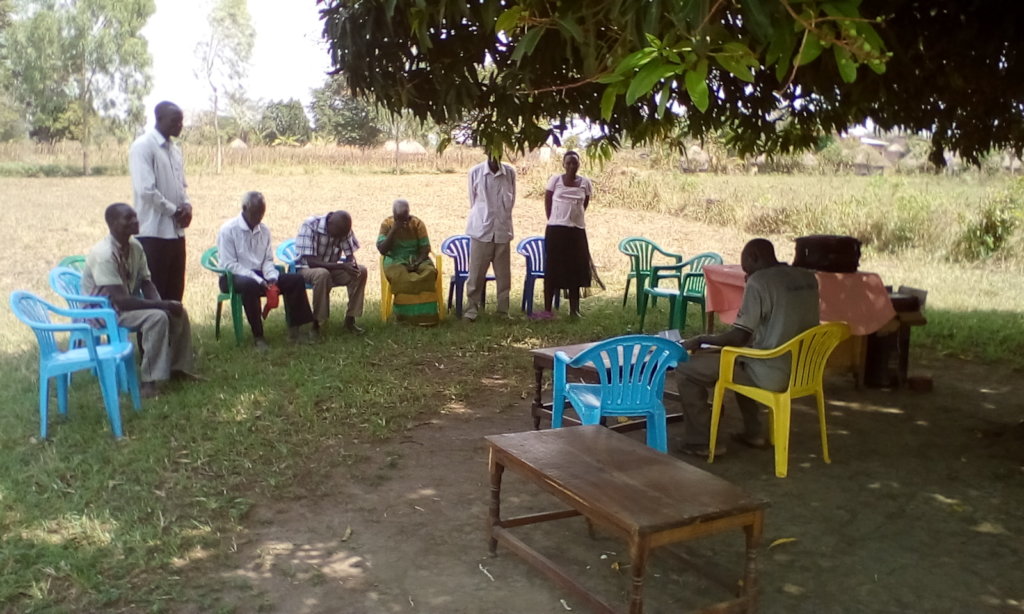
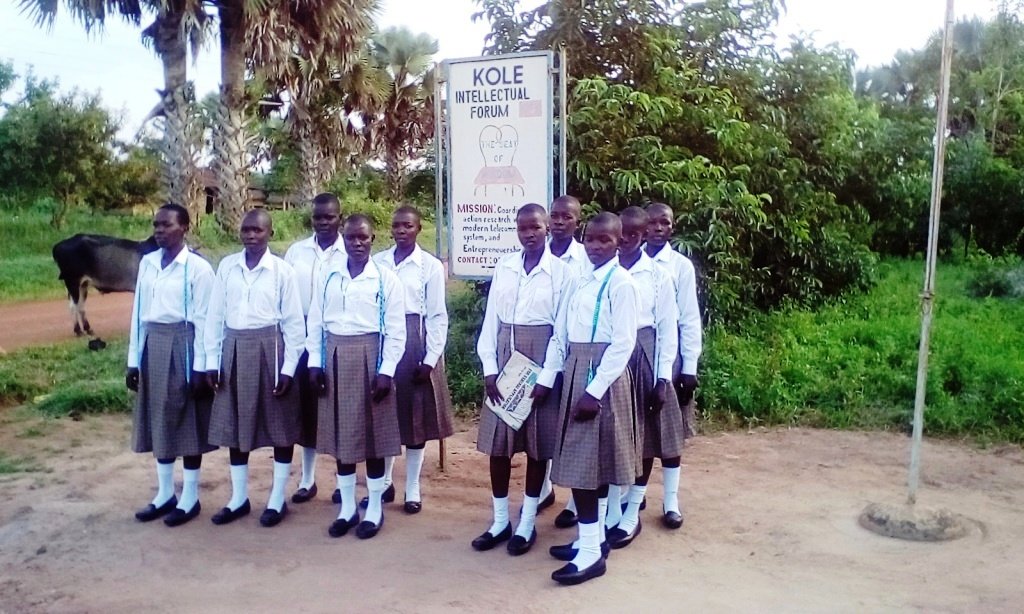
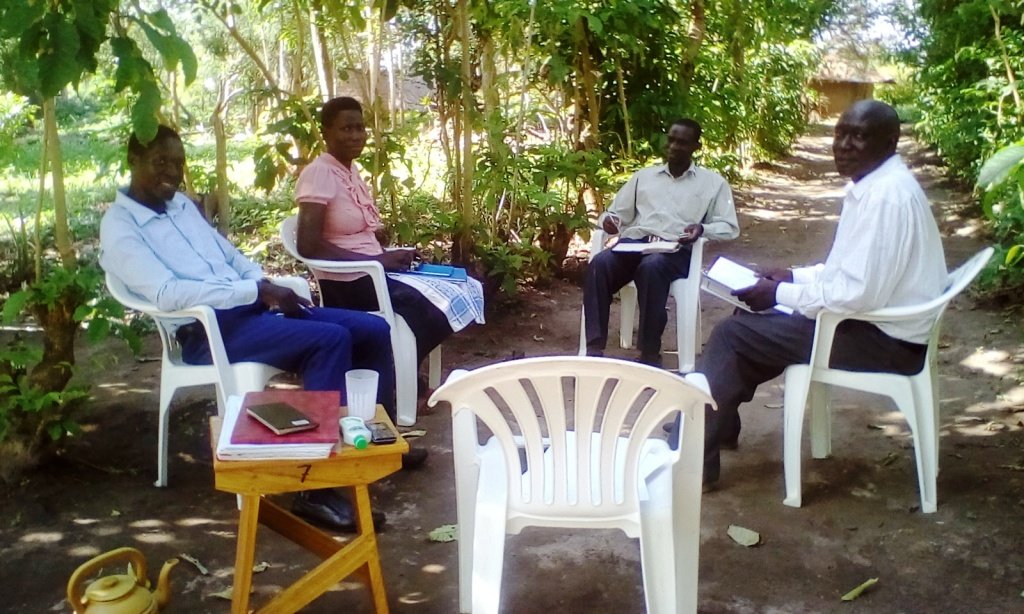
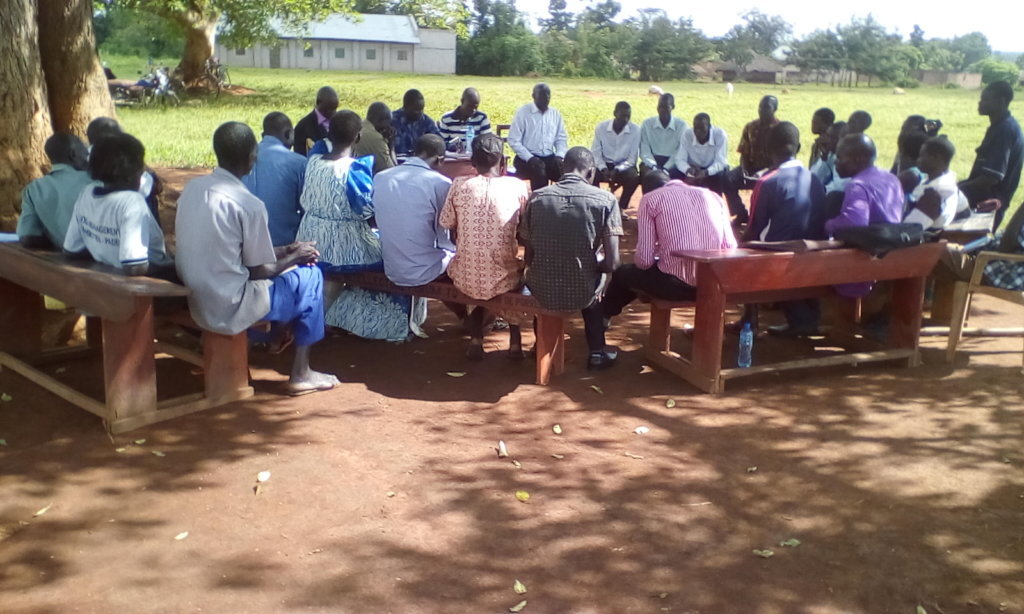
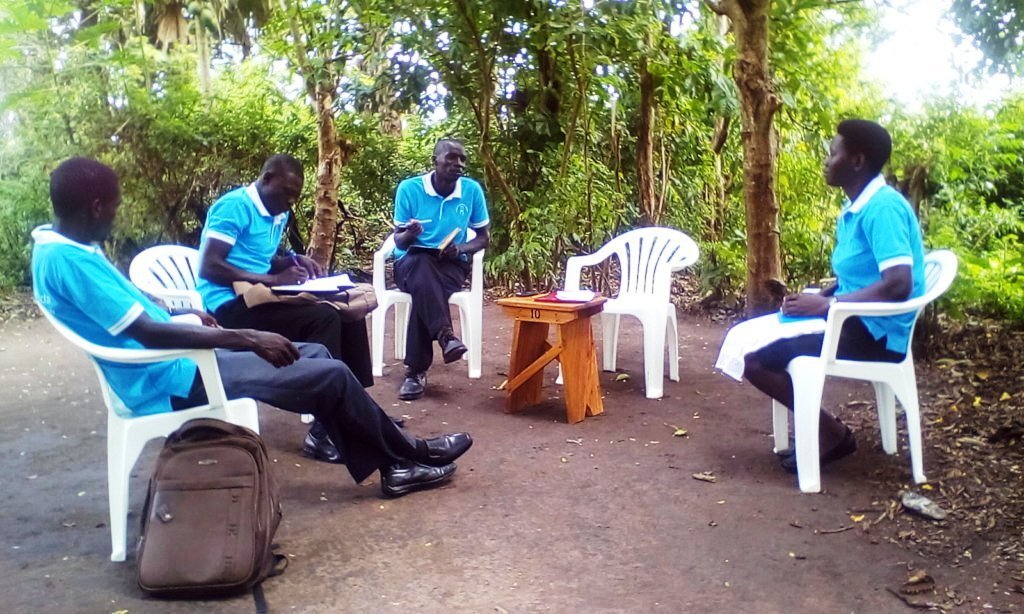
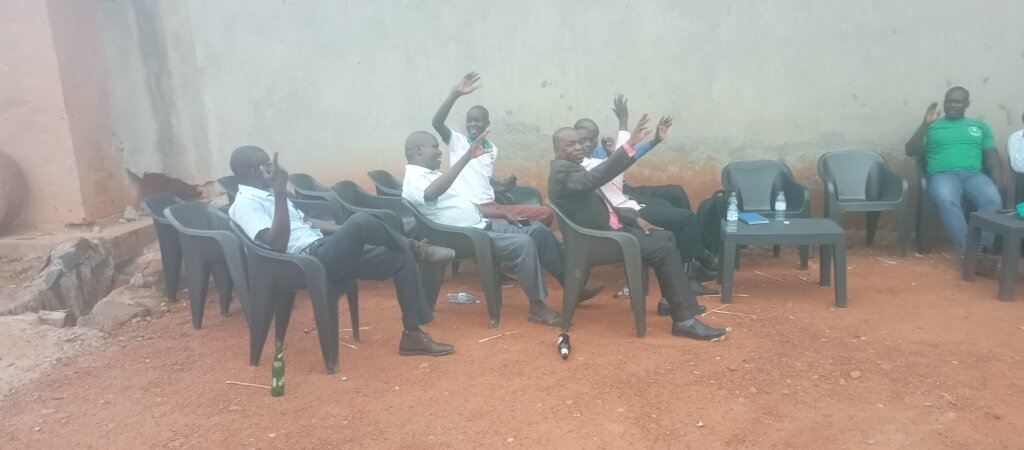
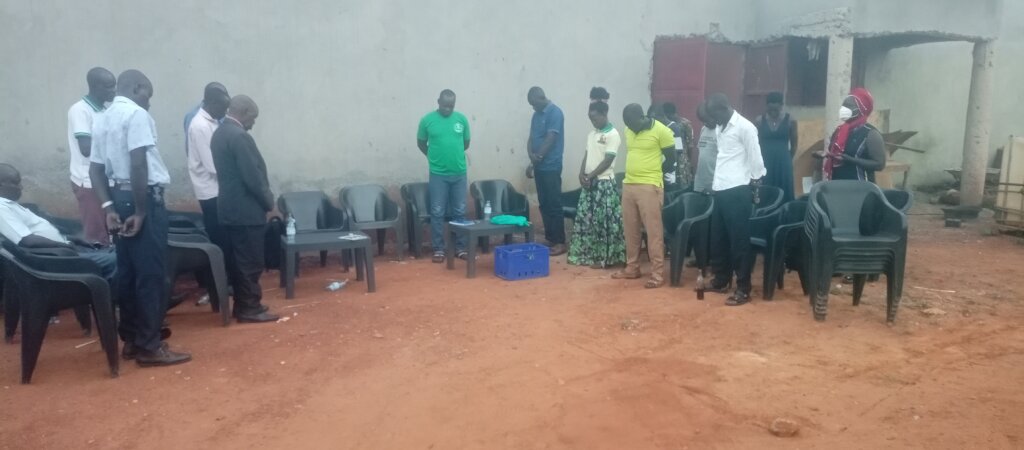
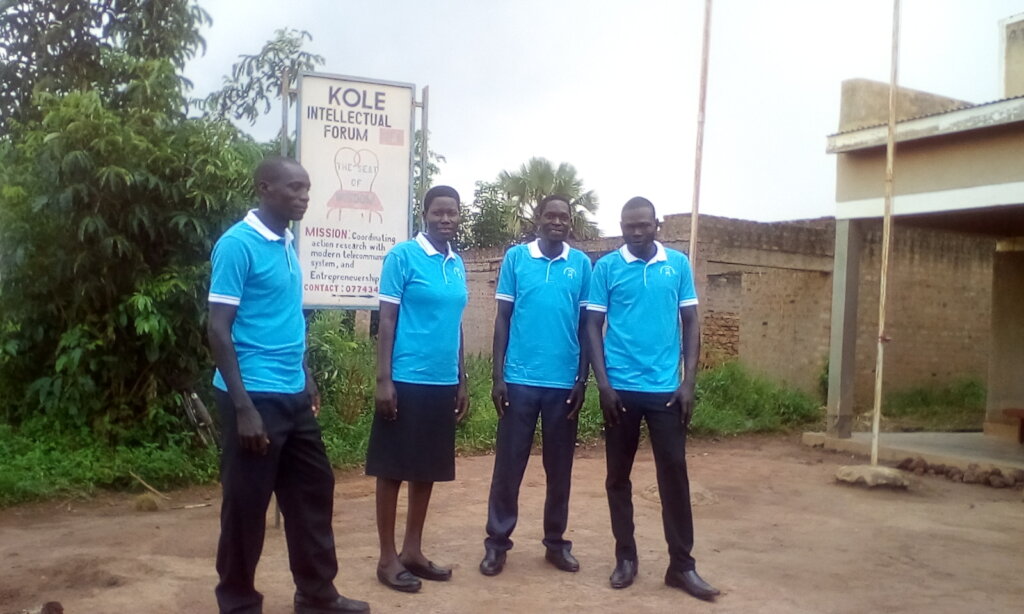
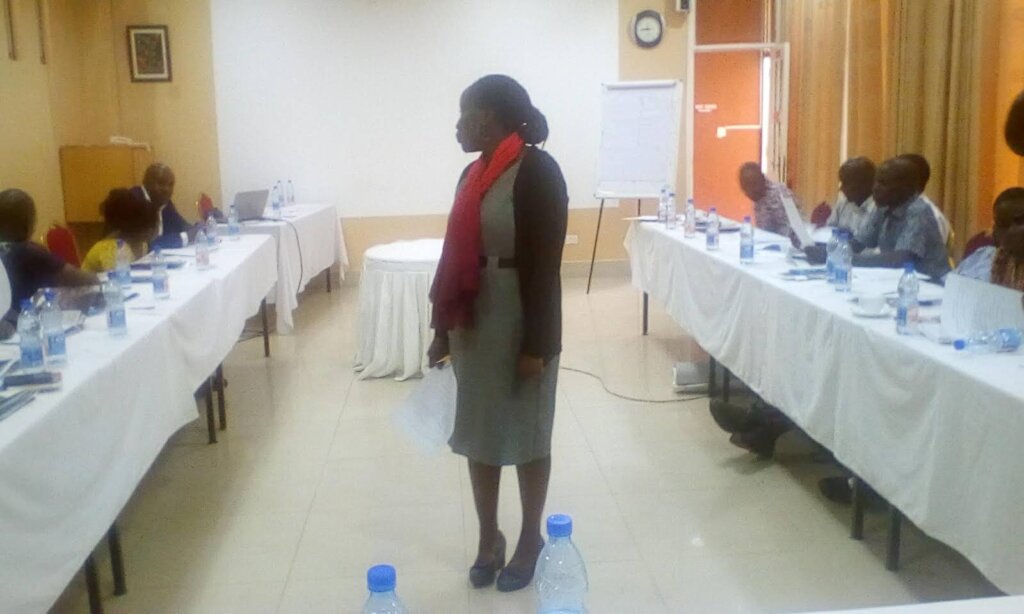
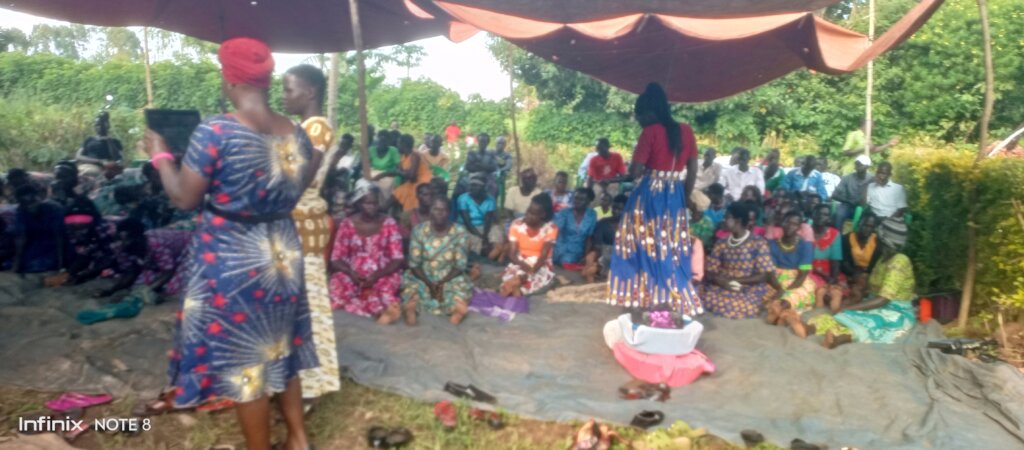
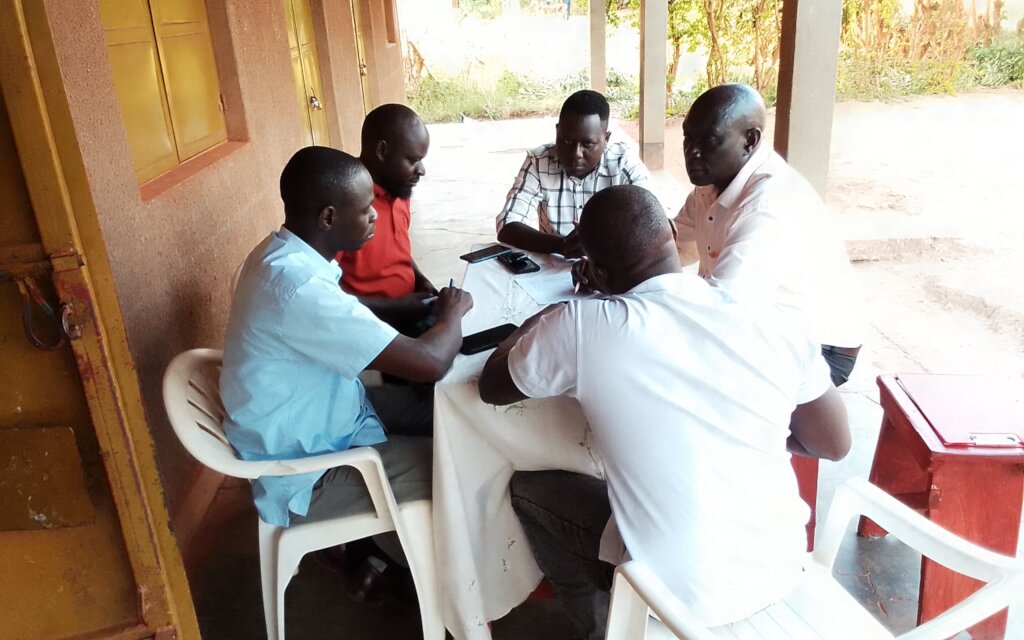
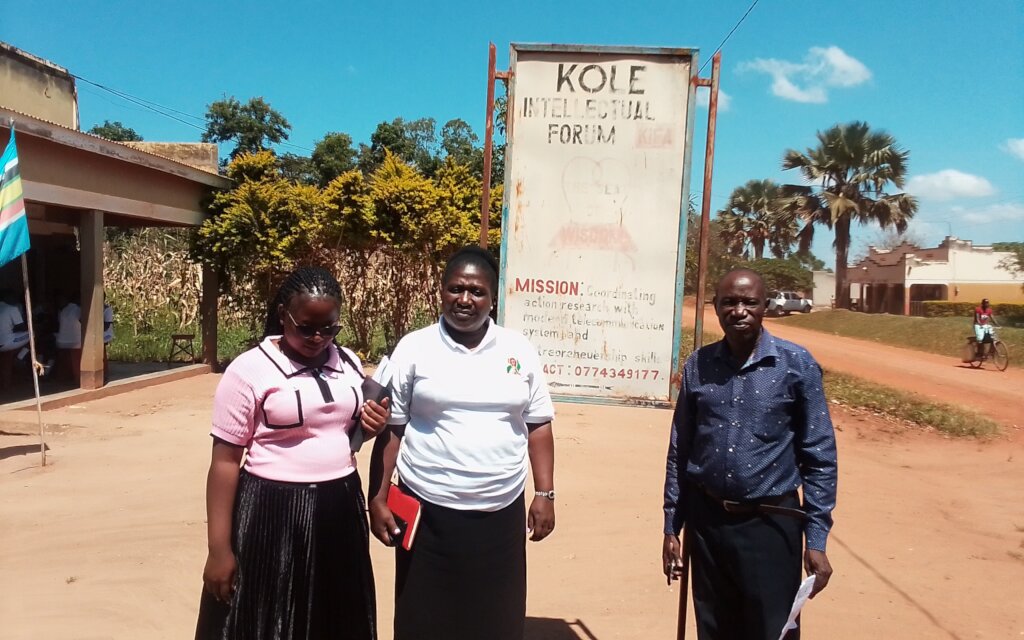
Over a period of time, the visibility of KIFA (Kole Intellectual Forum), has helped her to examine its internal understanding of its own operations, performance, and goals. It is the degree to which their management and their employees can see and estimate future performance, understand roles, and see the value that individuals within their teams are adding to their organization. This internal visibility is seen to be a crucial issues towards their internal coordination, employee satisfaction, and achieving strategic goals.
The components of their internal visibility are based on:
- Coordination and clarity: The ability for everyone to understand their roles, the project's progress, and how their work contributes to the larger goals.
- Performance estimation: Management's ability to see and estimate future sales, earnings, and overall performance, often referred to as "business visibility".
- Value of contributions: Employees and teams being able to see the value that each individual and team brings to the organization, ensuring that hard work is recognized and not lost in the crowd.
- Strategic alignment: Employees understanding the company's strategic direction and how their work fits into it, which is often driven by visible leadership communicating the vision.
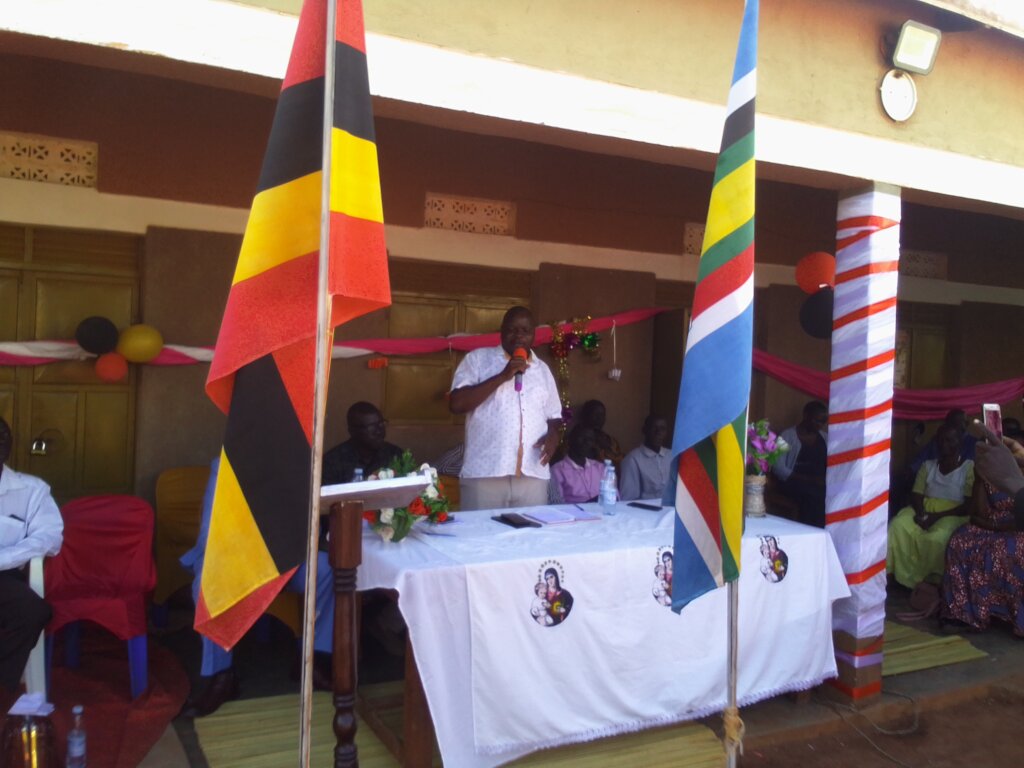
We are therefore grateful to report to our supporter that: as a result of our organizational visibility, we have been able to utilize your donations to the expected outcome. Thank you so much for your positive support; it has made us to be among the top ranked organization accross the platform of GlobalGiving and at the same time the most promising npo within the Kole District Local Government of Uganda.
![Share on Twitter]()
![Share on Facebook]()
Oct 12, 2026
Human Development Based on Human Health at KIFA
By George Obua | Project Leader
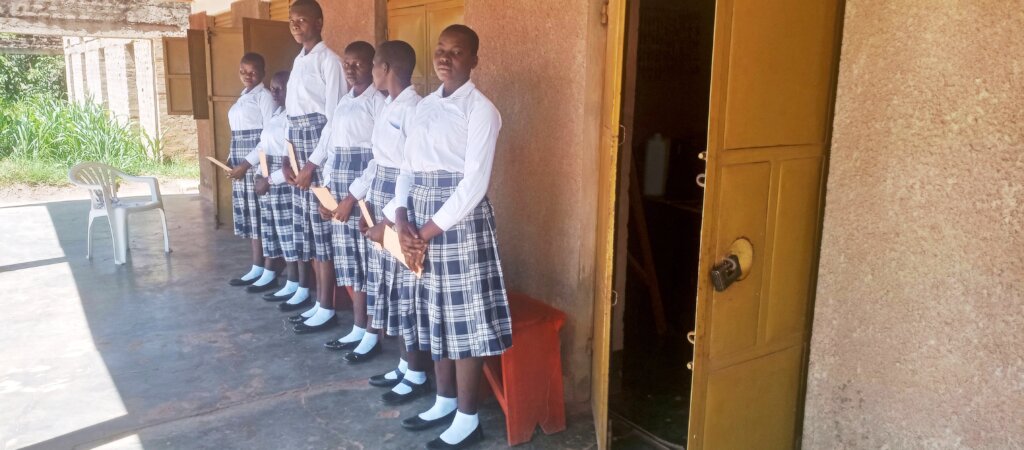
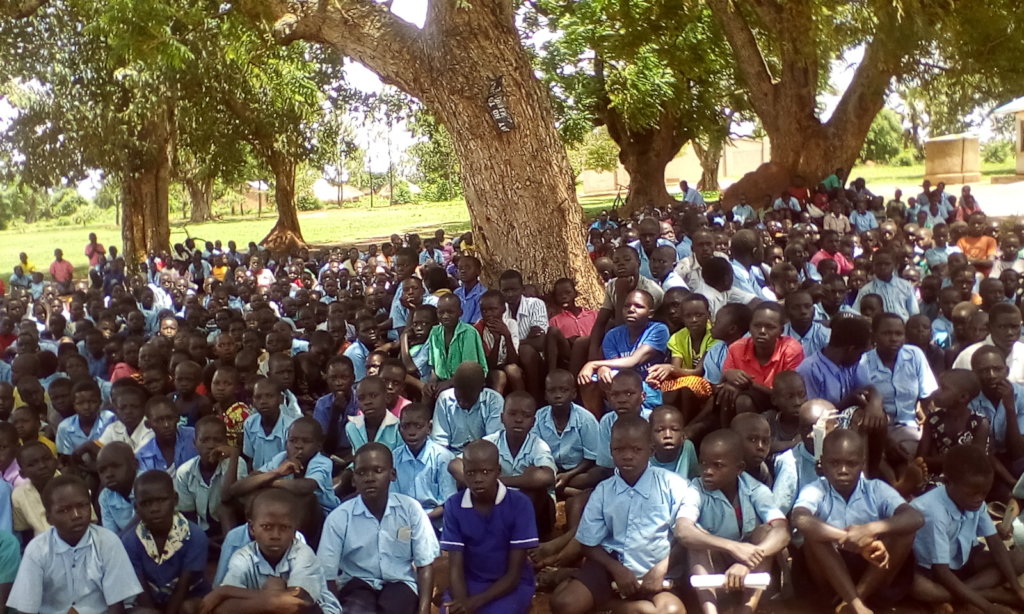
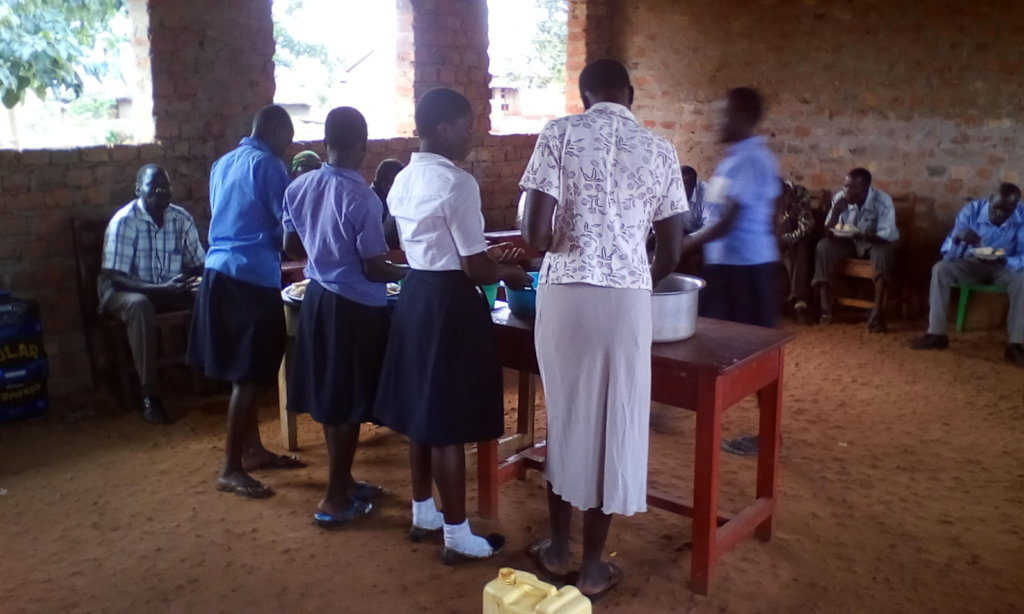
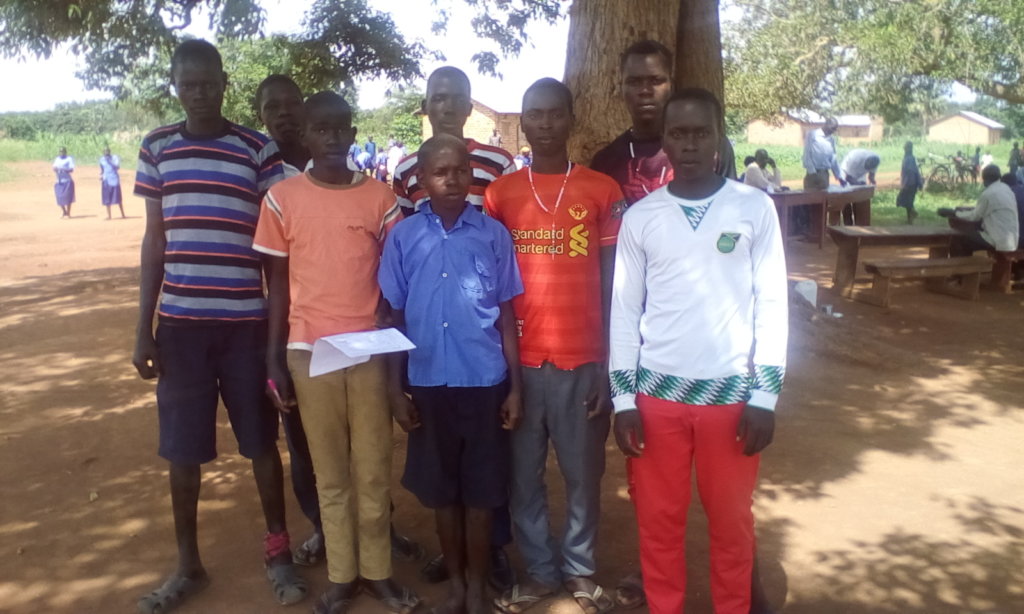
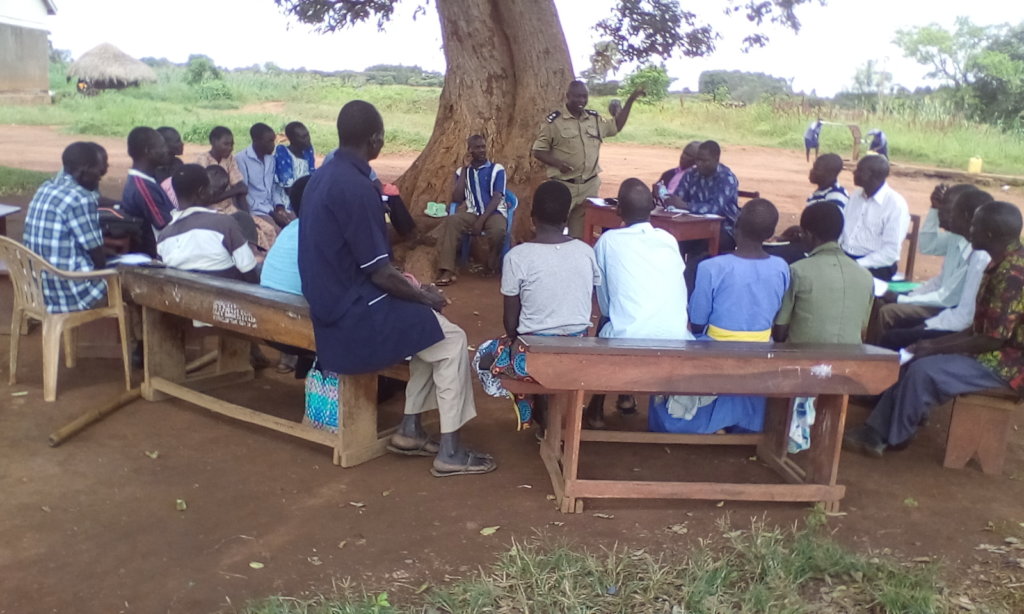
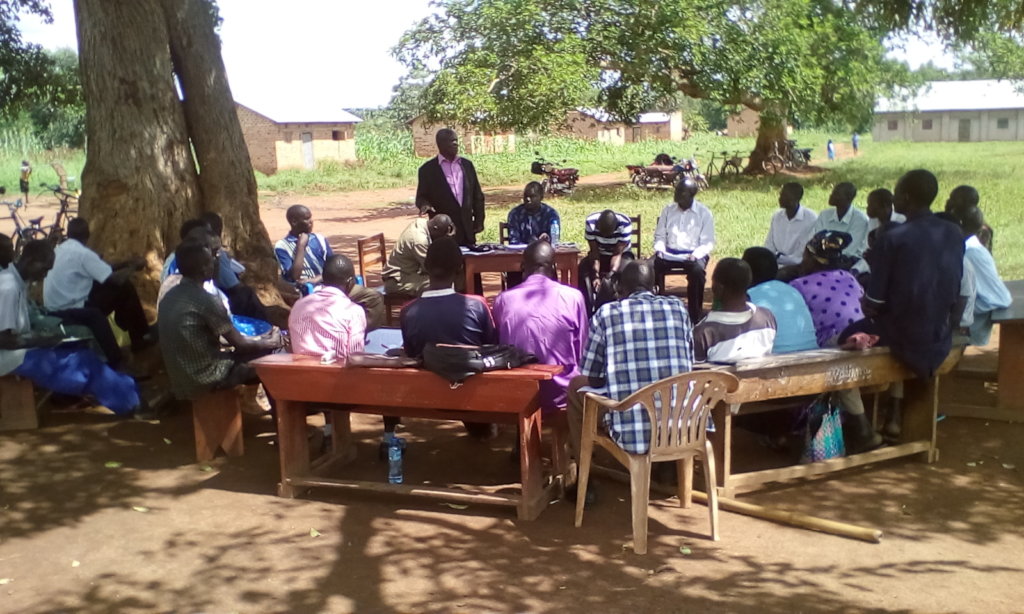
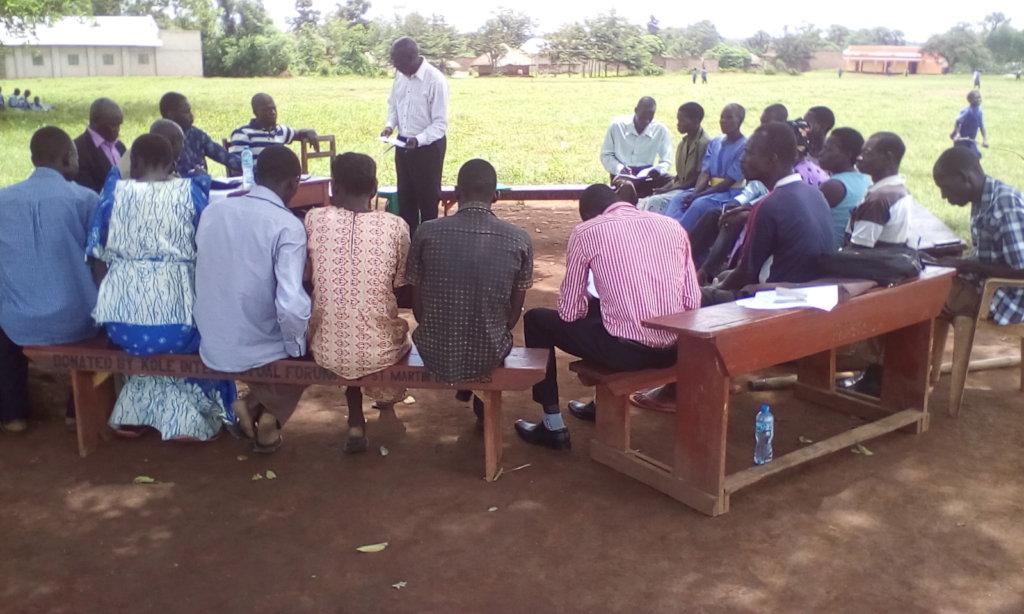
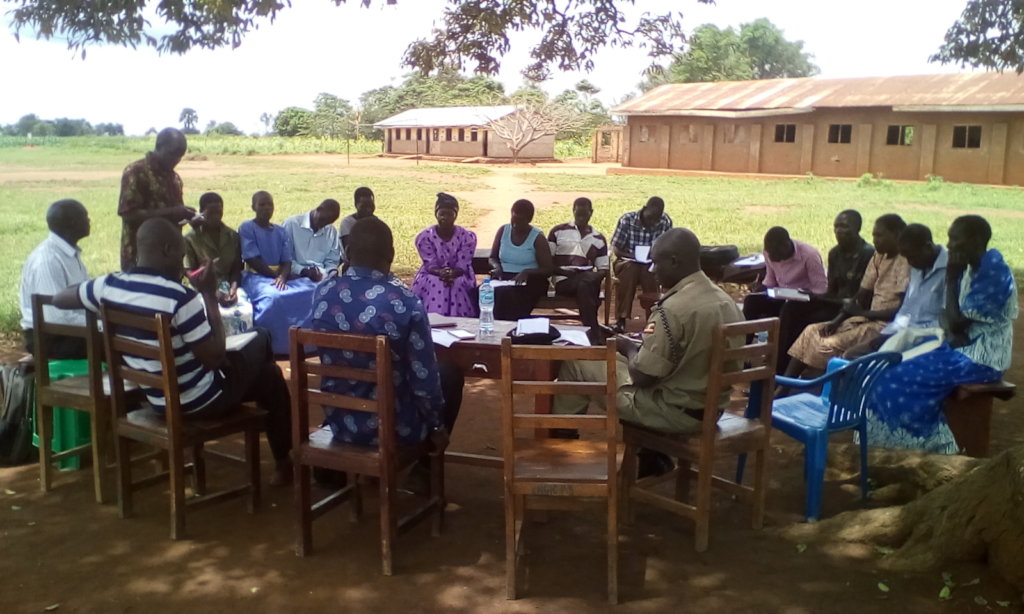
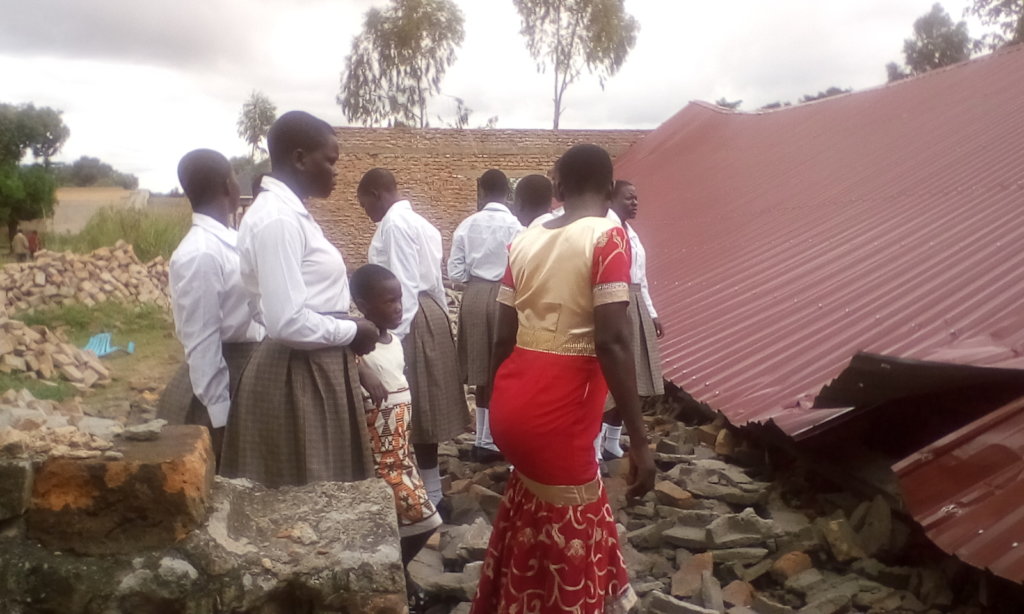
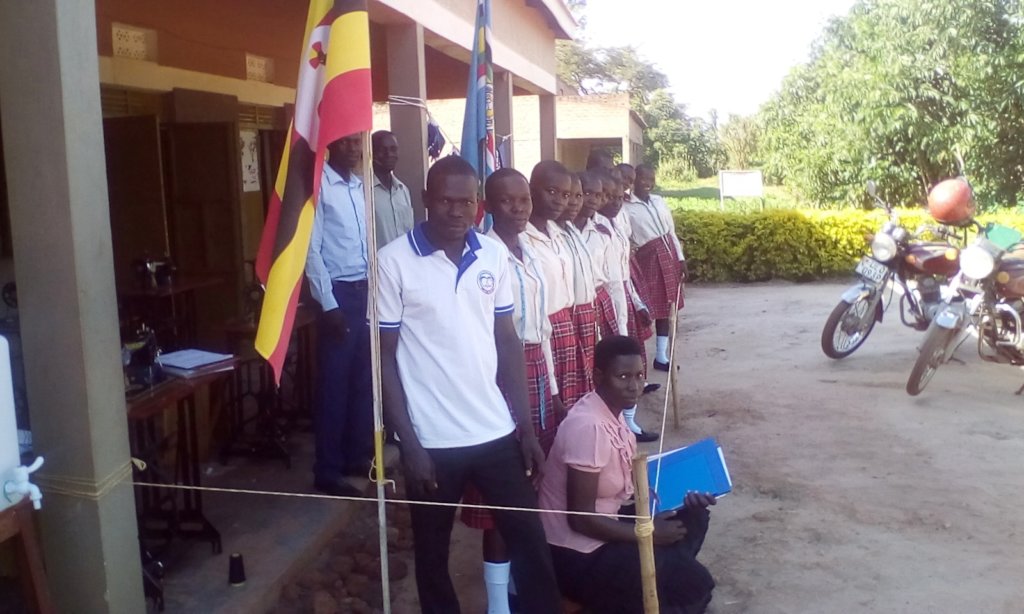
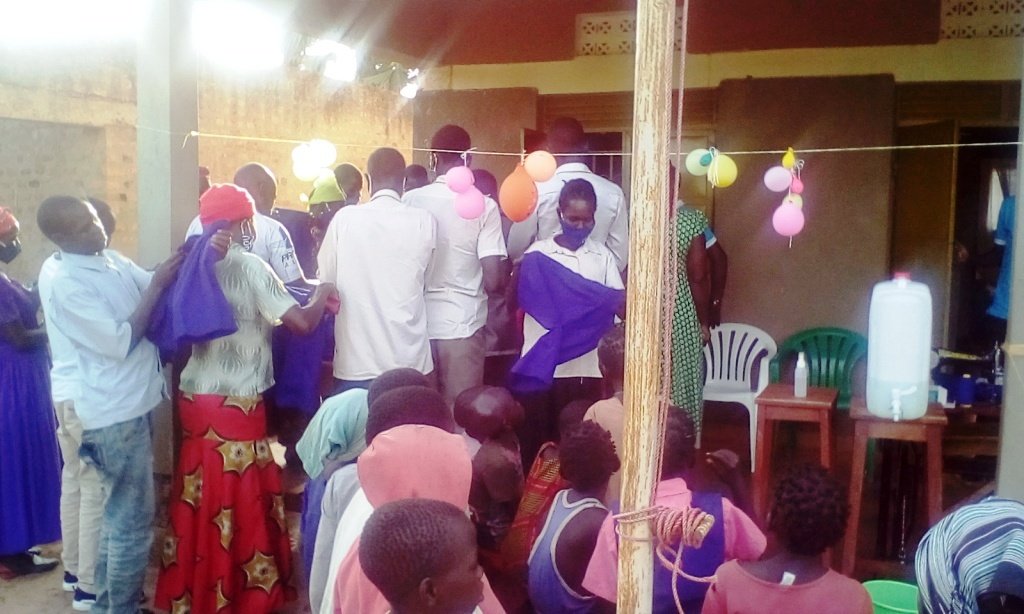
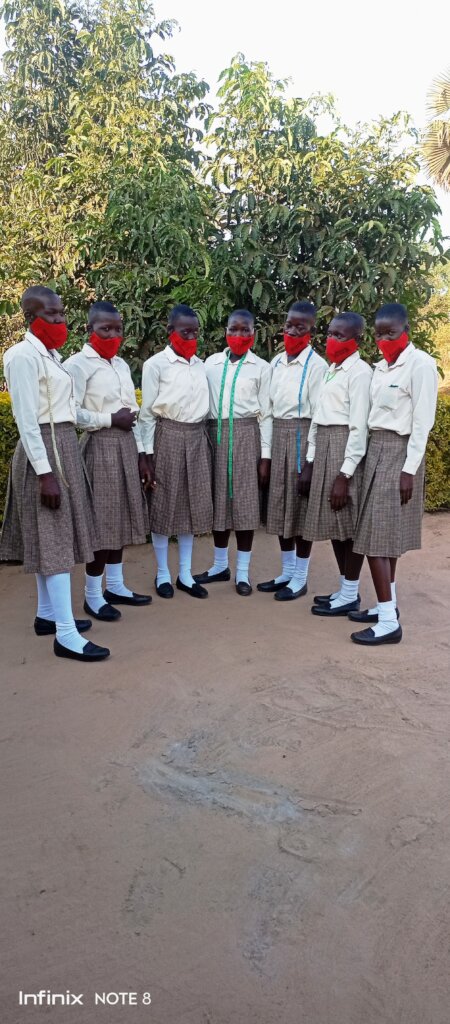
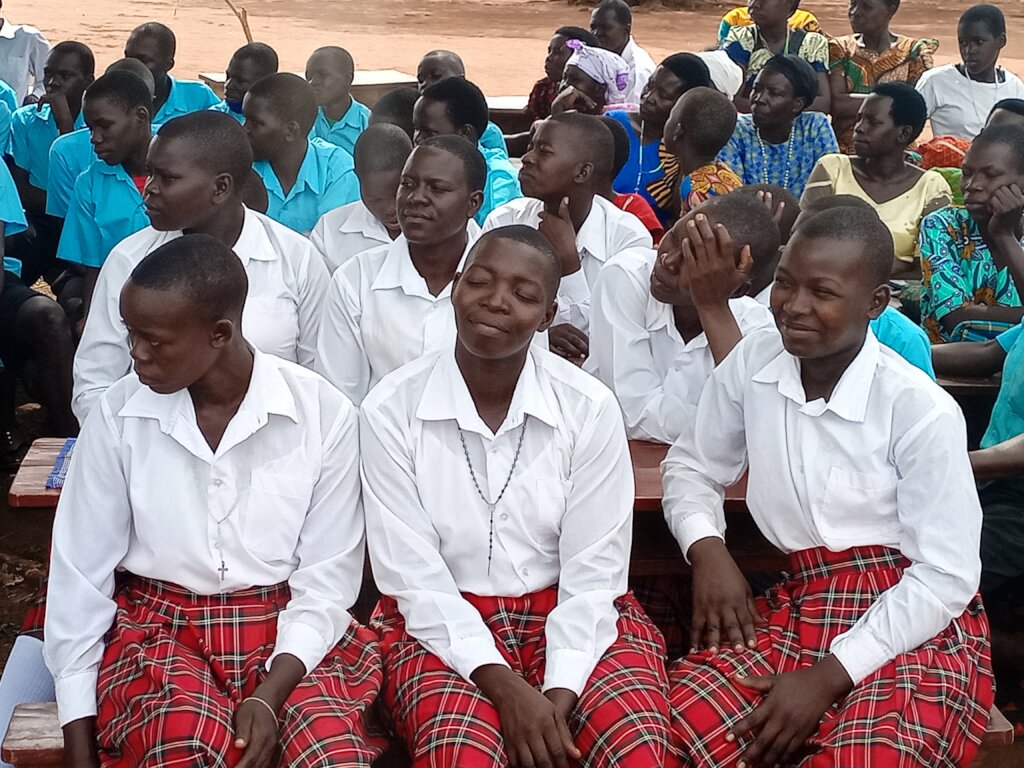
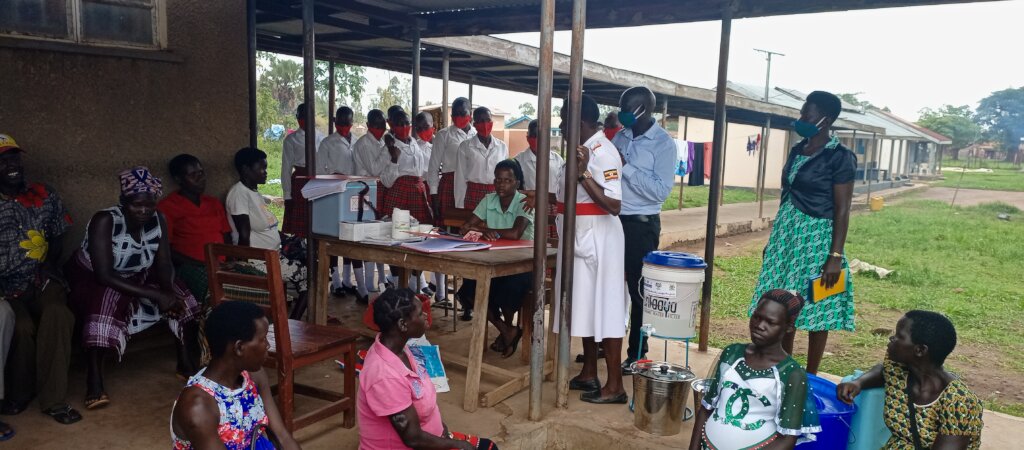
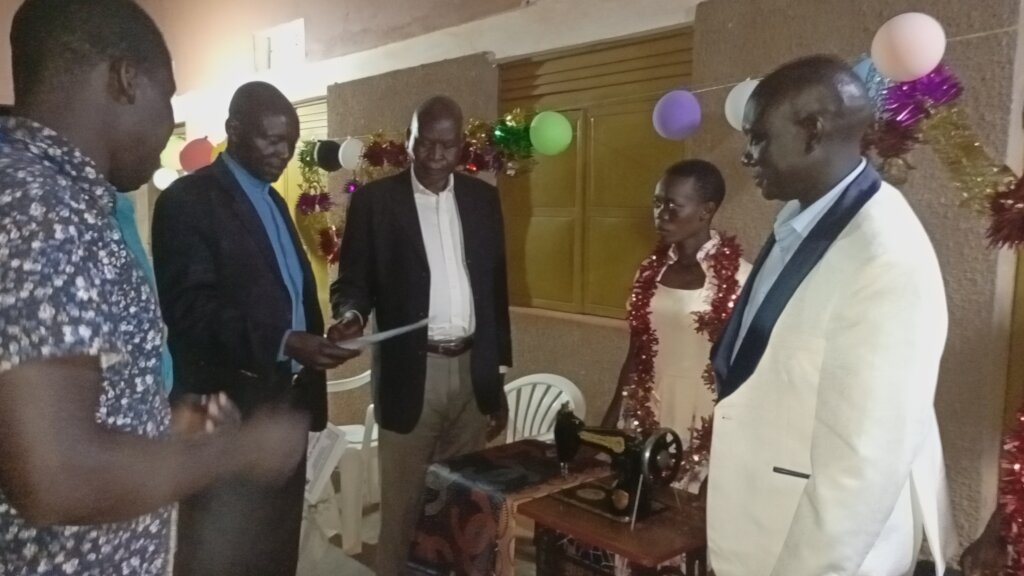
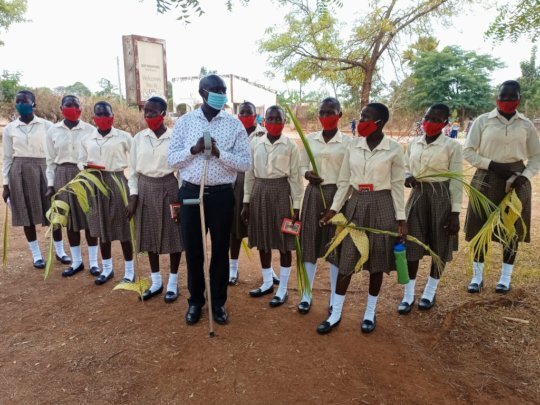
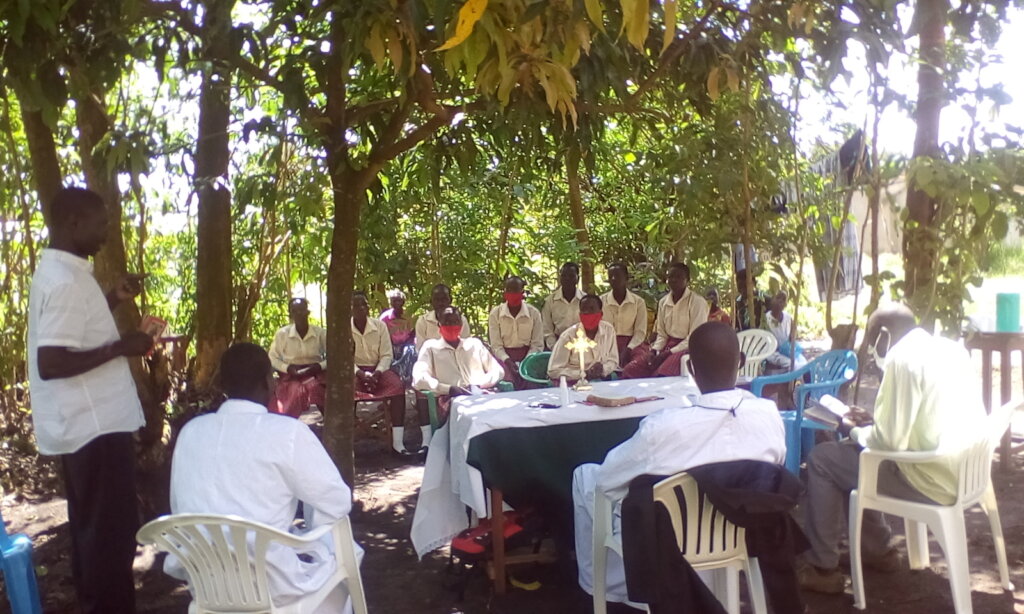
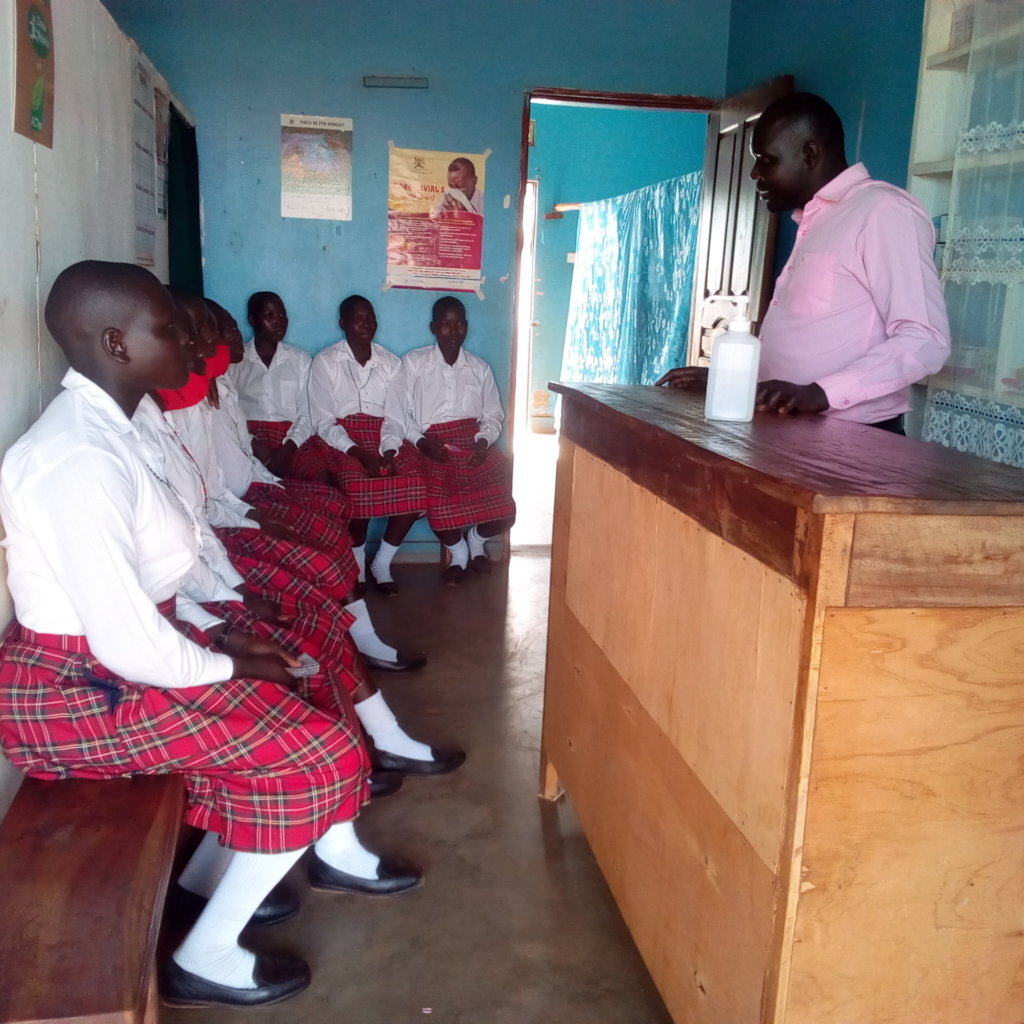
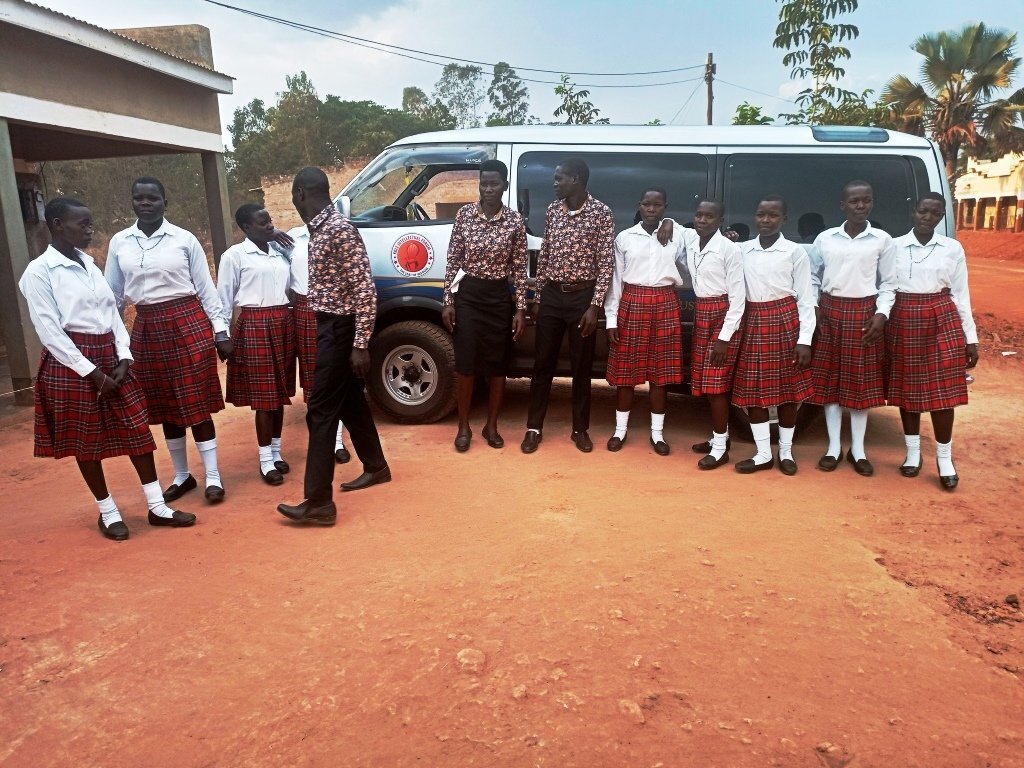
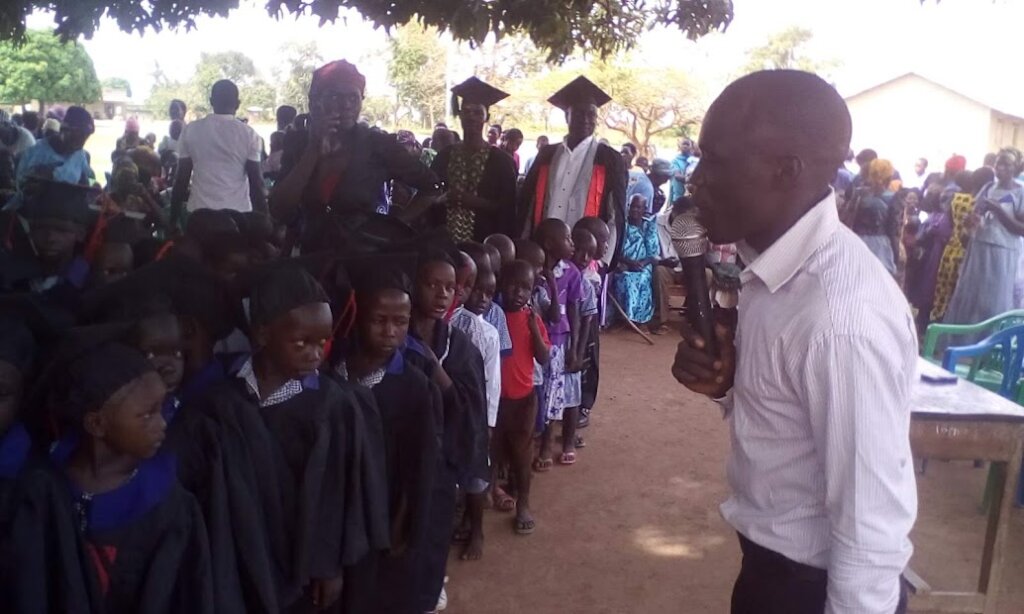
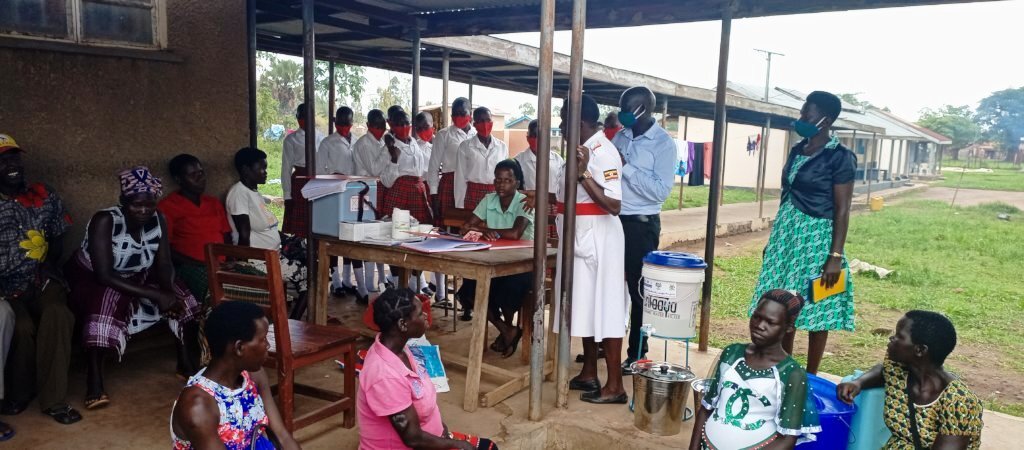
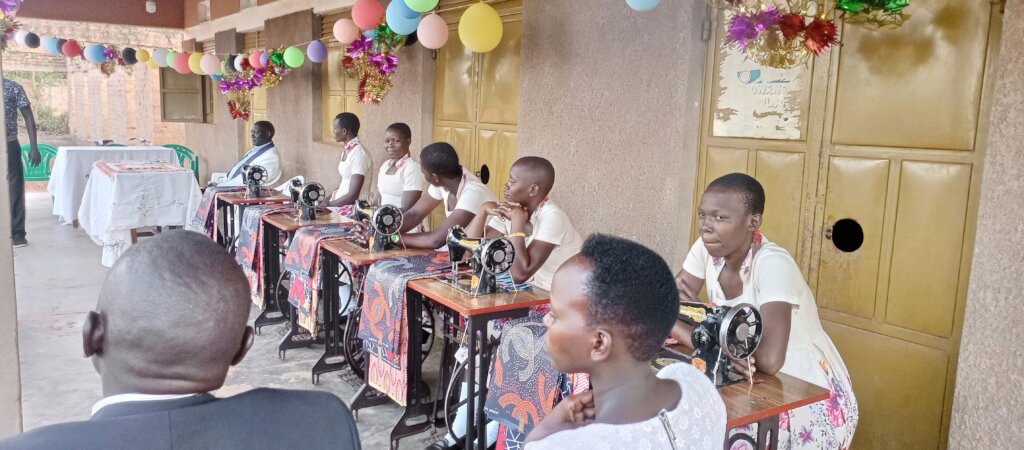
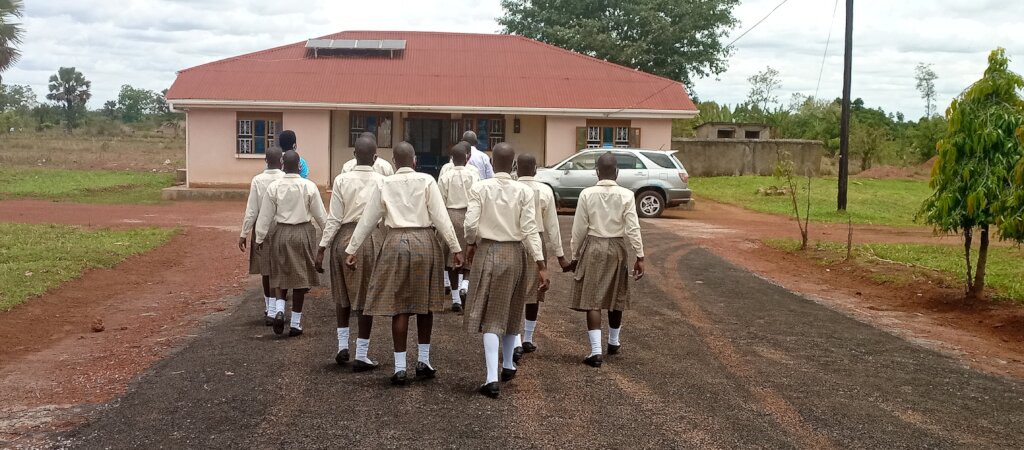
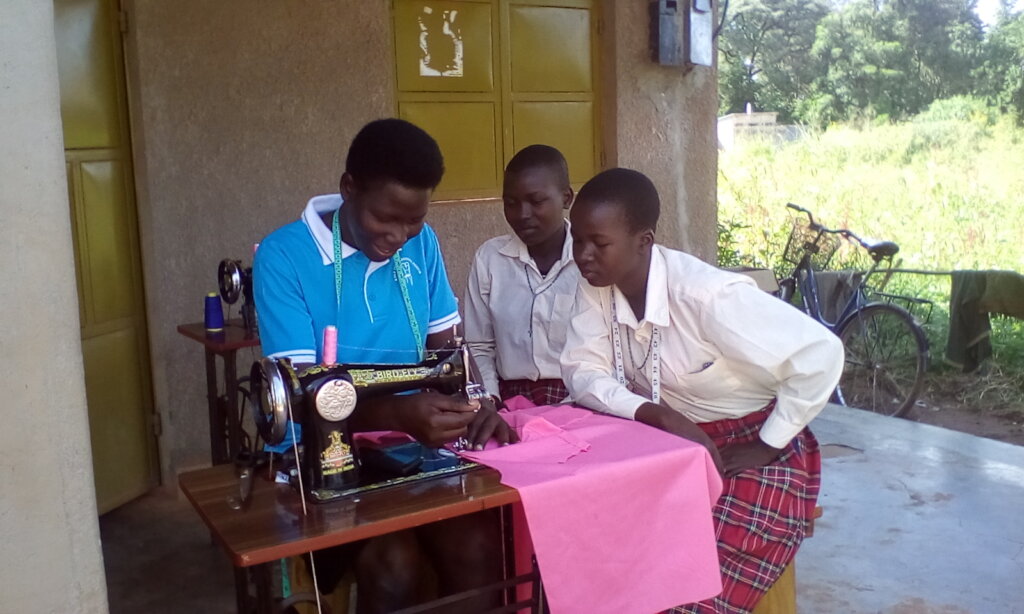
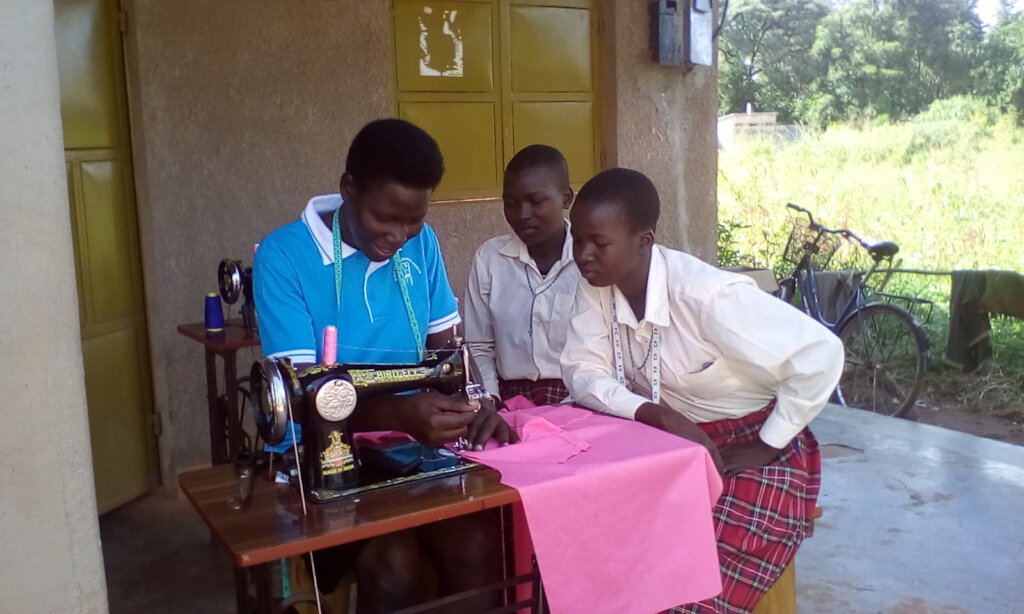
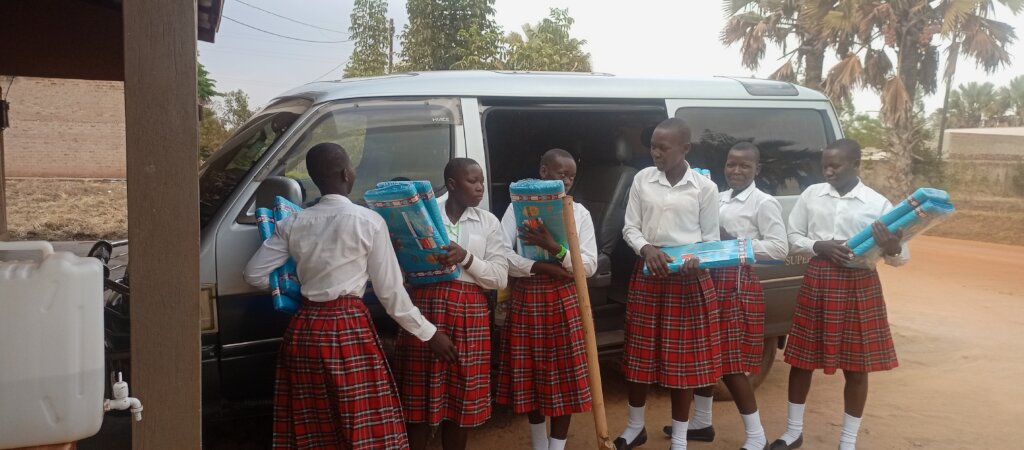
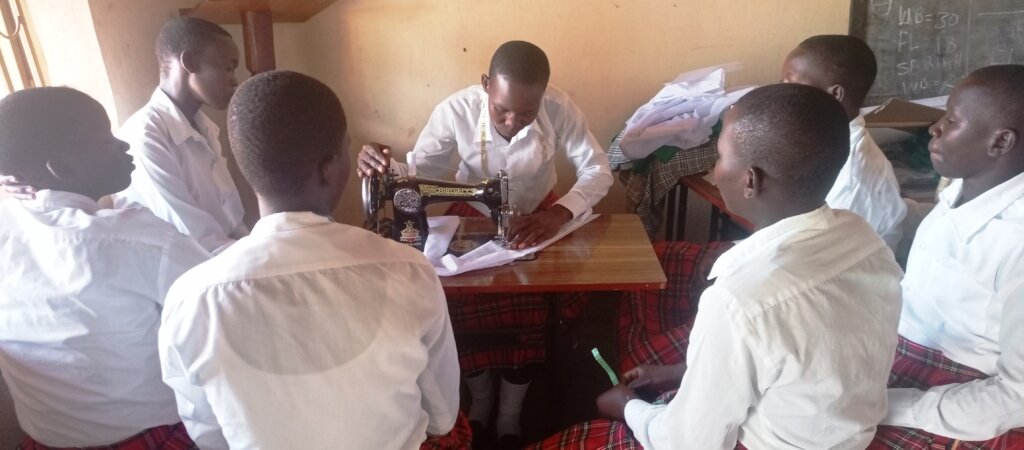
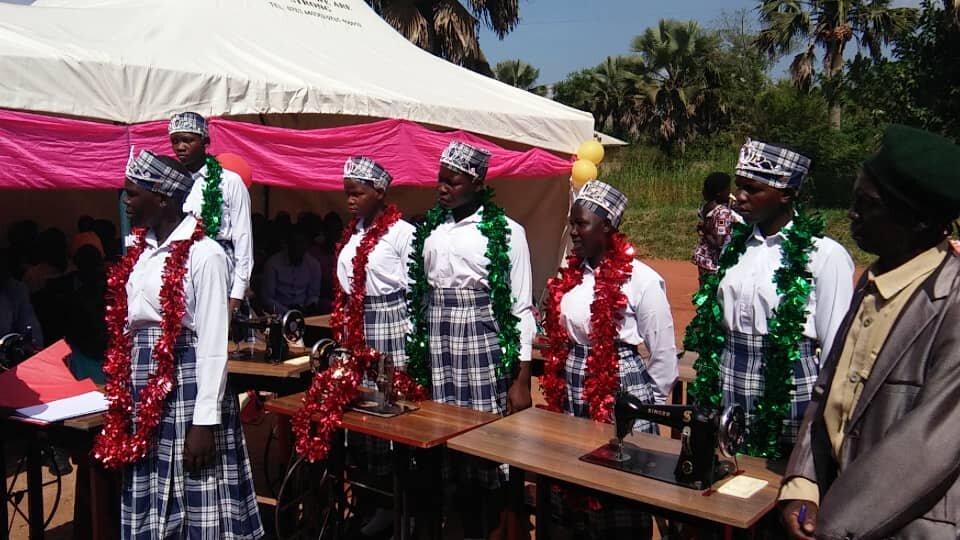
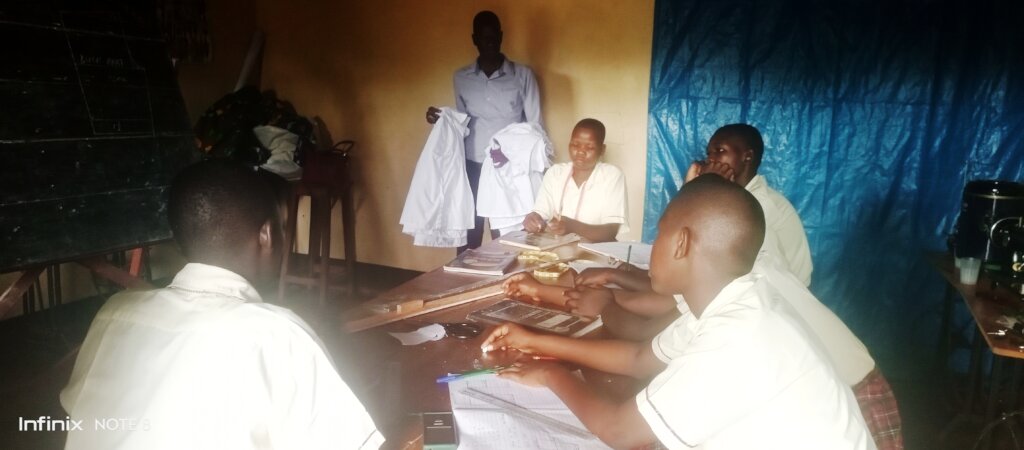
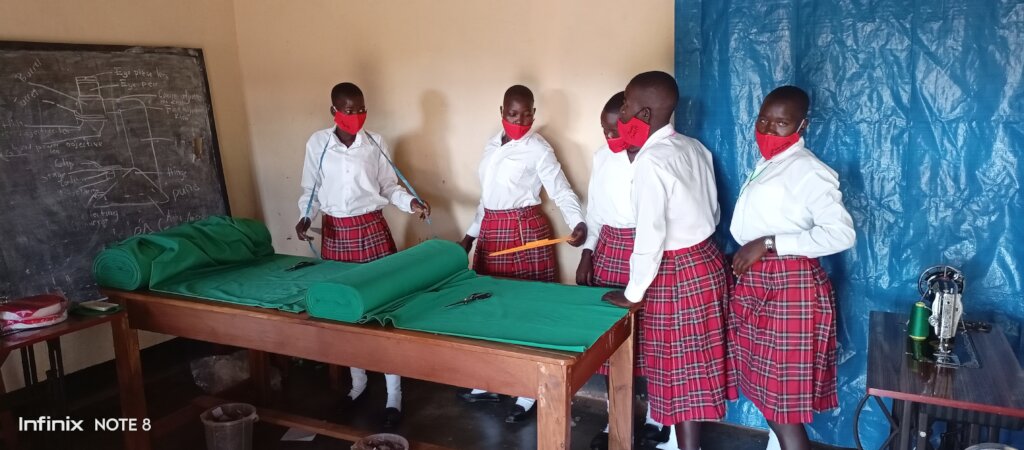
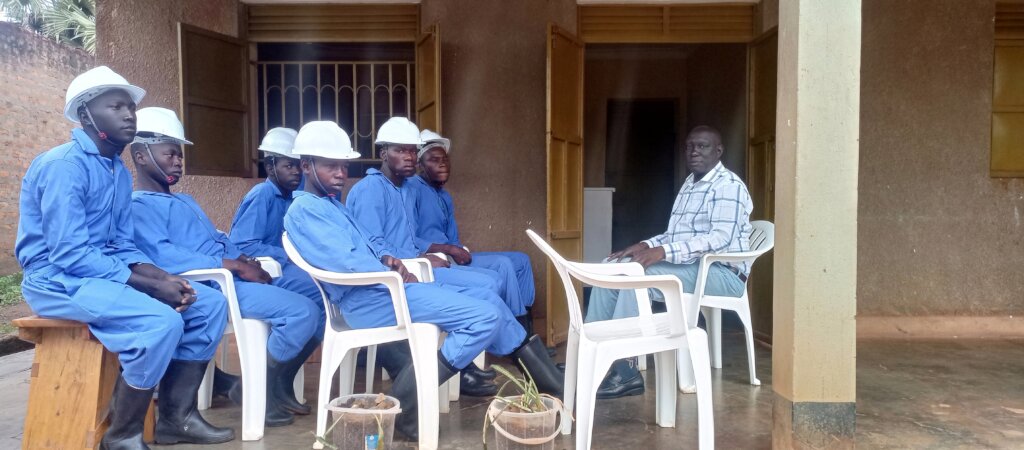
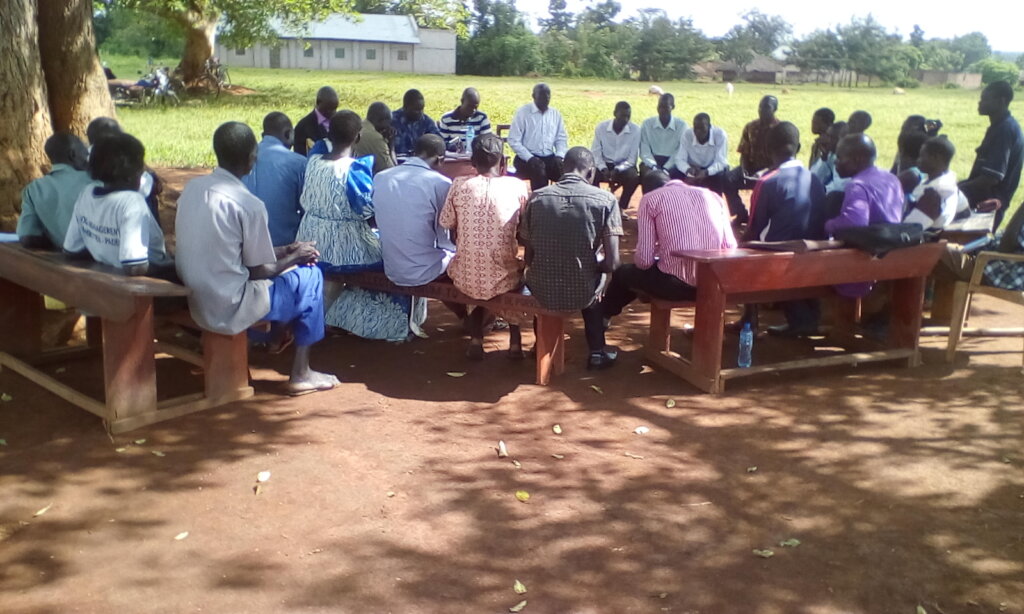
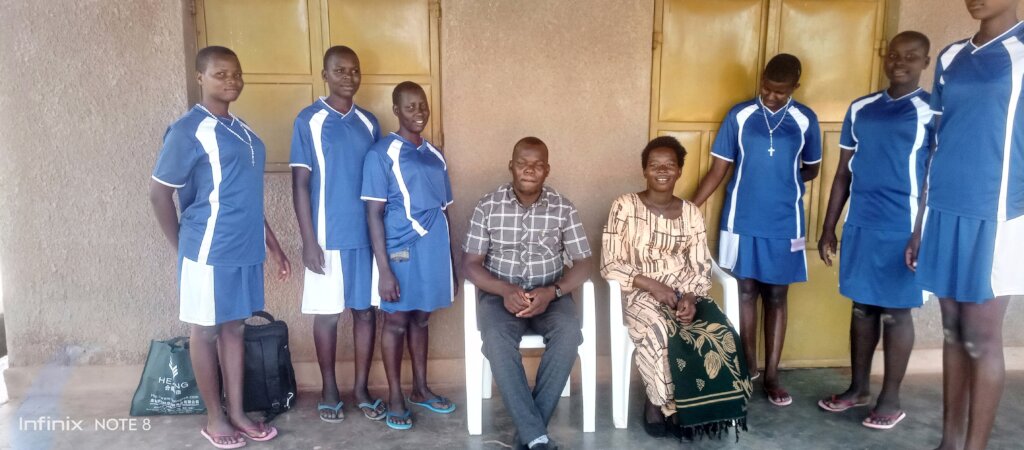
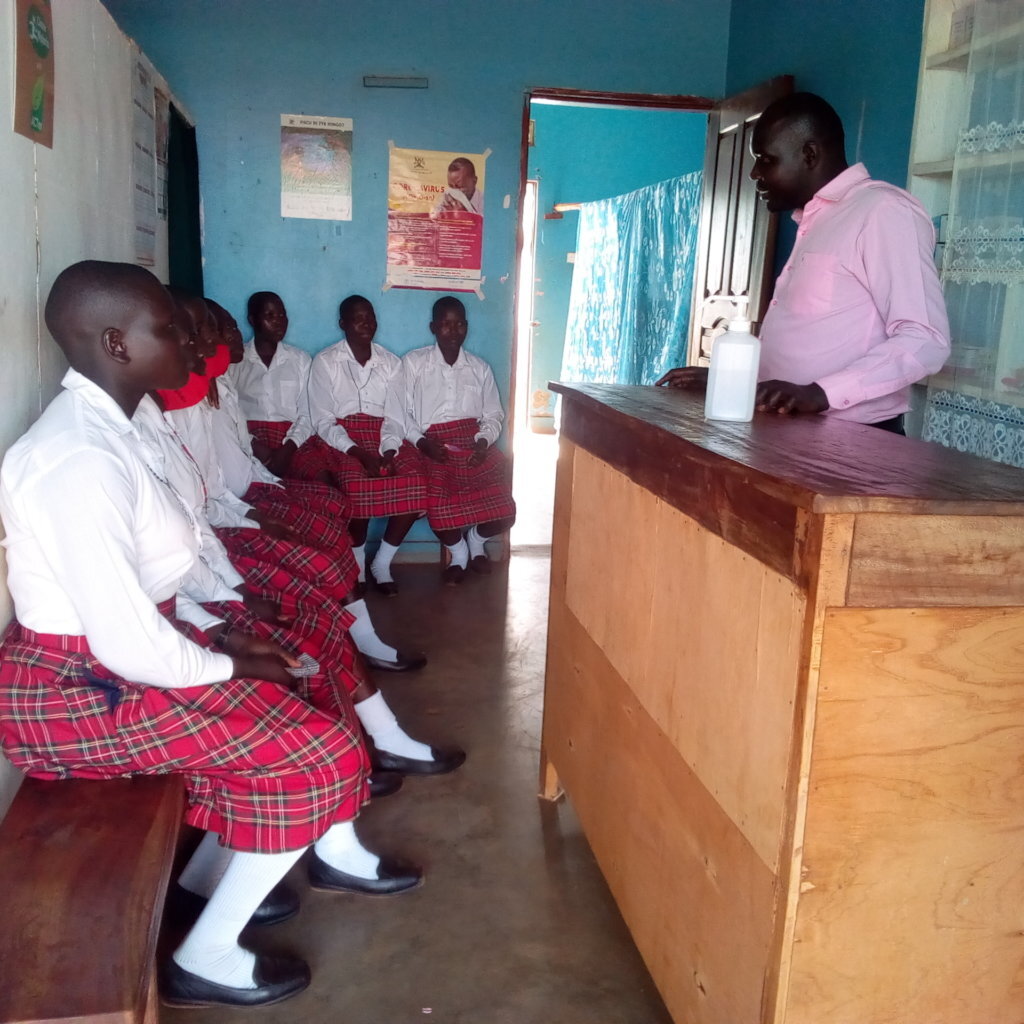
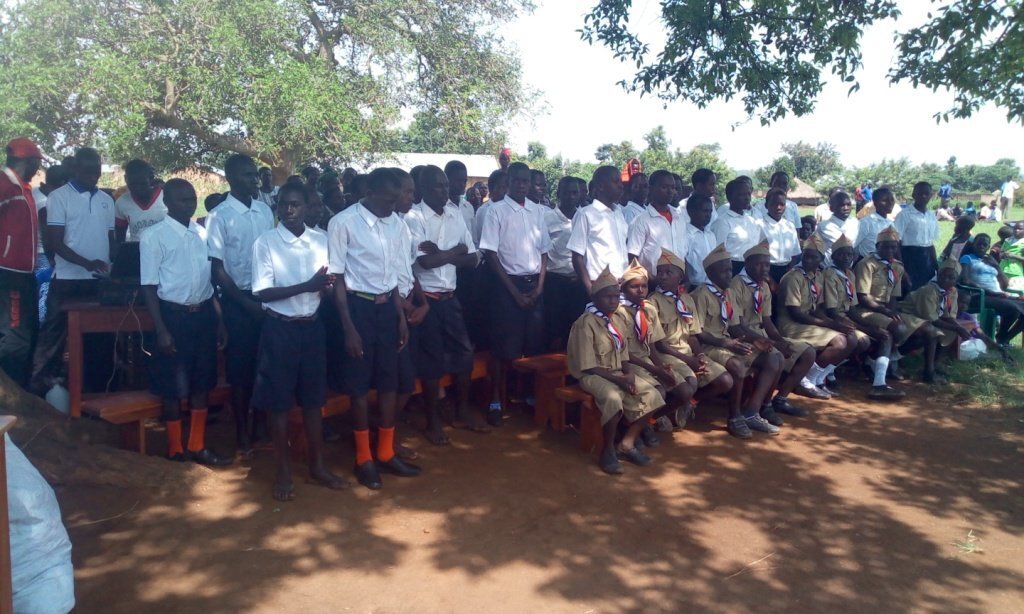
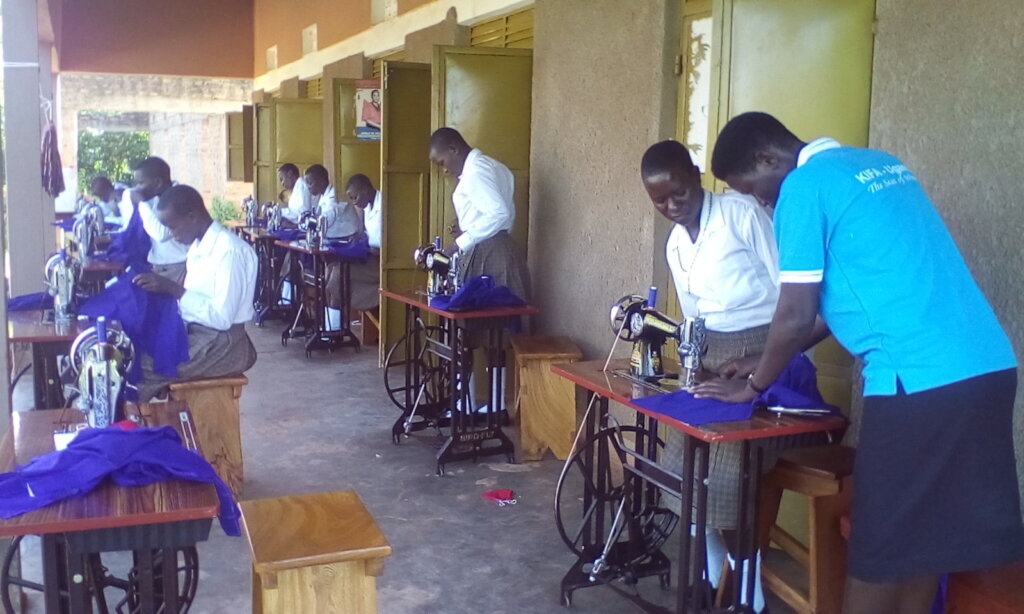
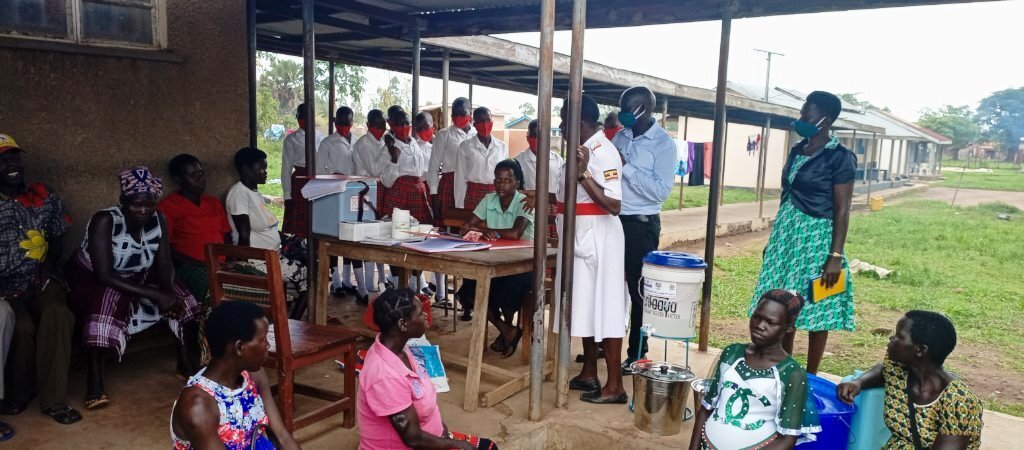
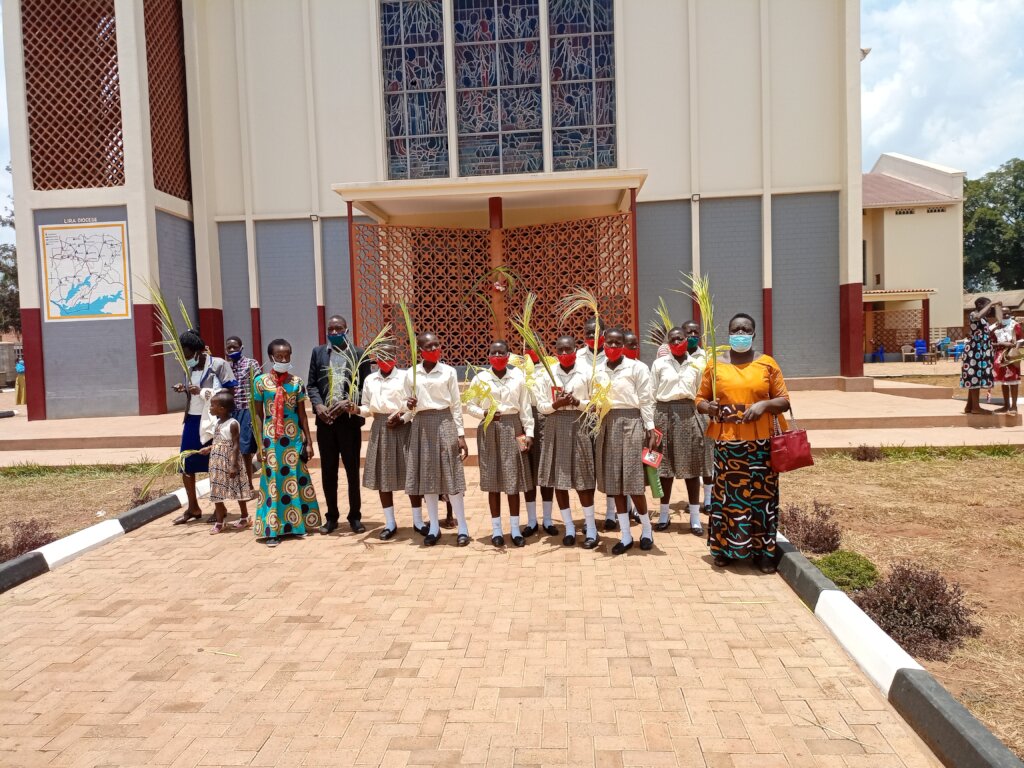
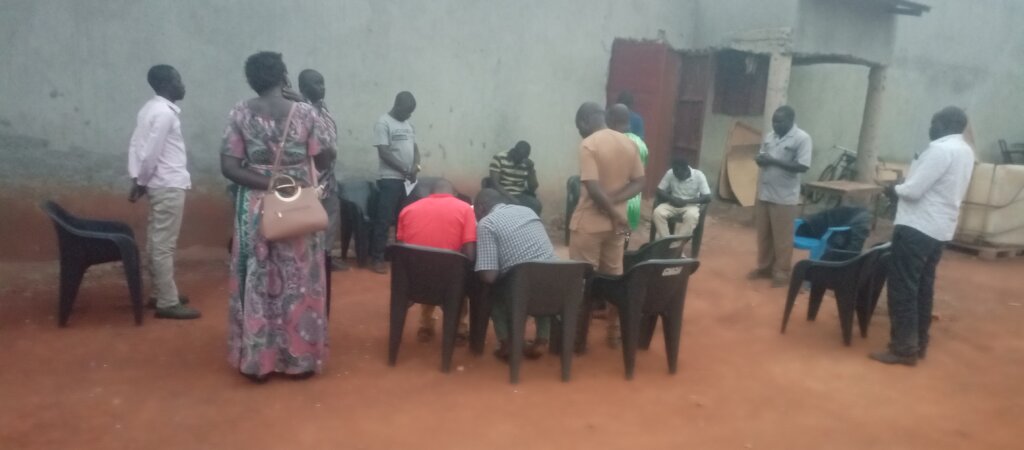
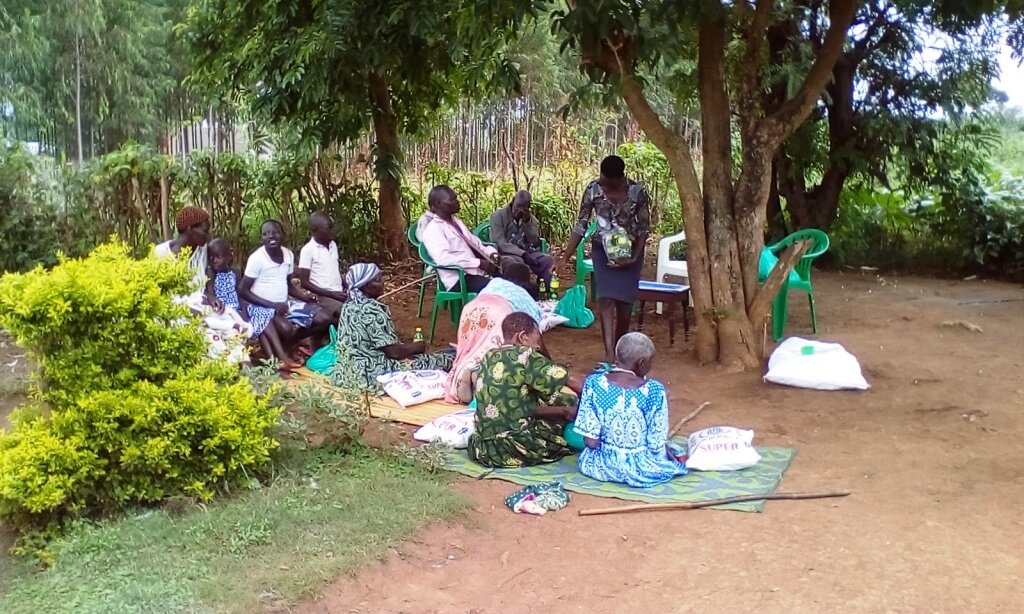
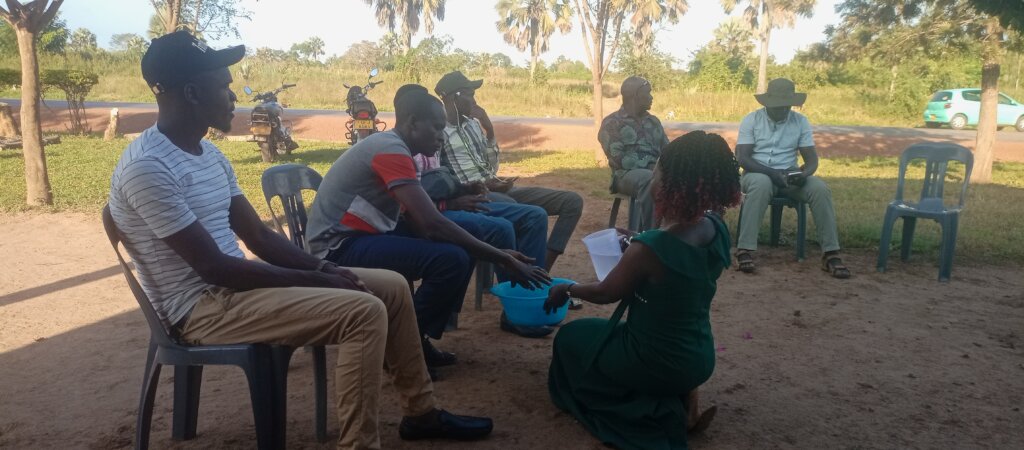
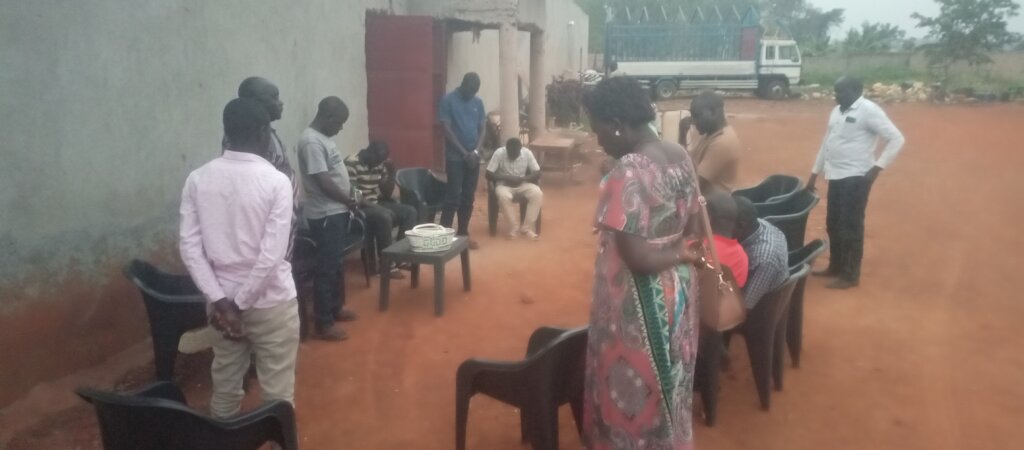
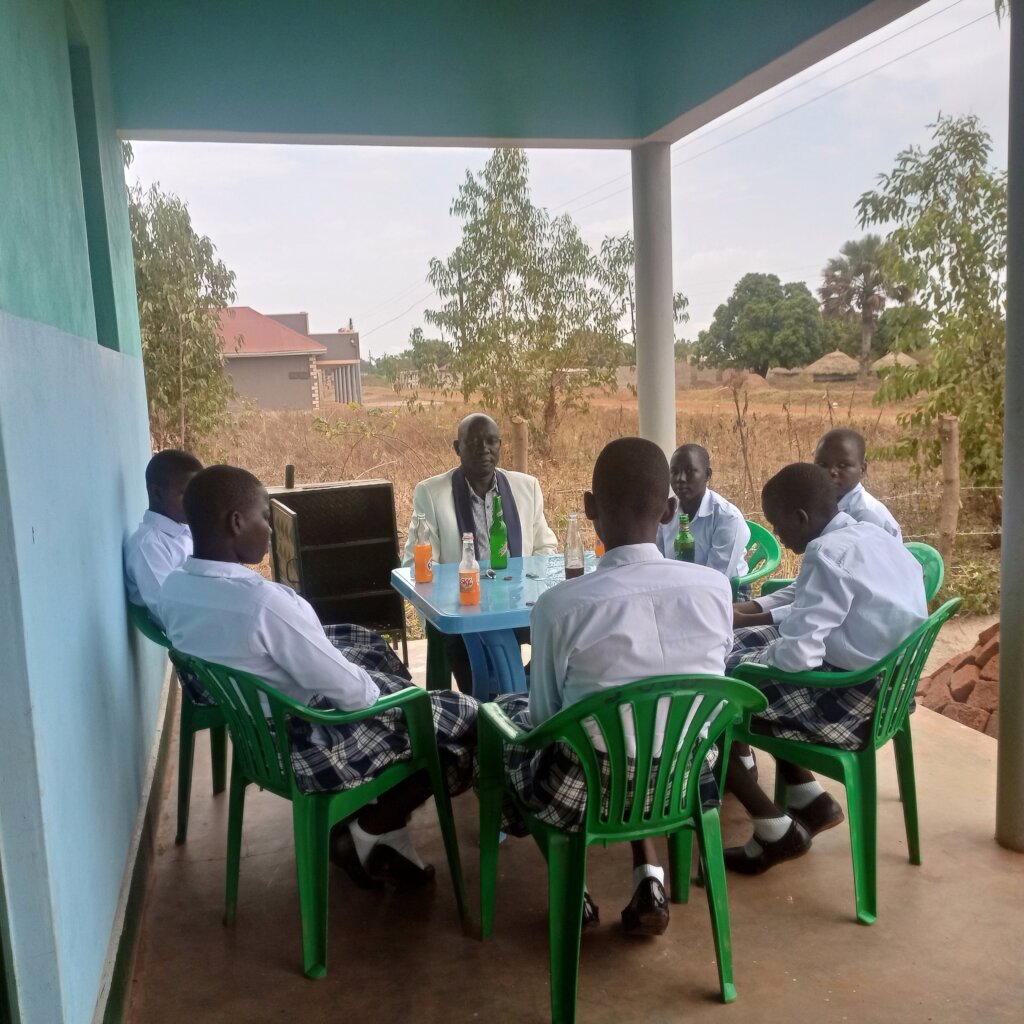
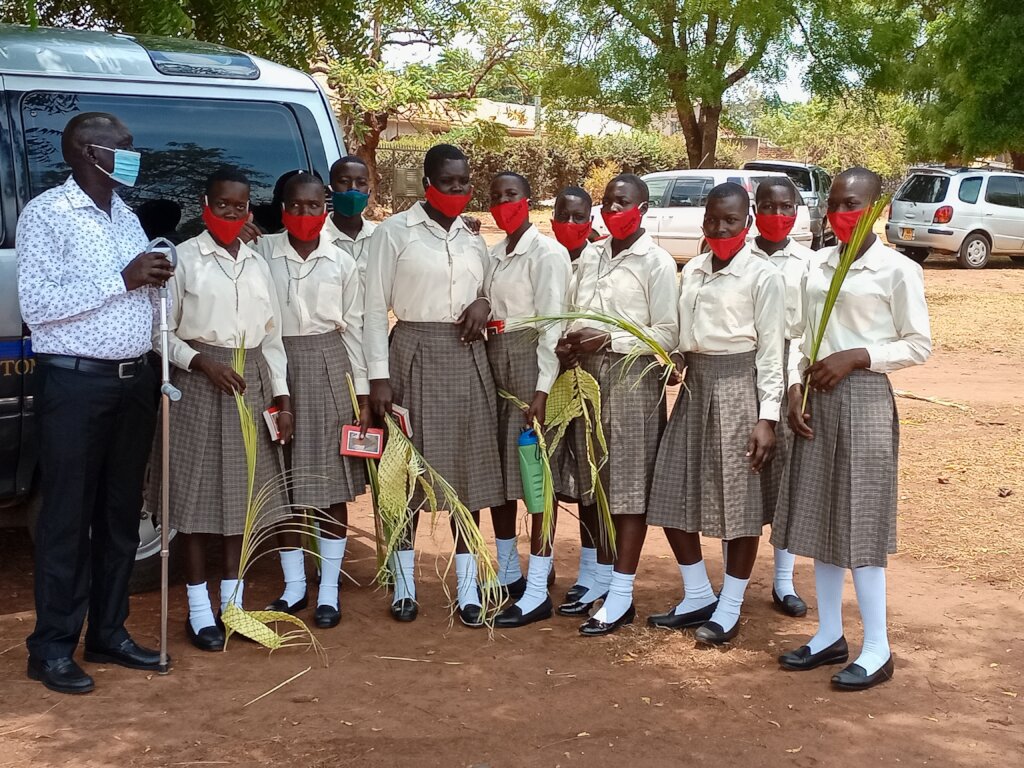
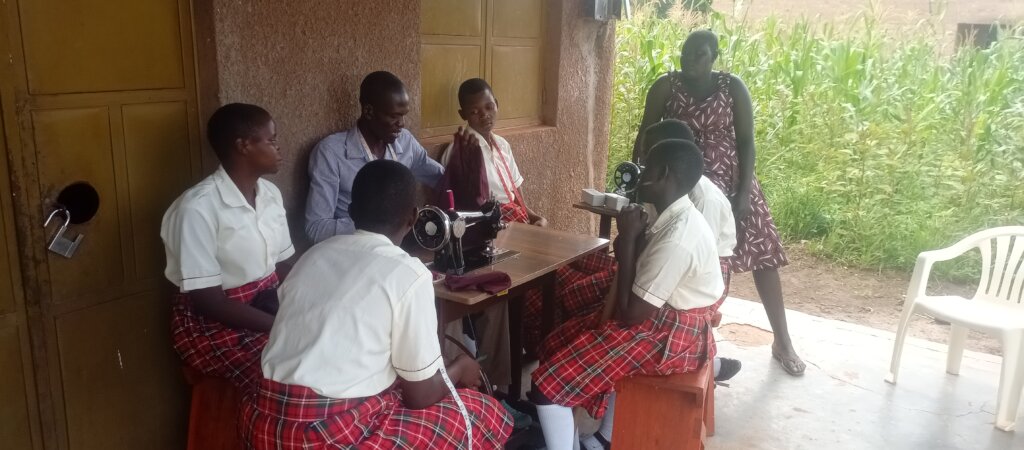
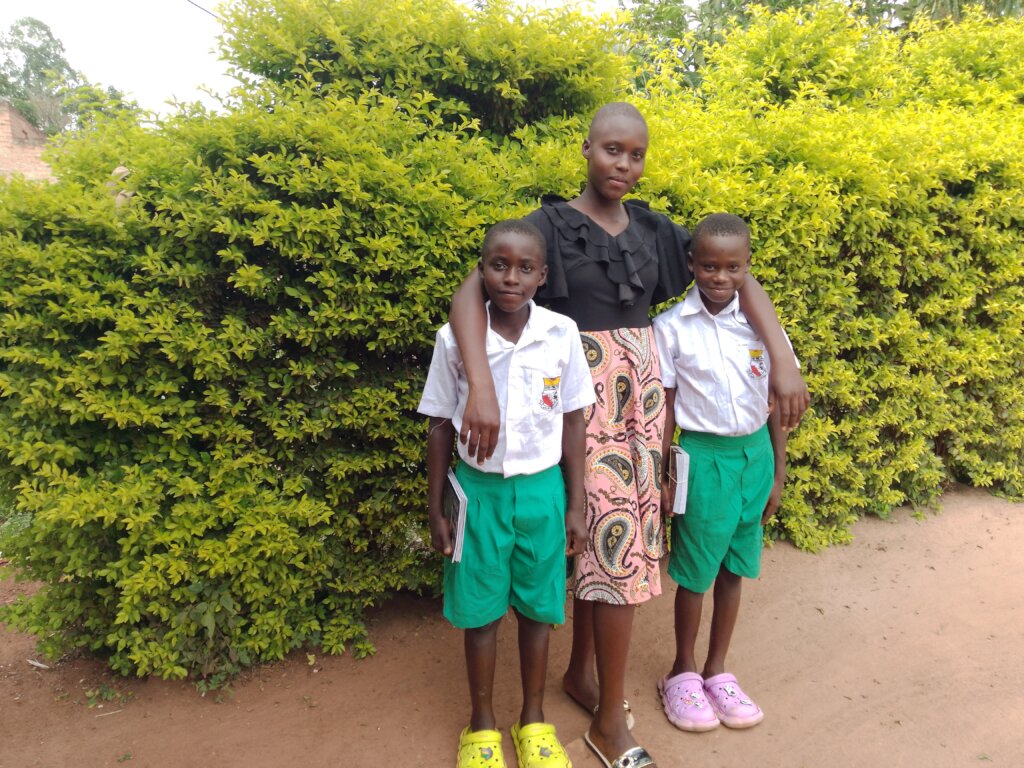
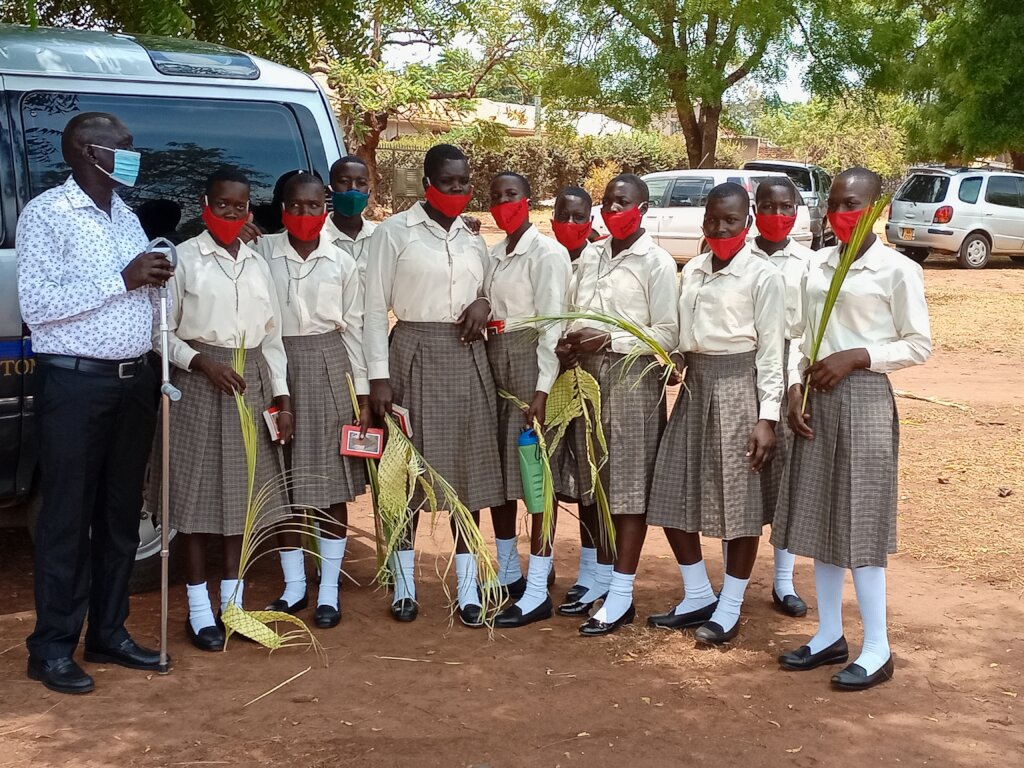
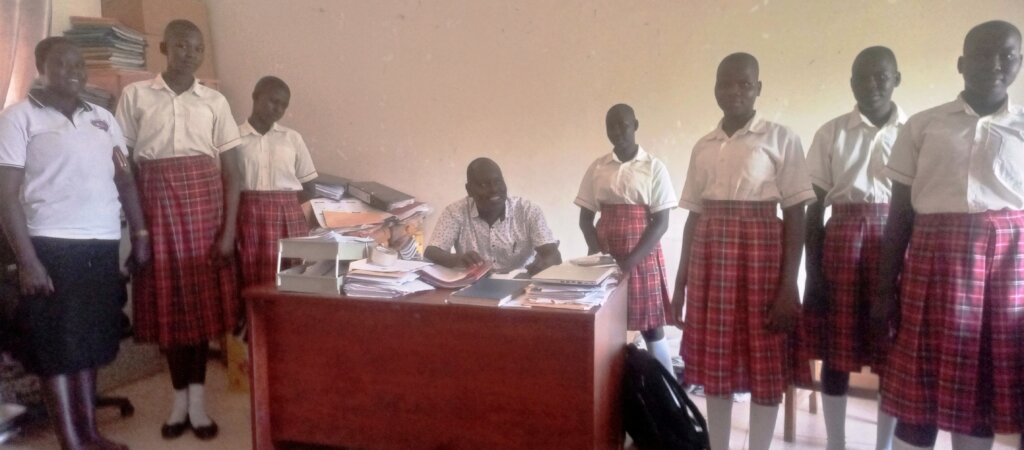
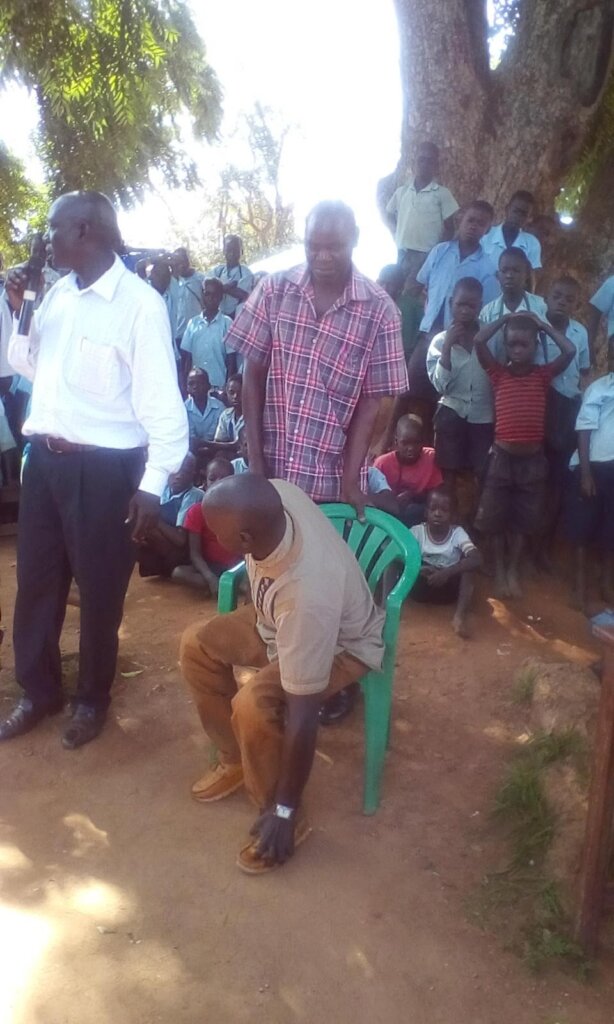
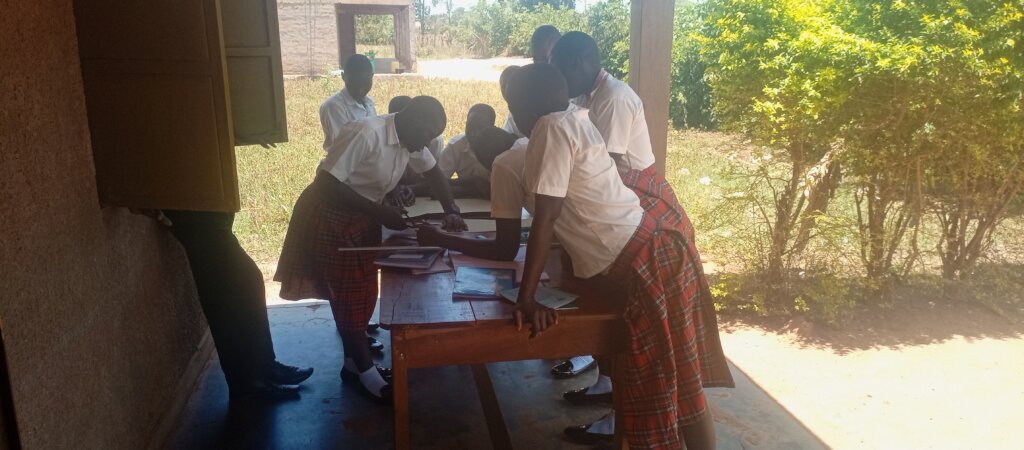
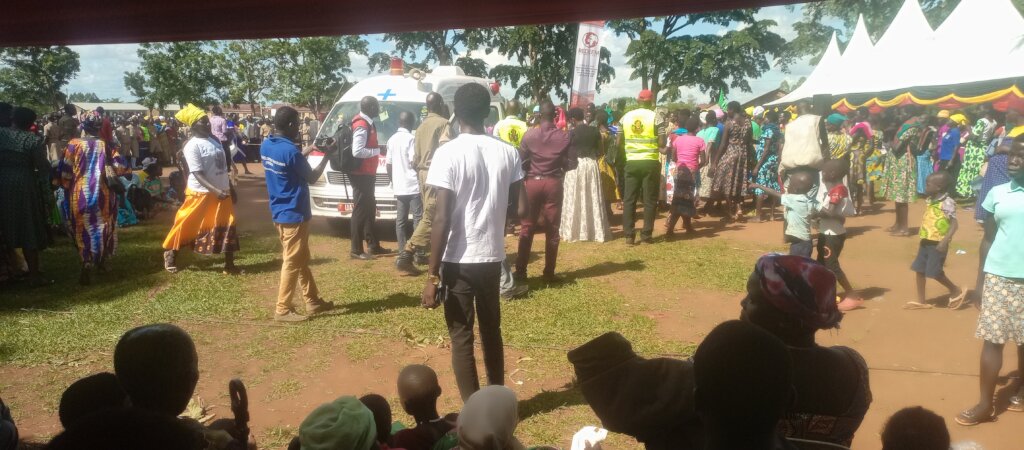
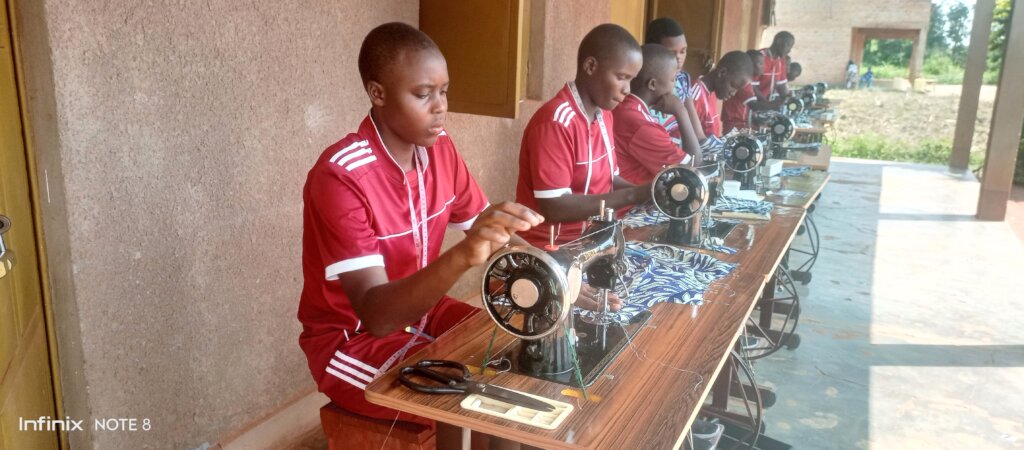
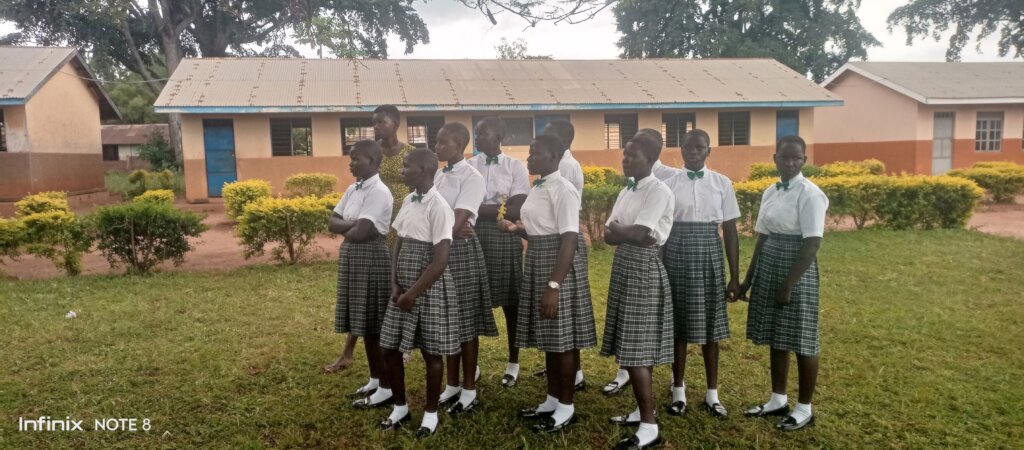
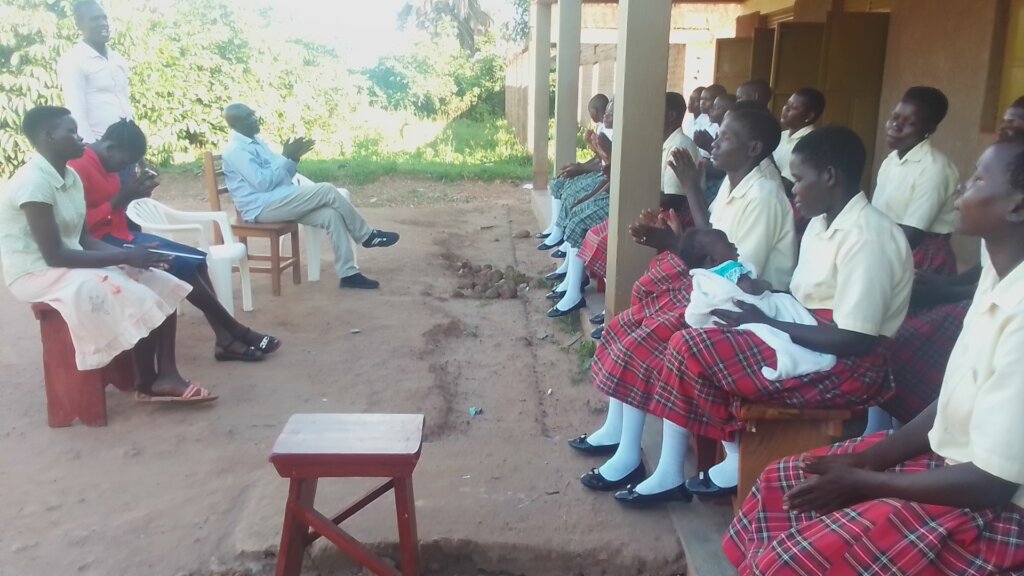
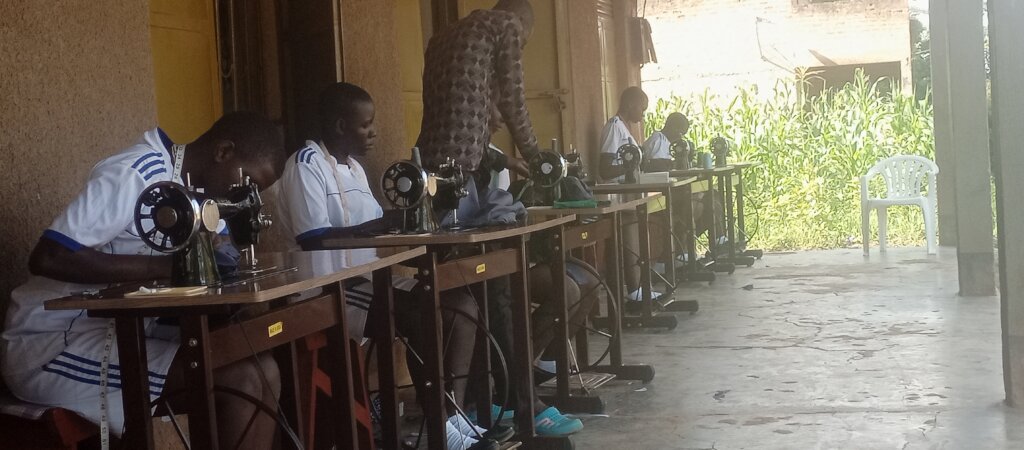
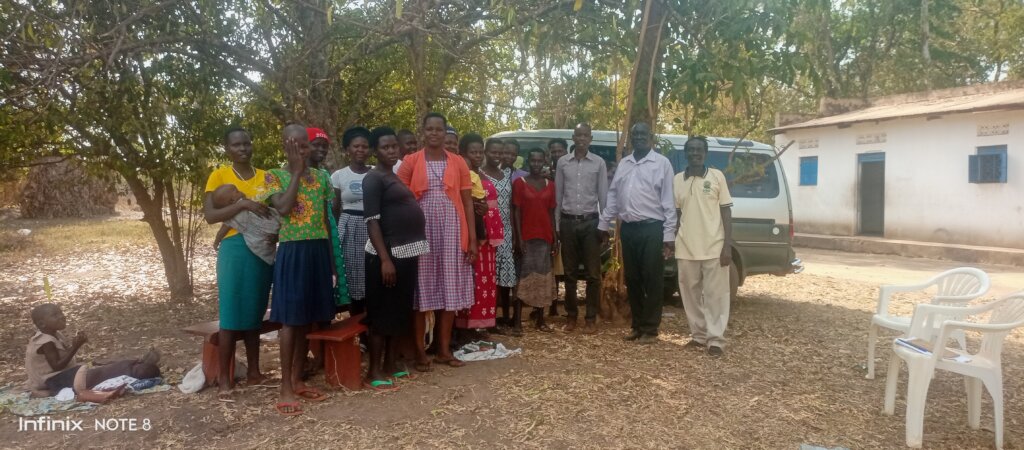
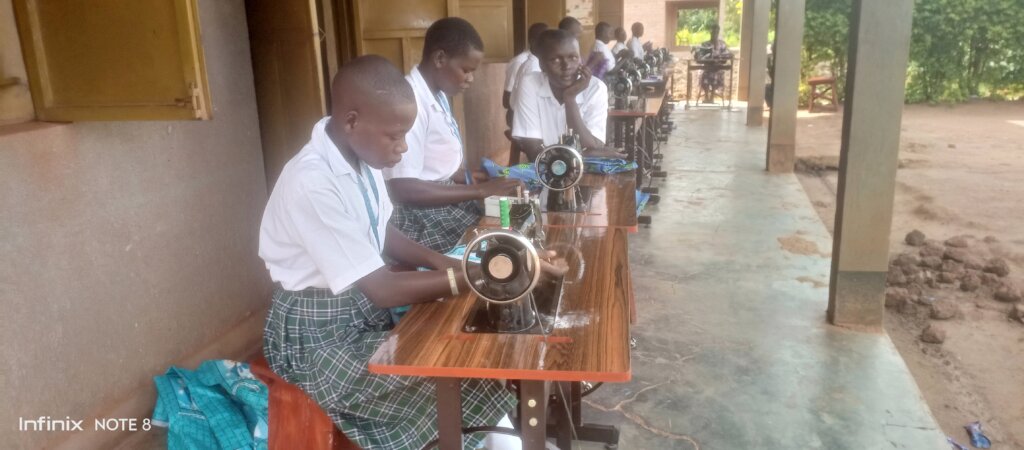
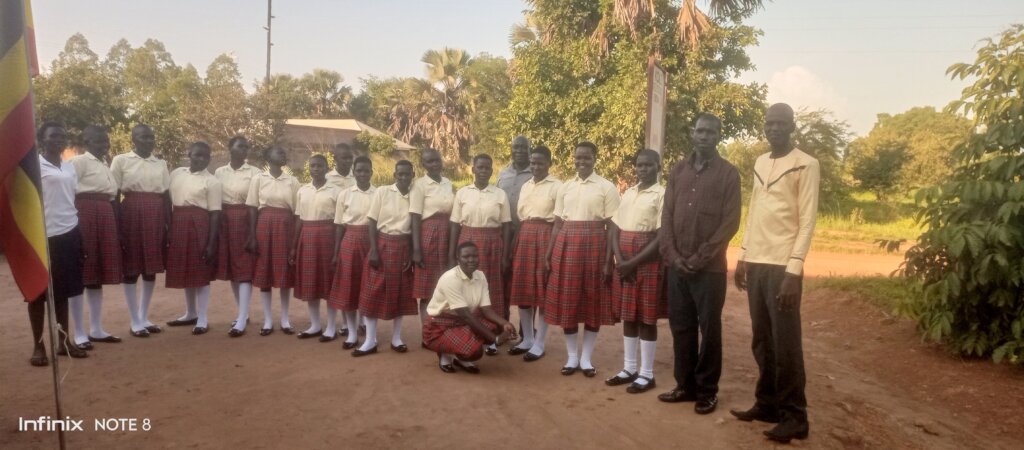
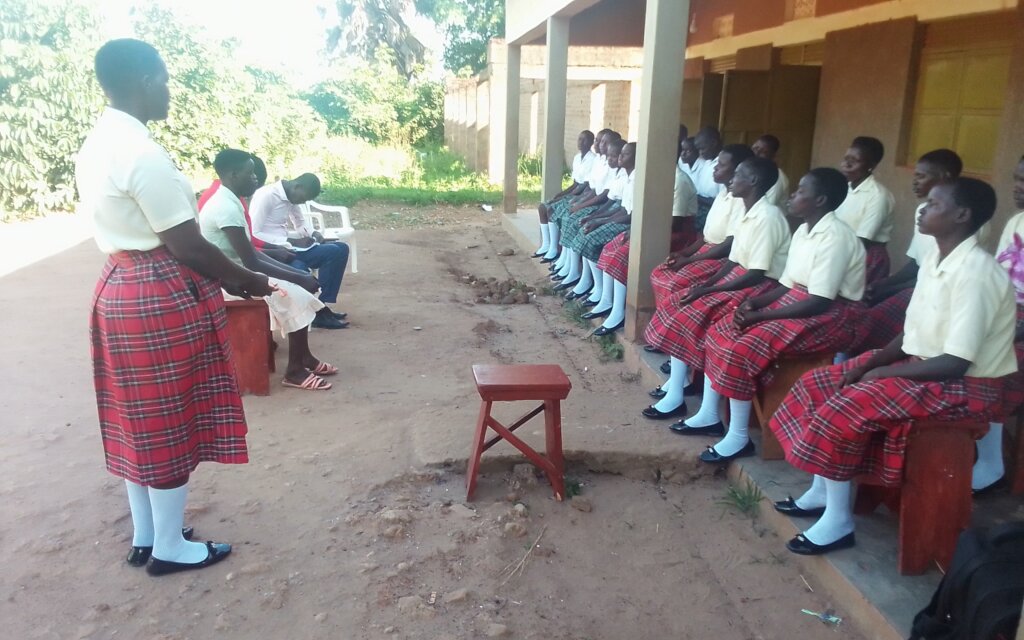
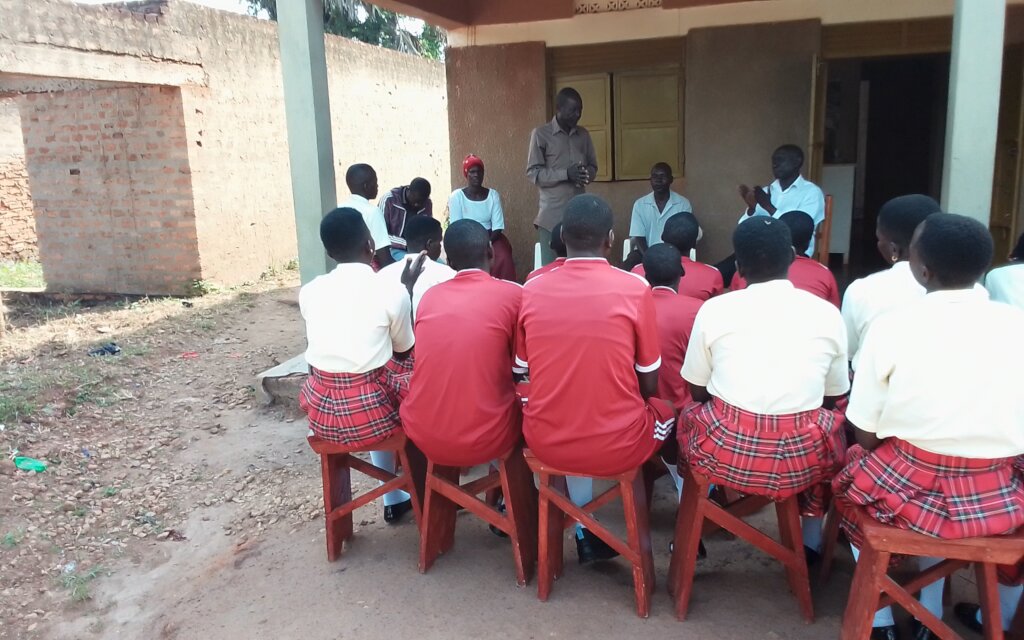
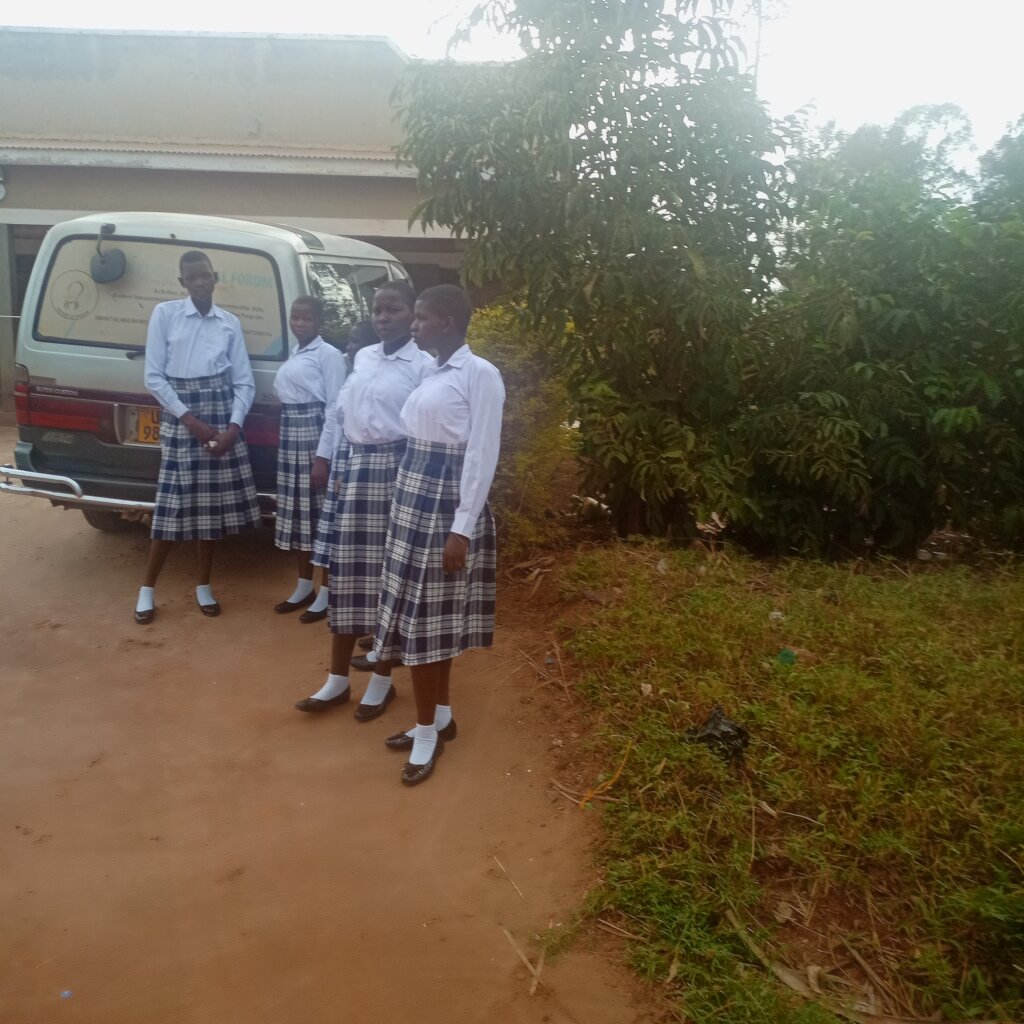
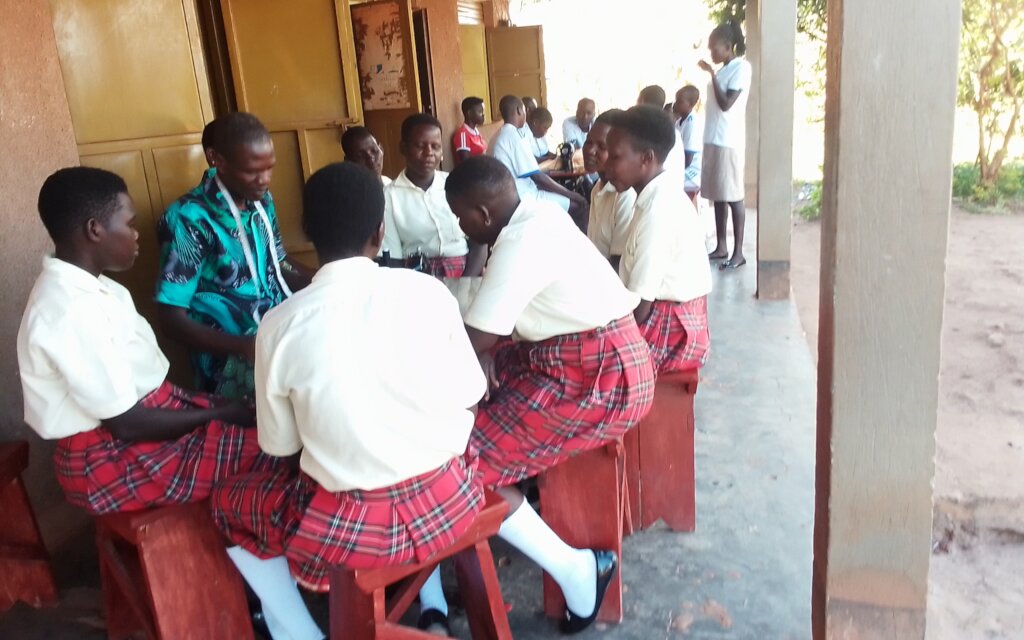
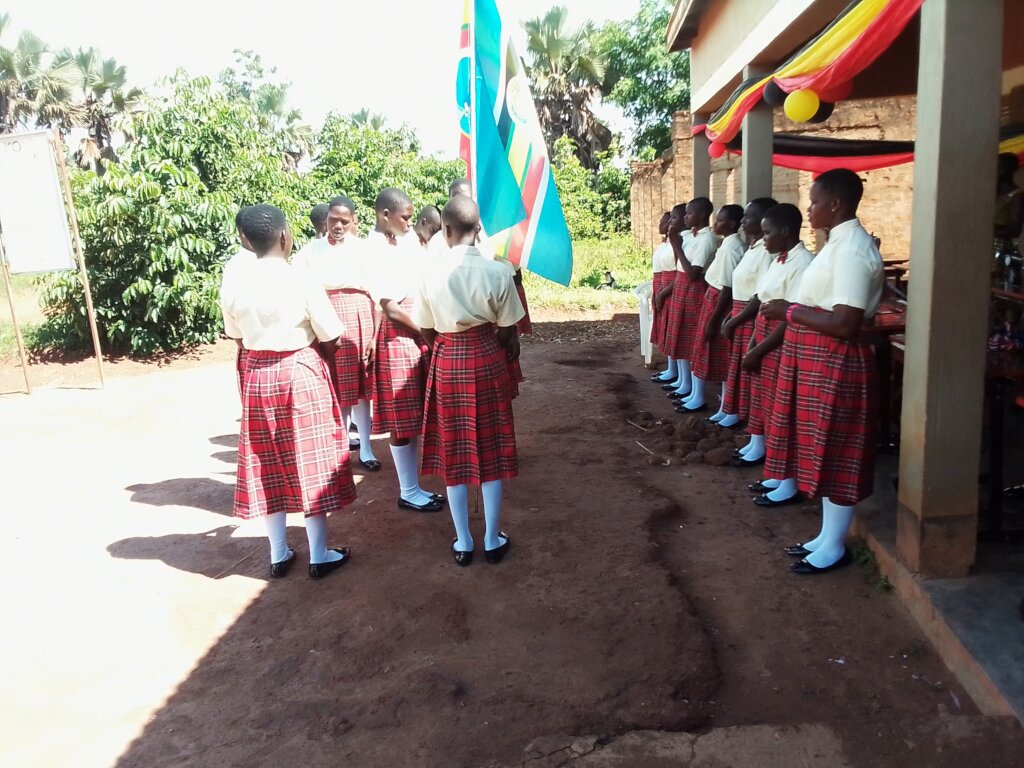
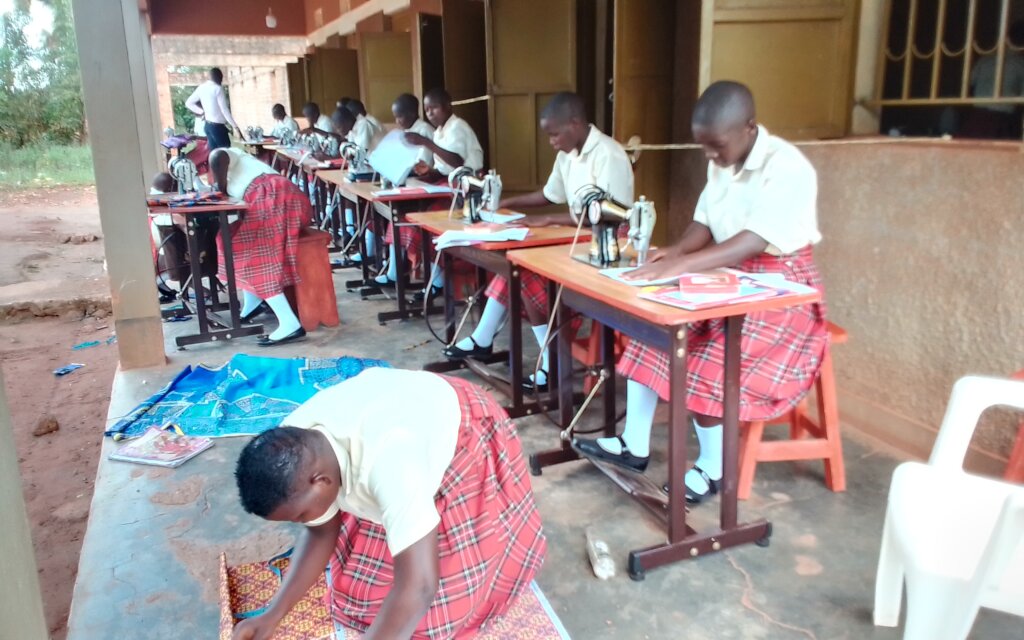
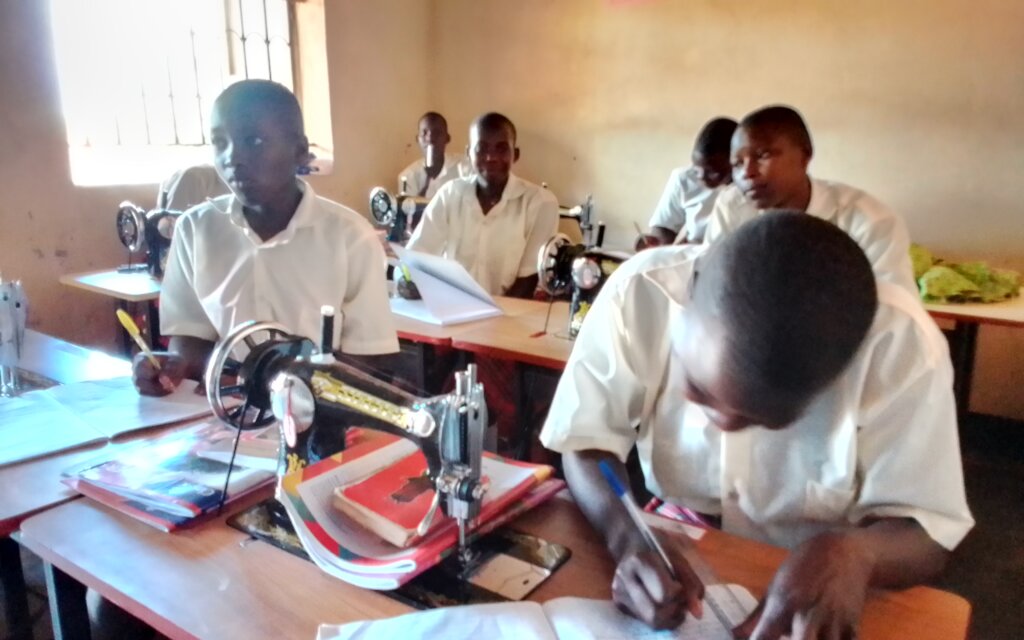
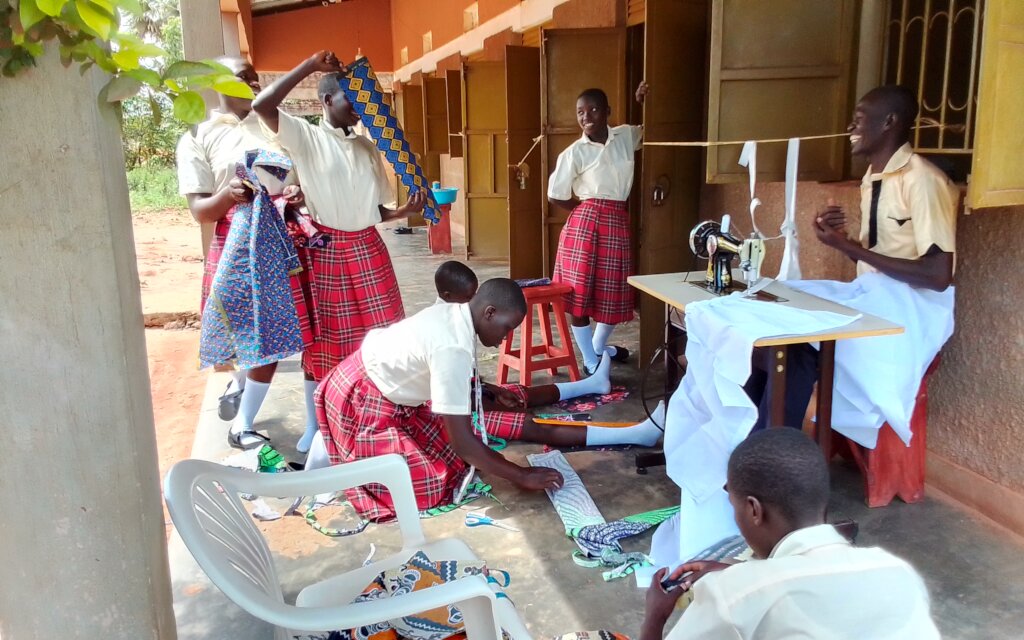
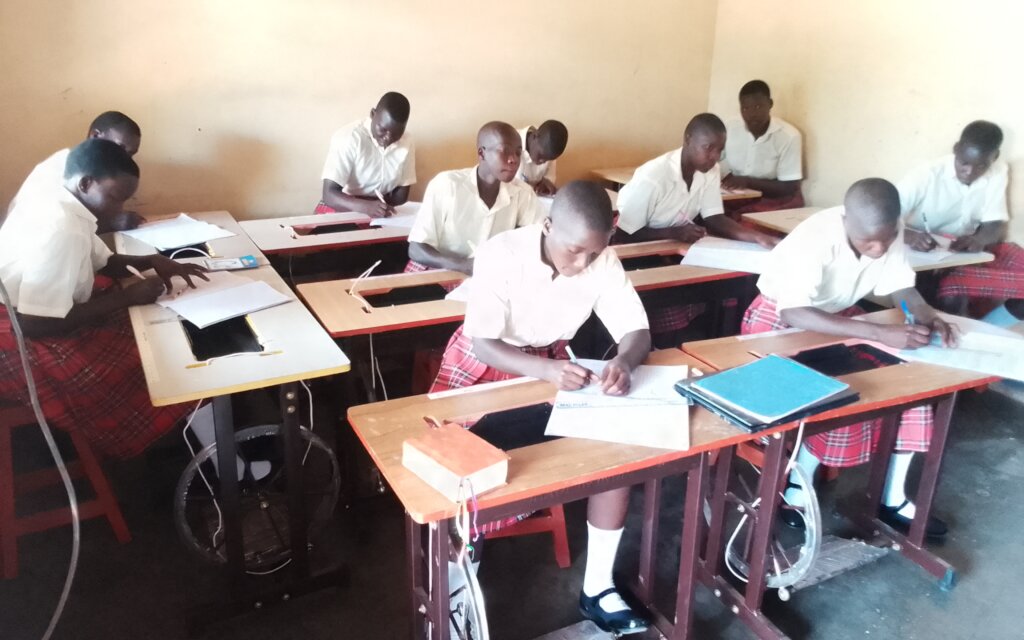
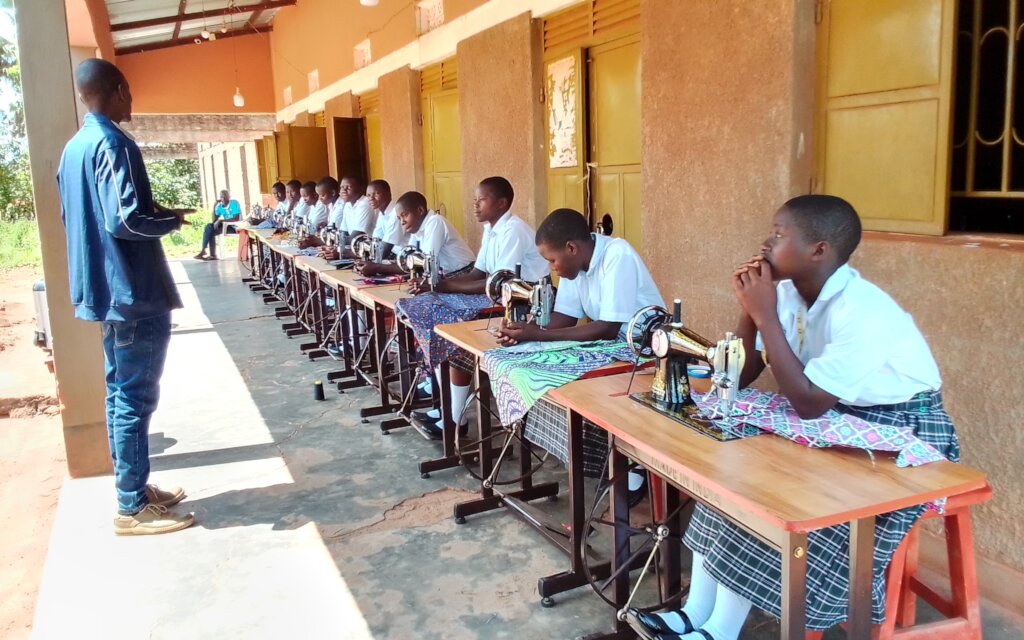
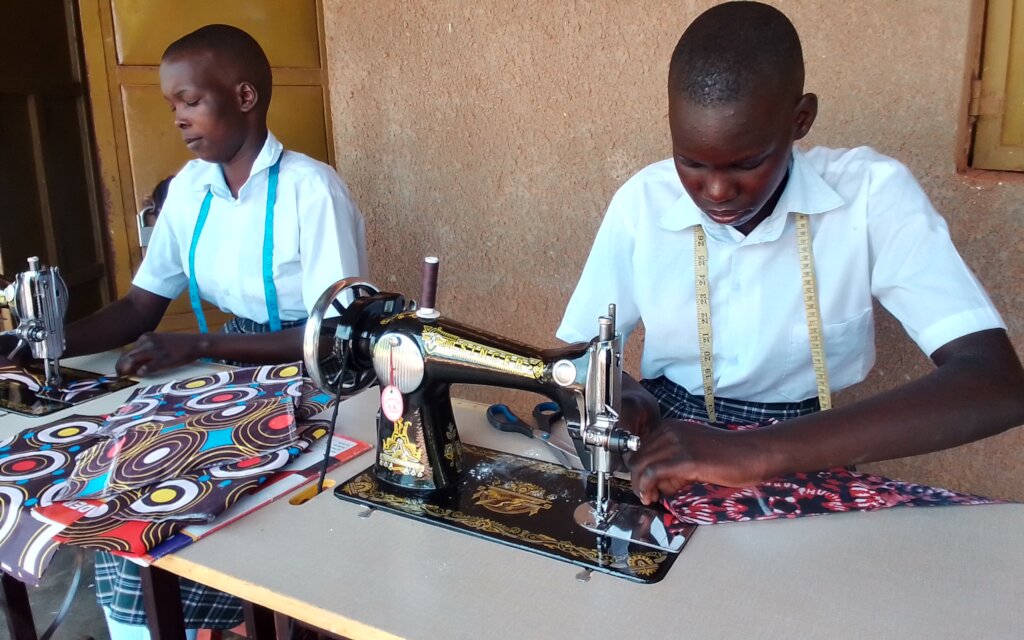
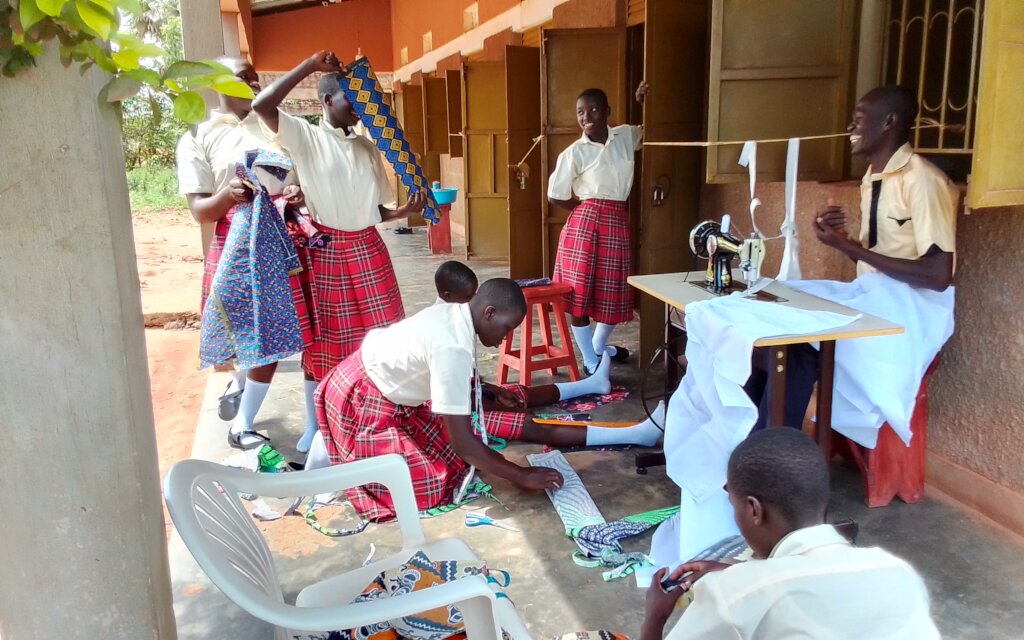
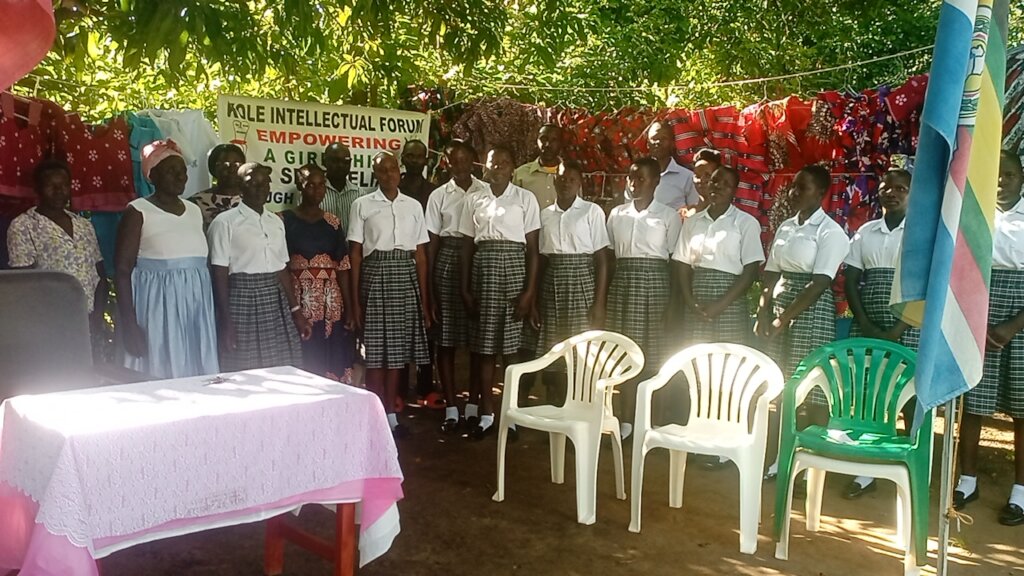
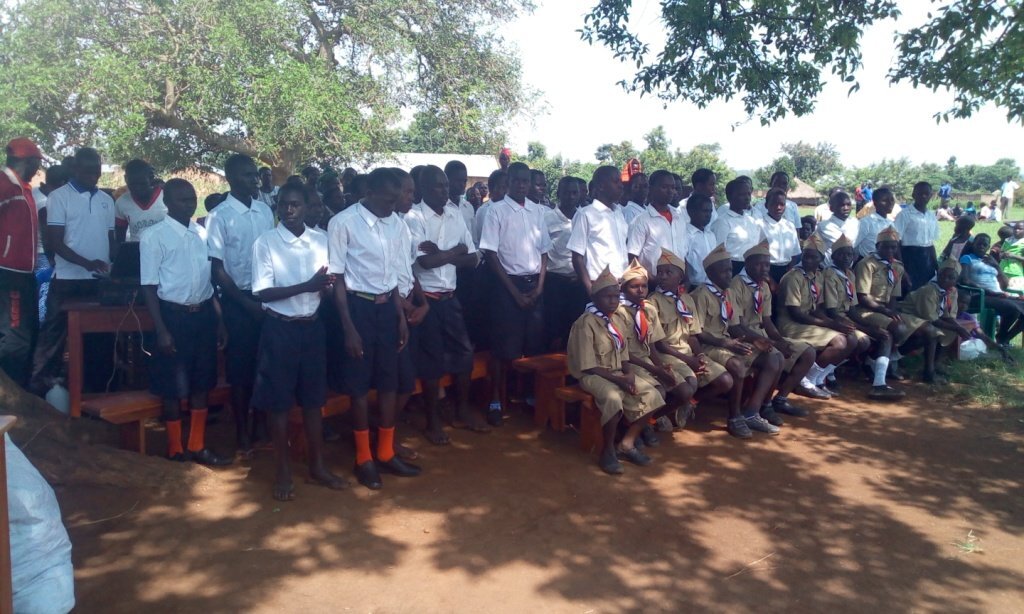
Having understood that: most the people within the human homestead live on earth without knowing much about available health services within them in the Government Health Facilities; Kole Intellectual Forum as part of its training to the students in Home Economics, they have gone far to expose their students into this, so that: if they experience health problems, they know where to direct themselves to.
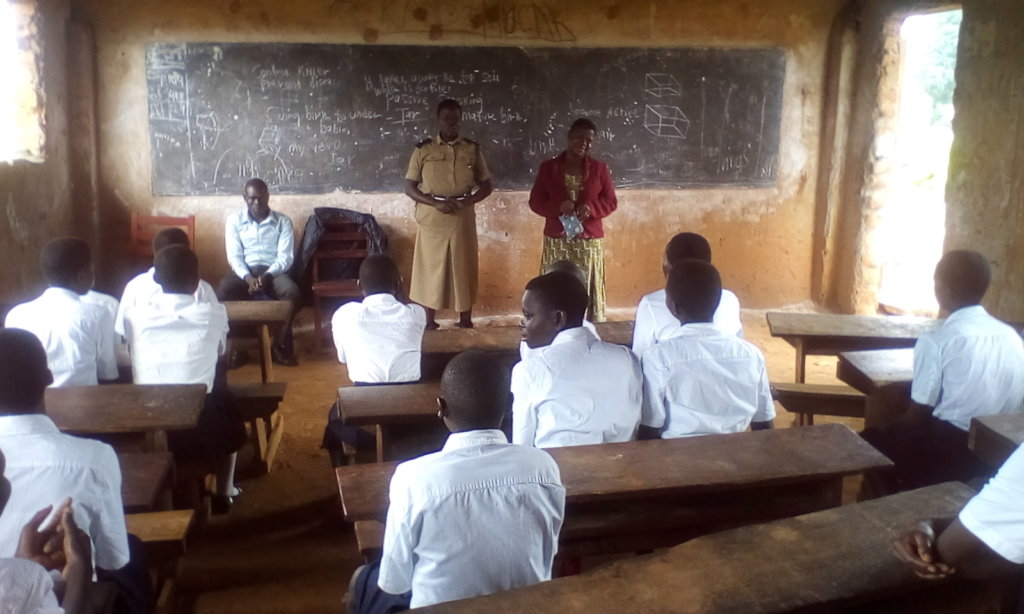
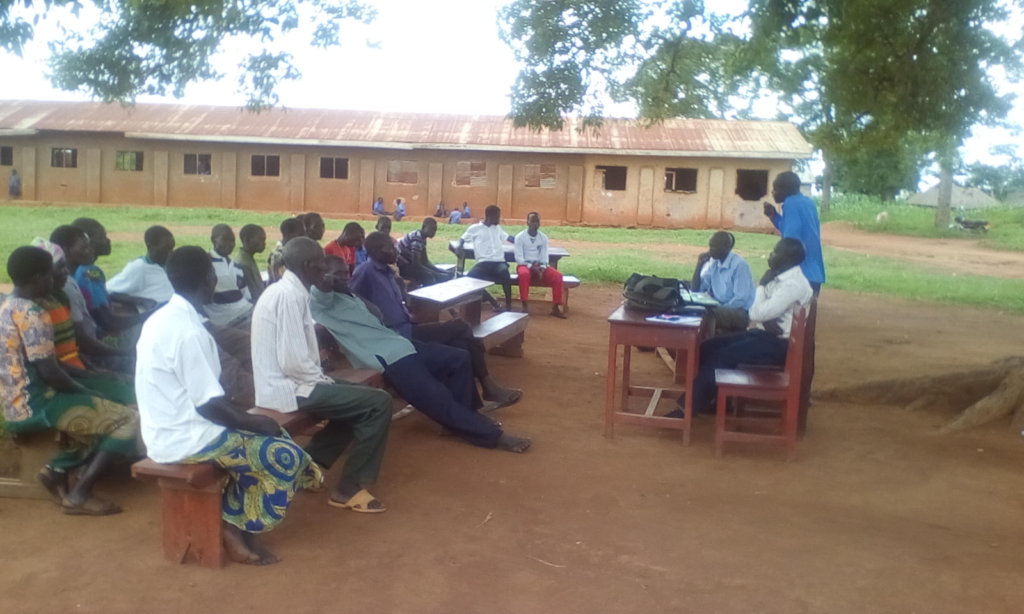
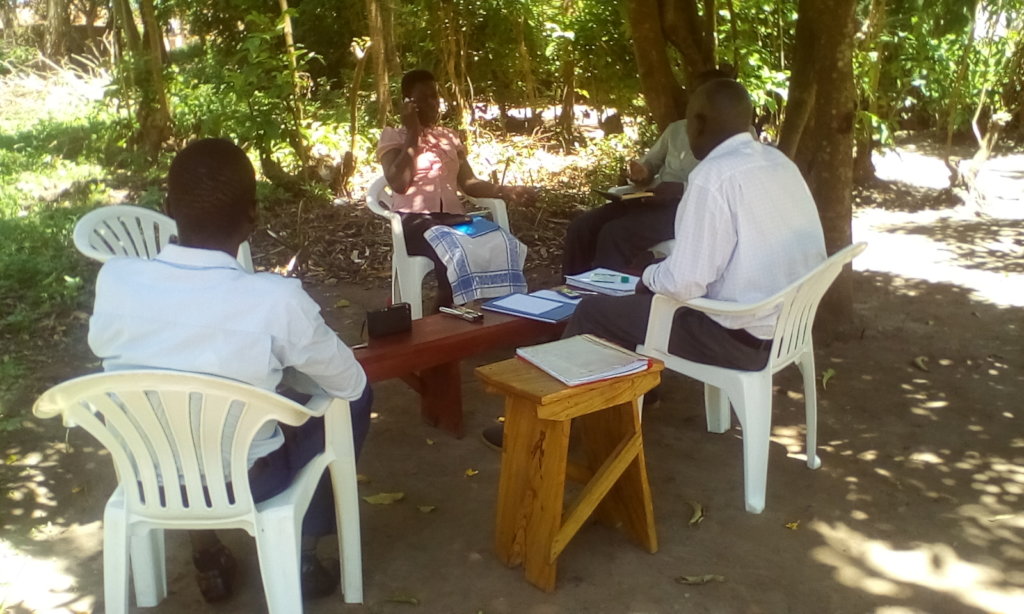
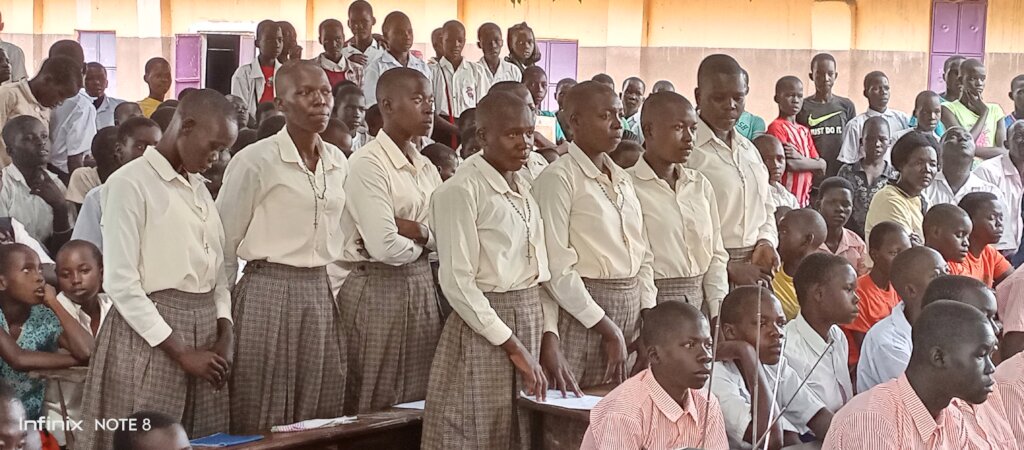
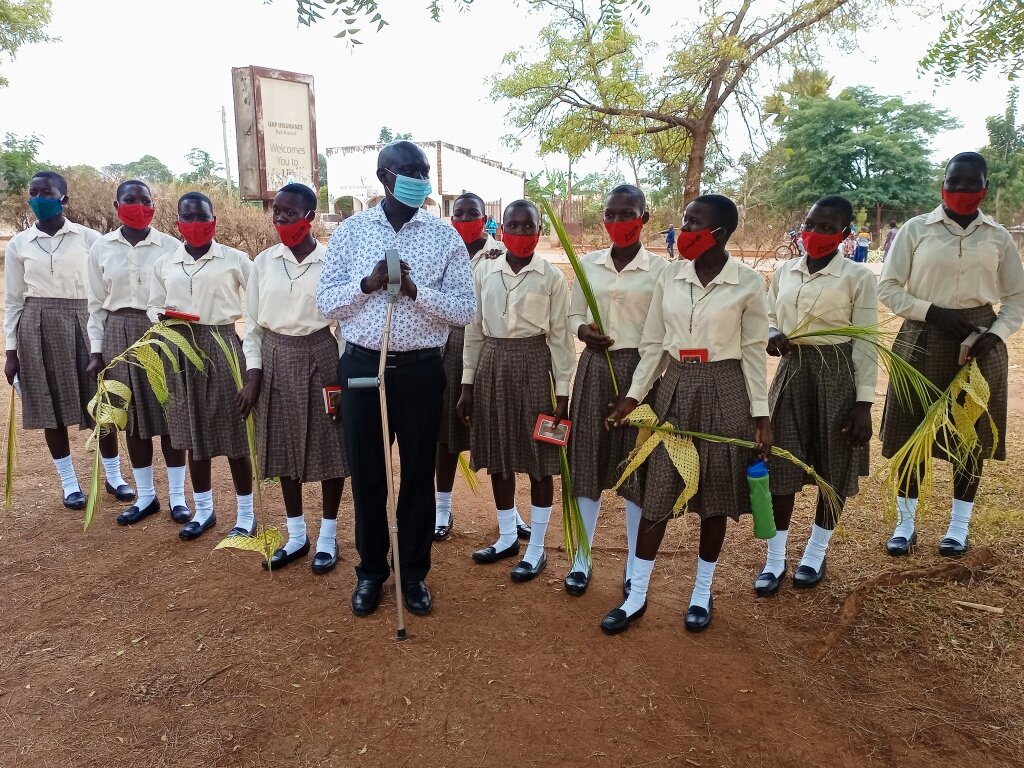
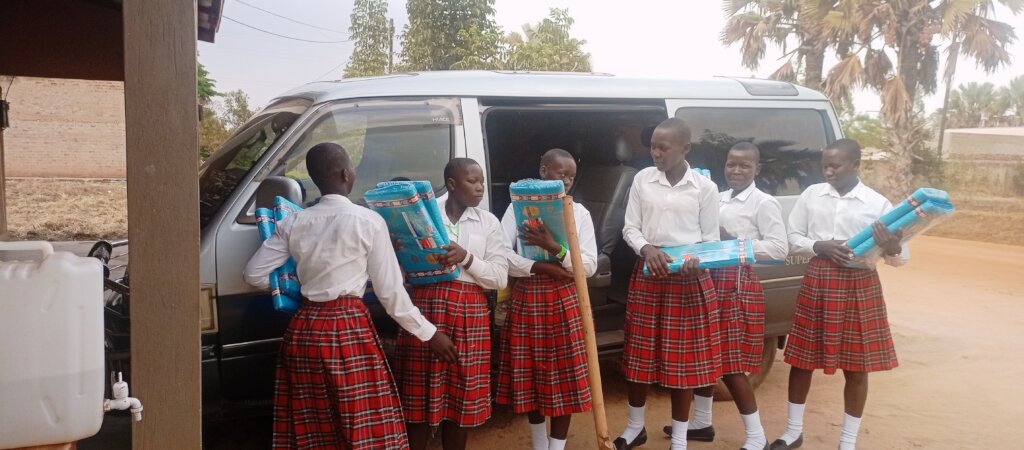
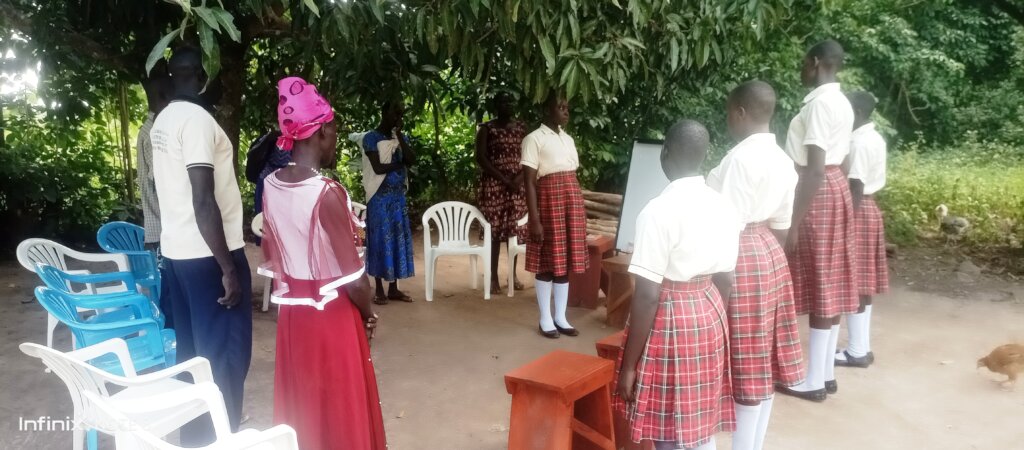
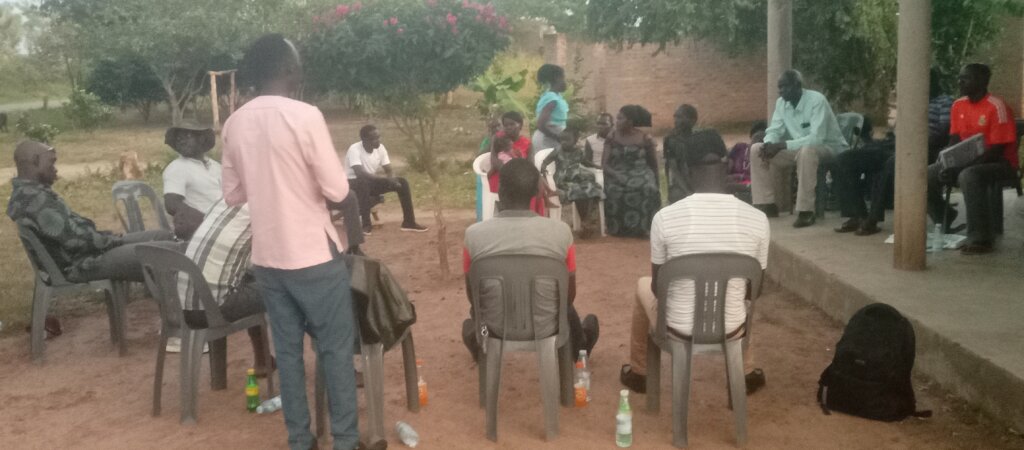
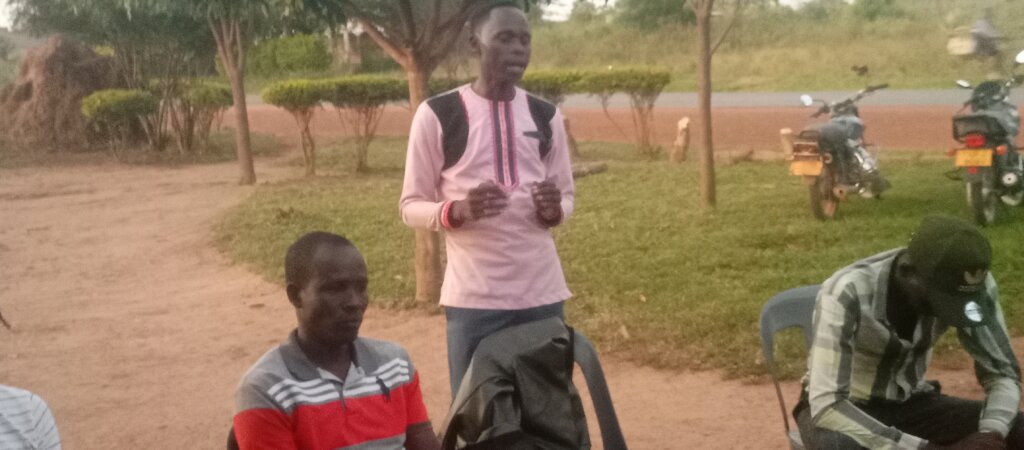
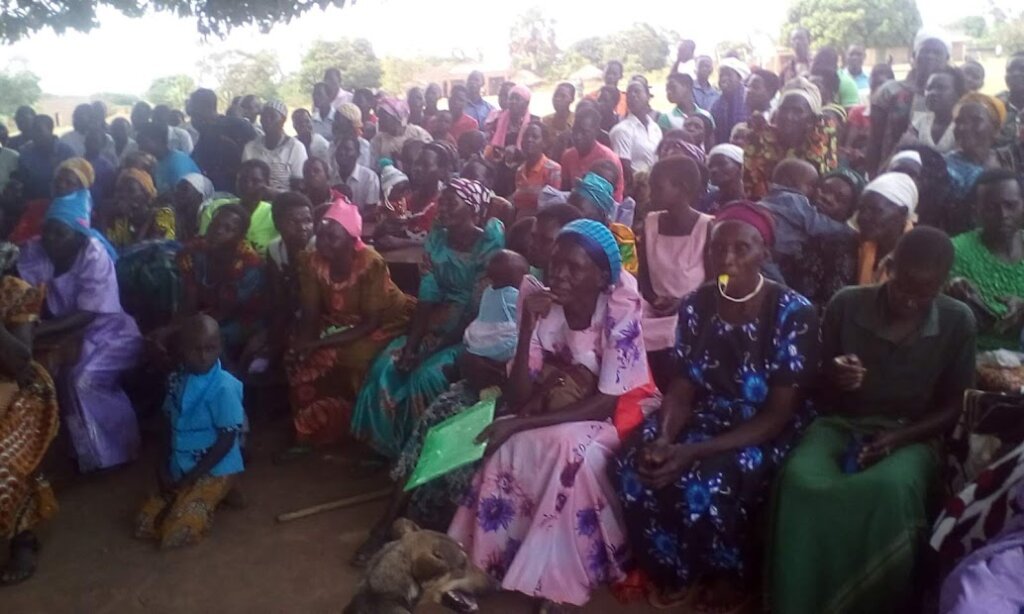
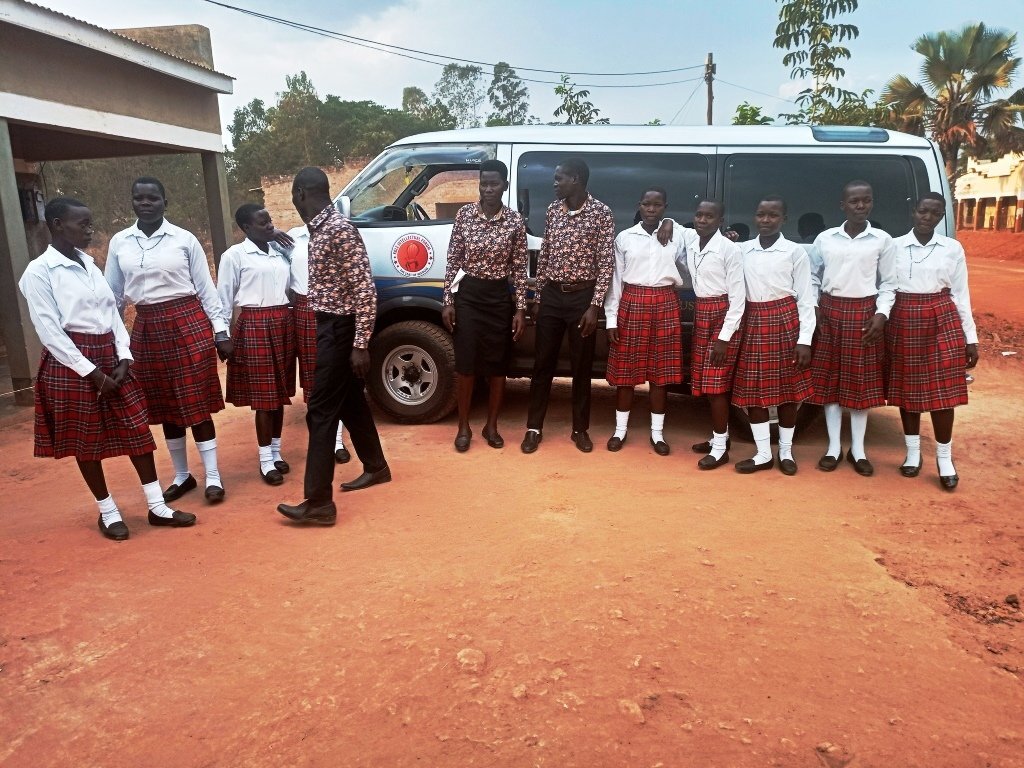
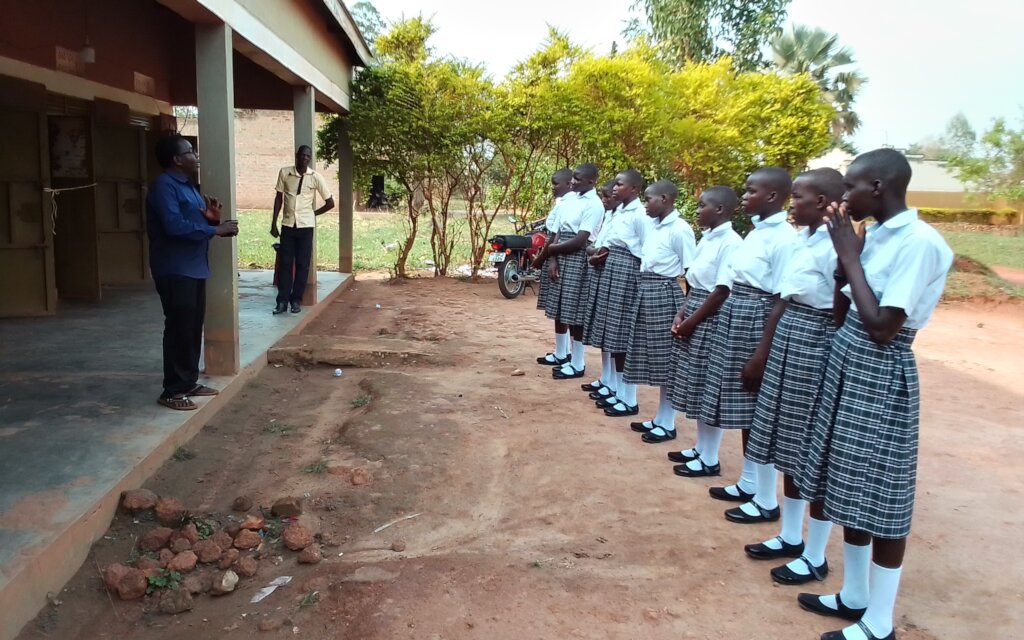
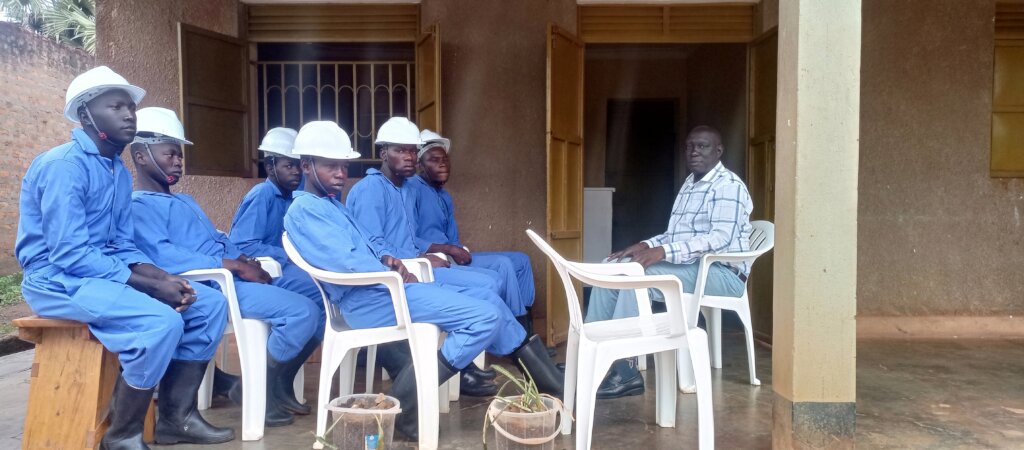
On that specific time and date, they were direct to the nearby Health Facilities and the doctor in charge and the senior nurse had the opportunity to speak to them about available health services they are offering in their particular Health Facility and the other Facilities within their district of Kole, northern Uganda.
The health services they talked about include the followings:
- Preventive Care: Services aimed at preventing disease and injury, such as vaccinations, screenings, and lifestyle counseling.
- Diagnosis and Treatment: The identification and management of illnesses and conditions, often provided by doctors, specialists, and hospitals.
- Rehabilitation: Services that help patients recover from injury or illness, such as physical or occupational therapy.
- Mental Health Support: Care for psychological and emotional well-being.
- Palliative Care: Specialized medical care for people with serious illnesses, focused on providing relief from symptoms and stress.
- Emergency Medical Services (EMS): A critical component providing life-saving interventions in acute situations.
At the end of it all, the students went back to the Institute with a lot of knowledge about the available health matters and of course be aware of where to direct their health matters.
![Share on Twitter]()
![Share on Facebook]()
Oct 10, 2026
Capacity building: A process of development KIFA
By George Obua | Project Leader
Capacity building: A process of development at KIFA
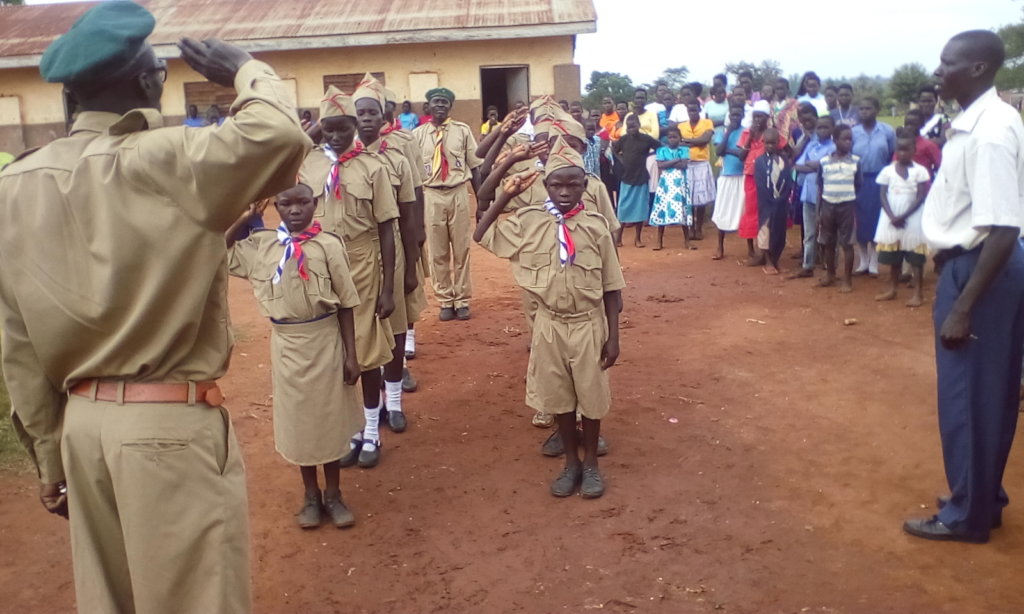
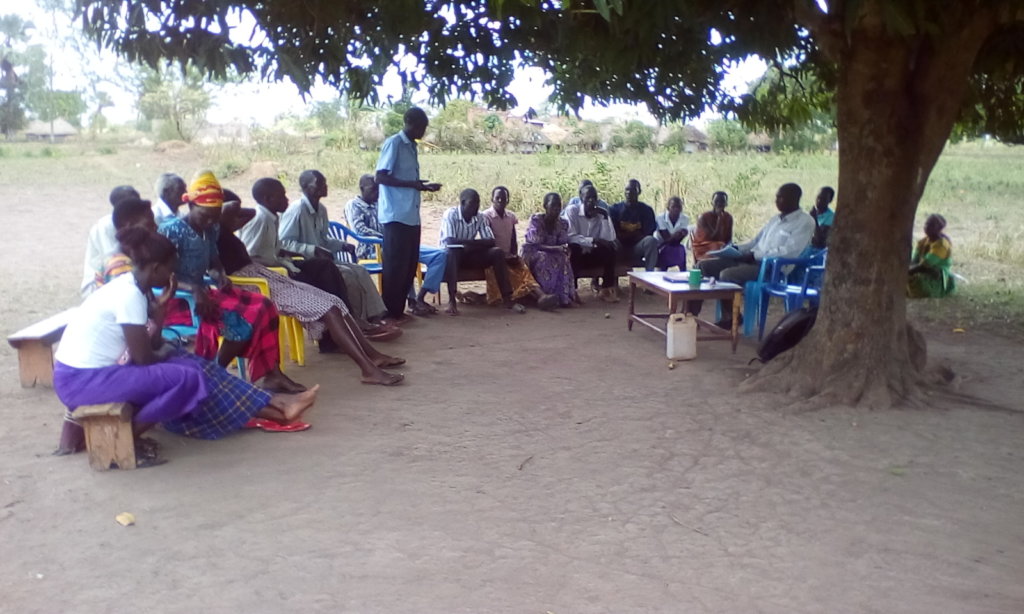
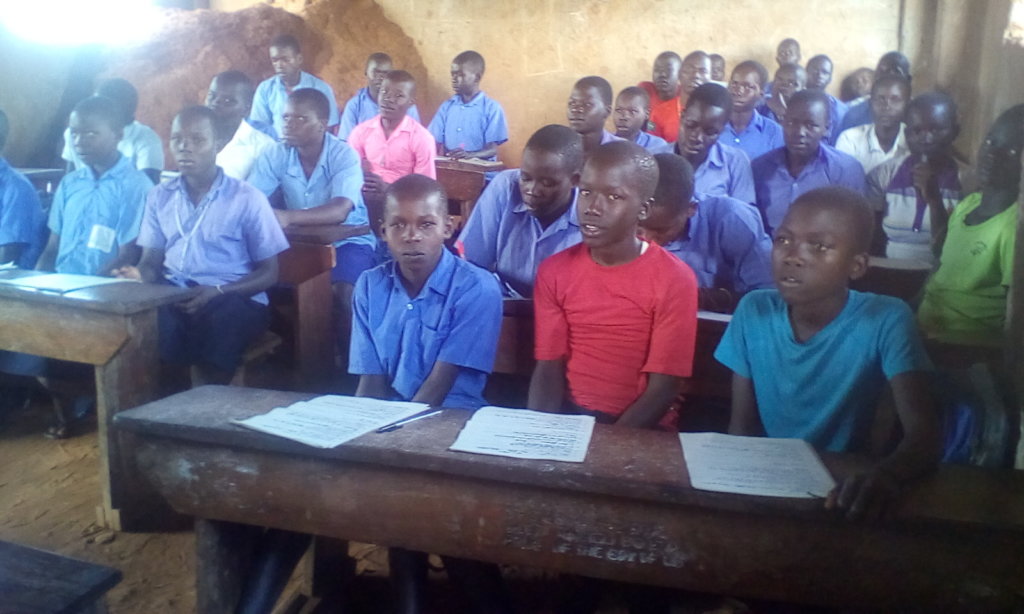
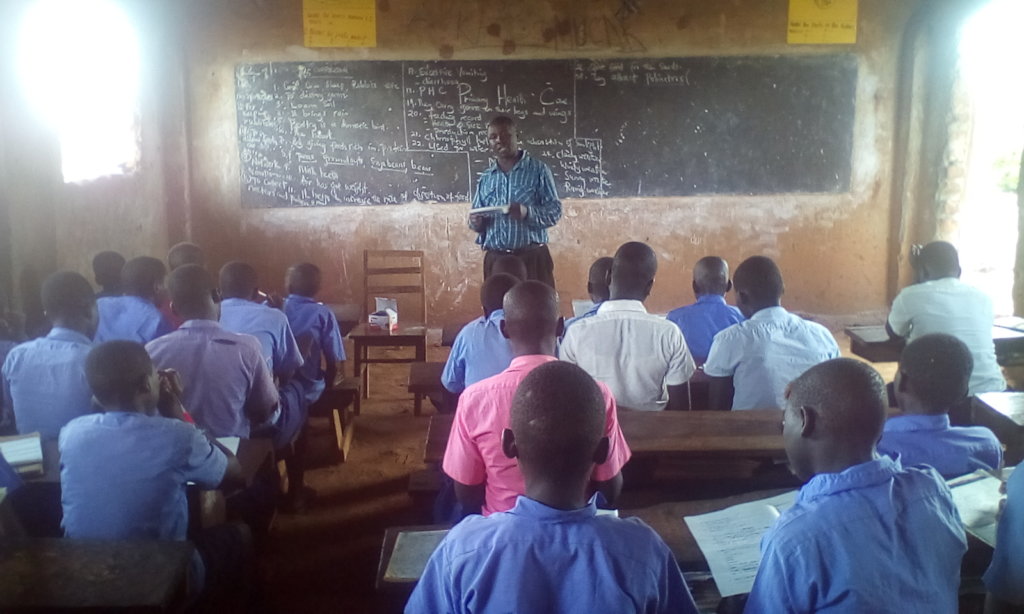
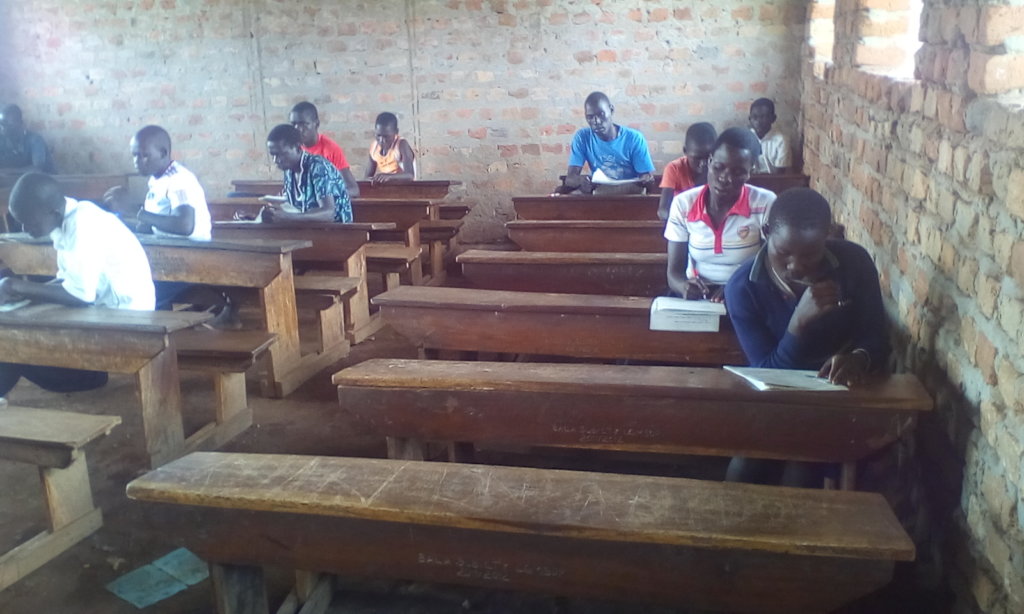
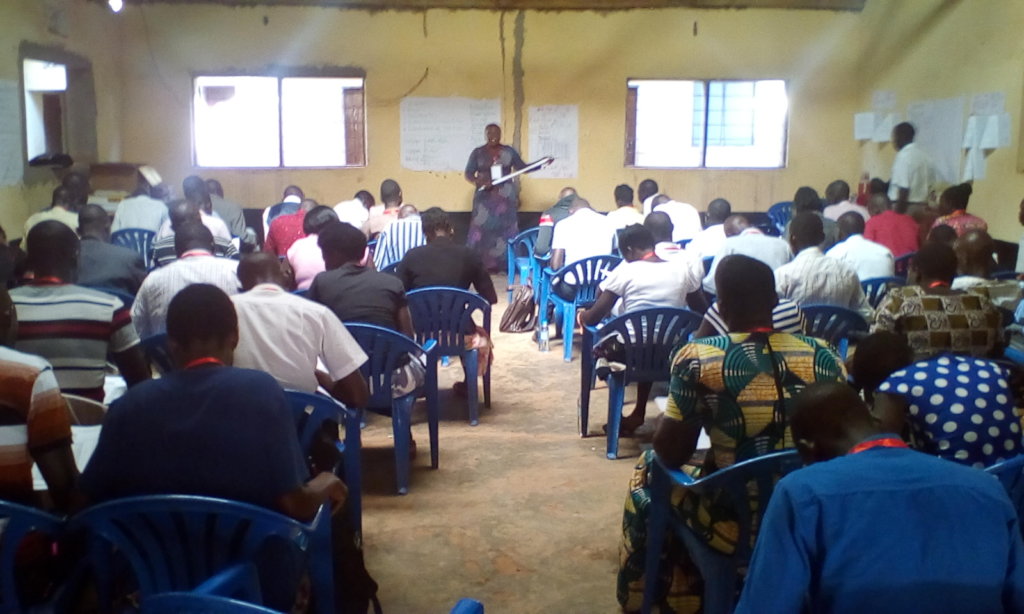
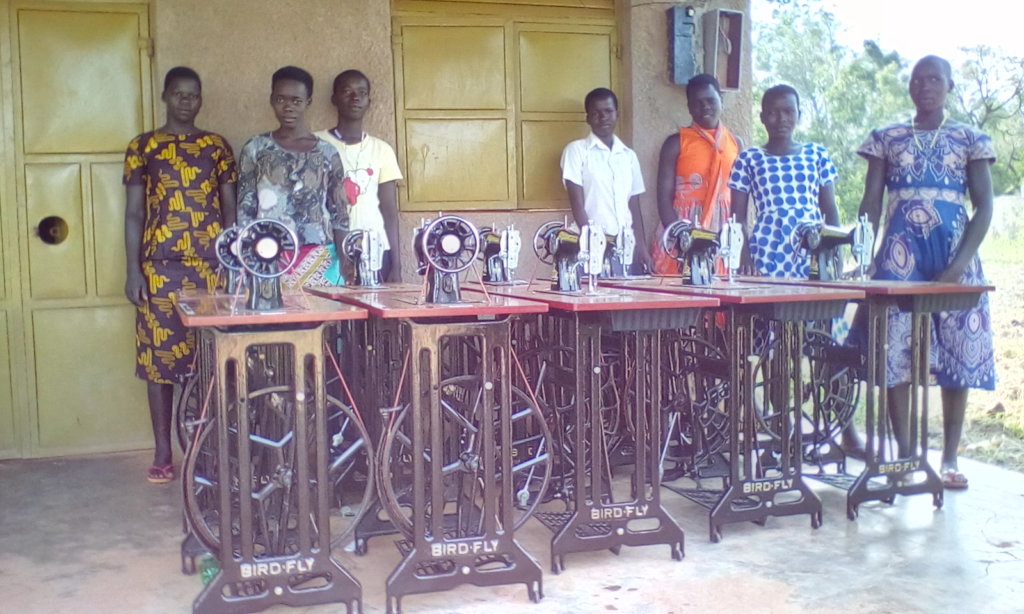
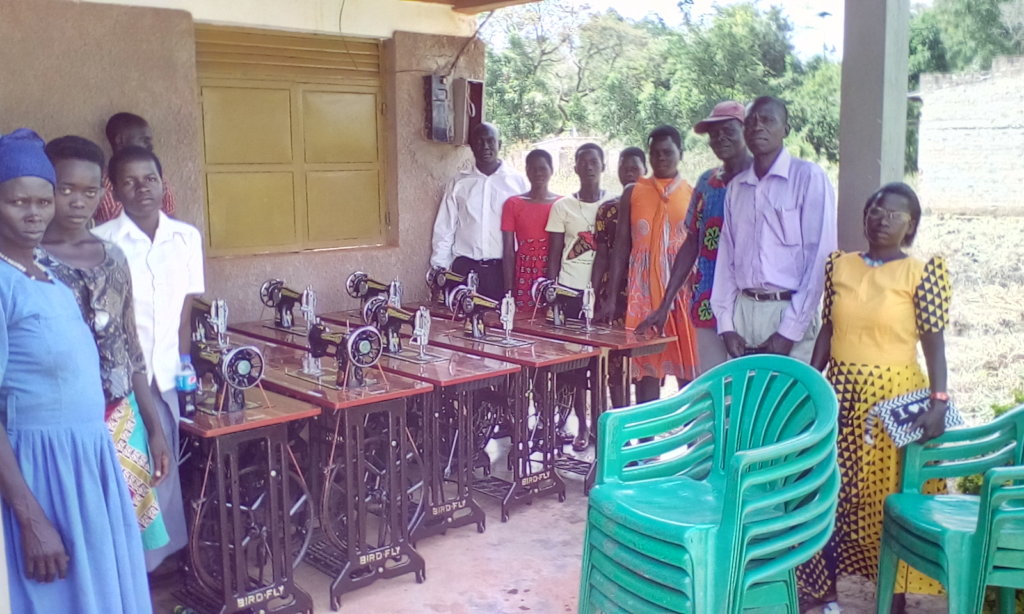
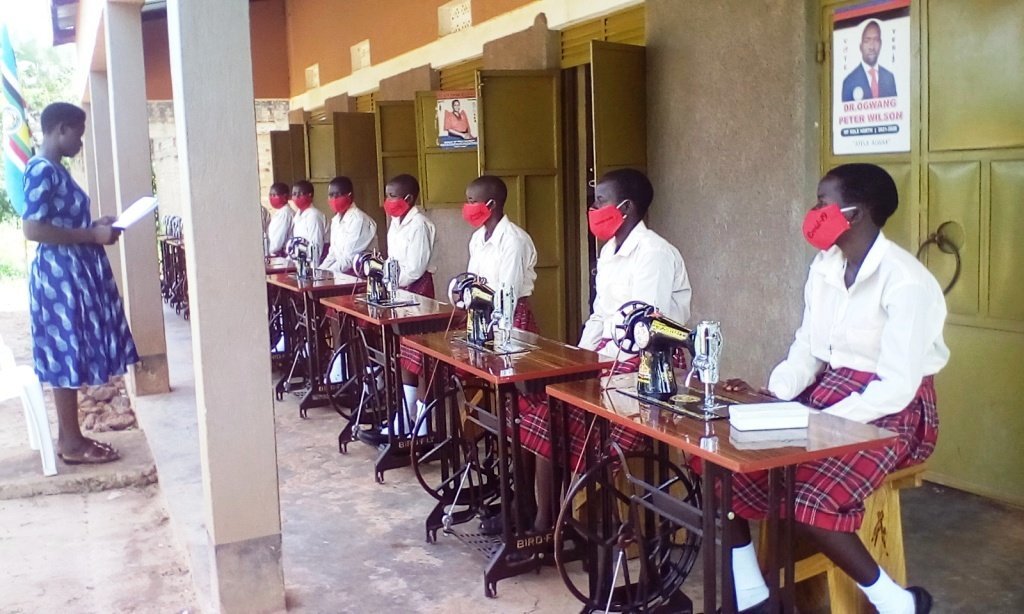
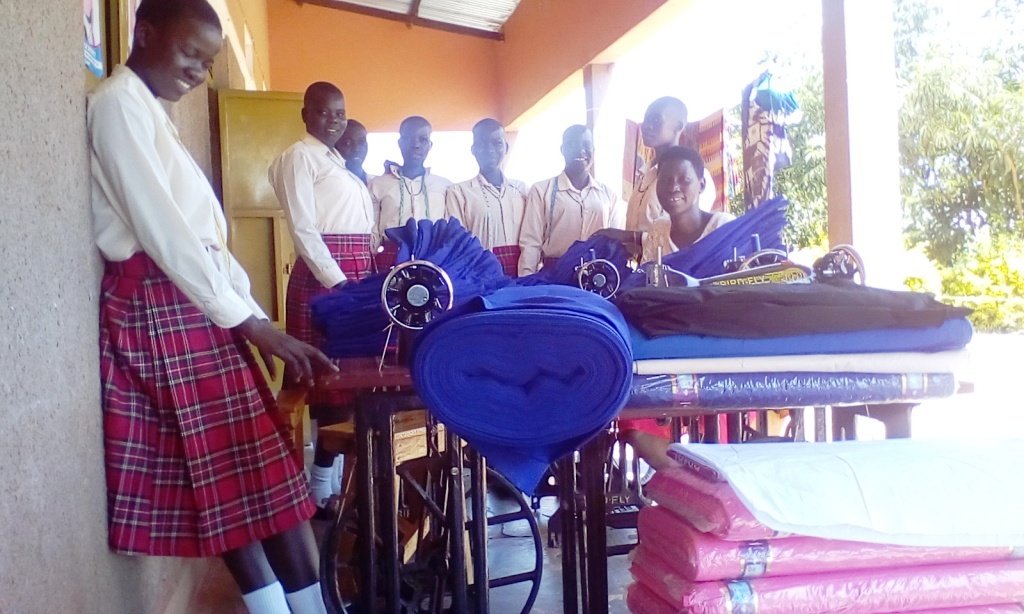
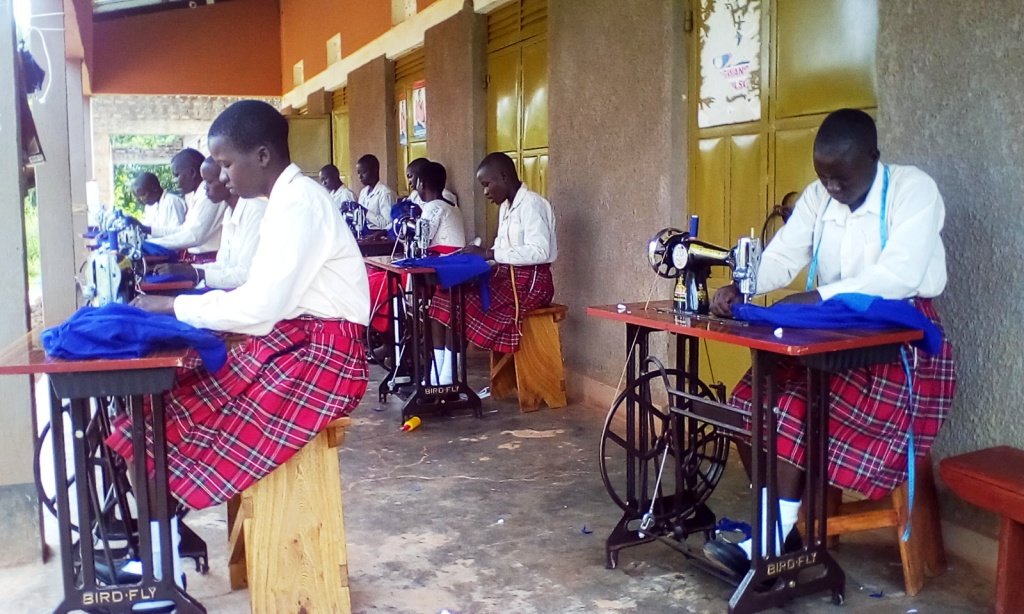
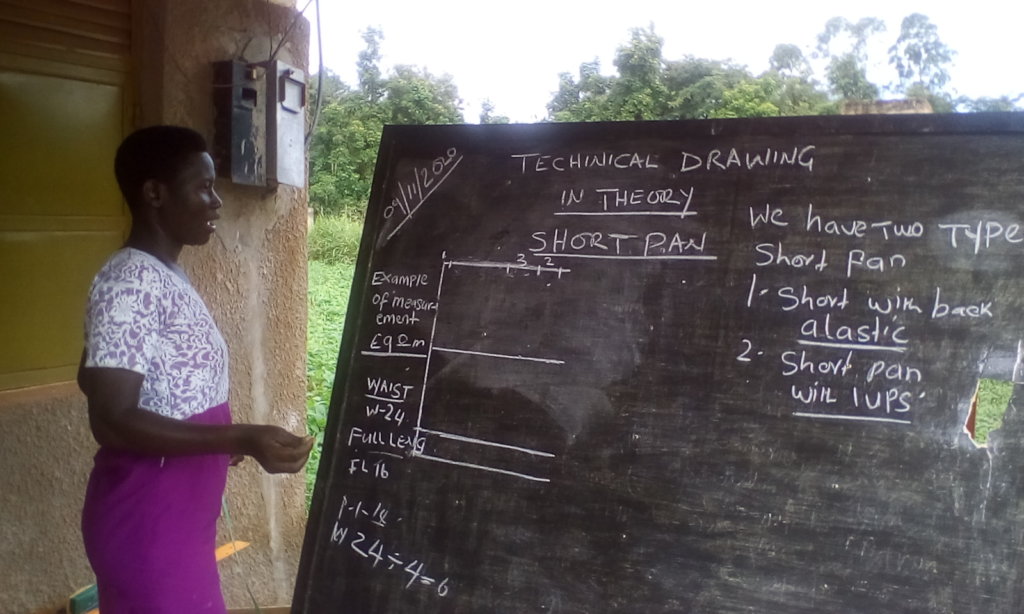
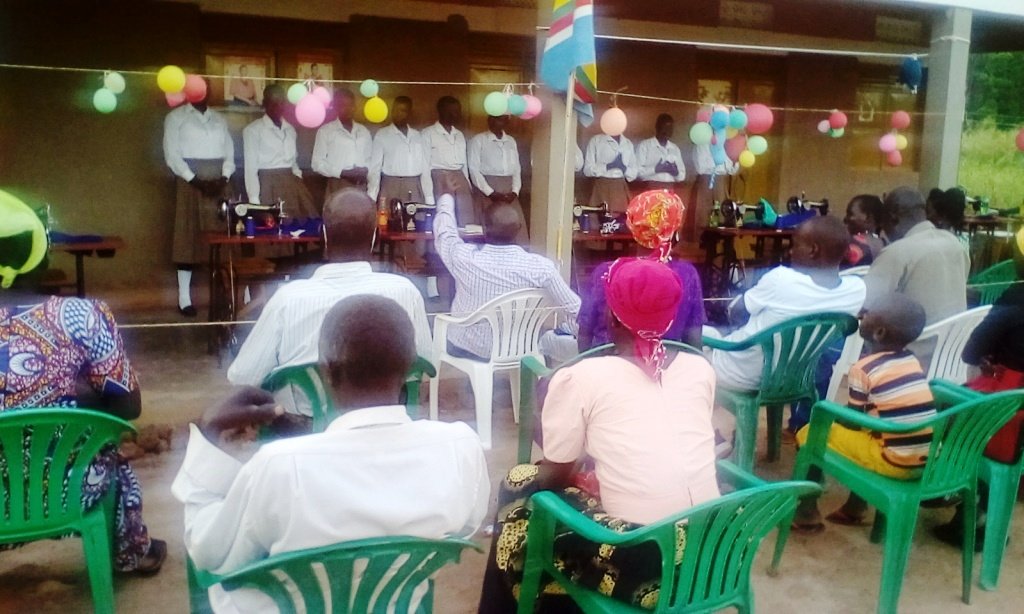
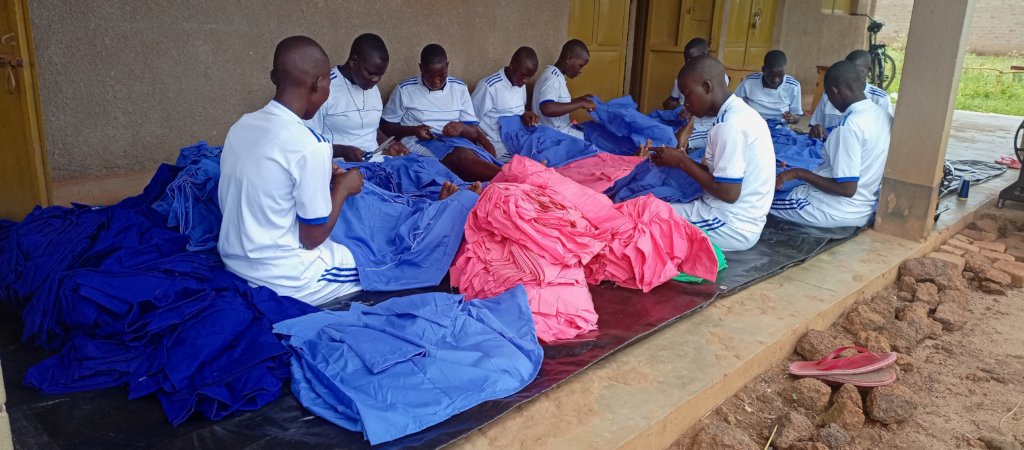
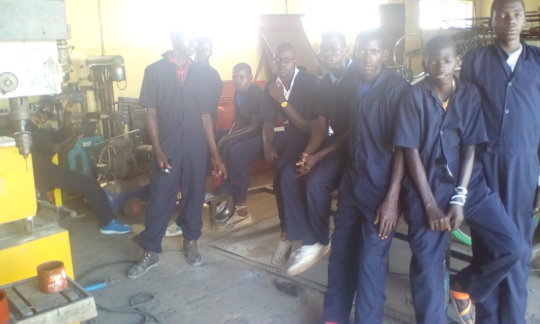
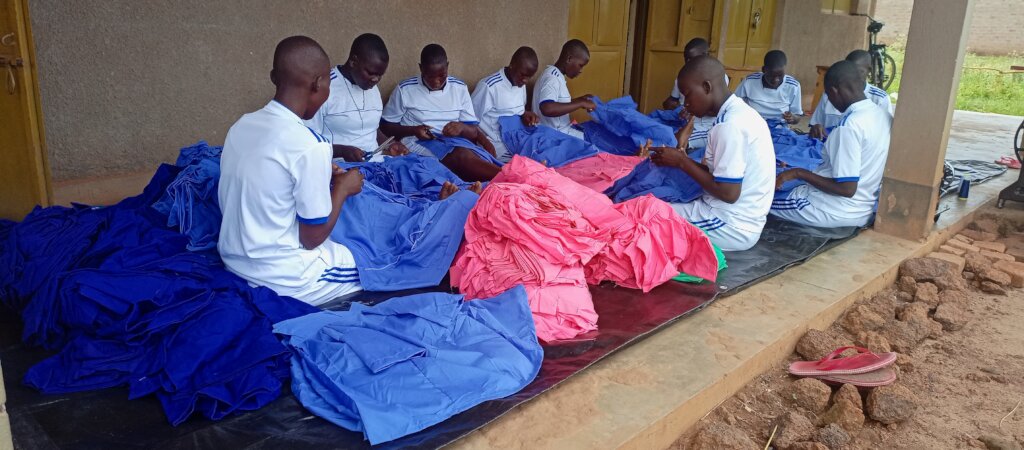
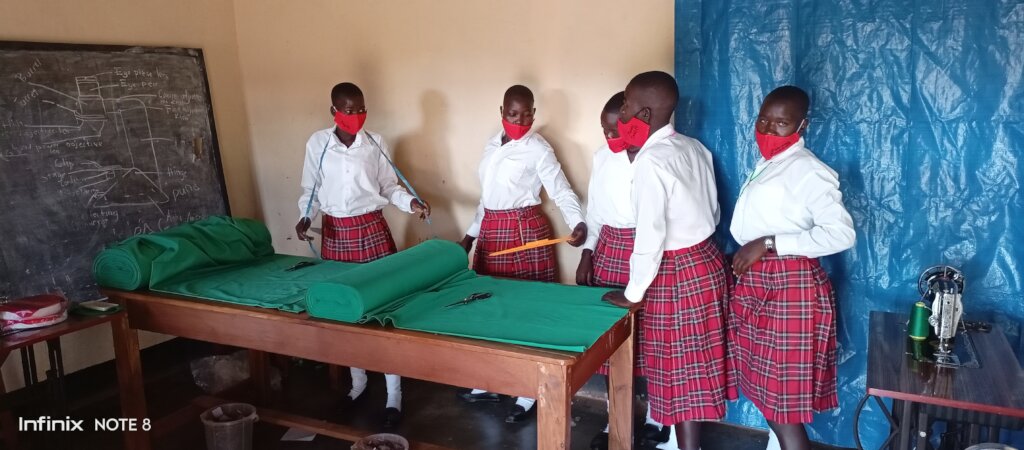
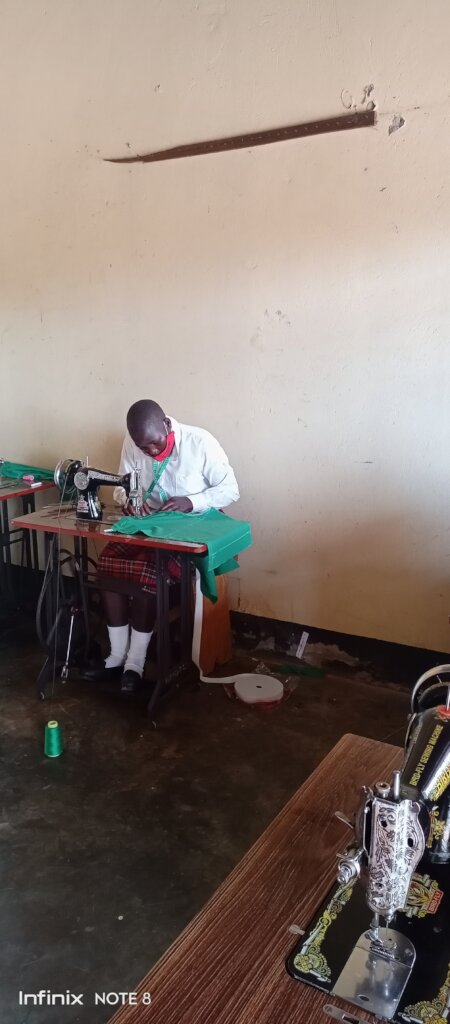
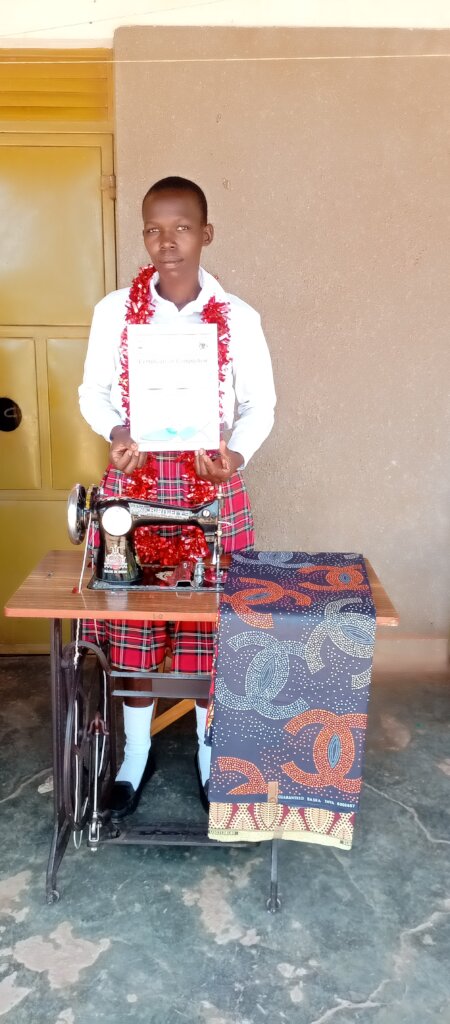
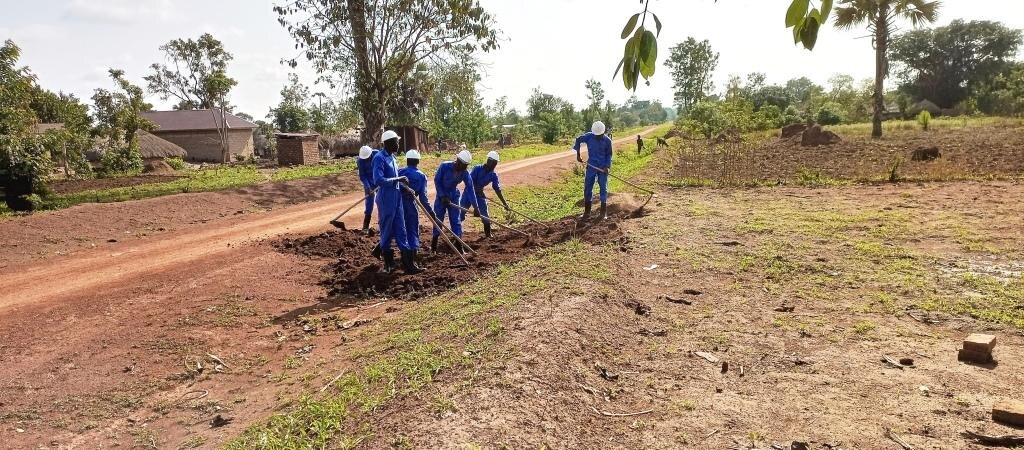
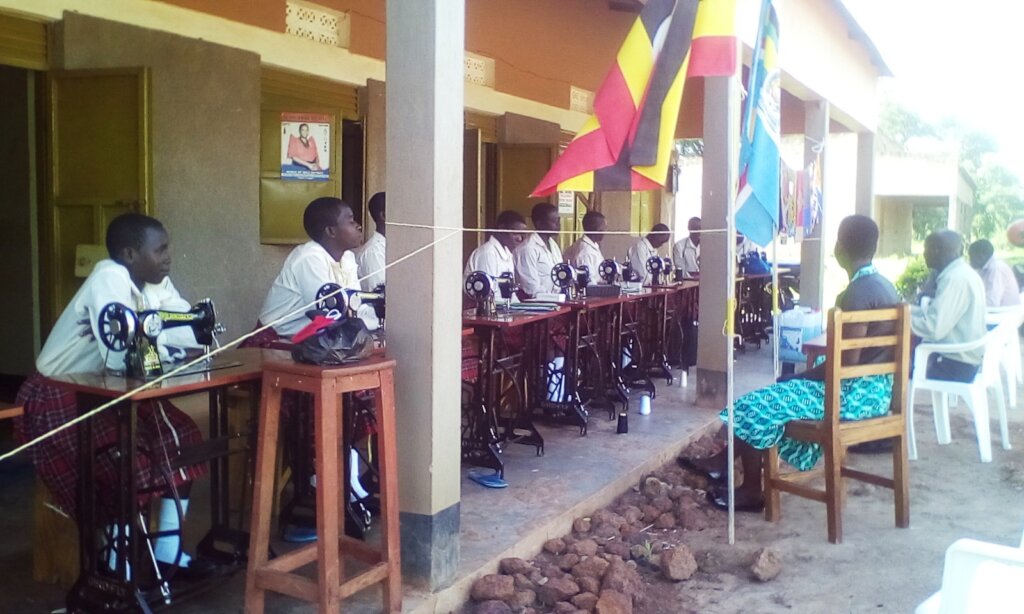
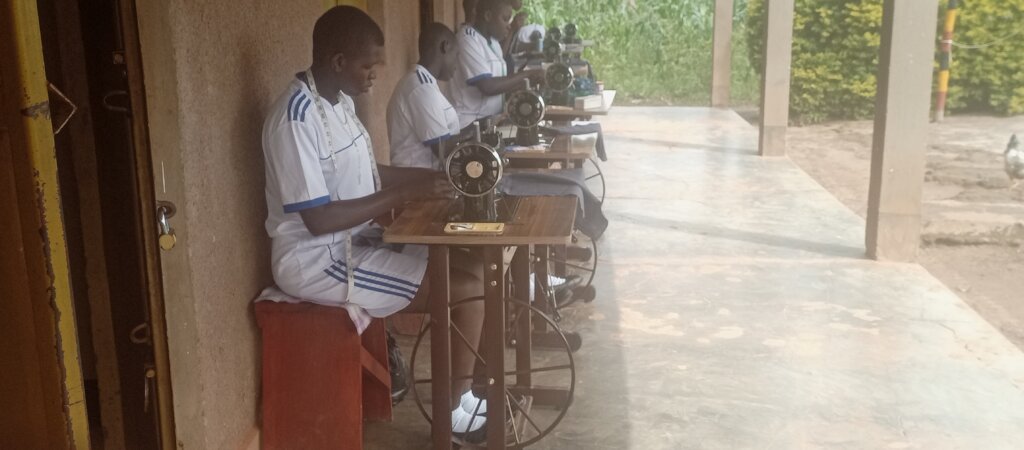
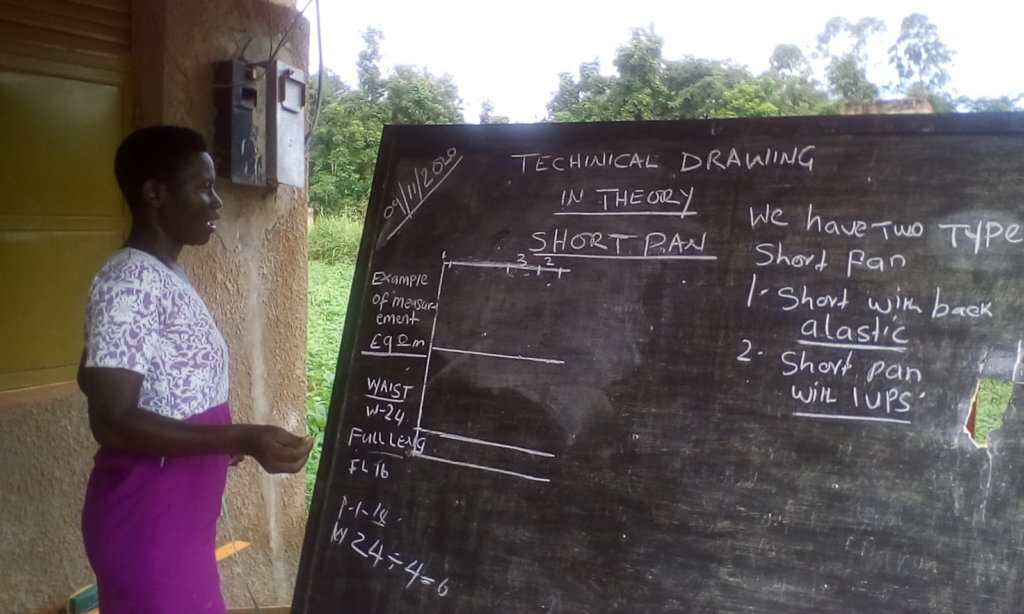
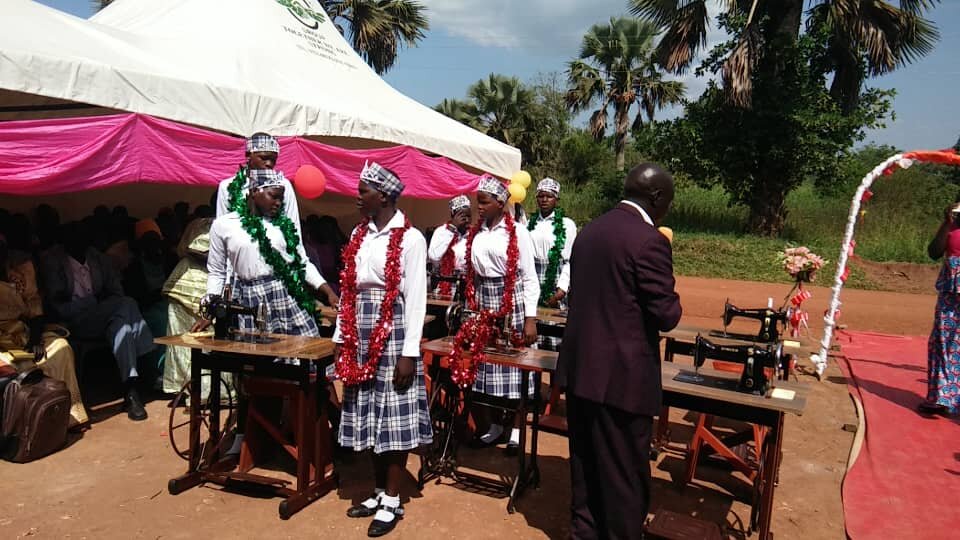
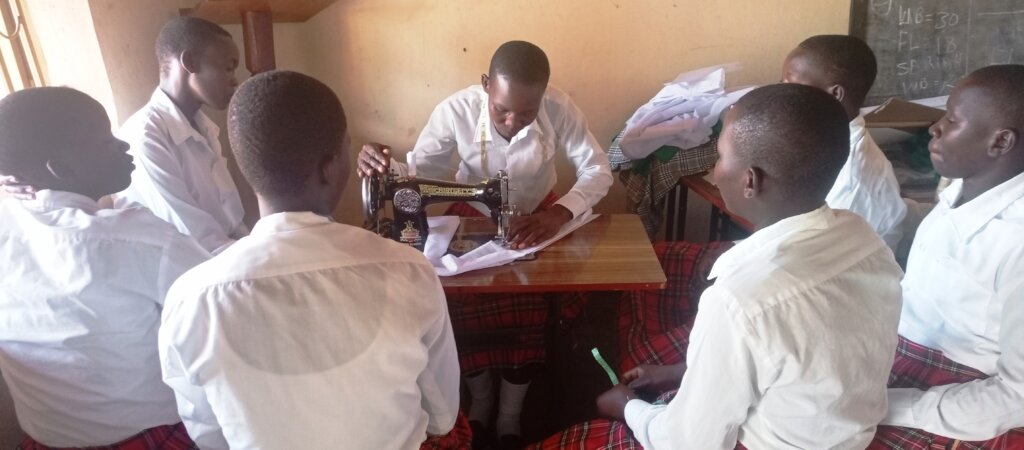
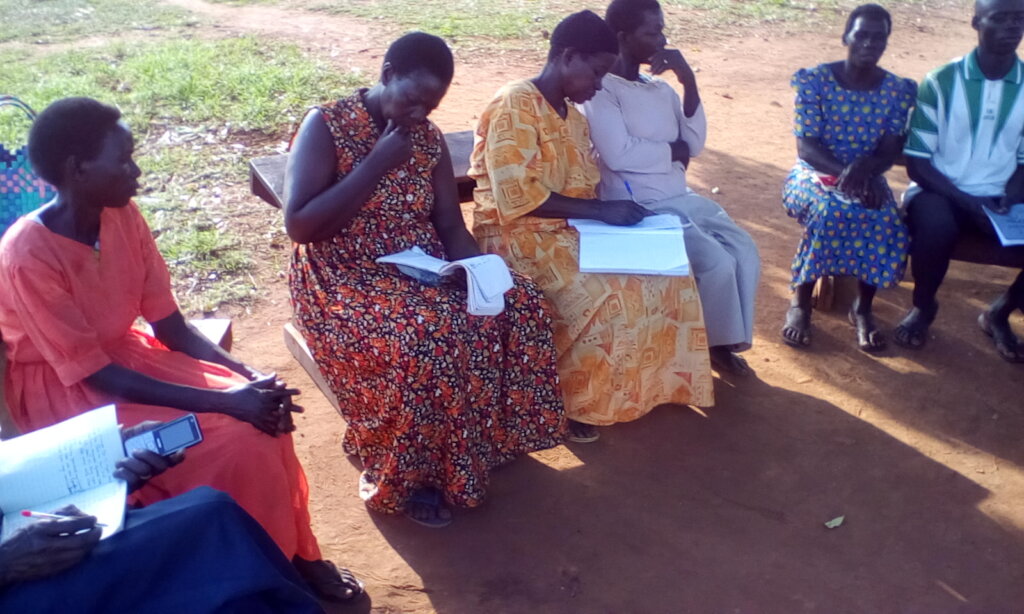
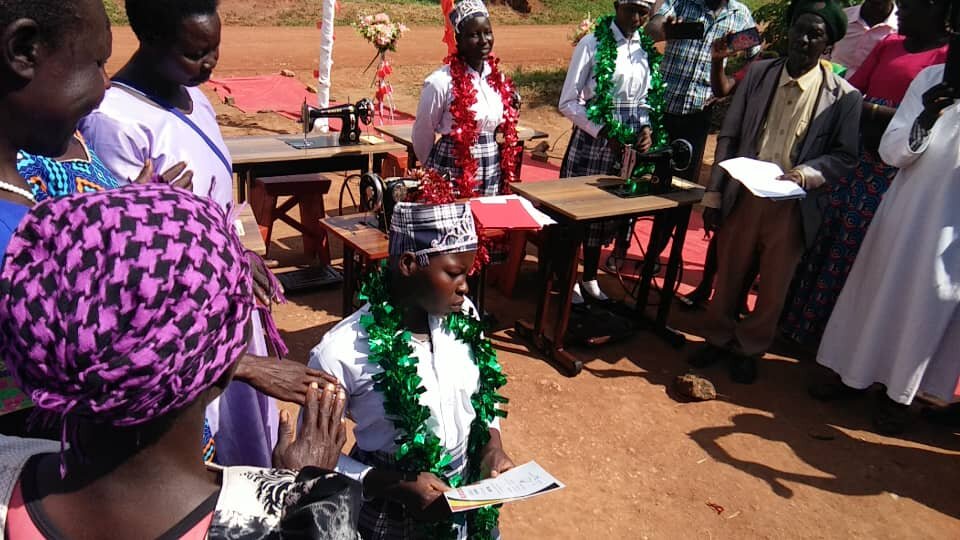
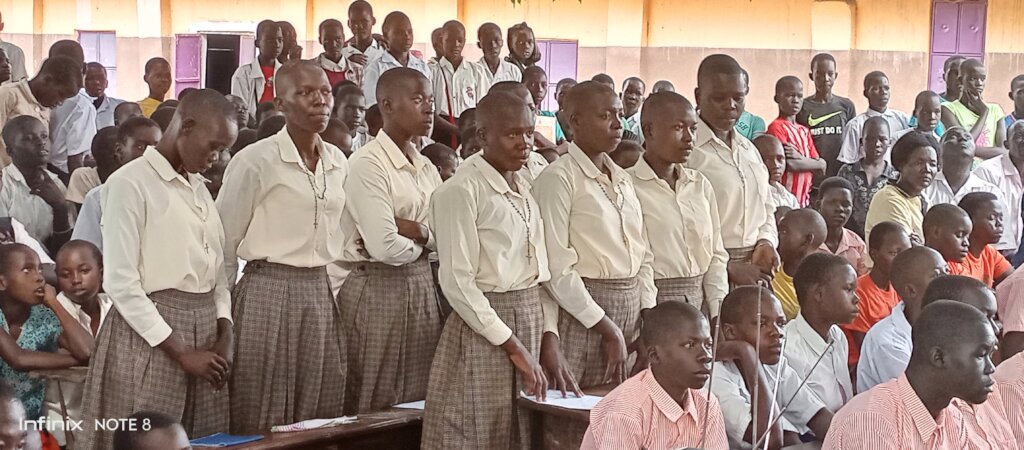
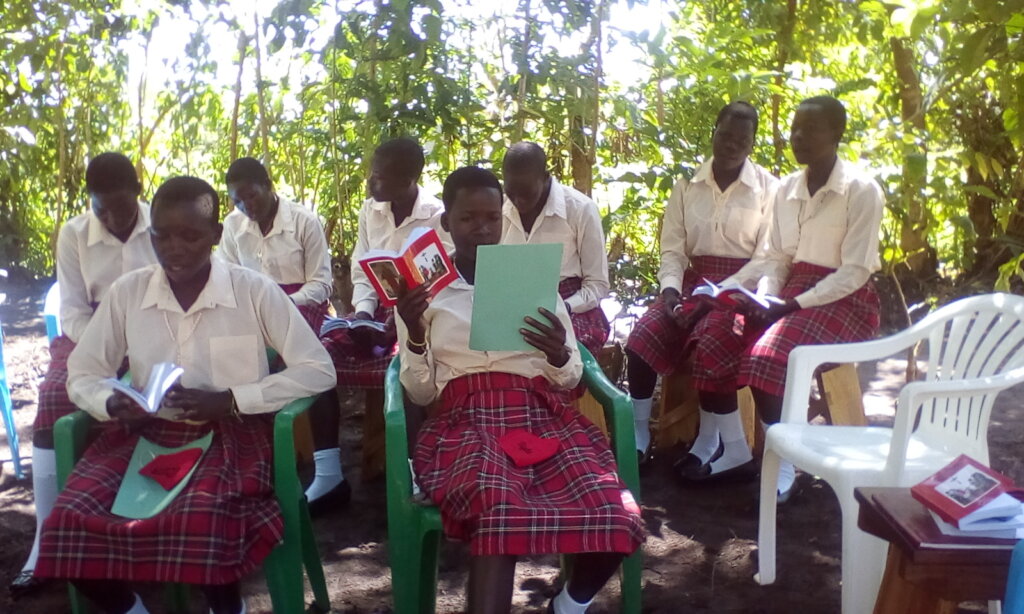
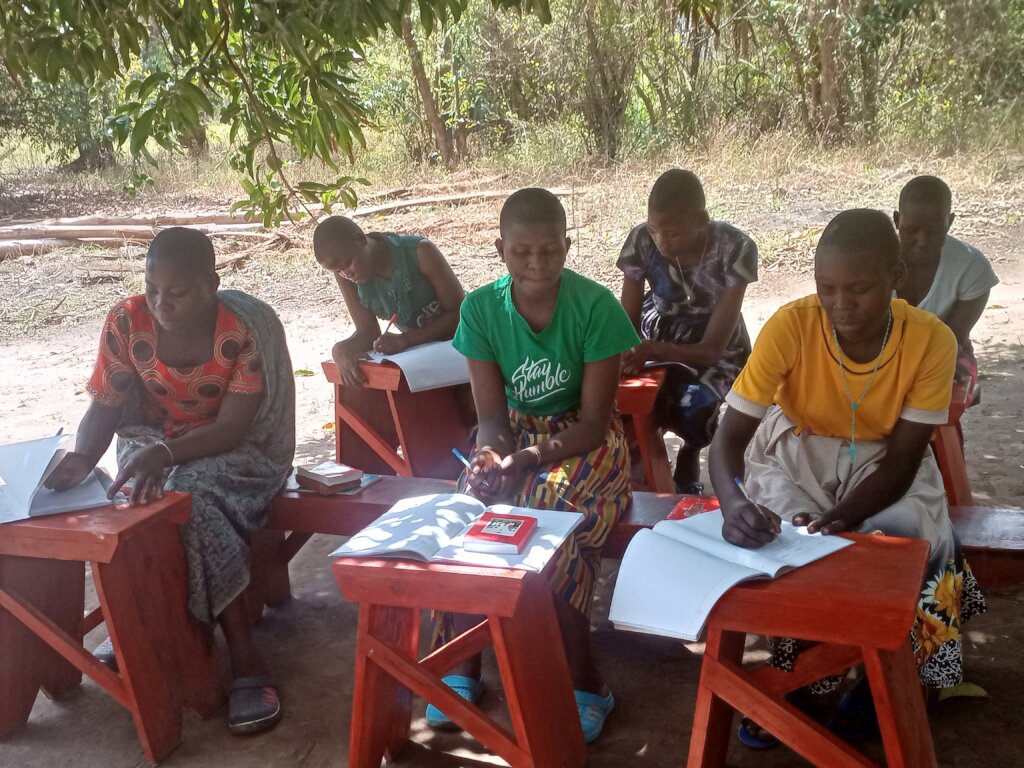
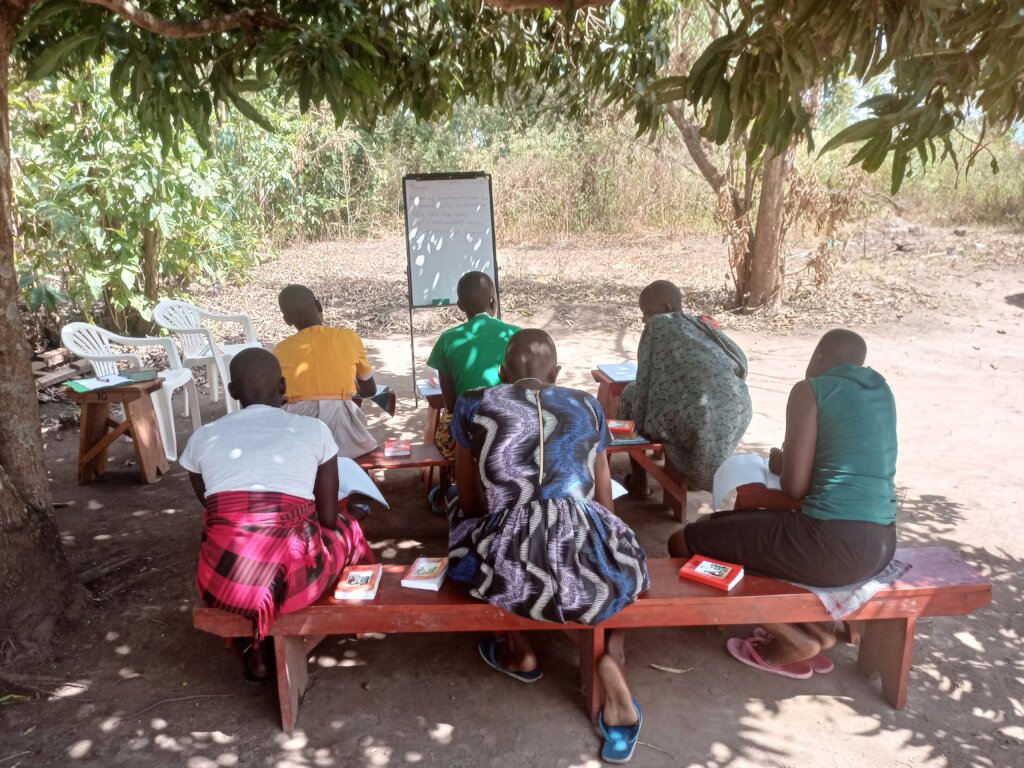
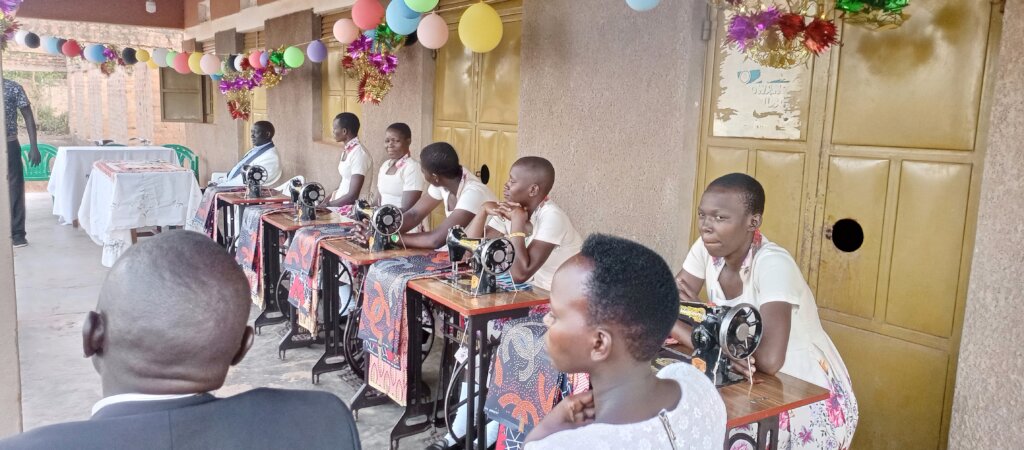
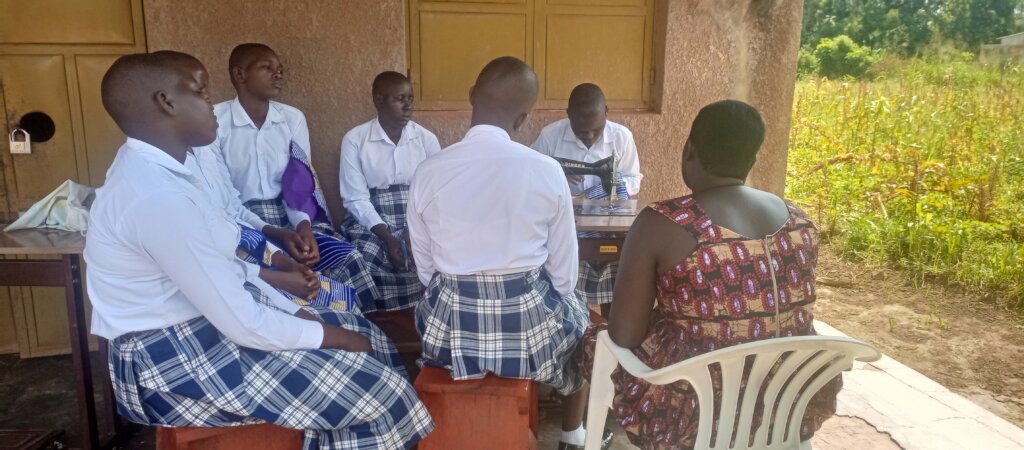
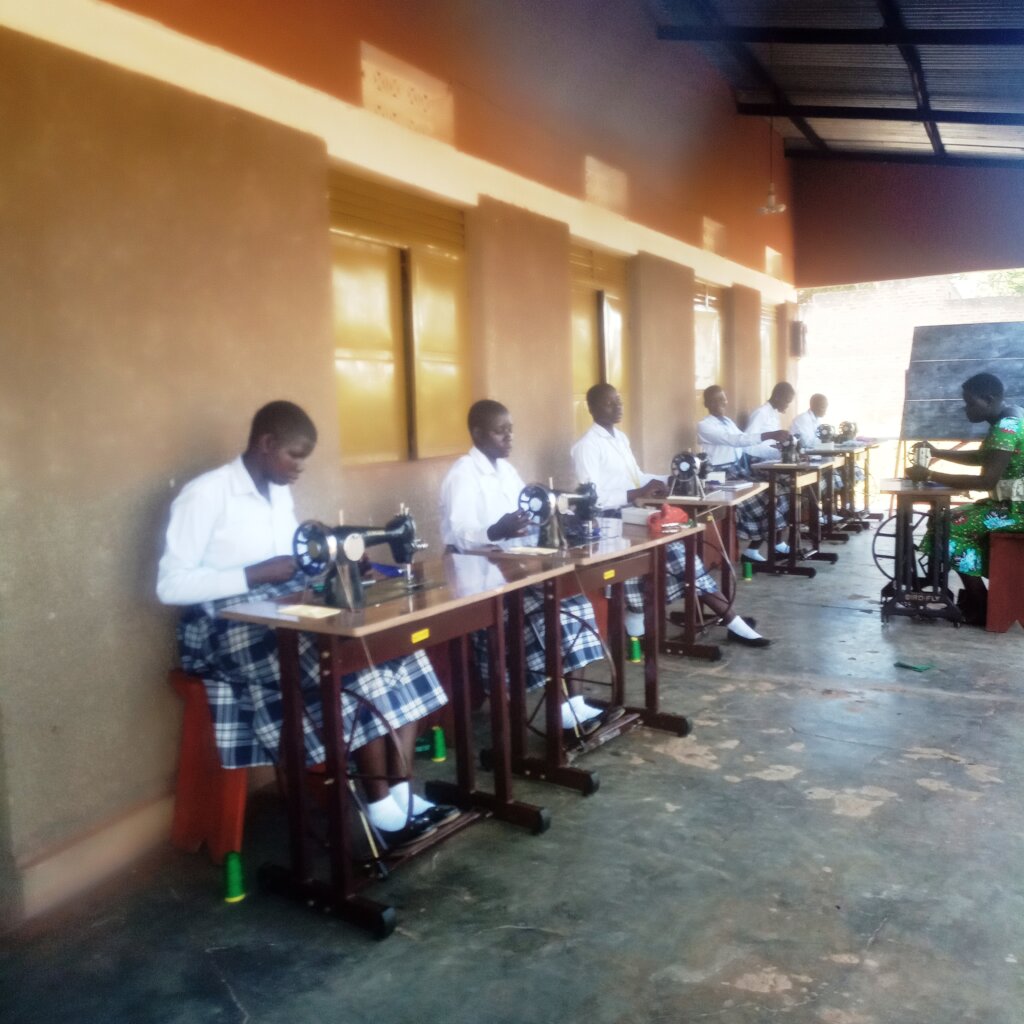
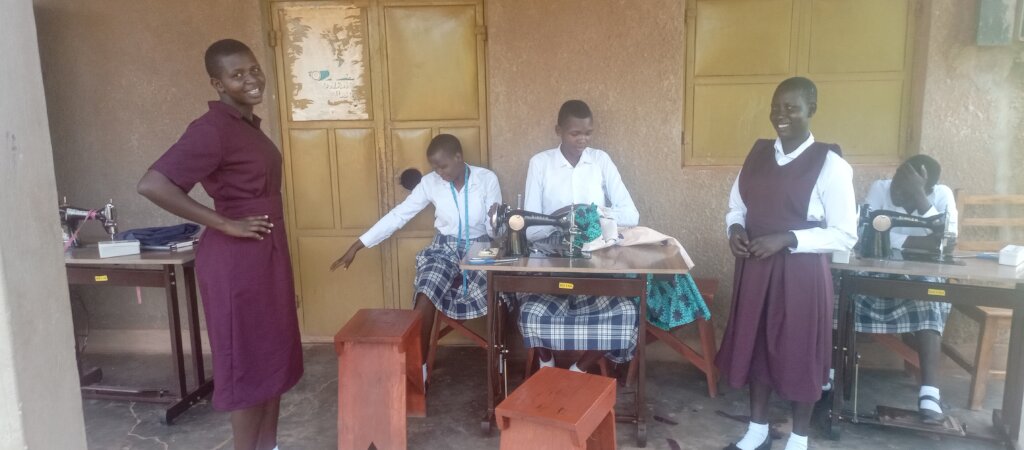
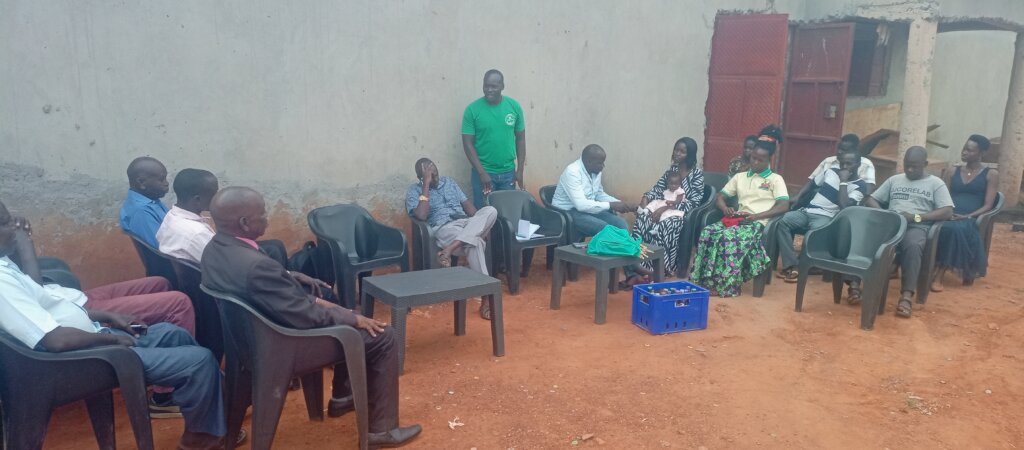
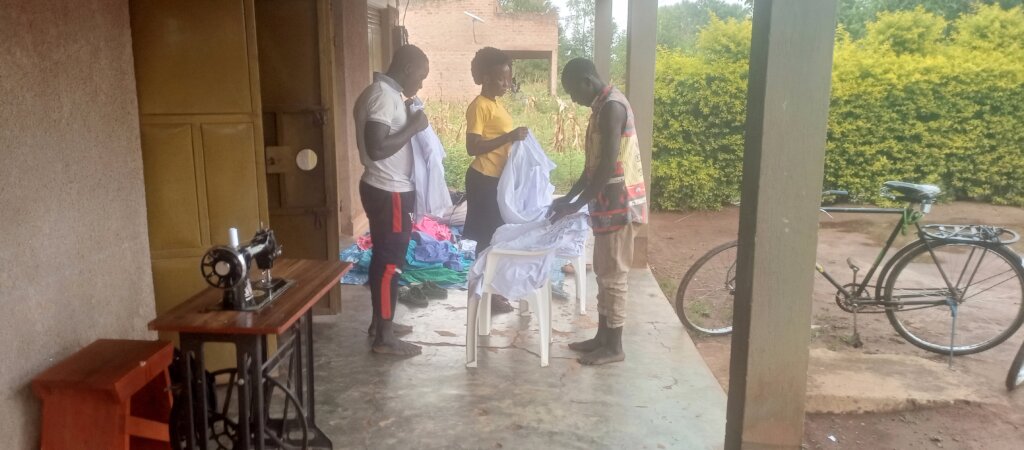
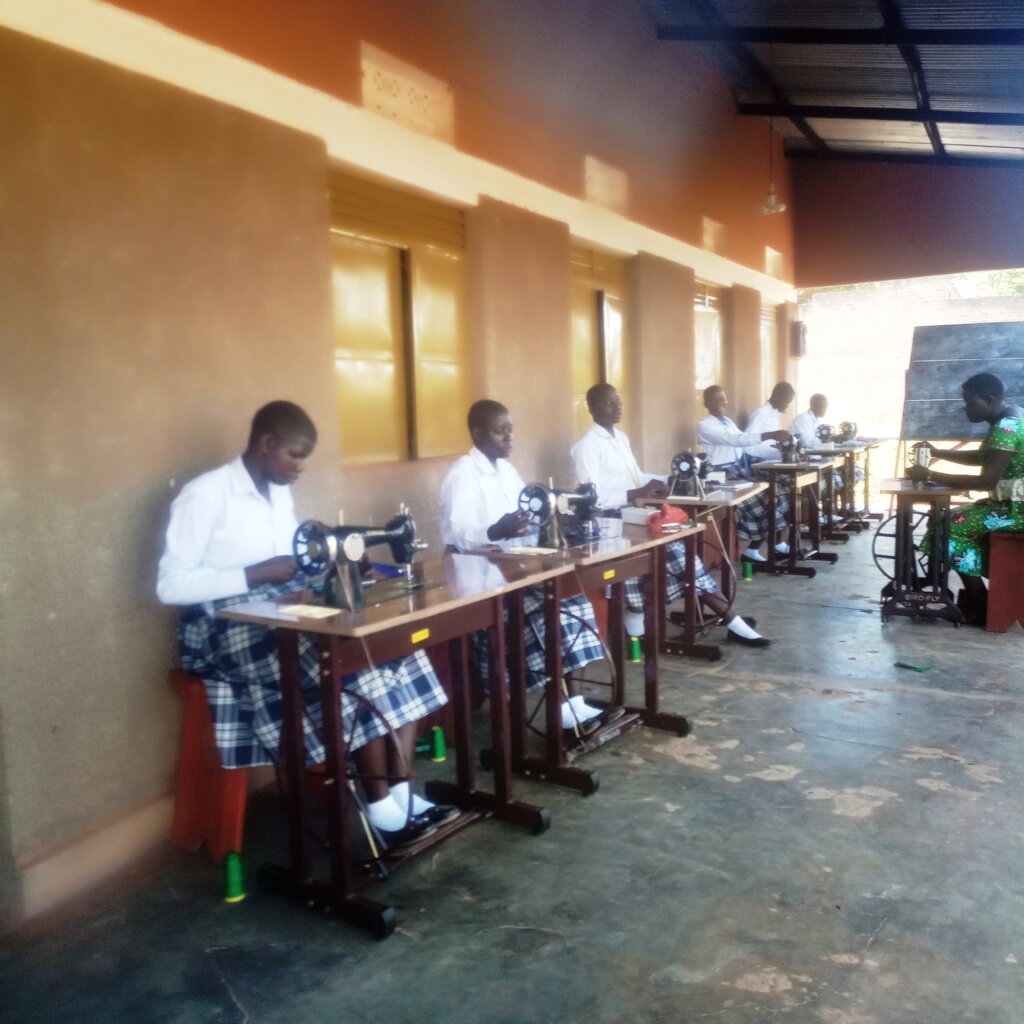
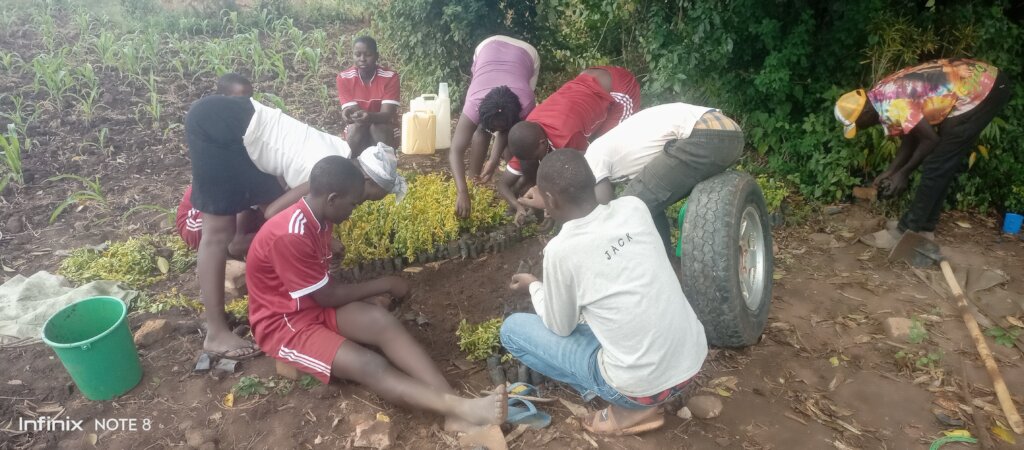
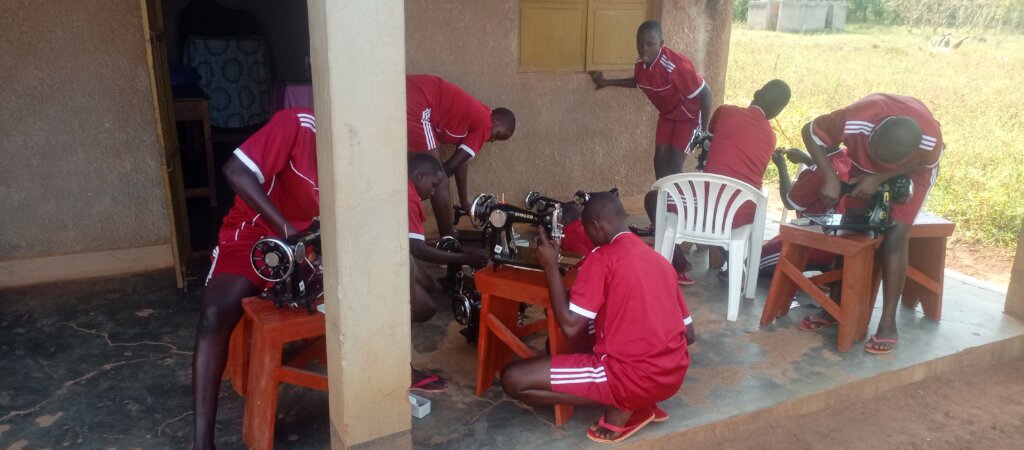
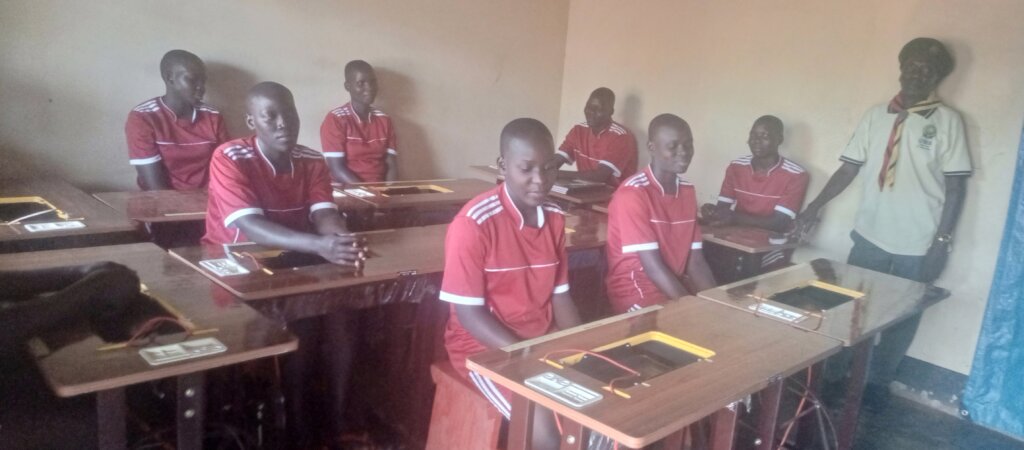
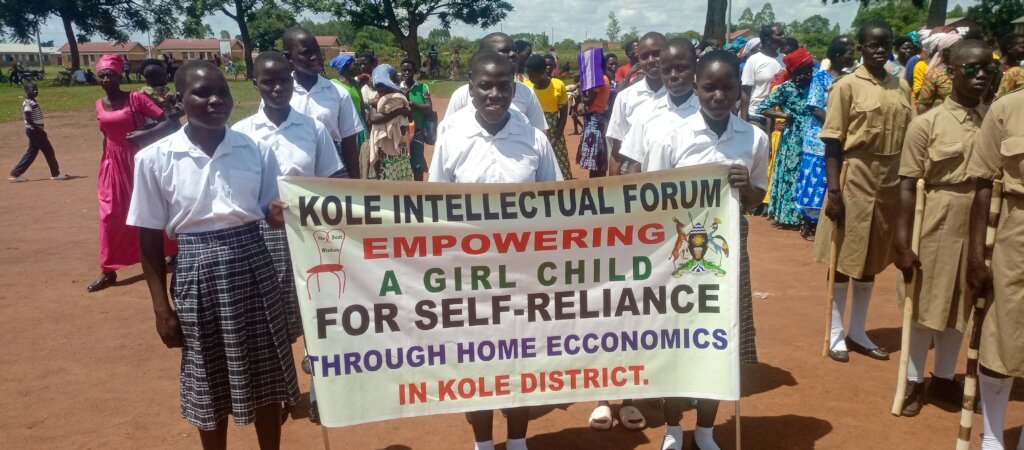
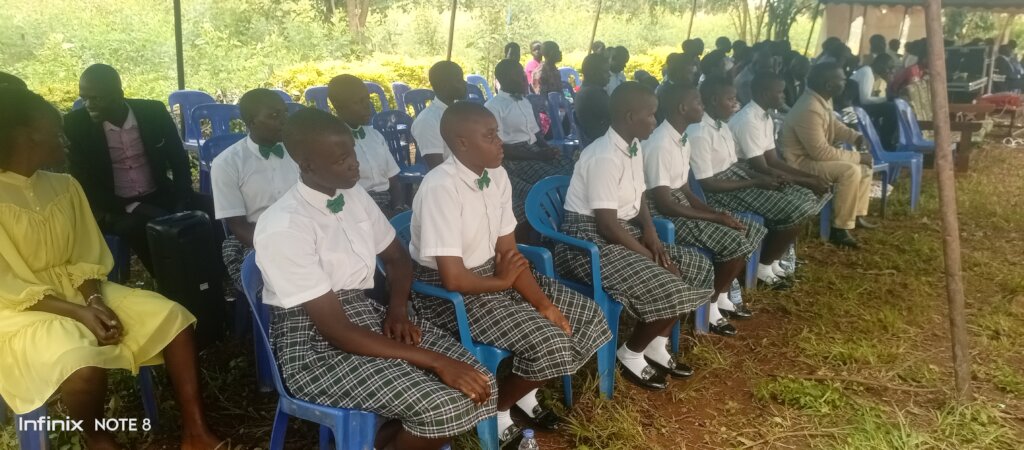
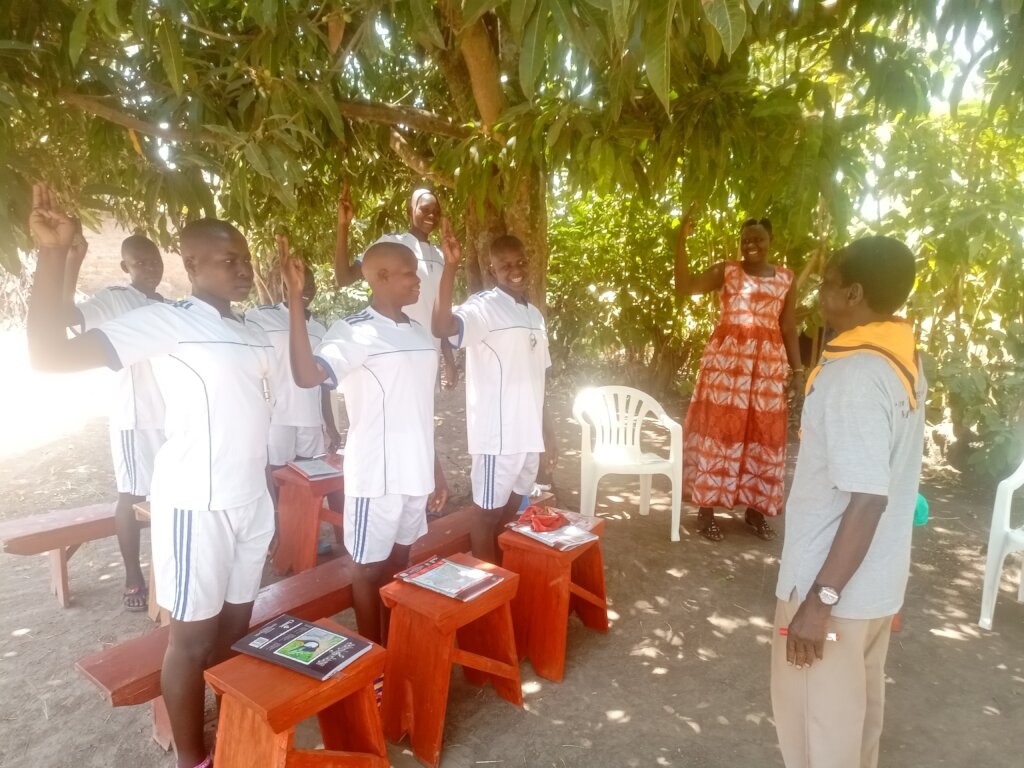
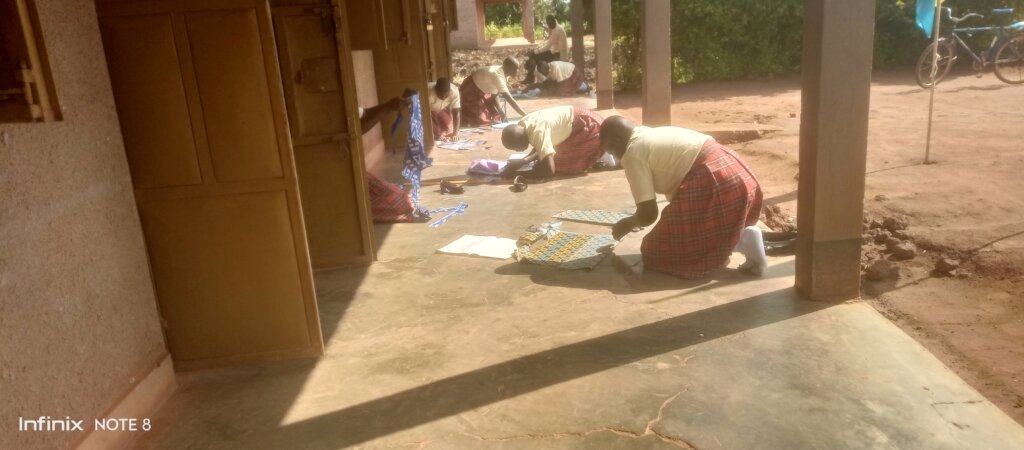
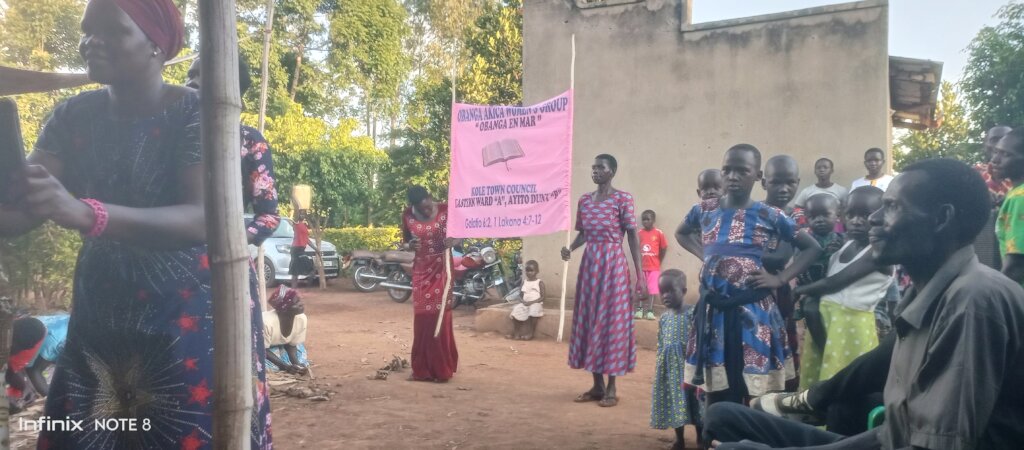
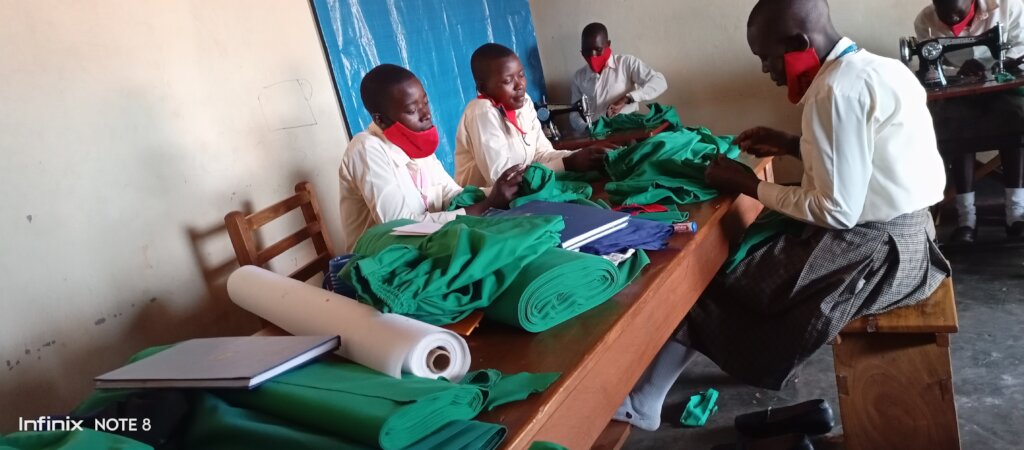
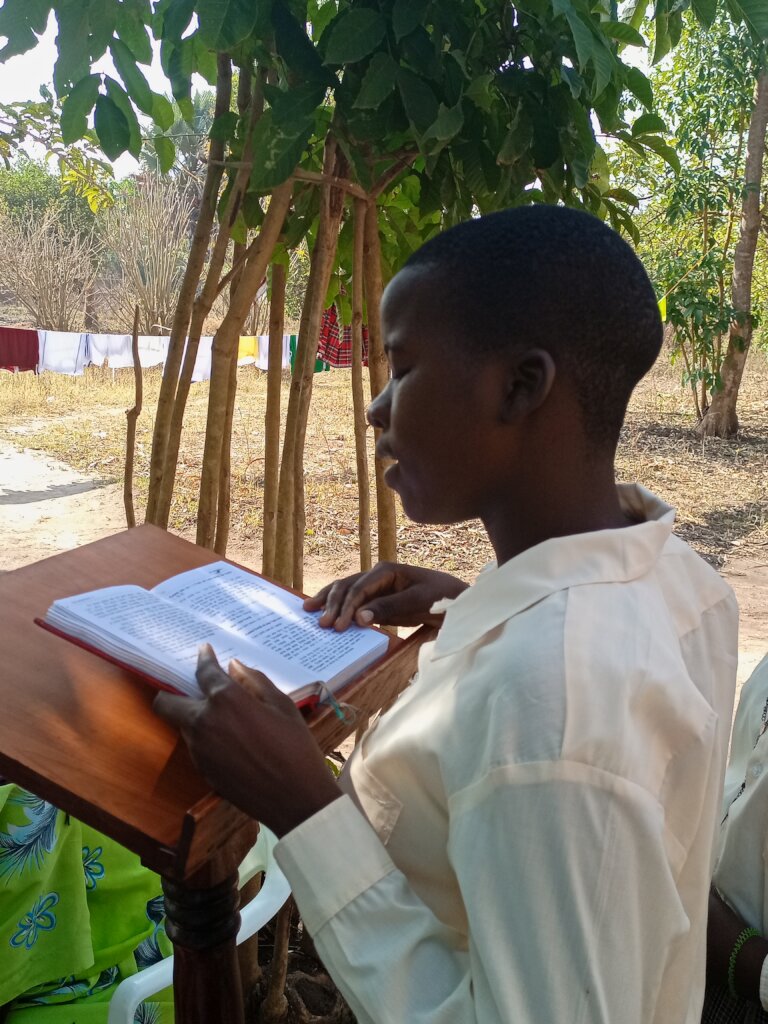
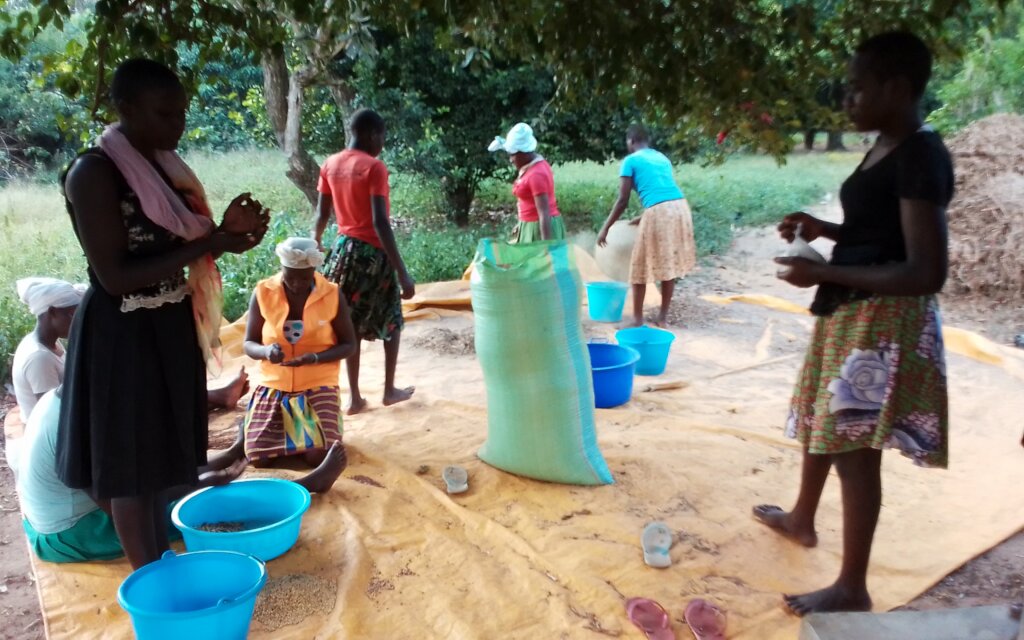
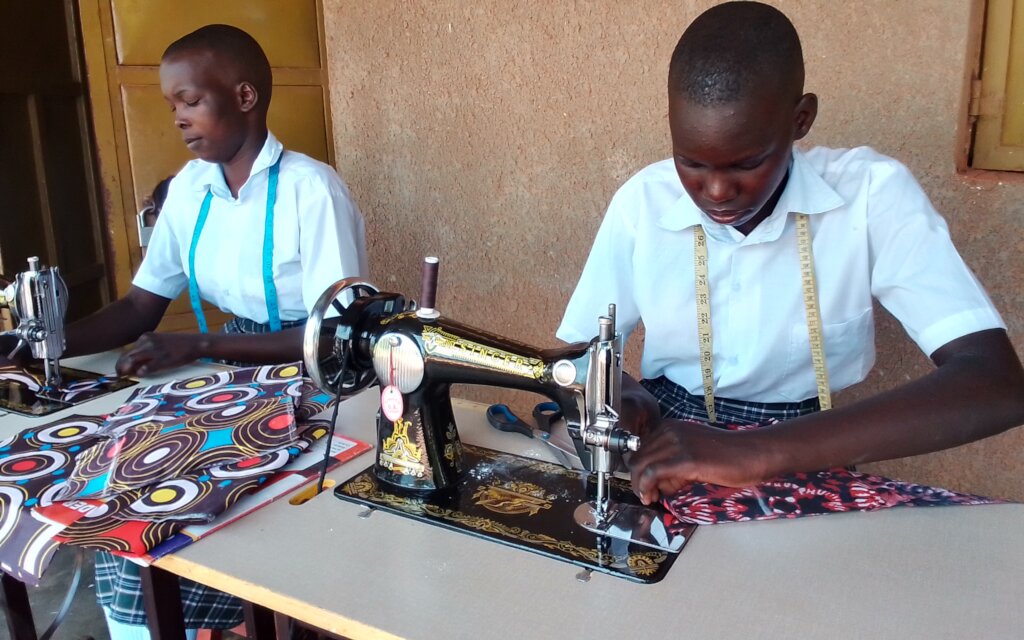
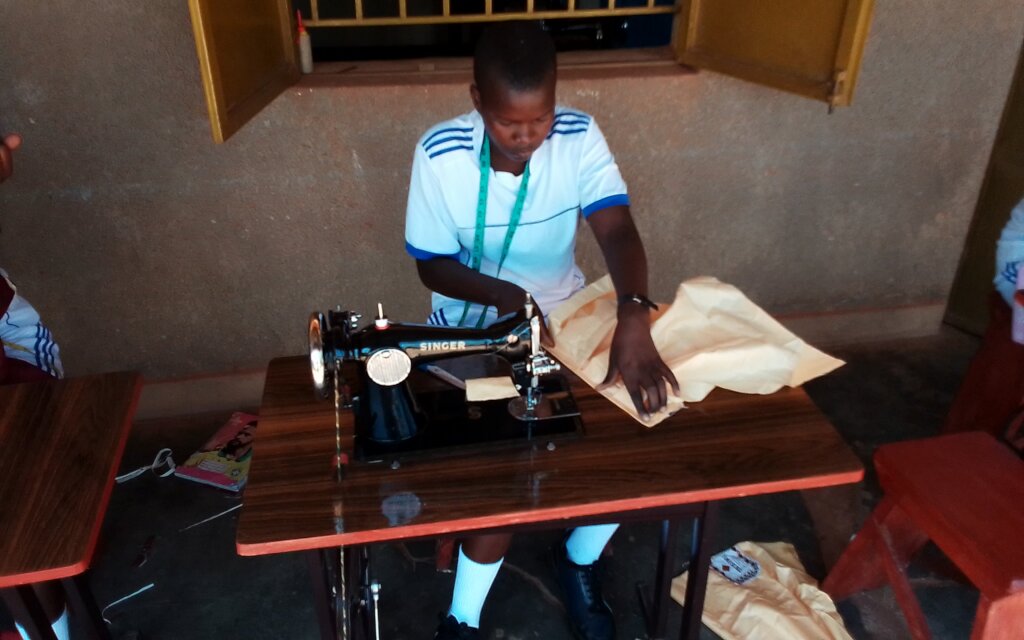
At KIFA (Kole Intellectual Forum), Capacity building is taken as an ongoing process of developing and strengthening the skills, knowledge, tools, and confidence that individuals, particularly their students and communities need to lead their own development and solve their local problems.
The organizational core Goals are to build on:
- Self-reliance: Empower local leadership so communities drive their own priorities rather than relying on external rescue.
- Transformation from within: Shift mindsets and build long-term resilience rather than just completing one-off tasks.
- Better resource use: Help community groups manage funds, engage local governments, and run programs effectively.
![Share on Twitter]()
![Share on Facebook]()