Project Report
| Oct 2, 2026
Critical Thinking Championing Development
By George Obua | Project Leader
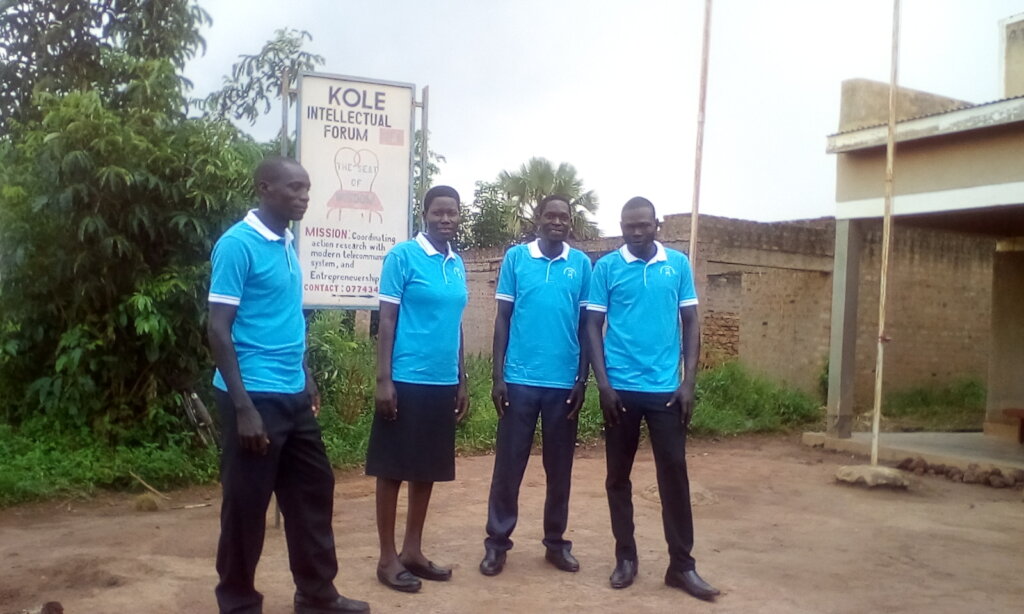
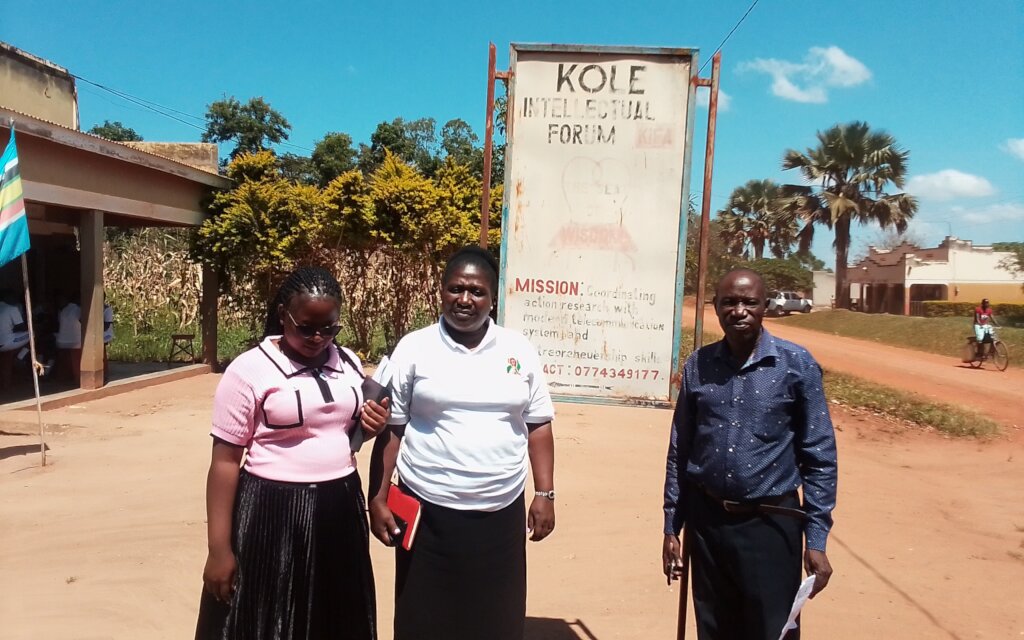
deally, in the views of Kole Intellectual Forum's (KIFA's) promoters, they strongly believe that: the world is so complicated that it has a very diverse ways of doing things; but we, as human beings, we have noticed that: we need to think critically so as to confront these happenings with the views of becoming winners; unfortunately, not all people or organizations have the same brain to do so, but the few people or organization can be trained to critically think and lead the rest if at all they are to champion and guide properly in the process of development.
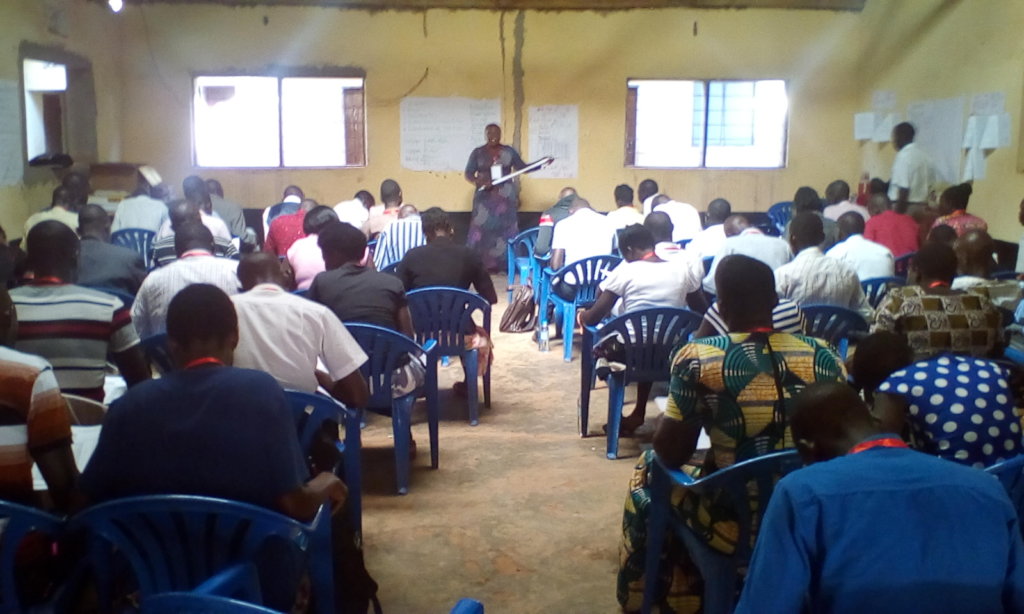
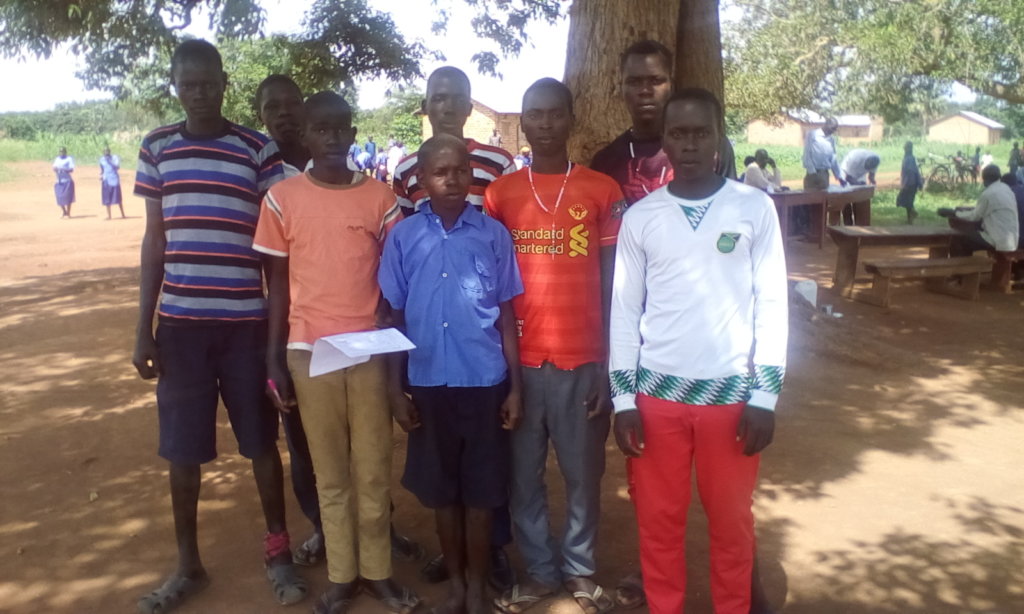
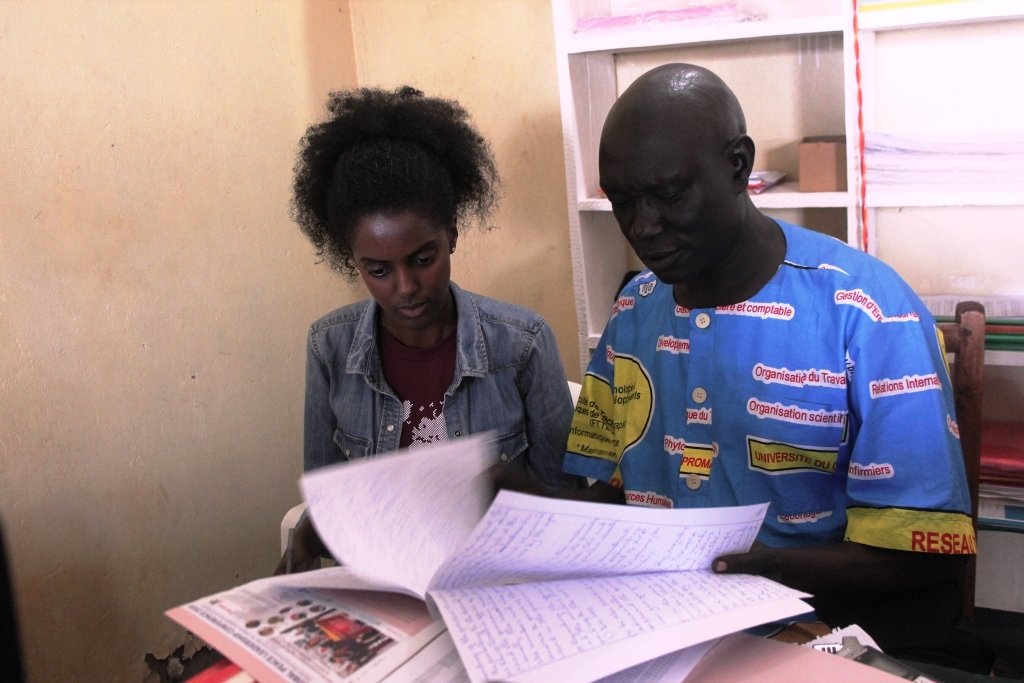
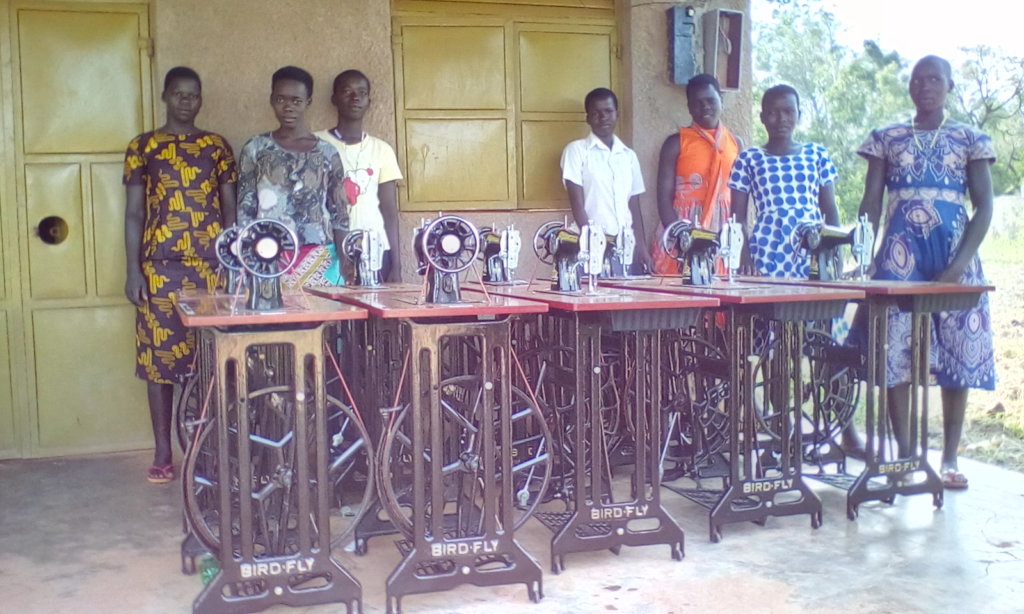
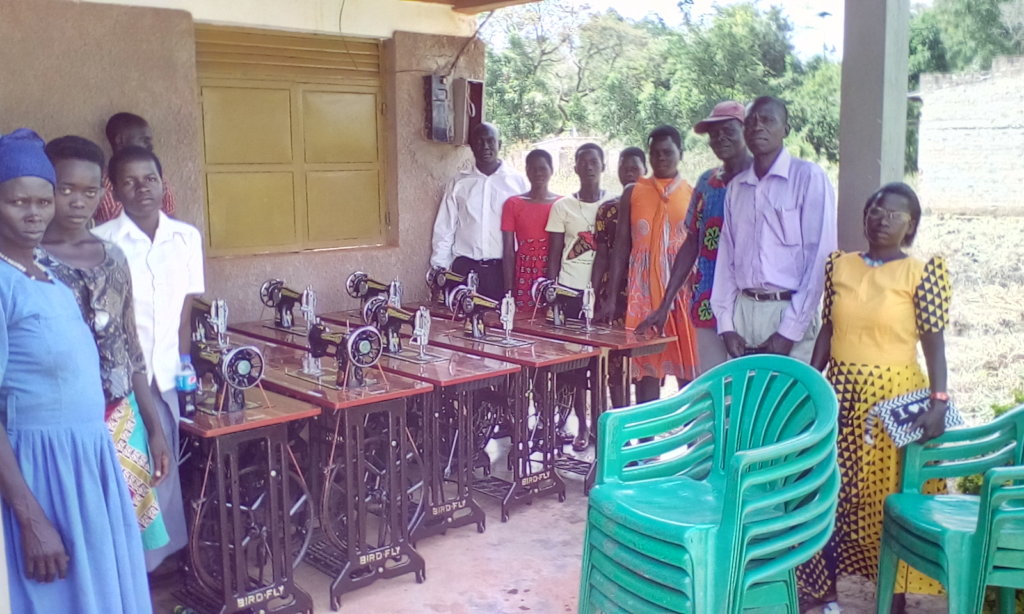
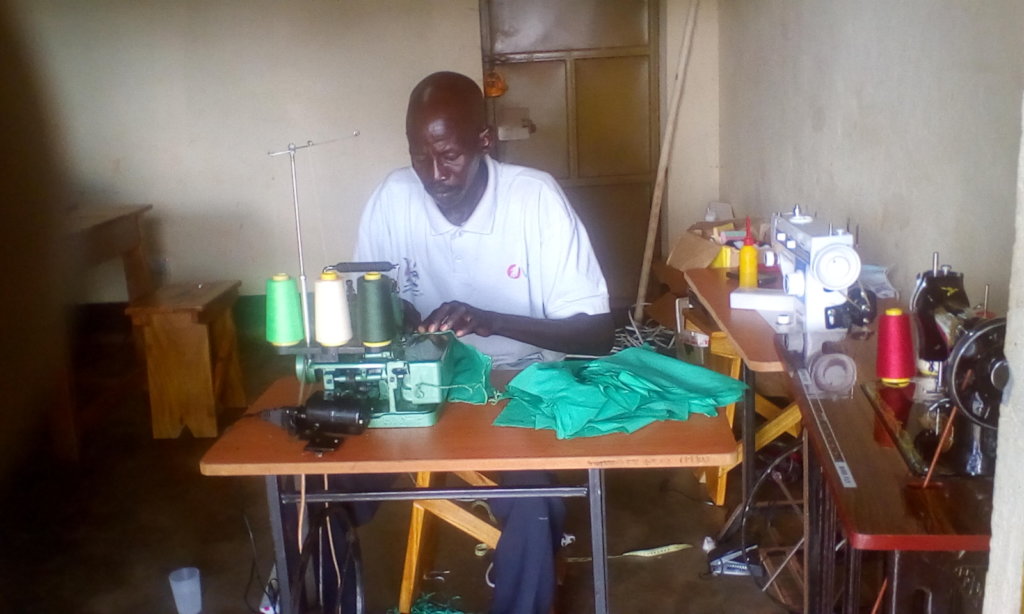
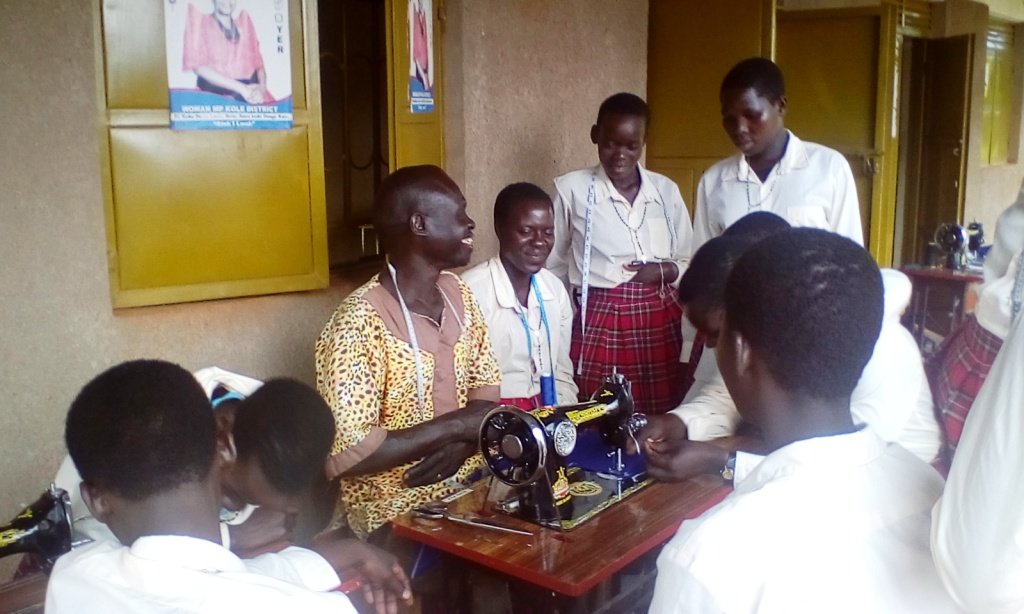
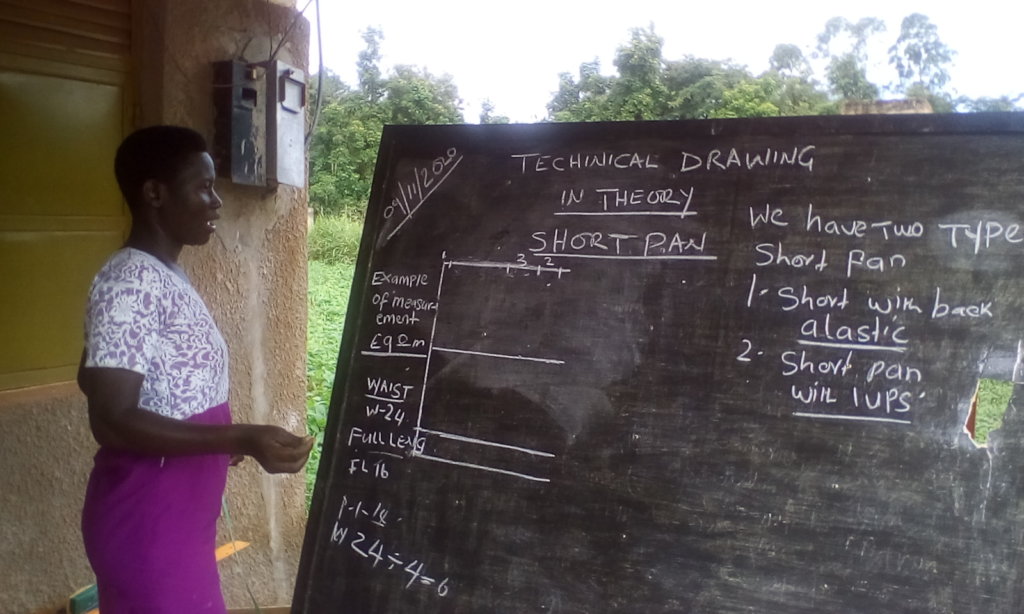
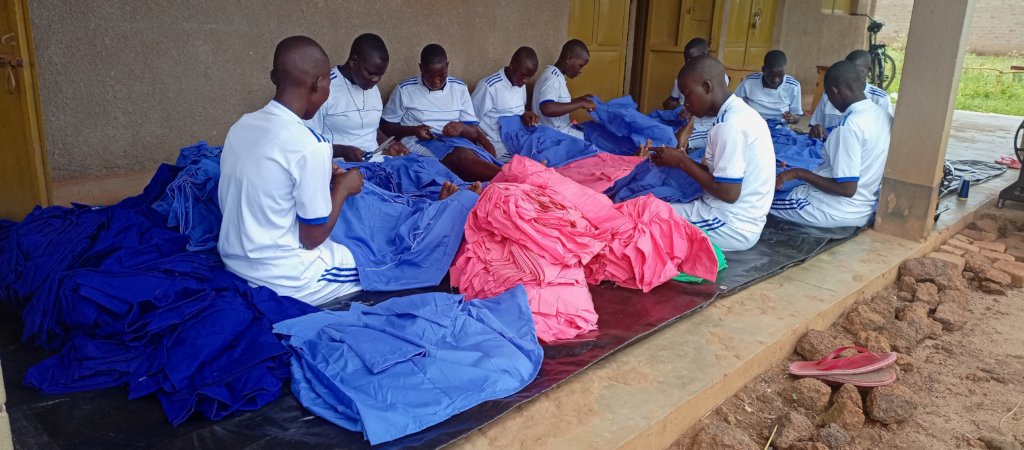
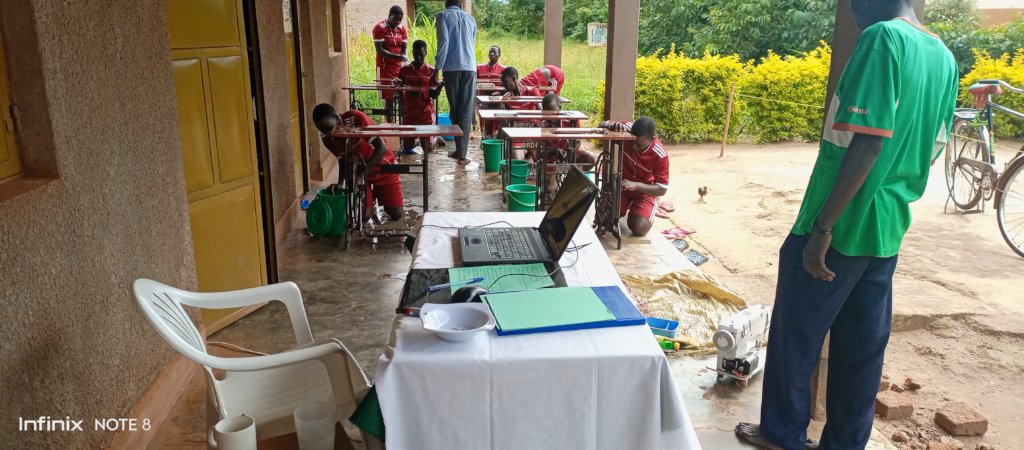
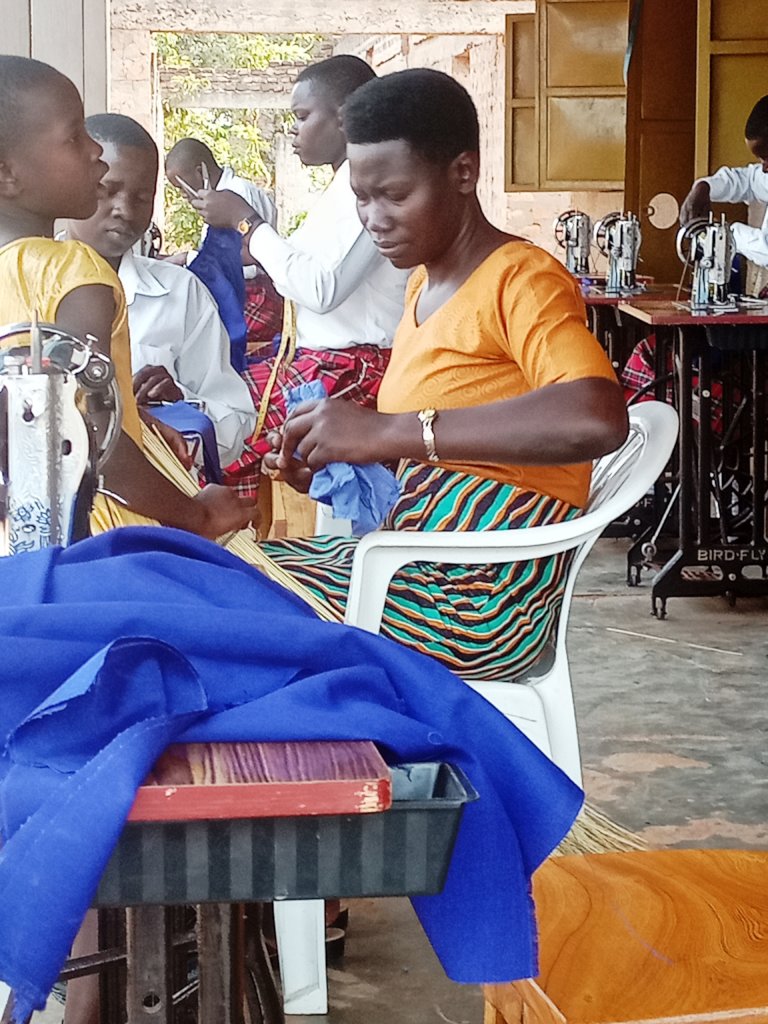
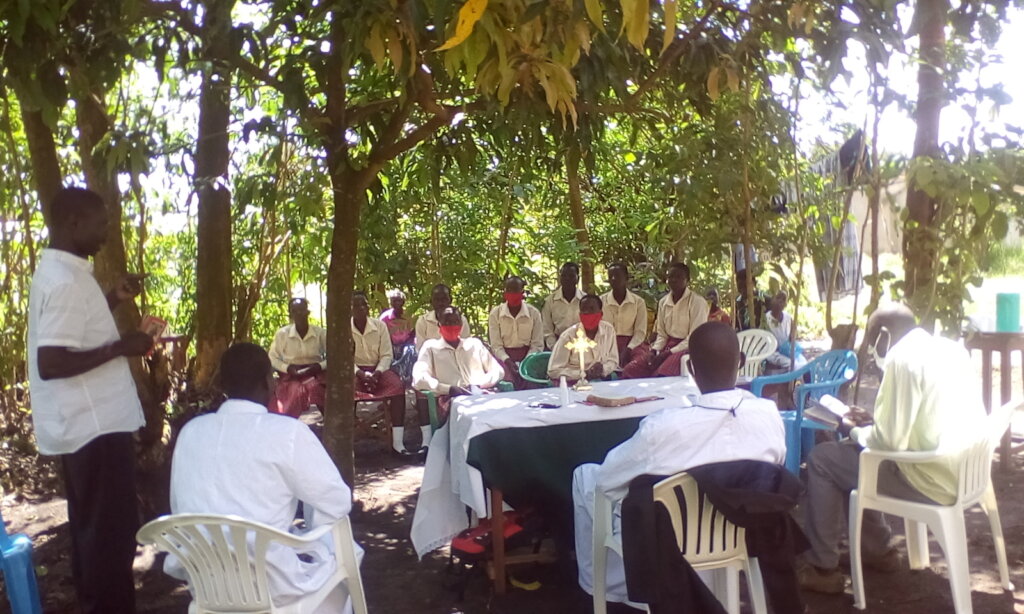
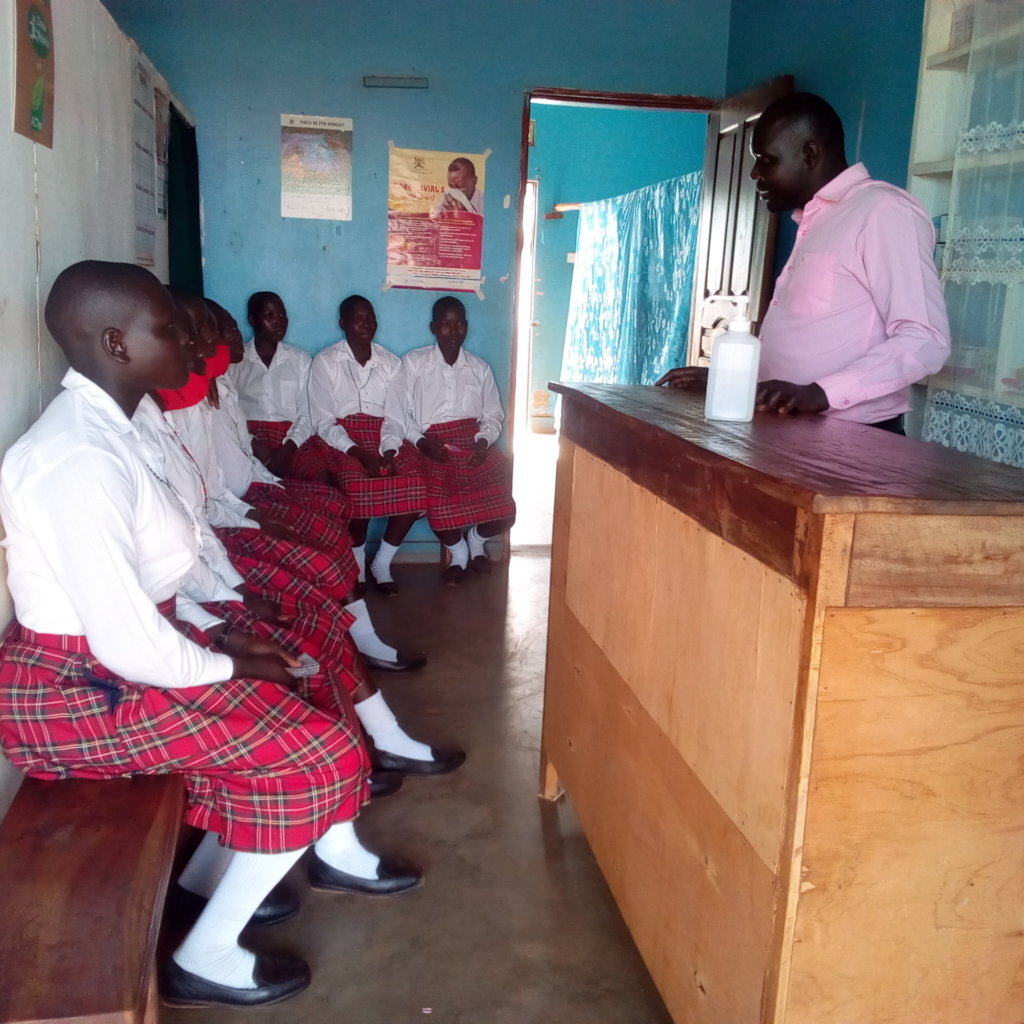
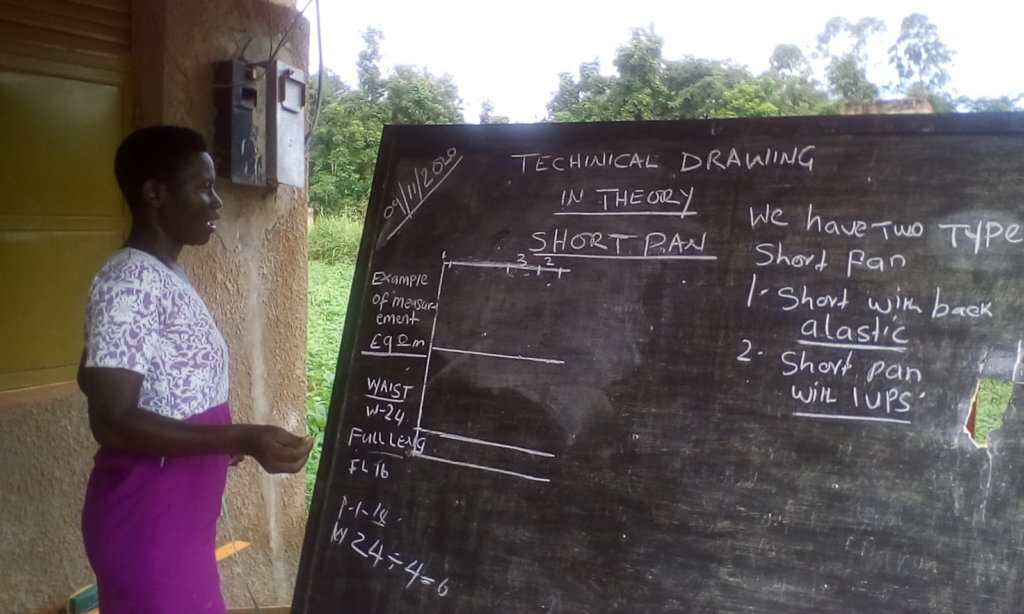
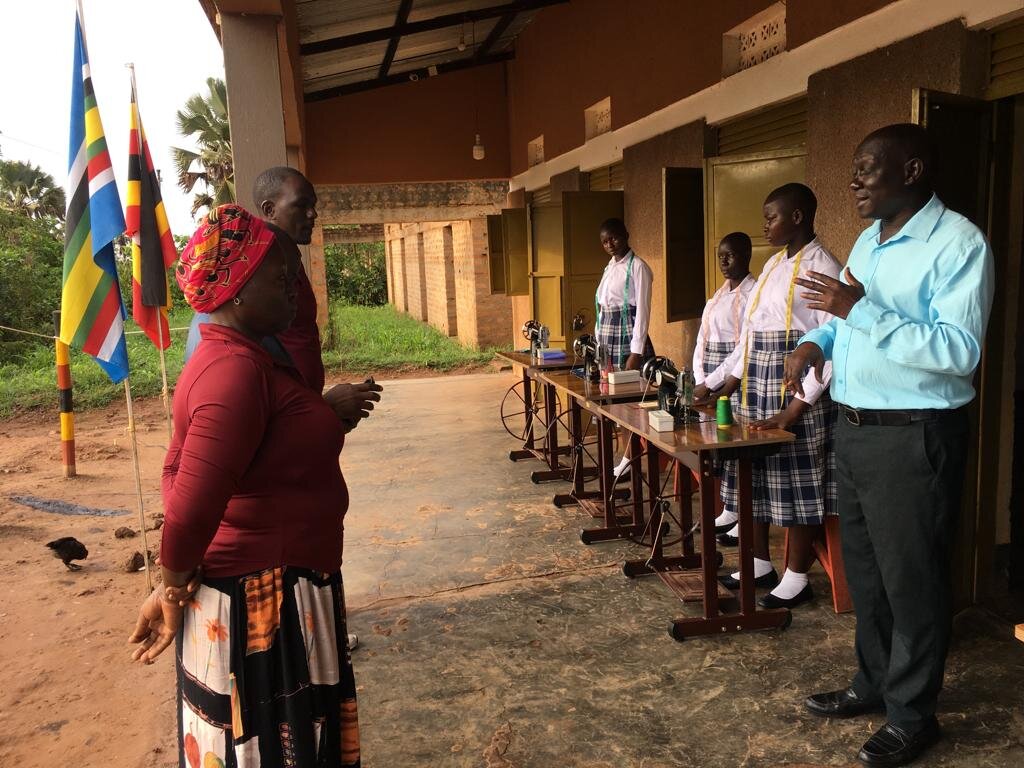
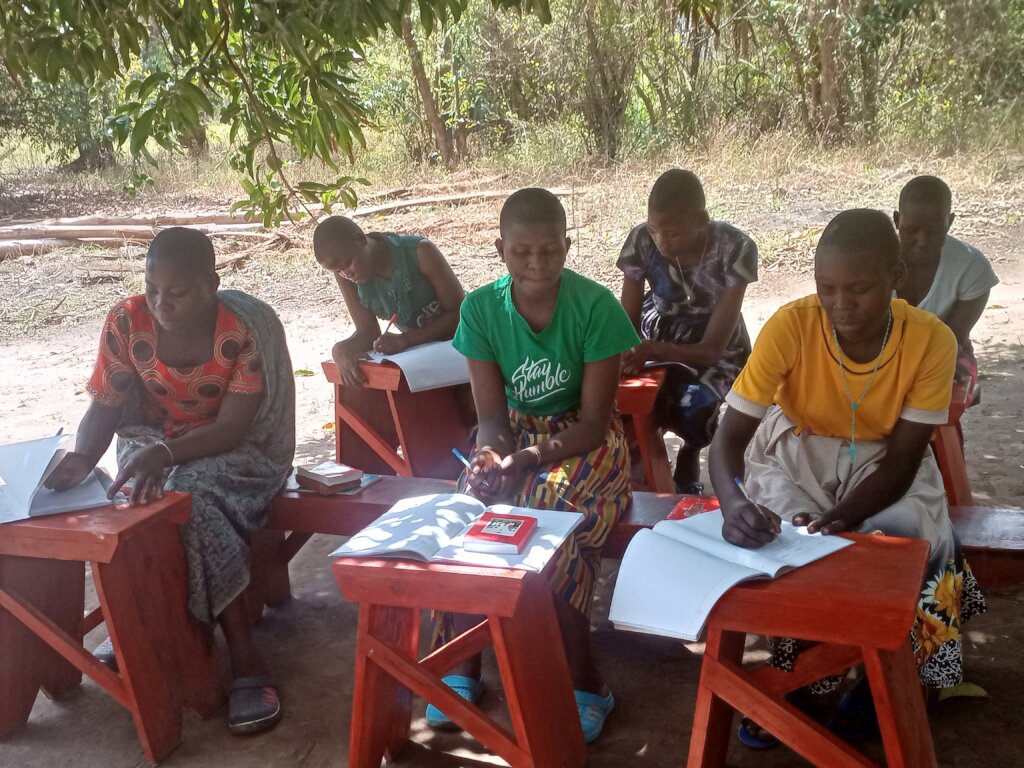
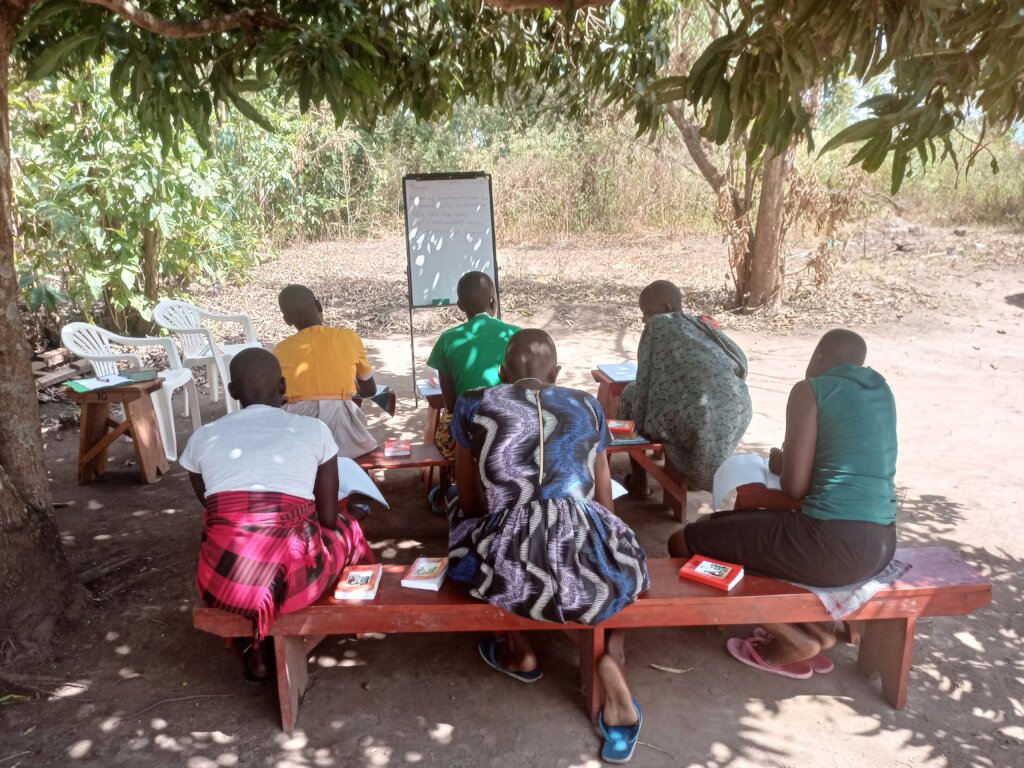
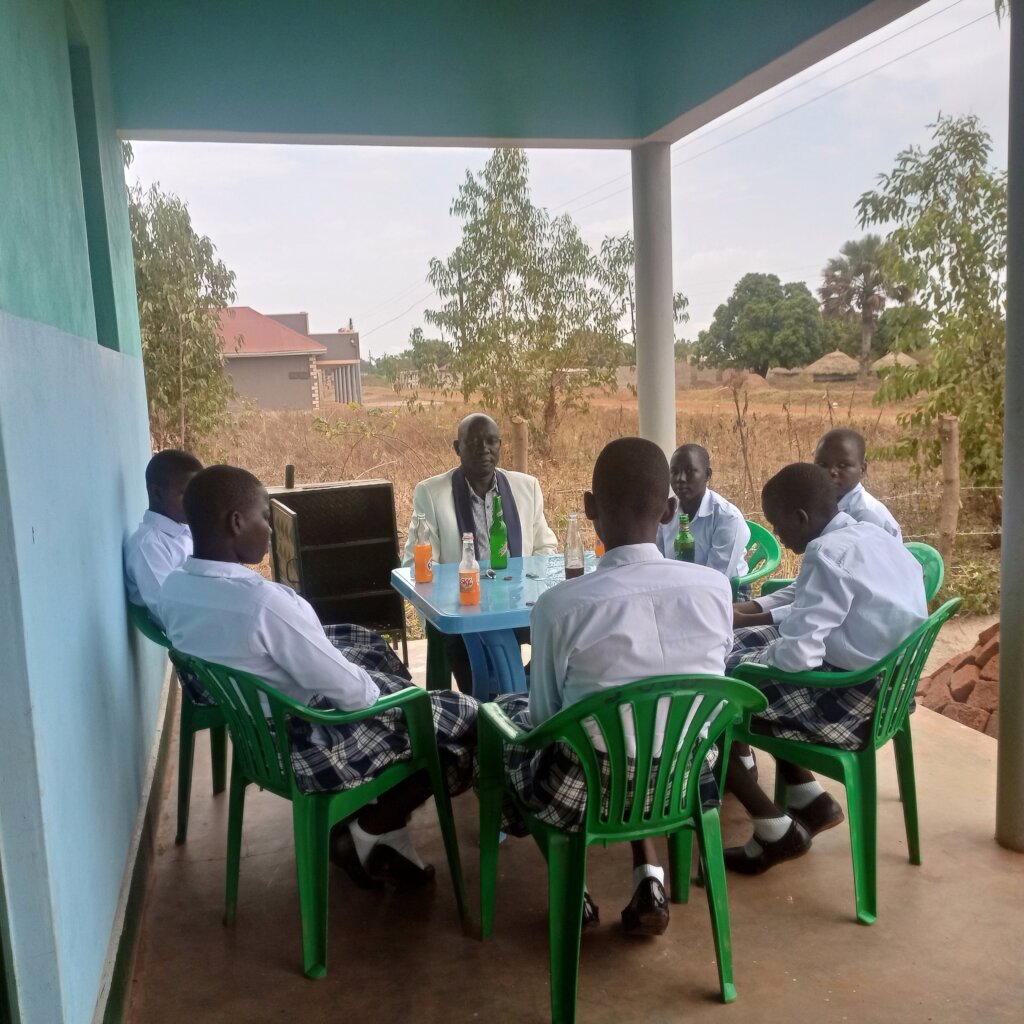
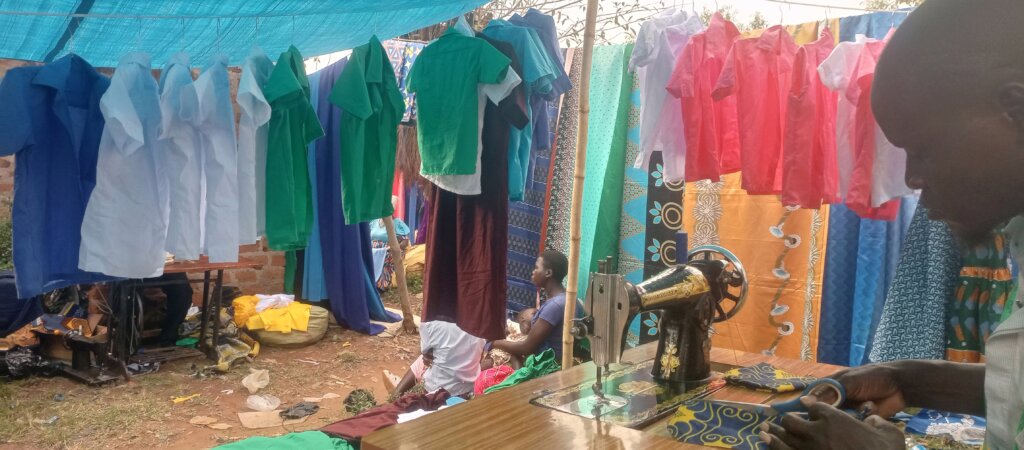
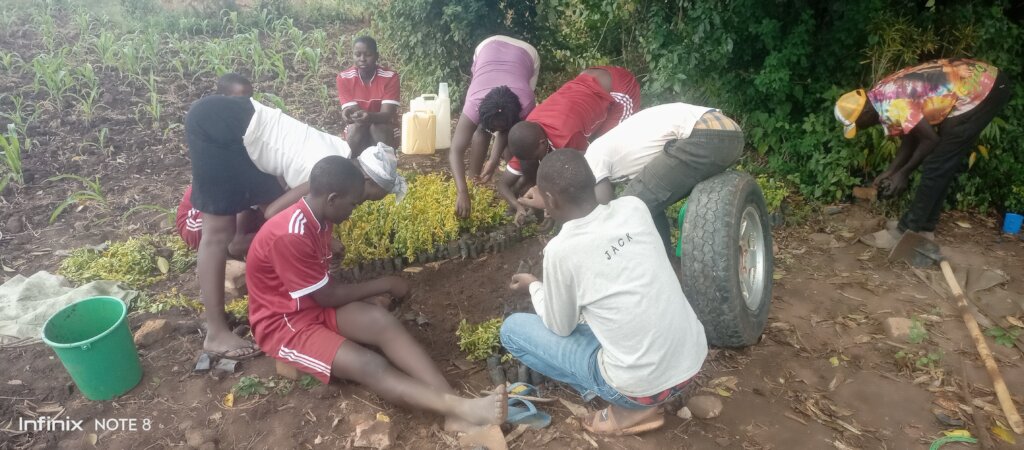
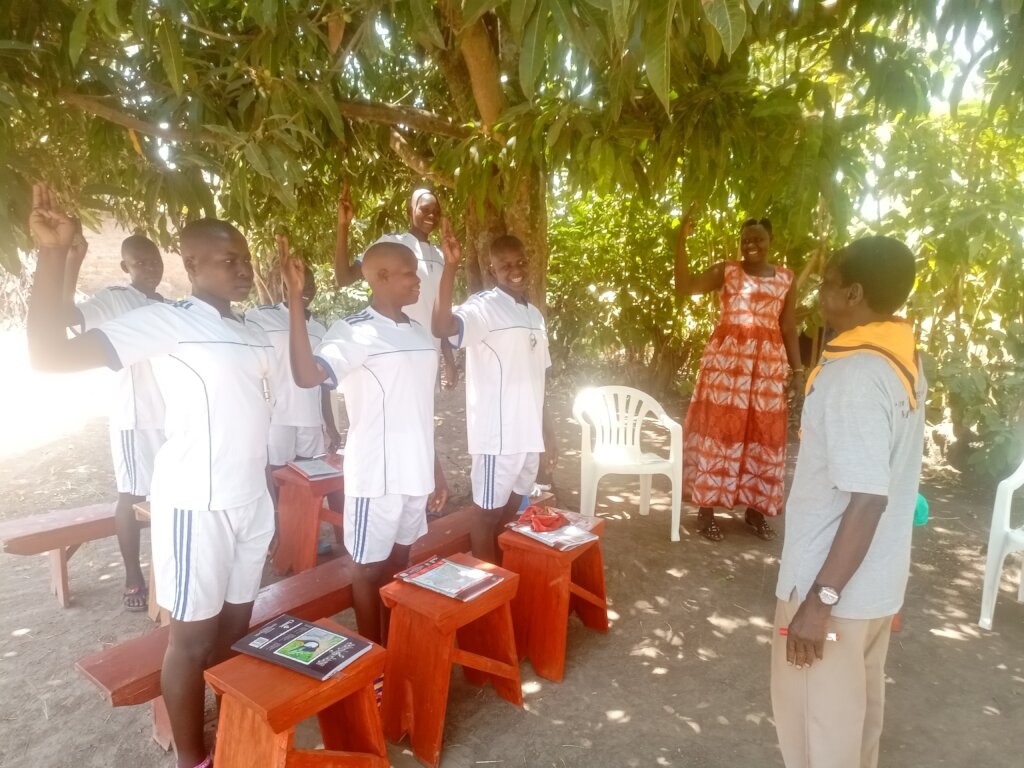
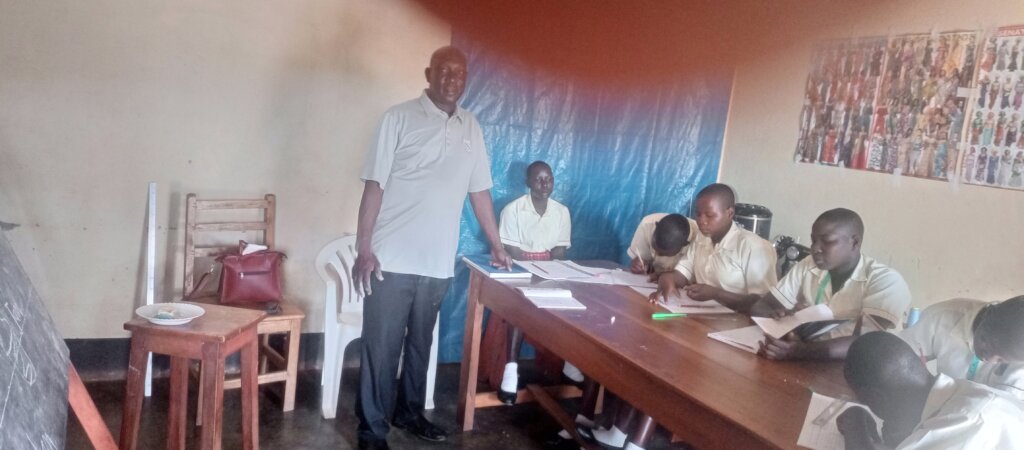
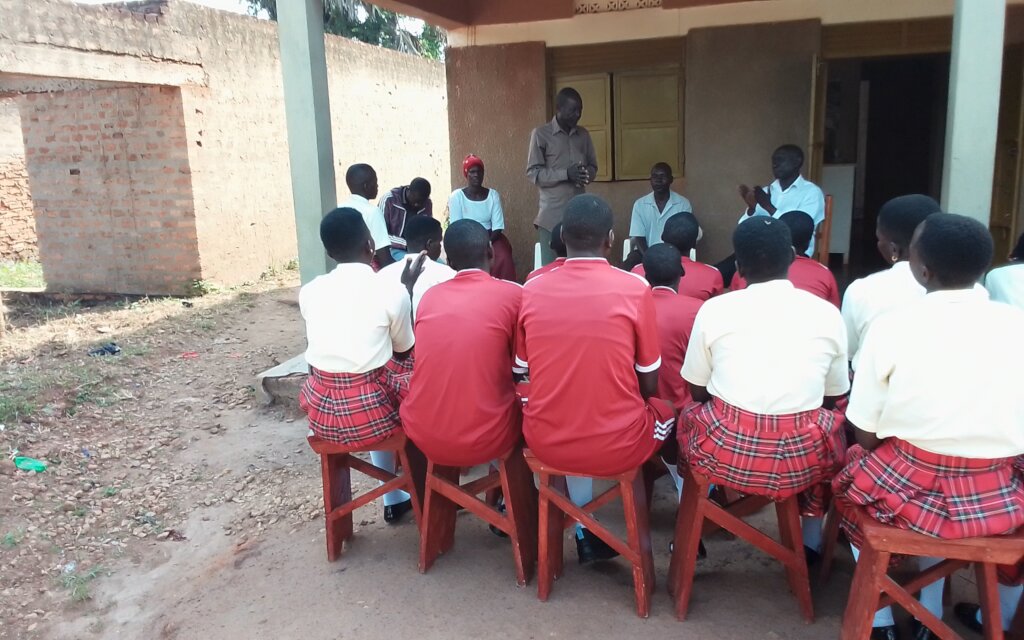
For instance, Kole Intellectual Forum, through its Institute of Home of Economics, the organization is training their students with the knowledge to cultivate critical thinking for their own better future, by making them to practice daily habits like asking open-ended questions, engaging in problem-solving activities, and actively listening to diverse perspectives to challenge assumptions and biase
![Share on Twitter]()
![Share on Facebook]()
Oct 2, 2026
Search for more revenue: KIFA
By George Obua | Project Leader
Wirh drastically heavily fall in the revenue generation on the platform of GlobalGiving; Kole Intellectual Forum is happy to report to their support that: the organization has also created a website that can as well be used by this particular readers to boost the support of revenue from here and elsewhere.
The website of this organisation is linked at: kifacbo.org, available for accessibility and ready to receive donations as it has always been on this platform.
We are really very thankful to donors on this platform for the endless they have given to this organization and we hope to certain extend, they'll also do the same to the newly reported website.
![Share on Twitter]()
![Share on Facebook]()
Sep 28, 2026
Outreaching Community For Problems Solving
By George Obua | Project Leader
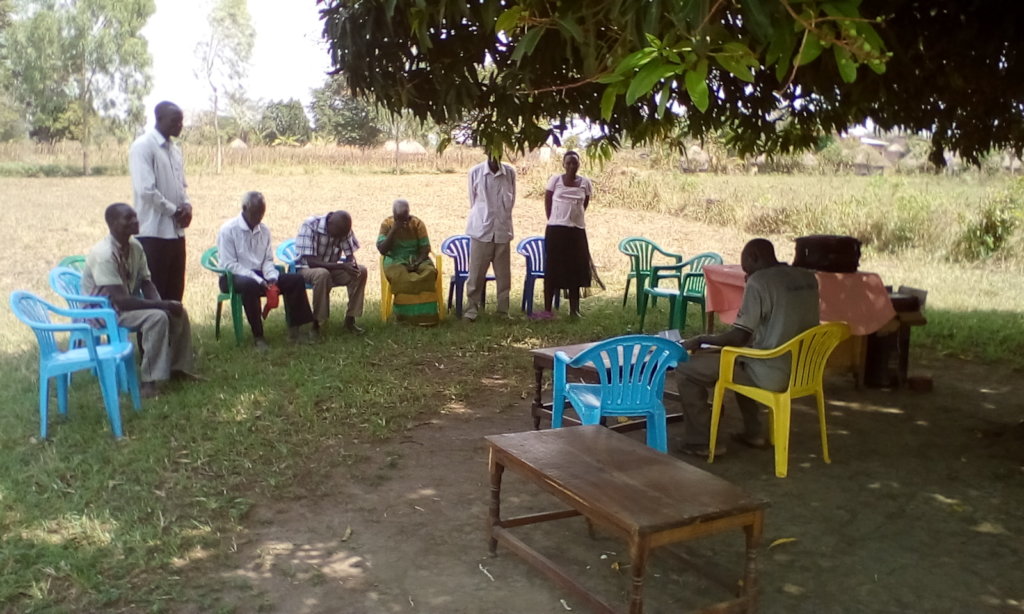
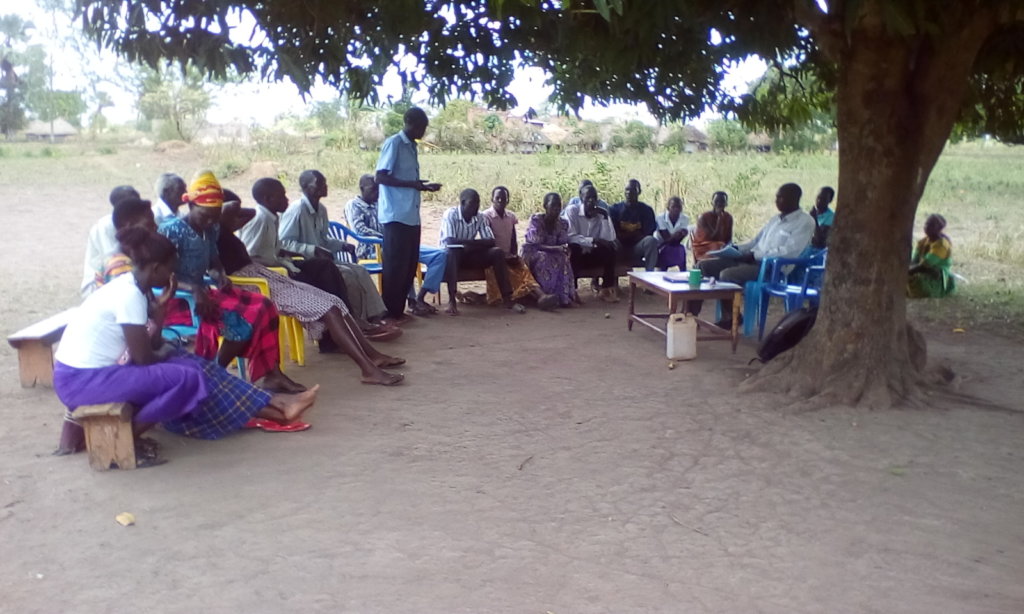
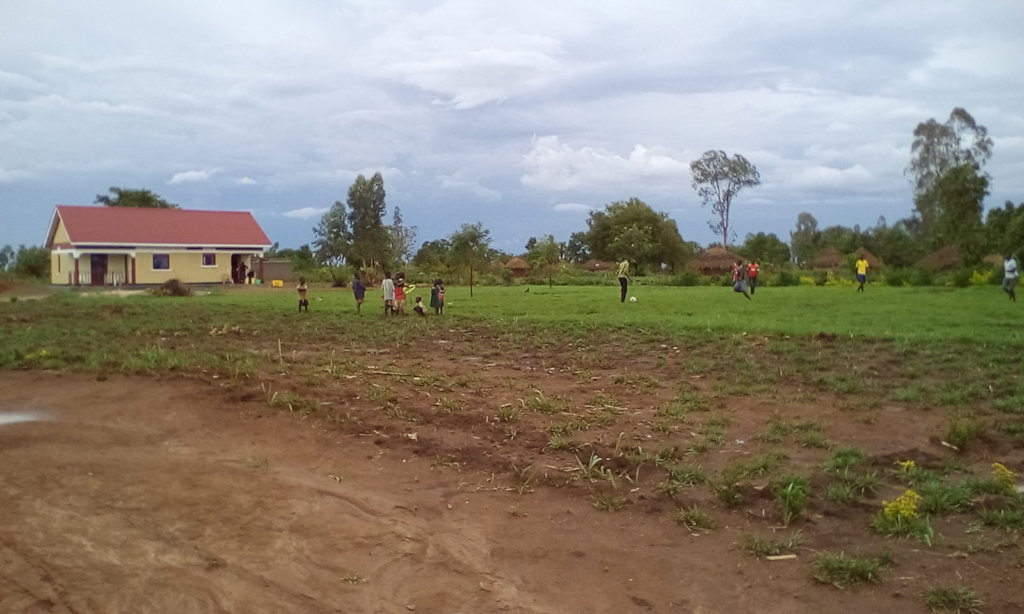
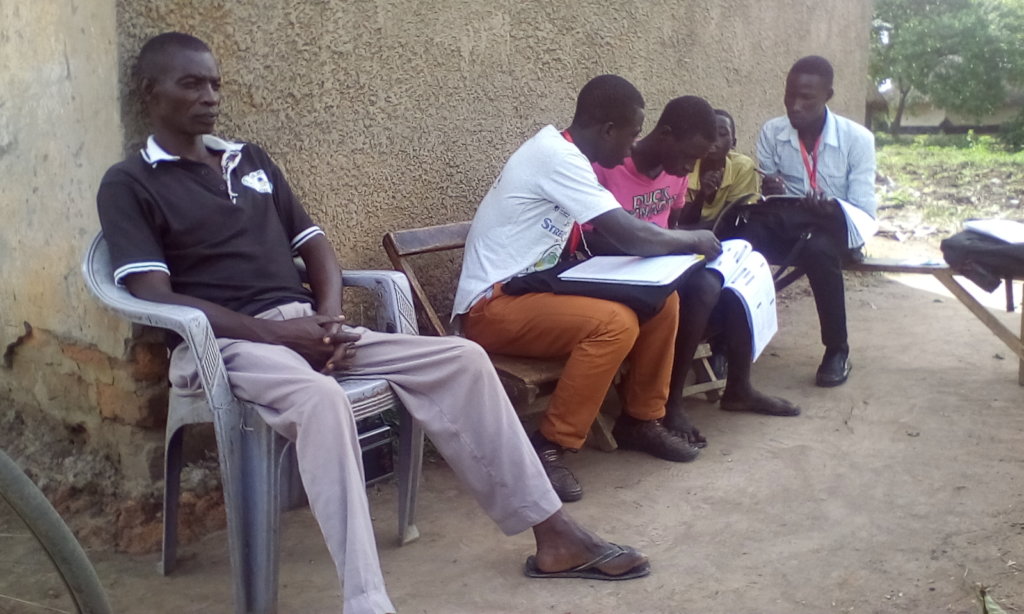
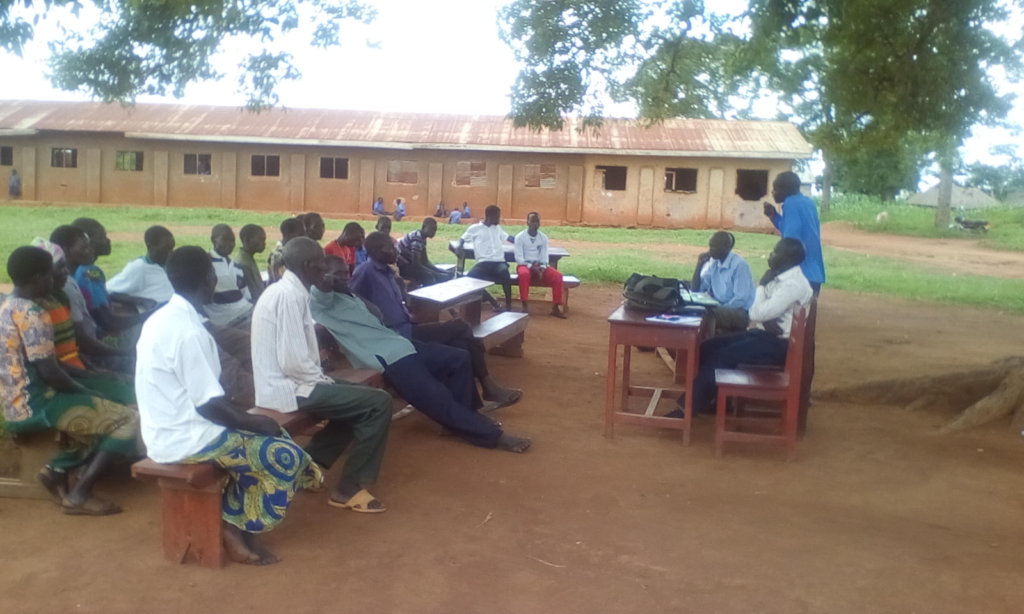
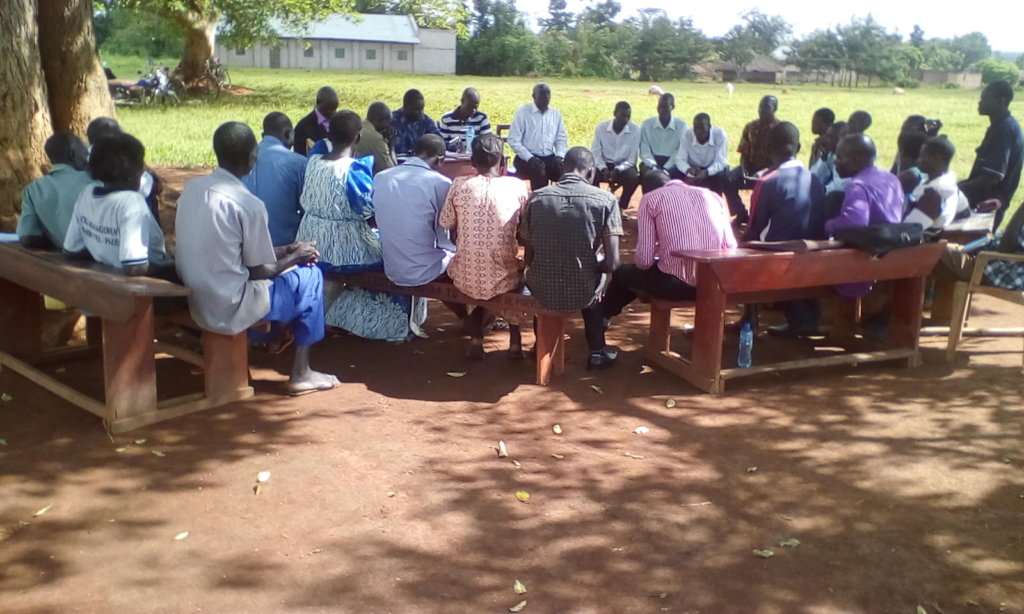
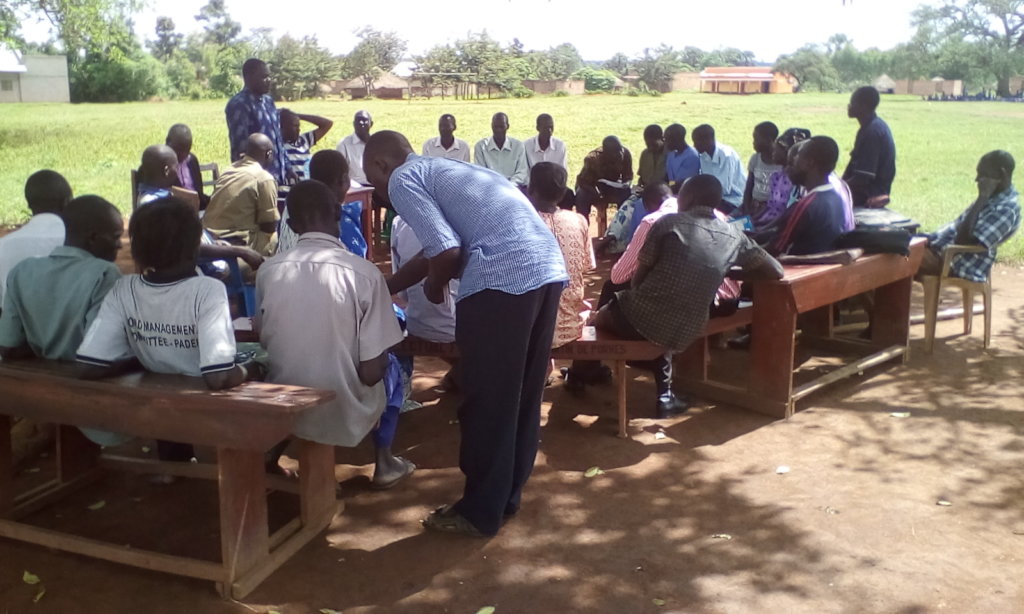
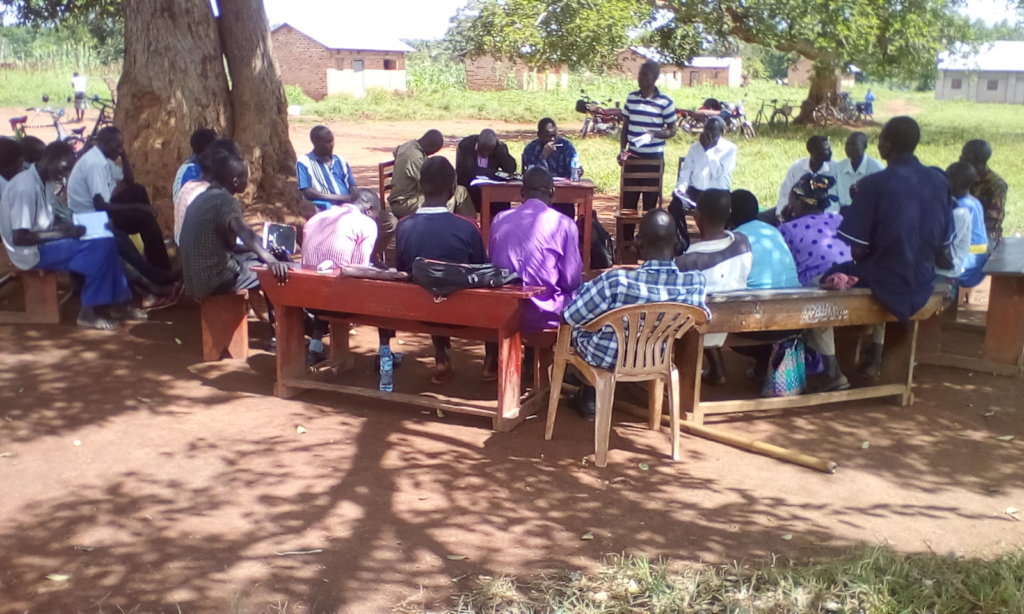
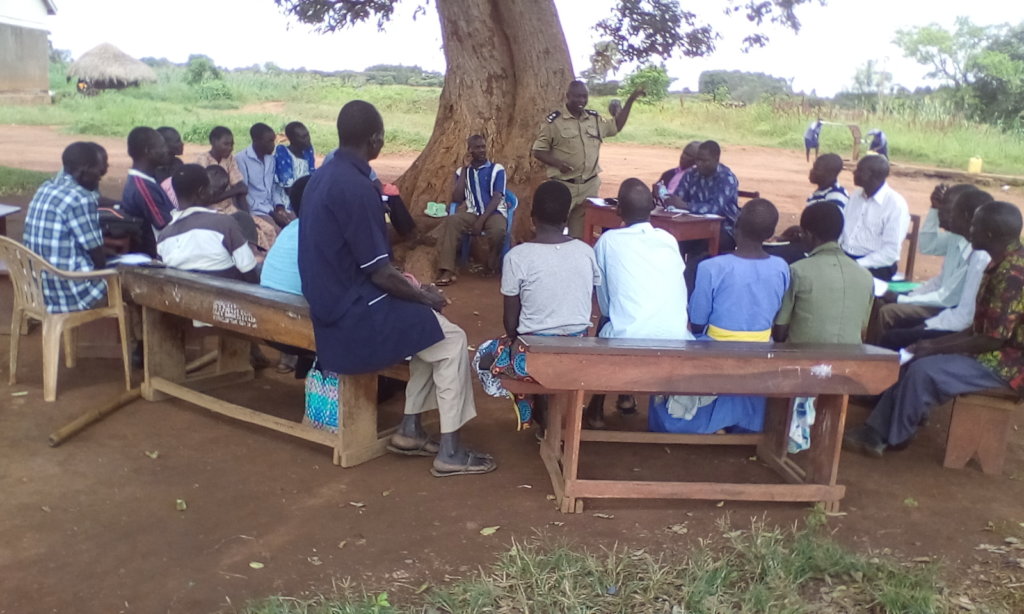
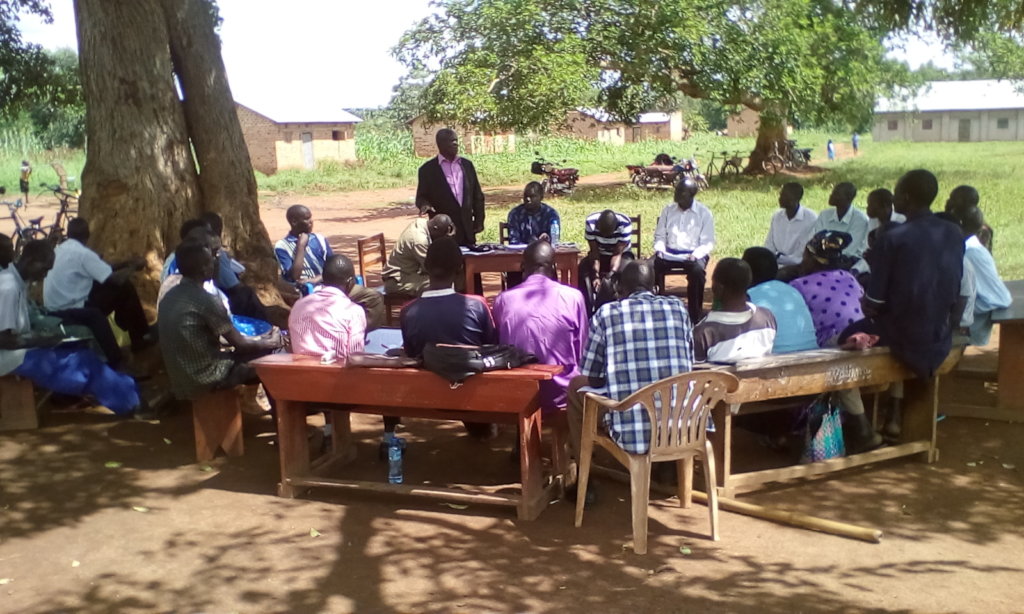
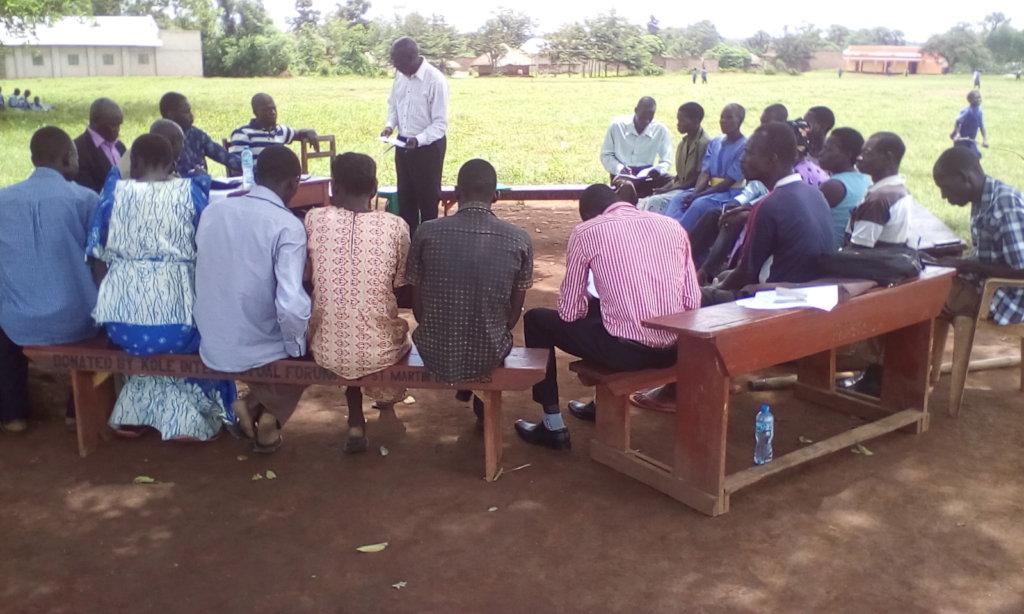
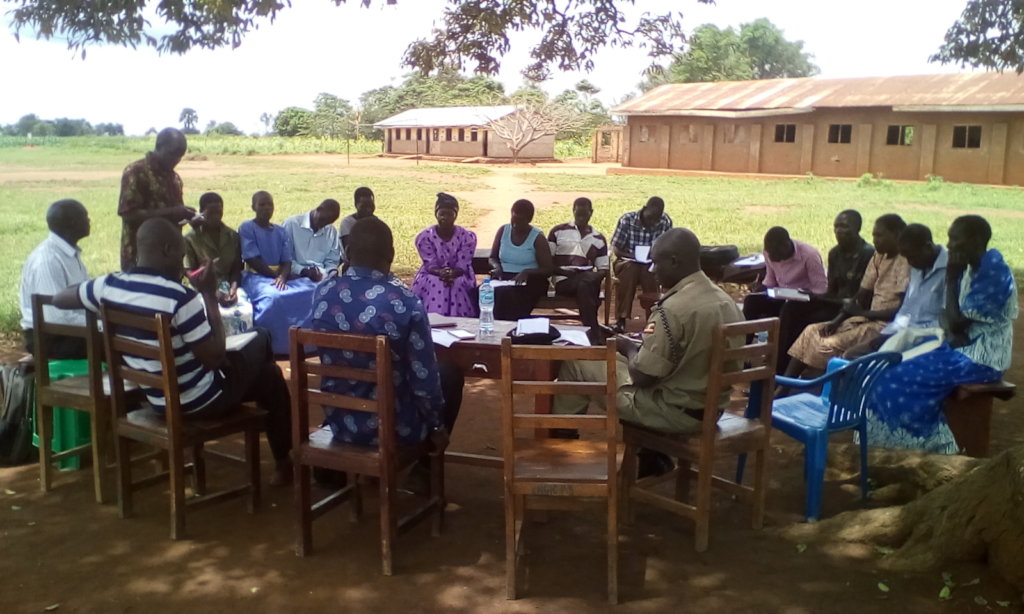
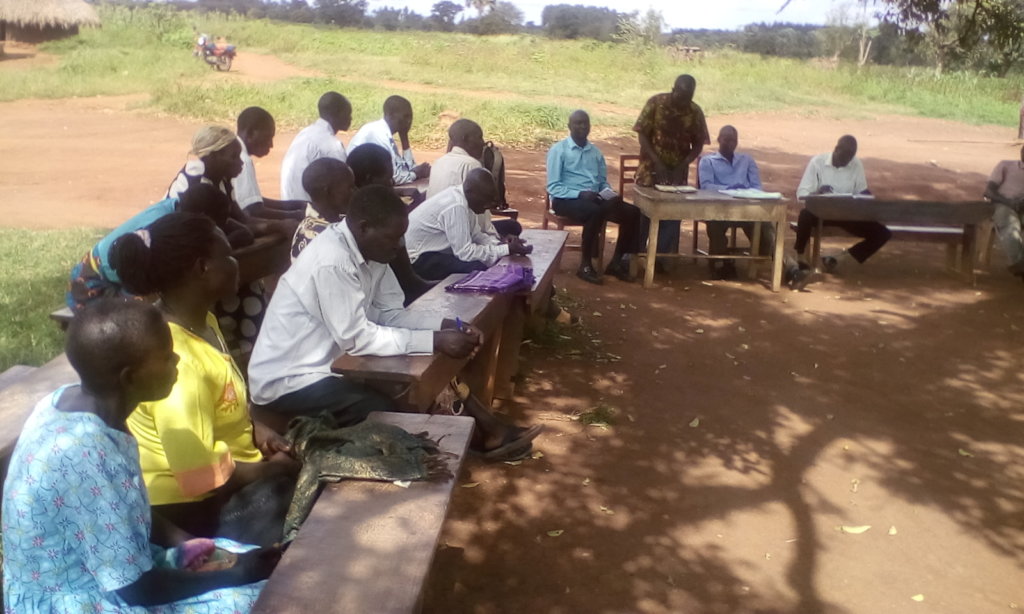
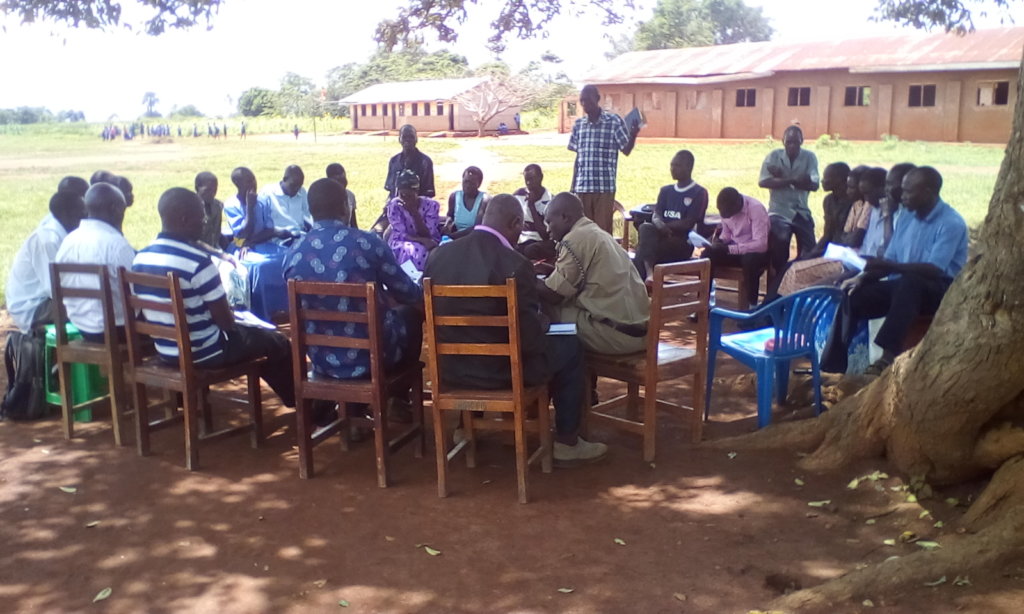
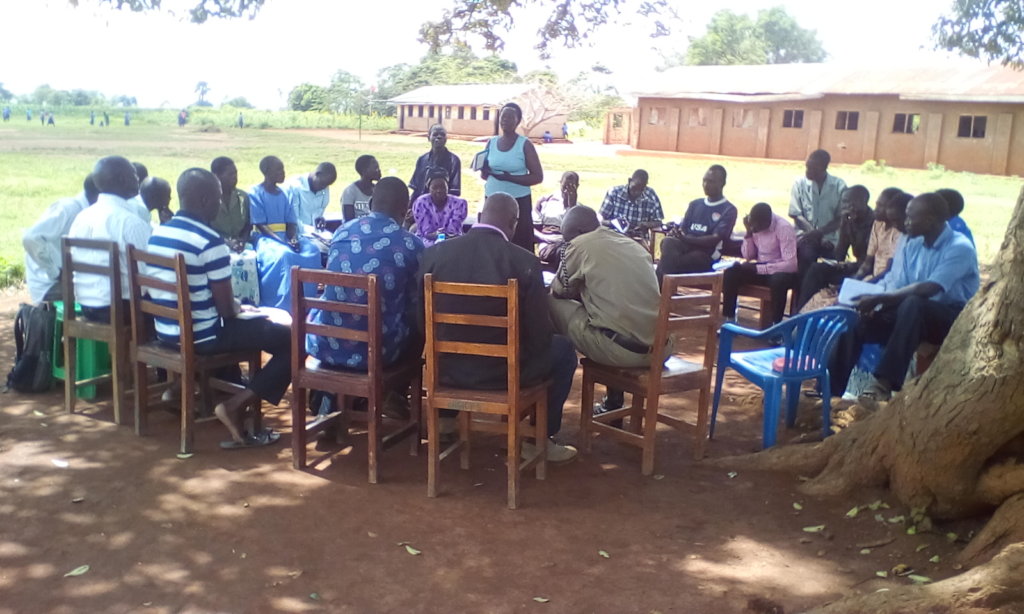
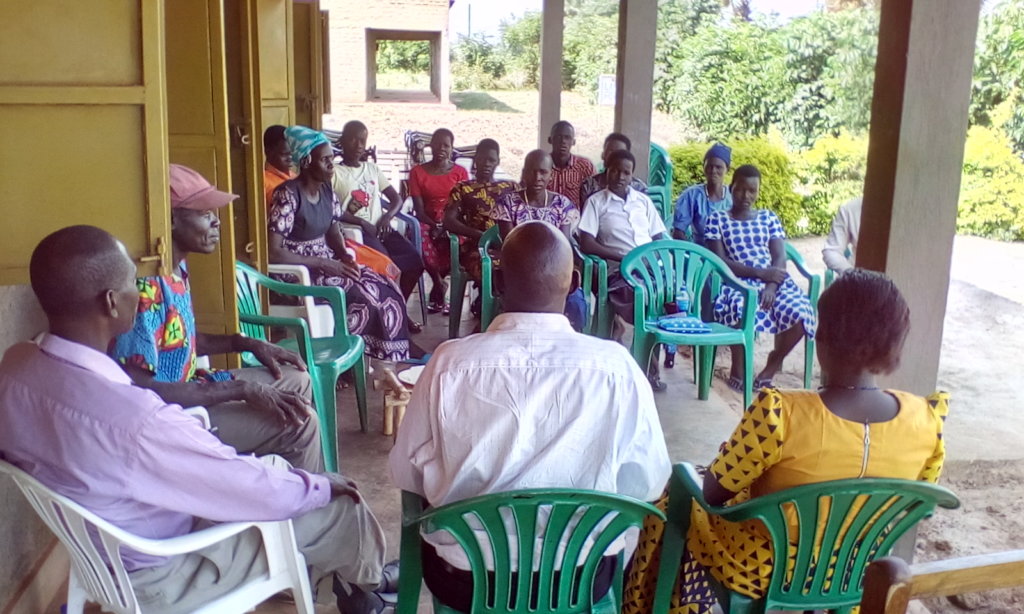
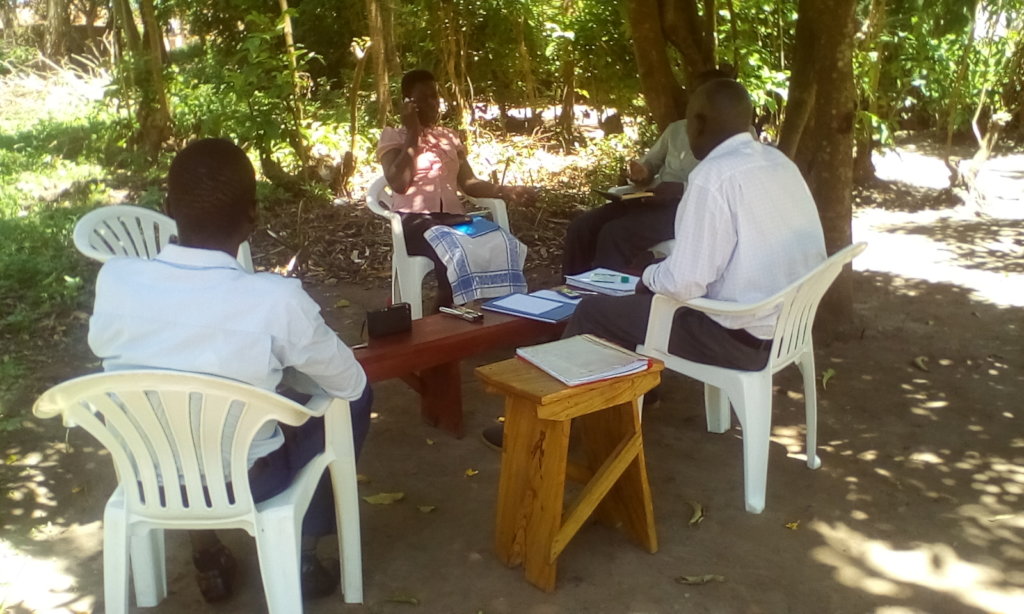
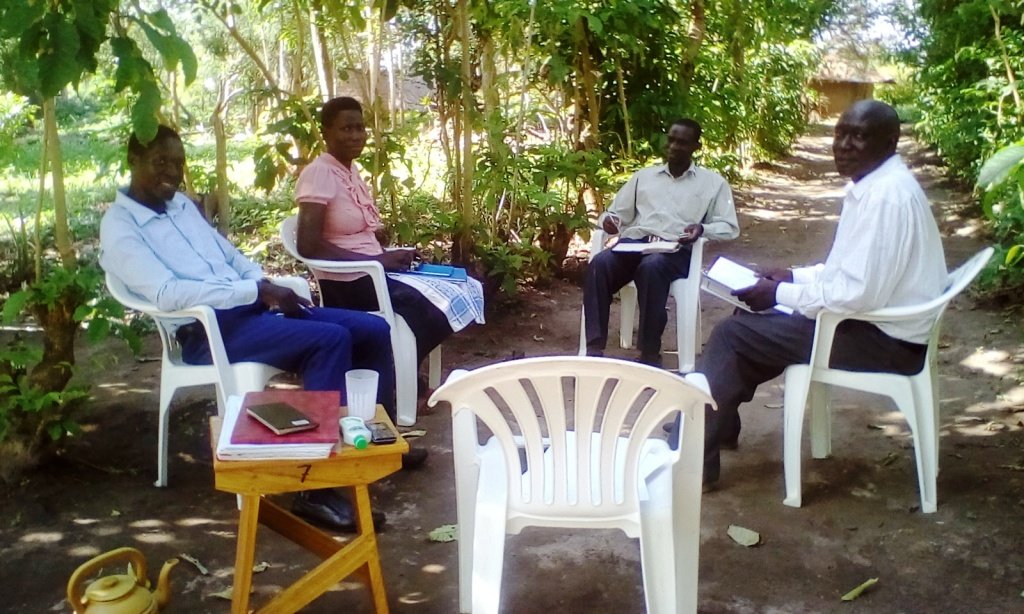
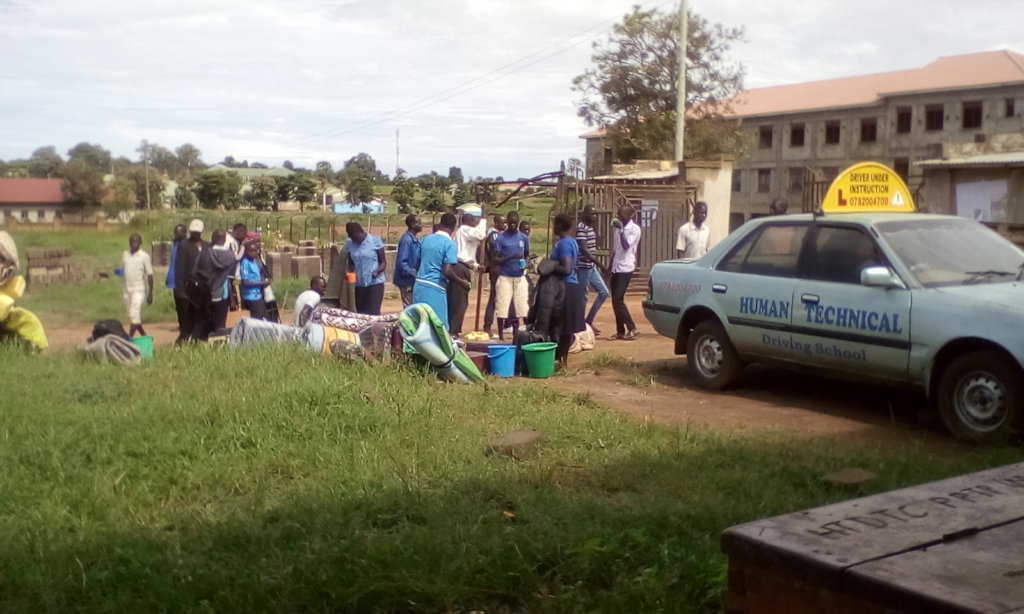
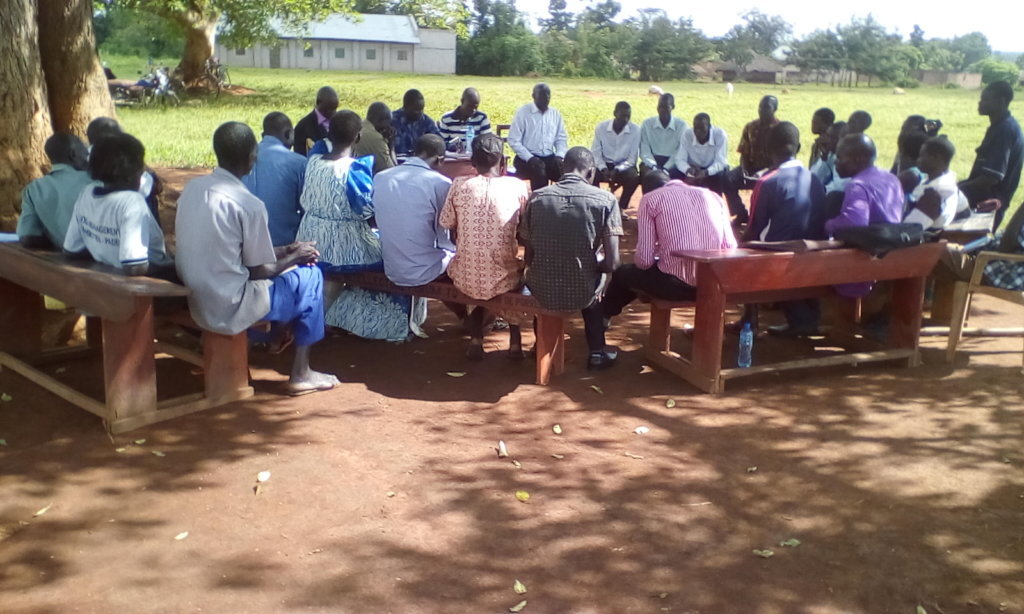
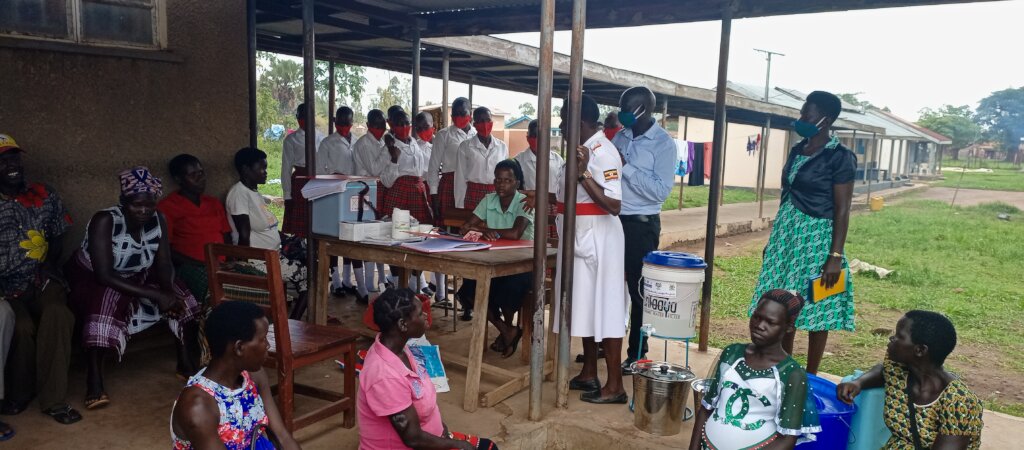
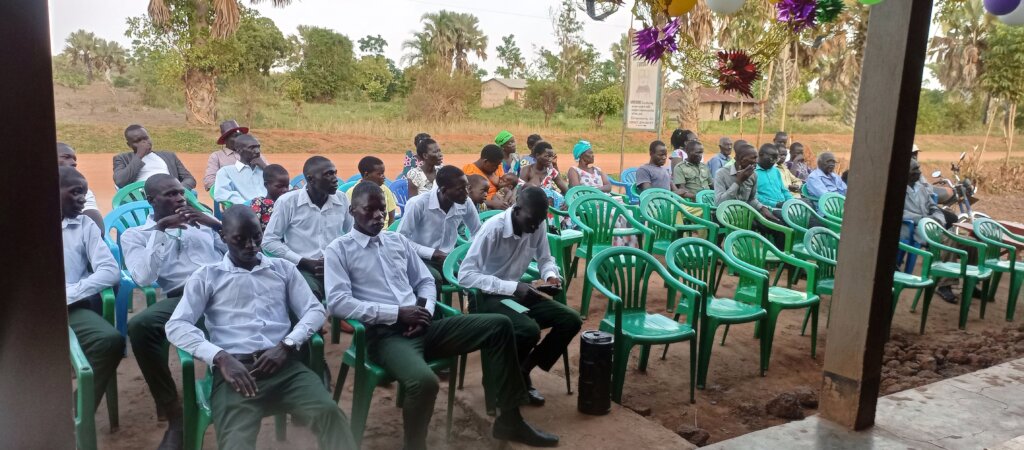
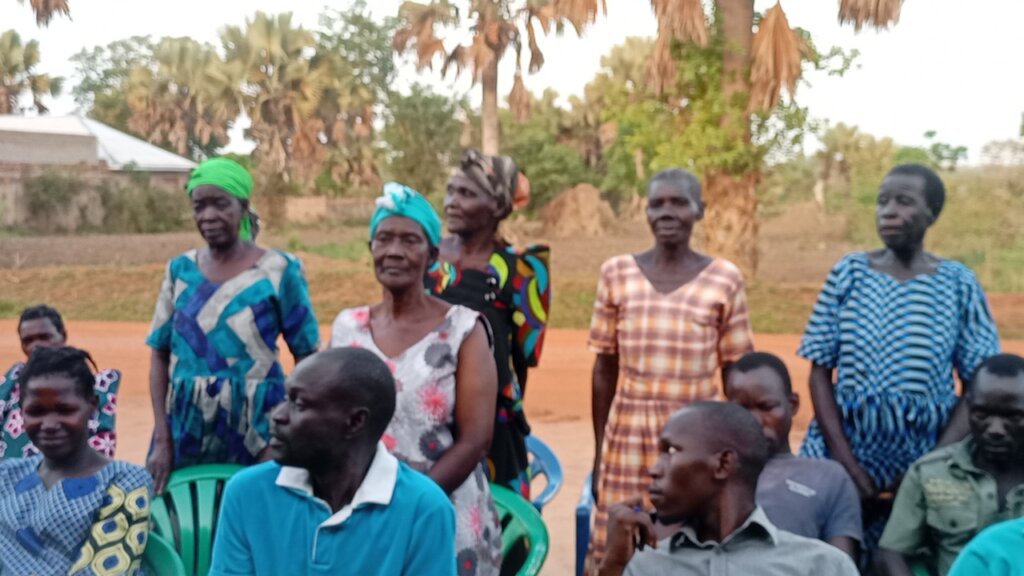
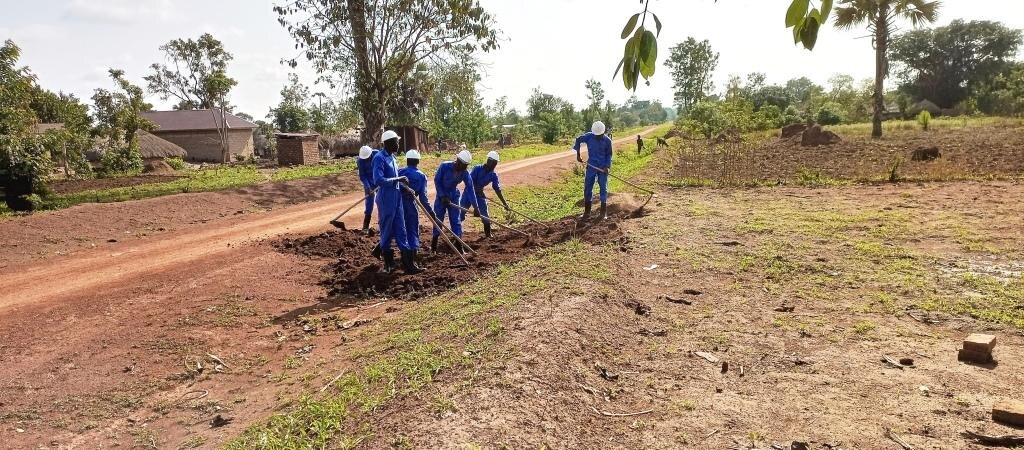
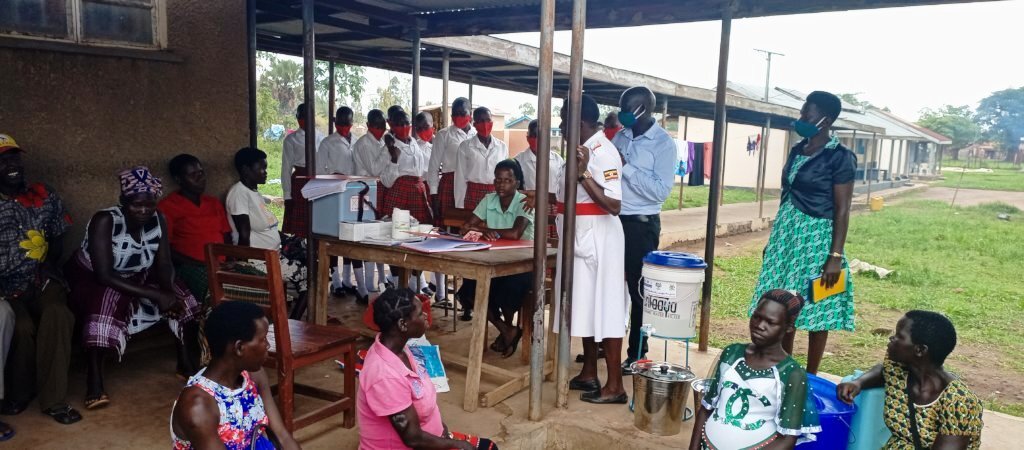
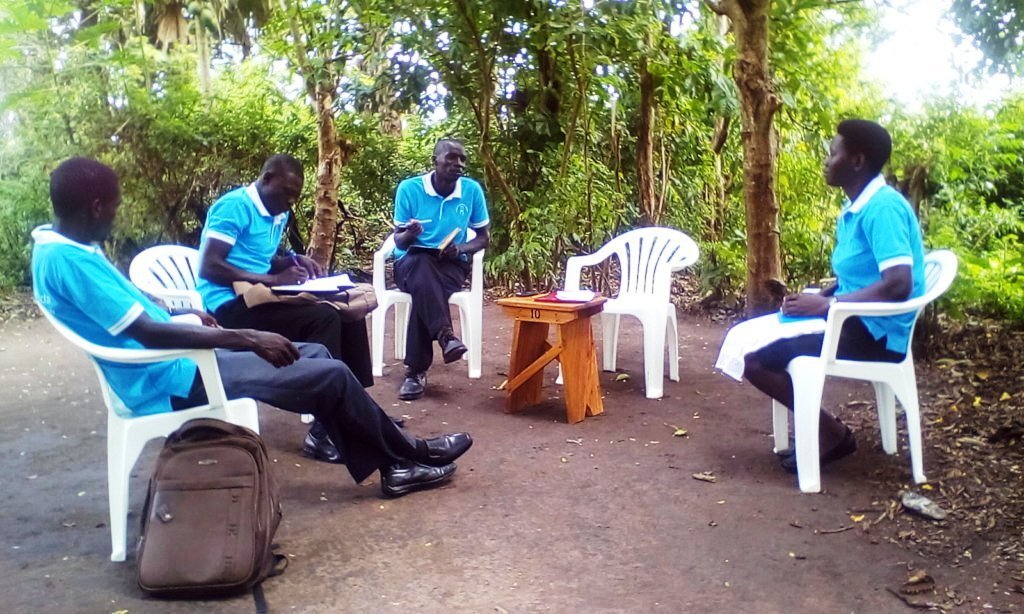
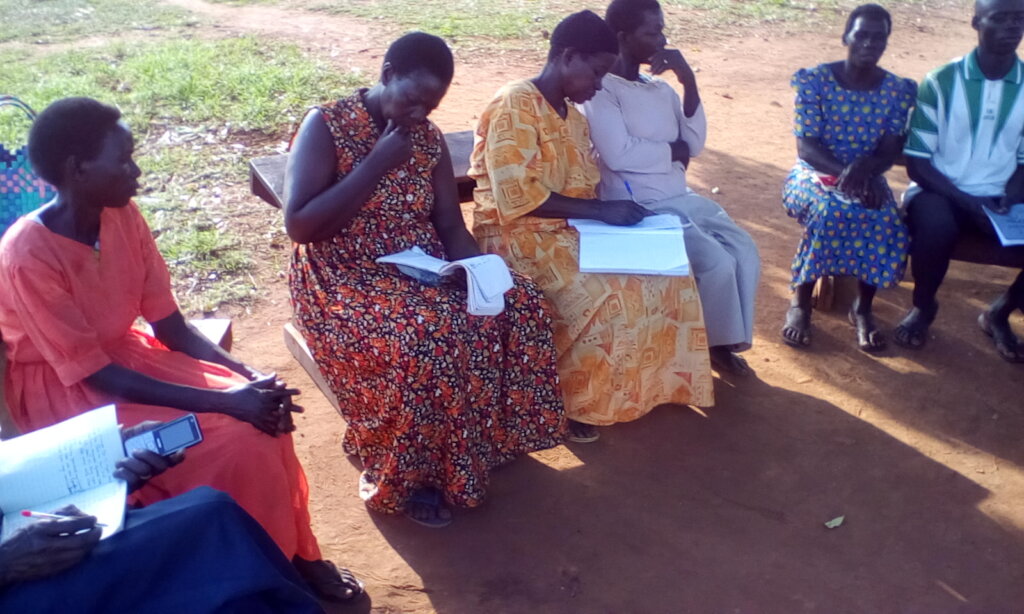
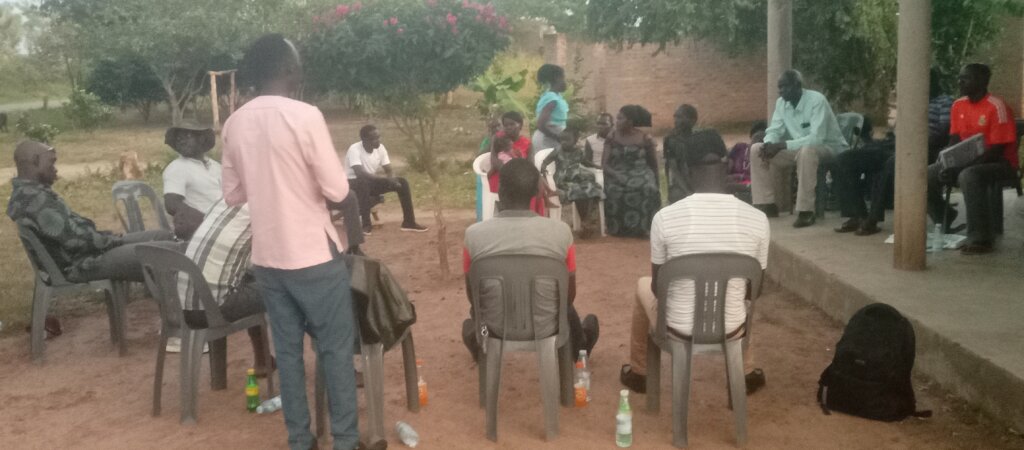
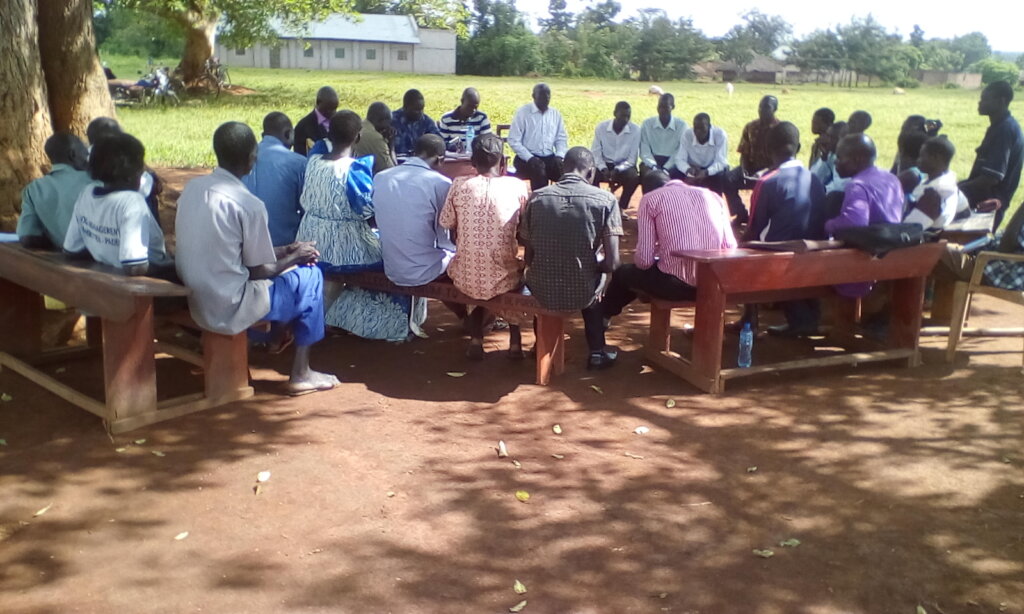
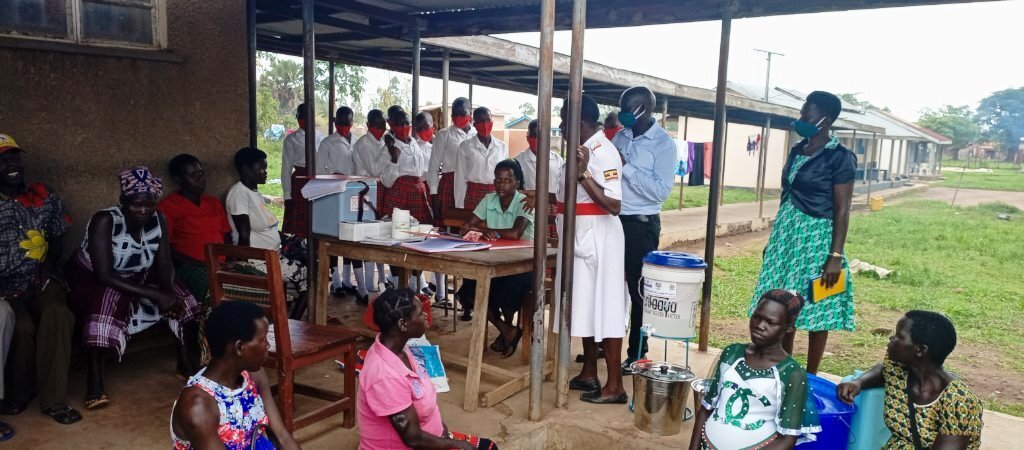
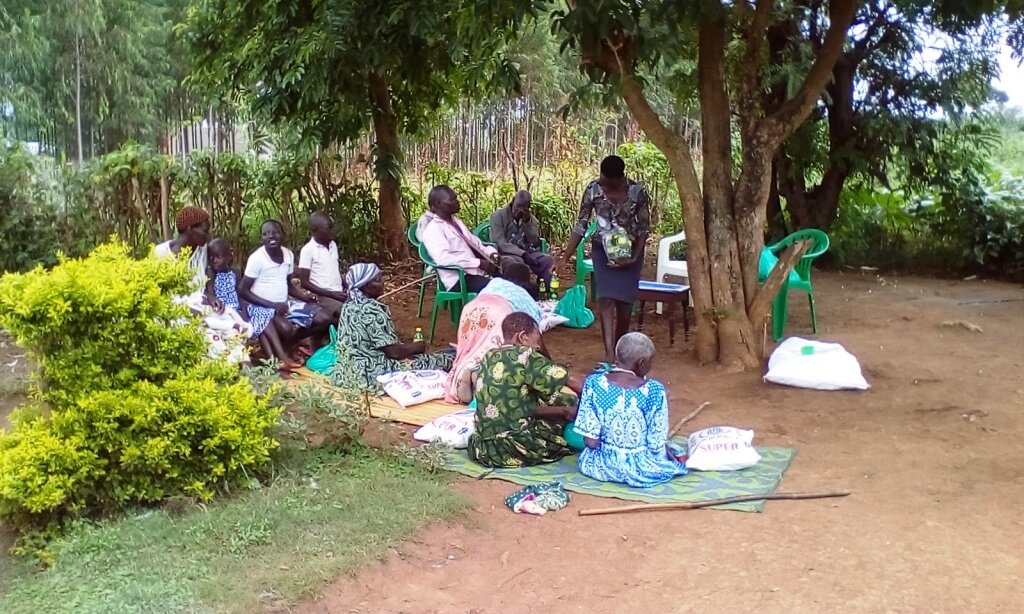
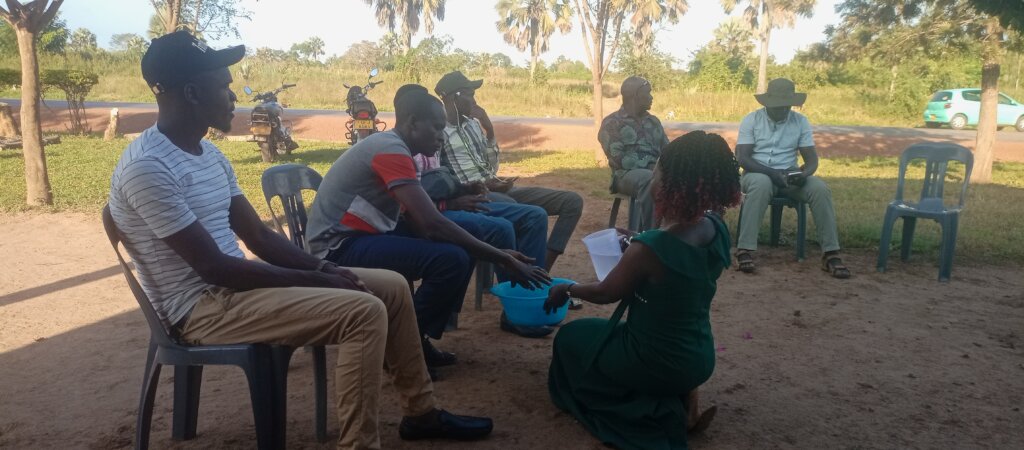
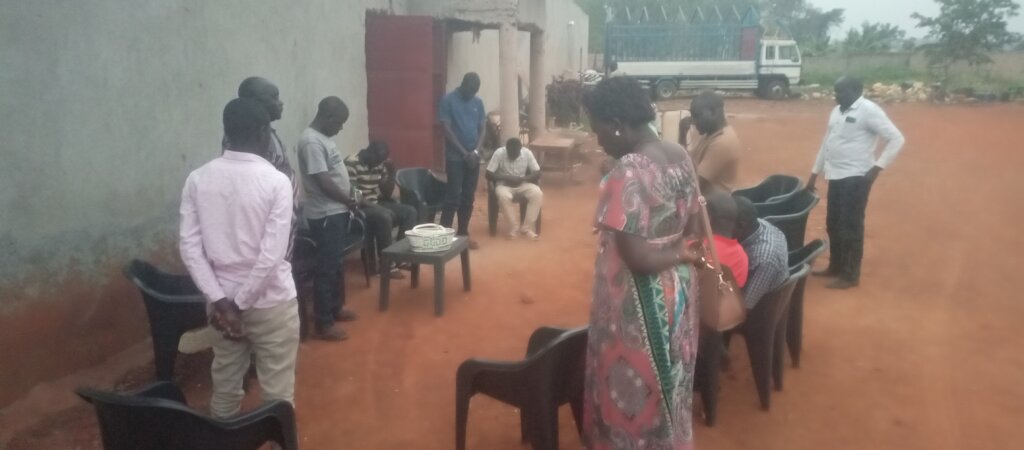
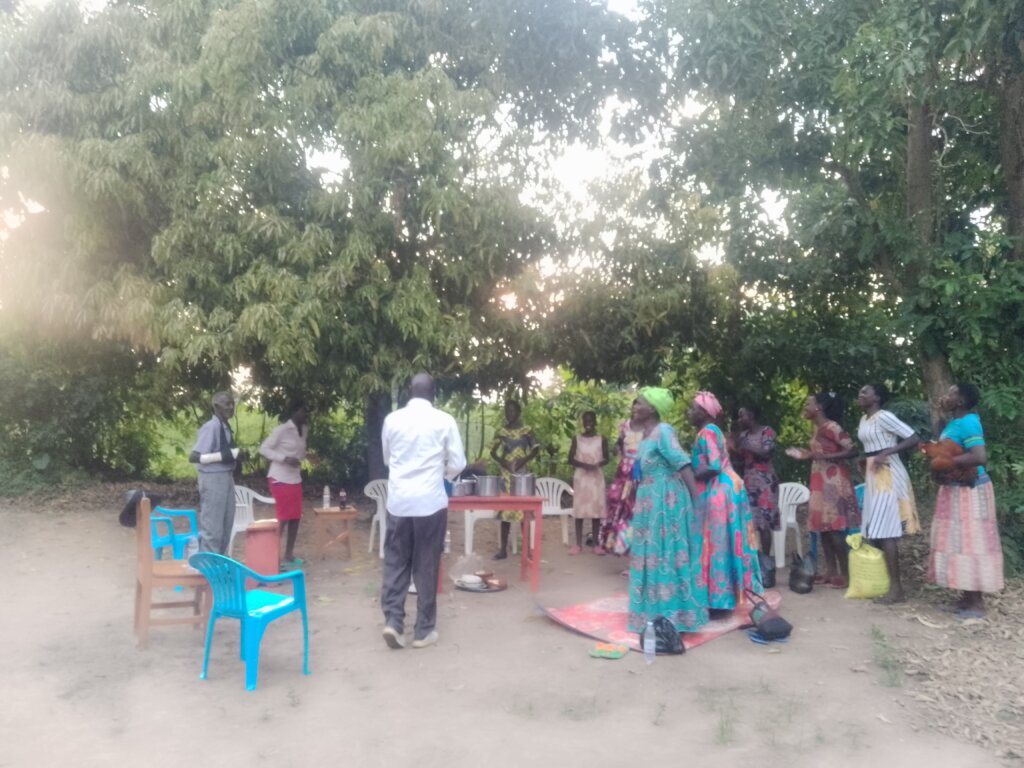
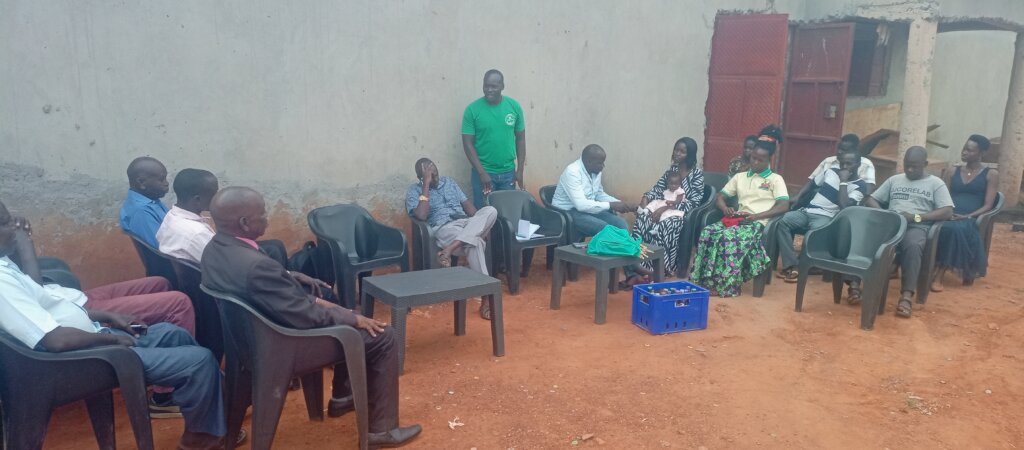
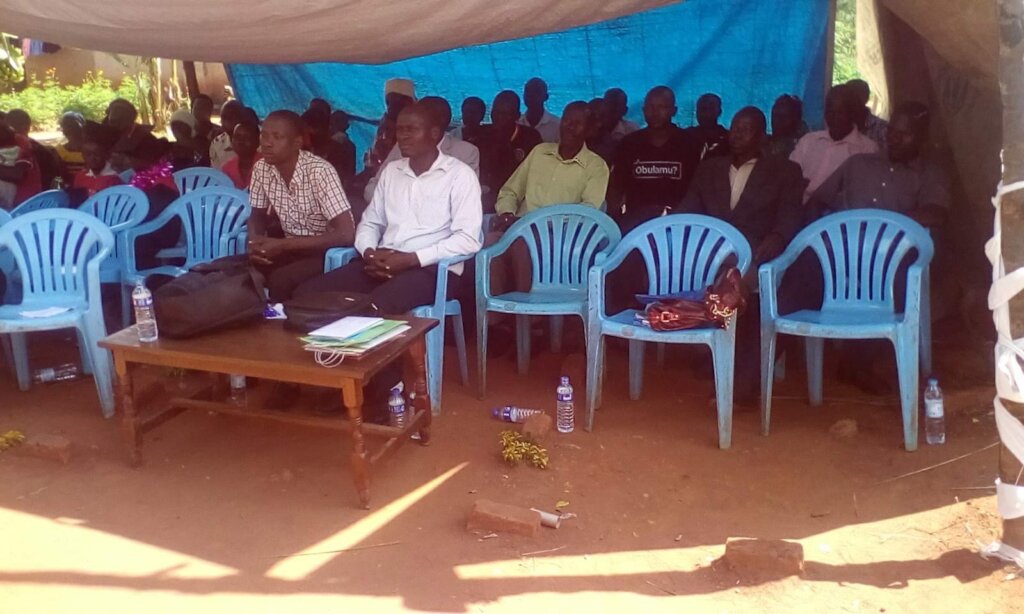
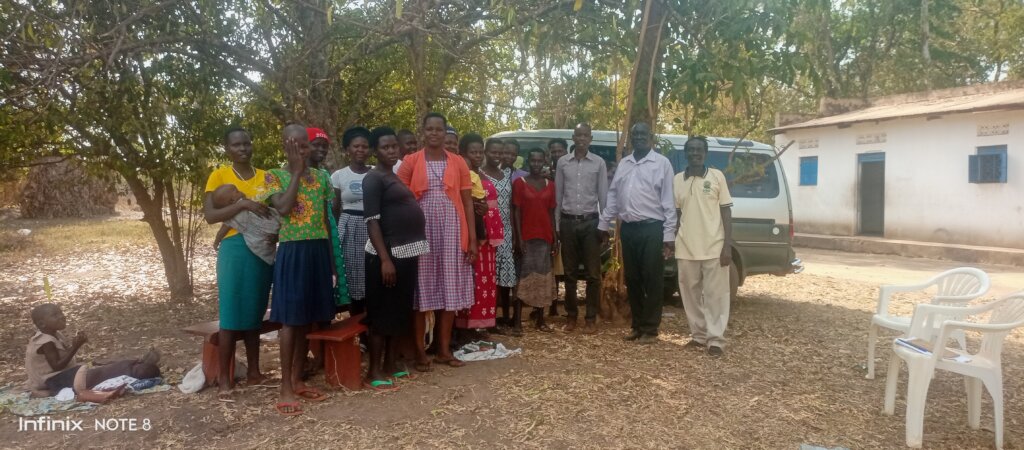
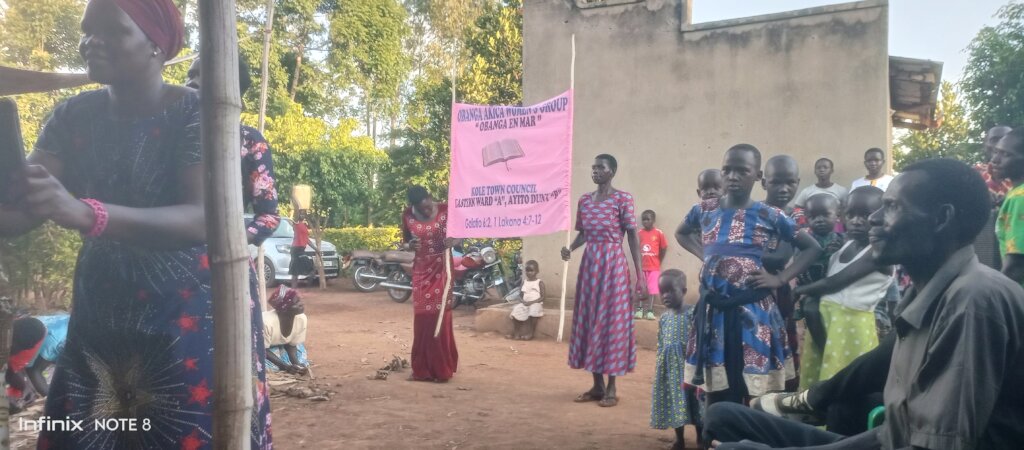
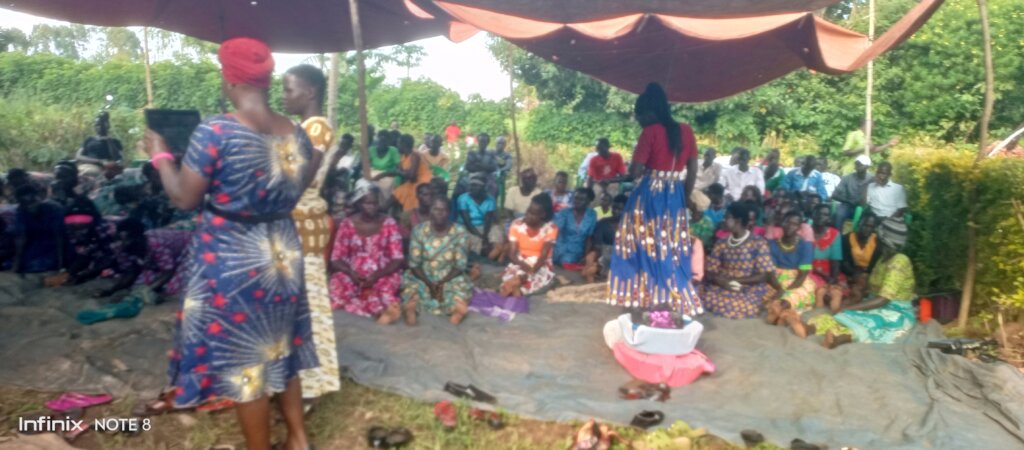
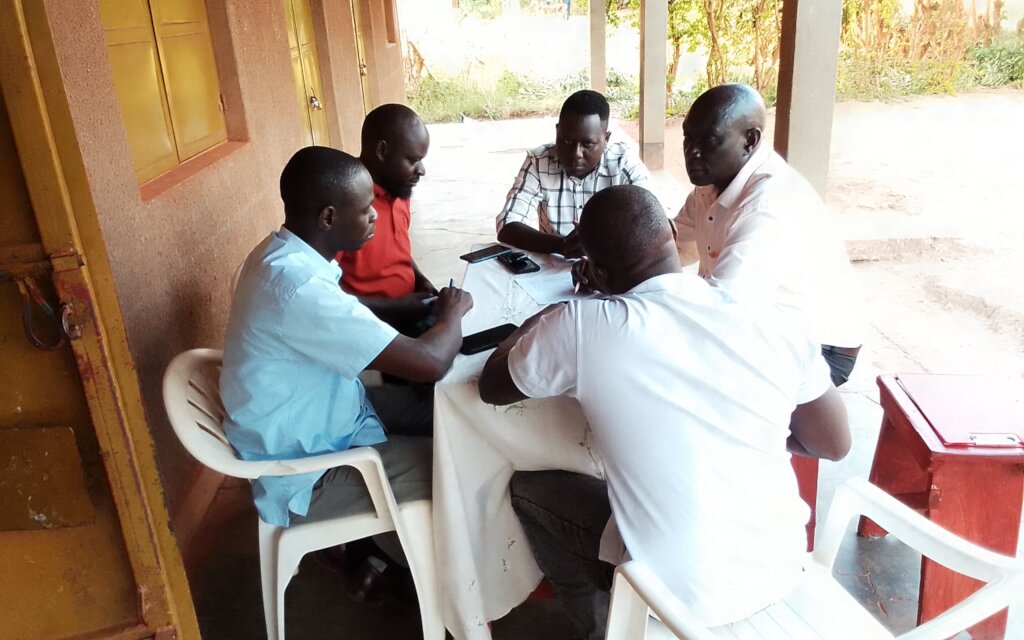
KIFA or Kole Intellectual Forum is dealing with community through community outreach; that is when they are directed toward a community's specific problems to ensure their solutions are collectively decided on; to promote its relevancy, effectiveness and sustainability. Of course, this targeted approach, rather than a generic one, is bringing numerous benefits to both the community and the organizations itself.
Kole intellectual Forum has found out that this approach, problem-Specific Outreach is Essential to both the community and the organization dealing with the problem, because, it:
- Addresses Root Causes: Generic outreach often provides "band-aid" solutions. Focusing on specific problems (e.g., food insecurity, lack of educational resources, or mental health stigma) allows initiatives to address underlying issues, leading to lasting change.
- Ensures Relevance and Accessibility: By understanding a community's unique cultural, social, and economic context and needs, outreach programs can be tailored to be culturally relevant and accessible. This increases the likelihood that residents will use the services or participate in programs.
- Builds Trust and Buy-In: When community members see that their specific concerns are being heard and addressed, it builds trust with the outreach organizations. This genuine engagement encourages a sense of ownership and shared responsibility, making the community more likely to participate in the planning and execution of initiatives.
- Maximizes Resource Efficiency: Tailoring programs to specific needs ensures that resources (time, money, and volunteers) are used efficiently on projects that have the most significant impact, rather than being spread thin across unrelated issues.
- Empowers the Community: A problem-specific approach empowers community members by involving them in developing solutions for their own challenges. They become active contributors and agents of change, which builds resilience and self-worth within the community.
- Fosters Effective Collaboration: Identifying specific problems provides a clear common purpose, which encourages collaboration among various stakeholders, including government agencies, non-profits, businesses, and local residents. This pooling of diverse expertise and resources leads to more comprehensive solutions.
In essence, community outreach that is tailored to a community's unique problems transforms passive empathy into active compassion and ensures efforts translate into tangible, measurable improvements in people's lives
![Share on Twitter]()
![Share on Facebook]()