By Zachery Onyango | Project Leader
Dear Donor,
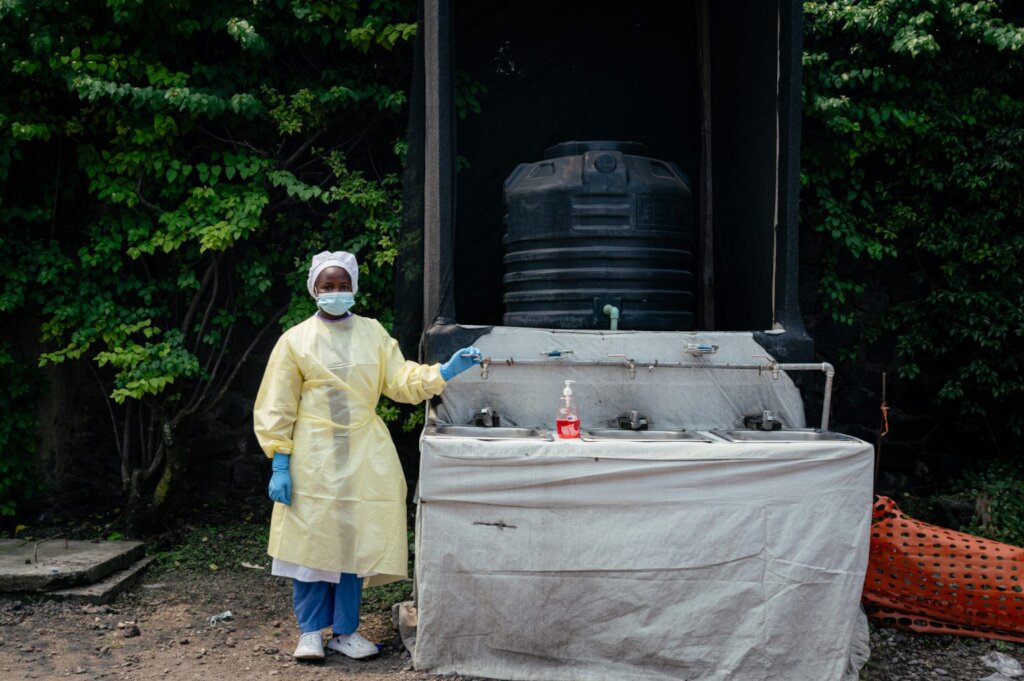
The Ebola situation in the Democratic Republic of Congo continues to require sustained community-level preparedness. According to the latest WHO data, the DRC had recorded 7,475 confirmed cases and 3,605 deaths by 16 September 2026, with 1,798 people reported recovered. The outbreak is affecting 62 health zones across seven provinces.
Development Alert continues strengthening community awareness and surveillance as an important part of preparedness.
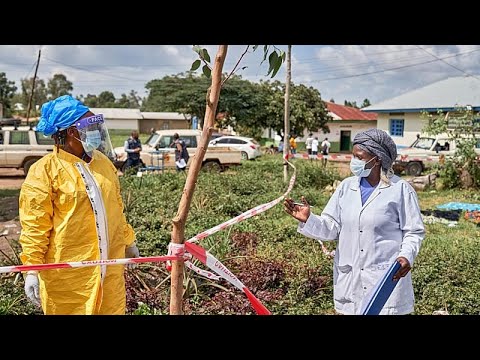
Our approach recognizes that communities are often the first place where unusual illnesses are noticed. Through engagement with local leaders, community volunteers, teachers, women, youth, transport workers and other trusted groups, we encourage people to communicate health concerns promptly through appropriate channels.
We emphasize that community surveillance does not mean asking residents to diagnose Ebola. Instead, it means helping people recognize when someone is seriously ill, understand the importance of seeking professional medical assessment and know where to report concerns.
We are also promoting awareness in markets, schools, transport stages and other places where people interact frequently.
Early reporting is particularly important because delayed detection can allow transmission to continue within households and communities. WHO has specifically identified delayed detection, access to care and interruption of transmission as continuing challenges in the DRC response.
Development Alert is also strengthening relationships between communities and health structures so that accurate information can move quickly in both directions.
Our preparedness work complements formal government and partner-led surveillance by helping communities understand their role in protecting public health.
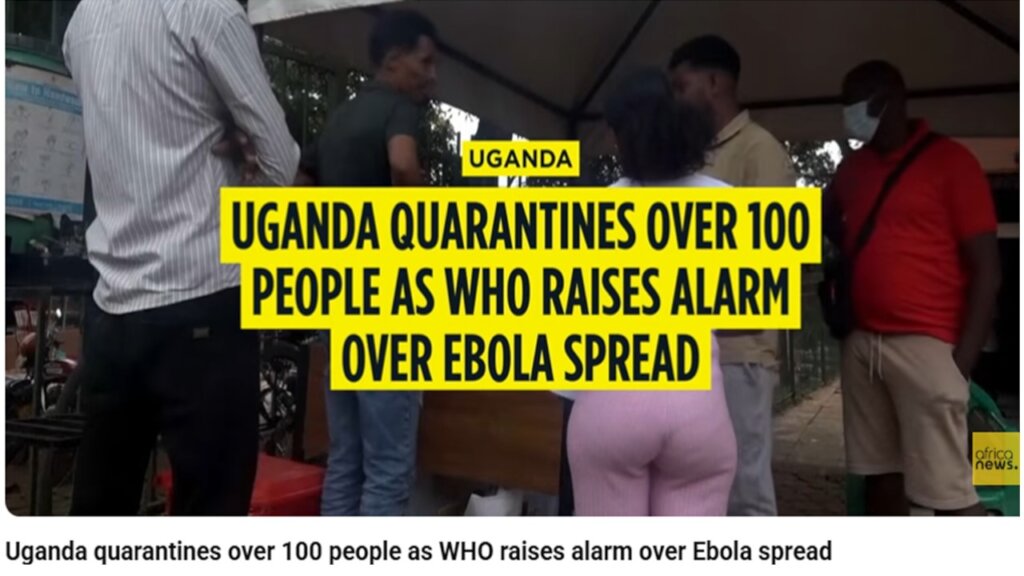
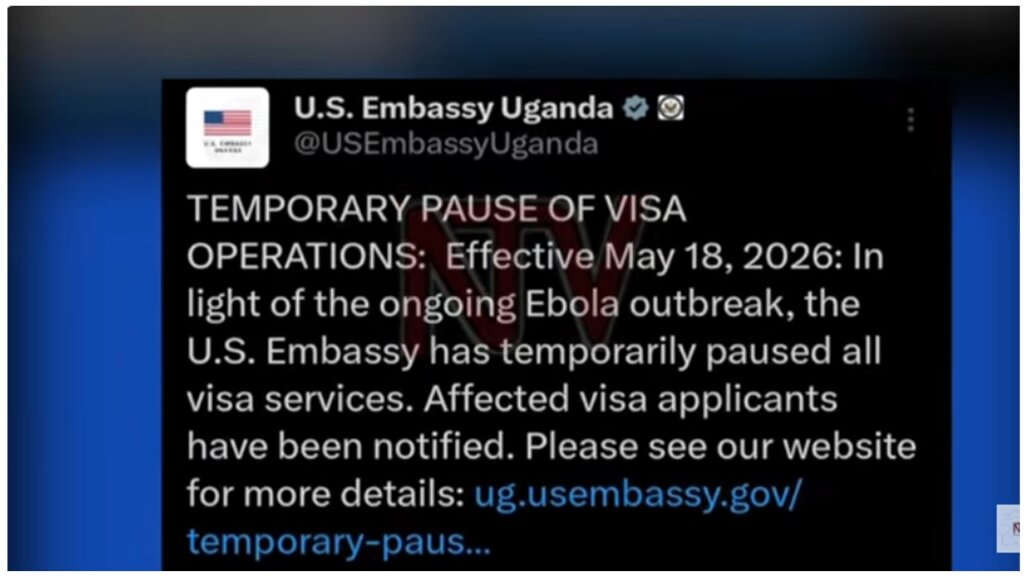
Uganda's experience provides an encouraging example. The country recorded 20 cases during its 2026 outbreak and subsequently completed the required monitoring period without a new confirmed case.
Your support helps us keep communities alert, informed and connected—giving early warning a stronger foundation at the grassroots level.
By Zachery Onyango | Project Leader
By Zachery Onyango | Project Leader
Project reports on GlobalGiving are posted directly to globalgiving.org by Project Leaders as they are completed, generally every 3-4 months. To protect the integrity of these documents, GlobalGiving does not alter them; therefore you may find some language or formatting issues.
If you donate to this project or have donated to this project, you can receive an email when this project posts a report. You can also subscribe for reports without donating.



Support this important cause by creating a personalized fundraising page.
Start a Fundraiser