By Maria Carmen S. Apuli | Resource Mobilization Coordinator
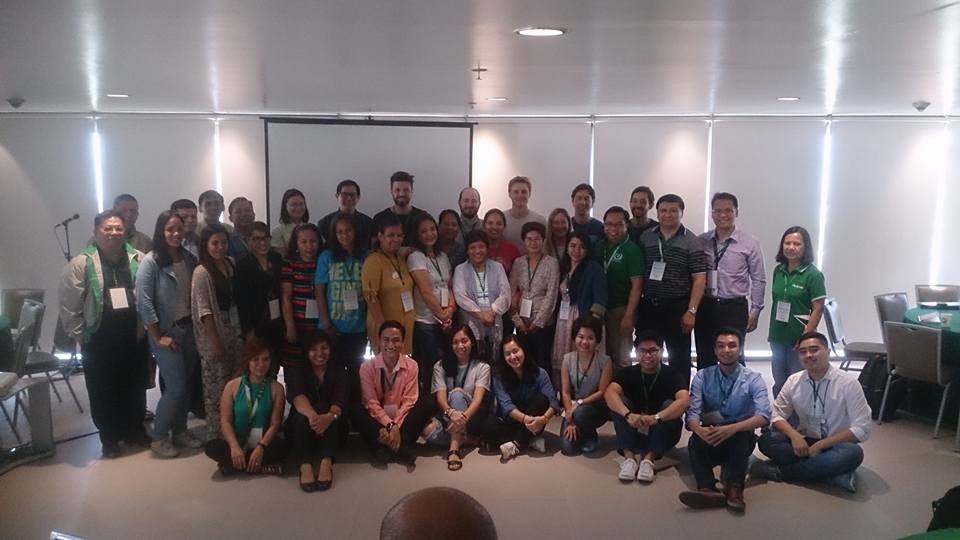
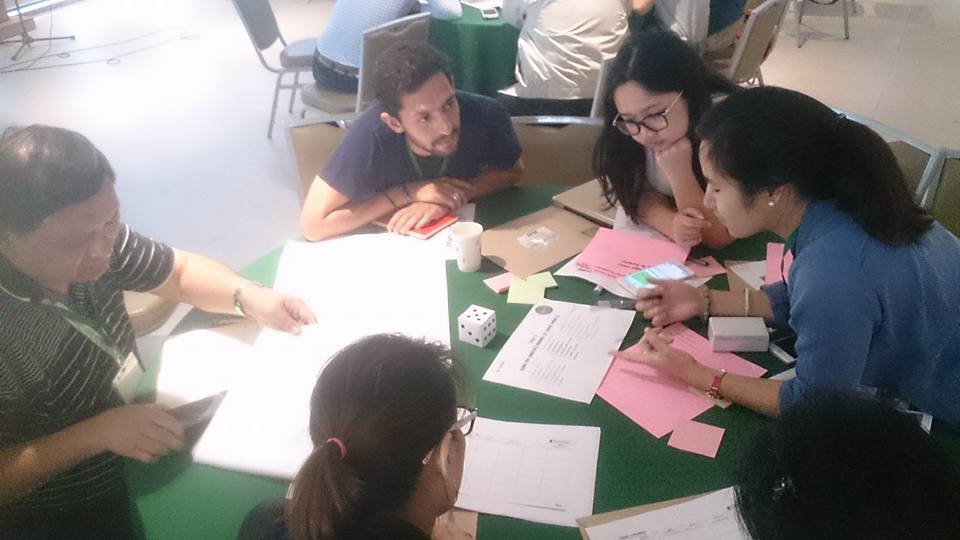
DLSU’s advocacy on Social Entrepreneurship through COSCA - LSEED makes headway with the completion of the formation program for partner LSEED Community Core Group - with women members participating in special topics on business management, introduced to community members. The latter is a run-up series of capacity building sessions on business management for women members during business incubation.
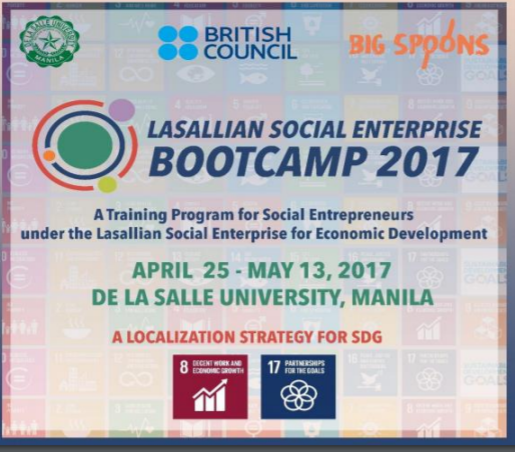
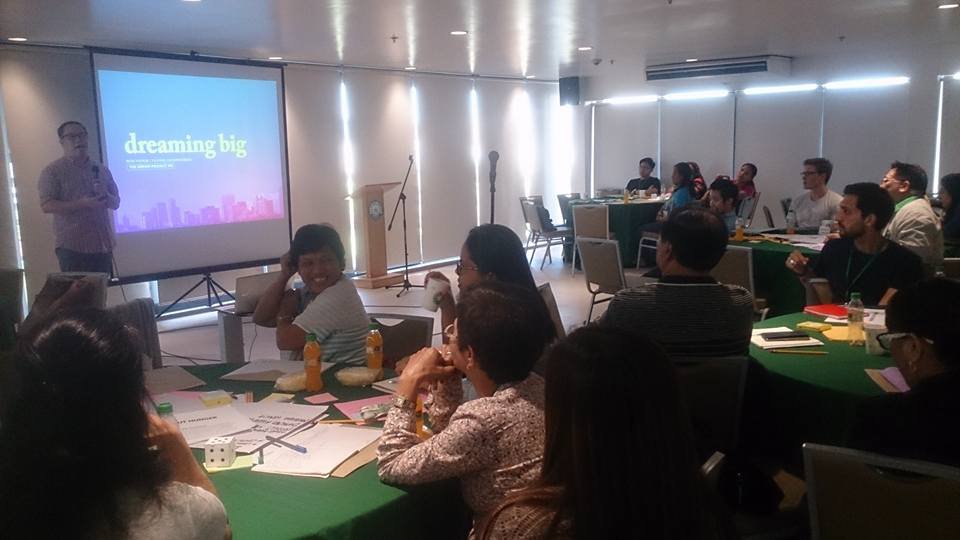
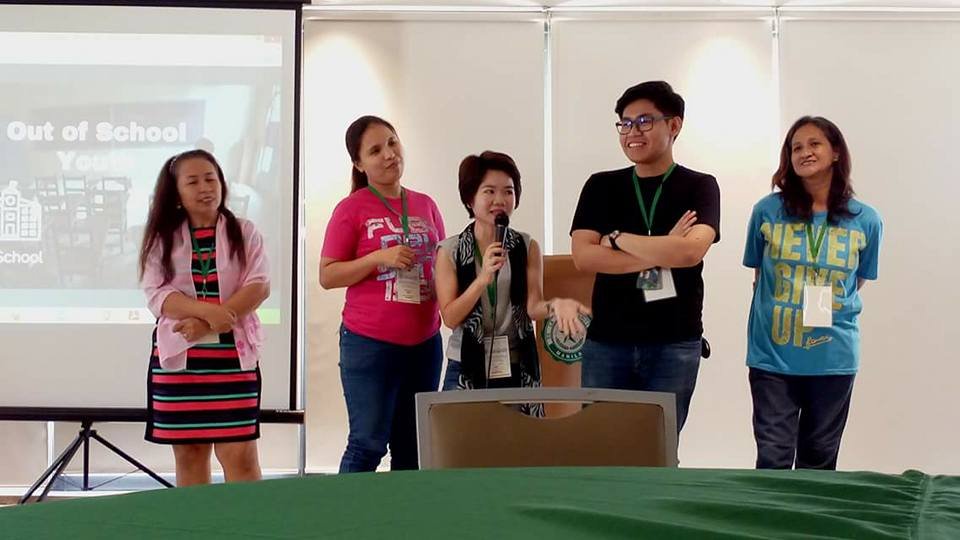
The formation session for community members was undertaken alongside Phases 1-3 of the LSEED Fellowship Program with 18 aspiring social entrepreneurs participating in the April 25, 2017 to May 13, 2017 Lasallian Social Enterprise Boot Camp 2017. The series of workshop both for community members and key student “Champions “ on social entrepreneurship aim to support social enterprises in partner urban poor communities and to build capacities of potential urban poor women and out-of-school youth on social entrepreneurship (SE) - enabling them to grow and nurture their respective social enterprises.
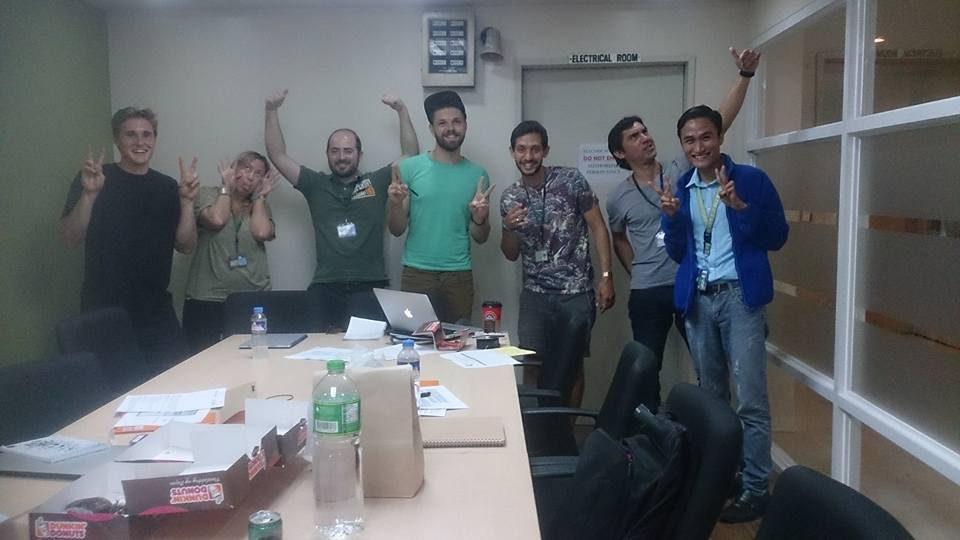
Business proposals developed during the Boot Camp by community members and student fellows, with volunteer faculty members and international volunteers from The Big Spoons as mentors, were reviewed and revisions are currently being undertaken in preparation for full project implementation.
Moreover, DLSU-COSCA aims to advance its social entrepreneurship advocacy by its inclusion in a coalition comprised of reputable institutions / organizations in the social enterprise sector.
By Maria Carmen S. Apuli | Resource Mobilization Coordinator
By Maria Carmen S. Apuli | Resource Mobilization Coordinator
Project reports on GlobalGiving are posted directly to globalgiving.org by Project Leaders as they are completed, generally every 3-4 months. To protect the integrity of these documents, GlobalGiving does not alter them; therefore you may find some language or formatting issues.
If you donate to this project or have donated to this project, you can receive an email when this project posts a report. You can also subscribe for reports without donating.



Support this important cause by creating a personalized fundraising page.
Start a Fundraiser