By Sarata Kaba | Partnerships & Grants Coordinator
In 2016, Last Mile Health collaborated with Liberia’s Ministry of Health and other partners to design and launch the National Community Health Assistant Program. Teams of community and frontline health workers were deployed to rural communities across the country to extend primary healthcare to 1.2 million people living at Liberia’s last mile. The launch of the program marked the first time a formalized, paid cadre of community health workers was integrated within Liberia’s health system.
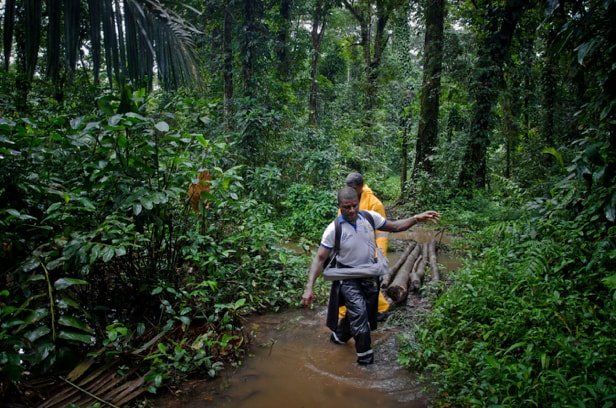
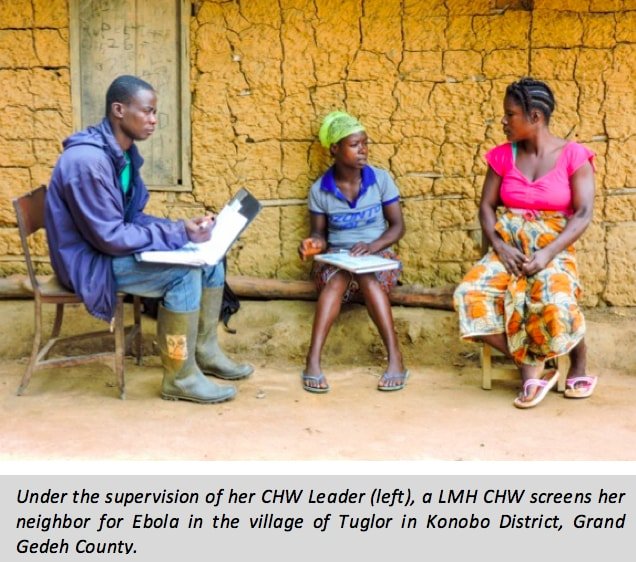
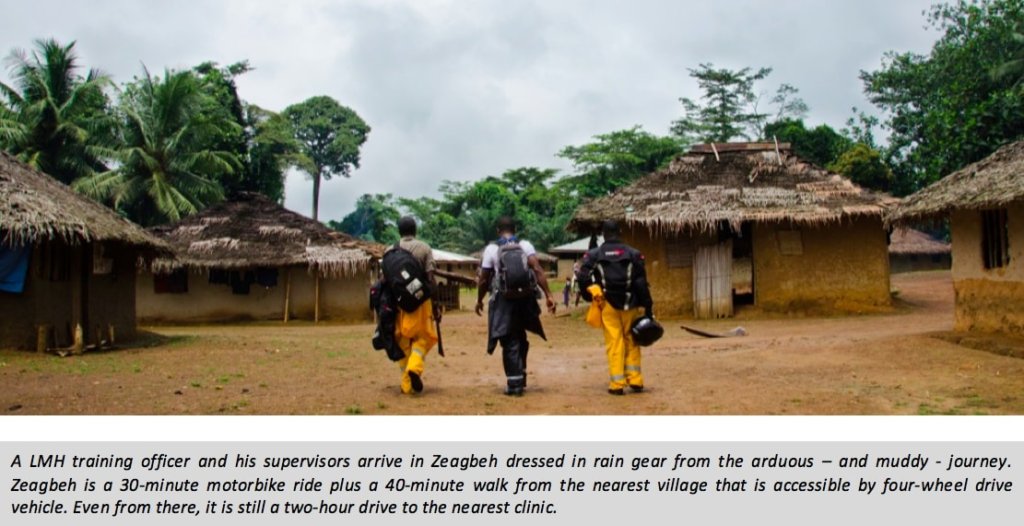
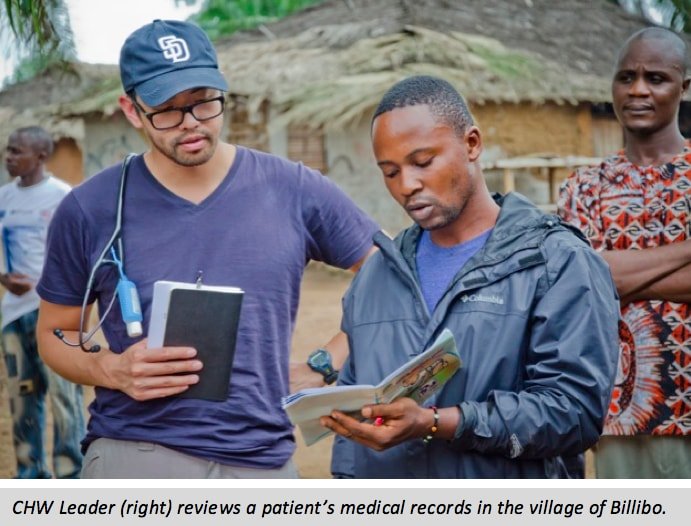
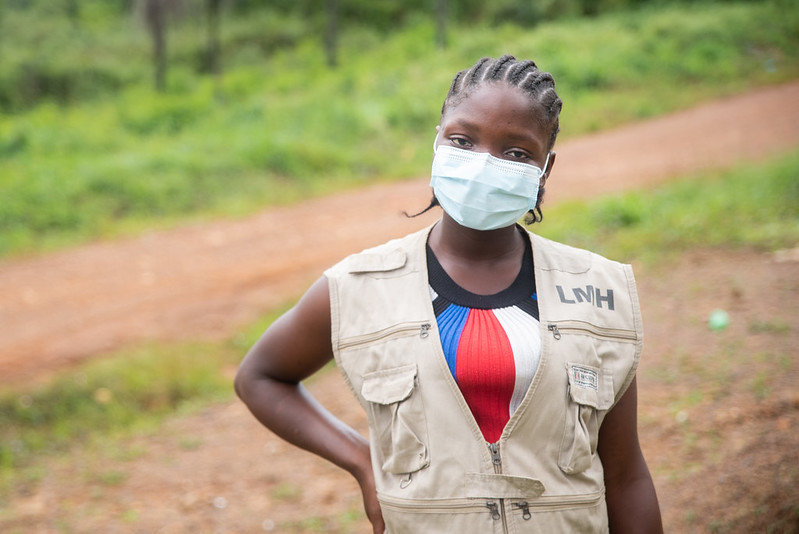
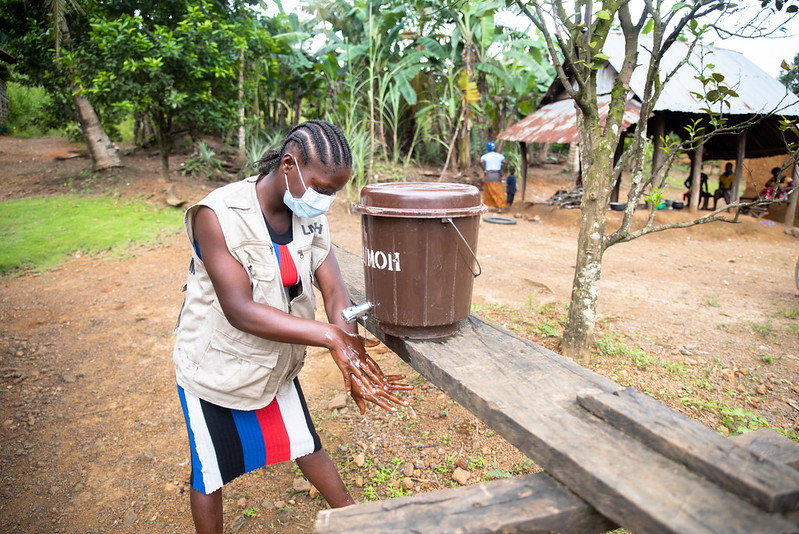
In remote and rural communities where reaching a hospital or clinic can be an arduous journey, community health workers are a crucial part of an everyday health system. Recruited directly from the community they serve, community health workers team up with doctors and nurses to deliver basic care for potentially life-threatening illnesses including malaria, pneumonia and diarrhea, educate their communities, actively track infectious disease outbreaks, and quickly refer sick patients to the health facility.
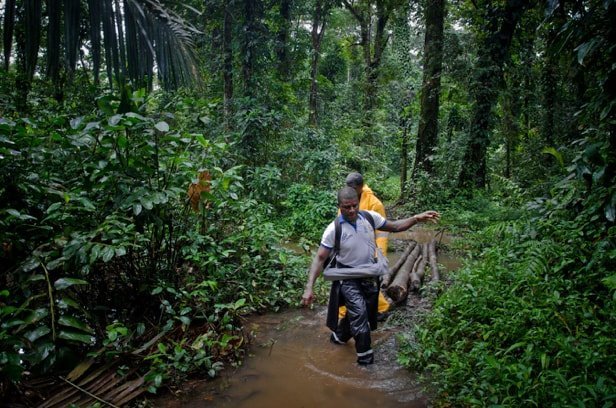
James is employed as part of Liberia’s National Community Health Assistant Program. He serves Voin Town and its neighboring community Krokpo in Yarnee district, which can only be accessed by canoe. James has worked as a Community Health Assistant since 2015 and serves over 270 people whose primary occupations are subsistence fishing and farming.
When community health workers like James are trained to bring primary health services to the doorsteps of people living far from care, they can improve health outcomes and save lives. But it's not enough to just have health workers in place - they need to be supported.
In 2016, Liberia’s Ministry of Health revised its National Community Health Services Policy to not only include recruitment, training ,and supervision, but also pay for community health workers. Instead of relying on community members to serve as volunteers, regular salary is now provided to ensure that financial compensation is commensurate with the hard work community health workers are doing daily. Evidence shows that when this workforce is supported with strong information systems, smart policies, and financing, they are able to manage and deliver high-quality community-based primary care - ultimately contributing to improved health equity and outcomes in remote communities.
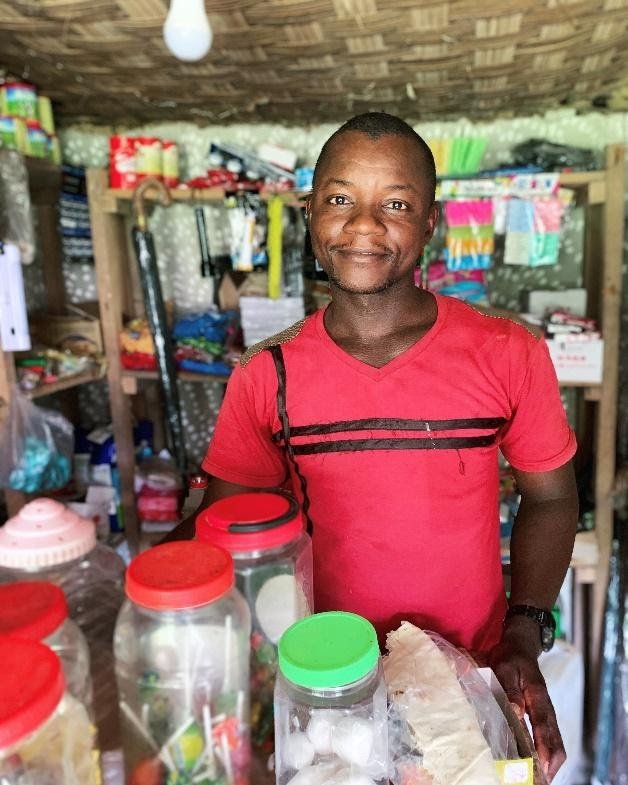
Since becoming a community health worker five years ago, James has been able to invest his monthly salary in a provision shop where he sells snacks, household items, and other goods in his community. Sales from these products help sustain him and his family. James and his wife have three children, all of whom are living with family in Cestos City where James is able to support their schooling with his earnings.
When asked his opinion on whether community health workers should volunteer their time without pay, as some believe, James responds: “doing the volunteer job, although it’s fine because you are doing it for your community, but you need to eat […] so for that you need to get small thing to sustain you and your family also. […] When you getting small thing you will not feel no problem.”
Last Mile Health and its partners are committed to going as far as it takes to invest in Community Health Workers like James, by protecting their well-being and supporting their livelihoods.
By Sarata Kaba | Partnerships & Grants Coordinator
By Lucy Moe | Grants Manager
Project reports on GlobalGiving are posted directly to globalgiving.org by Project Leaders as they are completed, generally every 3-4 months. To protect the integrity of these documents, GlobalGiving does not alter them; therefore you may find some language or formatting issues.
If you donate to this project or have donated to this project, you can receive an email when this project posts a report. You can also subscribe for reports without donating.