By Meggan Ireland | Grants Manager
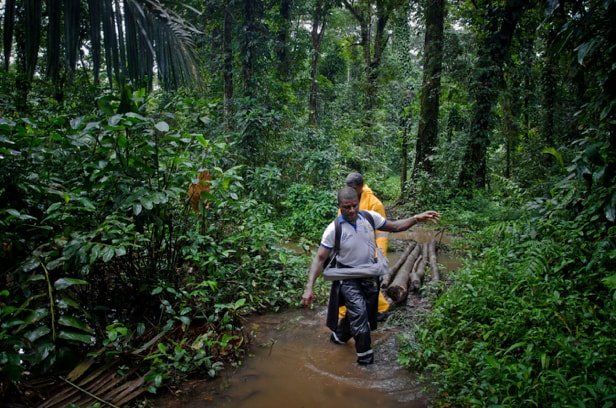
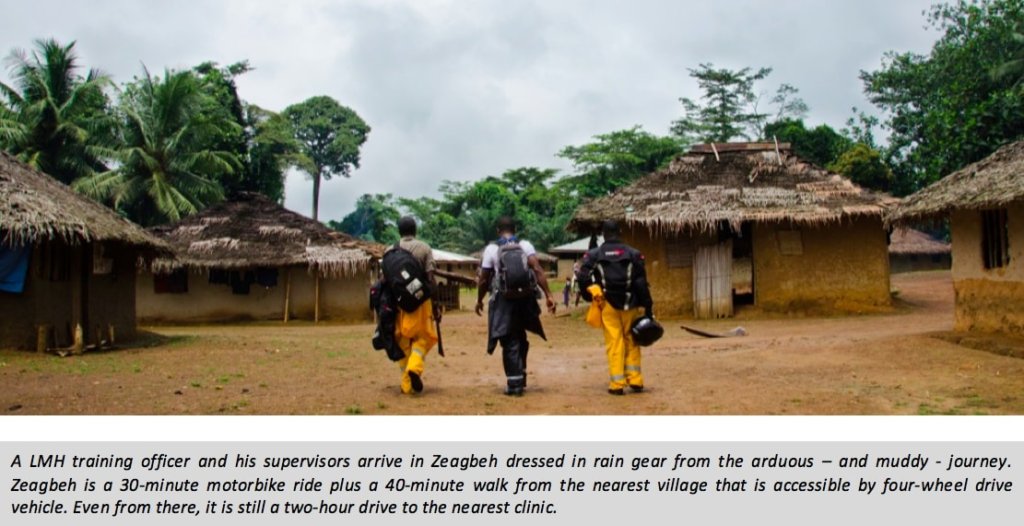
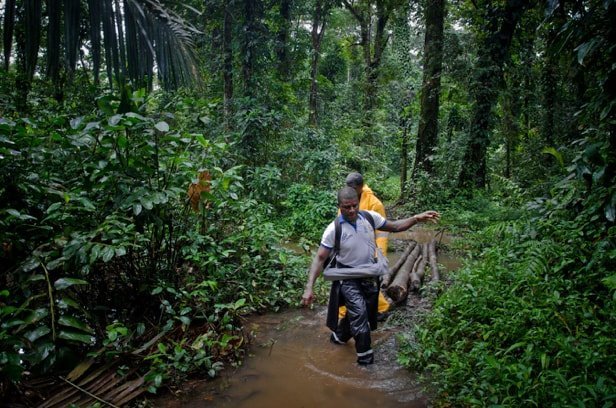
As the restoration of health services across Liberia continues, Last Mile Health (LMH) continues to work towards improved access to essential, quality healthcare for people living in the most remote parts of the country. Compared to a footprint of 69 Community Health Workers (CHWs) just 15 months ago, LMH has now deployed 287 CHWs in Rivercess and Grand Gedeh Counties who together serve over 280 remote communities home to more than 50,000 people including 8,000 children.
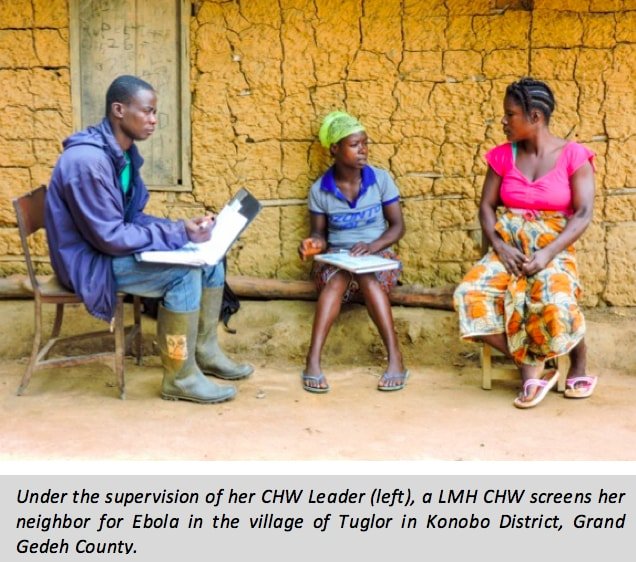
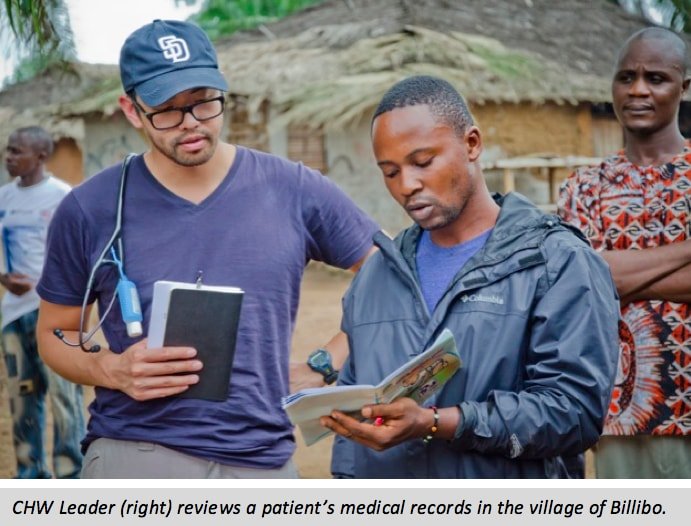
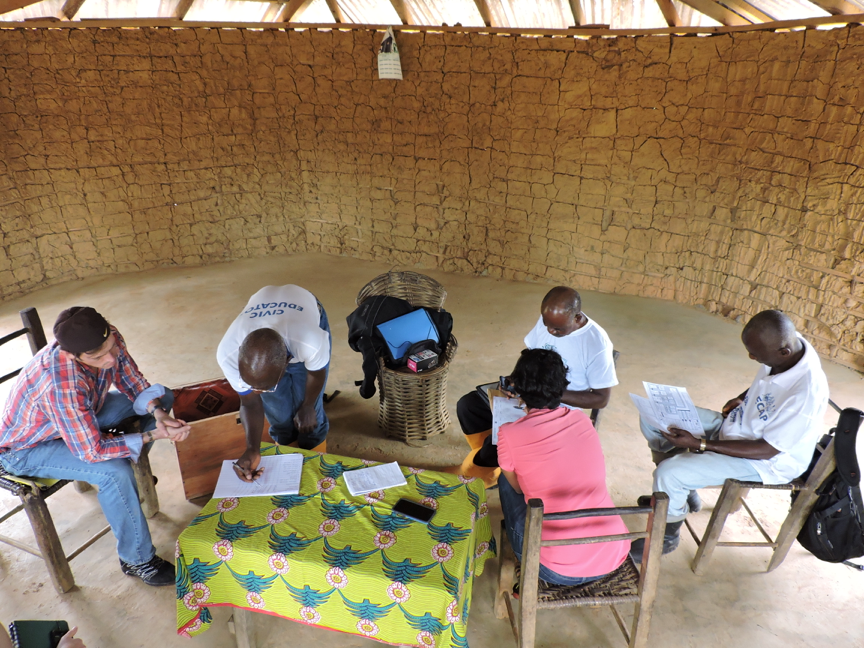
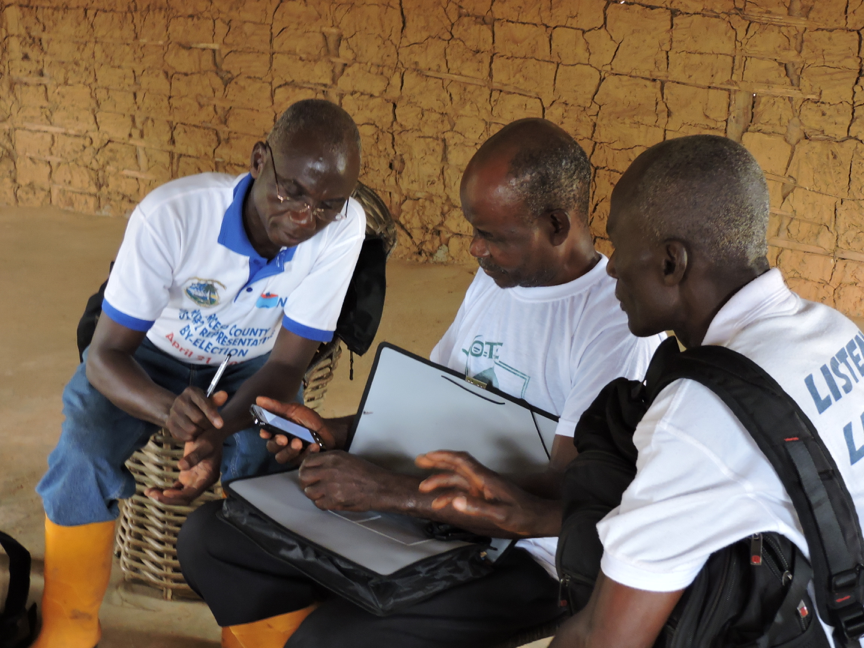
CHWs serve as a critical link between isolated populations and the public-sector health system, providing basic maternal, neonatal, child and adult health services in addition to ensuring appropriate and timely referrals for those needing advanced care. They are supported by a network of supervisors including non-clinical managers who provide weekly coaching and mentorship, and trained medical professionals who provide clinical oversight.
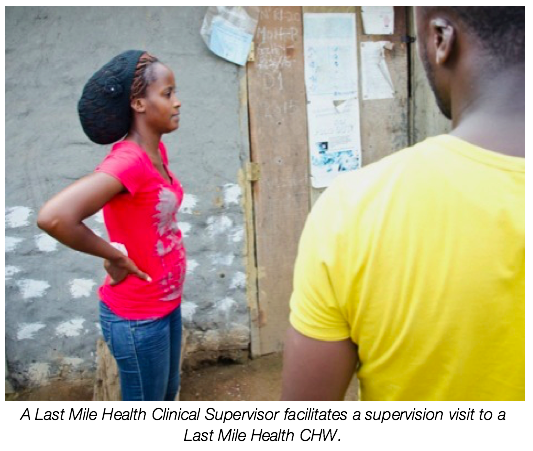
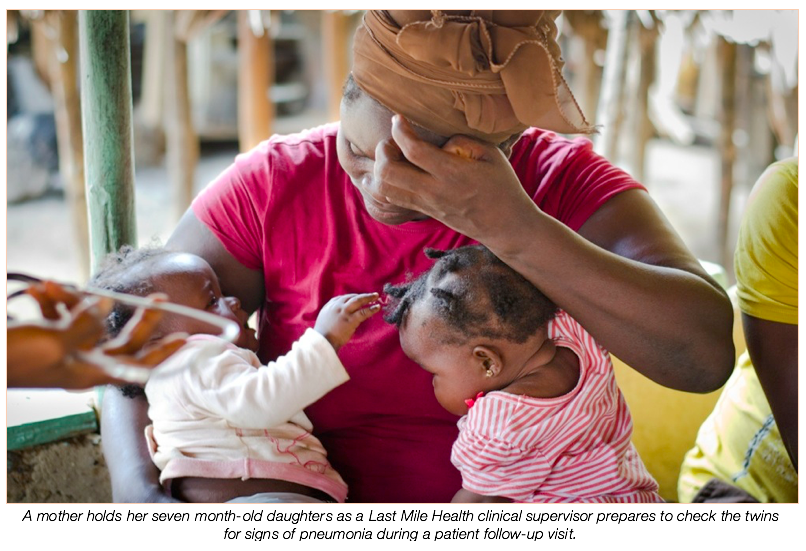
One such clinical supervisor is Rachel, a Registered Nurse trained at Liberia’s Cuttington University who risked her own life to provide care to patients at the country’s largest Ebola Treatment Unit (ETU) where she lost many friends, colleagues and patients to the disease. As the outbreak subsided, Rachel joined LMH to provide training to CHWs in the Child Health module. Today, she continues to use her strong clinical and communications skills to mentor two peer supervisors and 18 CHWs who provide integrated Community Case Management (iCCM) of Childhood Illness to a total of 20 communities in Rivercess County’s Central C District.
Having endured the constant threat of infection during her work in an ETU, Rachel brings to her role an exceptional level of diligence to infection prevention and control. When mentoring CHWs – whether on the proper use of the Rapid Diagnostic Test (RDT) to diagnose malaria, or how to educate their communities on ways to prevent the spread of diarrhea – she is keen to point out and explain disease risks along the way and offer clear steps for avoiding infection.
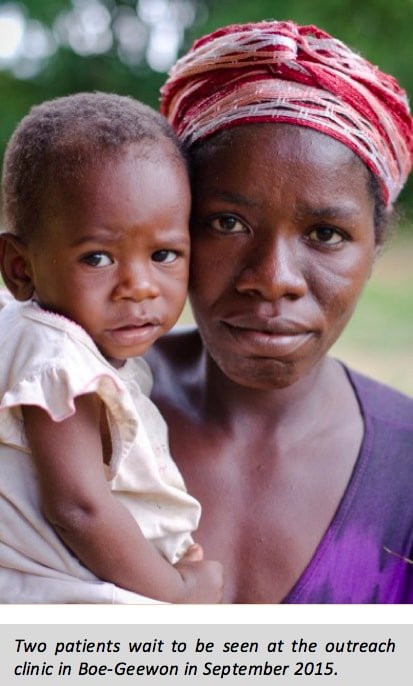
Ongoing support like this enables CHWs to provide the best care, improving quality of life for those living beyond the reach of existing health structures. With it, CHWs in Rivercess have treated a total of 9,665 cases of malaria, diarrhea and acute respiratory infection since completing the Child Health module in early December 2015. Leveraging this work for maximum impact, LMH has continued to use its experience and expertise to inform and advance momentum for national scale-up of its CHW model. By the year 2021, it is expected that the national program, which will be called the National Community Health Assistant (CHA) Program, will serve all 1.2 million Liberians living more than five kilometres from the nearest health facility.
Links:
By Meggan Ireland | Grants Manager
By Peter Harrison | External Communications Coordinator
Project reports on GlobalGiving are posted directly to globalgiving.org by Project Leaders as they are completed, generally every 3-4 months. To protect the integrity of these documents, GlobalGiving does not alter them; therefore you may find some language or formatting issues.
If you donate to this project or have donated to this project, you can receive an email when this project posts a report. You can also subscribe for reports without donating.