By Sarata Kaba | Partnerships & Grants Coordinator
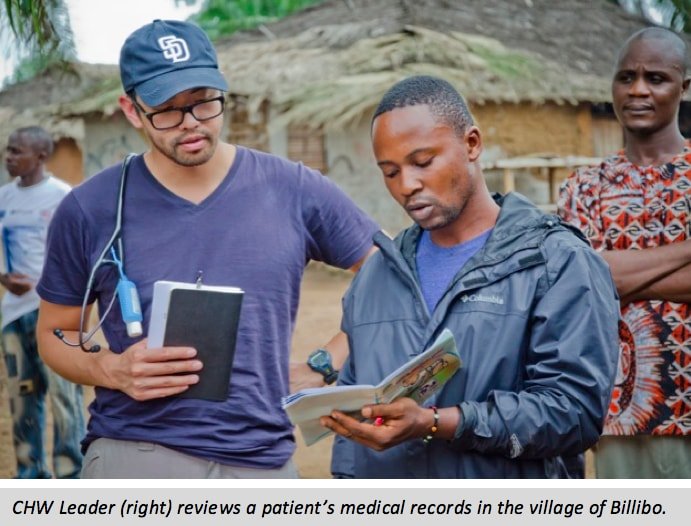
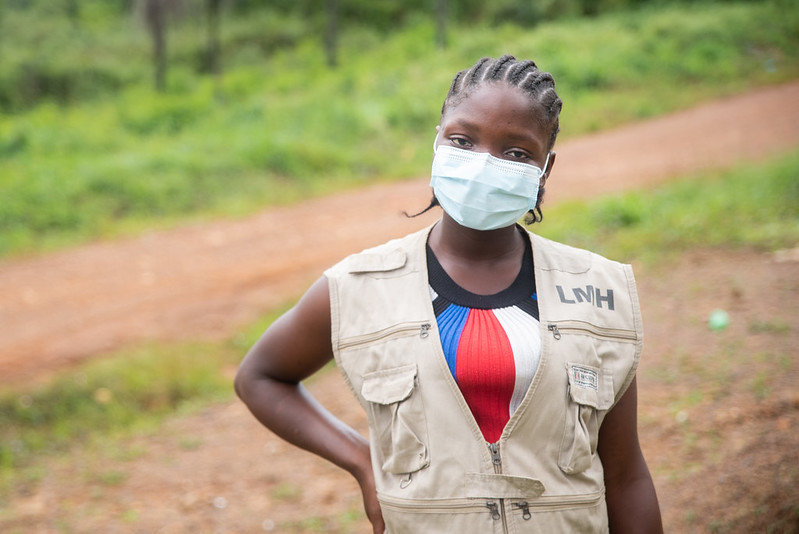
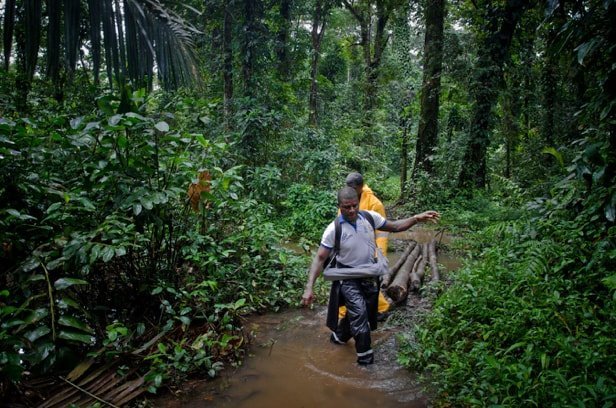
Naomi works as one of Liberia’s 3,800 community health workers. As a Community Health Assistant (CHA), she provides essential, lifesaving care to her neighbors in a remote community in Grand Bassa County. Since 2016, Last Mile Health has collaborated with the Ministry of Health and partners to design and scale the National Community Health Assistant Program to deploy teams of community and frontline health workers to rural communities across the country, reaching 1.2 million people.
Every community health worker receives training and supplies, is connected to a clinical supervisor at the closest facility, and most importantly, is paid for the lifesaving services they provide to their neighbors. Forced to drop out of school due to her financial status, Naomi is now able to make a living through employment as a CHA. Many like her are able to support themselves and their families through this successful government-led program.
Since the program’s launch, community and frontline health workers have carried out over 4.2 million home visits; treated and/or screened 1.2 million childhood cases of pneumonia, malaria, diarrhea and malnutrition; and identified over 5,192 potential epidemic events.
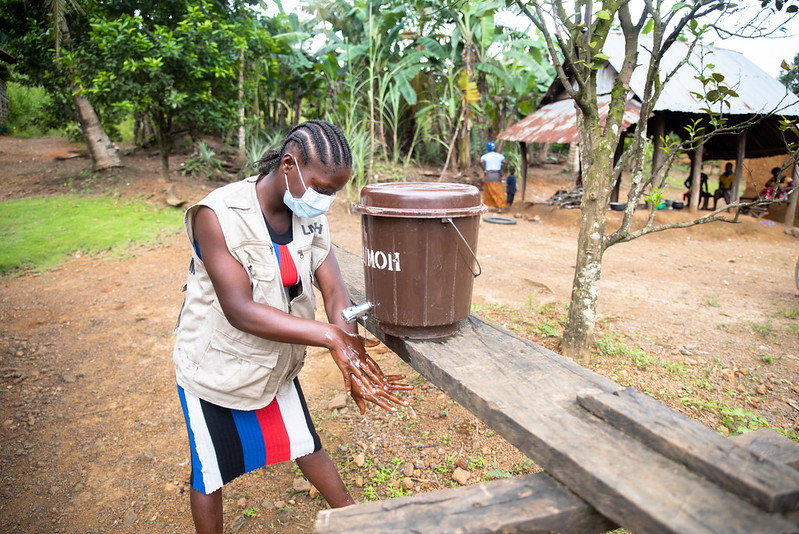
As the world faces increases in the number of reported COVID-19 cases, Last Mile Health continues to place the utmost importance on protecting frontline health workers who despite the pandemic, have continued to provide health care to remote communities who cannot access traditional points of care.
To ensure that community and frontline health workers can keep serving safely, Last Mile Health has been working closely with the Ministry of Health in Liberia to procure and distribute personal protective equipment. Since the start of the pandemic, Last Mile Health has supported the Ministry to quantify, procure, and distribute critical supplies for community and frontline health worker training, as well as design and deliver a comprehensive COVID-19 curriculum focused on prevention measures, case detection and response, and protocols for ‘no touch’ delivery of primary healthcare services in remote communities.
Naomi emphasizes that “It is important to use PPE because [..] it also protects the CHA. You have to use PPE to protect yourself in the community because you don’t know who you are going around.” Naomi cares deeply about the work she is doing in her community and remains an advocate for the program. When asked what she would share with someone who was interested in becoming a CHA, Naomi quickly responds: “I will tell them the work is good […] I will explain it to them, the importance of the work.”
LMH is committed to meeting workers like Naomi’s critical protective needs to ensure they can continue their vital role in safely providing health services to the world’s most remote communities.
Project reports on GlobalGiving are posted directly to globalgiving.org by Project Leaders as they are completed, generally every 3-4 months. To protect the integrity of these documents, GlobalGiving does not alter them; therefore you may find some language or formatting issues.
If you donate to this project or have donated to this project, you can receive an email when this project posts a report. You can also subscribe for reports without donating.