By Bipin Irabatti | Executive Donor Relations
Brief:
During the quarter, the Science and Reading for Kuppam Children initiative continued to provide children with opportunities to develop reading, creativity, and experiential learning skills through library sessions, digital learning, outreach activities, and community engagement. The initiative provided students with access to library resources and interactive learning experiences, including storytelling, puppet shows, book-making, origami, paper-based activities, and digital learning. The initiative also engaged teachers, staff, visitors, and community members through regular sessions and outreach activities.
Library Learning Sessions:
Regular library and Digital Library sessions formed the foundation of the initiative during the quarter, providing students with opportunities to engage with books, storytelling, creative activities, and technology-enabled learning.
April
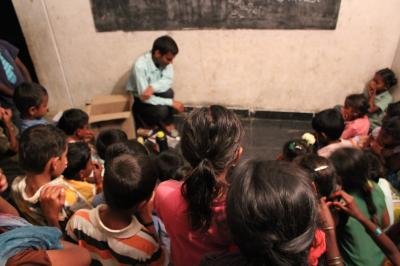
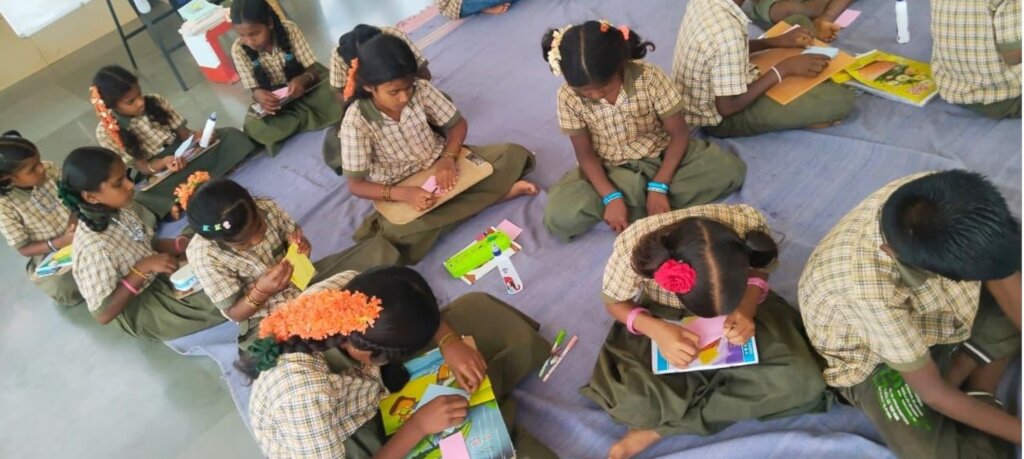
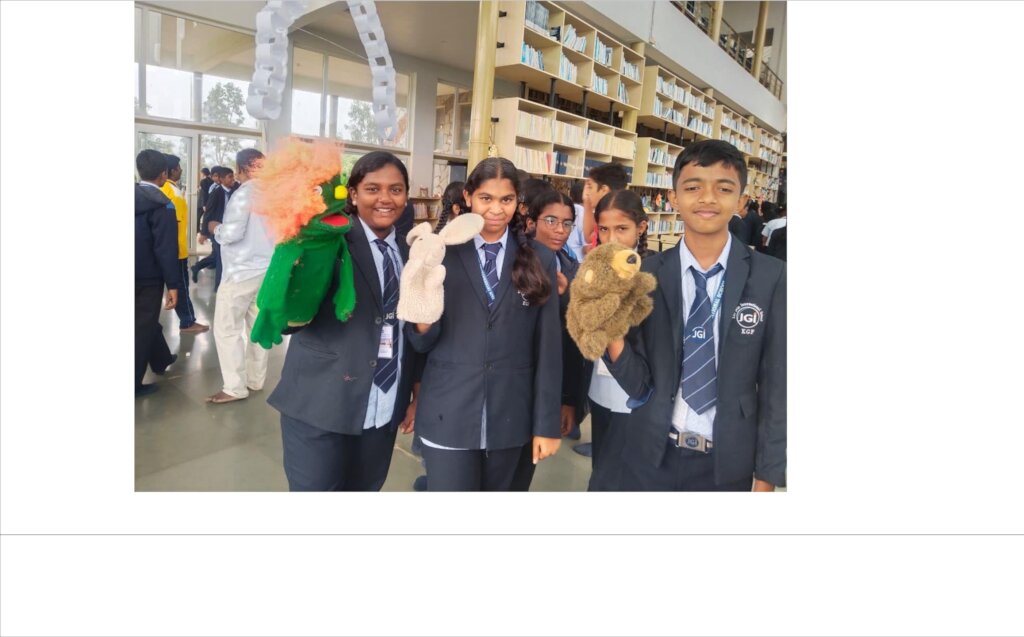
In April, students participated in library activities including storytelling, story narration, puppet shows, origami, kirigami, and miniature book-making. These activities provided opportunities for students to explore stories and express their ideas through creative and interactive methods. The use of Alexa devices during sessions was also introduced to encourage students' questioning attitude. Digital learning activities through Apni Pathashala further complemented the regular library sessions.
May
During May, students continued participating in library and Digital Library sessions along with creative and activity-based learning. Through Apni Pathashala, students created their own stories using picture story cards, providing opportunities to develop creativity and independent expression. Library activities also included paper-based creative activities and storytelling. Regular use of digital learning resources supported continued student engagement with technology-enabled learning.
June
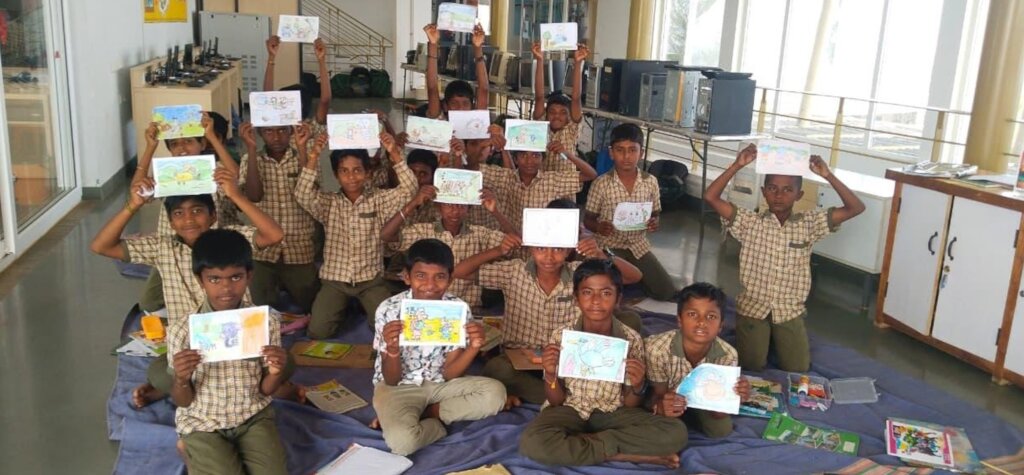
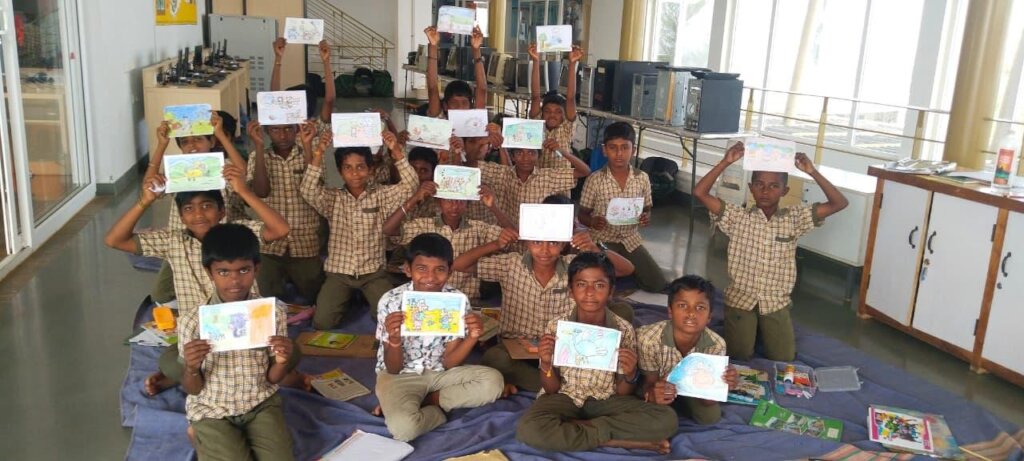
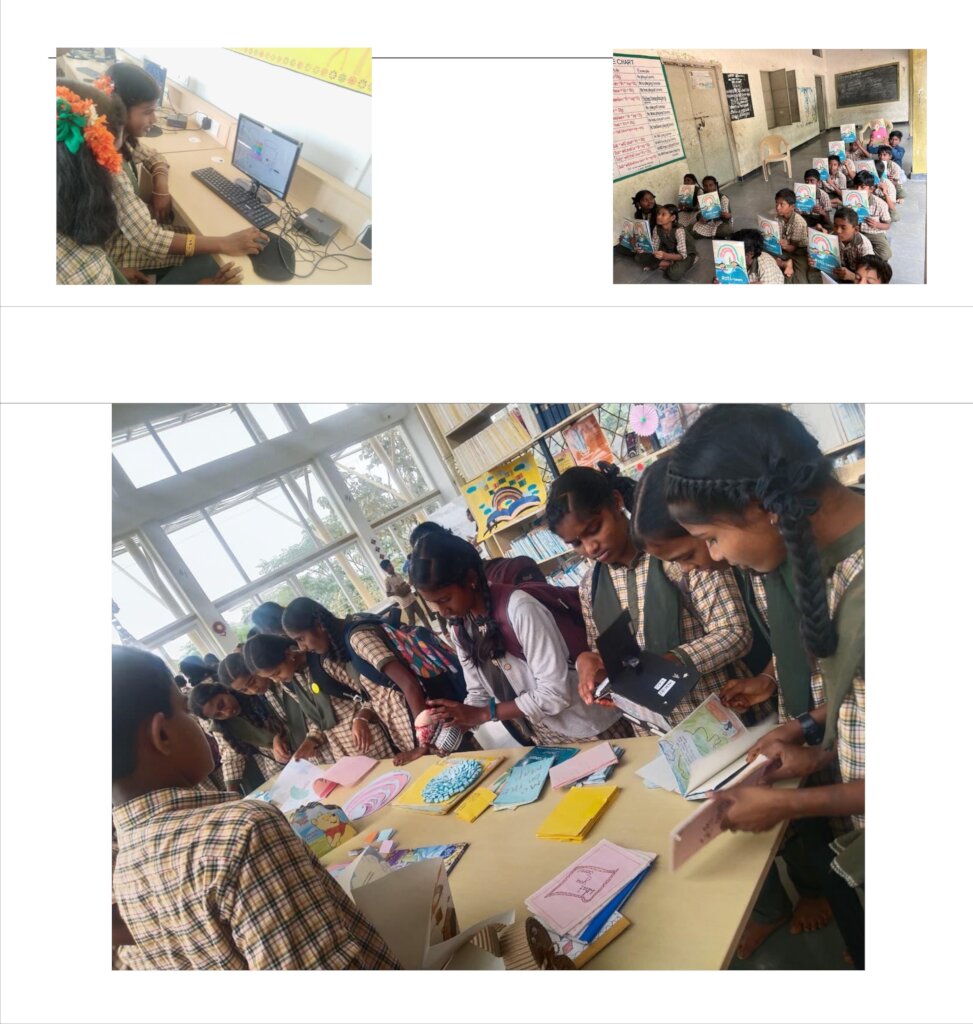
In June, library sessions continued with a focus on reading, storytelling, creative expression, and hands-on activities. Students participated in story creation, illustration, book binding, and book-making activities. These activities provided students with practical experience in developing and presenting their own stories and books. Outreach sessions and teacher engagement activities also continued during the month.
Across the quarter, the combination of library resources, digital learning, storytelling, and creative activities provided students with varied opportunities to engage with reading and experiential learning.
Special Programs and Major Events:
Several special activities were conducted during the quarter to complement regular library and Digital Library sessions.
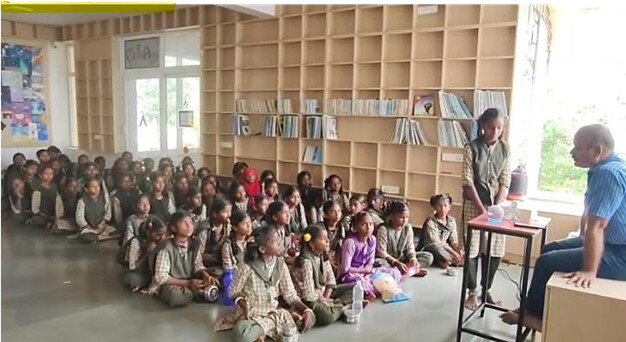
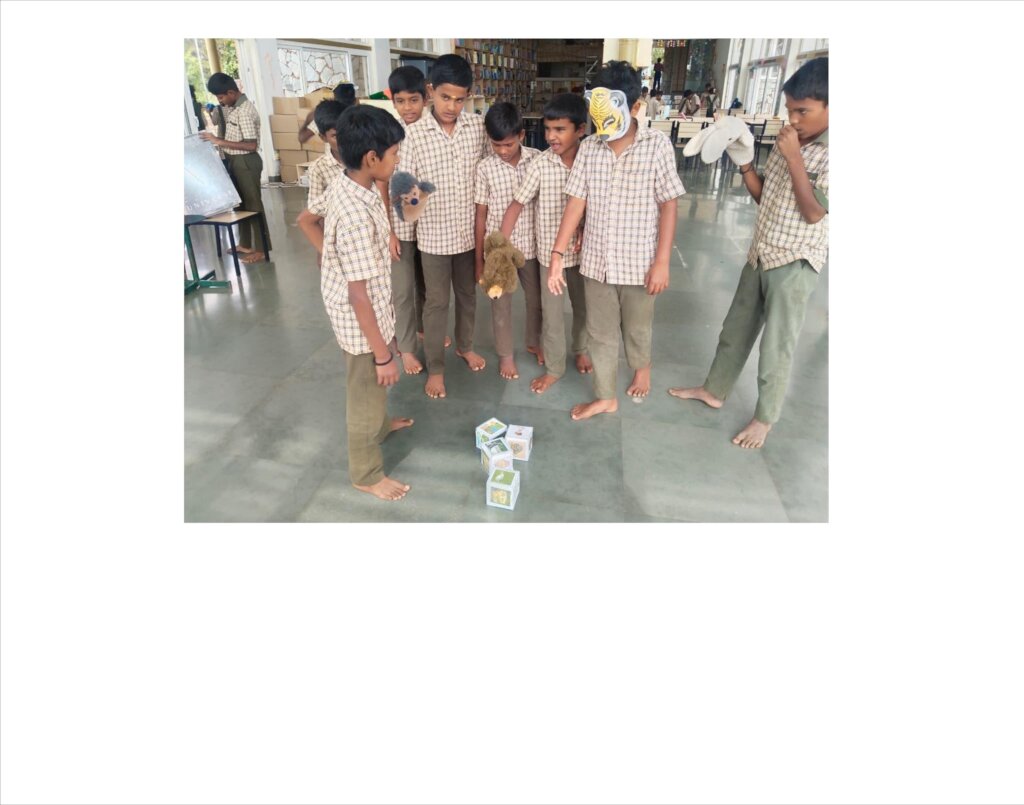
Storytelling with puppets was conducted as a teacher engagement activity, involving government teachers. Students also participated in puppet shows, story narration, miniature book-making, origami, kirigami, and other creative activities.
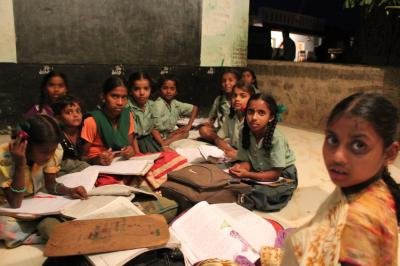
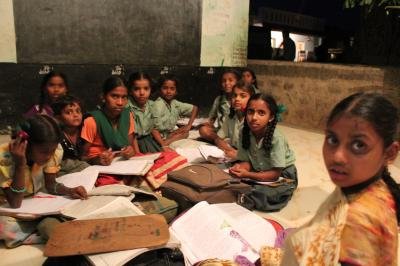
The Anjani Program, focused on parent and student engagement, was conducted during April, May, and June at Sajjalapalli and Gudupalli Colony. These activities provided opportunities for engagement with parents and students through the community-based learning centres.
During the quarter, the program also supported Summer Camp preparation. Primary science and mathematics teachers were trained on preparing low-cost models for children at the Anji Reddy Lab, providing exposure to hands-on and resource-based learning approaches.
Community Visit Outreach:
Community outreach remained an important component of the initiative during the quarter, extending learning activities beyond the library and school environment.
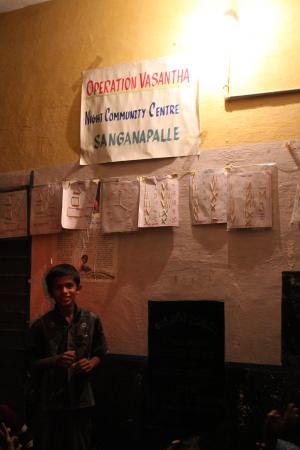
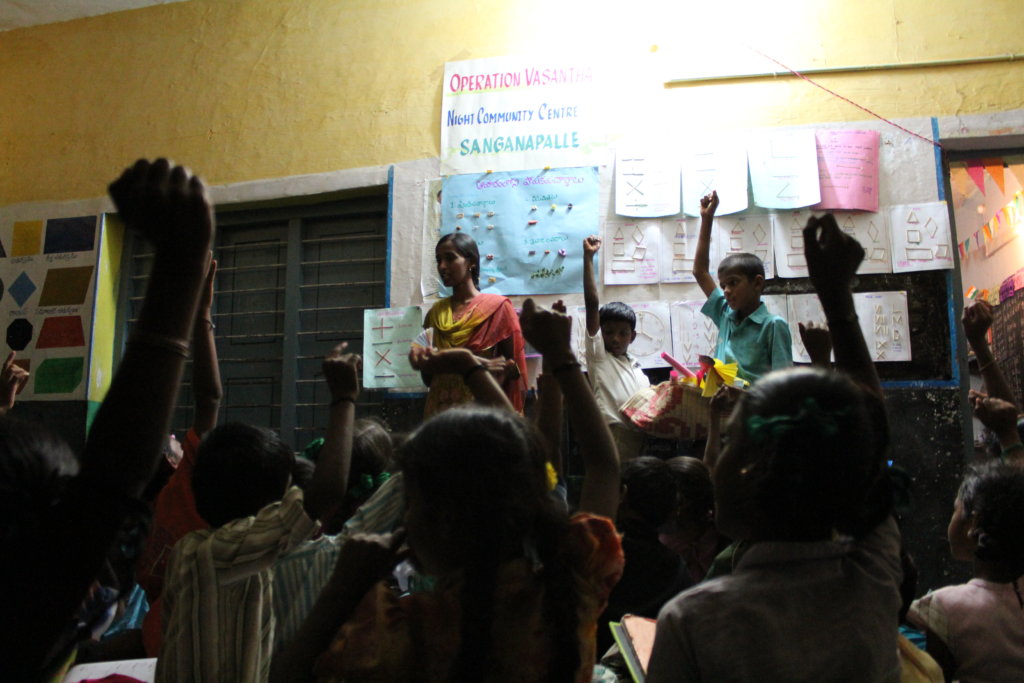
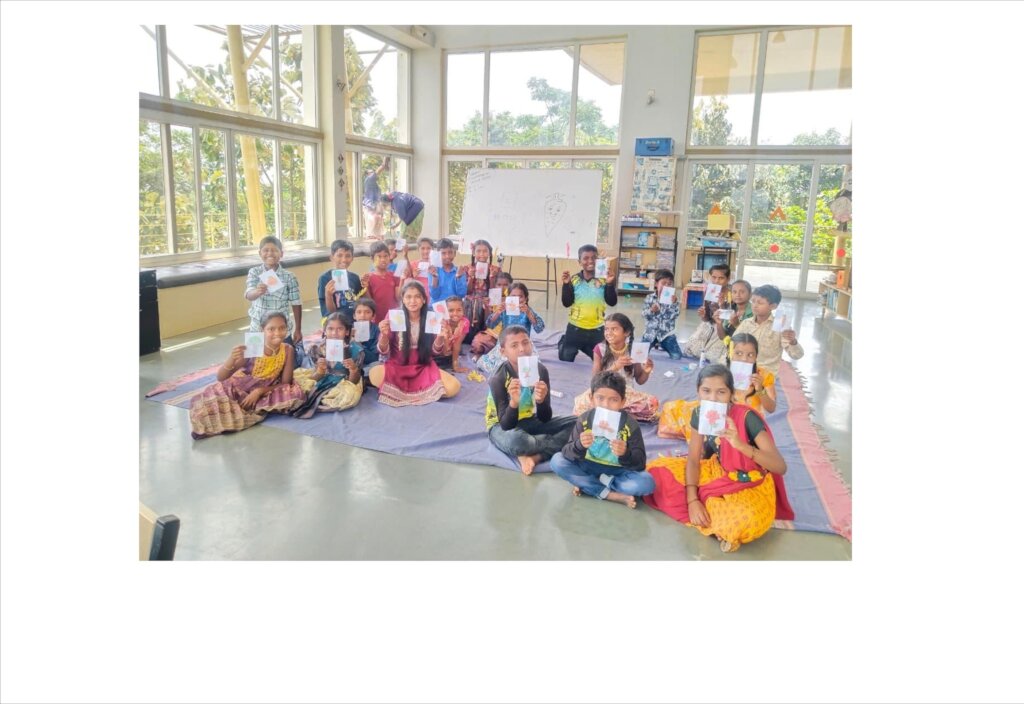
Outreach sessions were conducted at community centres, including O.V. Gudupalli Colony and O.V. Sajjalapalli in Kuppam Mandal. Children participated in storytelling, paper craft, and other creative learning activities during these sessions.
The Anjani Program provided an additional platform for parent and student engagement during April, May, and June. These activities helped strengthen interaction between children, parents, and facilitators within the community.
The program also received visits and feedback from teachers, education officials, and other stakeholders. A visit by the Gudupalle MEO included observation of library activities and the Summer Camp outreach session in the village, providing an opportunity to review the community-based learning activities.
Library Activities:
The library continued to function as a learning space where children could explore books and participate in creative and experiential activities.
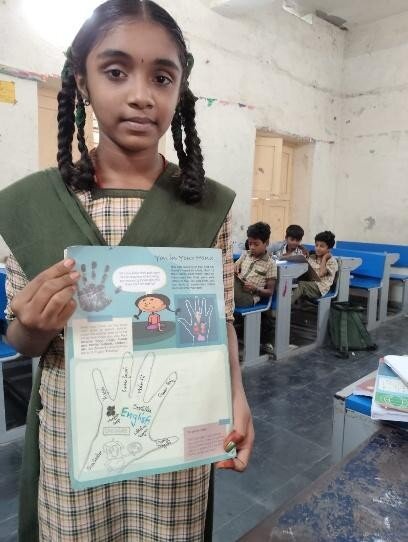
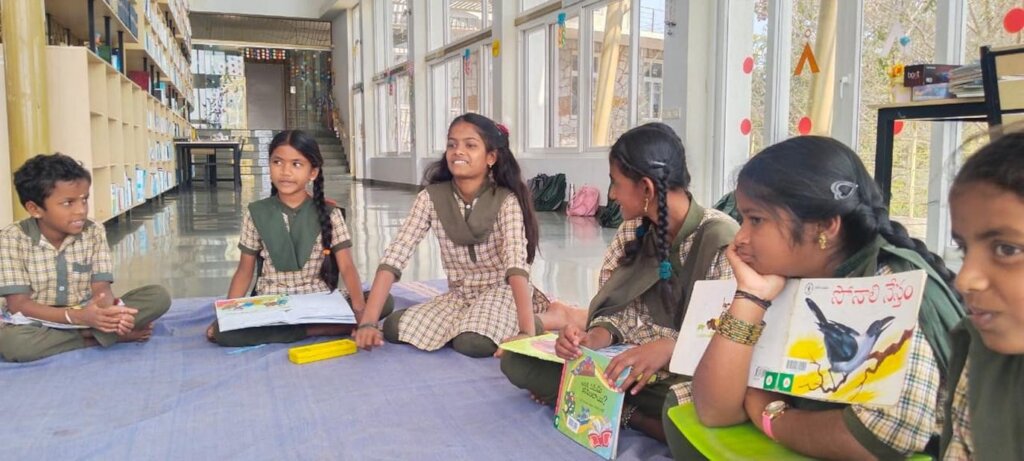
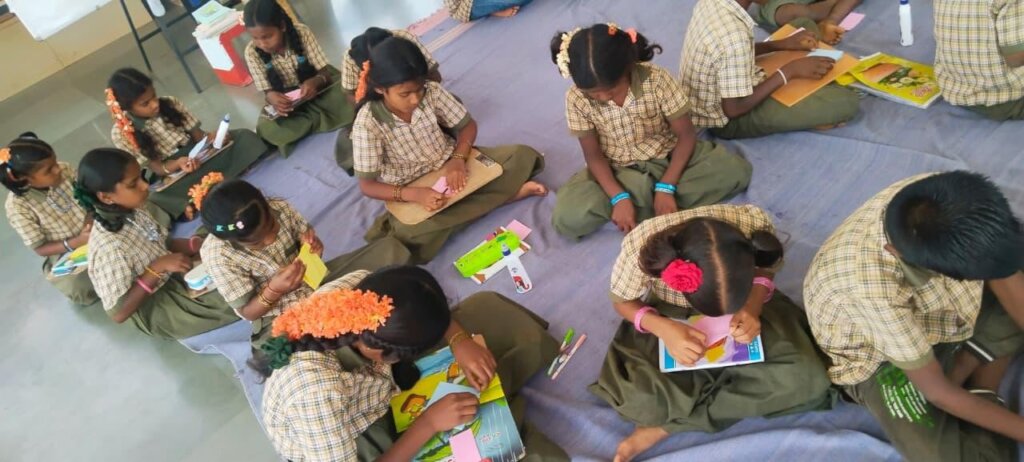
During the quarter, students engaged in story reading and narration, illustration, story creation, book-making, book binding, miniature book-making, origami, kirigami, puppet shows, and paper craft. These activities provided opportunities for students to engage with books while also creating and presenting their own stories and learning materials.
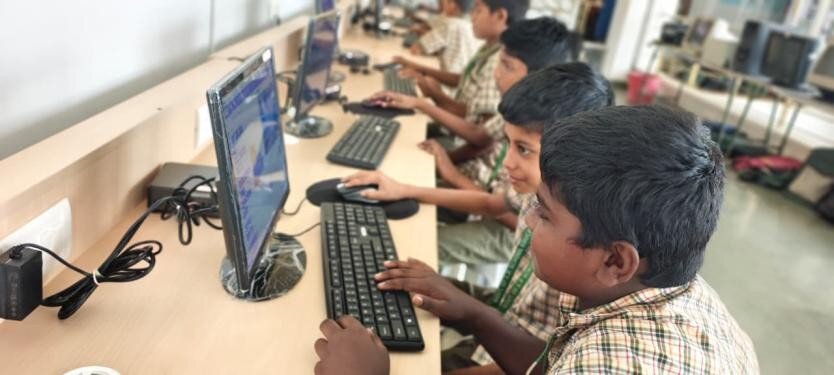
Digital learning resources were also utilized during the quarter, including Apni Pathashala, Digital Library resources, Alexa devices, and Acti-Learn books. Students used picture story cards through Apni Pathashala to create their own stories, while Acti-Learn books were utilized in schools.
The library also provided opportunities for students to develop practical creative skills. Sixth-grade students, for example, gained experience in storybook creation, story narration, illustration, and book binding as part of their library learning activities.
Overall Impact:
During the quarter, the Science and Reading for Kuppam Children initiative provided a combination of reading, digital learning, creative activities, and community-based outreach opportunities for children in Kuppam.
The quarterly statistics also recorded participation from teachers and staff, along with library visitors. These engagements provided children with continued access to library resources and opportunities to participate in interactive learning activities.
The integration of storytelling, book-making, creative paper activities, digital learning, and community outreach enabled students to engage with learning through multiple approaches. Parent engagement through the Anjani Program, teacher engagement through storytelling and training activities, and outreach sessions further extended the program beyond the library setting.
Overall, the quarter strengthened opportunities for children in Kuppam to develop reading, creativity, storytelling, and experiential learning skills through a combination of library-based, digital, and community-based educational activities.
By Bipin Irabatti | Executive Donor Relations
By Bipin Irabatti | Executive Donor Relations
Project reports on GlobalGiving are posted directly to globalgiving.org by Project Leaders as they are completed, generally every 3-4 months. To protect the integrity of these documents, GlobalGiving does not alter them; therefore you may find some language or formatting issues.
If you donate to this project or have donated to this project, you can receive an email when this project posts a report. You can also subscribe for reports without donating.



Support this important cause by creating a personalized fundraising page.
Start a Fundraiser