By Brenda Wasike | Team Leader
KENYA SRH CARE CBO (KESCO)
QUARTERLY PROGRESS REPORT
Help 400 Vulnerable Girls Return to School
Mombasa County, Kenya
1. Executive Summary
During the reporting period, KESCO continued school-based engagement linked to the Help 400 Vulnerable Girls Return to School project, whose wider approach combines education support with life skills, menstrual health, mentorship, psychosocial support, protection, referrals and community engagement. Available activity evidence documents engagement across Bomu Primary & Secondary School, Fairways Primary School, Ahmed Shahame Mwidani Technical Training Institute and Chaani Secondary School.
Documented school and institutional activities included menstrual health education, reusable menstrual product sensitization, practical demonstrations, teacher engagement and life-skills development. Chaani Secondary School additionally hosted a KESCO life-skills session reaching 38 school-going learners.
The quarter shows the value of combining educational participation with wellbeing and life-skills support. It also highlights the need to keep project-specific beneficiary tracking separate from broader partner activity reach so that progress toward the 400-girl target can be reported accurately.
2. School and Institution Engagement
During the reporting period, activities were implemented across four documented schools and learning institutions in Mombasa County:
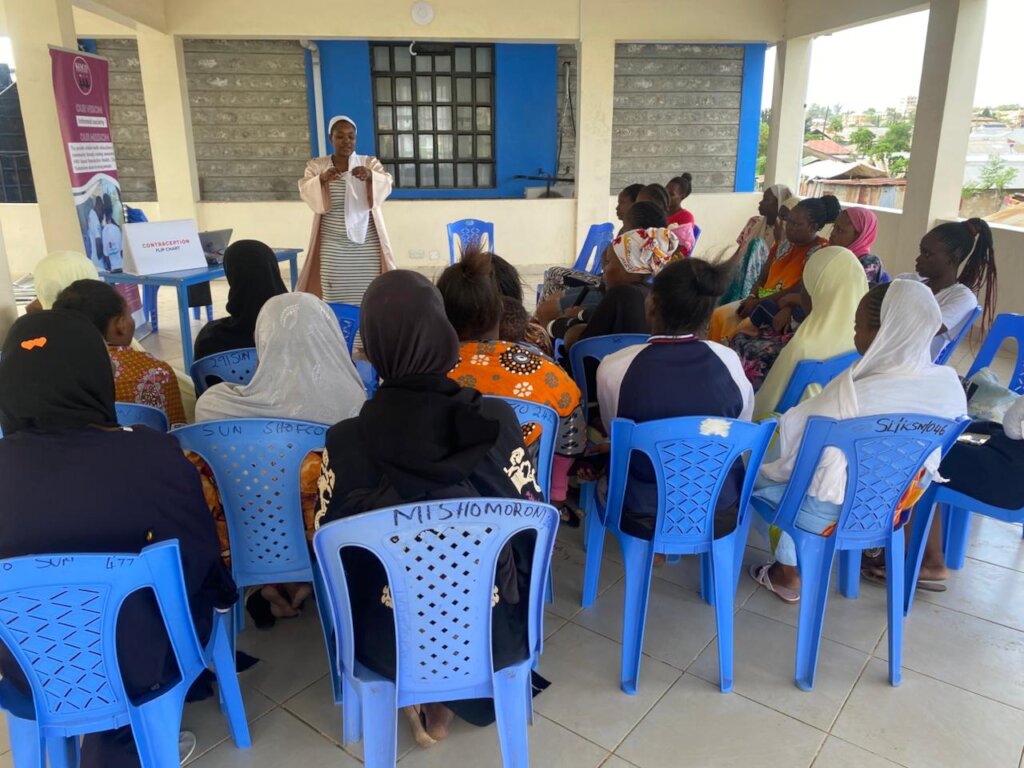
Bomu Primary & Secondary School - 28 May 2026: Menstrual health education and sensitization were conducted during Menstrual Hygiene Day, reaching 200 participants. The activity focused on menstrual health, hygiene awareness and introduction to reusable menstrual products, with 20 products distributed.
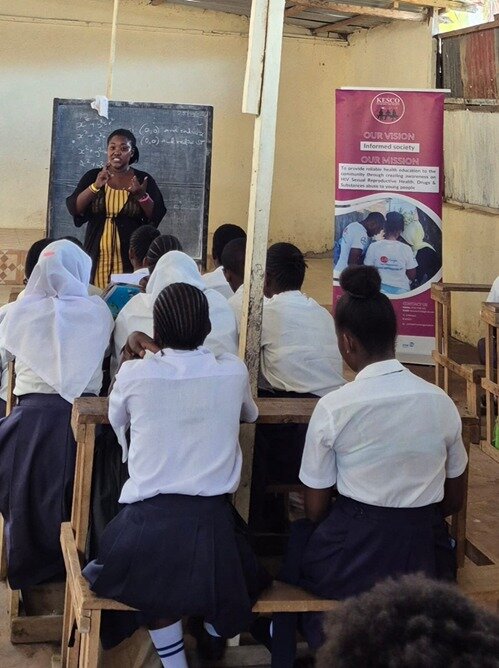
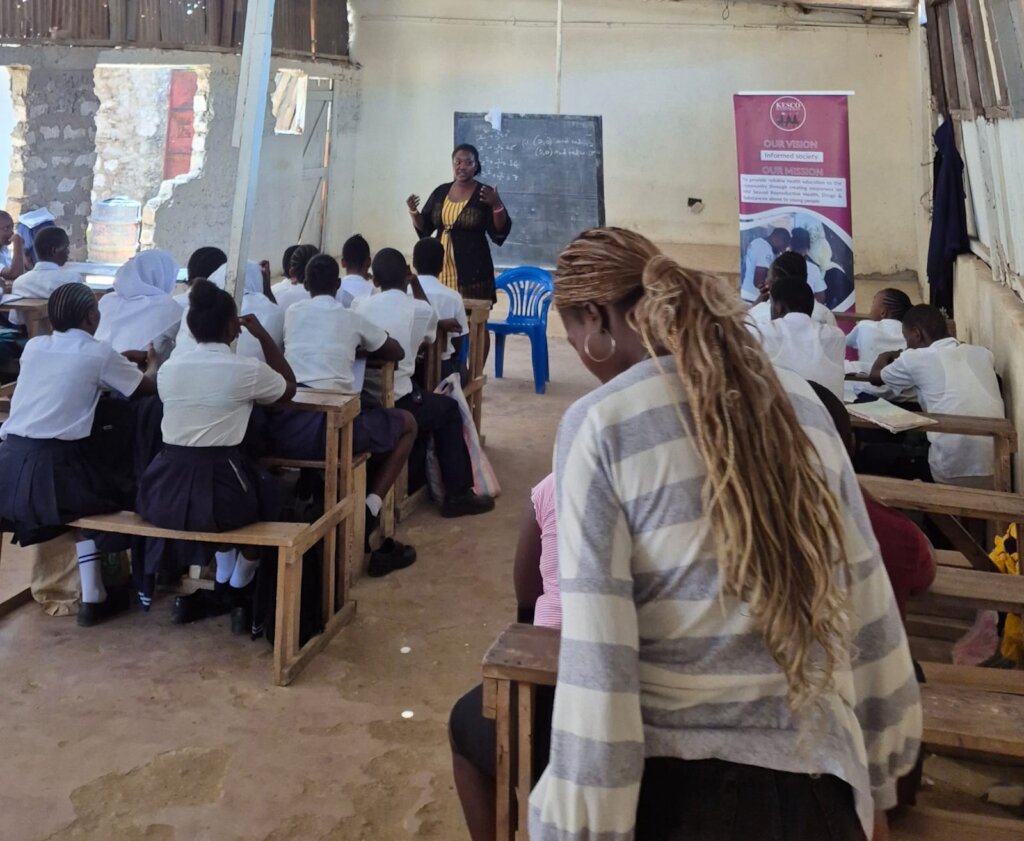
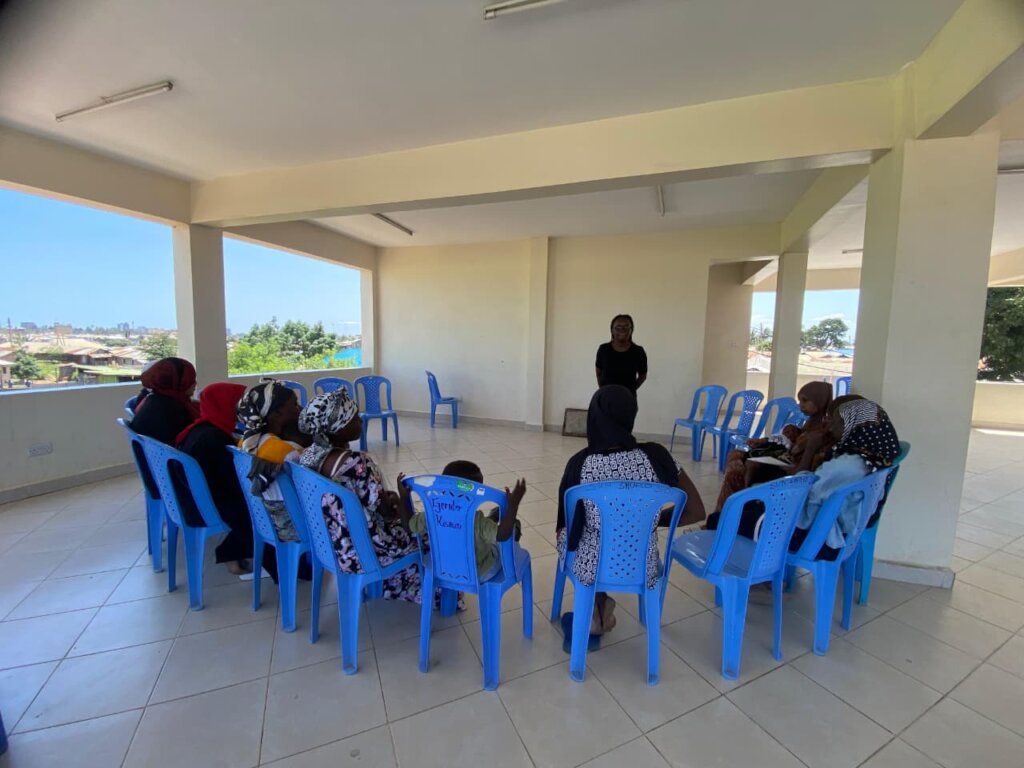
Fairways Primary School - 12-13 June 2026: Menstrual health awareness and teacher engagement reached 121 participants, including male and female teachers and members of the school community. A subsequent follow-up engaged 11 teachers, strengthening their role as menstrual health information champions.
Ahmed Shahame Mwidani Technical Training Institute - June and 14 September 2026: The initial menstrual health sensitization and practical demonstration reached 25 participants, with 25 products distributed. A follow-up session later engaged 20 participants to discuss their experiences, challenges and practical learning.
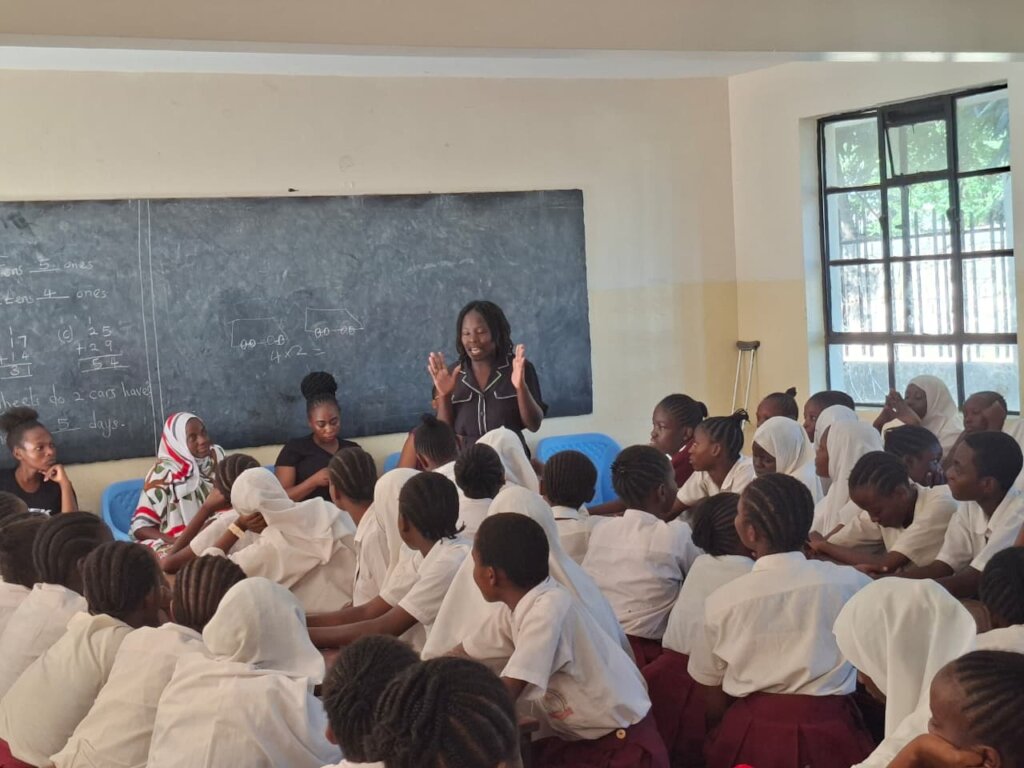
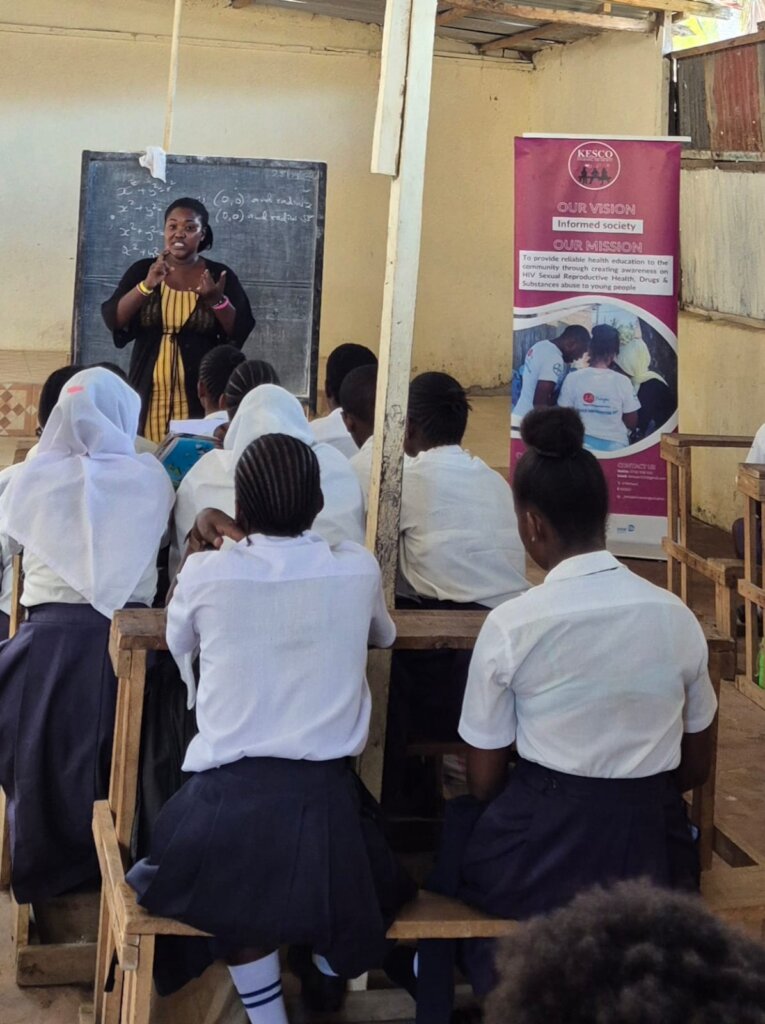
Chaani Secondary School - July 2026: Menstrual health education reached 25 adolescent girls, with 10 products distributed. In a separate KESCO life-skills activity, 38 school-going learners participated in an interactive session focused on confidence, communication, decision-making, personal development and wellbeing.
Reporting Note: These figures represent documented activity participation and should not be combined and reported as unique GlobalGiving beneficiaries. Some activities were implemented through partner-supported programming and may include follow-up participation.
3. What? So What? Now What?WHAT? — What happened?
School and institutional engagement took place through menstrual health education, practical sensitization, teacher engagement and life-skills activities. At Bomu, 200 participants were reached during Menstrual Hygiene Day activities. Fairways engaged 121 participants during initial awareness activities and later recorded 11 teacher follow-up engagements. Ahmed Shahame Mwidani TTI reached 25 participants initially and 20 in follow-up. Chaani Secondary reached 25 participants through menstrual health education, while a separate KESCO life-skills session reached 38 learners.
SO WHAT? — What do the findings mean?
The activities demonstrate that barriers to girls' education are connected to wellbeing, confidence, menstrual health knowledge and supportive school environments. Teacher engagement at Fairways showed how school staff can extend menstrual health information to learners and families, while the Chaani life-skills session demonstrated the value of participatory learning that builds confidence, communication and decision-making.
NOW WHAT? — What should happen next?
KESCO should continue integrating life skills, menstrual health, mentorship and protection into school engagement while strengthening project-specific monitoring of enrolment, attendance, retention and support received. Future quarterly reports should clearly distinguish unique beneficiaries from activity attendances and partner-programme reach.
4. School-Level Progress and LearningBomu Primary & Secondary School
Menstrual Hygiene Day activities on 28 May 2026 combined menstrual health education, hygiene awareness and introduction to reusable menstrual products. The activity reached 200 participants and recorded 20 products distributed. The engagement demonstrates the value of combining awareness with practical menstrual-health support.
Fairways Primary School
Activities on 12–13 June 2026 engaged 121 participants, including male and female teachers and the school community. A follow-up on 7 September engaged 11 teachers. Teacher feedback highlighted their potential role as menstrual-health information champions who can extend accurate information to students, families and communities.
Ahmed Shahame Mwidani Technical Training Institute
An initial activity reached 25 participants and provided practical guidance on use, insertion, removal, cleaning and care; 25 products were distributed. A follow-up on 14 September engaged 20 participants and documented both initial discomfort and improved comfort among some users with repeated use, alongside concerns about product design.
Chaani Secondary School
On 17 July 2026, 25 adolescent girls received menstrual health education and practical reusable-product information, with 10 products distributed. In a separate documented KESCO life-skills activity, 38 school-going learners participated in an interactive session focused on confidence, communication, decision-making, personal development and wellbeing.
5. Key Learning and Challenges
6. Recommendations and Next Steps7. Conclusion
The reporting period demonstrates engagement across four documented education settings: Bomu Primary & Secondary School, Fairways Primary School, Ahmed Shahame Mwidani Technical Training Institute and Chaani Secondary School. Together, the activities show how education, menstrual health, teacher engagement and life skills can reinforce a more supportive environment for girls and young people.
The next quarter should build on this engagement while strengthening beneficiary-level monitoring so that KESCO can demonstrate not only activities delivered, but also progress in school participation, retention, wellbeing and confidence among girls directly supported by the GlobalGiving project.
By Brenda Wasike | Team Leader
By Brenda Wasike | Project Officer
Project reports on GlobalGiving are posted directly to globalgiving.org by Project Leaders as they are completed, generally every 3-4 months. To protect the integrity of these documents, GlobalGiving does not alter them; therefore you may find some language or formatting issues.
If you donate to this project or have donated to this project, you can receive an email when this project posts a report. You can also subscribe for reports without donating.



Support this important cause by creating a personalized fundraising page.
Start a Fundraiser