By Brenda Wasike | Project Officer
1. Executive Summary
On 4 September 2026, Kenya SRH Care Organization (KESCO) implemented a menstrual health education and sanitary pad distribution activity at Bedzimba Primary School under the Help 400 Vulnerable Girls Return to School project.
The intervention addressed menstrual health and hygiene needs that may affect vulnerable girls' dignity, confidence, wellbeing, and participation in education.
A total of 60 girls participated in an interactive menstrual health education session covering menstrual hygiene management, personal hygiene, dignity, confidence, and common myths and misconceptions surrounding menstruation.
To complement the education session, KESCO provided 144 Dignity sanitary pads packed in six cartons to address immediate menstrual hygiene needs.
The intervention provided immediate practical support while highlighting the need for sustained investment in menstrual health as part of broader efforts to create supportive conditions for vulnerable girls to participate in education.
2. Background
KESCO's Help 400 Vulnerable Girls Return to School project seeks to address practical and social barriers that may prevent vulnerable girls from accessing, returning to, and participating meaningfully in education.
Menstrual health is an important component of this work. Girls who lack reliable access to menstrual hygiene products or accurate information may experience discomfort, anxiety, embarrassment, and reduced confidence during menstruation.
For vulnerable girls, these challenges can add to existing barriers to education.
KESCO therefore integrates menstrual health education and access to menstrual hygiene products into its broader girls' education programming.
The Bedzimba Primary School intervention was designed to combine knowledge, practical support, and direct engagement to address immediate menstrual hygiene needs while identifying areas requiring continued support.
3. Objectives
By the end of the 4 September 2026 intervention at Bedzimba Primary School, KESCO aimed to:
4. Beneficiaries and Key Outputs
The intervention directly reached 60 girls through menstrual health education.
Key Activity Indicators
Indicator
Target
Achieved
Girls reached with menstrual health education
60
60
Dignity sanitary pads provided
144
144
Cartons of sanitary pads provided
6
6
Menstrual health education sessions conducted
1
1
School reached
1
1
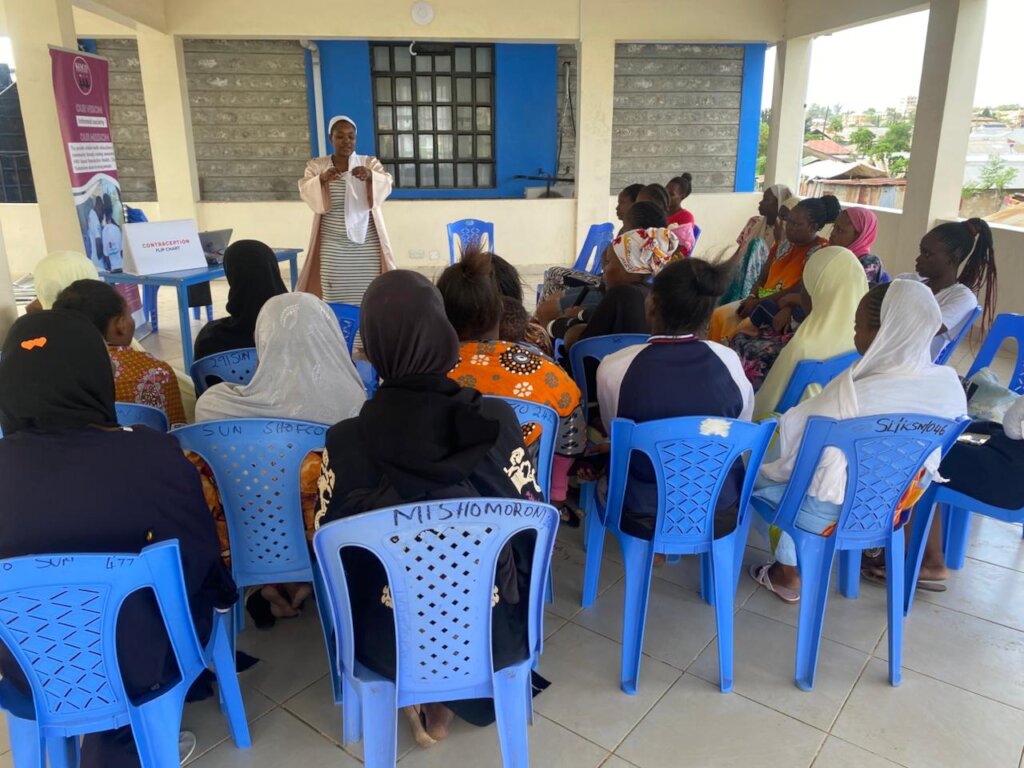
Figure 1. Students at Bedzimba Primary attending the education workshop
5. Activity Implementation
5.1 Menstrual Health Education
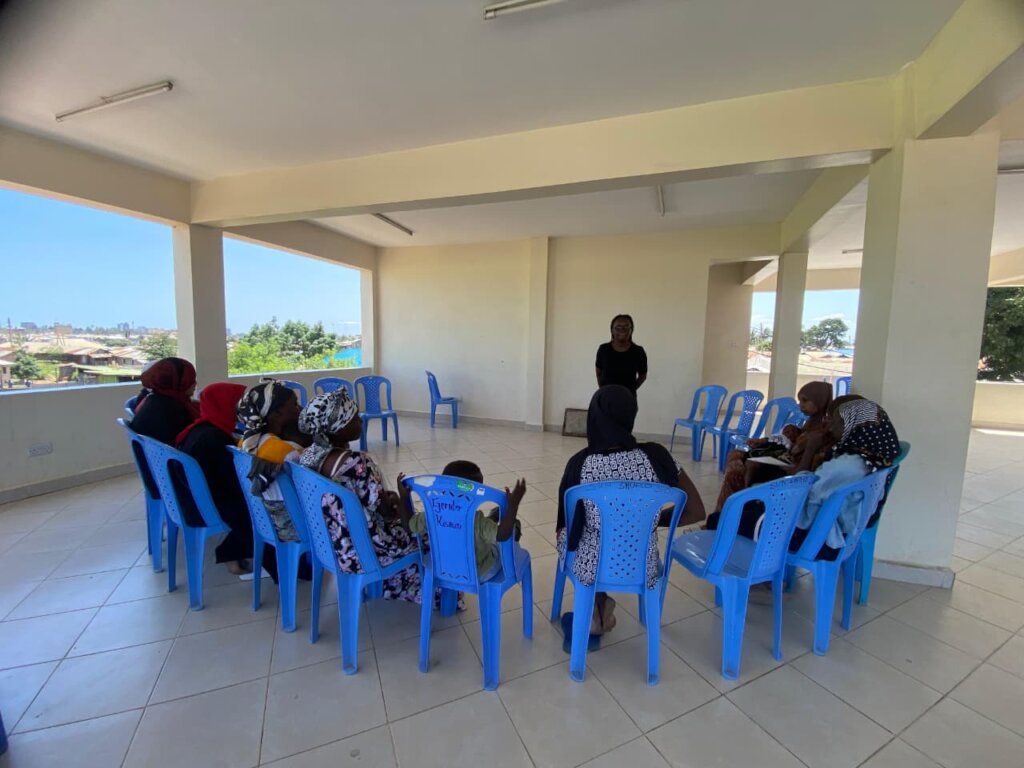
KESCO conducted an interactive and age-appropriate menstrual health education session for the participating girls.
The session covered:
The interactive format provided girls with an opportunity to ask questions and discuss menstrual health concerns in a supportive environment.
Figure 2. KESCO facilitator leading a menstrual health session at Bedzimba Primary School.
5.2 Sanitary Pad Distribution
As part of the intervention, KESCO provided 144 Dignity sanitary pads packed in six cartons to support vulnerable girls.
The distribution complemented the education component by providing practical menstrual hygiene support.
The intervention also reinforced the need for continued resource mobilization because menstrual hygiene products are a recurring requirement and cannot be fully addressed through a single distribution.
Figure 3. KESCO team presenting cartons of Dignity sanitary pads to the students.
6. Results and Immediate Outcomes
The activity produced the following immediate results:
The education session provided girls with practical information on menstrual hygiene management and personal care.
Safe discussion of menstrual health
The session created an environment where girls could raise questions and discuss menstruation openly and respectfully.
Promotion of dignity and confidence
The intervention emphasized the importance of enabling girls to manage menstruation with dignity, confidence, and appropriate information.
Continuing needs identified
The activity confirmed the need for sustained access to menstrual hygiene products and continued menstrual health education.
7. Contribution to Girls' Education
The intervention contributes to KESCO's broader goal of supporting 400 vulnerable girls to return to and remain engaged in education.
Menstrual health is one of the practical issues that can influence girls' experience and participation at school. Providing menstrual health information and sanitary products helps address an immediate challenge that vulnerable girls may face.
KESCO recognizes that a single activity cannot independently demonstrate improvements in school attendance or retention. Such outcomes require longer-term monitoring.
The intervention should therefore be viewed as a practical contribution toward reducing menstrual health-related barriers and creating a more supportive environment for girls' continued participation in education.
8. Challenges Identified
The main challenge identified was the continuing need for reliable access to menstrual hygiene products.
Although the 144 sanitary pads provided immediate assistance, menstrual hygiene needs recur each month. One-time distributions therefore cannot fully address the long-term needs of vulnerable girls.
The activity also highlighted the importance of regular menstrual health education to reinforce knowledge, address misinformation and strengthen girls' confidence in managing menstruation.
These findings reinforce the need for sustained programming and resource mobilization.
9. Lessons Learned
1. Education and practical support are complementary
Girls benefit from receiving accurate menstrual health information alongside access to the products required to manage menstruation.
2. Sustainable support is essential
Menstrual hygiene is a recurring need, making continued resource mobilization important.
3. Safe spaces encourage participation
Girls are more likely to ask questions and discuss menstrual health concerns when they feel respected and supported.
4. School-based interventions provide an effective platform
Schools provide direct access to girls and create an appropriate environment for delivering menstrual health education and support.
5. Menstrual health should remain integrated into girls' education programming
Addressing menstrual hygiene challenges complements KESCO's broader efforts to promote girls' wellbeing and participation in education.
10. Monitoring and Accountability
KESCO documented the key outputs of the intervention, including:
KESCO will continue strengthening its monitoring and documentation systems to track project implementation, outputs and longer-term outcomes.
11. Next Steps
Following the Bedzimba intervention, KESCO plans to:
12. Resource Mobilization Priorities
The Bedzimba activity demonstrated that menstrual health support can provide immediate assistance while also revealing the importance of sustained investment.
KESCO is seeking additional resources to expand support for vulnerable girls through:
Continued donor investment will enable KESCO to address recurring menstrual health needs and strengthen practical support for girls working to remain engaged in education.
13. Conclusion
The menstrual health intervention conducted at Bedzimba Primary School on 4 September 2026 was an important activity under KESCO's Help 400 Vulnerable Girls Return to School project.
The intervention successfully reached its immediate targets, with 60 girls receiving menstrual health education and 144 Dignity sanitary pads packed in six cartons provided to address immediate menstrual hygiene needs.
By combining education with practical menstrual hygiene support, KESCO addressed an immediate need while creating an opportunity for girls to discuss menstruation openly, strengthen their knowledge and promote dignity and confidence.
At the same time, the activity highlighted the continuing need for sustainable menstrual health support. KESCO will build on this intervention by mobilizing additional resources, strengthening school engagement and expanding support to more vulnerable girls.
KESCO remains committed to ensuring that vulnerable girls have the knowledge, support and resources needed to manage menstruation with dignity and participate meaningfully in their education.
Project reports on GlobalGiving are posted directly to globalgiving.org by Project Leaders as they are completed, generally every 3-4 months. To protect the integrity of these documents, GlobalGiving does not alter them; therefore you may find some language or formatting issues.
If you donate to this project or have donated to this project, you can receive an email when this project posts a report. You can also subscribe for reports without donating.



Support this important cause by creating a personalized fundraising page.
Start a Fundraiser