By Nishain Lobo | Content Editor
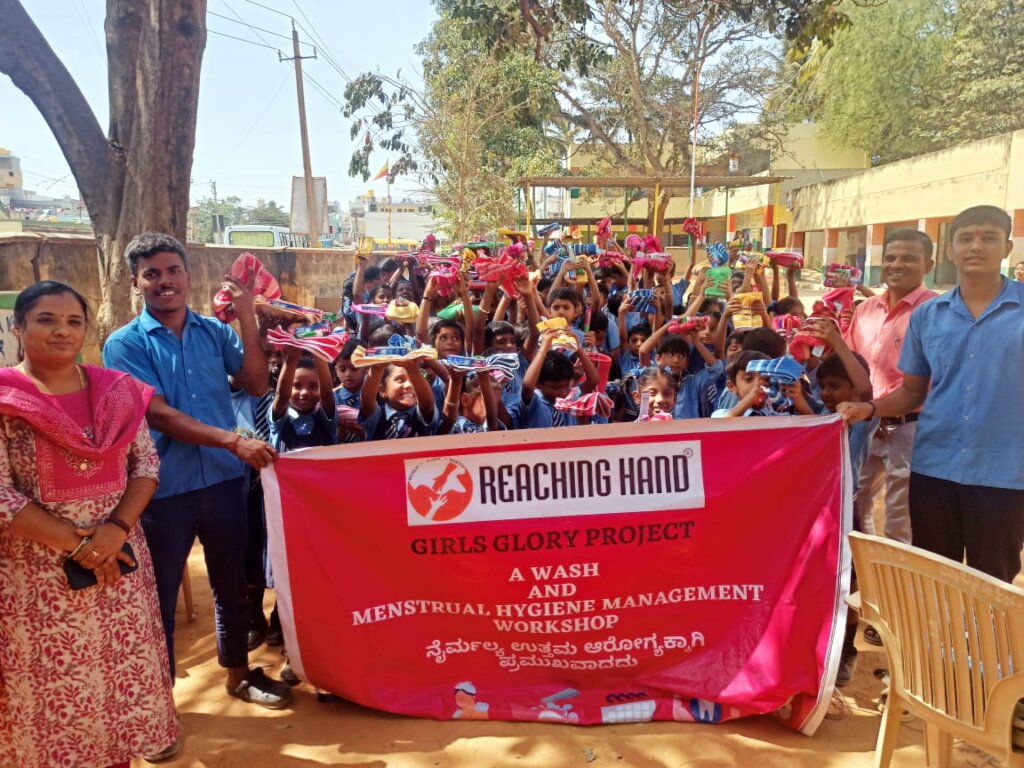
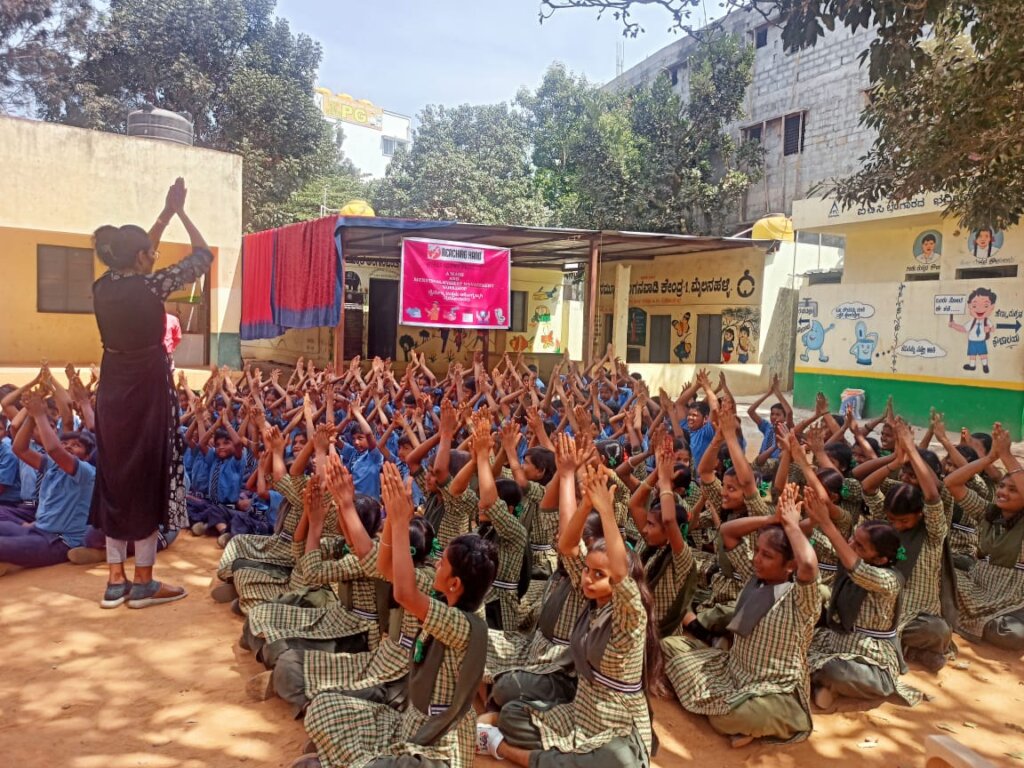
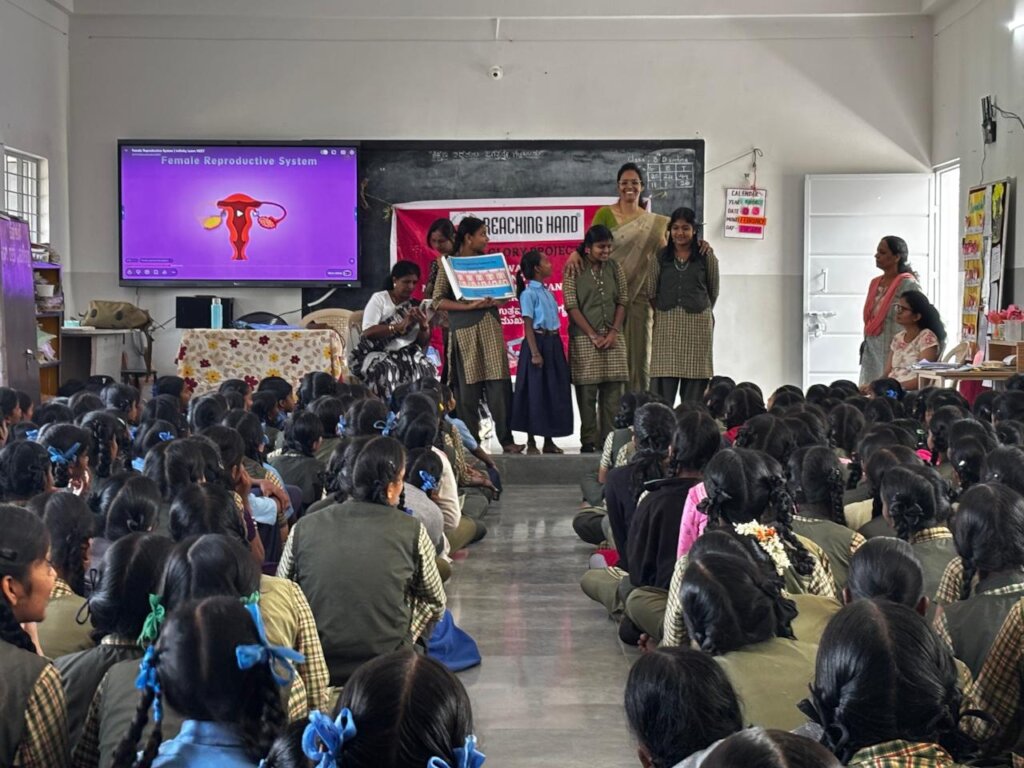
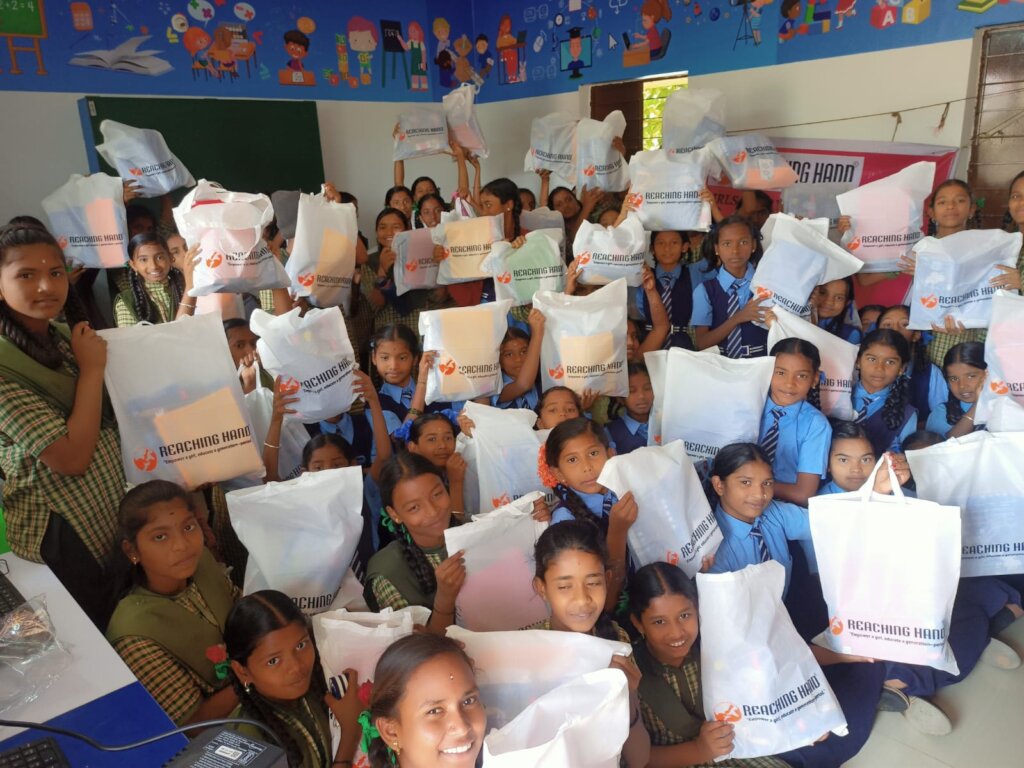
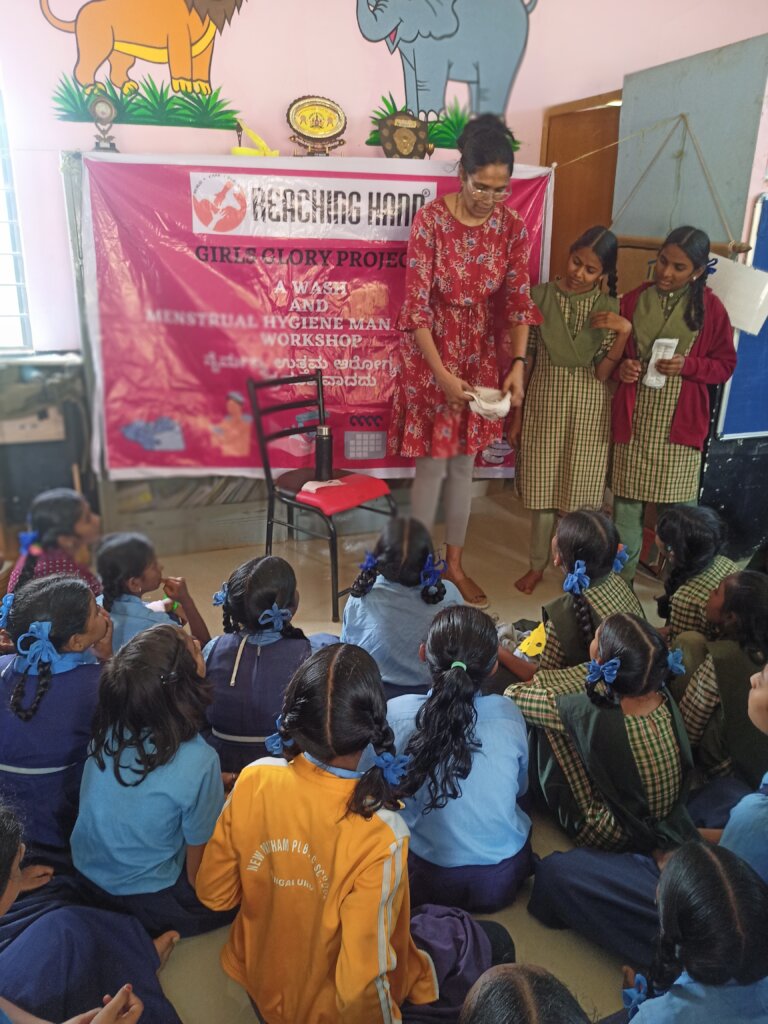
Reaching Hand extends its heartfelt gratitude to our donors for their ongoing support over the past quarter. We are delighted to present the key achievements from our recent events and activities, demonstrating the real difference your generosity has made to our communities.
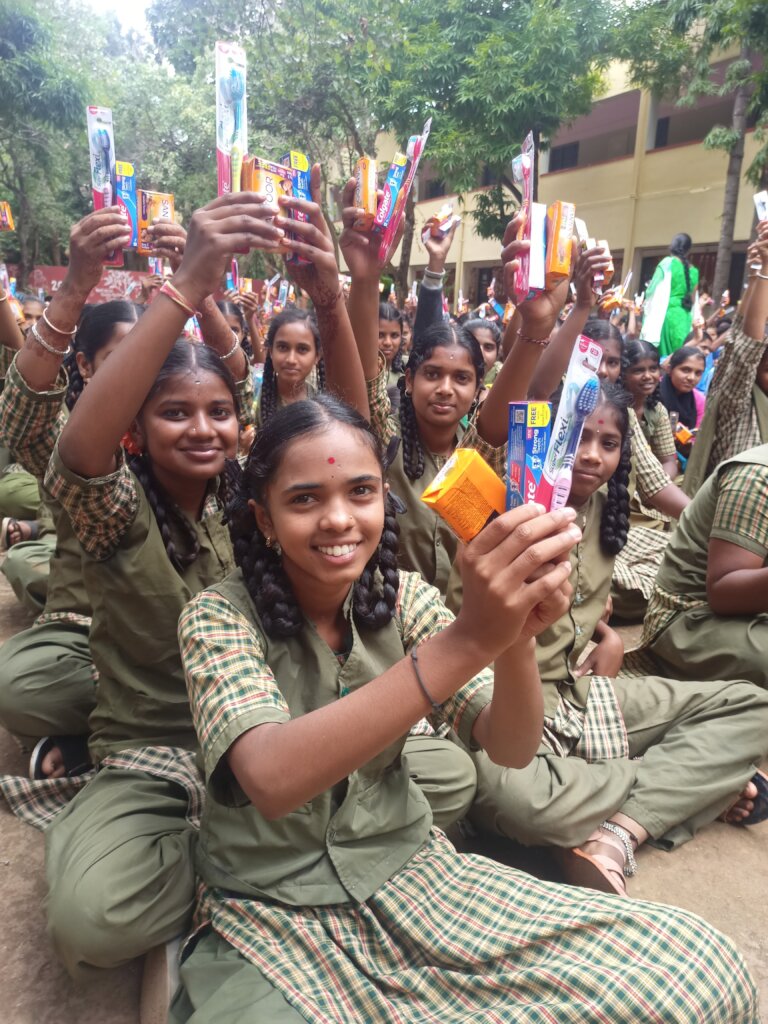
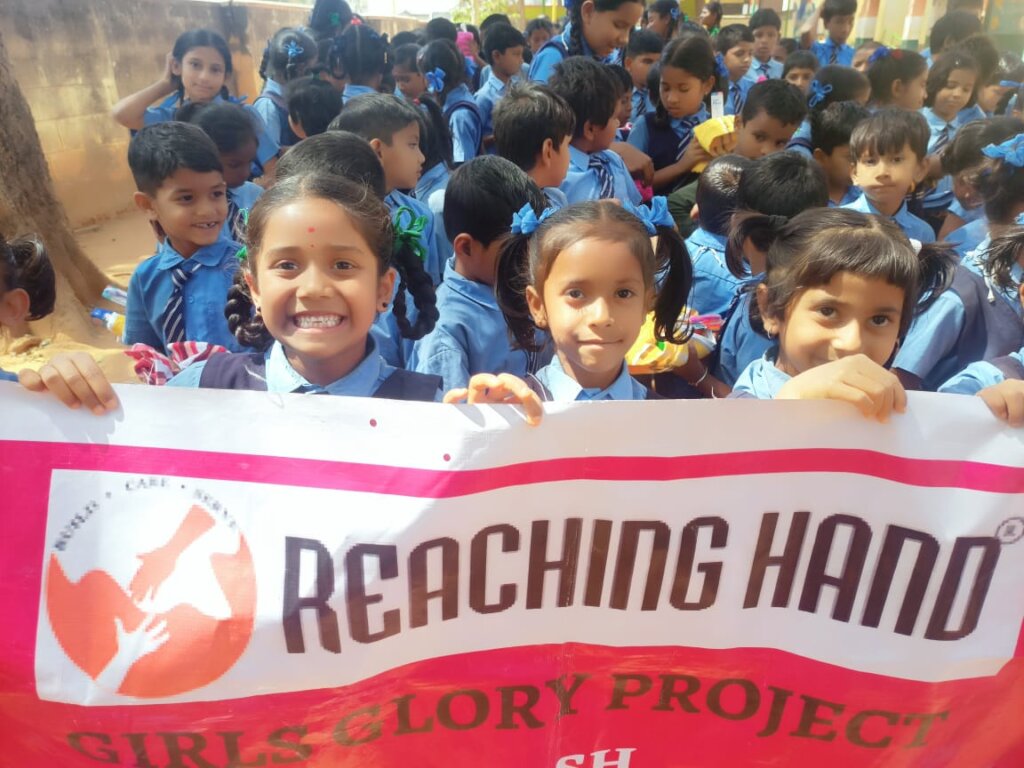
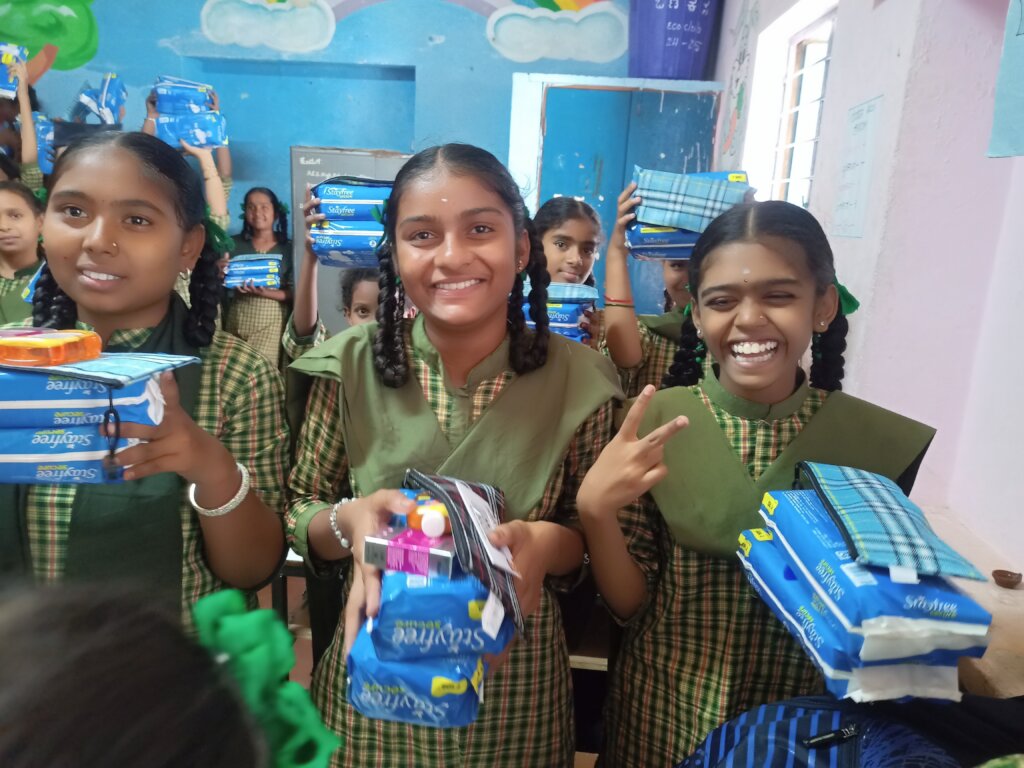
Thanks to you, adolescent girls are receiving a dignified education as we break menstrual taboos, curb absenteeism and prevent school dropouts, while students of all genders benefit from our drive for better hygiene and sanitation practices.
Menstruation is a natural biological process experienced by roughly half the world's population for a significant portion of their lives. Yet, despite being a fundamental aspect of reproductive health, conversations surrounding periods, menstrual hygiene and waste disposal remain shadowed by stigma, inadequate infrastructure and silence.
To build a society that supports health, dignity, and environmental sustainability, we need to take a simple yet transformative stance: Be Kind. Period.
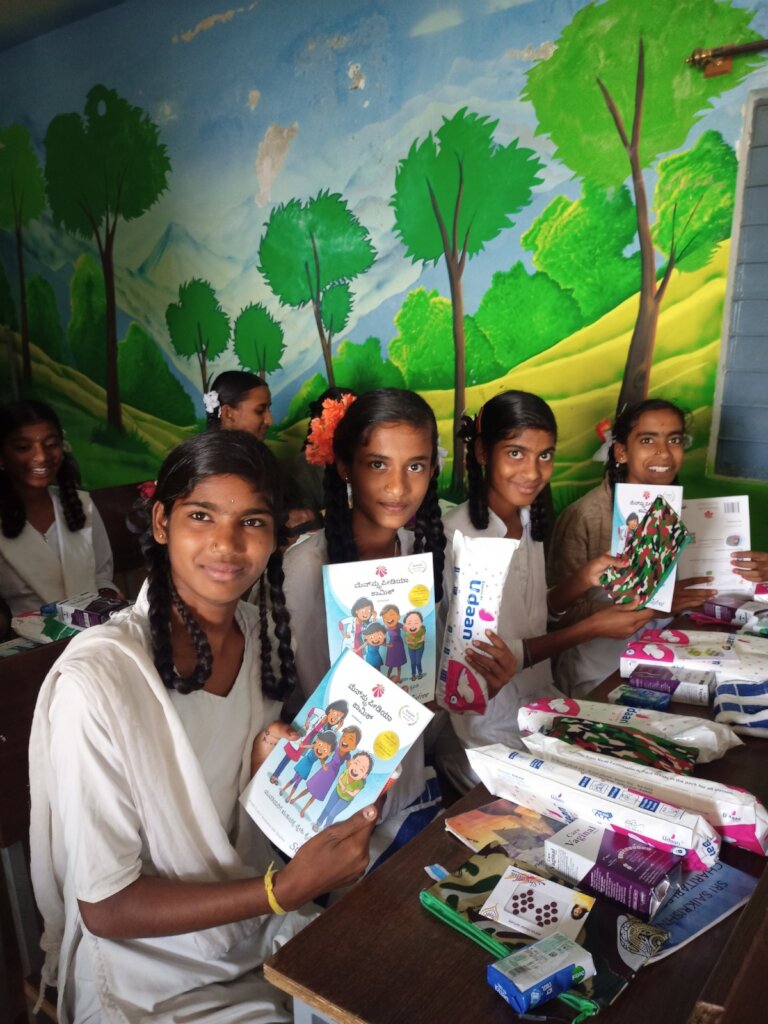
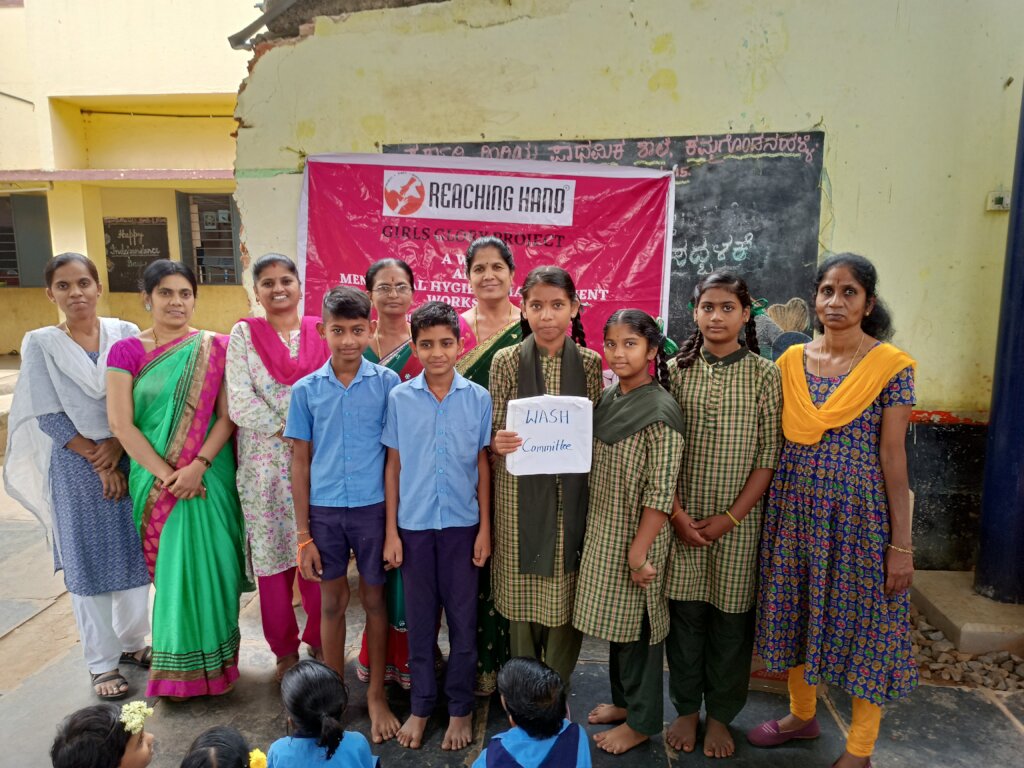
Reaching Hand has always been in the forefront addressing these issues.Let’s start with beyond the basics. Menstrual Health. In the last quarter we addressed the following issues with our students at various government schools.
1. Menstrual Hygiene: Beyond the Basics
Menstrual Hygiene Management (MHM) is defined as women and adolescent girls using clean menstrual management.
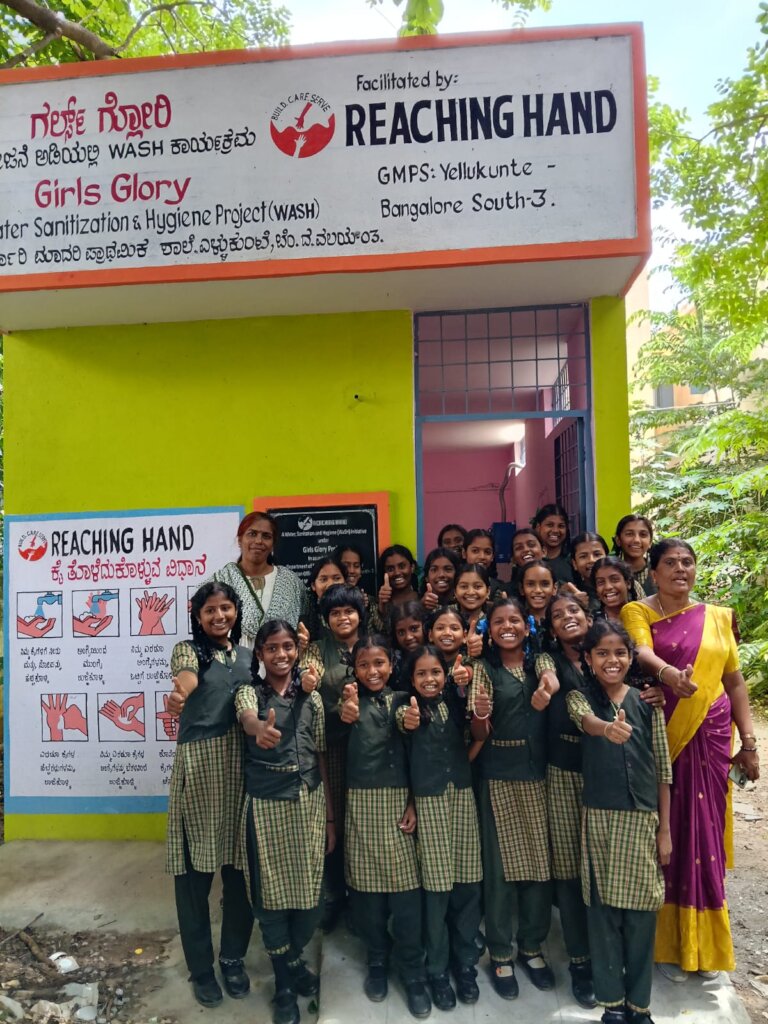
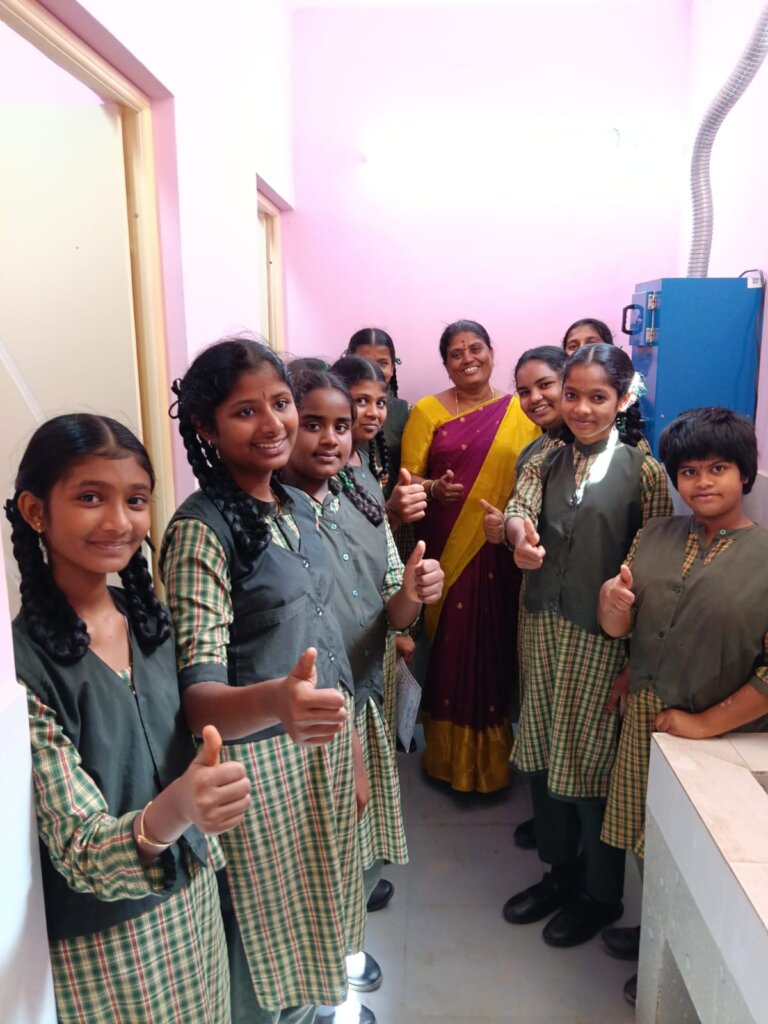
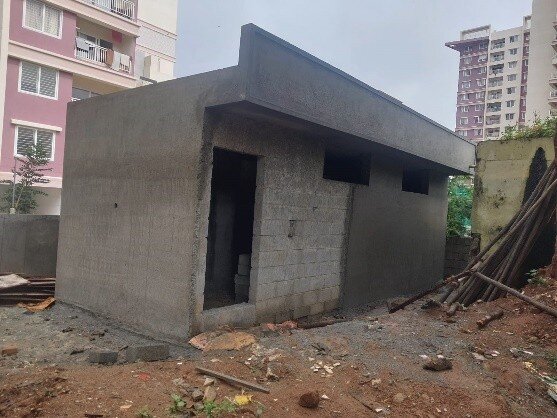
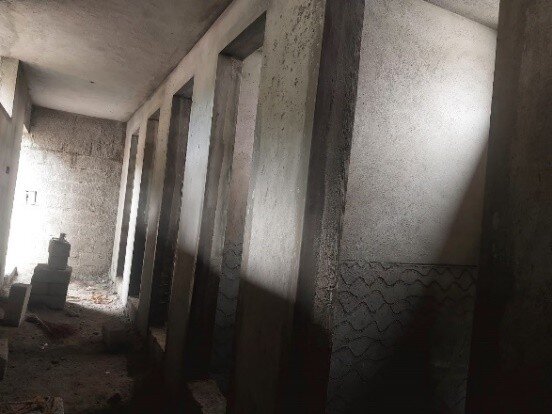
We build toilet rooms for adolescent girls in government schools to ensure that they have
access to safe MHM:
When menstrual hygiene is compromised, it directly impacts education and livelihood. Young girls miss school every month simply because their school facilities lack basic privacy, clean water, or disposal mechanisms.
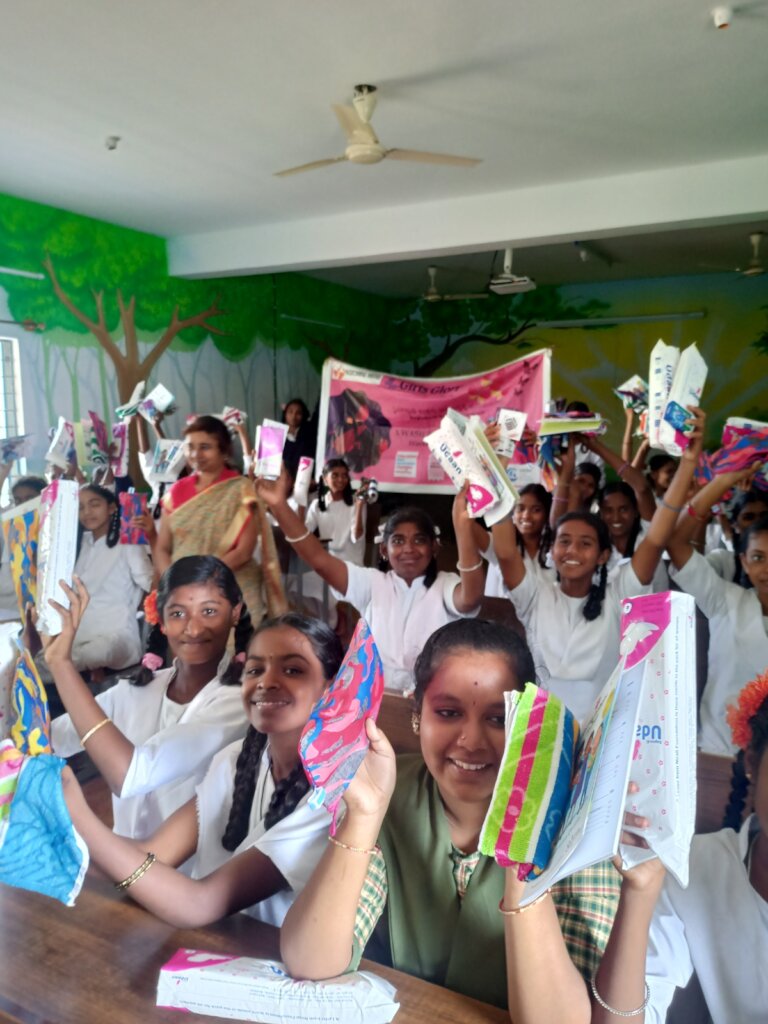
2. Breaking the Taboo: Kindness Through Openness
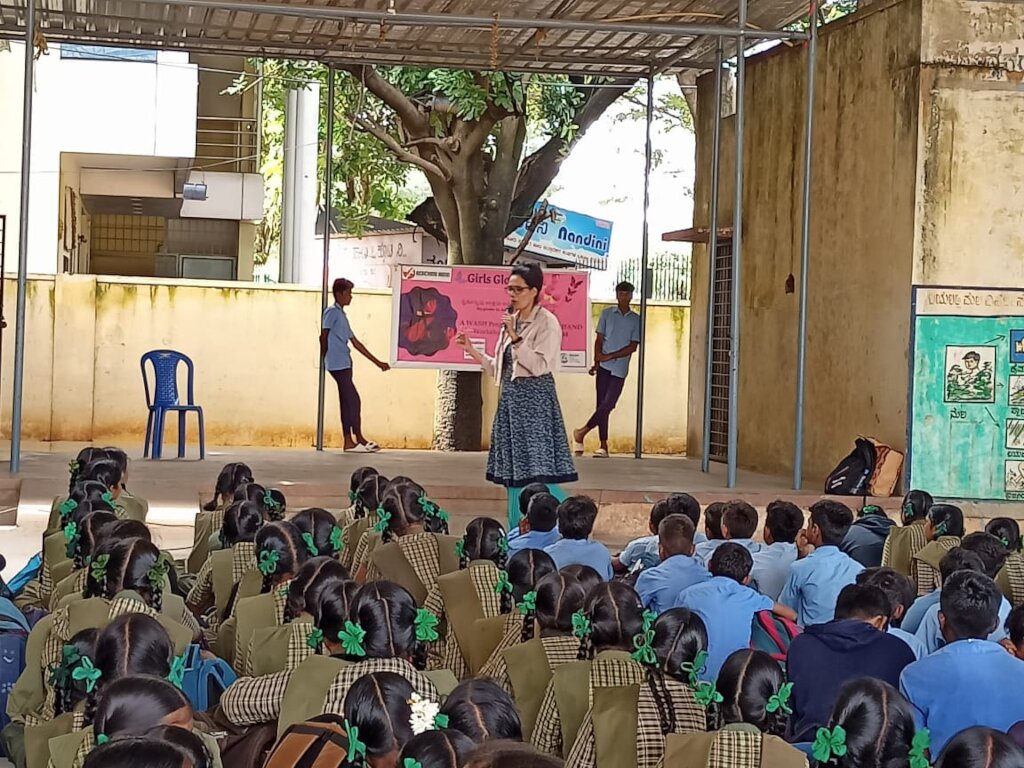
For generations, periods have been spoken about in hushed tones, hidden behind plastic bags, or referred to with vague euphemisms. Kindness begins with normalizing the conversation.
Dignity starts with awareness. Reaching Hand ensures that the right way to do it is through open dialogue and kindness. Educating everyone—regardless of gender—eradicates shame, fosters supportive environments in schools and turns empathy into action.
3. The Environmental Challenge of Menstrual Waste
As awareness grows and access to commercial sanitary products expands, a secondary challenge emerges: waste management.
Standard commercial sanitary pads are composed of up to 90% plastic, synthetic fibers, and chemical absorbent polymers. A single non-biodegradable sanitary pad can take up to 500 to 800 years to decompose in a landfill. When flushed down toilets, they choke sewerage systems and pose severe health hazards to sanitation workers who must clear blockages manually.
4. Pad Incinerators: A Clean, Sustainable Solution
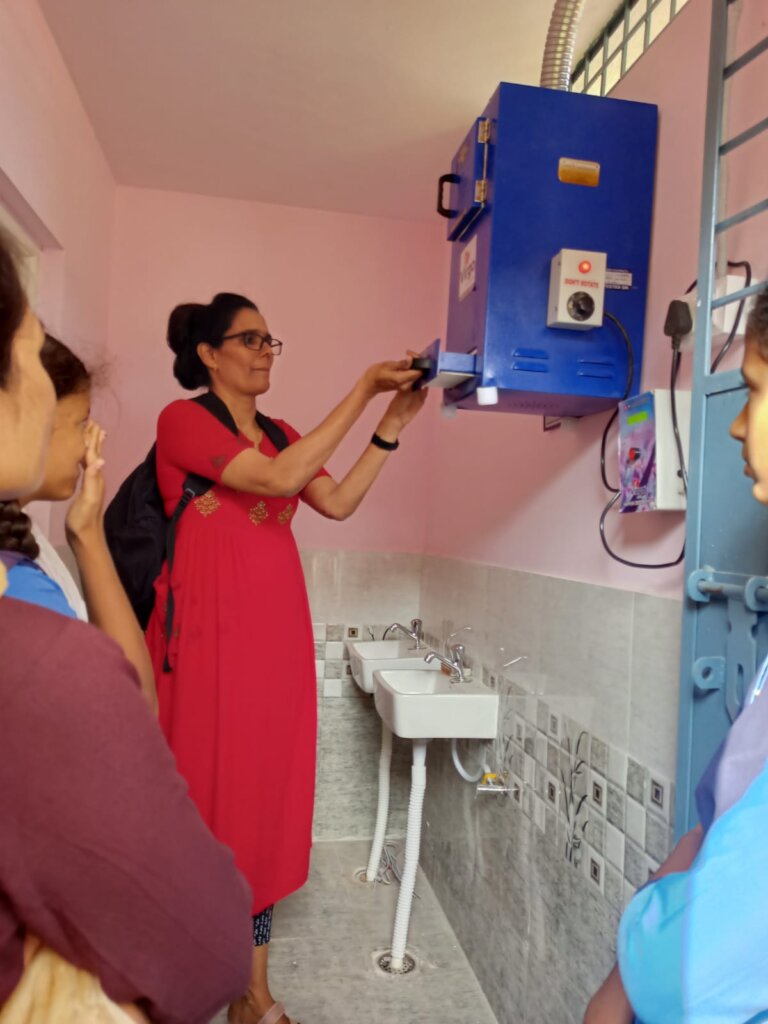
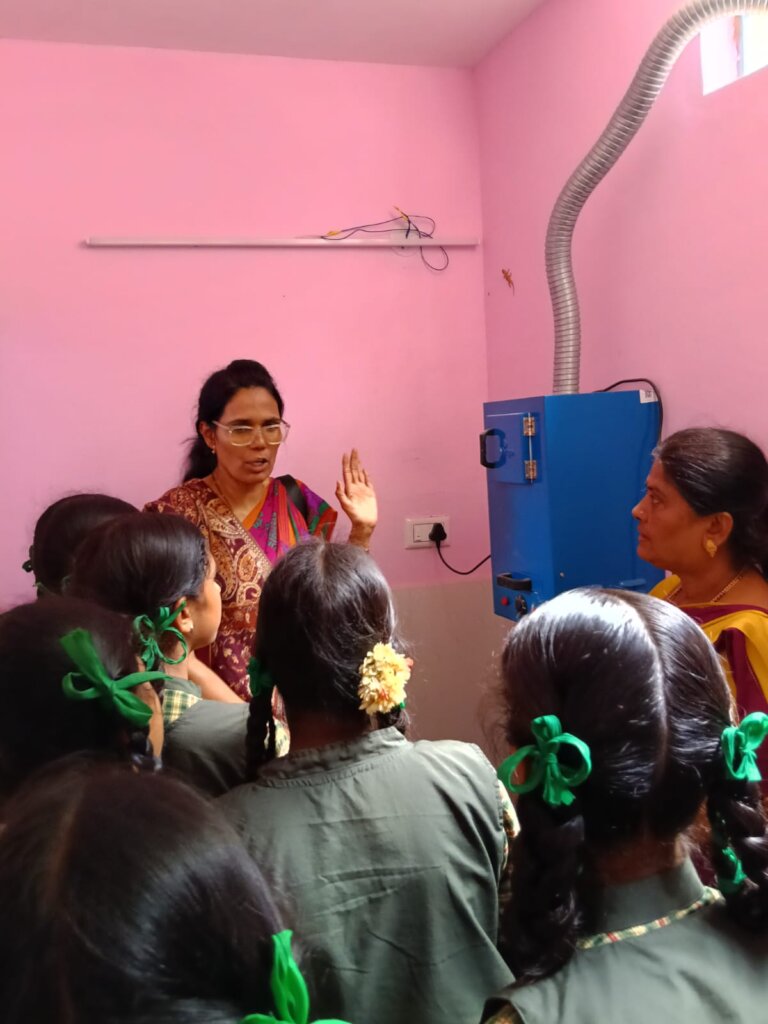
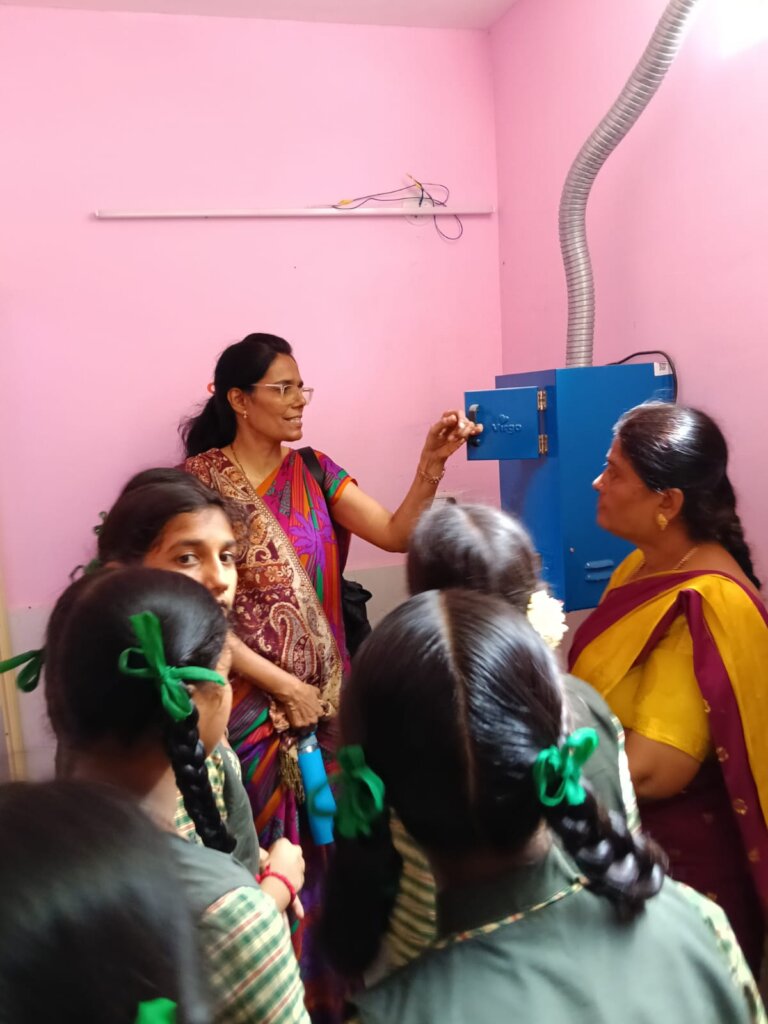
To bridge the gap between menstrual access and environmental safety, Pad Incinerators have emerged as an essential modern infrastructure component for schools especially government schools. We teach students to take responsibility and by educating them on how to use these incinerators.
How Sanitary Pad Incinerators Work
Pad incinerators are compact, automated electrical units designed to burn used sanitary napkins at high temperatures, reducing them to a tiny amount of sterile ash.
Moving Forward: Actionable Kindness
We are creating a period-friendly world with actions at every level:
Educate Early: We want to help schools Include comprehensive menstrual health education in school curricula for all students.
Choose Sustainable Options: Where feasible, We have been exploreing eco-friendly disposal methods or reusable options like menstrual cups and biodegradable pads.
Normalize the Subject: We treat menstrual products like any other basic health supply, such as soap or toilet paper and educate this idea as well.
Being kind means ensuring that no one feels ashamed, restricted, or unsanitary because of a natural body process. By combining empathetic education with proper infrastructure like pad incinerators, we protect both human dignity and our planet.
Be Kind. Period.
By Nishain Lobo | Content Editor
By Nishain Lobo | Content Editor
Project reports on GlobalGiving are posted directly to globalgiving.org by Project Leaders as they are completed, generally every 3-4 months. To protect the integrity of these documents, GlobalGiving does not alter them; therefore you may find some language or formatting issues.
If you donate to this project or have donated to this project, you can receive an email when this project posts a report. You can also subscribe for reports without donating.



Support this important cause by creating a personalized fundraising page.
Start a Fundraiser