Project Report
| Jun 12, 2026
Clean water access for Rural communities in Tororo
By Henry Okumu | Project Leader
Strengthening Partnerships for Greater Impact
Strong partnerships remain essential to achieving sustainable water access across Tororo District. Throughout this quarter, collaboration among community leaders, local authorities, volunteers, and beneficiaries continued to drive project success.
Regular stakeholder meetings provided opportunities to review progress, discuss challenges, and identify practical solutions. Community representatives actively contributed ideas that improved project implementation and strengthened local ownership.
These partnerships have enhanced accountability and encouraged shared responsibility for maintaining water facilities. Local leaders continue mobilizing residents to participate in maintenance activities and support community development initiatives.
The combined efforts of all stakeholders have helped maximize project impact and ensure that resources are used effectively. Communities feel empowered when they are included in decision-making processes and recognized as partners in development.
Together, we are building a stronger foundation for sustainable access to clean and safe water. We remain grateful to all supporters who make this important work possible.
![Share on Twitter]()
![Share on Facebook]()
Jun 12, 2026
Clean water access for Rural communities in Tororo
By Henry Okumu | Project Leader
Improving Child Health Through Clean Water
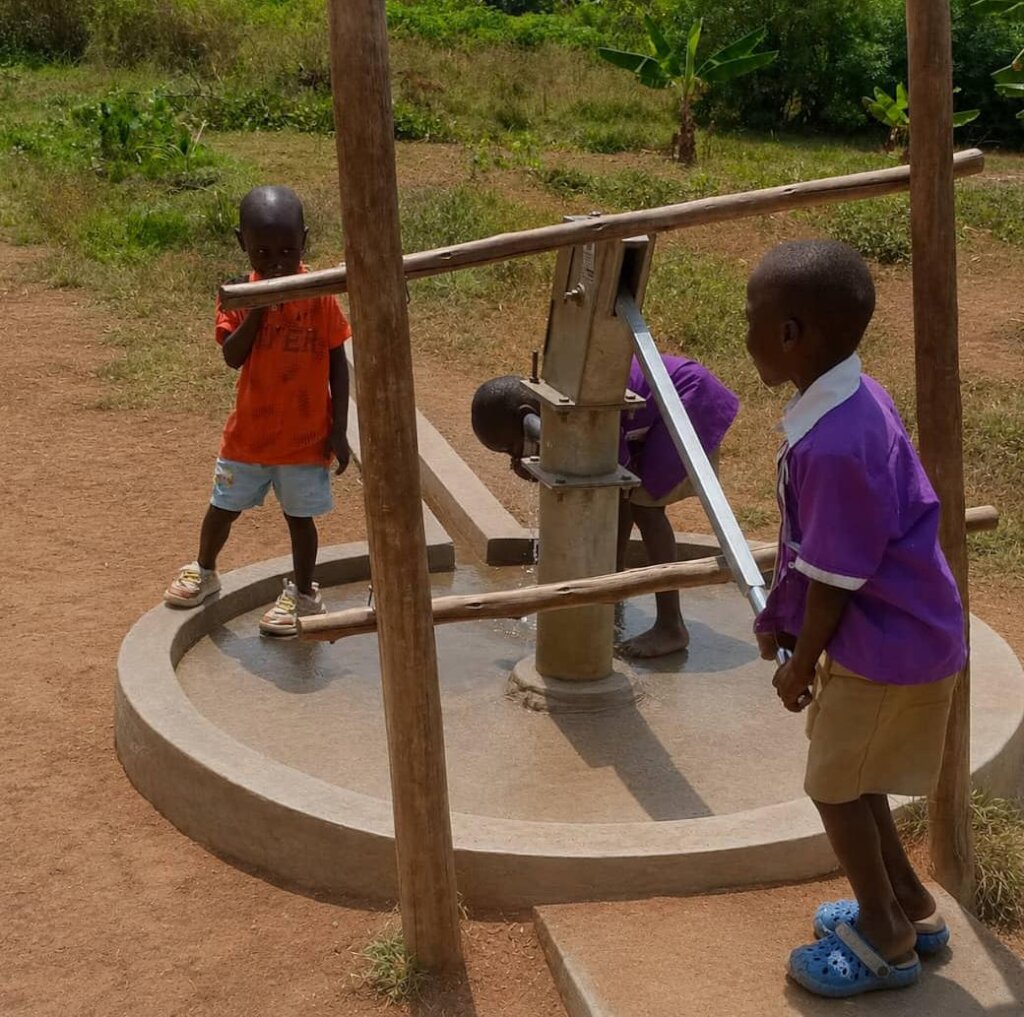
Children are among the greatest beneficiaries of improved access to safe water. In many rural communities, waterborne illnesses remain a significant threat to child health and development.
This reporting period saw encouraging improvements in the well-being of children living in project communities. Parents report fewer cases of diarrhea and other water-related illnesses among their children. Improved access to safe drinking water has contributed to healthier households and reduced medical expenses.
Health education sessions emphasized the importance of hygiene practices such as handwashing before meals and after using latrines. Schools reinforced these messages through daily hygiene activities and health clubs.
Teachers observed improved attendance and participation among students. Healthy children are better able to concentrate in class, engage in learning activities, and achieve academic success.
Families are increasingly aware of the relationship between clean water and child health. Many have adopted safer water storage methods and improved sanitation practices within their homes.
By investing in clean water, donors are helping protect children from preventable diseases and giving them the opportunity to grow, learn, and reach their full potential.
![Share on Twitter]()
![Share on Facebook]()
Jun 12, 2026
Clean water access for Rural communities in Tororo
By Henry Okumu | Project Leader
Building Resilience During Dry Seasons
Seasonal water shortages remain a major challenge for many rural communities in Eastern Uganda. During dry periods, traditional water sources often become unreliable, forcing families to travel even greater distances in search of water.
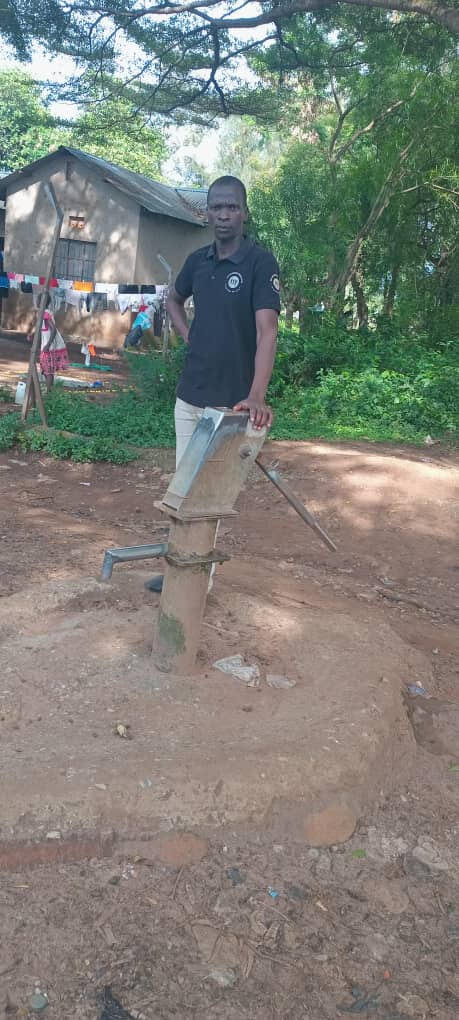
This quarter, our clean water initiative helped communities become more resilient in the face of seasonal challenges. Improved water infrastructure and community management systems ensured continued access to safe water even during periods of reduced rainfall.
Residents expressed relief knowing that they have a dependable source of water close to home. Families no longer experience the same level of uncertainty and hardship that previously accompanied dry seasons. Children are able to continue attending school regularly, while adults maintain their daily activities without major disruptions.
Community water committees played an important role in promoting responsible water use and monitoring water availability. Their leadership has helped communities prepare for future challenges and maintain access to essential resources.
Access to reliable water is a critical component of climate resilience. By strengthening local systems and supporting community ownership, the project is helping families adapt to changing environmental conditions.
We are thankful to our donors whose support continues to strengthen resilience and improve lives throughout Tororo District.
![Share on Twitter]()
![Share on Facebook]()