Project Report
| Jun 12, 2026
Clean water access for Rural communities in Tororo
By Henry Okumu | Project Leader
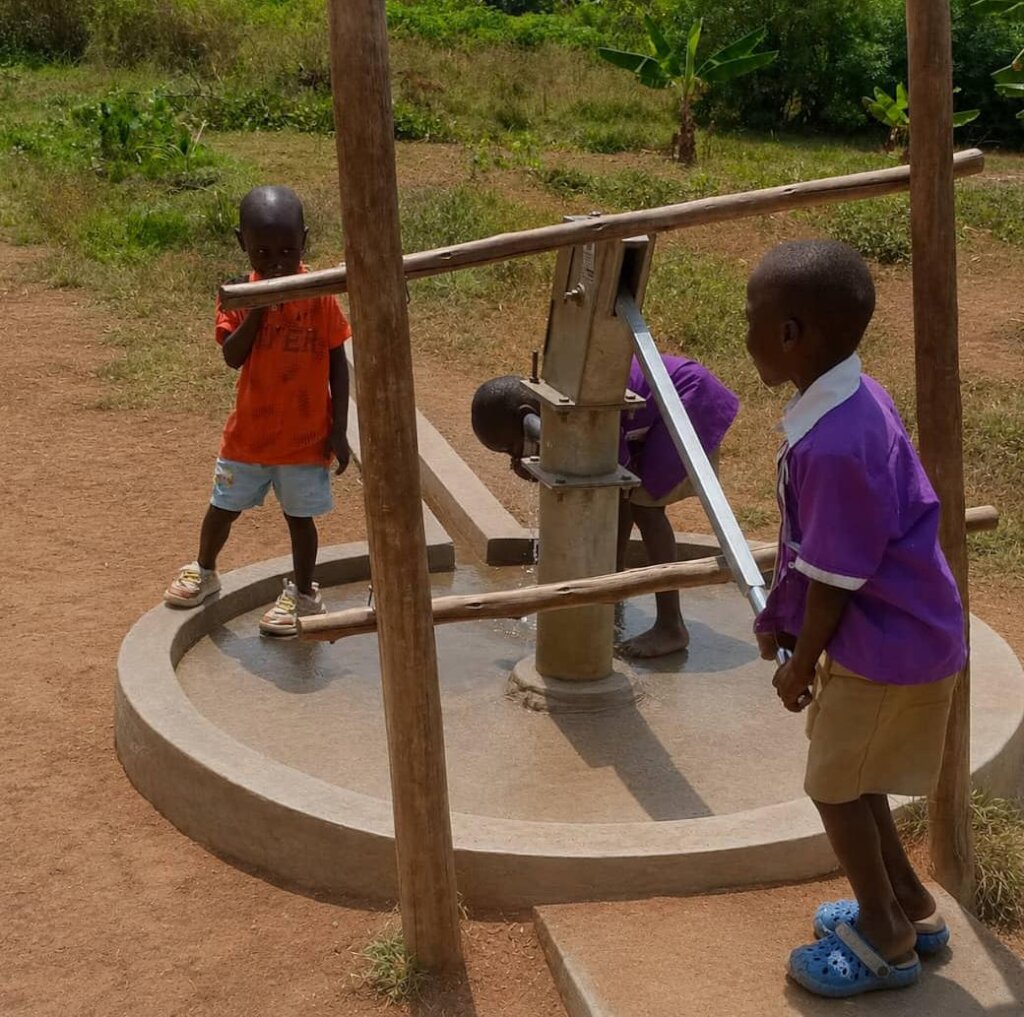
Community Hygiene Education Strengthens Health Outcomes Providing access to clean water is only one part of improving public health. Equally important is ensuring that communities understand the importance of proper hygiene and sanitation practices. During this quarter, our project continued to integrate hygiene education into all water-related activities. Community health volunteers conducted awareness sessions across several villages in Tororo District. Participants learned about handwashing with soap, safe water storage, household sanitation, and environmental cleanliness. Demonstrations helped families understand how diseases spread and how simple preventive measures can protect their health. Mothers and caregivers showed great enthusiasm during these training sessions. Many reported adopting improved hygiene practices at home and teaching their children the importance of cleanliness. Schools also participated by strengthening handwashing routines and encouraging students to become hygiene ambassadors within their families. Health centers serving project communities have reported encouraging signs of reduced water-related illnesses. Families are seeking preventive health information and becoming more proactive in maintaining healthy living environments. The combination of clean water access and hygiene education is creating lasting change. Communities are increasingly aware that protecting their health requires both safe water and responsible behavior. These efforts are helping build a culture of prevention and well-being. Thanks to donor support, thousands of people are gaining not only access to water but also the knowledge needed to protect themselves and their families from preventable diseases.
Jun 12, 2026
Clean water access for Rural communiti in Tororo D
By Henry Okumu | Project Leader
Transforming Lives Through Reliable Water Access
Access to reliable and safe water continues to bring transformative change to rural communities in Tororo District. For many years, families depended on seasonal streams and unprotected water sources that often dried up during prolonged dry periods. This forced households to travel long distances in search of water, affecting productivity, education, and family well-being.
During this reporting period, community members reported significant improvements in their daily lives due to increased access to clean water. Families are now spending less time collecting water and more time engaging in productive activities such as farming, small businesses, and childcare. Women, in particular, have benefited greatly from the reduced burden of water collection.
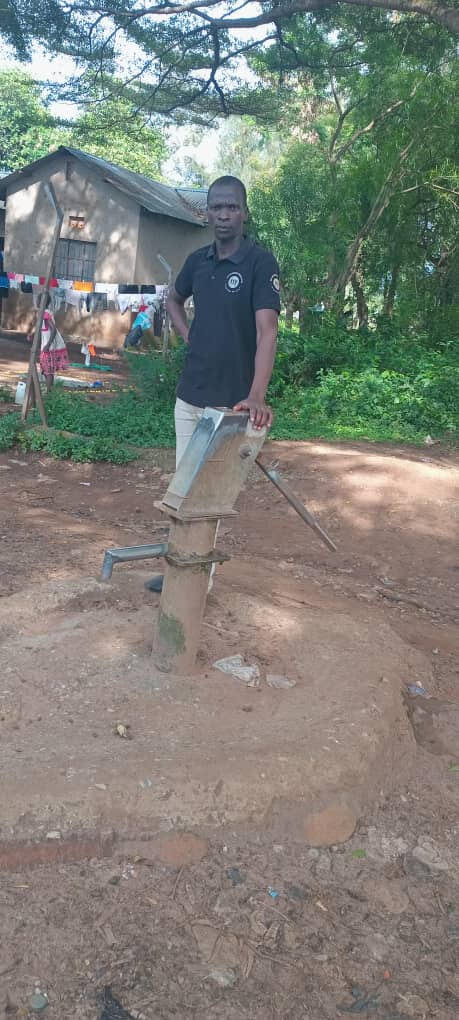
The project also continued promoting water conservation and proper usage practices. Community sensitization meetings encouraged residents to protect water facilities and maintain cleanliness around water collection points. Water user committees remain actively involved in monitoring the condition of water sources and coordinating maintenance activities.
Health workers have observed improved hygiene practices among households using safe water sources. Families are more likely to wash their hands regularly, clean cooking utensils properly, and store drinking water safely. These changes contribute to healthier communities and reduced disease transmission.
The positive impact of clean water extends beyond immediate health benefits. It strengthens livelihoods, promotes education, and enhances overall community development. We remain grateful to our donors for supporting this life-changing initiative.
Jun 12, 2026
Clean Water Access for Rural communities in Tororo
By Henry Okumu | Project Leader
Strengthening Community Ownership of Water Sources
Community participation remains at the heart of our clean water initiative in Tororo District. Sustainable water access depends not only on infrastructure but also on strong local ownership and management systems.
During this reporting period, water user committees received additional training in leadership, maintenance planning, financial management, and conflict resolution. These committees play a critical role in ensuring water facilities remain functional and accessible to all community members.
da.or.ug +1
Community volunteers conducted awareness campaigns emphasizing the importance of protecting water sources from contamination. Residents participated in cleaning activities around water points and established guidelines for responsible use.
Local leaders have embraced their role in promoting accountability and transparency within water management structures. Regular meetings allow community members to discuss challenges and identify practical solutions.
As a result of these efforts, communities are becoming increasingly confident in their ability to manage water resources independently. Households understand the importance of contributing to maintenance efforts and reporting issues promptly.
The strong sense of ownership demonstrated by beneficiaries is helping ensure long-term sustainability. Community members recognize that clean water is a shared responsibility and are committed to preserving these valuable resources for future generations.
Your support continues to empower communities with the knowledge and tools they need to maintain safe water access and improve quality of life.