Project Report
| Jun 12, 2026
Clean water access for Rural communities in Tororo
By Henry Okumu | Project Leader
Empowering Youth Through Water and Hygiene Awareness
Young people play a critical role in promoting positive change within their communities. This quarter, our project increased efforts to engage youth in water, sanitation, and hygiene activities across rural Tororo District.
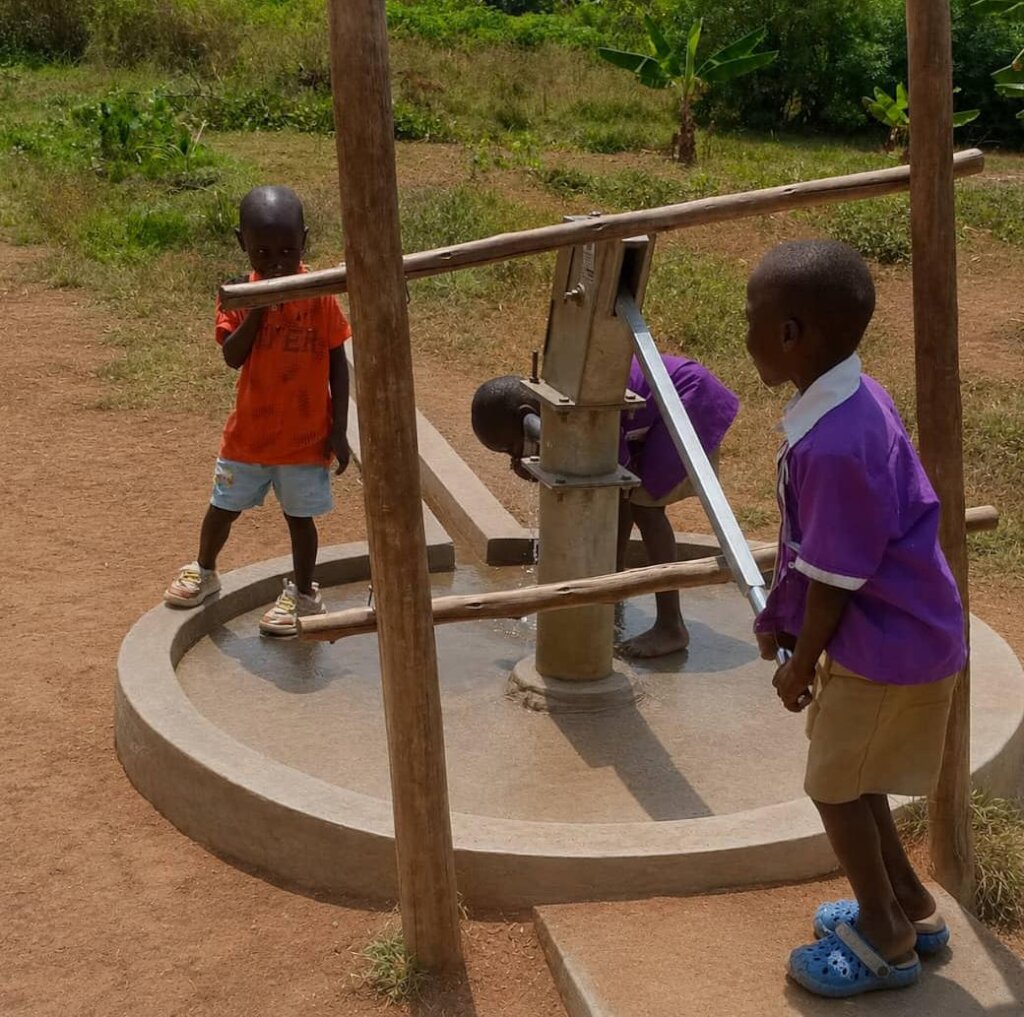
School clubs and community youth groups participated in awareness campaigns focused on safe water use, environmental protection, and personal hygiene. These activities encouraged young people to become advocates for healthy behaviors within their homes and schools.
Students learned practical skills related to water conservation, sanitation, and disease prevention. Many participants shared their knowledge with family members and neighbors, helping extend the project's impact beyond the classroom.
Teachers reported strong enthusiasm among students who participated in educational activities. Youth leaders also organized community clean-up exercises and awareness events that promoted responsible environmental practices.
By empowering young people with knowledge and leadership skills, we are helping build a generation committed to protecting water resources and improving community health. The involvement of youth strengthens sustainability and ensures that positive practices continue into the future.
Thank you for supporting initiatives that equip young people with the tools they need to become agents of change within their communities.
![Share on Twitter]()
![Share on Facebook]()
Jun 12, 2026
Clean water access for Rural communities in Tororo
By Henry Okumu | Project Leader
Improving Sanitation Alongside Water Access
Providing clean water and improving sanitation go hand in hand. During this quarter, our project continued promoting sanitation practices that complement efforts to increase access to safe water in rural communities throughout Tororo District.
Community awareness sessions focused on the importance of maintaining clean household environments, using proper sanitation facilities, and practicing effective handwashing. Health educators demonstrated how poor sanitation contributes to the spread of disease and encouraged families to adopt healthier habits.
Many households have embraced these messages and are taking active steps to improve sanitation around their homes. Parents are teaching children proper hygiene practices, while community leaders continue advocating for environmental cleanliness.
Schools participating in the project have strengthened sanitation programs by promoting handwashing and maintaining clean facilities for students. Teachers report that children are becoming champions of hygiene within their families and communities.
Health workers have observed encouraging improvements in hygiene-related behaviors. These positive changes are contributing to healthier families and reducing the burden of preventable illnesses.
By combining clean water access with sanitation education, we are creating sustainable improvements in public health. Thank you for helping us support communities as they build healthier and safer environments for future generations.
![Share on Twitter]()
![Share on Facebook]()
Jun 12, 2026
Clean water access for Rural areas in Tororo Distr
By Henry Okumu | Project Leader
Safe Water Brings Hope to Rural Households
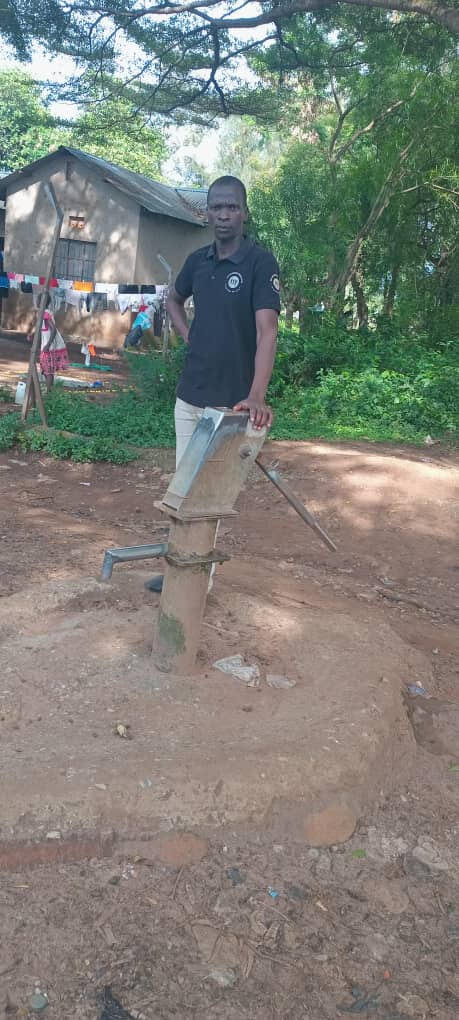
Access to clean and safe water continues to transform the lives of families throughout rural communities in Tororo District. For many years, households relied on unsafe water sources that exposed them to disease and required long hours of travel. The burden was especially heavy for women and children, who were often responsible for collecting water for daily household needs.
During this reporting period, families reported significant improvements in their quality of life due to increased access to safe water. Mothers shared stories of spending less time searching for water and more time caring for their children and participating in income-generating activities. Children are attending school more regularly because they no longer have to spend hours each day collecting water.
Community members have also adopted better hygiene practices, including regular handwashing and proper storage of drinking water. These changes are helping to reduce the spread of preventable diseases and improve overall health.
Local water management committees continue to play an important role in ensuring that water facilities remain functional and accessible. Through regular meetings and community engagement, these committees are strengthening local ownership and sustainability.
The impact of clean water extends far beyond health. It restores dignity, creates opportunities, and offers hope for a brighter future. We are deeply grateful to our donors whose continued support is making this transformation possible in rural Tororo District.
![Share on Twitter]()
![Share on Facebook]()