Project Report
| Jun 12, 2026
Clean water access for Rural communities in Tororo
By Henry Okumu | Project Leader
Strengthening Local Leadership for Sustainable Impact
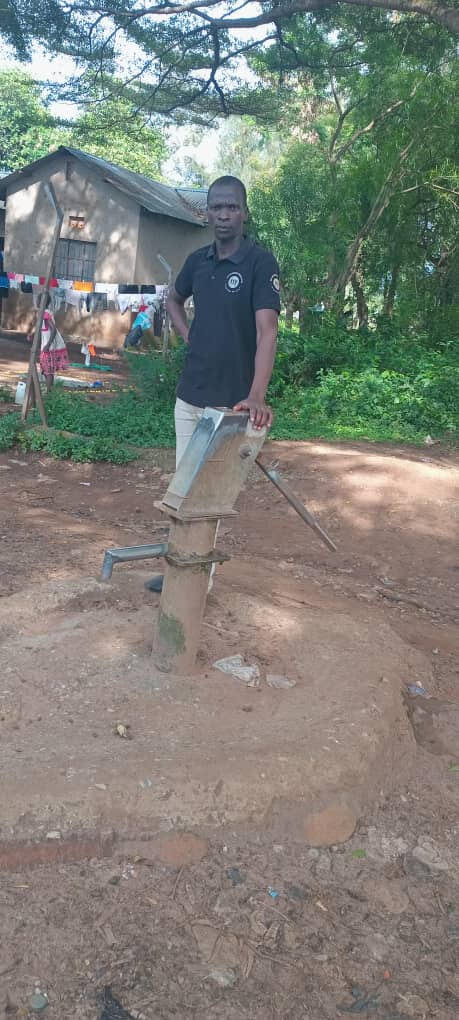
Strong local leadership plays a critical role in ensuring the success and sustainability of clean water projects. During this quarter, community leaders across Tororo District continued demonstrating commitment to improving water access and promoting healthy practices.
Village leaders worked closely with water user committees to address challenges, coordinate maintenance efforts, and encourage community participation. Their leadership has strengthened accountability and fostered greater cooperation among residents.
Regular meetings provided opportunities for community members to discuss concerns, share ideas, and identify practical solutions. These discussions have helped improve transparency and ensure that water facilities are managed effectively.
Leaders also supported hygiene education campaigns and encouraged households to adopt practices that promote health and sanitation. Their involvement has helped reinforce key project messages and increase community engagement.
By empowering local leaders, the project is building long-term capacity that will continue benefiting communities long after external support ends. Sustainable development depends on strong local institutions and committed leadership.
We appreciate our donors for helping strengthen the leadership structures that are essential for maintaining clean and safe water access throughout rural Tororo District.
![Share on Twitter]()
![Share on Facebook]()
Jun 12, 2026
Clean water access for Rural communities in Tororo
By Henry Okumu | Project Leader
Improving Household Well-Being Through Reliable Water Sources
Reliable access to clean water has brought meaningful improvements to household well-being across project communities in Tororo District. Families who previously struggled with water shortages now report greater stability in their daily lives.
Mothers and caregivers no longer spend excessive hours searching for water, allowing them to dedicate more time to caring for their families and pursuing economic opportunities. Household chores have become easier, and access to clean water has improved food preparation and personal hygiene.
Community members report feeling more confident and secure knowing they can access safe water throughout the year. This reliability reduces stress and helps families focus on long-term goals such as education, farming, and income generation.
Health benefits continue to be evident. Families are experiencing fewer water-related illnesses and reduced medical expenses. Improved hygiene practices are contributing to healthier living environments and greater overall well-being.
The project remains committed to strengthening community ownership and ensuring that water facilities remain sustainable. Water committees continue monitoring operations and encouraging responsible use of resources.
We are grateful to our donors whose support continues improving the lives of rural families and helping communities build stronger, healthier futures.
![Share on Twitter]()
![Share on Facebook]()
Jun 12, 2026
Clean water access for Rural communities in Tororo
By Henry Okumu | Project Leader
Clean Water Creating Better Futures for Children
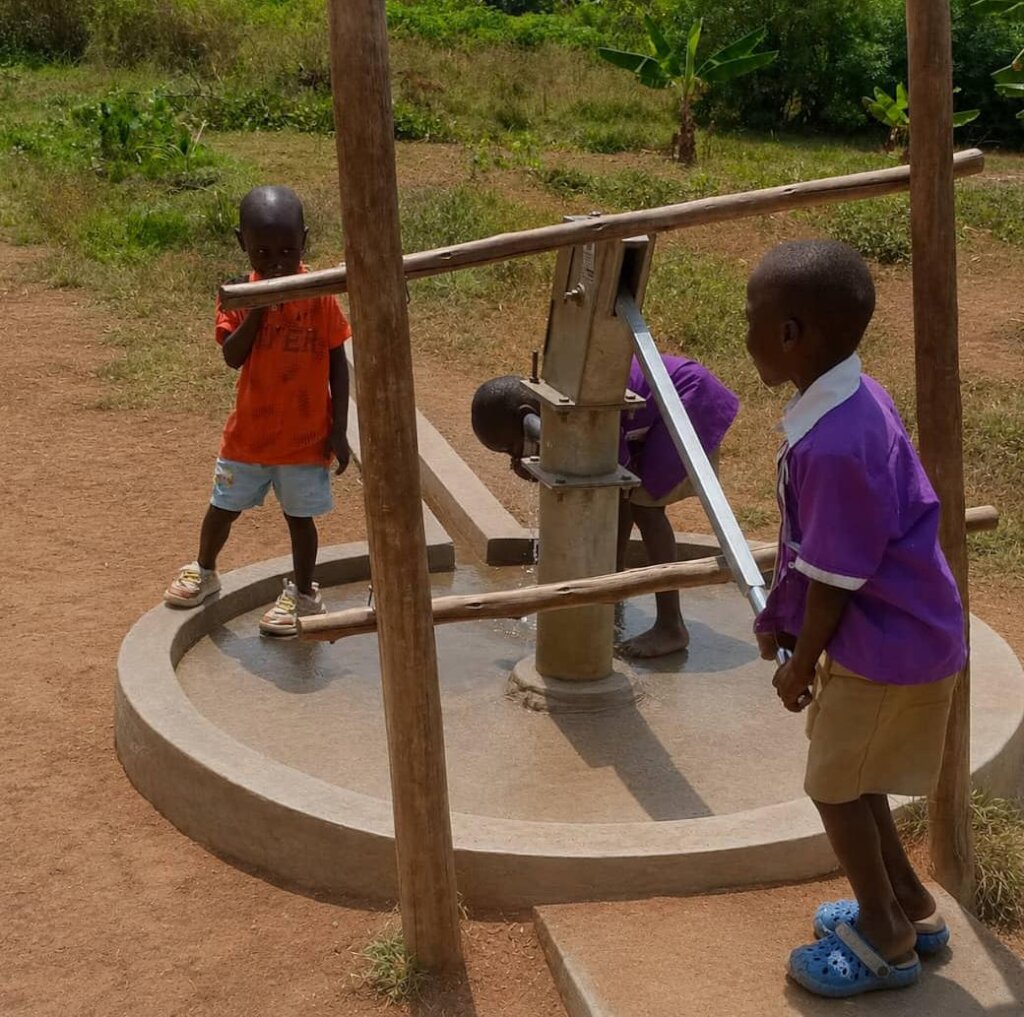
Children continue to experience some of the greatest benefits from improved access to clean and safe water in Tororo District. Before project interventions, many children spent significant portions of their day helping collect water from distant and unsafe sources.
Today, more children are attending school regularly because water is available closer to home. Parents report that students have more time for studying, homework, and participation in extracurricular activities. Teachers have also observed improved attendance and concentration among learners.
Health improvements are another major benefit. Access to safe drinking water and improved hygiene practices has contributed to fewer cases of diarrhea and other water-related illnesses. Healthy children are better able to learn, grow, and reach their full potential.
School-based hygiene education programs continue teaching students the importance of handwashing, sanitation, and environmental cleanliness. These young learners often share their knowledge with family members, helping spread positive practices throughout their communities.
The impact of clean water extends far beyond the classroom. It provides children with opportunities for better health, education, and personal development. Every child deserves the chance to grow up in a safe and healthy environment, and your support is helping make that vision a reality.
![Share on Twitter]()
![Share on Facebook]()