By Kathryn Reid | Communications Officer
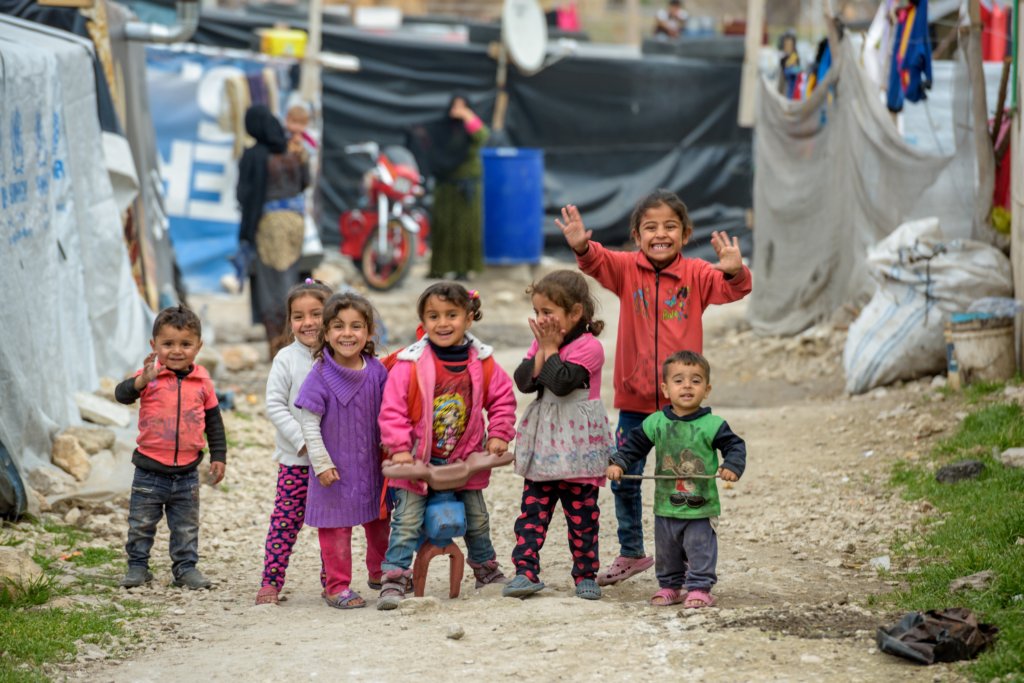
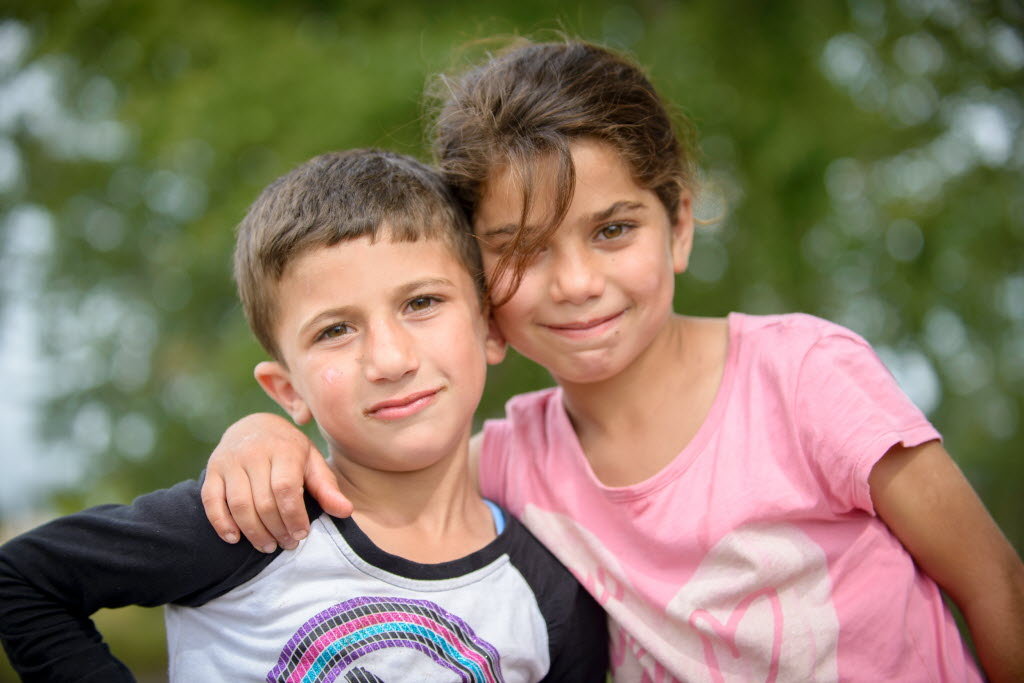
Syrian refugee children in Lebanon are haunted by their losses. But those who attend Child-Friendly Spaces have a chance to heal and reclaim their childhood.
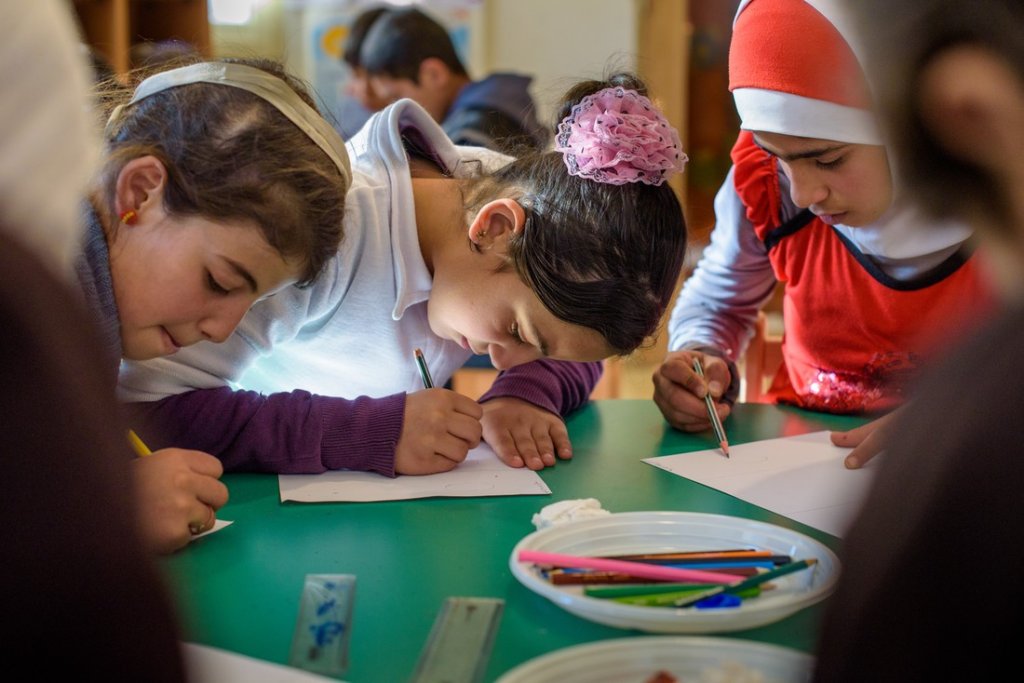
About a dozen children talk excitedly and pick out drawing supplies for their next activity when 11-year-old Jouri’s voice rings out above the hubbub. Her song of a refugee’s solidarity with those left in Syria is as current as the daily news:
Classmates and teachers stop their chatting and surround her. They beat time to the rap-like rhythm and join in loudly on the chorus in Arabic.
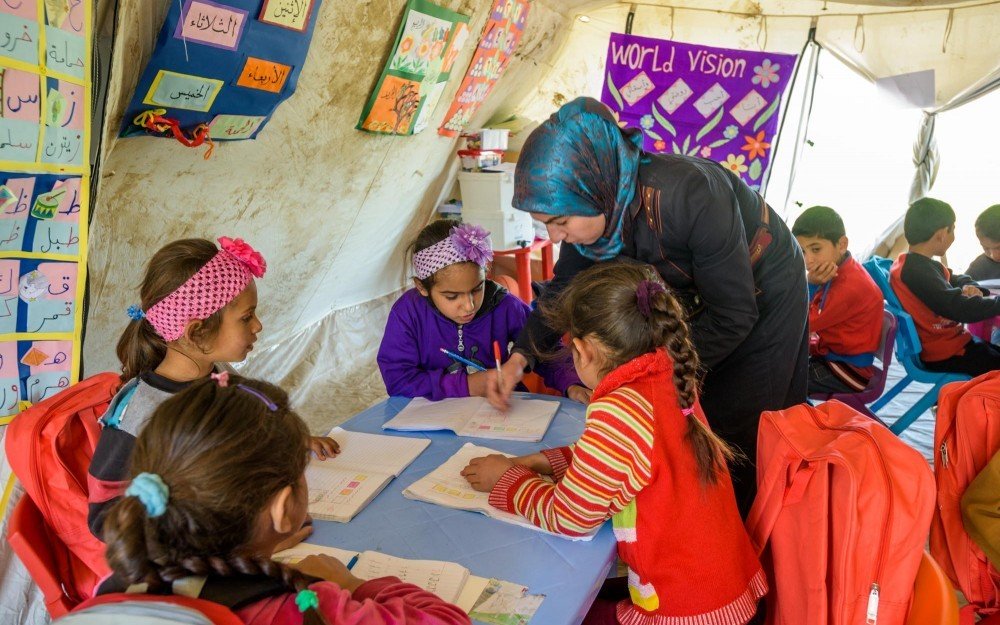
The teachers, called “animators,” at the World Vision Child-Friendly Space (CFS) can only marvel at Jouri’s confidence and composure. When Jouri first joined the CFS, she was fragile: quiet, withdrawn, and often close to tears, says Huda, one of the animators.
“We realized she could read well, and with emotion, and was able to tell stories,” Huda says. Jouri was named the class storyteller, a position she takes seriously. Now she participates in all activities with pleasure, especially storytelling, reciting poetry, and singing.
Her transformation seems near-miraculous.
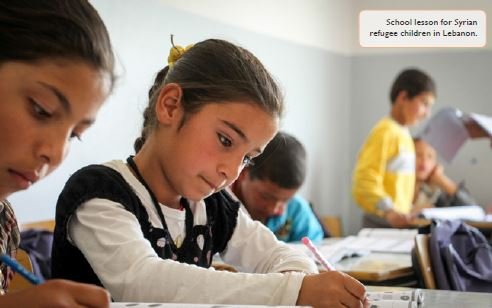
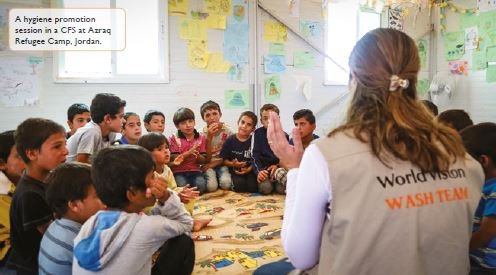
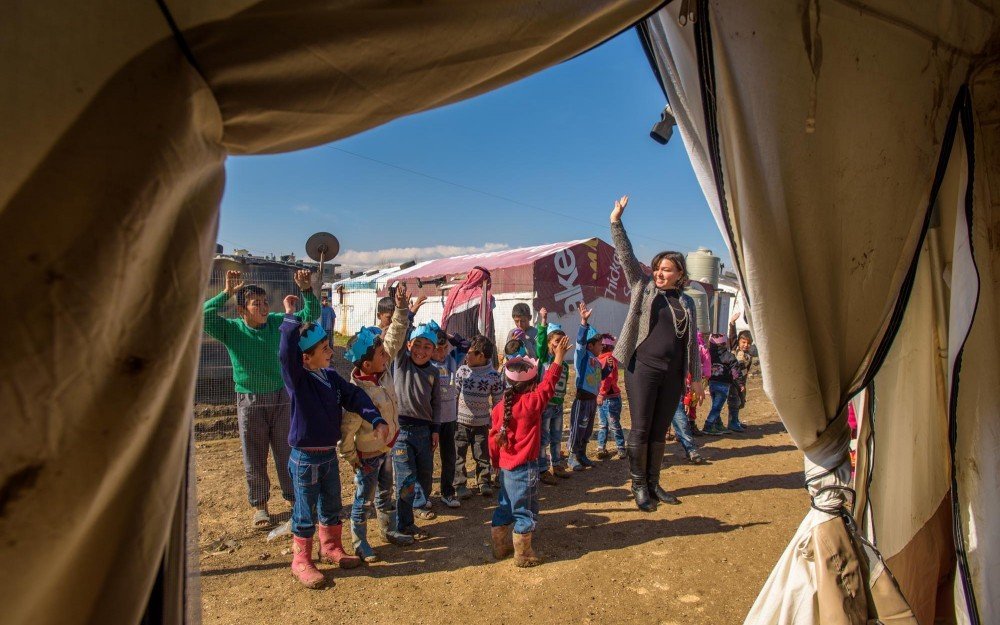
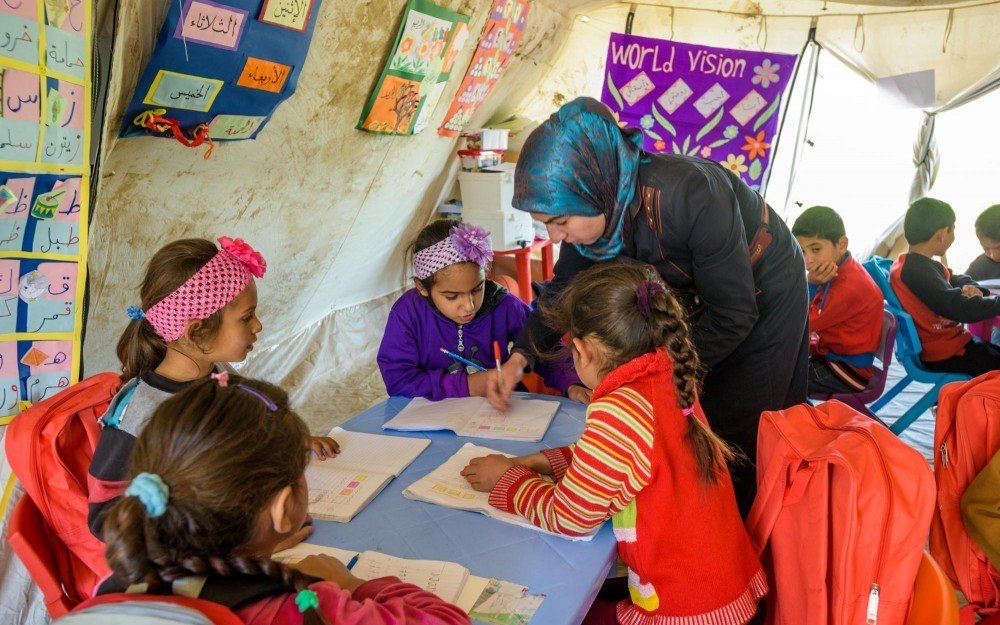
At first glance, a Child-Friendly Space might seem like any kids’ activity center. On the walls there are brightly colored construction paper cutouts of circles, squares, birds, butterflies, and flowers. The air is alive with songs and laughter. But here in Lebanon’s Bekaa Valley, just 30 miles from Damascus, Syria, the thud of bombs can be heard even closer. The warm and welcoming Child-Friendly Spaces and people who staff them provide an oasis in the bleak lives of thousands of Syrian refugee children.
DID YOU KNOW:
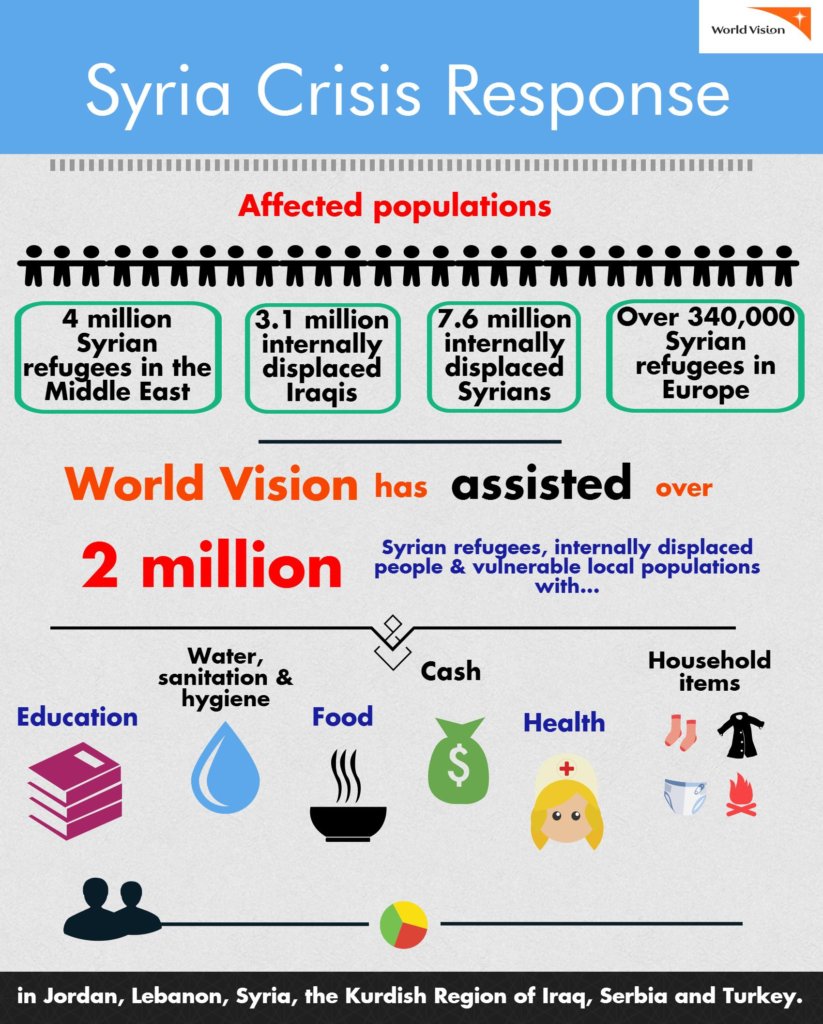
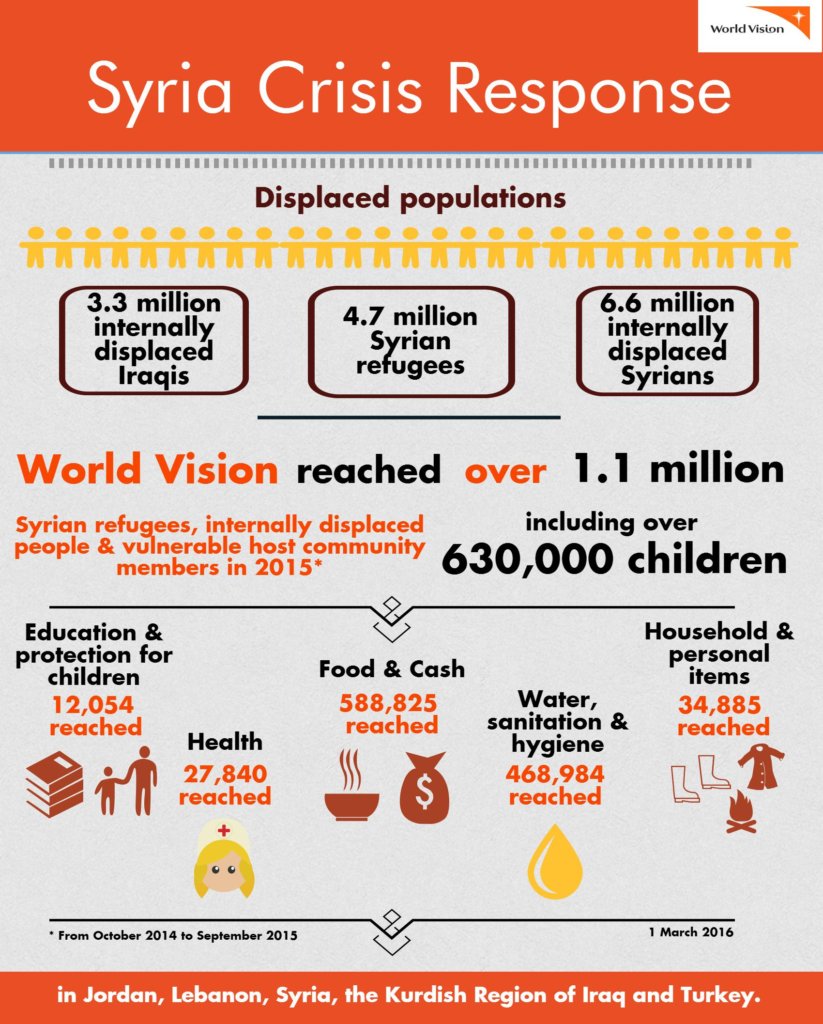
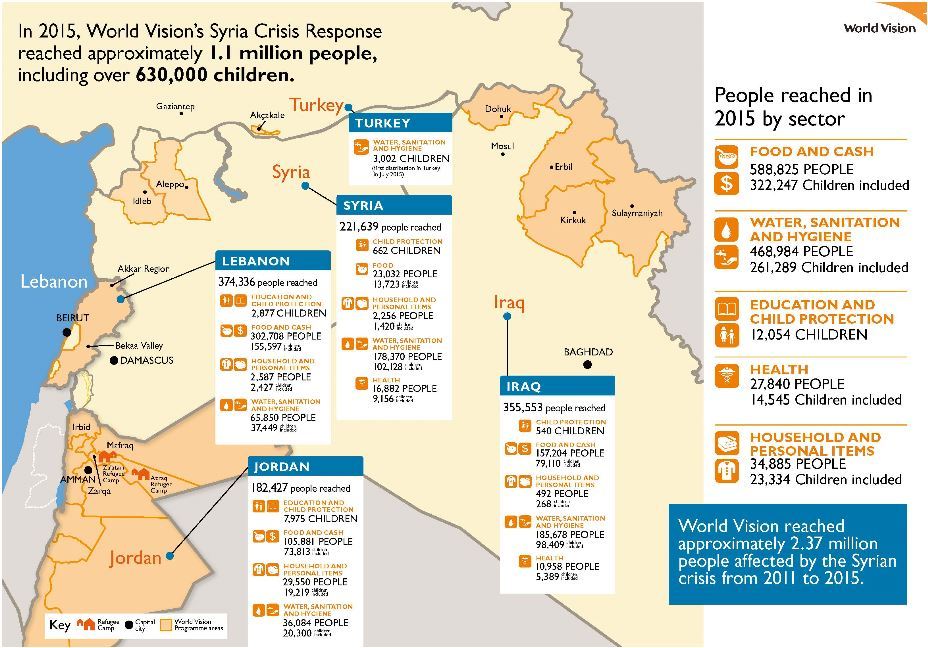
During 2015, World Vision assisted more than 12,000 children in Lebanon, Jordan, Syria, and Iraq with child protection and education programs. In Lebanon, those services include not just Child-Friendly Spaces, but also early childhood education for ages 3 to 6, digital hubs for computer learning, early childhood development classes for parents, and outreach for children and families with psychosocial needs.
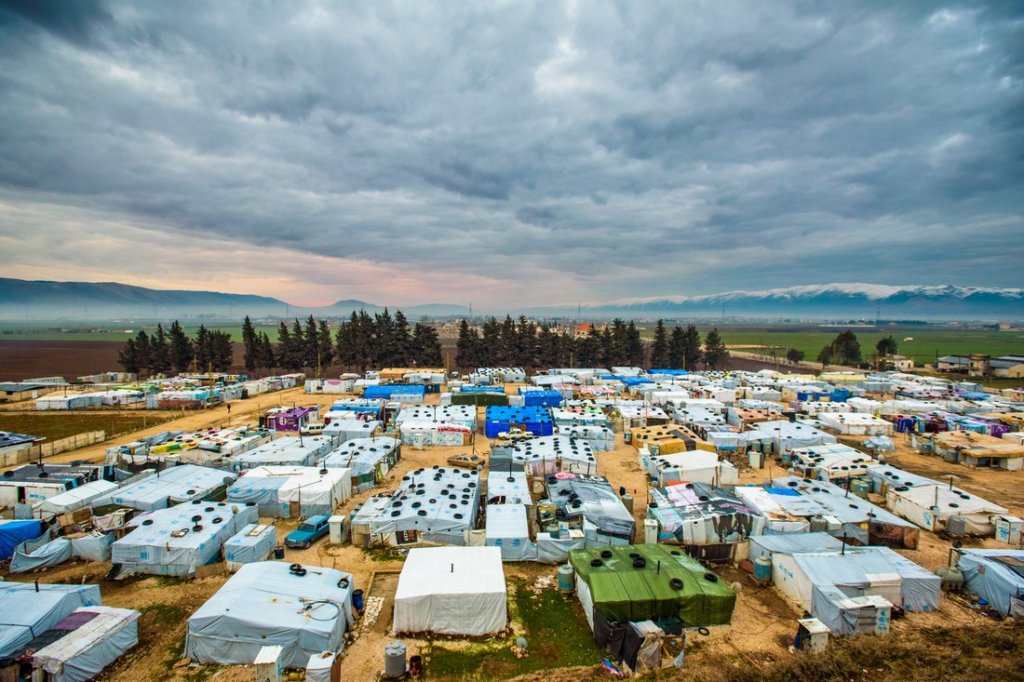
Animators go to tent camps and neighborhoods where refugees live in unfinished buildings, registering children for an upcoming three-month term at the center. Once the children arrive, the animators start the hard work of helping them identify and understand their feelings.
As the class storyteller, Jouri draws on a deep well of emotion she had previously bottled up.
Sitting in their living room, Jouri begins her family’s story by saying, “When I was a child … ” Her mother and grandmother listen as she recounts fleeing from town to town; the time a blast from a car bomb destroyed the balcony and blew out the doors of a house where they were staying; and how her uncle, who brought them to Lebanon, died after he returned to Syria.
Those horrific experiences would be enough to shake anyone’s confidence. Jouri is haunted by a sense of loss and longing, her mom, Haisha, says. Jouri’s father has been missing in Syria for most of the three years since the family came to Lebanon. When last seen, he was wounded. Jouri doesn’t know whether he’s dead or alive.
EXERCISING EMOTIONS
If there’s any hope for a healthy future for children who’ve suffered loss and displacement because of the Syrian civil war, learning to identify, express, and manage emotions is critical, says Alison Schafer, a World Vision specialist in mental health and psychosocial support.
“One part of the curriculum in Child-Friendly Spaces helps children to identify heroes in their lives who can inspire them to develop coping and problem-solving skills,” Alison says. “The children are strengthened by warm, supportive relationships with their peers and caring adults.”
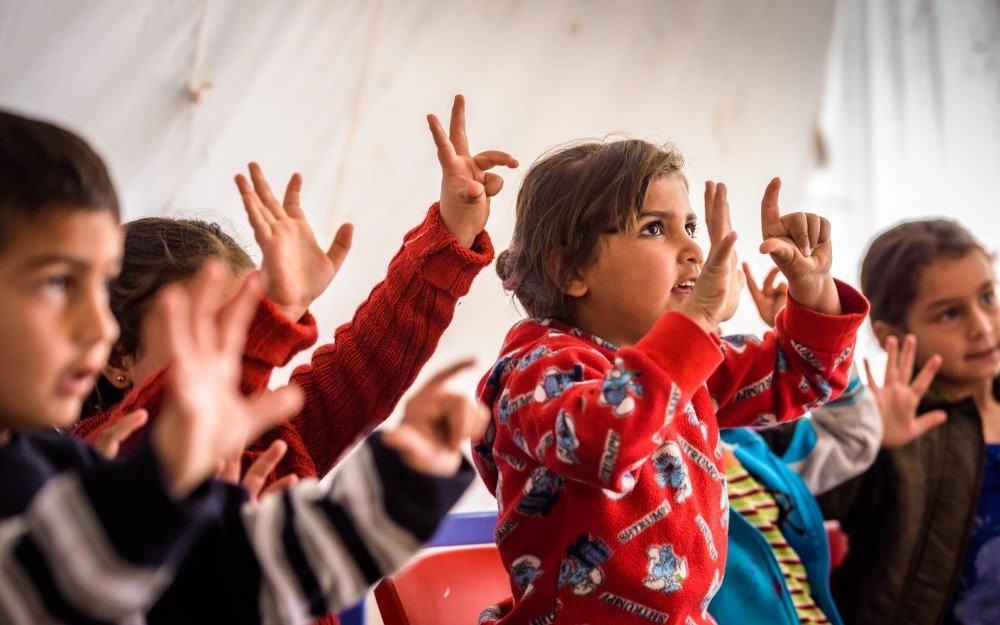
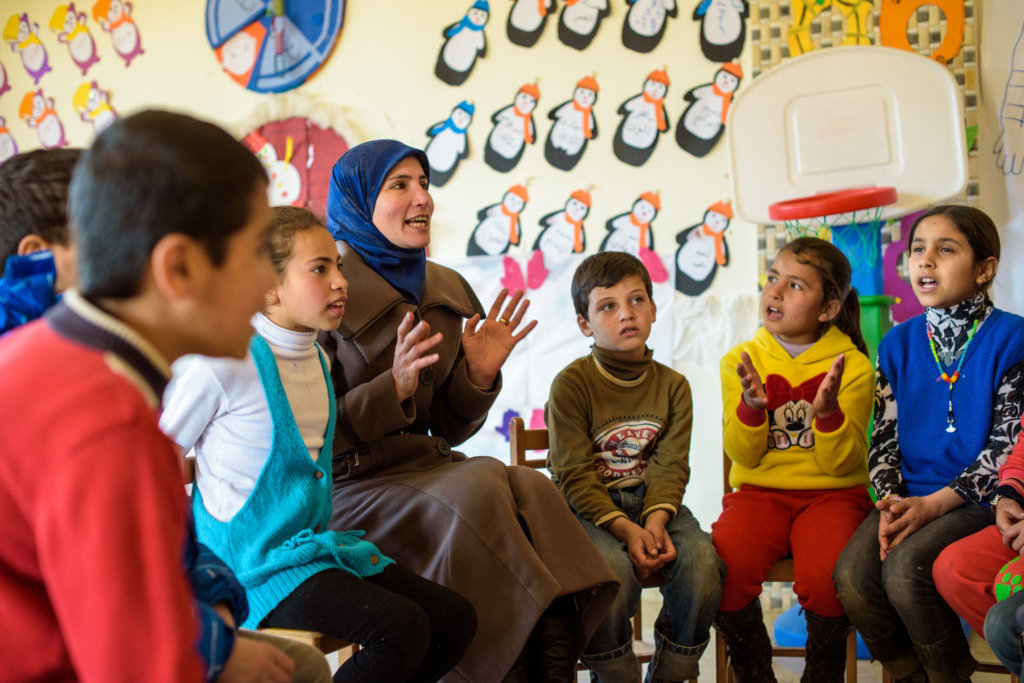
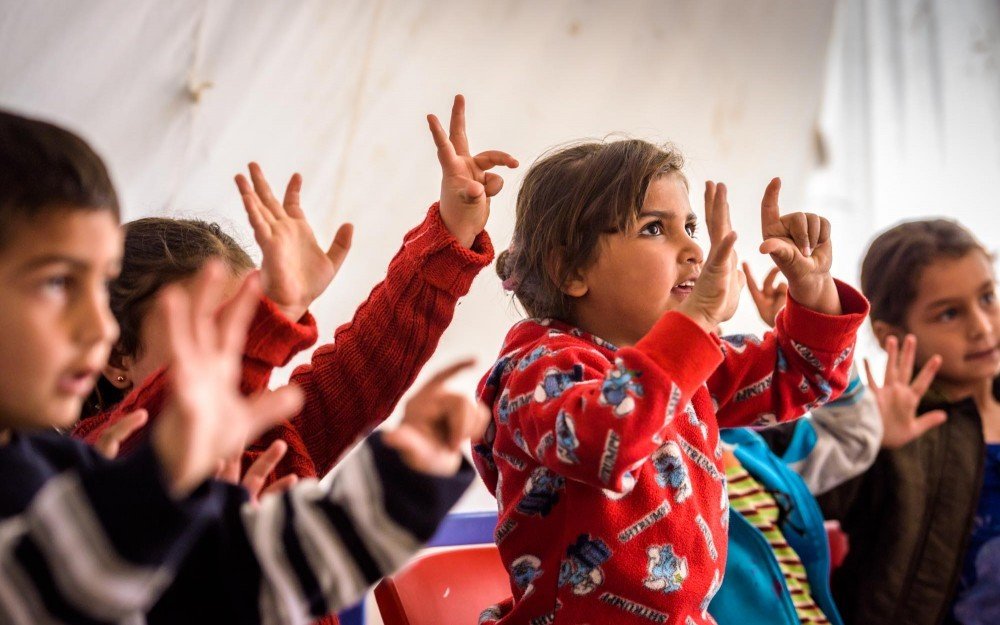
Ahmad, an animator with Jouri’s group, is the picture of caring. “How do you feel today?” he asks the children standing with him in a circle. They’ve just played a series of exercise games to warm up and start the day.
Ahmad turns the dial on a handmade “mood wheel” to reveal pictures of different facial expressions. One by one the children call out how they feel and why.
“Happy! I’m happy to be here with my friends,” says one girl. “Sad,” says another, “because we heard bad news from Syria.” As Ahmad turns the wheel, the children name other emotions from the facial expressions pictured.
Ahmad and the other animators give the children opportunities to recognize and express feelings and to understand that feelings come and go. “We don’t ask about the things that trouble them,” says Bassima, the children’s center supervisor. “We are here to support and encourage them.”
Parents as well as teachers can participate in World Vision training on positive discipline, which teaches them to recognize their children’s challenges and help them solve problems. “This approach builds a child’s self esteem and belief that they can take care of themselves,” says Elika Dadestan, World Vision’s interim global education in emergencies specialist.
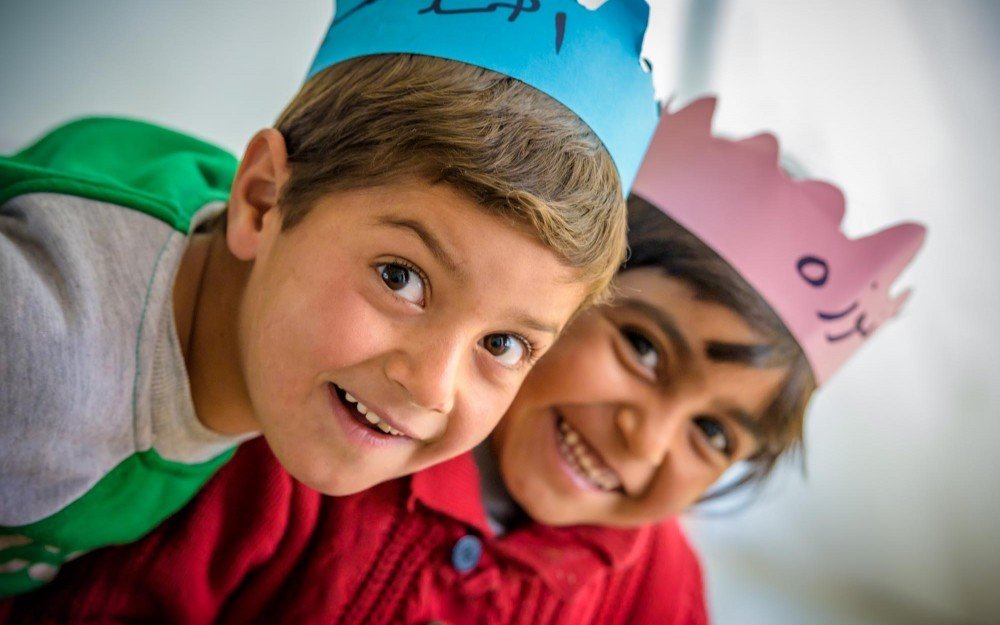
“If we are sad, [the animators] make us feel better,” says Jouri. “Before the center, I didn’t have courage, but now I do.”
By Kathryn Reid | Communications Officer
By Bernadette Martin | Project Manager
Project reports on GlobalGiving are posted directly to globalgiving.org by Project Leaders as they are completed, generally every 3-4 months. To protect the integrity of these documents, GlobalGiving does not alter them; therefore you may find some language or formatting issues.
If you donate to this project or have donated to this project, you can receive an email when this project posts a report. You can also subscribe for reports without donating.