By Bernadette Martin | Project Manager
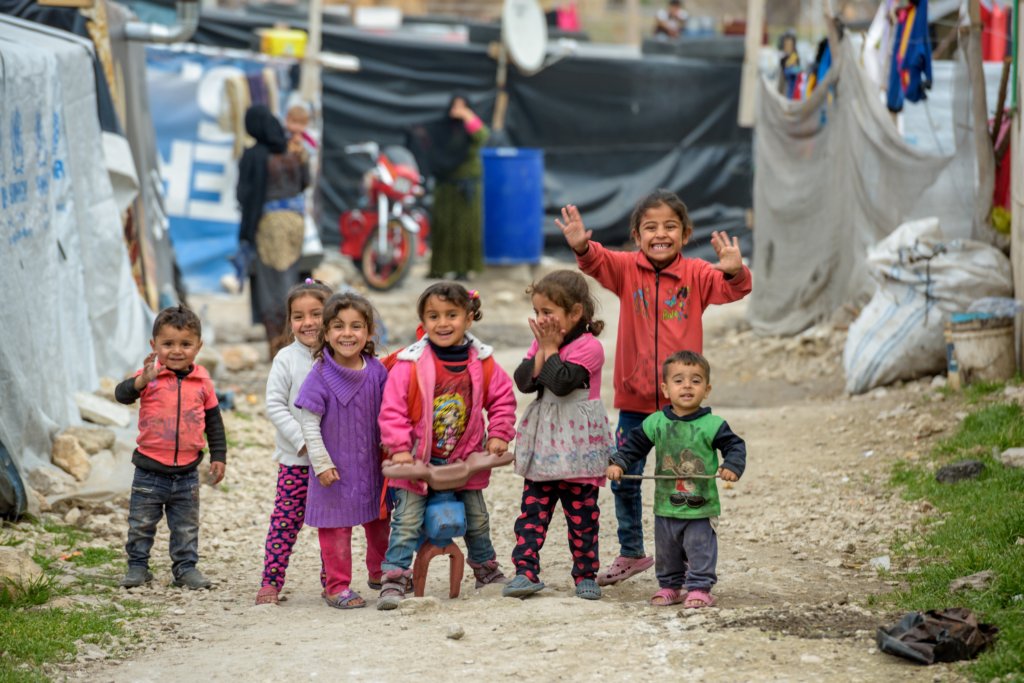
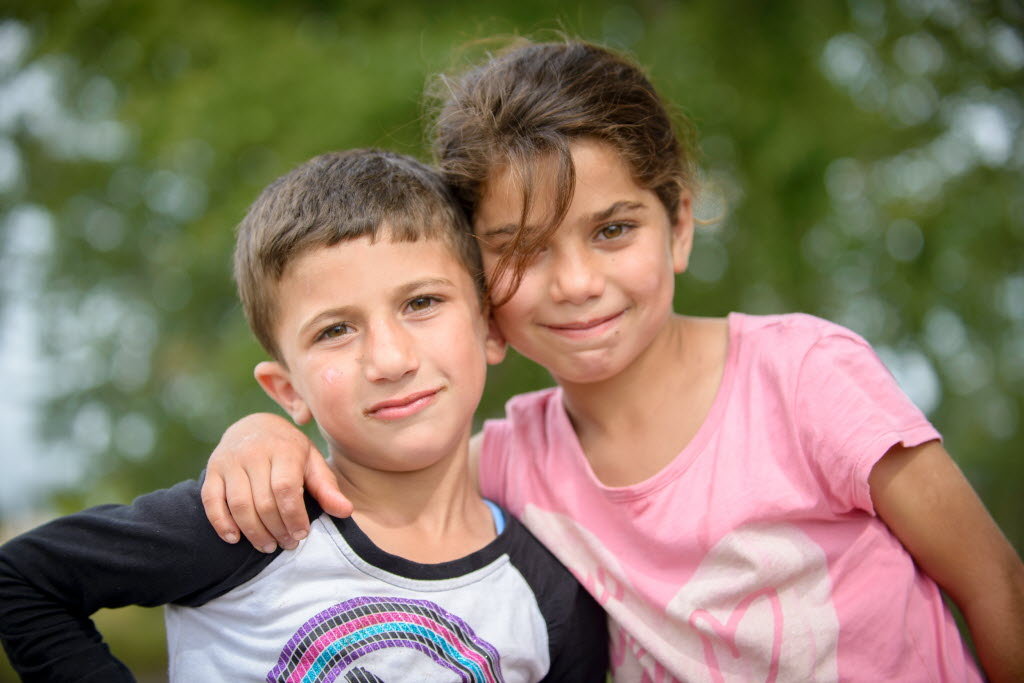
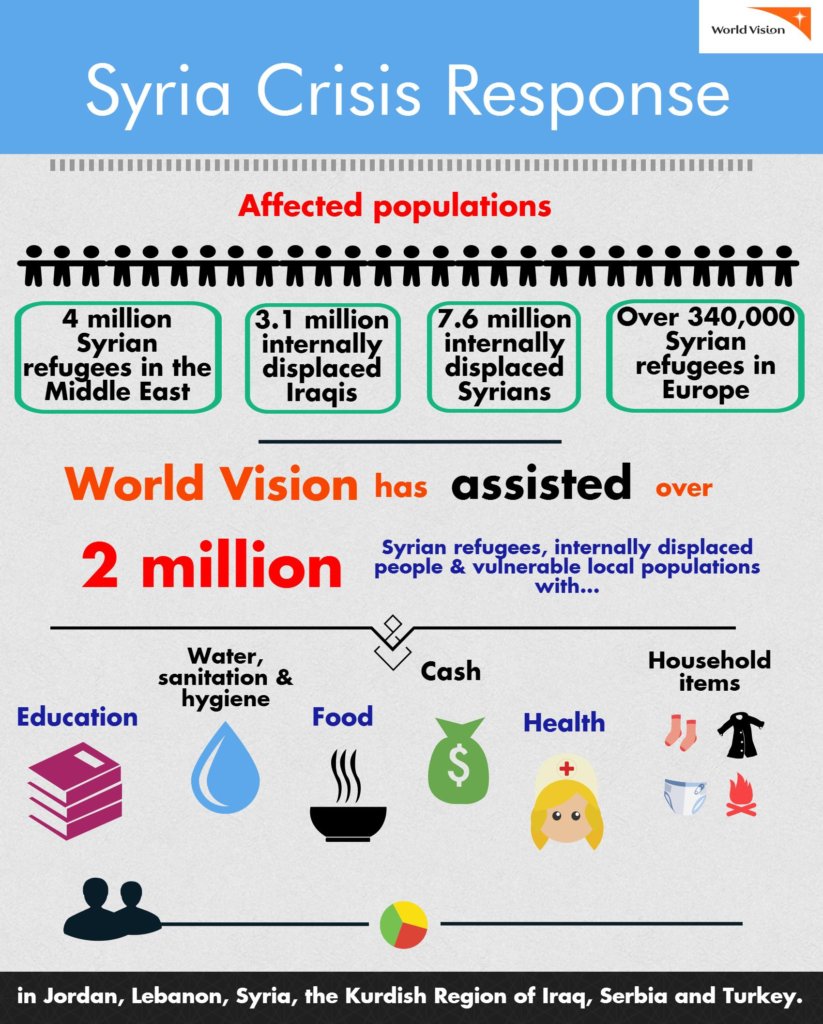
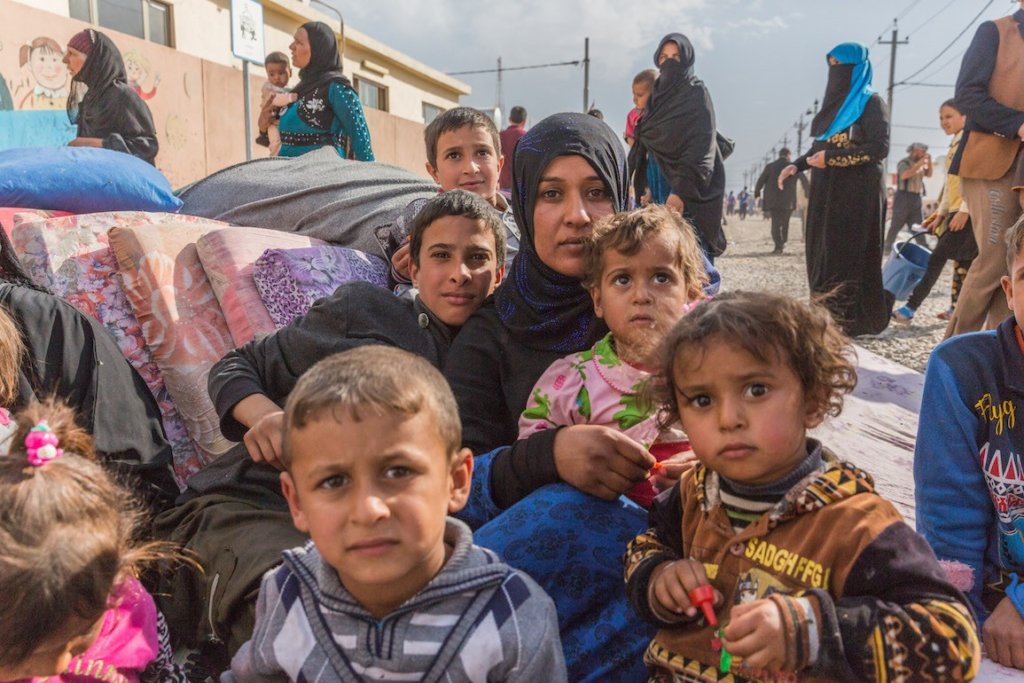
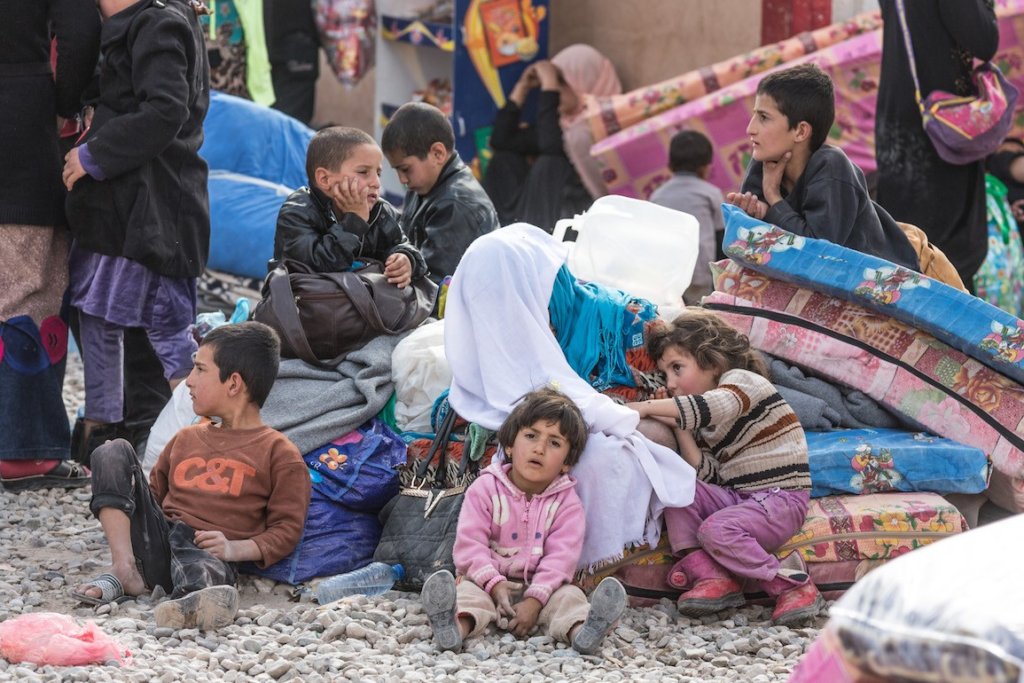
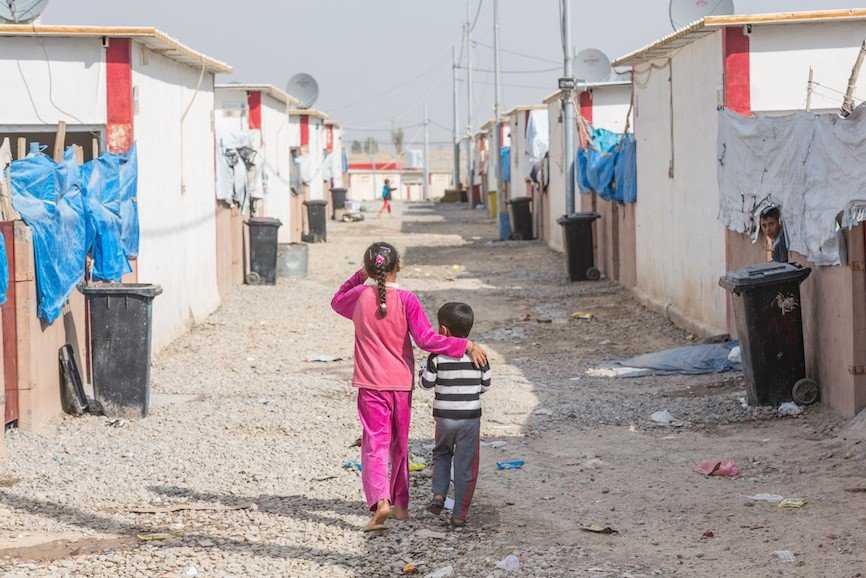
In 2016, World Vision’s continued response to the protracted crisis in and around Syria contributed to the well-being of almost 2.3 million people. This included Syrians and Iraqis displaced in their own nations, and the families and communities who host them. Just over one million were children.
World Vision’s Syria One Response is a three-year plan (2015–17) for working across multiple contexts affected by the Syria crisis. The landscape for relief and recovery programming is different in each country, requiring dedicated project assessment and management to fit the local context. At the same time, World Vision’s central team provides technical advice and coordination support to connect programmes cross-border and to monitor and report the international complexities of the emergency as it deepens.
Supported by the World Vision Regional Office for the Middle East and Eastern Europe, World Vision’s Syria One Response worked through 23 international donors and more than 200 local partners to meet diverse and challenging needs of families caught up in the crisis.
EDUCATION AND CHILD PROTECTION
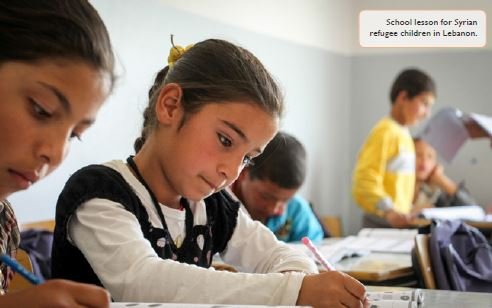
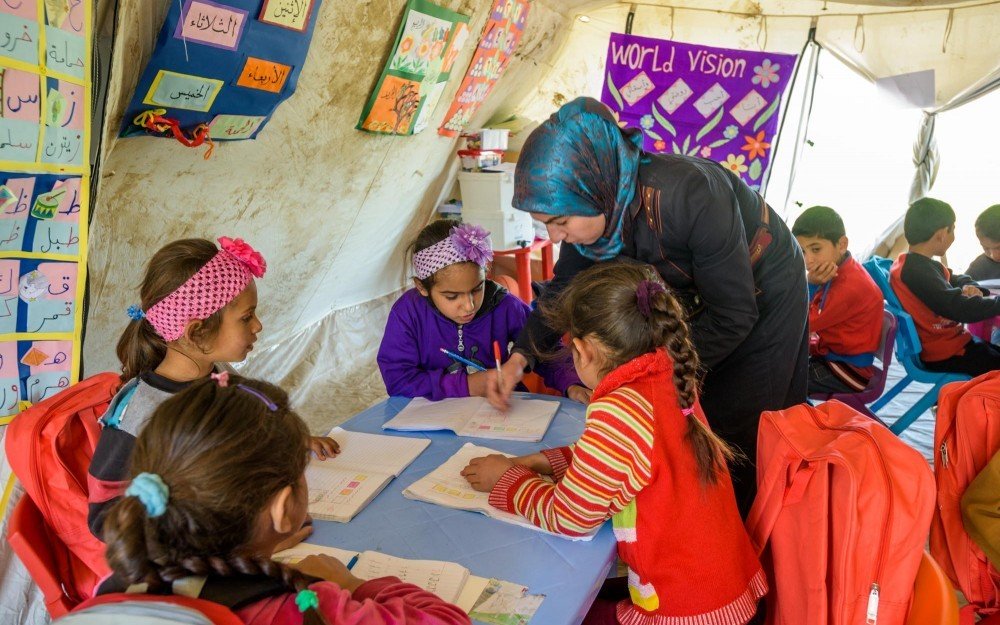
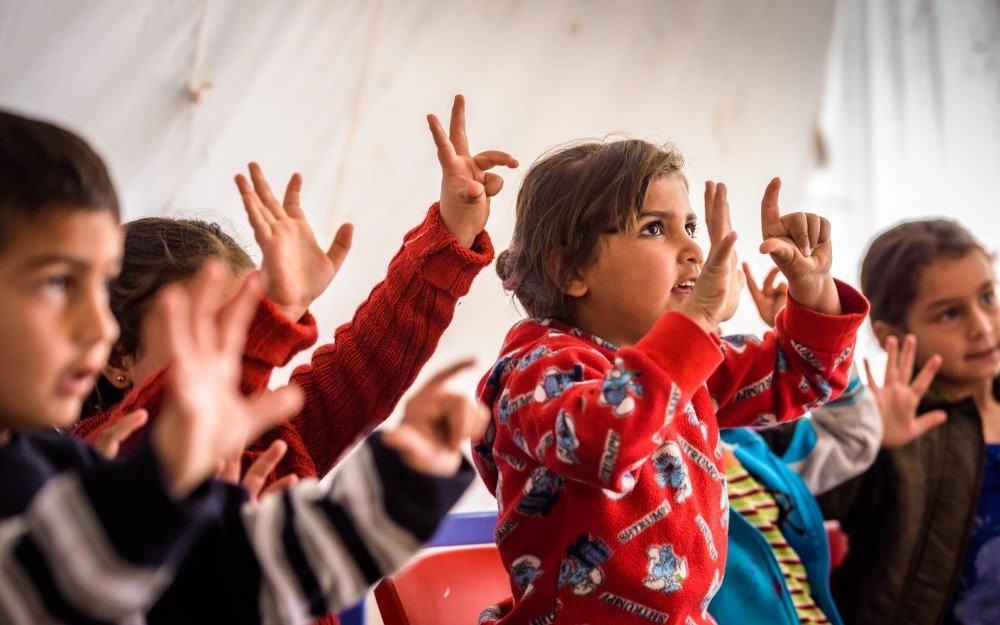
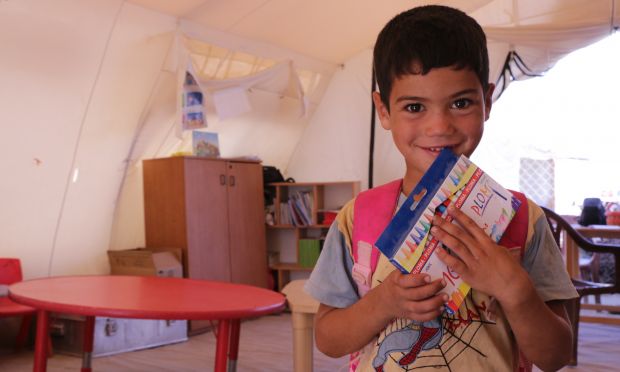
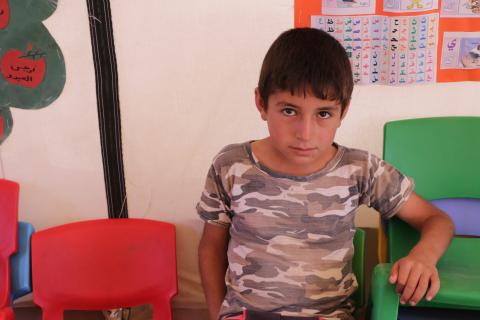
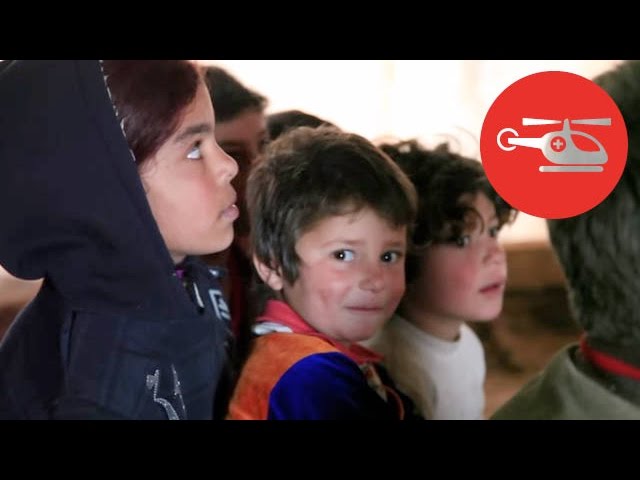
In 2016, education and child protection initiatives reached 165,165 people, including 94,788 children. Children’s needs in the face of this emergency are immense. World Vision’s child-focused programme recognises that not only physical needs must be met but also needs for psycho-social support self-esteem, protection from abuse or neglect, and healthy mental development. Learning for children of all ages is a priority, helping them to interact safely with teachers and other children, to assimilate without fear into their new communities, and to develop basic academic knowledge as a pathway to mainstream schooling. World Vision also supports child rights and protection work, housed in the community through teachers and willing volunteers who strengthen ‘safety net’ monitoring of children and young people at risk.
FOOD AND CASH PROGRAMMES
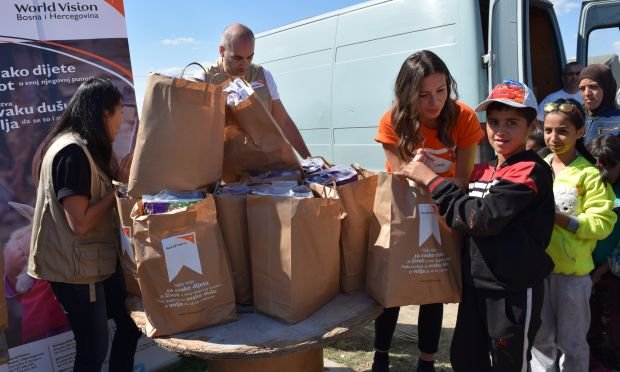
In 2016, food and cash programming reached 750,365 people, including 394,380 children. Approaches to household economic assistance in emergencies are rapidly evolving, based on strong evidence that the best and most satisfying way for families to re-establish themselves is with cash distribution. World Vision has made cash assistance available in a variety of ways: unconditional food purchase vouchers or cash conditional to school attendance.
With it comes stringent accountability, including monitoring of shops and markets to ensure shop owners are not inflating prices, as well as interagency coordination to show consistency in targeting and reaching the most vulnerable. Effects of the 2015 reduction of World Food Programme voucher support to Lebanon and Jordan continues to be felt. Though many families say the amount is not sufficient for monthly needs, they remain grateful for the essential relief that is still available.
In October 2016 the World Food Programme confirmed it would partly restore its household voucher value, news welcomed by World Vision and others working in partnership with the UN agency. In 2016, World Vision also worked with the European Commission Humanitarian Aid Office (ECHO), Swedish Pentecostal Churches (PMU) and the UK’s
Humanitarian Relief Fund on cash distribution; with Aktion Deutschland Hilft on school snacks; and with the Taiwanese government for ongoing rice distribution in Jordan.
WATER, SANITATION AND HYGIENE PROJECTS
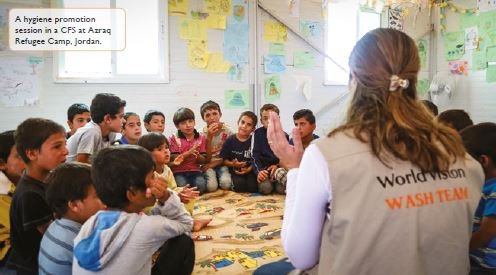
In 2016, water, sanitation, and hygiene projects reached 1,752,584 people, including 816,922 children. As populations grow, towns and camps struggle to provide clean water and sanitation for their residents. World Vision’s international WASH experts bring skills and experience to manage large-scale infrastructure projects, including drainage in camps, sewage pipeline and plumbing for latrines, clinic construction, and drilling boreholes.
All WASH programmes also include household hygiene elements, helping families to understand the importance of good hygiene to their health as well as ensuring availability of water storage, soap, toothpaste, feminine hygiene products and other basic dignity supplies. Even in areas of high population movement, World Vision works with local stakeholders to ensure that decisions are community led and to fill the gaps identified by the people in greatest need. Some needs, such as trucking in drinking water, are ongoing, but others, such as drilling boreholes and equipping mobile clinics, have the potential to become community-owned resources in the future.
HEALTH PROGRAMMES
In 2016, health programmes reached 60,724 people, including 26,871 children. One of the most concerning aspects of the conflict in Syria is military targeting of hospitals. As a result, Syria and Iraq have lost many vital services and qualified staff. Until facilities and staff can be restored, the outlook for family health is bleak. Basic clinic services are urgently required to address cases of malnourishment, injury and recent disabilities in children. Pregnant women and mothers with young children are going without basic maternal and child services; children of all ages are vulnerable to common illnesses and undernutrition.
Rebuilding systems is a long-term proposition. In 2016, World Vision worked with local governments in KRI and Northern Syria to understand and fill gaps, particularly in the rehabilitation of hospitals and provision of antenatal and early childhood facilities.
ACCOUNTABILITY
World Vision is a member of the Core Humanitarian Standards Alliance with accountability for programme quality guided by:
The SPHERE Humanitarian Standards
Commitments on Accountability to Affected Populations
The Accountability to Affected Populations Operational Framework
The Joint Standards Initiative
The Global Alliance for Urban Crises Charter.
In line with its commitment to the above standards and charters, World Vision partners with communities to plan and monitor all projects from relief distribution through to community-based protection. Pivotal to this, World Vision’s beneficiary-feedback systems include:
post-implementation monitoring, with specific questions on satisfaction with programmes
transparent feedback and complaint mechanisms, with accountability to act on results
participatory research on community needs and priorities
two-way communication, including communication on complaints and feedback and how they have been resolved.
By Armenuhi Sahakyan | Communications Officer World Vision Armenia
By Kayla Robertson and Max Greenstein | Communications Officers
Project reports on GlobalGiving are posted directly to globalgiving.org by Project Leaders as they are completed, generally every 3-4 months. To protect the integrity of these documents, GlobalGiving does not alter them; therefore you may find some language or formatting issues.
If you donate to this project or have donated to this project, you can receive an email when this project posts a report. You can also subscribe for reports without donating.