STITCHING FUTURE : EMPOWERING 150 VULNERABLE WOMEN

by ONE-REALITY(OR)
Play Video
STITCHING FUTURE : EMPOWERING 150 VULNERABLE WOMEN

Project Report | Aug 22, 2025
ONE-REALITY EMPOWERMENT OPPORTUNITIES TRAINING

By ERIC BUH Mi | CEO

STITCHING FUTURE: EMPOWERING 150 VULNERABLE WOMEN
PROJECT
  64196  REPORT

1. Introduction

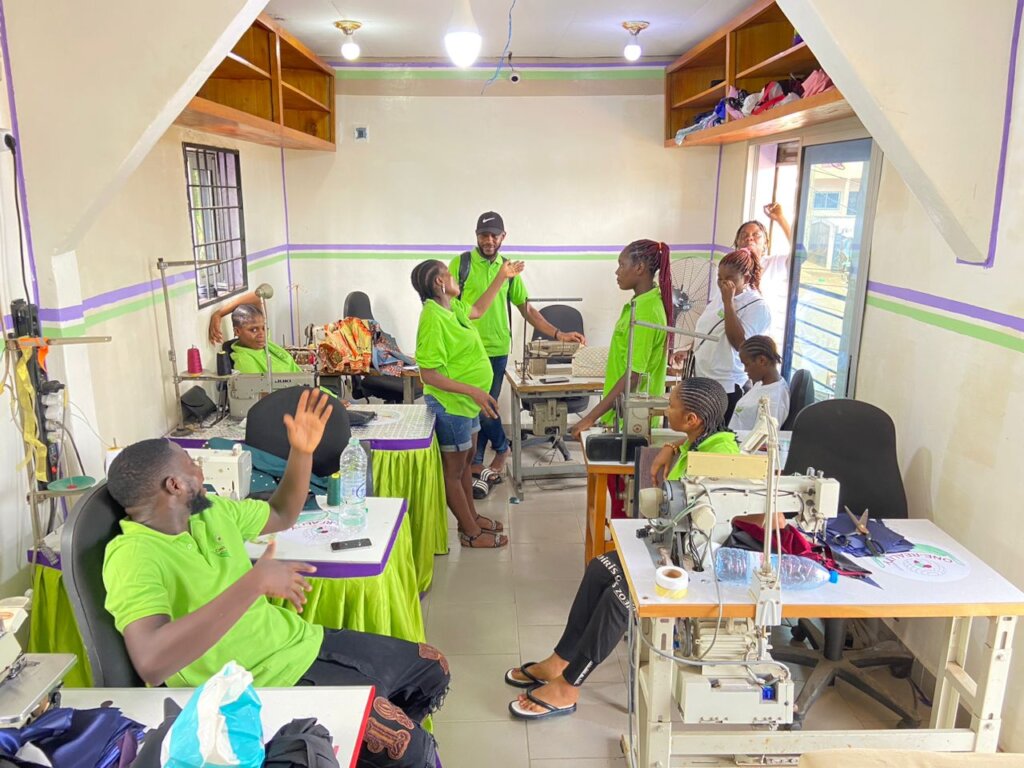
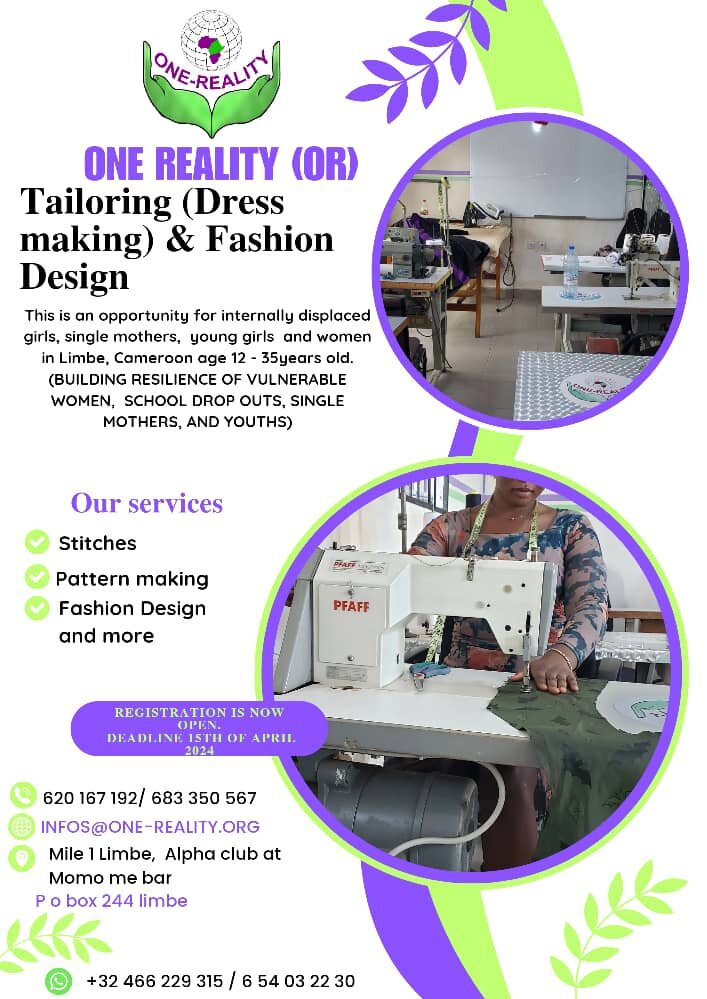
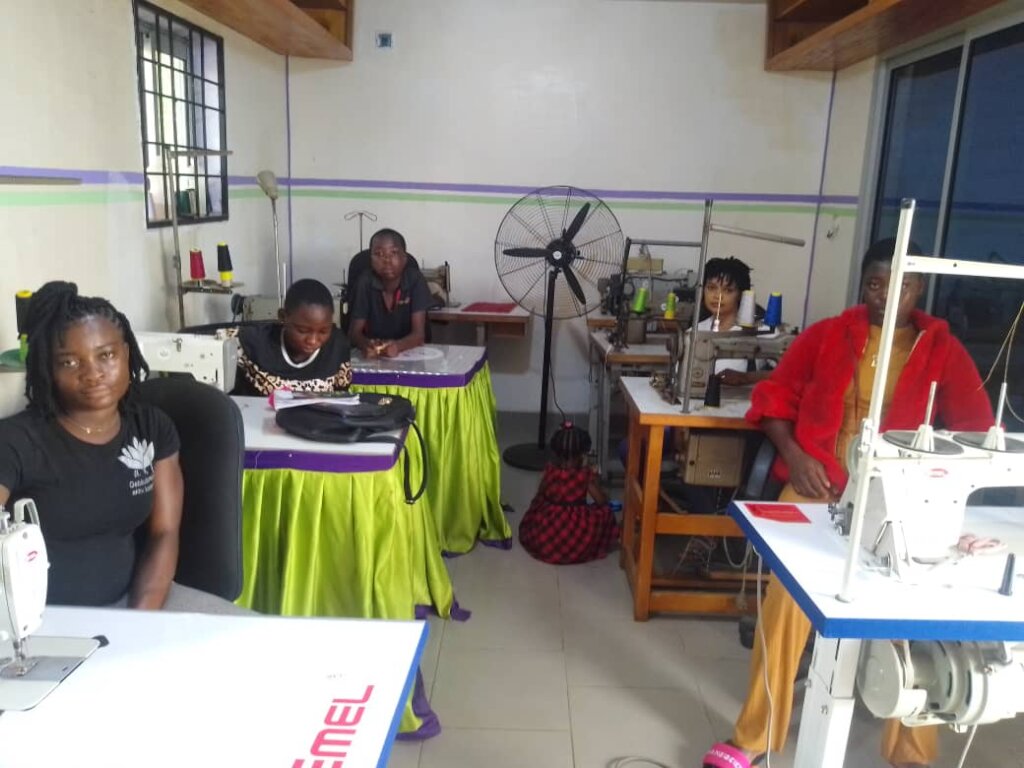
The Stitching Future project was initiated with the primary goal of empowering 150 vulnerable women through skills training in dressmaking and entrepreneurship development. The project focused on providing vocational training in tailoring, fashion design, and business management to enhance their socio-economic independence of Orphans, teen mothers, IDPS and anyone with passion to learn a skill in DressMaking. The project has

2. Objectives

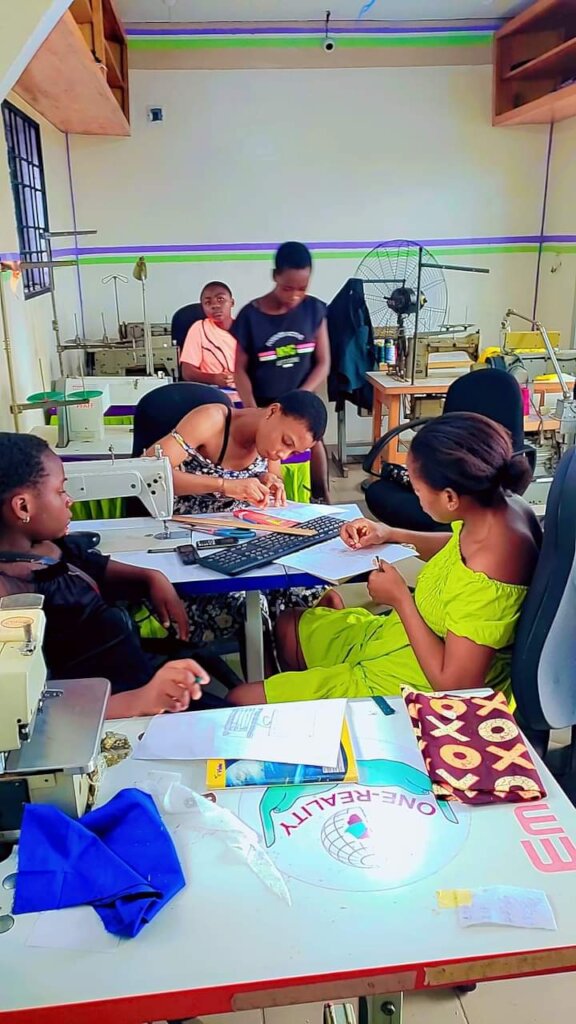
Train 150 teen mothers  to acquire dress-making skills in pattern designs and sewing

Provide financial literacy training to ensure sustainability.

Foster entrepreneurship by facilitating access to resources and markets.

Enhance self-reliance and poverty reduction

3. Project ImplementationA. Training Program

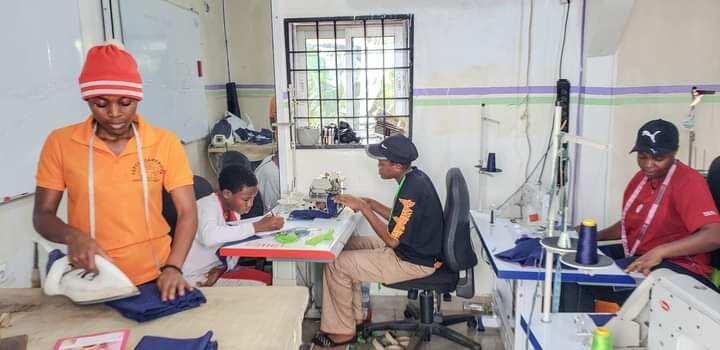
Tailoring & Fashion Design: Conducted through structured workshops, covering pattern making, designing, clothes cutting, sewing, embroidery, and quality control.

Business & Financial Literacy: Educated participants on budgeting, pricing, savings, and investment strategies.

Soft Skills Development: Focused on communication, self-confidence, and networking.

B. Beneficiary Selection

A transparent selection process identified vulnerable women, including widows, single mothers, and survivors of domestic violence. The selection criteria included economic need, willingness to learn, and a commitment to entrepreneurship.We visit their homes , follow up their needs and wants.

www.one-realityf.org


C. Equipment & Materials


12 sewing machines were provided.

Essential tailoring materials such as fabric, measuring taps, threads, scissors, and measuring tools were distributed

4. Outcomes & Achievements

Skill Acquisition: 150 women successfully completed the training.

Business Start-ups: 70% of participants launched their own tailoring businesses or secured employment.

Increased Financial Stability: 80% reported improved income levels.

Community Impact: The project strengthened local economic growth and promoted self-sufficiency.

5. Challenges & Lessons Learned

We need a bigger workshop that can accommodate more than 100 beneficiaries.

We have problems to sustain monthly rents and expenses for trainers.

Challenges to raise Seed Capital and handling challenges faced by teen mothers.They lack playing space for their children . we need to have a bigger space to accommodate the kids during trainings.

Limited Resources: Demand exceeded available resources; future projects require increased funding, workspace, more equipment and trainers.

Market Access: Continuous support is needed to connect women with broader markets.

Sustainability: A need for ongoing mentorship and business support.

. Social Stigma and Cultural Barriers

  • Challenge: Teen mothers often face significant social stigma, isolation, and sometimes rejection from their families or communities. This at times  shatter their confidence and make it difficult for them to participate in a group program.
  • Specifics: Families might see the program as a distraction from their primary role as a mother or disapprove of them leaving the house. Community members might be judgmental and downgrading.  

2. Childcare: The Biggest Practical Hurdle

  • Challenge: Without safe, reliable, and affordable childcare, attending classes is impossible. A crying baby in the corner of a classroom is disruptive and makes it difficult for the mother to focus.
  • Specifics: Most teen mothers cannot afford to pay for childcare, and bringing the infant to class is not a viable long-term solution.

3. Logistical and Financial Constraints

  • Challenge: Lack of transportation money to get to and from the training center daily.
  • Challenge: Inability to afford basic materials like fabric, thread, patterns, and scissors for practice at home, hindering their skill development.
  • Challenge: Power outages are common in Limbe. Training on electric sewing machines becomes impossible during "load shedding," bringing lessons to a halt.

4. Educational Gaps and Learning Pacing

  • Challenge: Some teen mothers may have dropped out of school and could have varying levels of literacy and numeracy. Taking measurements, reading patterns, and calculating costs require basic math skills.
  • Specifics: A one-size-fits-all curriculum might move too fast for some and too slow for others, leading to frustration and dropouts.

5. Economic Sustainability and Market Access

  • Challenge: The local market in Limbe might be saturated with tailors and dressmakers, making it difficult for new entrants to find customers and generate a stable income.
  • Challenge: Lack of business skills. Knowing how to sew is different from knowing how to run a business (e.g., pricing, marketing, customer service, saving, reinvesting).

6. Psychological and Emotional Well-being

  • Challenge: Many teen mothers may be dealing with trauma, postpartum depression, low self-esteem, and immense stress. A high-pressure learning environment could be counterproductive if these needs are not supported.

Possible Solutions and Mitigation Strategies

1. To Address Social Stigma & Logistics:

  • Integrated On-Site Childcare: This is non-negotiable for success. The program must provide a safe, supervised space for children, even if it's a dedicated corner with a caregiver. This removes the single biggest barrier to participation.
  • Community Engagement: Involve community elders, religious leaders, and parents early on to gain their support and reframe the program as a positive contribution to the community's well-being.
  • Stipends or Transport Support: Provide a small stipend that covers transport costs or arrange a shared group transport system.

2. To Address Educational Gaps & Pacing:

  • Flexible & Individualized Learning: Implement a modular training approach where students progress at their own pace. Pair more advanced students with beginners for peer-to-peer learning.
  • Integrate Basic Skills: Weave practical literacy and numeracy lessons directly into the curriculum (e.g., "Now let's calculate how much fabric we need for this dress and what it will cost.").

3. To Ensure Economic Sustainability:

  • Business and Entrepreneurship Module: Make business training a core part of the later stages of the program. Teach them how to create a business plan, price their products, market on social media (e.g., WhatsApp, Facebook), and manage profits.
  • Create a Brand and Market Linkages: Help them create a collective brand (e.g., "Limbe Mamas Fashion") to sell their products. Partner with local hotels, tourist shops, or online platforms to sell their goods, moving beyond the saturated local tailor market.
  • Start-Up Kits: Graduation could include a basic start-up kit: a manual sewing machine (to avoid power outage issues), scissors, tape measure, and initial bundles of fabric.

4. To Support Holistic Well-being:

  • Integrate Psycho-Social Support: Have a counselor or social worker conduct regular group sessions. Create a safe space for sharing experiences, which builds a powerful support network and reduces isolation.
  • Mentorship Program: Link each teen mother with a successful local businesswoman (not necessarily in dressmaking) for guidance and encouragement.

5. To Overcome Infrastructural Issues:

  • Use Manual Machines: While electric machines are faster, training primarily on manual pedal-powered sewing machines makes the program resilient to power cuts and more accessible for graduates to use at home without electricity.


6. Recommendations & Next Steps

Establish a cooperative society for participants to market their products collectively.

Seek additional funding to expand the project and reach more beneficiaries.

Develop an e-commerce platform to enhance sales and visibility.

Introduce advanced training modules in fashion branding and digital marketing.

Integrate On-Site Childcare (Top Priority)

  • Allocate and raise more funds and  portion of the program's budget to secure a safe, dedicated space and a qualified caregiver for the children. This  single most critical factor for enrolment and retention. Mothers cannot learn if they are worried about their children.

2. Adopt a "Manual-First," Resilient Training Model

  • We need more manual, pedal-powered sewing machines for at least 85% of the training for  beginners to eliminates dependency on unreliable electricity shortages and cuts, reduces operational costs, and ensures graduates can learn even without power.
  •  

3. Implement a Holistic, Phased Curriculum

We are re-Structuring  the program into clear, progressive phases:

  • Phase 1: Foundation & Confidence Building (Weeks 1-4)

o   Basic stitching, machine operation, and simple projects (e.g., bags, aprons).

o   Integrated group sessions on self-esteem, customer relations and financial literacy (e.g., saving small amounts).

o   Action: Partner with a local NGO or social worker to provide psychosocial support.

  • Phase 2: Core Dressmaking Skills (Weeks 5-12)

o   Taking measurements, cutting patterns, sewing garments.

o   Action: Use a modular learning approach where students progress at their own pace.

  • Phase 3: Business & Entrepreneurship (Weeks 13-16)

o   Action: Teach practical business skills: calculating cost prices, profit margins, marketing via WhatsApp and Facebook, and customer service.

o   Goal: Each graduate develops a simple business plan for their micro-enterprise.

4. Provide a Pathway to Economic Sustainability

  •  Graduation "Start-Up Kits": Make graduation contingent on completing the business plan. The kit should include:

o   A manual sewing machine (on a loan-to-own basis).

o   Essential tools (scissors, measuring tape, threads, needles).

o   Initial fabric bundles.

  •  Create a "Micro-Consignment" model.

o   How it works: The program provides high-quality fabric, graduates produce items (e.g., dresses, shirts), and the program sells them through established market linkages (e.g., tourist shops, online). Graduates are paid a fair wage for their labour, building their capital and reputation.

6. Measure Impact Correctly

Move beyond just counting graduates. Track:

  • Short-Term: Retention rates, skill proficiency tests.
  • Medium-Term: Number of graduates earning an income 6 months post-graduation.
  • Long-Term: Improvement in child well-being (e.g., school enrollment, nutrition) and increased participation in community decision-making.


7. Conclusion

The Stitching Future project is  empowered 150 women by equipping them with essential skills for economic independence. While challenges are being  encountered, the overall impact has been significant, paving the way for a sustainable future for many vulnerable women. The project highlights the importance of continued investment in skills development and entrepreneurship for women’s empowermentt

WhatsApp:+237681492695                                                     Tel:+32466229315


Attachments: Share on Twitter Share on Facebook

Apr 25, 2025
ONE-REALITY EMPOWERMENT OPPORTUNITIES TRAINING

By BUH Mi | Project Lead II

Oct 28, 2024
ONE-REALITY EMPOWERMENT OPPORTUNITIES TRAINING

By ERIC BUH Mi | Assistant project Leader

About Project Reports

Project reports on GlobalGiving are posted directly to globalgiving.org by Project Leaders as they are completed, generally every 3-4 months. To protect the integrity of these documents, GlobalGiving does not alter them; therefore you may find some language or formatting issues.

If you donate to this project or have donated to this project, you can receive an email when this project posts a report. You can also subscribe for reports without donating.

Sign up for updates

Organization Information

ONE-REALITY(OR)

Location: LIMBE 1, SOUTH WEST REGION - Cameroon
Website:
Facebook: Facebook Page
ONE-REALITY(OR)
FREDERICK DZELAGHA BANBOYE
Project Leader:
FREDERICK DZELAGHA BANBOYE
LIMBE 1 , SOUTH WEST REGION Cameroon

Retired Project!

This project is no longer accepting donations.
 

Still want to help?

Find another project in Cameroon or in Education that needs your help.
Find a Project

Learn more about GlobalGiving

Teenage Science Students
Vetting +
Due Diligence

Snorkeler
Our
Impact

Woman Holding a Gift Card
Give
Gift Cards

Young Girl with a Bicycle
GlobalGiving
Guarantee

Get incredible stories, promotions, and matching offers in your inbox

WARNING: Javascript is currently disabled or is not available in your browser. GlobalGiving makes extensive use of Javascript and will not function properly with Javascript disabled. Please enable Javascript and refresh this page.