By Nawmi Naz Chowdhury and Mavi Nerviol | Executive Director and Comms & Campaign Officer
During the past six months, the Women's Global Network for Reproductive Rights (WGNRR), together with our partners, and allies, continued advancing reproductive justice through advocacy, movement-building, capacity strengthening, and global solidarity. From national consultations and community dialogues to regional campaigns and global conferences, our work reflects a shared commitment to ensuring that sexual and reproductive health and rights remain essential.
Across the globe, shrinking civic spaces, coordinated anti-rights attacks, humanitarian crises, climate emergencies, and widening inequalities continue to threaten people's bodily autonomy and access to essential healthcare and our sexual and reproductive health and rights. Yet amidst these intersecting crises, feminist movements continue to organize, innovate, and build collective power.
Here's a look back at how we strengthened movements, fostered partnerships, and advanced reproductive justice during the first half of 2026.
WGNRR UpdatesLeadership Transition
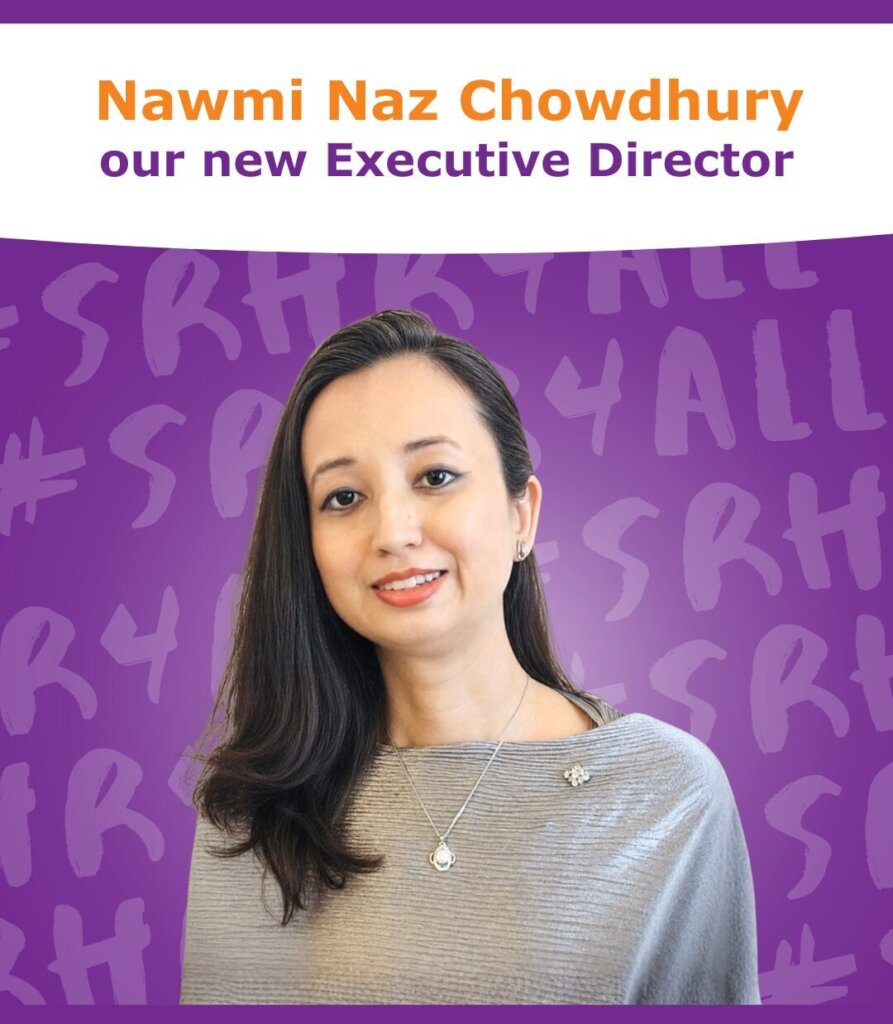
For the first half of 2026, WGNRR underwent a transition period that was successfully led and guided by Nawmi Naz Chowdhury, who joined the organization in April 2026 as Interim Executive Director.
WGNRR enters the second half of 2026 with renewed leadership and a continued commitment to advancing sexual and reproductive health and rights and justice across the Global South.
Following a successful transition period we are now pleased to officially welcome Naz as WGNRR’s Executive Director.
Naz is an international feminist legal specialist and human rights advocate with deep experience across gender justice, sexual and reproductive health and rights, access to justice, and institutional accountability in postcolonial contexts, particularly in Asia.
She brings a strong record of advancing the rights of women and girls, young people, workers, persons with disabilities, and communities facing discrimination. Her work has contributed to systemic, legislative, and policy reform through strategic litigation research, engagement with UN treaty bodies, regional human rights mechanisms, and the SDG framework.
Naz trained as a Barrister and was Called to the Bar in 2012. Before moving fully into human rights law, she worked in the corporate sector across banking, insurance, and utilities, where she built strong experience in process management, financial case resolution, regulatory compliance, and client care.
This mix of legal, corporate, and movement experience has shaped her leadership across multi-country projects, consortiums, remote teams, and partnership-based work. She has managed complex programmes and budgets across regions, contributed to organizational strategy and growth, and supported feminist institutions to work with clarity, care, and accountability.
Working closely with the WGNRR Board of Trustees, Naz will continue strengthening the network's commitment to SRHR advocacy, collaborative partnerships, and feminist leadership bringing a grounded feminist legal lens, strong operational experience, and a deep commitment to building collective power for sexual and reproductive justice while ensuring that global strategies remain grounded in local realities.
At the same time, WGNRR extends its deepest gratitude to Debanjana Choudhuri for her dedication, leadership, and invaluable contributions throughout her tenure as Executive Director. Her commitment to strengthening global solidarity and advancing reproductive justice has left a lasting impact on the organization and the broader movement.
We thank Debanjana for her leadership and wish her every success in the next chapter of her journey.
Welcoming a New Member to the Board of Trustees
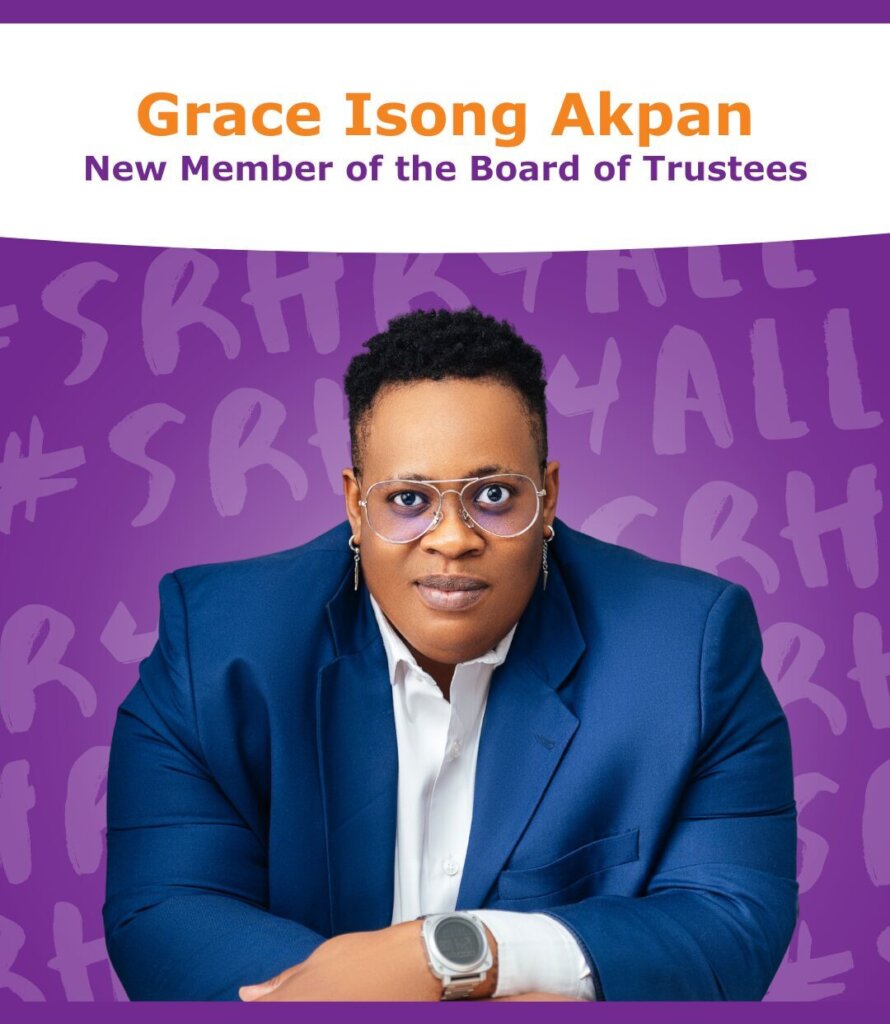
WGNRR is also pleased to welcome Grace Isong Akpan to the Board of Trustees.
Grace is a feminist advocate and nonprofit leader whose work focuses on sexual and reproductive health and rights, HIV prevention, gender equality, economic justice, and movement building. She currently serves as Executive Director of the Institute for Gender Equality and Sexual and Reproductive Health (IGE-SRH), a youth-led organization in Nigeria that advances the health, safety, and rights of marginalized communities through advocacy, research, community-led programming, and technology-driven solutions.
Over the years, Grace has led and supported initiatives focused on SRHR access, HIV prevention, economic empowerment, policy advocacy, and feminist movement strengthening across Nigeria and within regional and global networks. She has worked closely with grassroots organizations, young feminist movements, and international partners to strengthen inclusive advocacy and community-centered responses in restrictive environments.
Grace also serves in various leadership and advisory spaces focused on advancing gender justice and human rights. She is passionate about building sustainable feminist movements, expanding access to care and opportunities for marginalized communities, and ensuring that lived experiences shape policies and systems change.
Her extensive experience and commitment to feminist leadership will further strengthen WGNRR's governance and our collective efforts to advance reproductive justice across regions.
We warmly welcomed Grace to the WGNRR family.
The WGNRR 2025 Annual Report Is Now Available
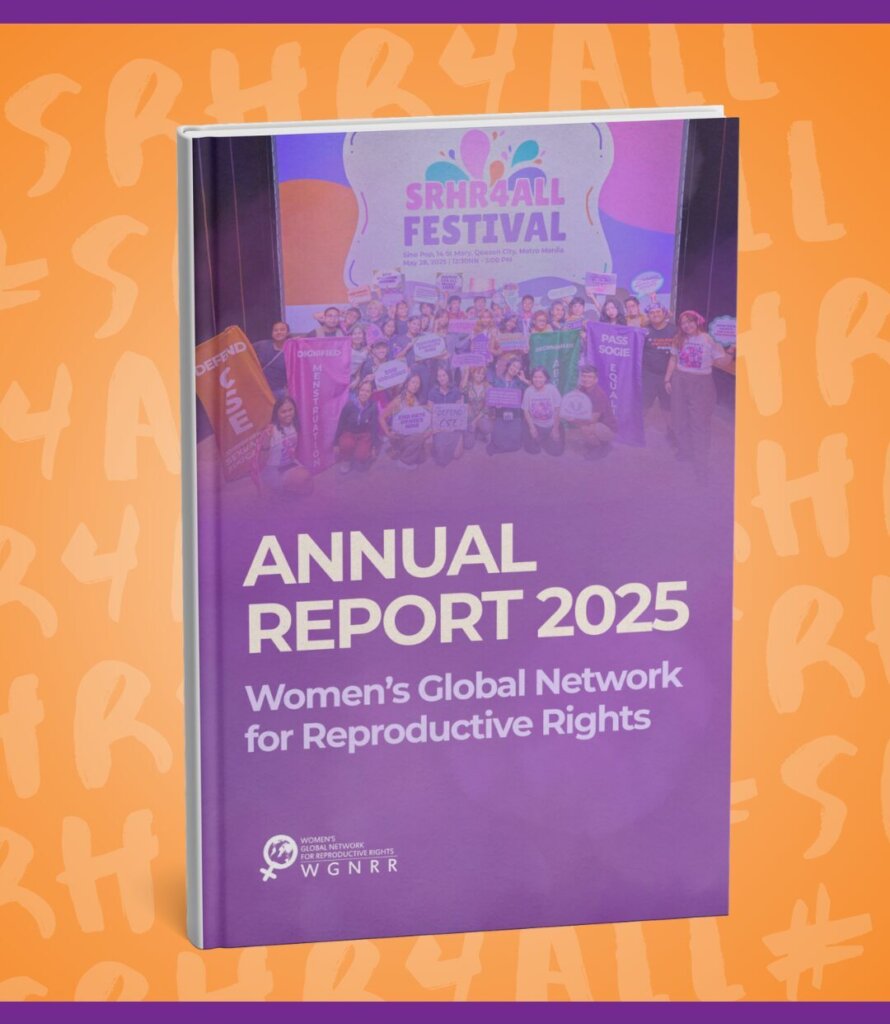
Our 2025 Annual Report (https://wgnrr.org/2025-annualreport/) reflects a year of collective action, resilience, and movement building.
The report highlights WGNRR's work in advancing sexual and reproductive health and rights and justice through advocacy campaigns, policy engagement, communications, capacity strengthening, and feminist collaborations across the Global South.
It also showcases the power of partnerships, creative advocacy, and community leadership in challenging inequality and advancing reproductive justice.
We invite our members, partners, supporters, and allies to explore the report and learn more about the impact we achieved together throughout 2025.
Global Collaborations for SRHR and JusticeMay 28 - International Day of Action for Women’s Health
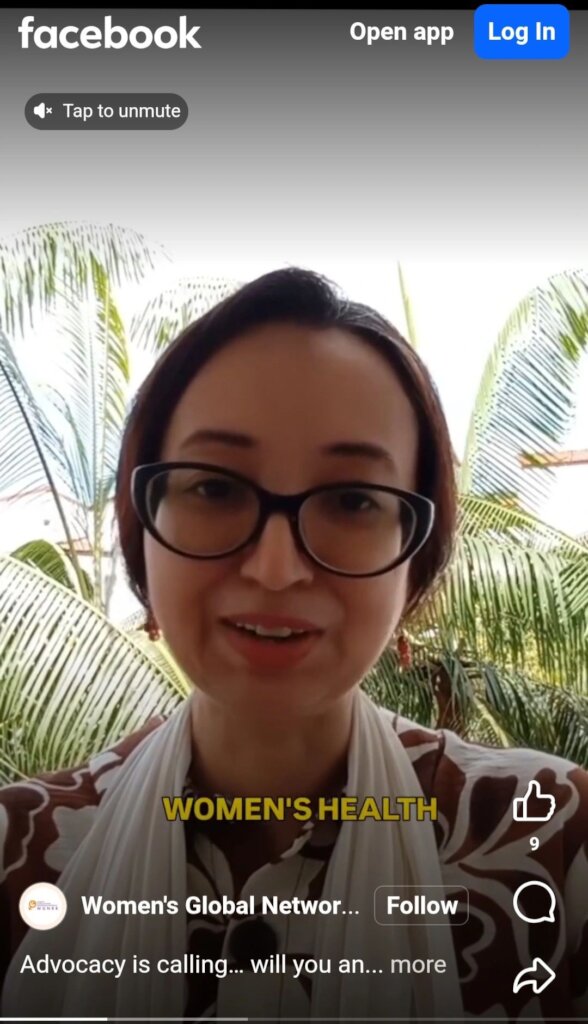
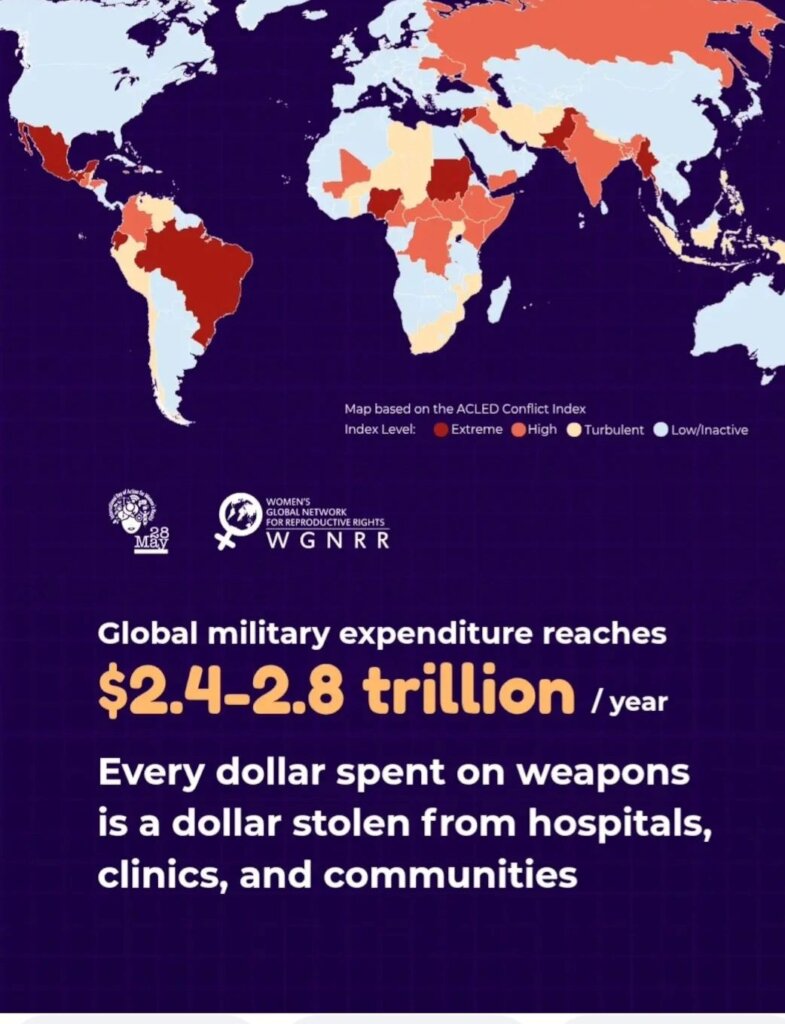
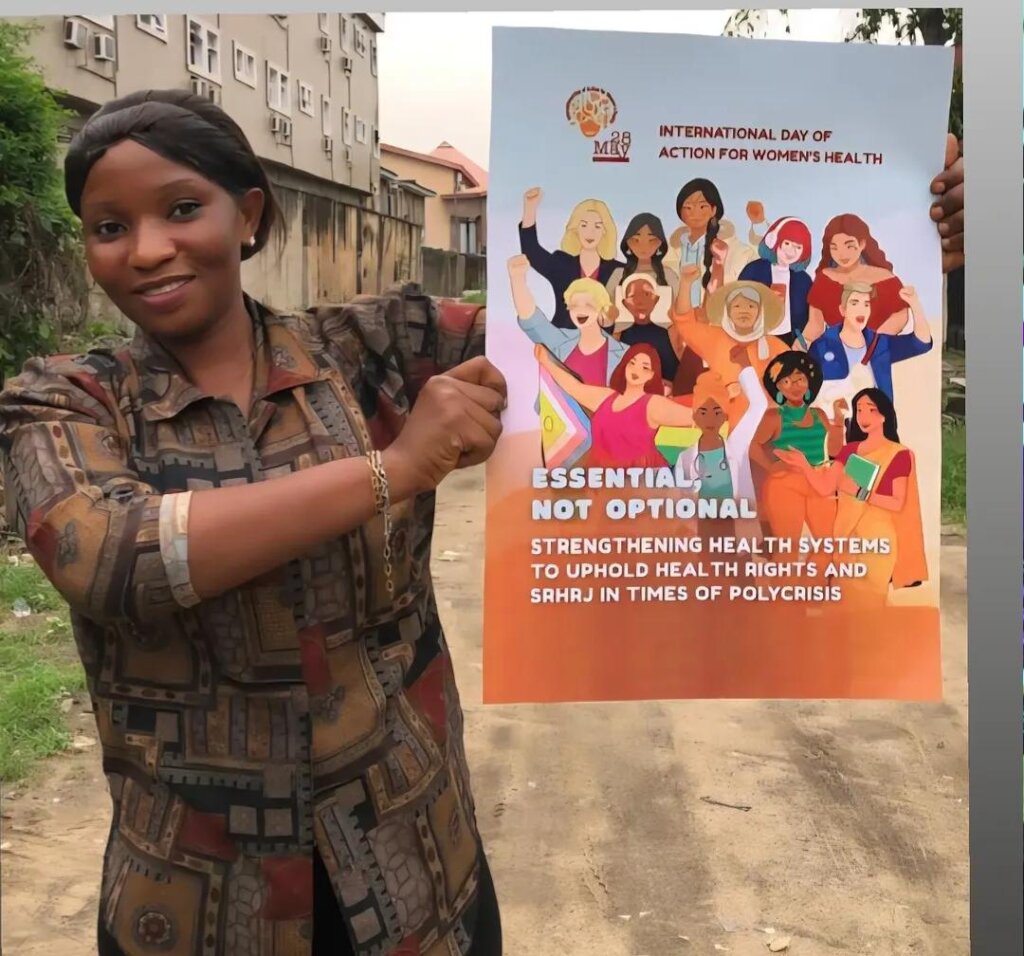
This year's campaign, "Essential, Not Optional: Strengthening Health Systems to Uphold Health Rights and SRHRJ in Times of Polycrisis," emphasized that sexual and reproductive health, rights, and justice must remain central to resilient, equitable, and people-centered health systems.
Developed collectively by organizations, feminist networks, activists, and social justice movements worldwide, the campaign highlighted how overlapping crises, including climate change, conflict, economic instability, and anti-rights backlash, continue to undermine access to healthcare and fundamental rights.
Campaign Resources
Looking back at this year's May 28 campaign, revisit the key advocacy resources that informed our collective action and continue to guide efforts to strengthen health systems and uphold SRHRJ.
Strengthening Care Within Our Movements
Health systems are only as strong as the people who sustain them.
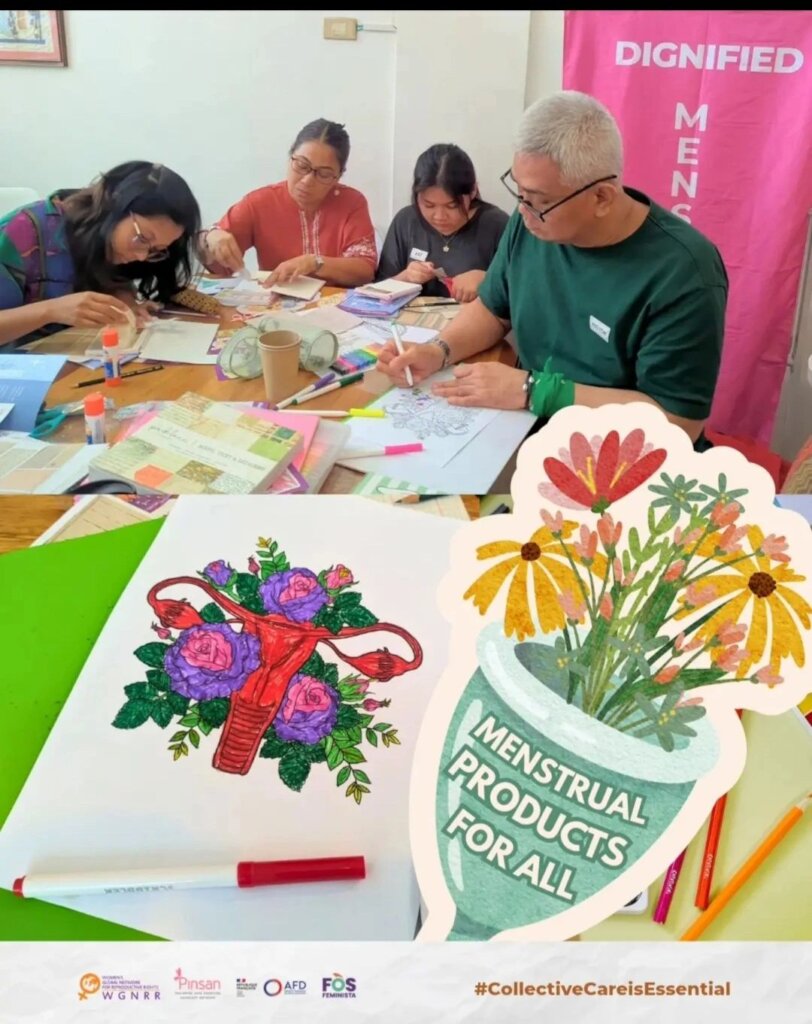
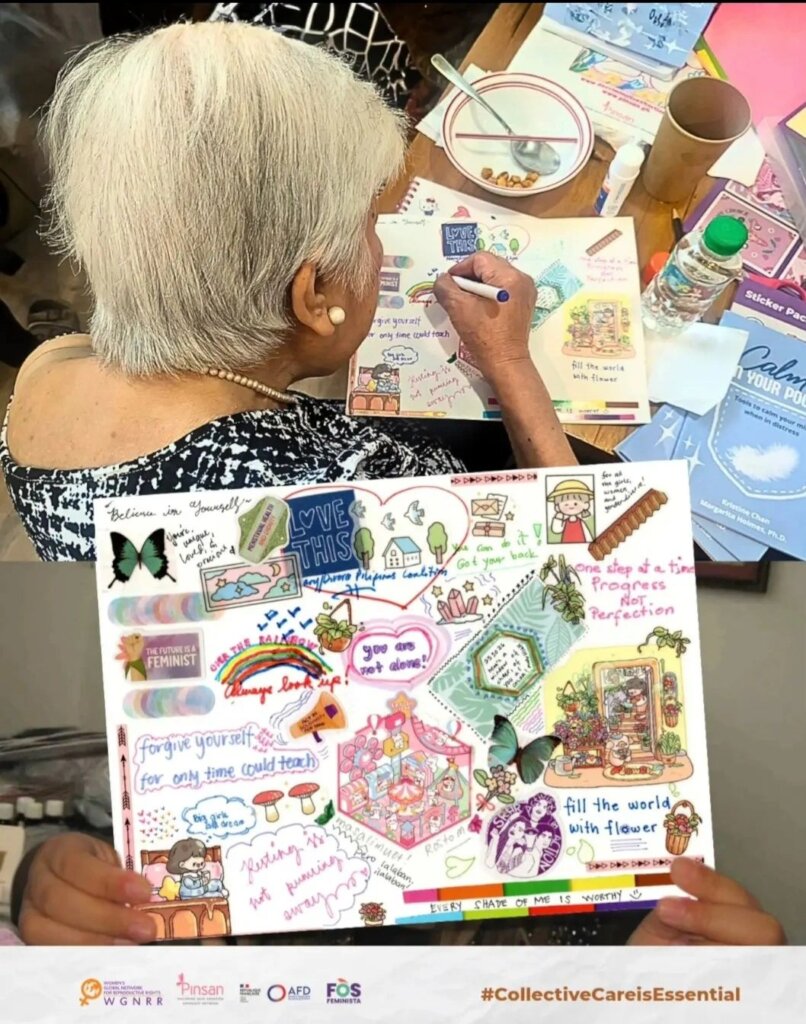
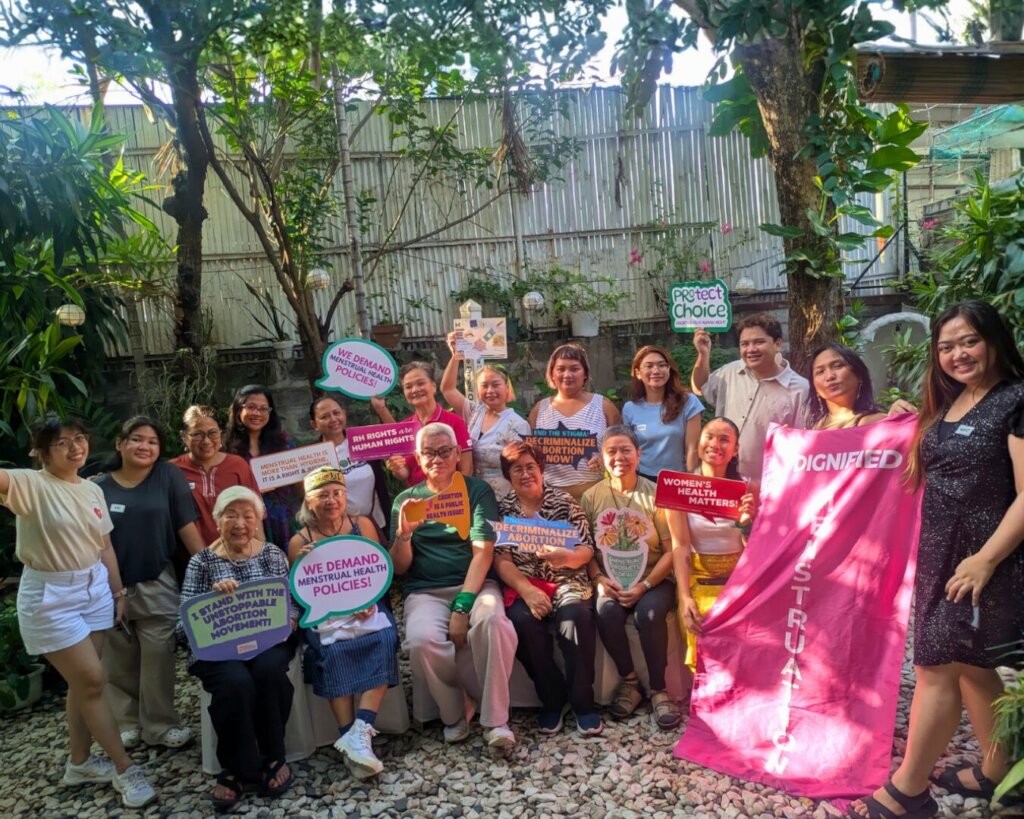
Recognizing the importance of collective care, WGNRR, together with PINSAN and with support from Fòs Feminista and the French Development Agency through the Sang pour Sang Project, convened "Hingang Malalim (A Deep Breath): A Solidarity Care Space for Sexual and Reproductive Health Advocates" on 30 May. This is also in continued commemoration of International Day of Action for Women’s Health and Menstrual Health Day.
Through guided reflection, journaling, creative expression, and community dialogue, advocates were invited to pause, reconnect with themselves, and reflect on what sustains their work amid increasingly challenging political and social environments.
The gathering served as a reminder that care is not separate from advocacy. It is a vital part of building resilient, compassionate, and sustainable movements for sexual and reproductive health and rights.
Advancing Reproductive Justice at ARJC 2026
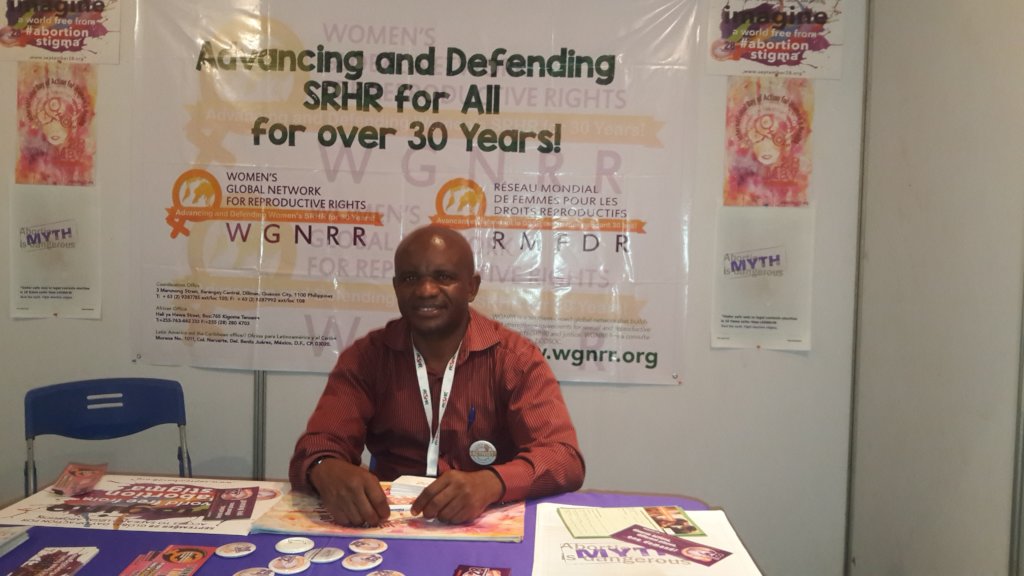
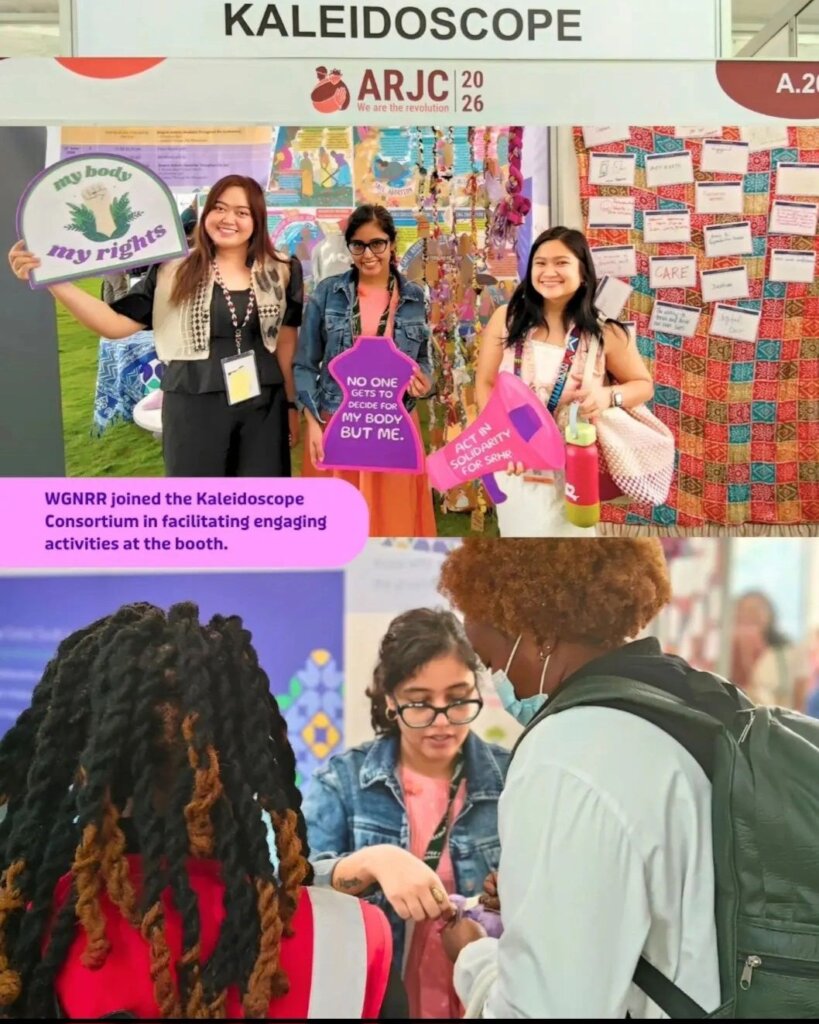
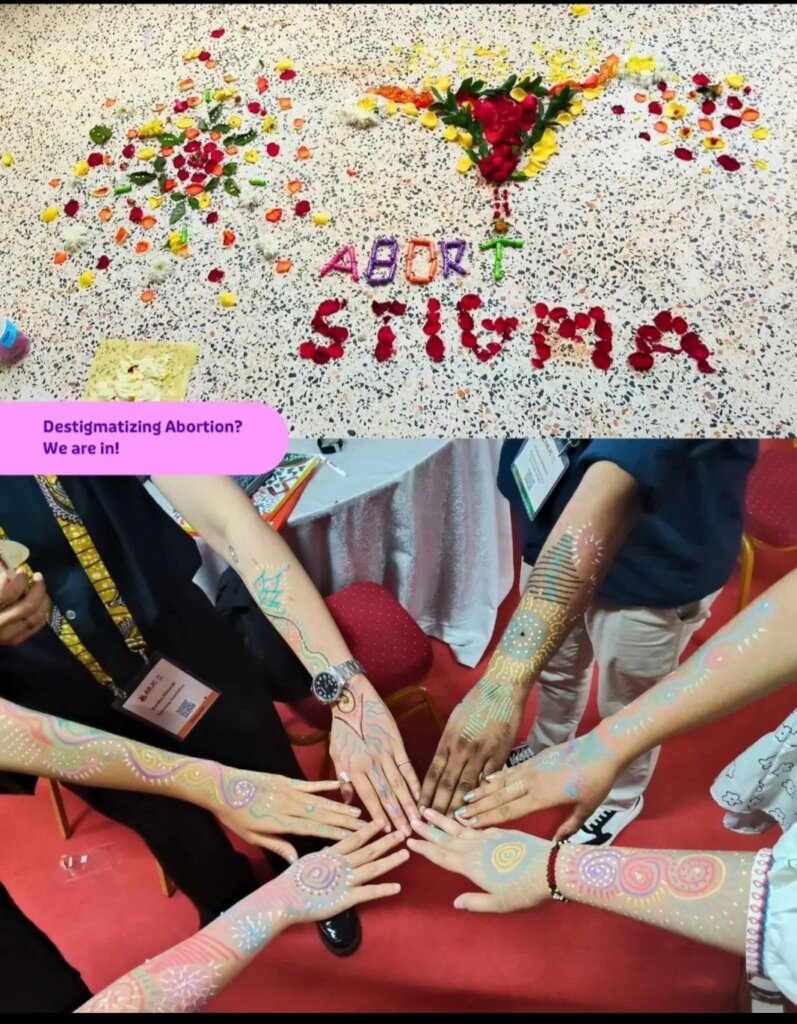
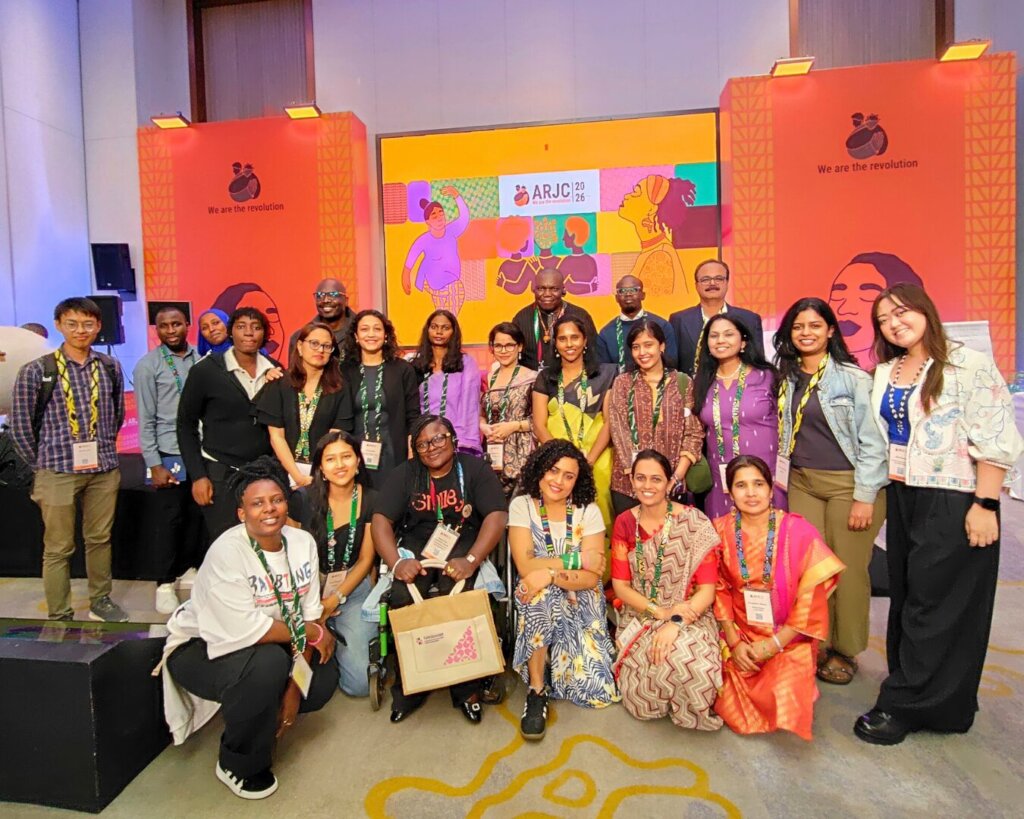
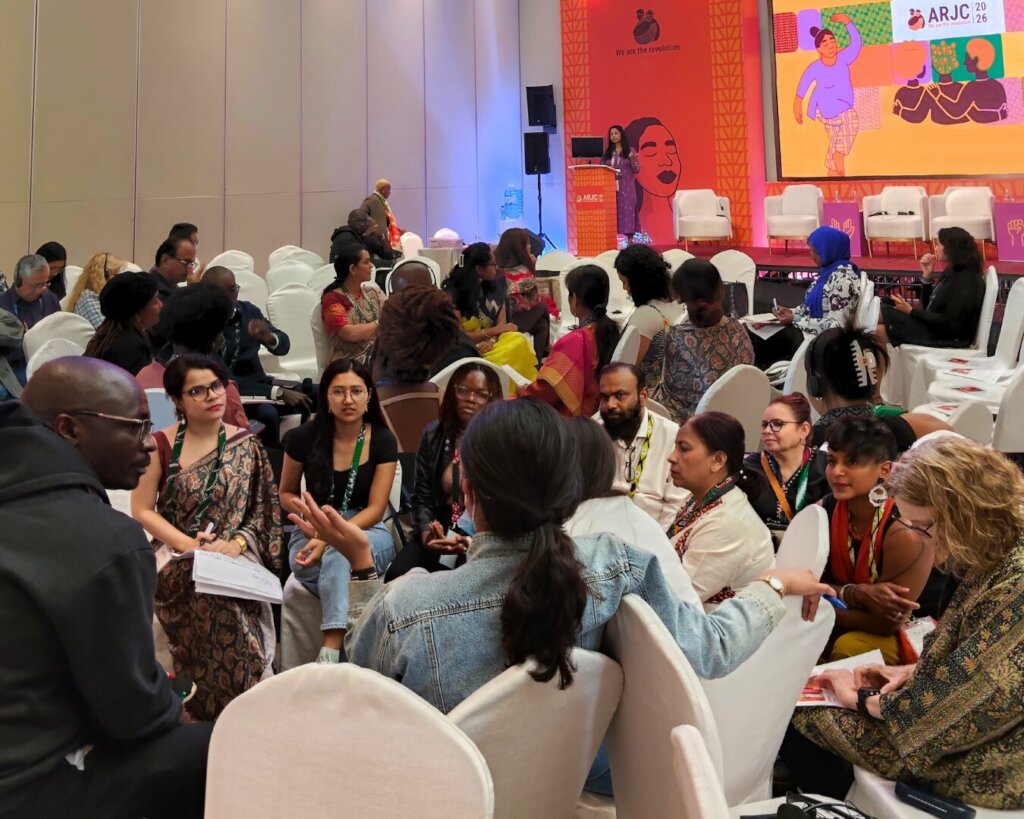
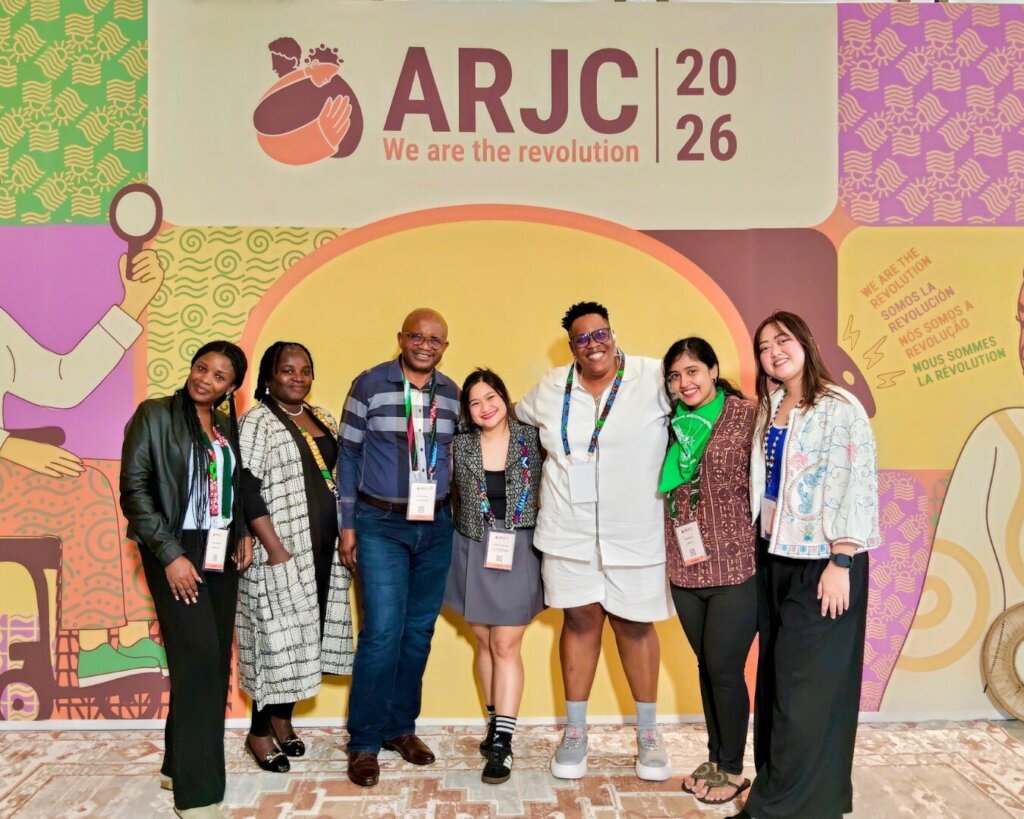
In June, WGNRR joined more than 900 advocates, healthcare providers, academics, lawyers, researchers, storytellers, movement leaders, and human rights defenders at the Abortion & Reproductive Justice Conference (ARJC) 2026 in Nairobi, Kenya. Organized by the MAMA Network, ARJC is the world's largest gathering dedicated to abortion and reproductive justice, creating a global space for learning, movement building, and collective action.
Throughout the conference, WGNRR contributed to conversations on reproductive justice by participating in pre-conference sessions, facilitating interactive learning spaces, engaging with partners and allies, and sharing experiences from our work across the Global South. Discussions explored movement building, strategic communications, abortion advocacy, self-managed abortion, legal reform, healthcare access, funding, and collective care, reaffirming that reproductive justice depends on protecting bodily autonomy and ensuring access to safe, legal, and stigma-free abortion.
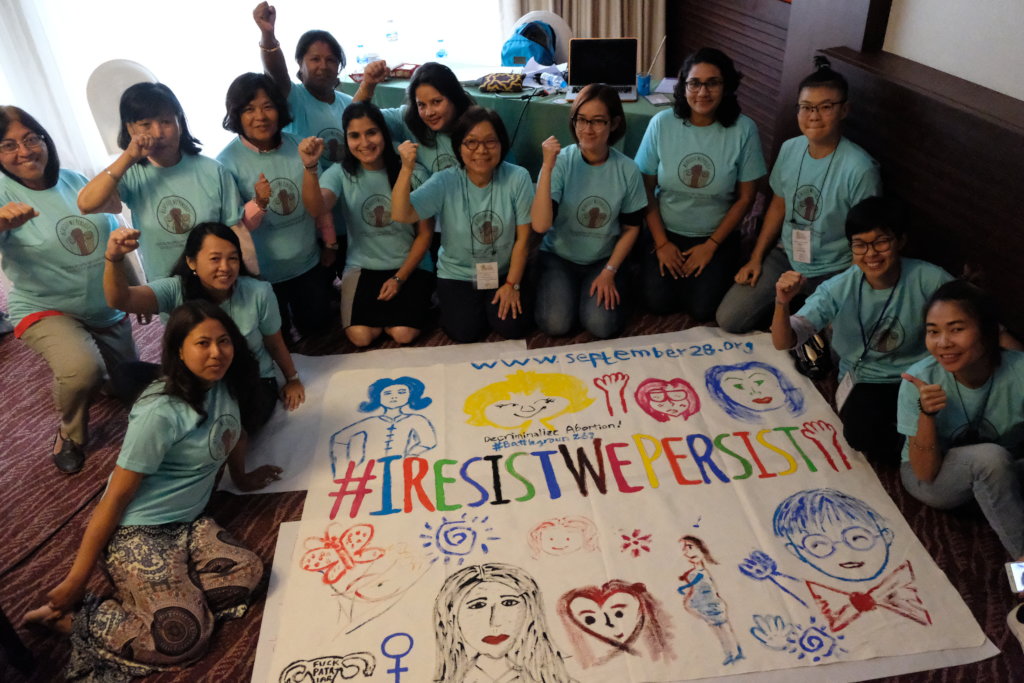
The conference also strengthened relationships with partners and opened new opportunities for collaboration as preparations begin for the September 28 International Safe Abortion Day Campaign. The lessons, partnerships, and momentum built at ARJC will continue to shape WGNRR's global advocacy in the months ahead.
Regional Collaborations for SRHR and Justice
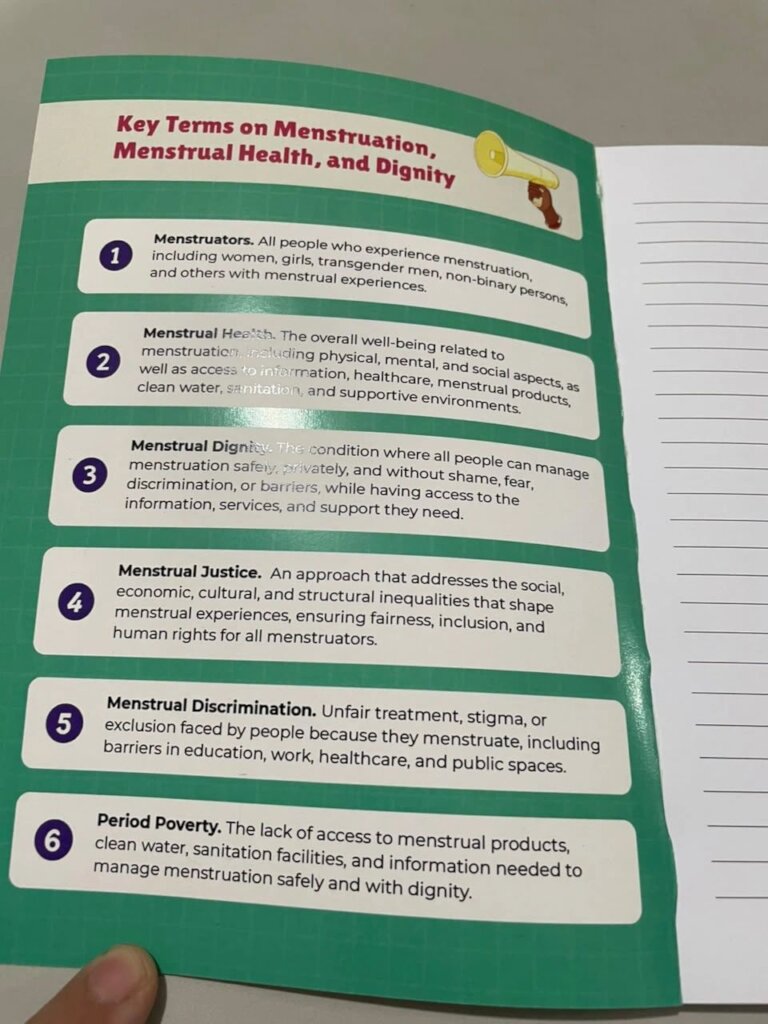
Sang pour Sang (Blood for Blood) is a global initiative that challenges menstrual stigma and advances menstrual health and dignity for women, girls, and all menstruators across the Global South. Supported by Fòs Feminista in partnership with the French Development Agency (AFD), the initiative brings together partners across countries to strengthen advocacy, shift harmful narratives, and advance menstrual justice.
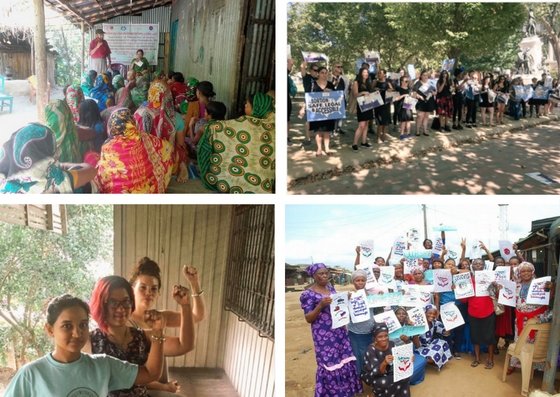
In the Philippines, WGNRR and PANTAY worked alongside Baithak and Mahwari Justice in Pakistan and to strengthen regional collaboration in observance of Menstrual Health Day (also known as Menstrual Hygiene Day). Building on national consultations held earlier in the year, partners co-developed the regional campaign theme, "Periods Don't Stop During Crises: Ensure Menstrual Health and Dignity for All," and developed shared advocacy messages highlighting how climate disasters, conflict, displacement, and economic hardship deepen menstrual inequities. Together, the campaign called for menstrual health and dignity to remain a priority.
As part of the regional campaign, Mahwari Justice and Baithak hosted the Instagram Live discussion, "Periods Don't Pause in Crisis," on 25 May in observance of Menstrual Health Day (also known as Menstrual Hygiene Day) and the International Day of Action for Women's Health. During the discussion, WGNRR contributed perspectives on how climate disasters, conflict, displacement, and economic hardship continue to deepen menstrual inequities around the world. Together with regional partners, the conversation underscored that menstrual health cannot be treated as an afterthought during emergencies and called for sustained access to menstrual products, clean water and sanitation facilities (WASH), healthcare services, and accurate information so that all menstruators can manage their periods with dignity, especially during times of crisis.
Access to safe and legal abortion
Kaleidoscope: Championing Reproductive Justice-Centered Health Systems
Kaleidoscope is a Global South-led transnational feminist collective anchored by ARROW, MAMA Network, Global Fund for Women, WGNRR, and country partners in Benin, India, Kenya, and Nepal. Together, the Collective works to strengthen health systems and expand equitable access to comprehensive abortion care through movement building, evidence generation, and cross-country collaboration.
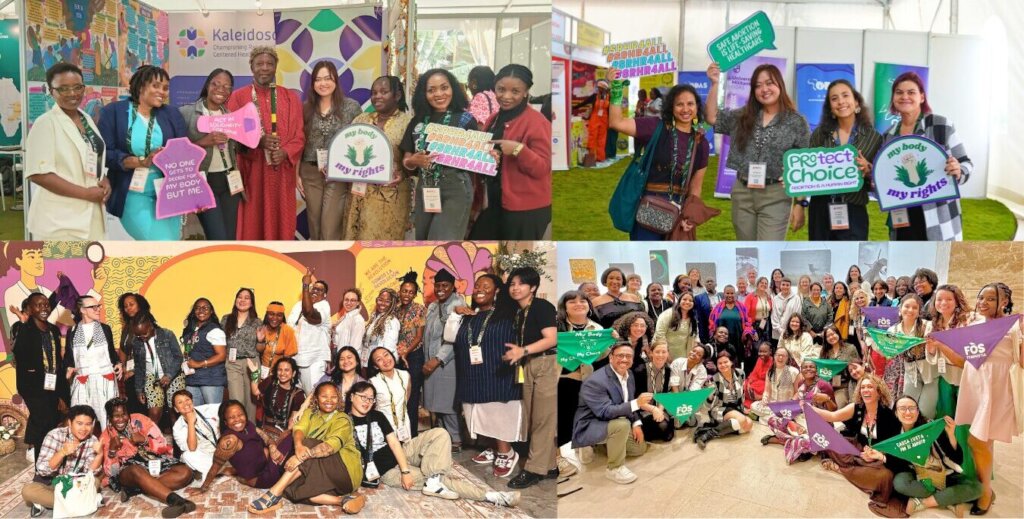
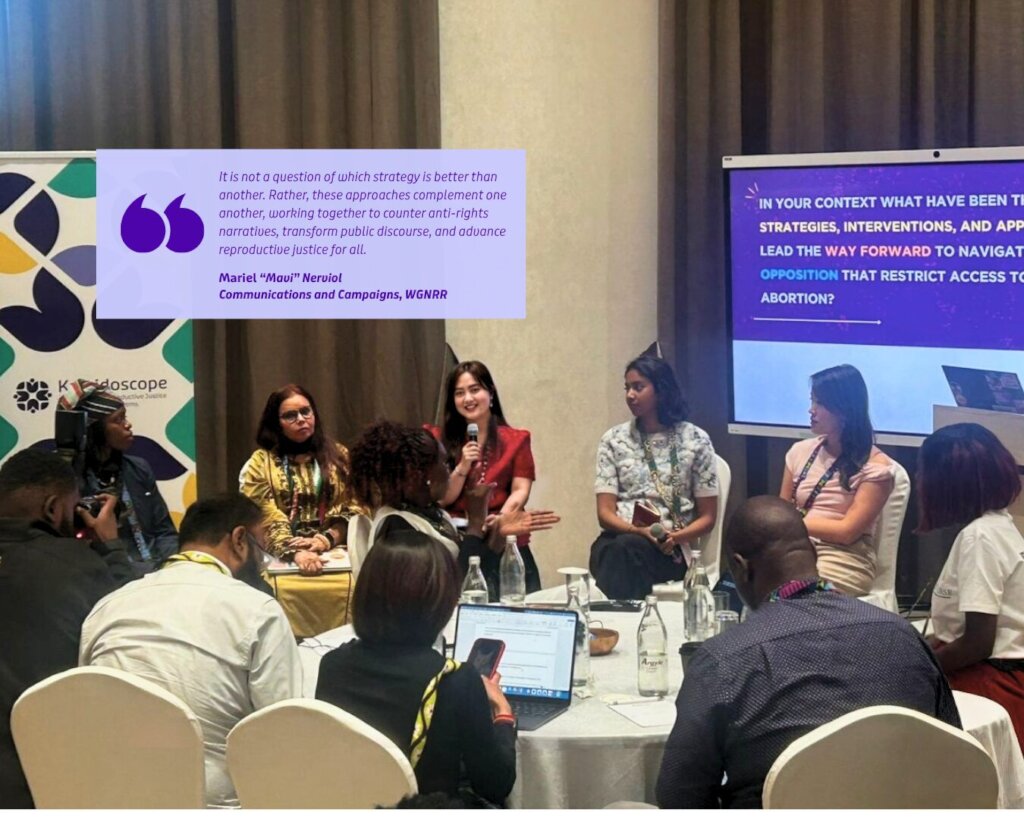
During the Abortion & Reproductive Justice Conference (ARJC) 2026, held in Nairobi, Kenya, from 16–20 June, Kaleidoscope partners shared this work with a broader community of activists, researchers, donors, healthcare providers, and civil society organizations. Throughout the conference, the Collective engaged participants through conversations at the Kaleidoscope booth, the SRHR Sips and Dips networking session on 17 June, and the interactive Skills Lab, "Transforming Systems: Kaleidoscope's Journey Towards Ensuring Comprehensive Abortion Care (CAC) for All," held on 18 June.
During the Skills Lab, Kaleidoscope partners from Benin, India, Kenya, and Nepal shared the barriers they face and the strategies they are adopting to strengthen health systems and expand access to comprehensive abortion care. Reproductive justice activists who joined the session engaged in an interactive visioning exercise, imagining a country with strengthened and equitable health systems. Together, they identified the changes needed across laws and policies, health financing, human resources, and data systems to ensure comprehensive abortion care.
As Kaleidoscope continues its work across the four countries, convenings such as ARJC strengthen the Collective by creating spaces to exchange knowledge, deepen partnerships, and build solidarity. These shared experiences help shape stronger advocacy and contribute to reproductive justice-centered health systems.
Menstrual Health and DignityBuilding a Stronger Menstrual Health and Dignity Movement
In February, WGNRR joined 11 civil society organizations in the Sang pour Sang: National Advocacy & Ecosystem Building Workshop, a three-day gathering dedicated to strengthening menstrual health and dignity advocacy in the Philippines. Participants mapped key stakeholders, examined policy landscapes, reviewed available evidence, and identified collaborative advocacy opportunities.
As part of this process, WGNRR also co-facilitated the Philippine national consultation for a regional communications campaign, contributing to the development of shared messages and strategies that strengthen feminist collaboration across countries.
These discussions culminated in three national advocacy priorities for the Philippine ecosystem: developing a national policy framework on menstrual health and dignity, addressing systemic barriers to menstrual products and services, and strengthening research and evidence systems to support evidence-informed advocacy. Together, these priorities provide a shared roadmap for coordinated, community-led efforts to advance menstrual health and dignity in the Philippines.
Building a Stronger Menstrual Health and Dignity Movement
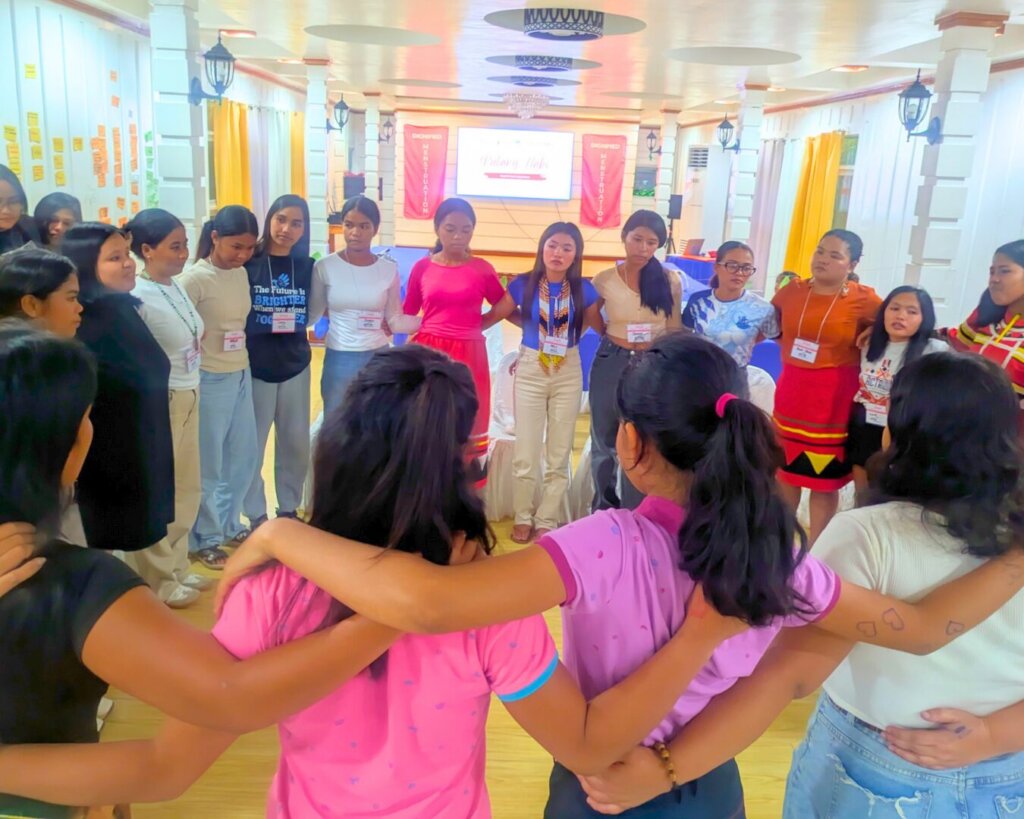
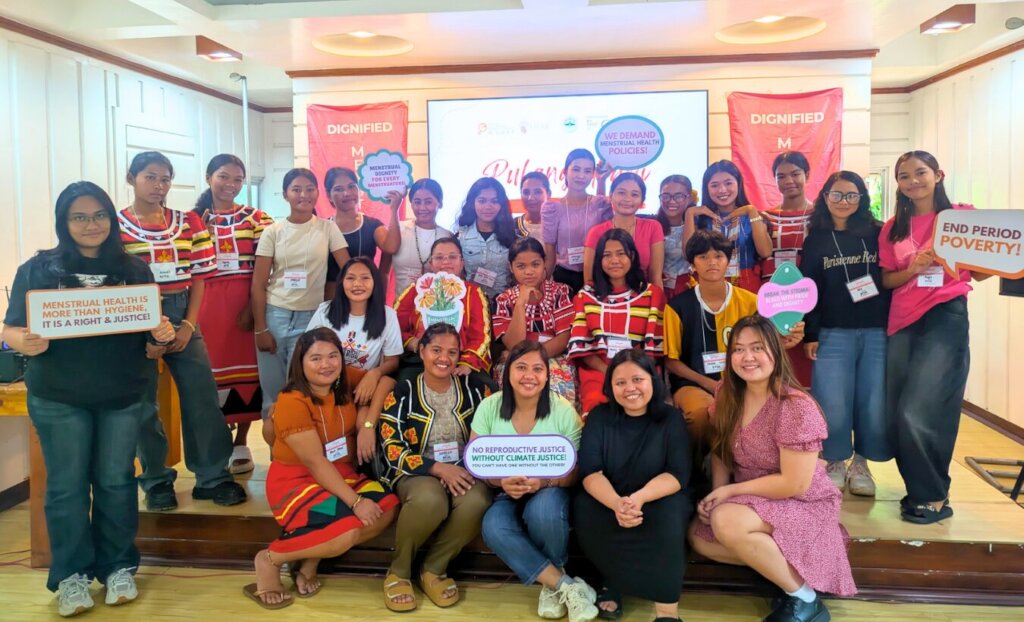
Changing policies begins with changing narratives.Through the Pulang Habi (Red Thread) initiative, WGNRR supported a culturally responsive workshop with 25 Indigenous menstruators in Bukidnon to create space for conversations around menstrual health, dignity, and justice.
Participants reflected on harmful traditions that continue to associate menstruation with early marriage, domestic responsibilities, and stigma. They also highlighted the urgent need for free menstrual products in geographically isolated communities and shared personal stories demonstrating resilience, creativity, and collective care.
The conversations reinforced that menstrual justice cannot be achieved without centering the voices and lived experiences of Indigenous communities.
Dialogue on Menstrual Support in School Communities
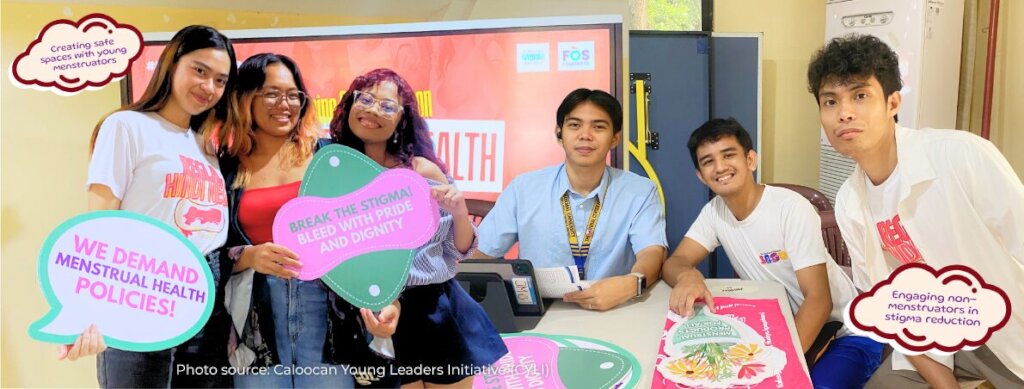
On 18 May, the Caloocan Young Leaders Initiative (CYLI), a Sang pour Sang partner organization, organized a community learning session under the #ReglaHindiNega campaign. As part of its continued collaboration with the Sang pour Sang initiative, WGNRR facilitated a dialogue with approximately 30 WASH in Schools (WinS) coordinators from public and private schools across South Caloocan, creating a space to reflect on how schools can better support menstruators.
Teachers and school nurses shared practical experiences in responding to students' menstrual health needs, from maintaining emergency clothing and menstrual supplies to empowering student advocates to lead awareness initiatives. The discussions reinforced that creating menstruation-friendly schools requires more than adequate facilities. It also depends on compassionate policies, supportive educators, and sustained efforts to eliminate period stigma and uphold menstrual health and dignity for all.
Navigating the Bleeding Edge: Period Poverty and Reproductive Health in the Polycrisis
On 28 May, WGNRR partnered with Citizen News Service (CNS) to co-convene a SHE & Rights session titled "Navigating the Bleeding Edge: Period Poverty and Reproductive Health in the Polycrisis."
The discussion brought together advocates from the Philippines, India, Nepal, Indonesia, and Uganda to examine how intersecting crises, including climate change, economic instability, conflict, and displacement, continue to worsen menstrual inequities.
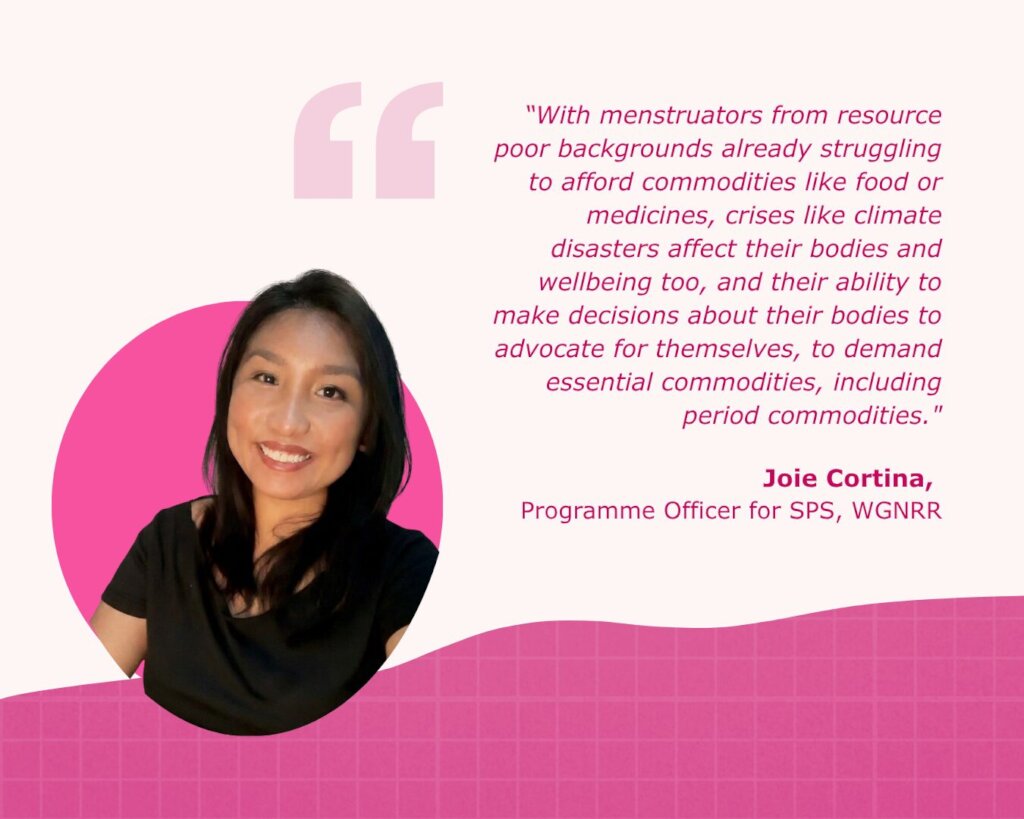
Representing the Philippines, WGNRR highlighted how marginalized communities are often forced to choose between meeting basic daily needs and accessing menstrual products and healthcare. Participants called for menstrual health and dignity to be fully integrated into public health systems, disaster preparedness plans, and humanitarian responses.
The session reaffirmed that menstrual justice is inseparable from reproductive justice and that resilient health systems must leave no one behind.
Sexual and Reproductive Rights of Young PeopleChampioning Comprehensive Sexuality Education for and with Young People
Advancing comprehensive sexuality education is central to WGNRR's long-standing commitment to protecting young people's sexual and reproductive health and rights. Working alongside partners and young advocates, we continue to push for stronger legal and policy frameworks that ensure all young people have access to comprehensive, inclusive, and rights-based sexuality education.
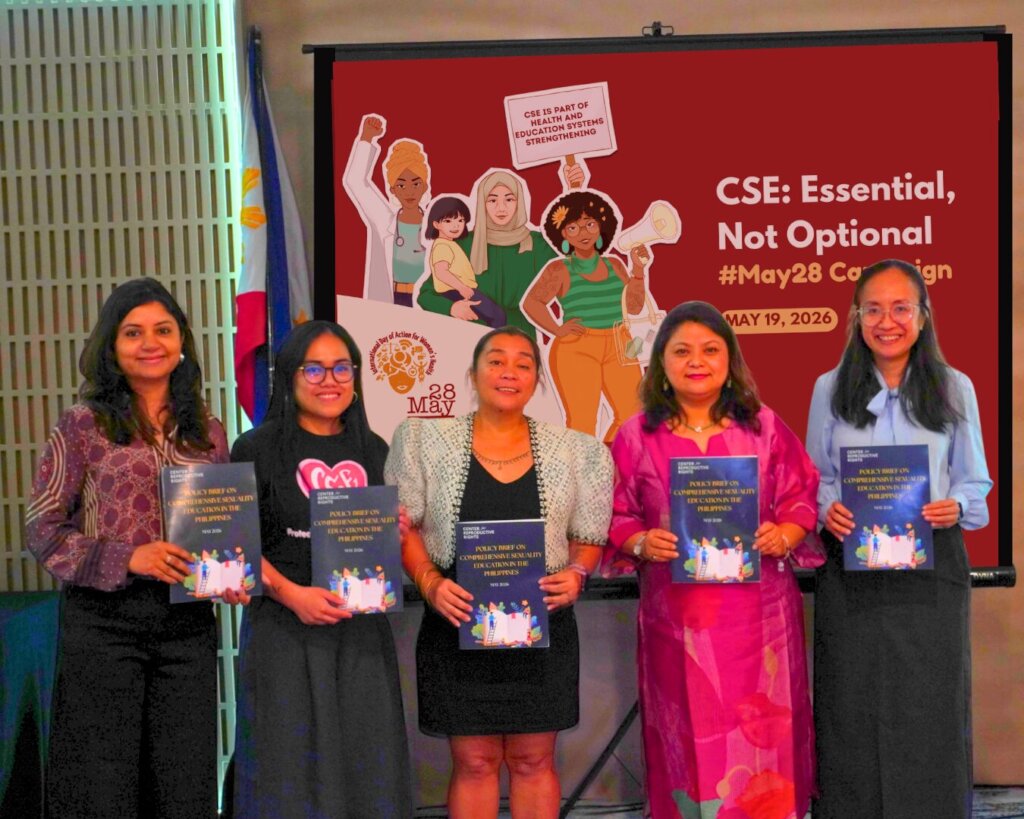
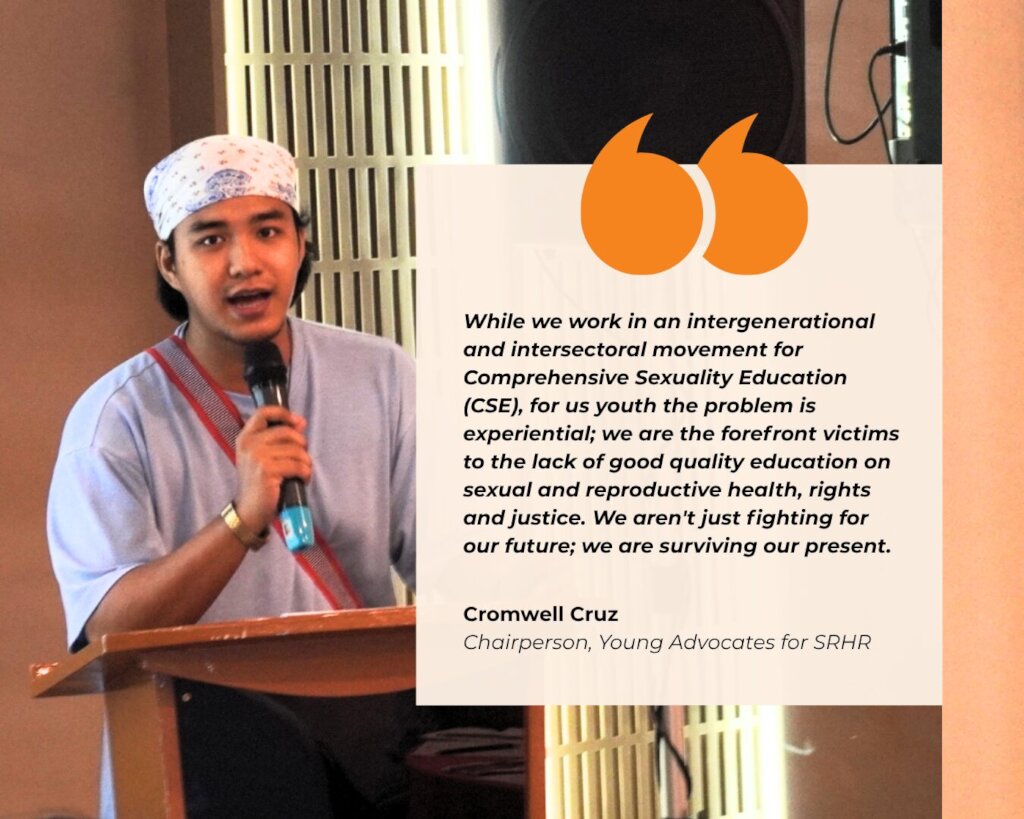
As part of the May 28 Campaign and this advocacy, WGNRR and the Center for Reproductive Rights (CRR) Asia Division convened the forum "Comprehensive Sexuality Education: Essential, Not Optional" on 19 May in Quezon City, Philippines. The forum formed part of broader advocacy efforts to strengthen legal and policy support for comprehensive sexuality education (CSE) and protect young people's sexual and reproductive health and rights in the Philippines. Bringing together youth SRHR advocates, civil society organizations, and partners, the discussion examined the growing backlash against CSE while reaffirming that access to accurate, inclusive, and rights-based sexuality education is fundamental to adolescents' health, autonomy, and well-being.
Together, these efforts reinforce the call for comprehensive sexuality education to be recognized not as an option, but as an essential component of equitable health and education systems.
Knowledge and Resources
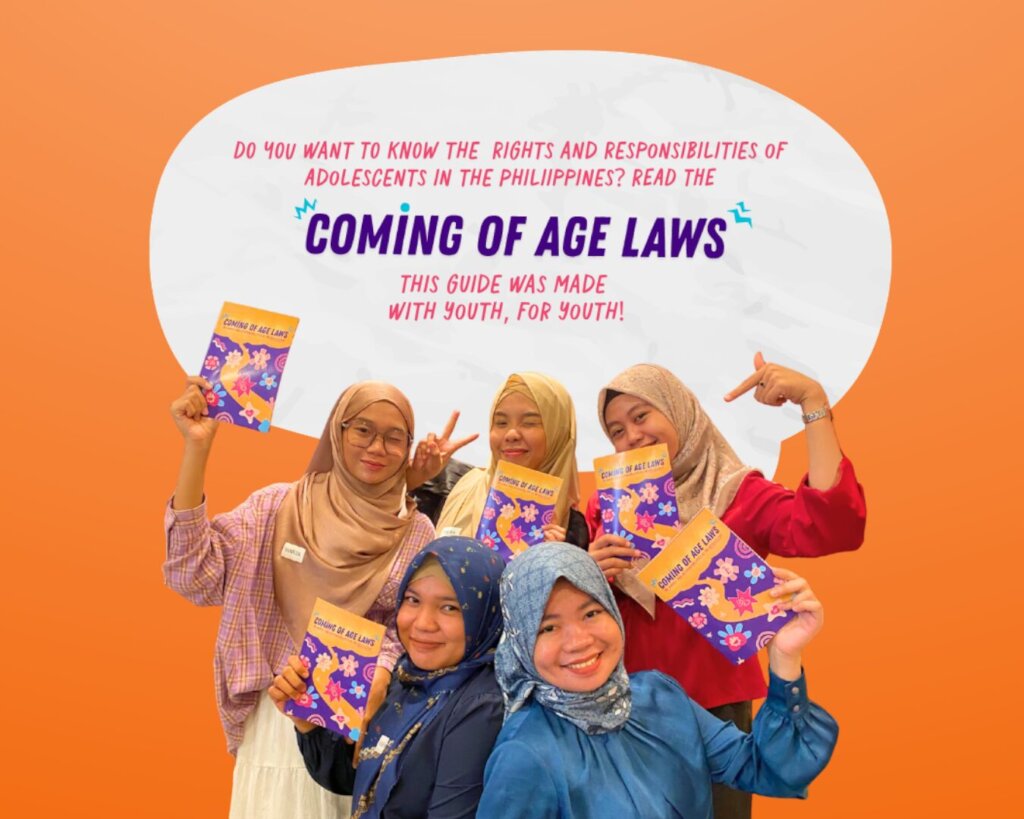
Coming of Age: My Rights and Responsibilities as an Adolescent
Designed for young people, Coming of Age: My Rights and Responsibilities as an Adolescent is a practical guide to understanding sexual and reproductive health and rights (SRHR) in the Philippines. The booklet explains adolescents' rights and responsibilities, outlines Filipino minors' access to SRHR in line with international human rights standards, and provides accessible information on key Philippine laws that shape young people's civil, political, economic, social, and cultural rights.
Comprehensive Sexuality Education in the Philippines: A Briefing Paper on Legal and Policy Issues
Developed by the Center for Reproductive Rights Asia, in collaboration with WGNRR and Philippine partners, this briefing paper examines the evolution of comprehensive sexuality education (CSE) policy in the Philippines. It explores the legal and policy barriers that continue to limit adolescents' access to rights-based sexuality education while offering recommendations to strengthen policy implementation and ensure young people can access accurate, inclusive, and evidence-based information.
Looking Ahead
As we move into the second half of 2026, we recognize that the challenges facing sexual and reproductive health and rights continue to evolve. Anti-rights movements remain organized, humanitarian crises continue to affect millions, and inequalities persist across communities.
Yet the first six months of this year have reminded us that hope is not passive,it is built through action.
Whether through grassroots organizing, regional collaboration, global advocacy, movement care, research, storytelling, or policy engagement, every contribution strengthens our collective movement for reproductive justice.
Together with our members, partners, and allies, WGNRR will continue advocating for health systems that uphold dignity, bodily autonomy, and human rights; advancing safe, legal, and stigma-free abortion; strengthening feminist movements; and amplifying the voices of communities most affected by injustice.
As Hingang Malalim reminded us that from time to time, we all need to pause, take a deep breath, and renew our strength. Caring for ourselves and one another is not separate from advocacy. It is what enables us to continue building resilient, compassionate, and sustainable movements for sexual and reproductive health and rights (SRHR) and justice.
Join us in carrying this work forward
As attacks on sexual and reproductive health and rights and justice continue to intensify, funding for feminist and reproductive justice organizations, particularly across the Global South, is becoming increasingly constrained. Sustaining this work requires collective investment and solidarity.
For four decades, WGNRR has mobilized communities, strengthened feminist movements, and championed policies that uphold sexual and reproductive health, rights, and justice. Today, that work is more urgent than ever.
By supporting WGNRR, you help strengthen advocacy, amplify community voices, and advance rights-based change across the Global South.
By WGNRR | Team
By Debanjana Choudhuri | Executive Director
Project reports on GlobalGiving are posted directly to globalgiving.org by Project Leaders as they are completed, generally every 3-4 months. To protect the integrity of these documents, GlobalGiving does not alter them; therefore you may find some language or formatting issues.
If you donate to this project or have donated to this project, you can receive an email when this project posts a report. You can also subscribe for reports without donating.



Support this important cause by creating a personalized fundraising page.
Start a Fundraiser