By Steve Olweean | Program Co-Director and IHPA President
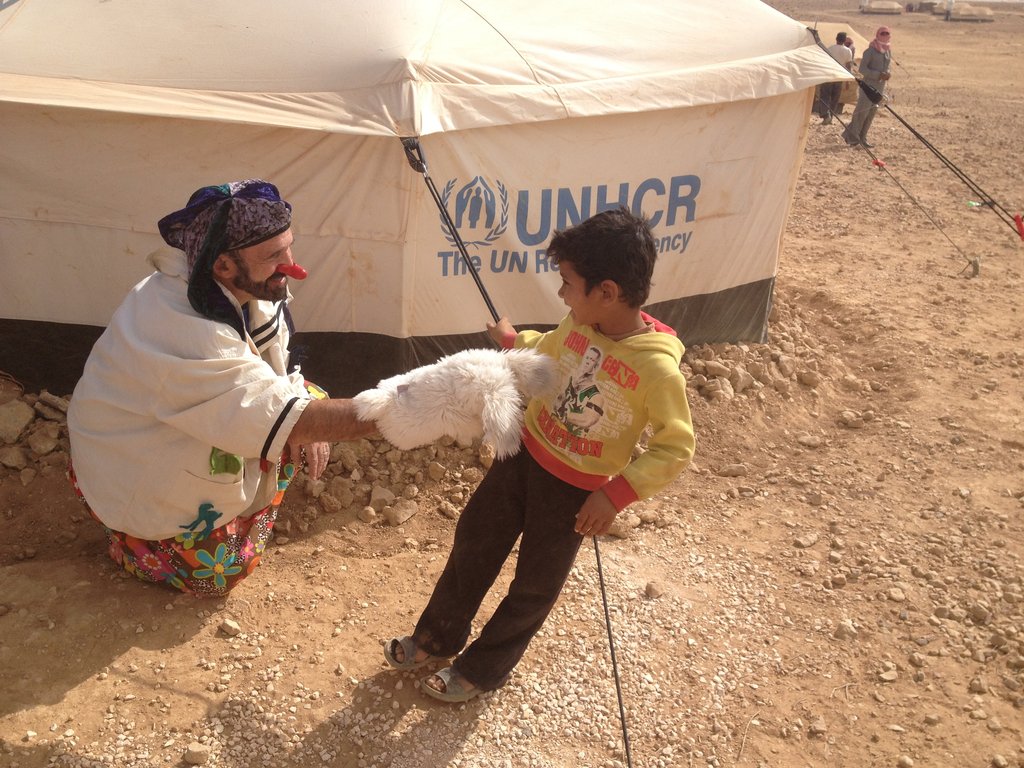
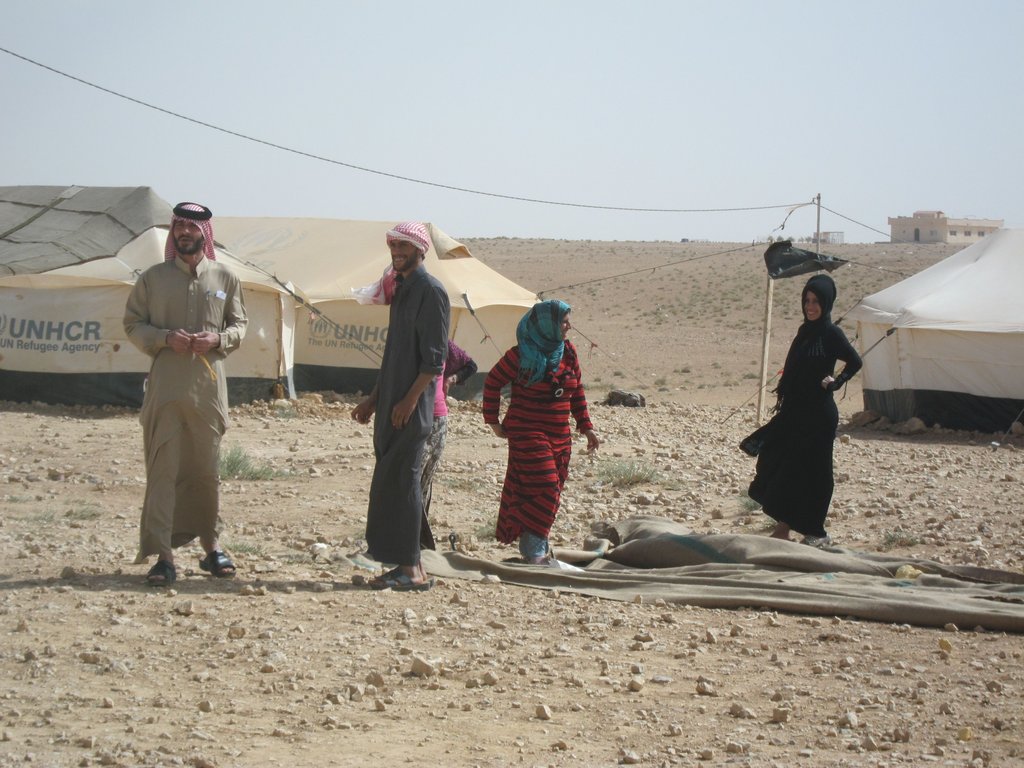
As our dedicated team has persevered in our efforts to provide life-saving disaster health care services to refugees in Jordan, the challenges to maintain this vital service has only increased over recent months, fueled by an unprecedented and increasing combination of severe threats to life and security for an already vulnerable and highly at risk population. The profound stressors of violence, profound loss, displacement, and resulting trauma for millions of Syrians caused by the Syrian civil war, the daily instability and declining living conditions and poor access to health care as refugees, thedaily instability and declining living conditions and poor access to health care as refugees, and extreme weather conditions, have been added to by the deadly pandemic that has been further devastating this population.
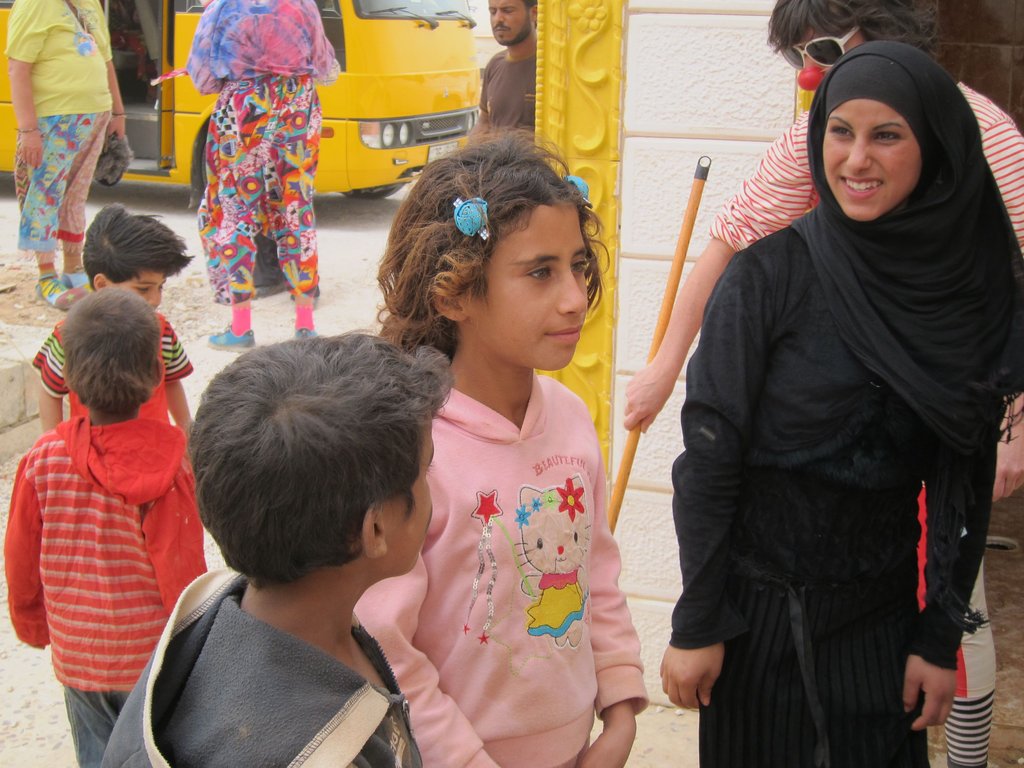
The Impact on Children and Their Families:
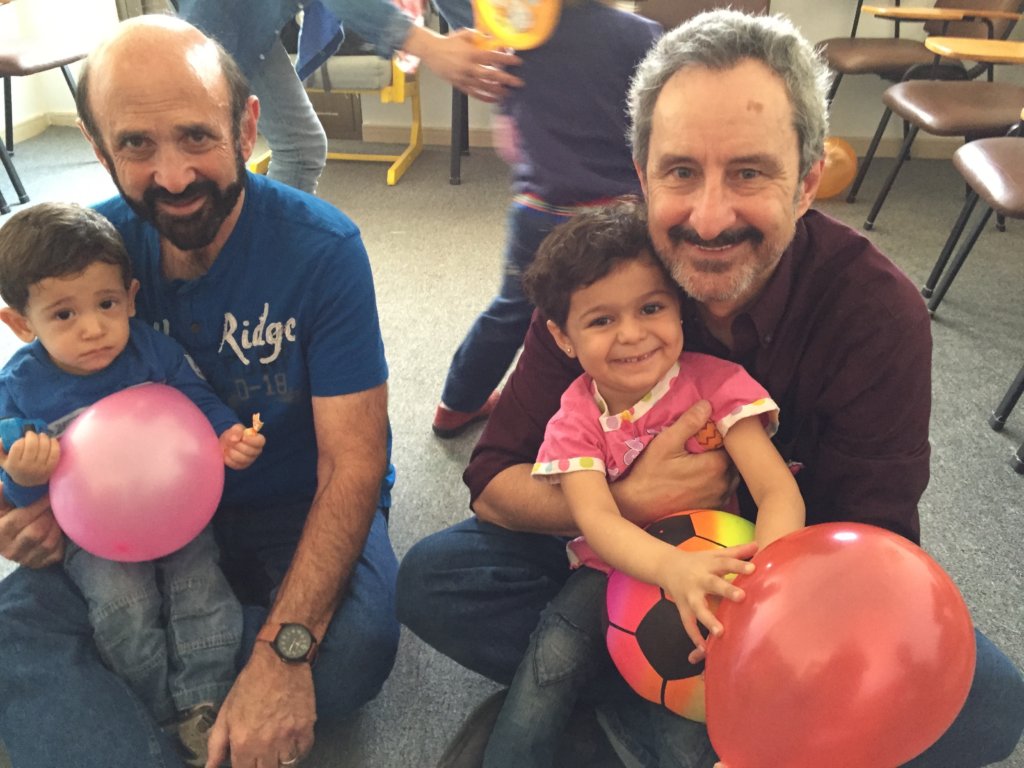
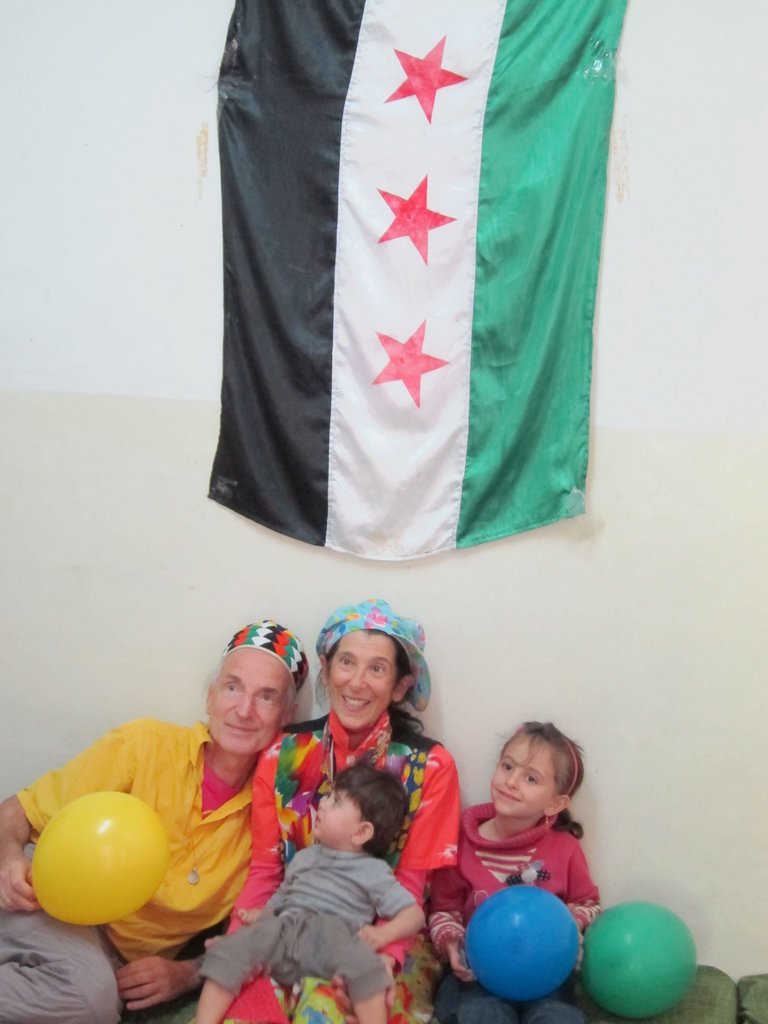
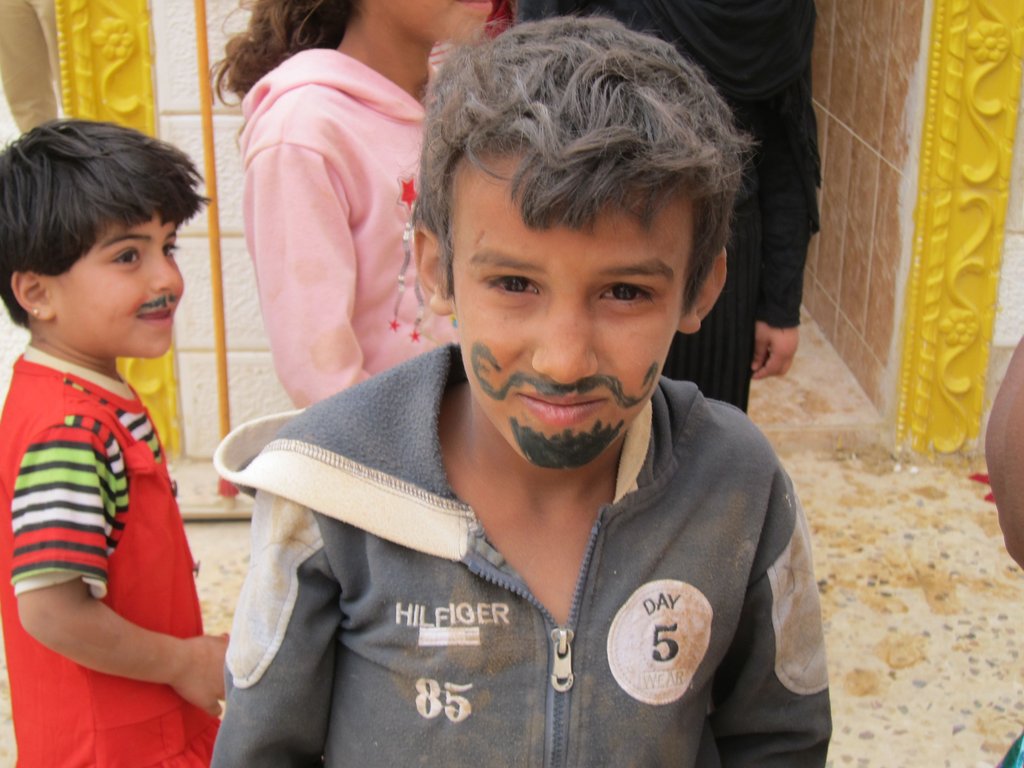
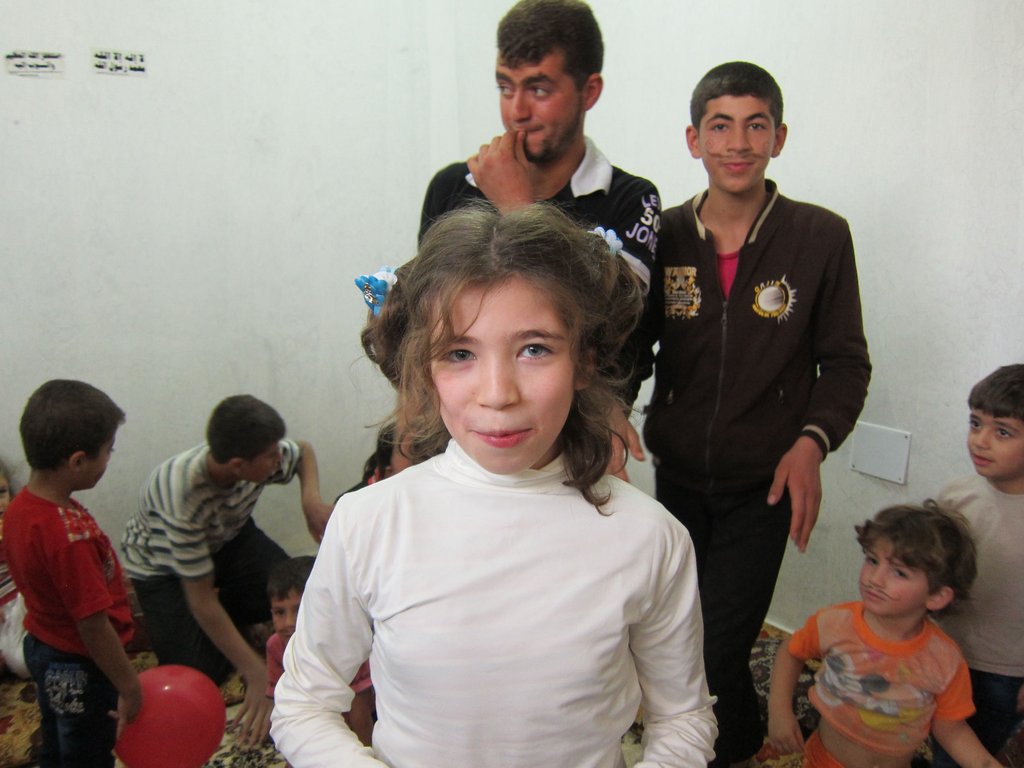
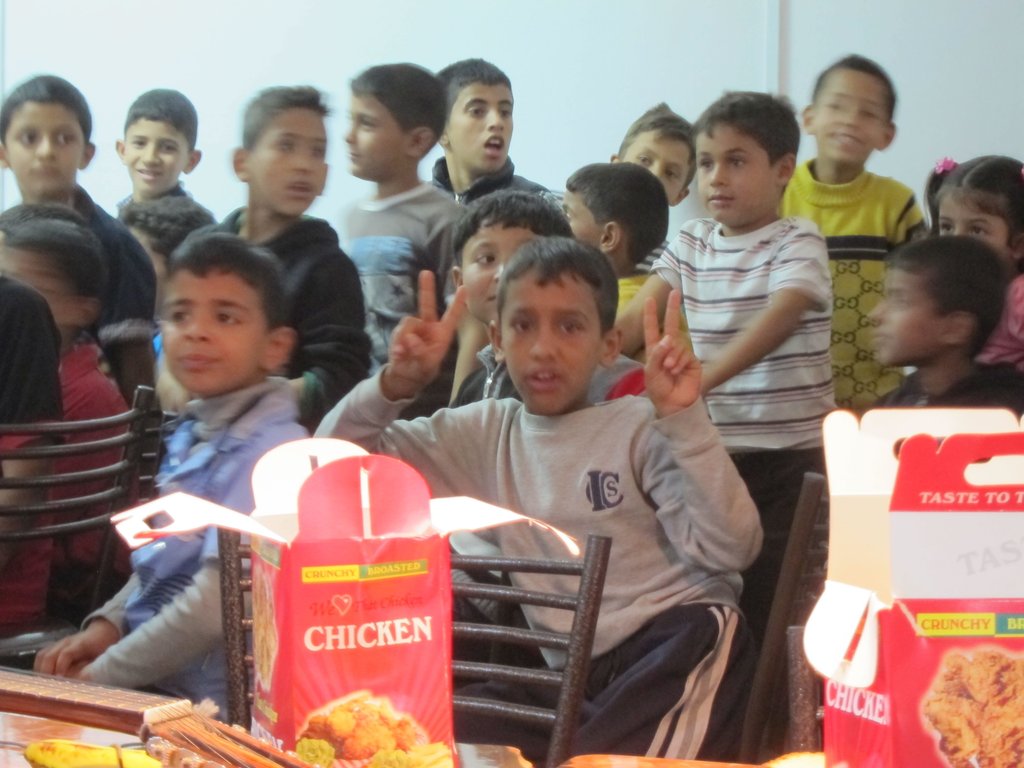
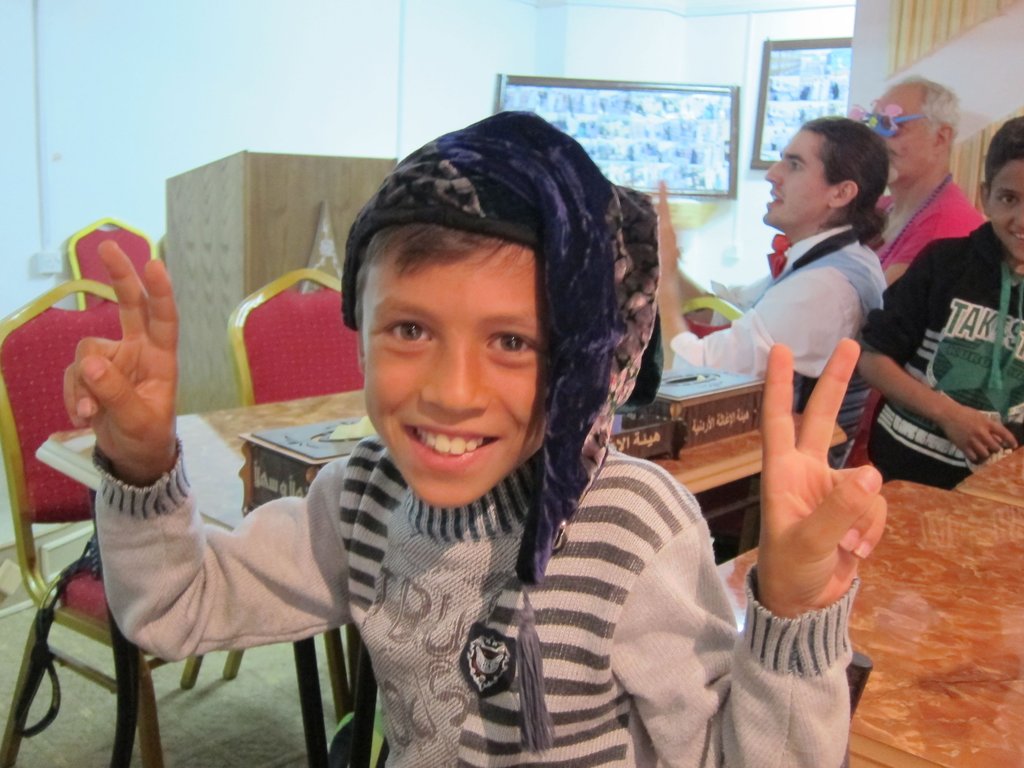
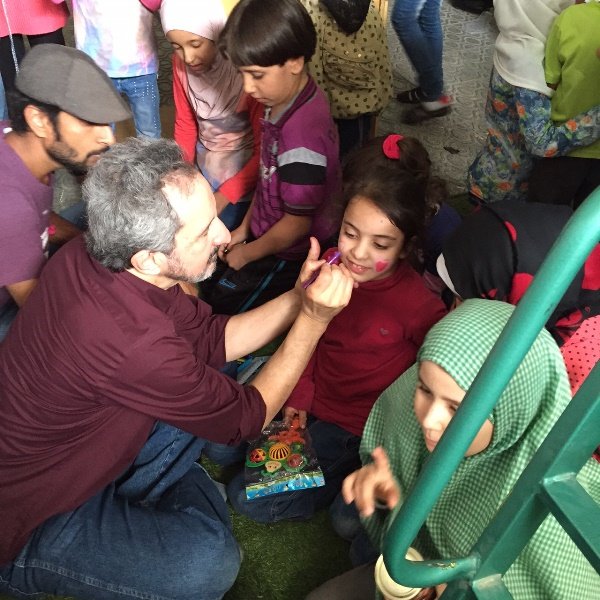
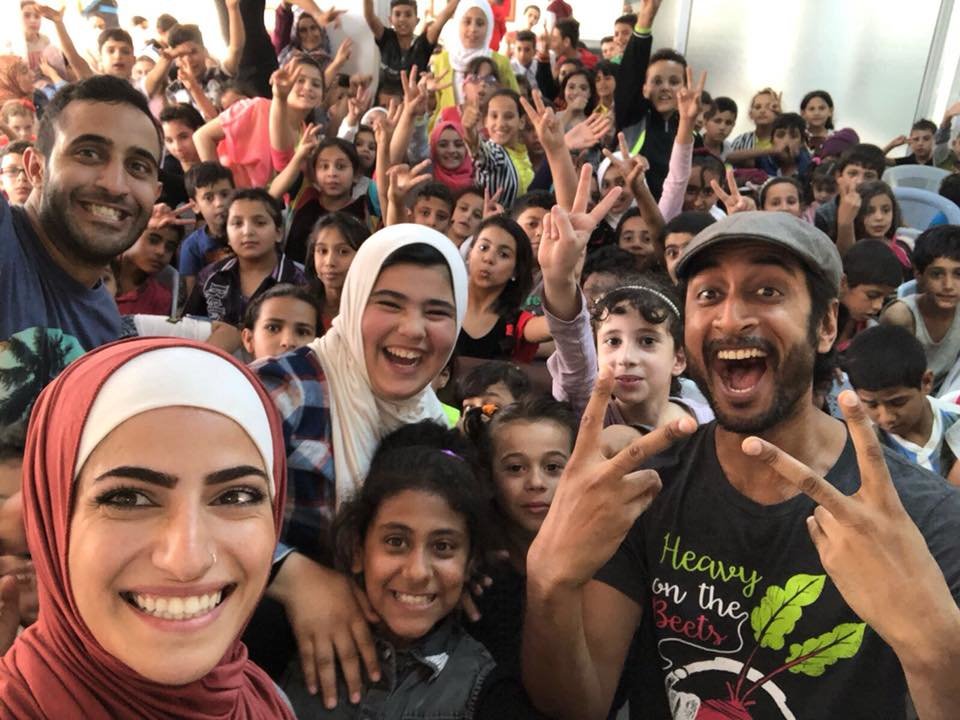
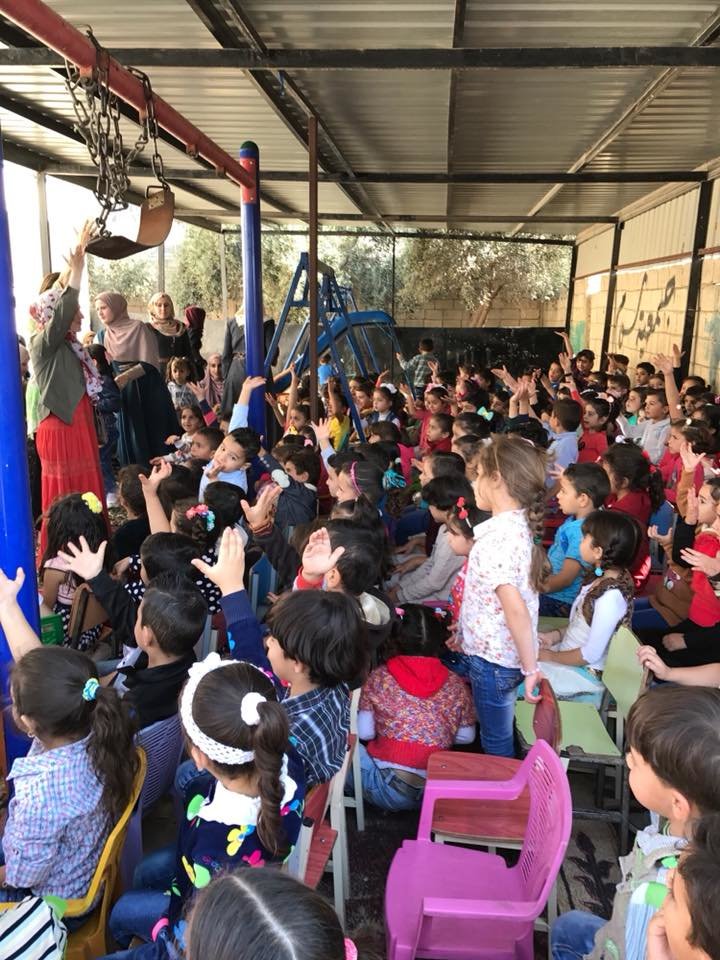
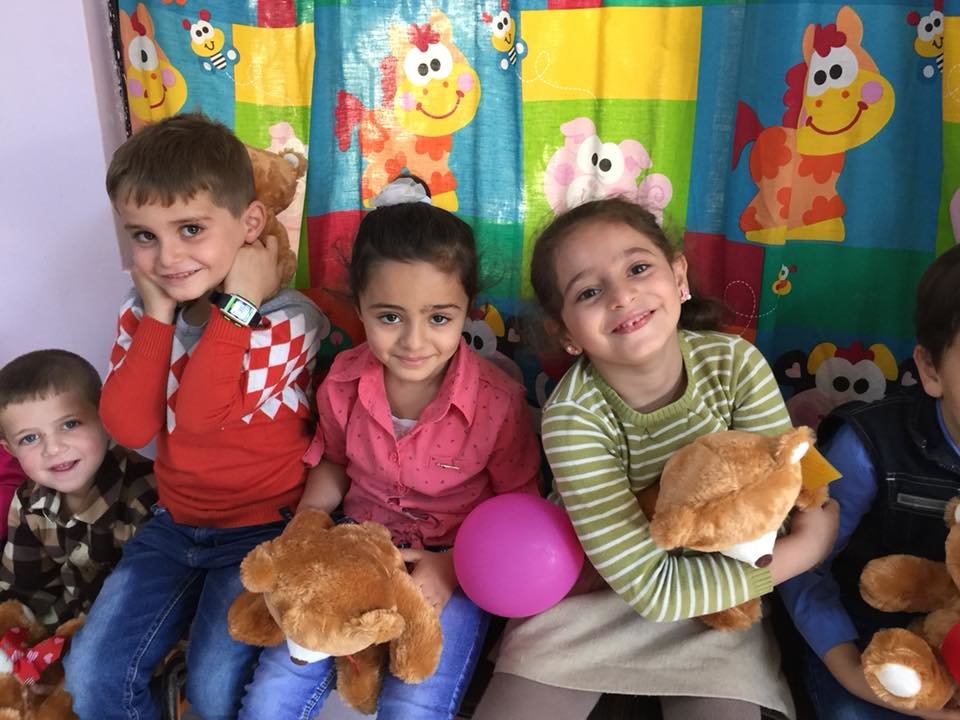
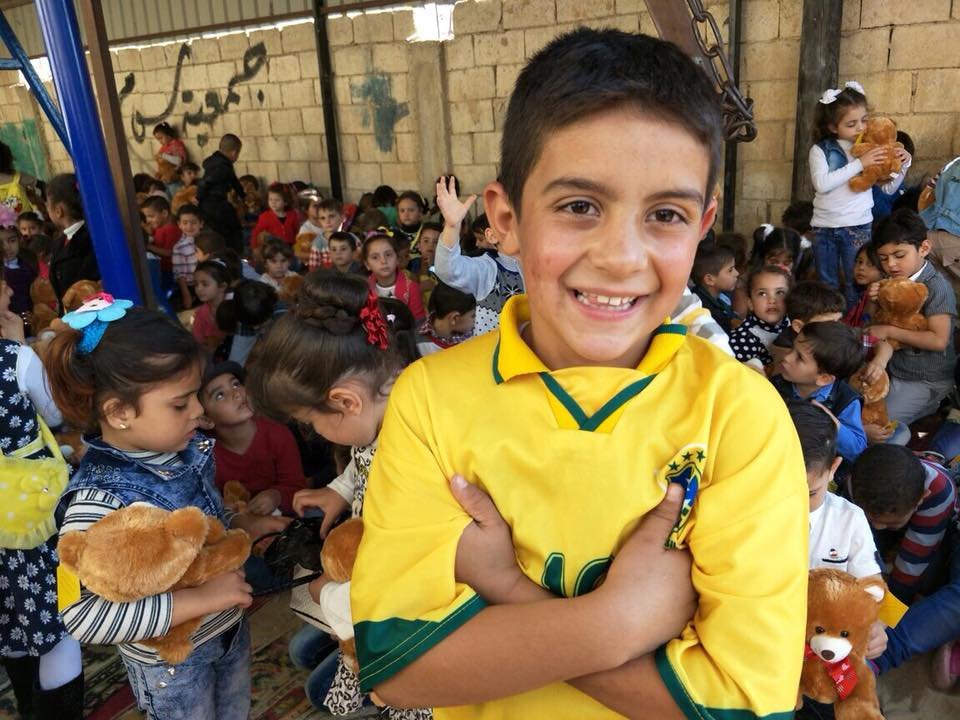
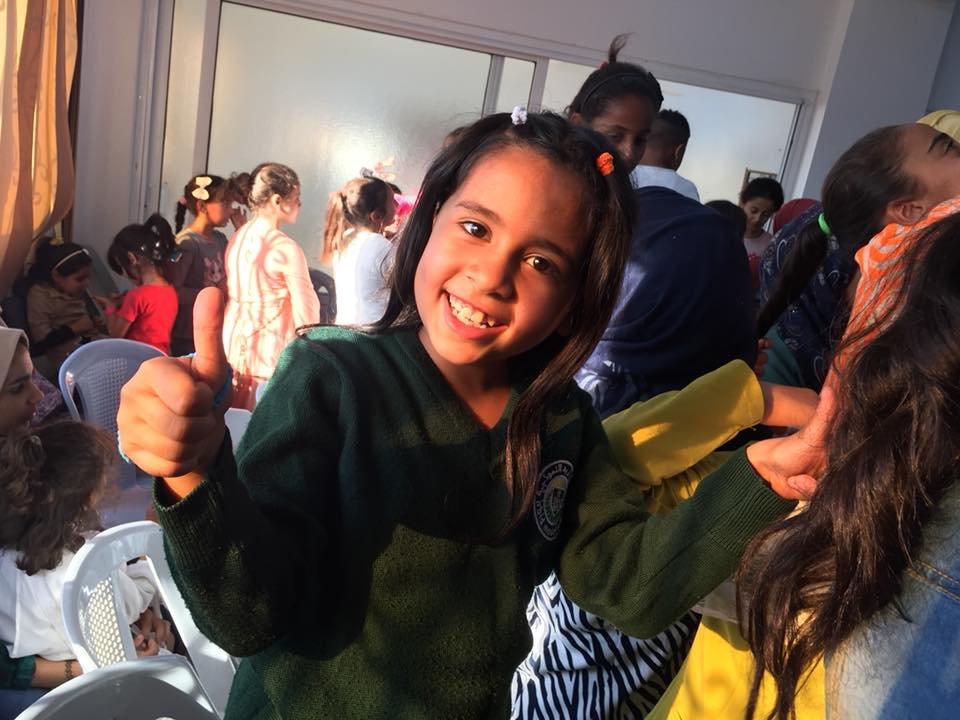
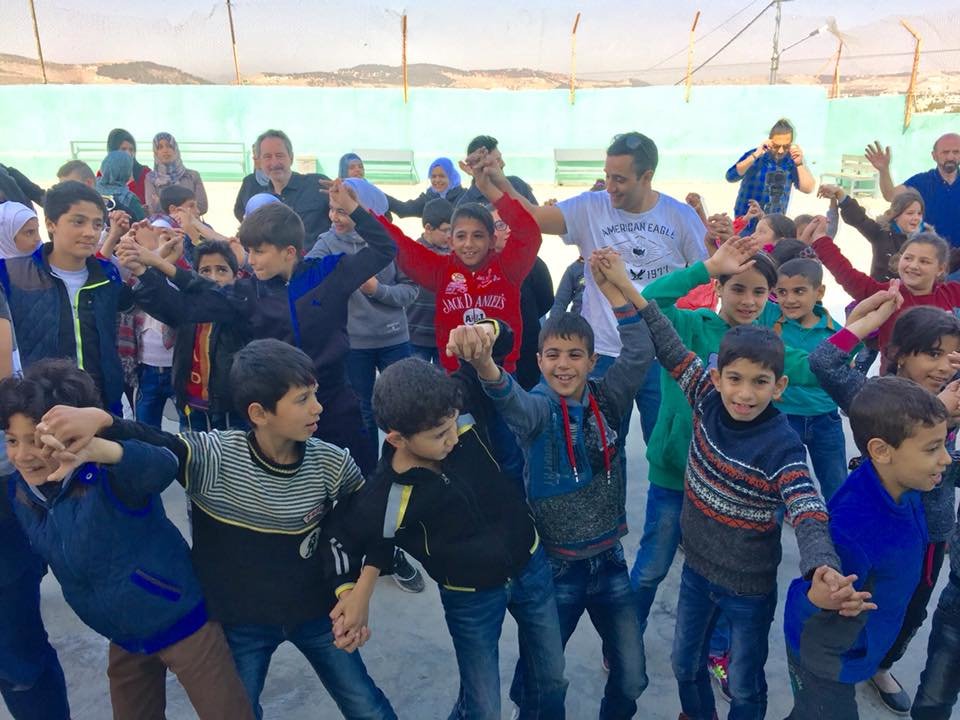
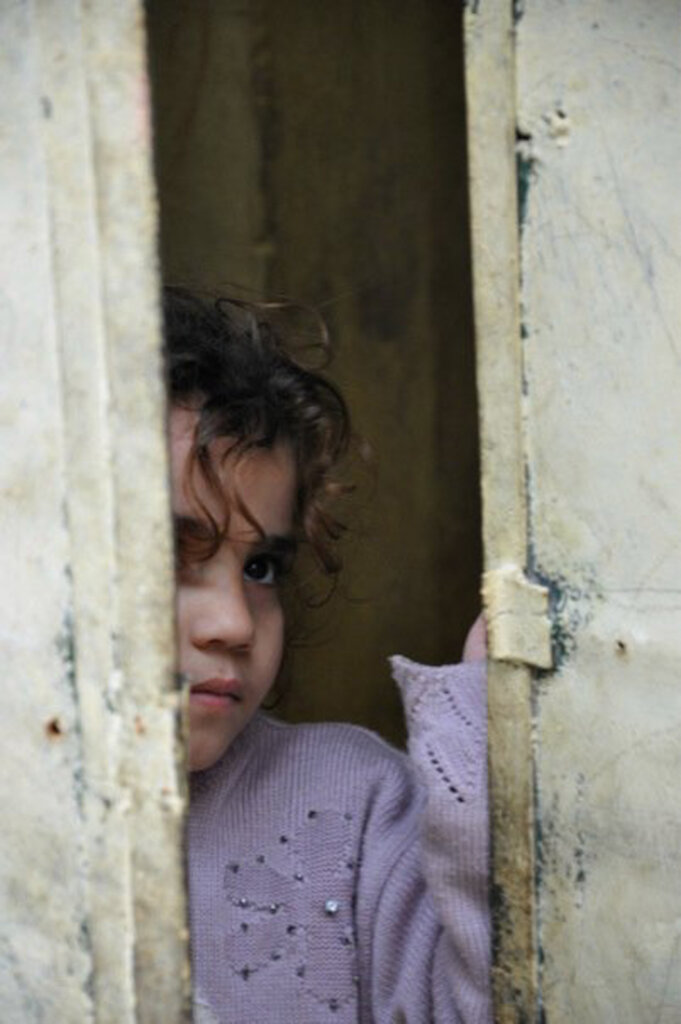
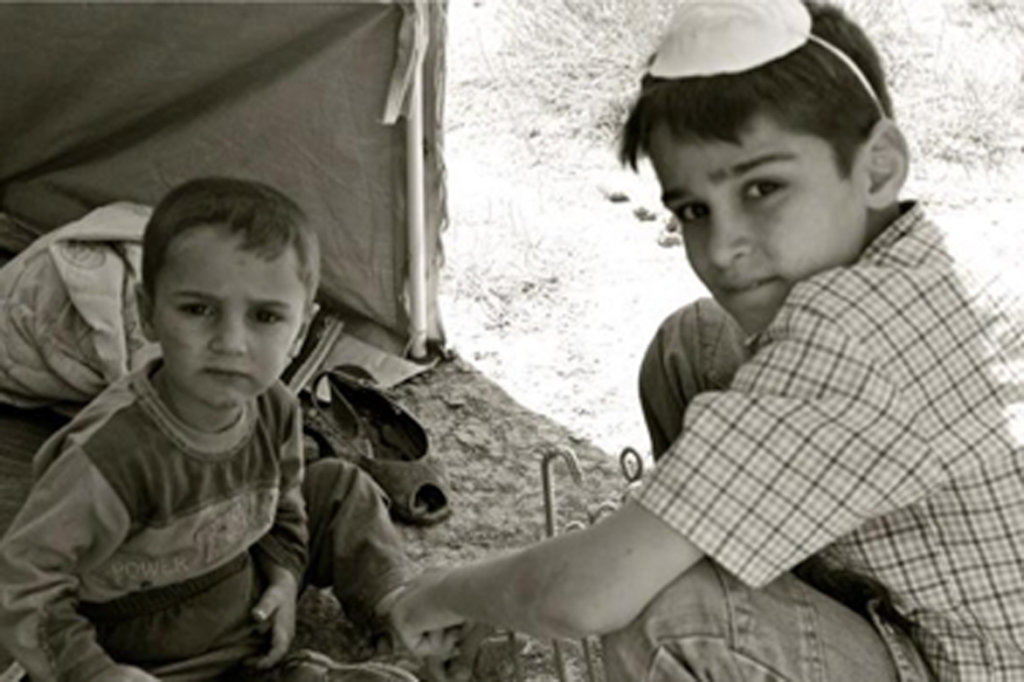
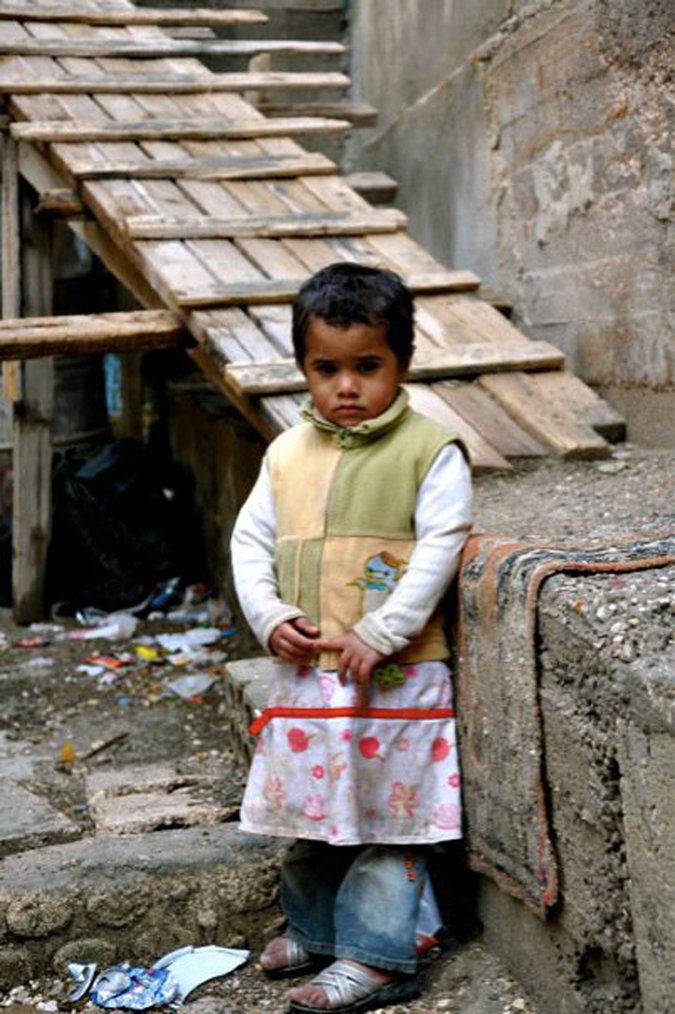
The largest segment of the refugee community most susceptible to contracting and becoming disabled or dying from COVID are adults, and particularly the elderly, ill, and immune compromised. However in terms of number, children are by far the largest group within this community, and the most vulnerable to threats to life and welfare over all. A huge and growing number are already suffering from the loss of one or both parents due to the war and poor living conditions, and are left to fend for themselves if no adult is available to care for them. In addition to the tragedy of lost lives, the pandemic deaths are increasingly causing a new wave of orphaned refugee children, putting more and more at even higher risk.
Restrictions on travel and direct access to refugee centers in Jordan due to the pandemic has continued to be significantly limited. At the same time critical health care is needed to help a rapidly expanding infection and mortality rate among refugees, most who are forced to crowd together in close living quarters where physical distancing is not possible.
Our Current Work:
Addressing this immediate mental health trauma healing and medical need by providing as much critically needed health care as possible during these extraordinary times has required that we concentrate primarily on expanding our tele-health services to reach and care for refugees where they must already congregate.
In line with our goal of local capacity building, we are also expanding on our psycho-social tele-training programs to continue preparing local psychosocial service providers who can help increase and maintain service into the future. This training is generating a growing pool of health service providers equipped with psychosocial support and treatment skills that directly benefits this population, as well as investing in building the capacity of the local mental health service system for all.
Through a partnership we have established with the 5 medical schools in Jordan and Michigan State University Department of Psychiatry, we provide certified training to 5th and 6th year medical students for participating in our skills training program that counts toward their student medical school requirements, further ensuring a growing skill resource among hundreds of local health care providers that can directly benefit refugees in Jordan. Since most of our mental health skills trainees are local medical students and practitioners we are also able to use their medical training to help address COVID related medical needs, including COVID education and guidance for prevention, self-monitoring of health status and symptoms, and alleviating symptoms for those who contract the virus, as well as those suffering from other medical conditions.
Tele-health has rapidly grown in general globally in response to emergency health care needs brought on by the pandemic. Although in-person health care would be more desirable when again available, given the current limited options to rely on for assisting those in such dire need due to the pandemic, and particularly for those in a more marginalized status and lower priority as refugees for receiving resources and services in general, providing as much service as possible through virtual stations established at sites where refugees congregate allows for many to still benefit from our essential disaster health care and support until direct in-person care is again possible.
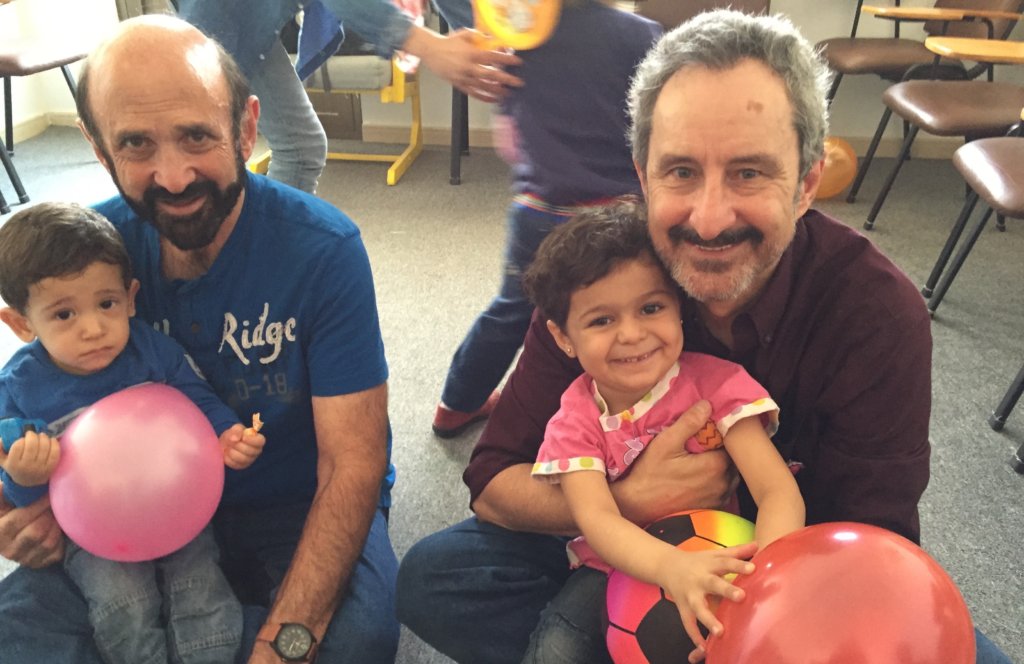
Until travel restrictions are no longer required, our dedicated team of volunteer expert mental health therapists and local trainees are able to continue our commitment to provide life-sustaining humanitarian health care through establishing and maintaining virtual health care stations in Jordan where we can reach the most people.
Our Current Needs:
We are regularly asked to increase the services and service sites we provide. Success in delivering this involves equipping sites where the refugees live together and congregate with needed virtual technology to receive tele-health services, self monitoring equipment and supplies for keeping track of health status, and medical equipment and supplies for alleviating symptoms of COVID for those infected. These resources needed for each service site include:
- Virtual technology resources needed are computer equipment, broadband internet service, and IT technical support service.
- Self monitoring and prevention equipment and supplies: no-contact thermometers, oximeters, blood pressure machines, masks, shields, and COVID home tests.
- Medical equipment and supplies needed include equipment that can help support breathing where refugees live, such as oxygen concentrators and CPAP machines, and medications.
Our free services are provided by our dedicated volunteers. The cost of these equipment and supply resources is also increasing, and our ability to continue our work relies on financial support we receive to secure more of the above materials to enable us to continue and further expand our assistance, as we provide life and hope to so many.
Without this, and in the face of now a deadly new life-threatening element to survive that is imposed on them, the future of these refugees, and particularly the majority who are children and women, is now significantly more in question. In the midst of these new challenges there is deep concern about what happens next with this community. At the same time there is also great hope based on our years of success in meeting the needs of these victims of war and displacement.
We have the expert service skills and large pool of amazing volunteer service providers needed to meet this challenge. Our appeal is for the critical financial support of those who can donate the power of their money to the direct costs of our getting these services to those who need it most, and in time.
HOW YOU CAN HELP US MEET THIS NEW CHALLENGE AND MAINTAIN OUR LIFE-SAVING ASSISTANCE:
Feel free to contact Steve Olweean, SHC Program Co-Director and IHPA President, or Myron Eshowsky, SHC Program Co-Director, with any questions or to share your feedback at: SOlweean@aol.com.
Links:
By Steve Olweean | President
By Steve Olweean and Myron Eshowsky | Co-Coordinators
Project reports on GlobalGiving are posted directly to globalgiving.org by Project Leaders as they are completed, generally every 3-4 months. To protect the integrity of these documents, GlobalGiving does not alter them; therefore you may find some language or formatting issues.
If you donate to this project or have donated to this project, you can receive an email when this project posts a report. You can also subscribe for reports without donating.