![]()
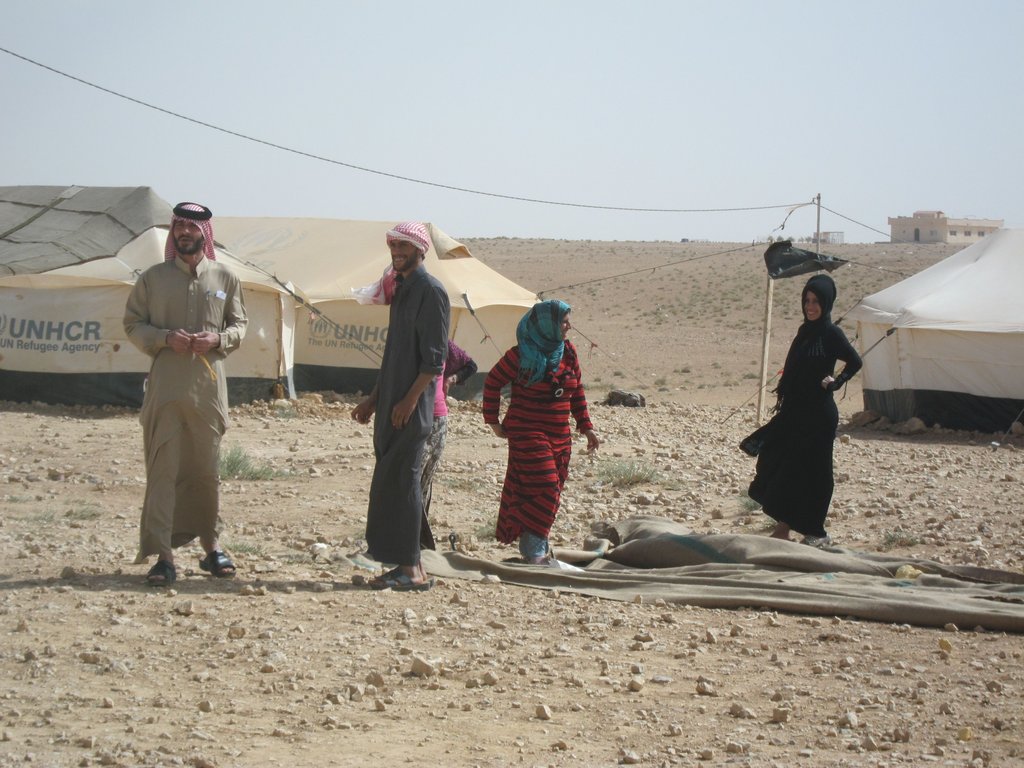
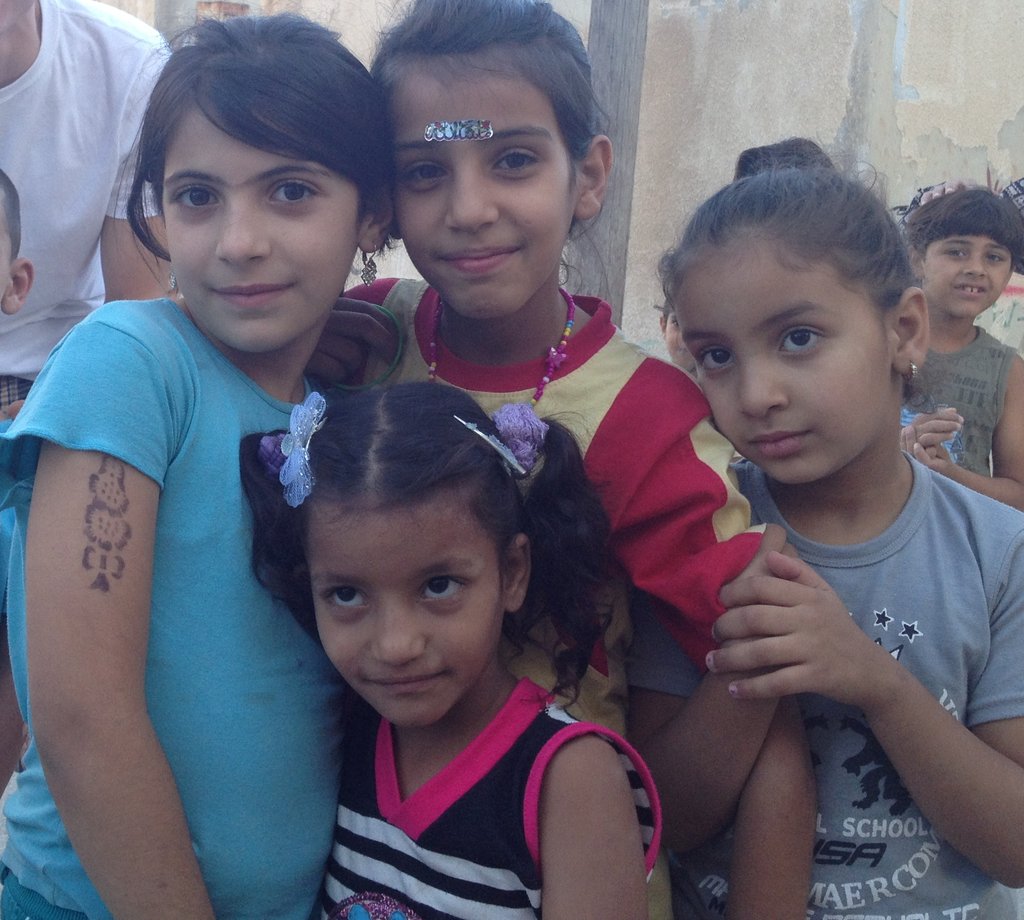
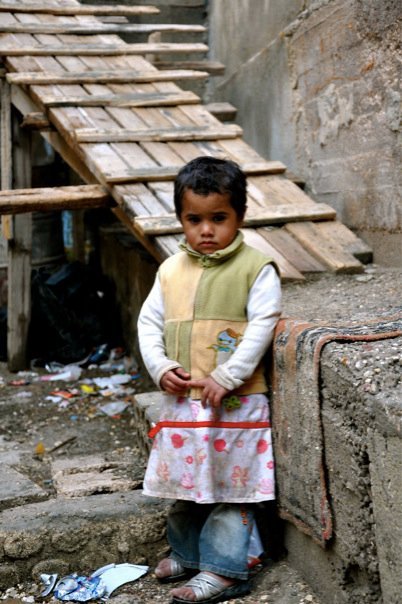
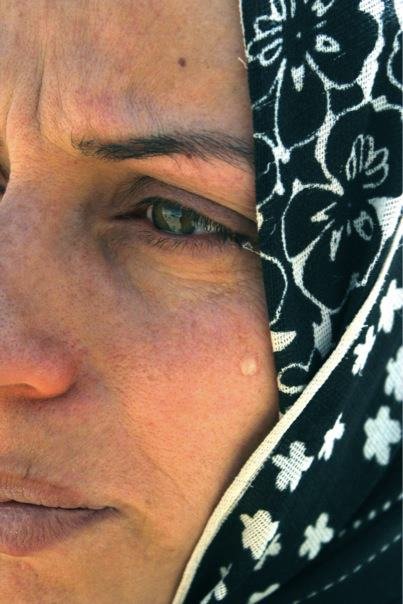
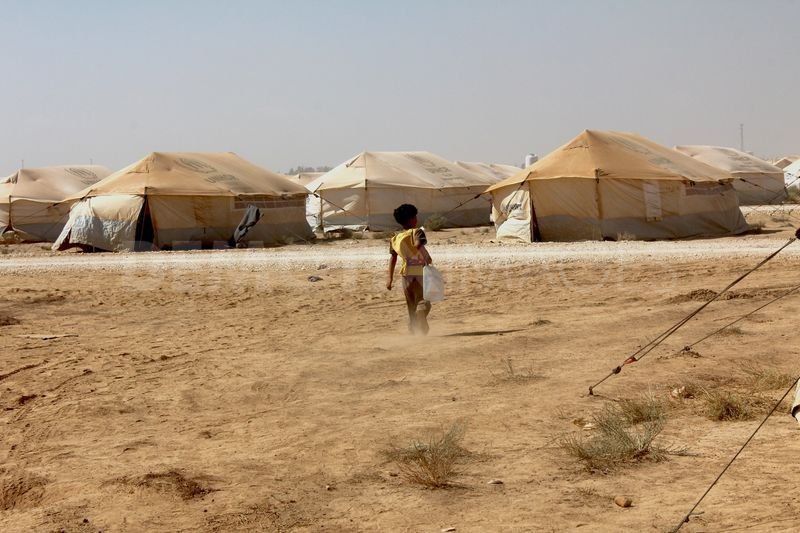
The massive number of refugees traumatized and displaced by the Syrian conflict continues and is only growing daily. The huge majority of refugees in general, and unfortunately also of those traumatized, are children and women. As a result of the raging civil war, the majority of refugee households are now headed by women as well. As a result our main focus continues to be on assisting children and women, and raising local capacity for their immediate and long term care.
We are continually expanding our efforts and innovating as we go along through our Social Health Care (SHC) humanitarian aide program - thinking outside the box in addressing the sheer size and depth of this unprecedented humanitarian crisis, enlisting collaborating colleagues and organizations to provide a larger, more effective, and faster service, and seeking funds to continue this life saving work.
Much is happening directly because of your support. Here is an update on our recent activities:
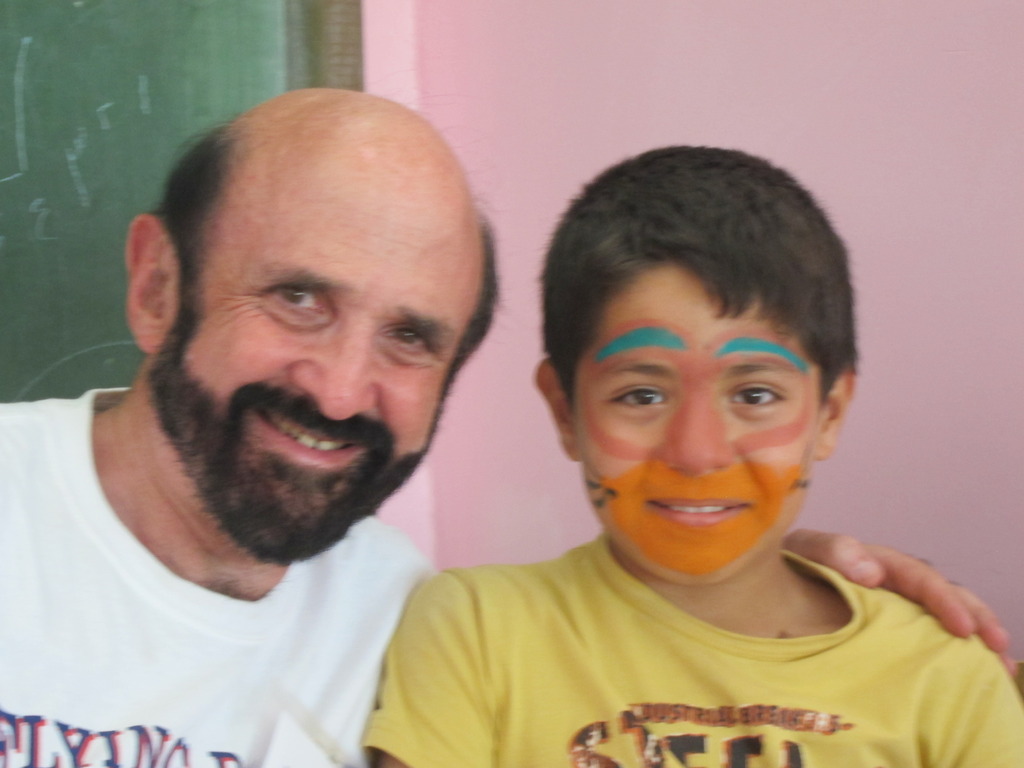
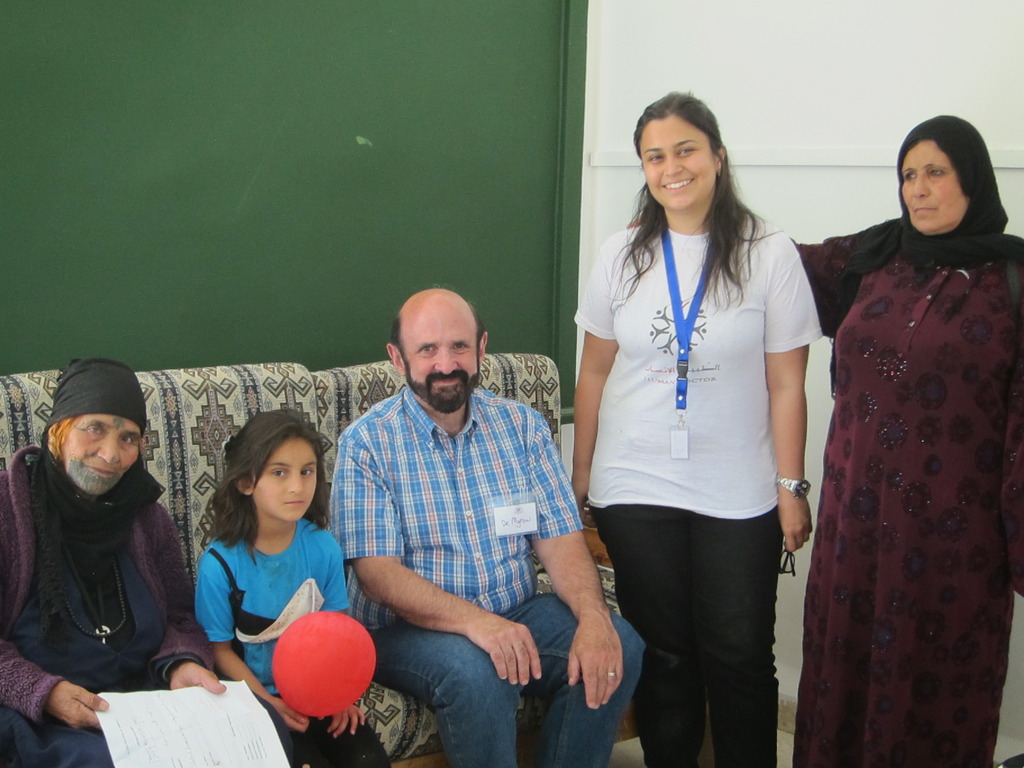
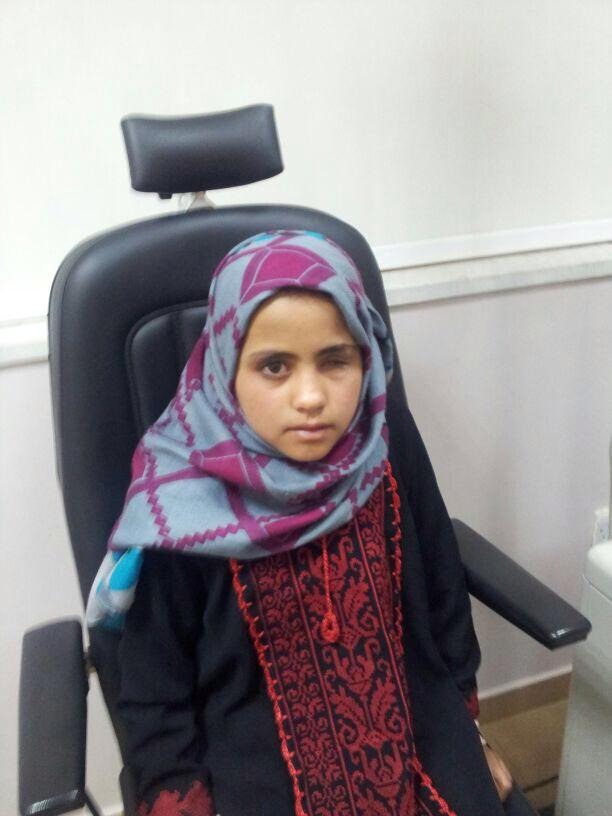
1) We have organized a 4-day emergency health care field clinic in Mafraq City, Jordan in mid-June that will serve approximately 2,000 refugees with both mental health and medical treatment. Medical equipment and remaining medications brought in for this field clinic are given to our partnering local medical student association for use in follow-up medical care to refugee children at a Social Health Care service site in the area.
These clinics will continue to be conducted periodically throughout each year in collaboration with Flying Doctors of America, based on our fundraising success.
2) In June we also conduct another on-site SHC training in immediate mental health care skills to our wonderful and committed trainees in Jordan. These trainees are already using skills learned on a daily basis to offer healing services to members of the refugee community.
3) We are organizing weekly Women's Support Groups for refugees in Jordan, conducted by our local Social Health Care trainees, to provide emotional support, conduct stress management and expressive art therapy sessions, offer guidance in understanding trauma symptoms in children and themselves, and to teach mothers and women basic skills in stress management for themselves and their children. Mothers and women are the front line within the refugee community for reaching children with these trauma healing services, and as we provide treatment to them we are also empowering them with coping skills they can help their children with.
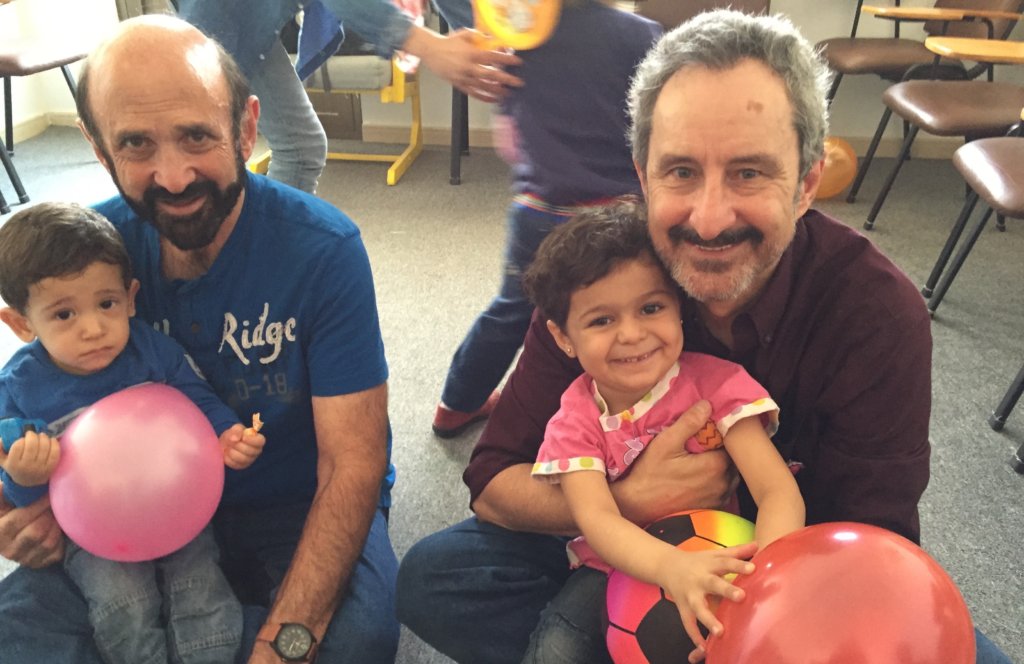
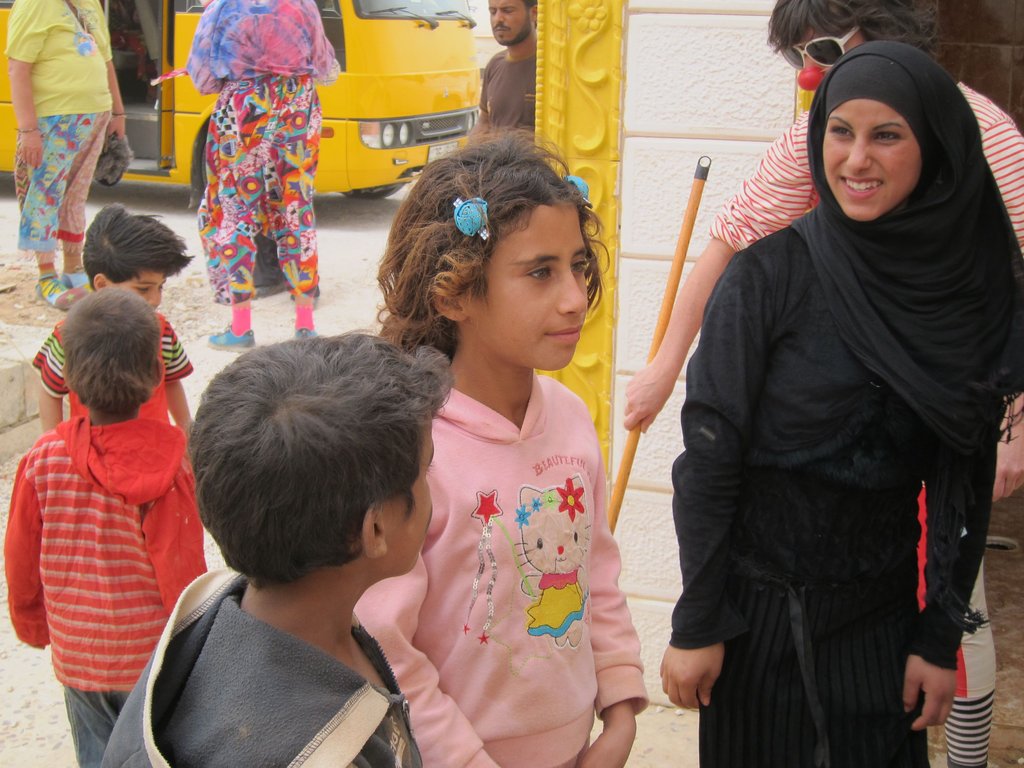
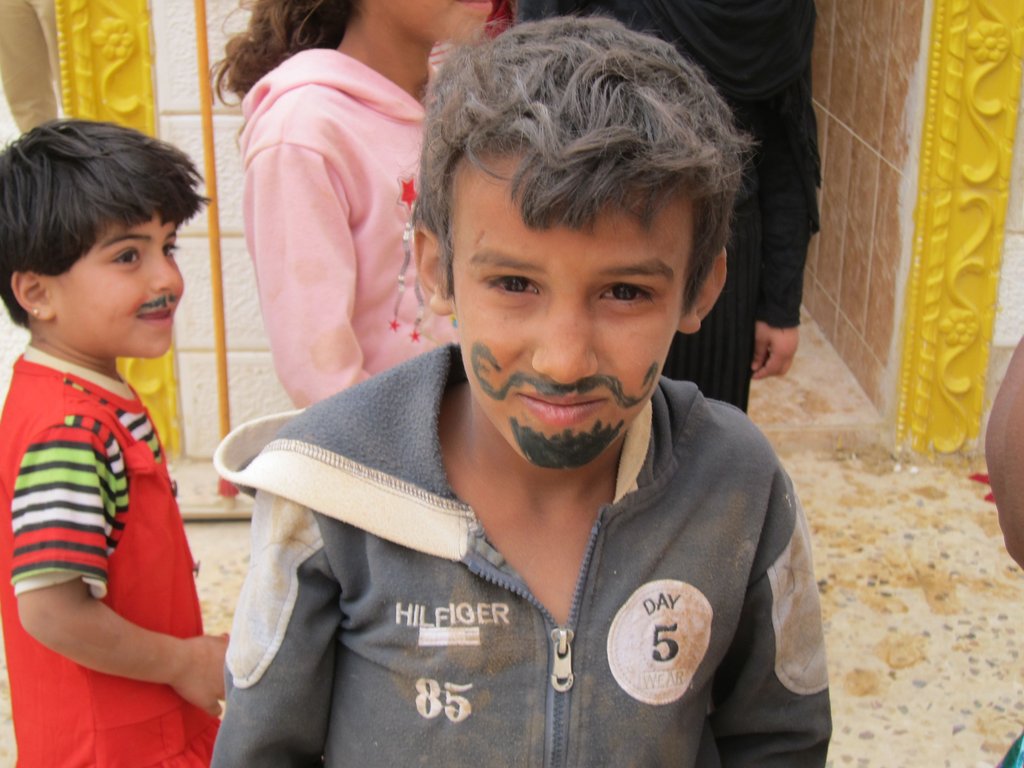
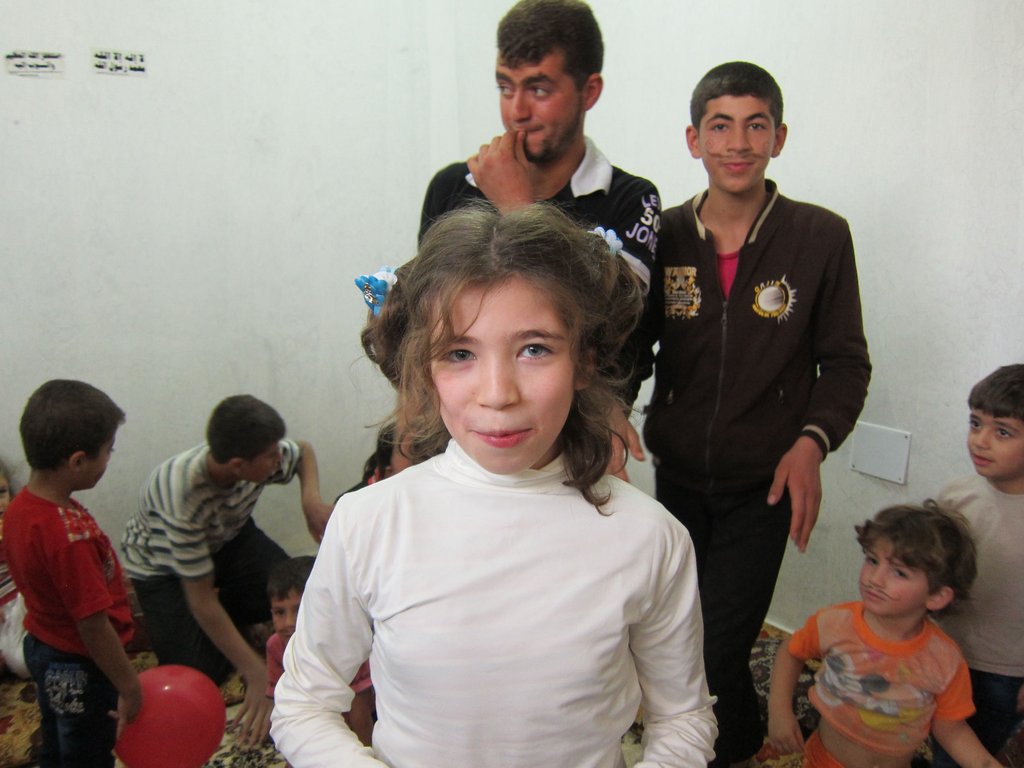
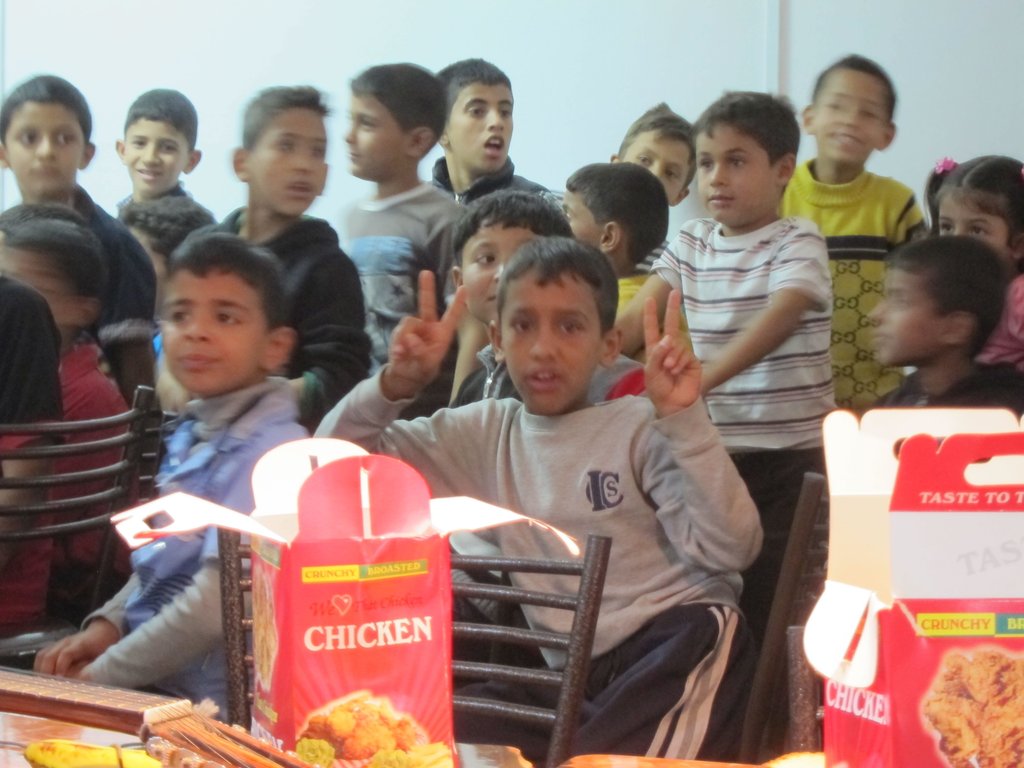
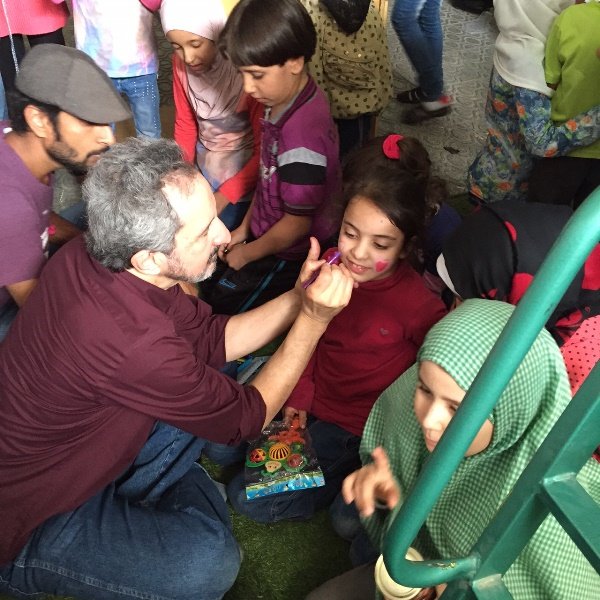
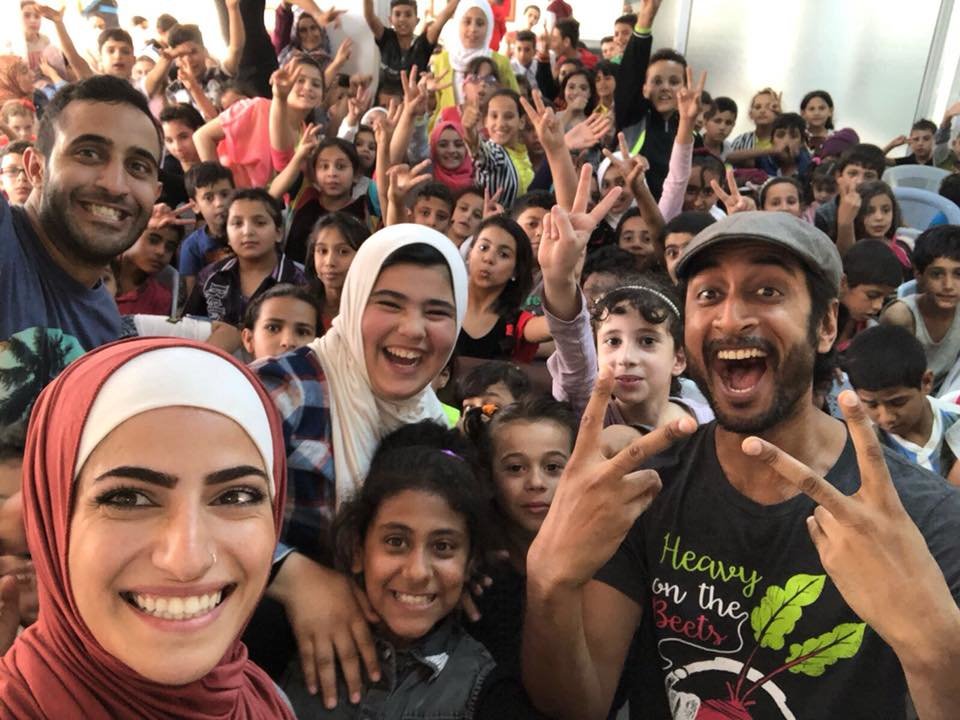
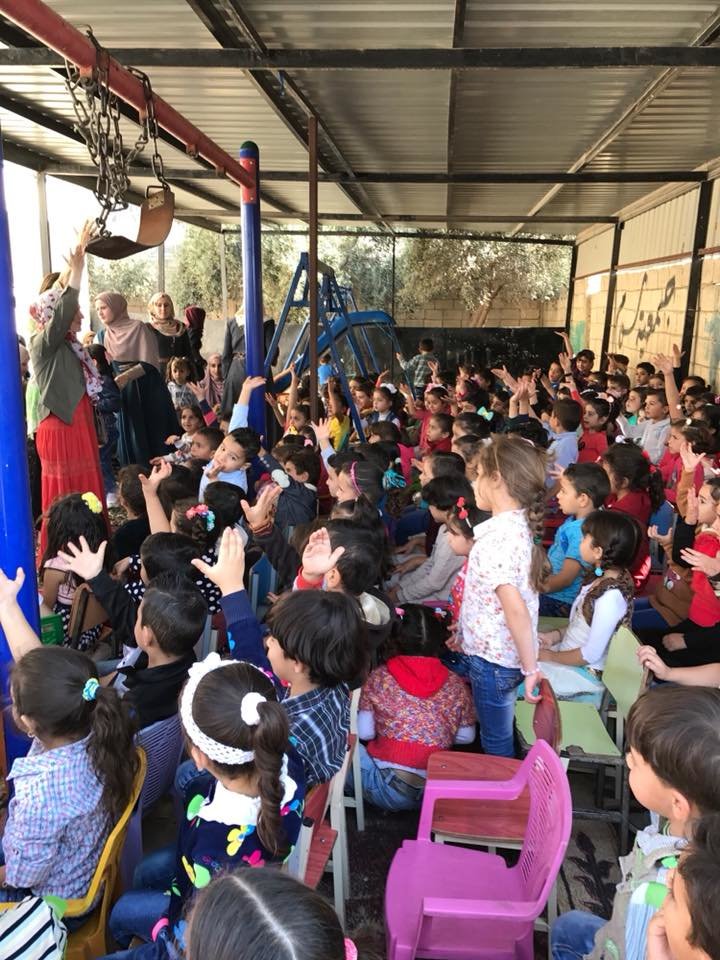
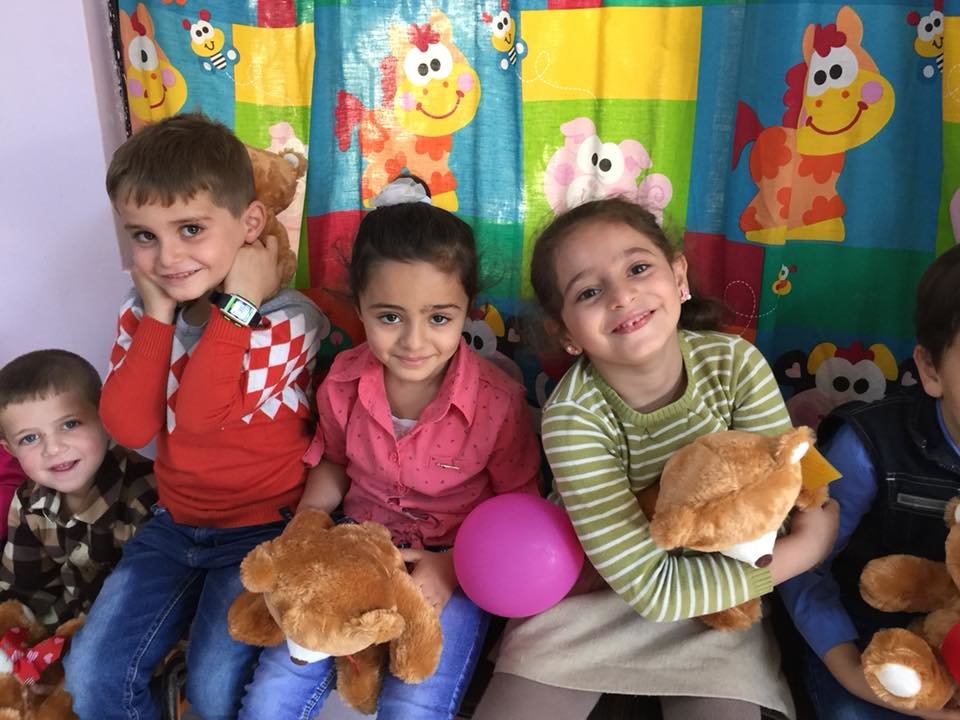
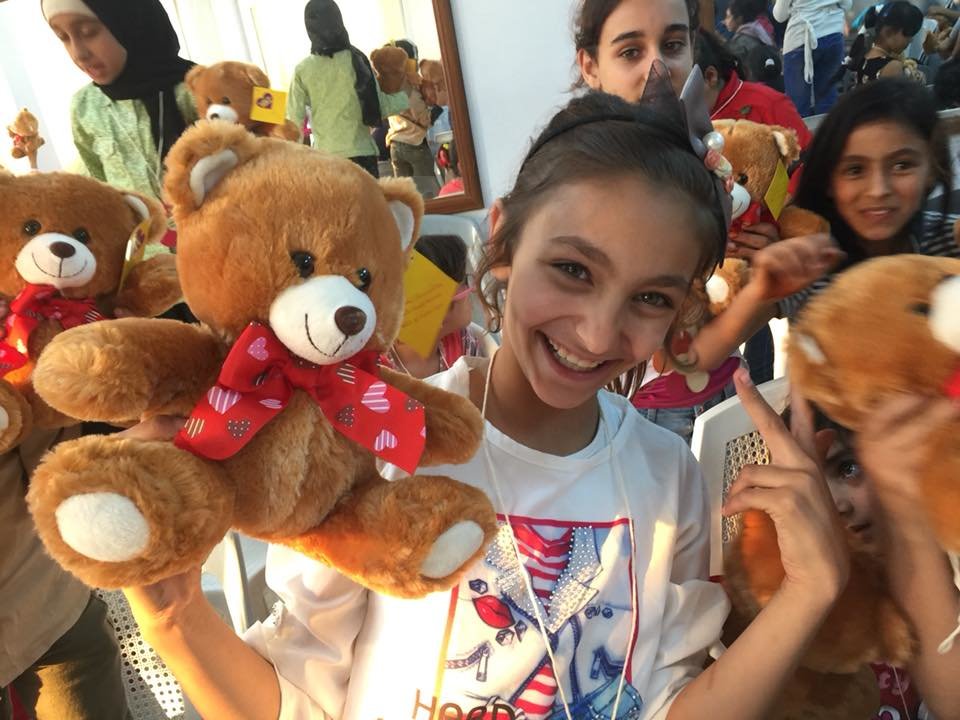
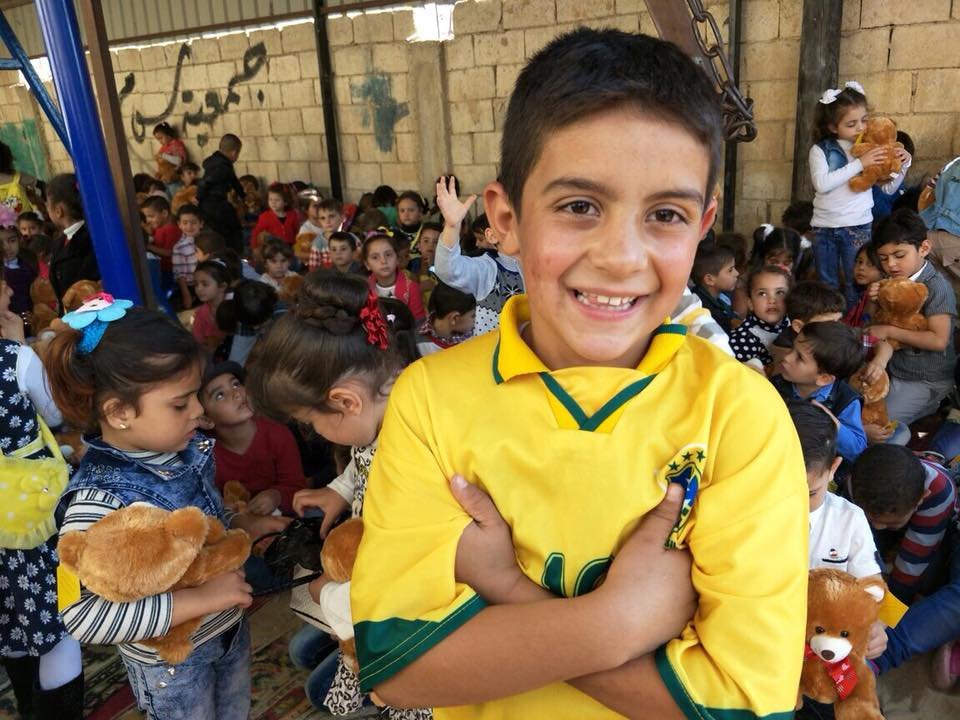
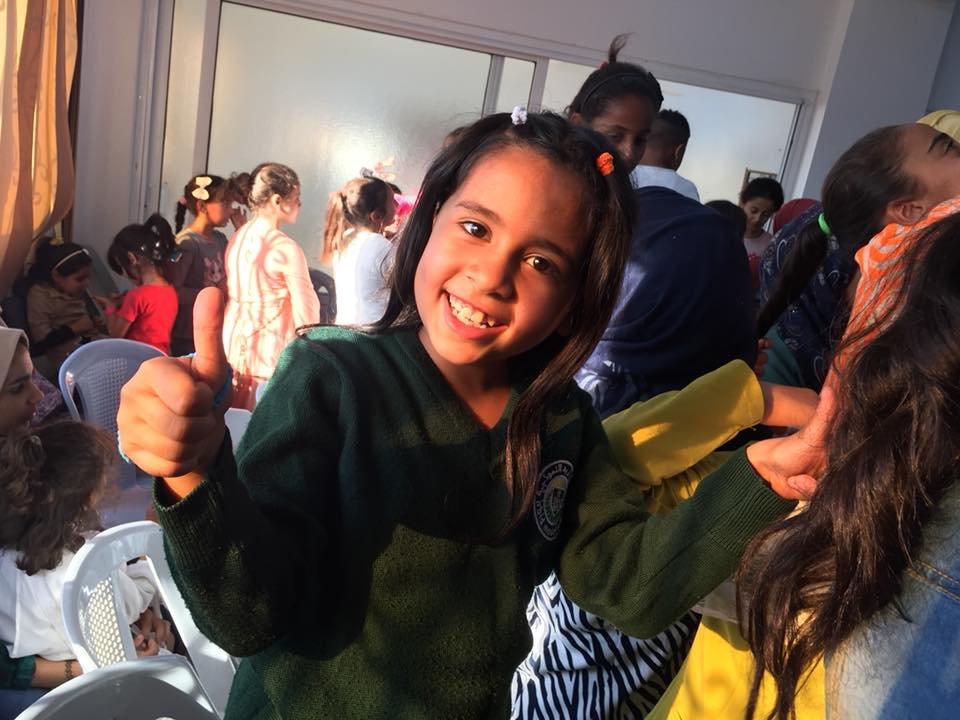
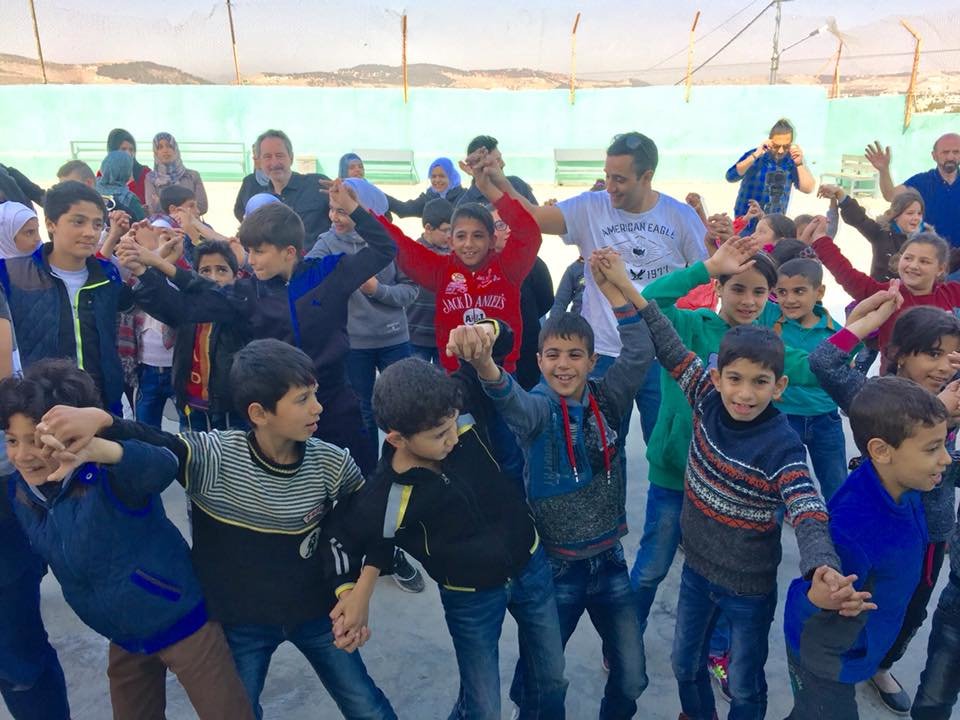
4) We are organizing community gatherings where we engage children in play therapy activities and provide the refugee community in general with positive community strengthening activities to build and support resilience and balance. After being displaced, fleeing their homes and country, and living day to day in unfamiliar, stark surroundings these gatherings are invaluable opportunities to feel connected as a society again.
5) We continue to conduct regular on-site trainings in trauma treatment skills to our trainees in Jordan, as well as 2 X per week live virtual training classes, and on-going clinical case consultation, supervision, and mentoring to trainees both on-site and through our virtual platform. These are the future healers for their society.
Next Steps:
Each step in replicating our Social Health Care training and treatment service in another country hosting refugees requires establishing reliable, formal partnerships with local registered human service organizations. We have been successfully partnering in Jordan since 2012 and are now establishing these partnerships in Lebanon, Turkey, and Syria.
1) Within the next month we begin providing training in emergency mental health treatment skills to 15 UNRWA staff in Damascus enabling them to assist thousands of isolated civilians in the Damascus region. Since we cannot get in and they cannot get out, we have tailored an "all-virtual" version of our training program for them until it is feasible to provide on-site trainings.
2) In collaboration with UNRWA staff, we will also begin providing tele-health services directly to isolated civilians in the Damascus region, including both mental health and medical care. Remarkably, although isolated in their neighborhoods and even homes due to the violence around them, many have access to the Internet, and so can be reached for both pscho-social support and guidance on how to self-manage acute and chronic medical conditions.
3) By early July we begin providing on-going, weekly live virtual training classes to SHC trainees in Lebanon. As it is feasible, we will begin conducting on-site trainings and services in Lebanon as well.
4) In October we begin on-site and virtual training for local trauma therapists in Turkey
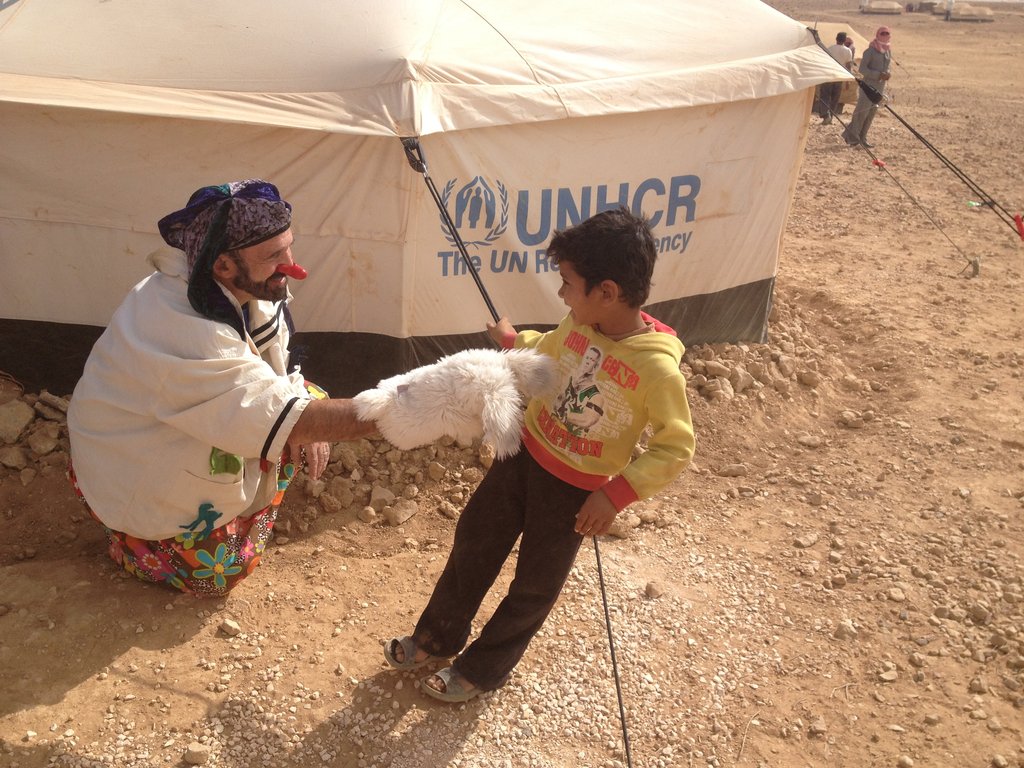
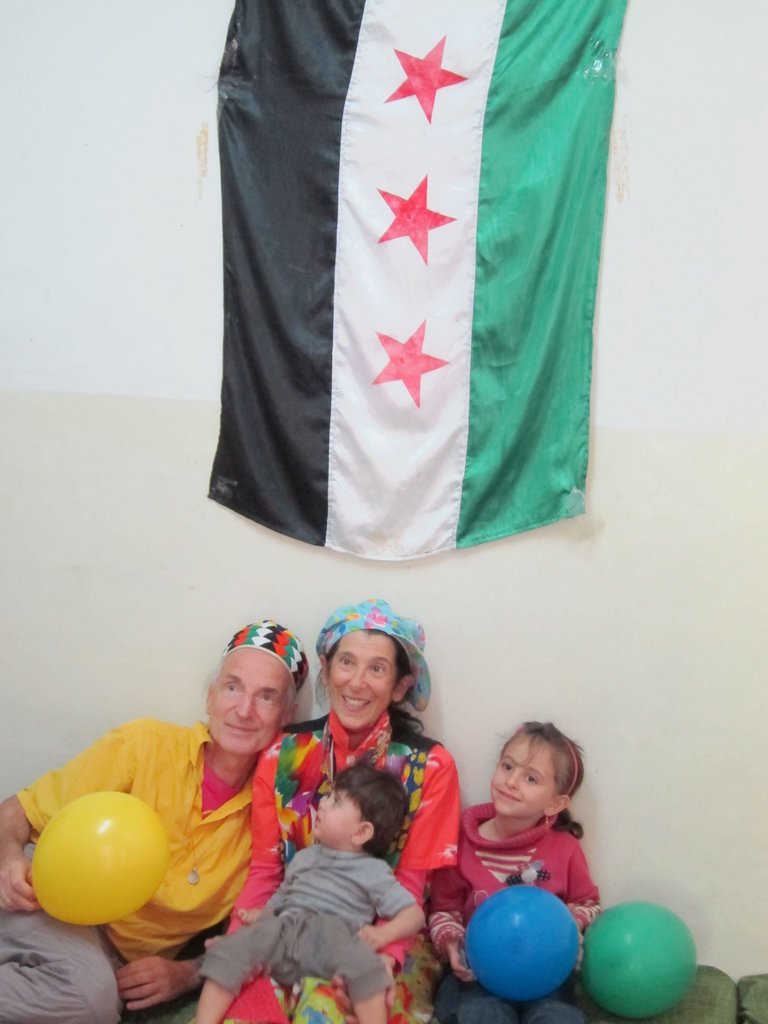
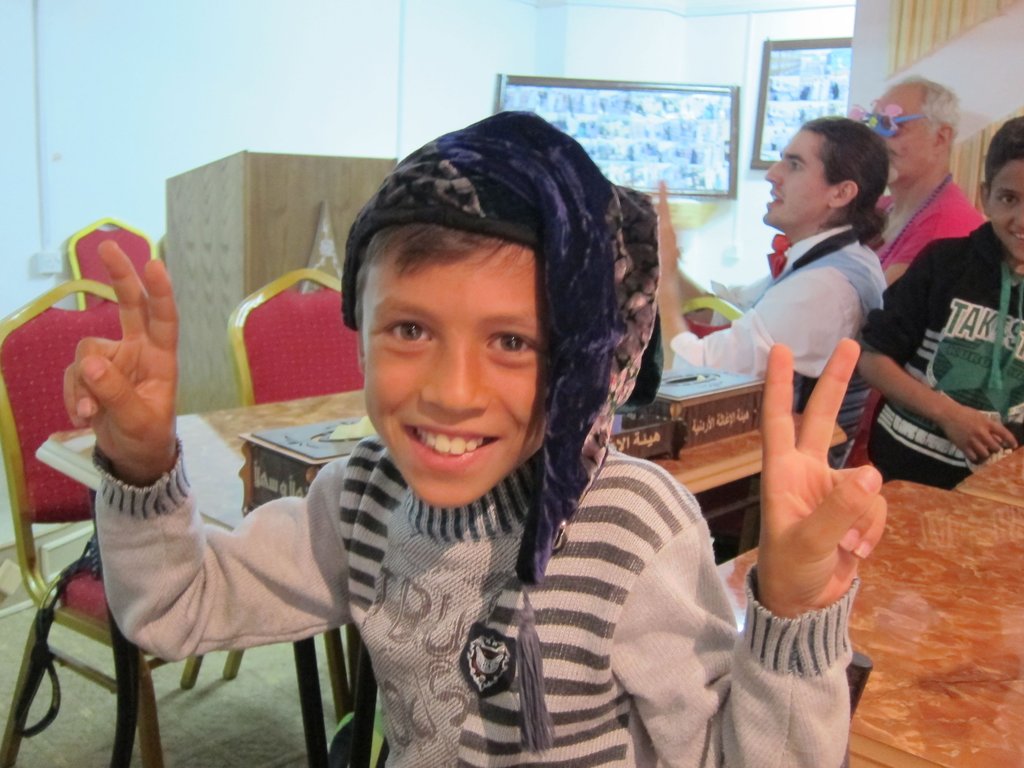
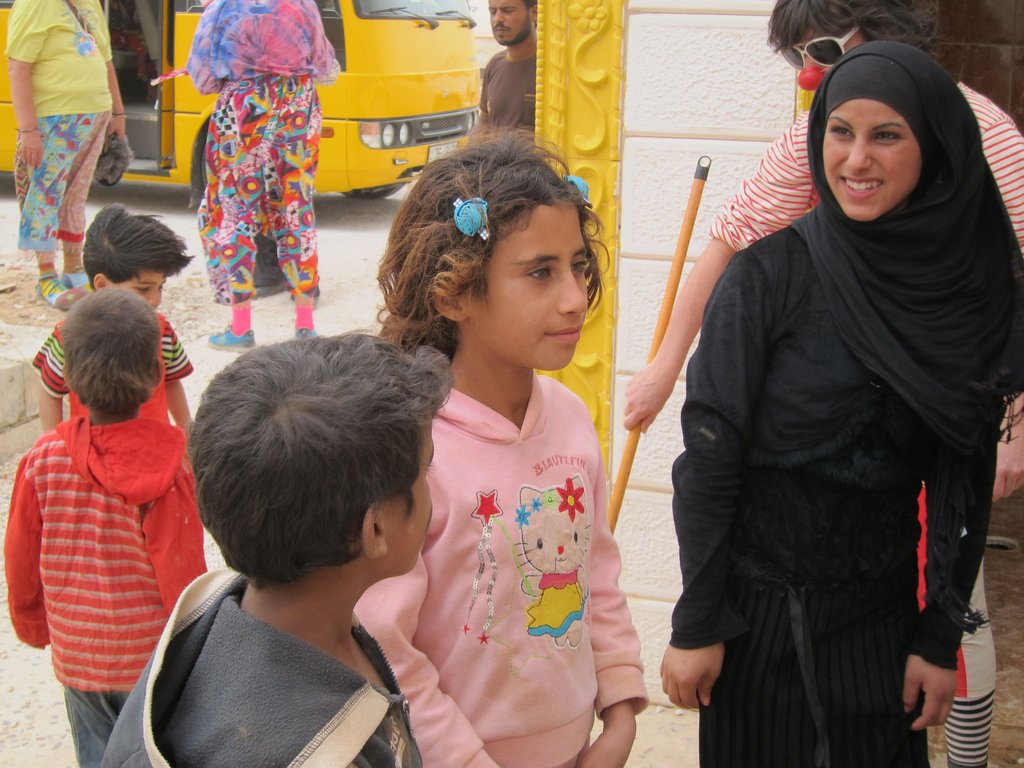
5) In October we are once again hoping to enlist Patch Adams and his global team of clown medical healers in joining us in Jordan and Turkey to bring the healing power of joy and compassion to the many children and their families. His group went into refugee centers with our team in October of 2013 and had a phenomenal impact.
![]()
![]()
![]()
![]()
![]()
Links:
![Share on Twitter]()
![Share on Facebook]()