By Steve Olweean and Myron Eshowsky | Co-Coordinators
The state of refugees in Jordan has been dire for now 10 years of the Syrian civil war. During this time they have endured multiple injuries and stressors throughout their day to day lives. In direct response since the beginning of the Syrian refugee crisis our disaster health care humanitarian assistance services have also successfully operated throughout this same period of time, providing life saving healing services that have been steadily improving the lives of so many.
Facing A New Challenge
However the landscape in Jordan and the world has recently change dramatically and is endangering this progress. For more than a year the COVID-19 pandemic has born down heavily on this large already highly at-risk refugee community in Jordan, and this threat is only increasing day to day as the pandemic surges in the region with both COVID-19 and the newest even more infectious variants. Tragically, the virus is spreading most quickly with significantly higher mortality rates within this underserved community of people who have lost everything over these 10 painful years due to the war and violence in Syria.
As the entire country of Jordan is experiencing this continuing crisis and health care services are stretched to the limit, the refugees who have consistently been at the end of the line for receiving health services now face even more dire threats to their lives and well-being.
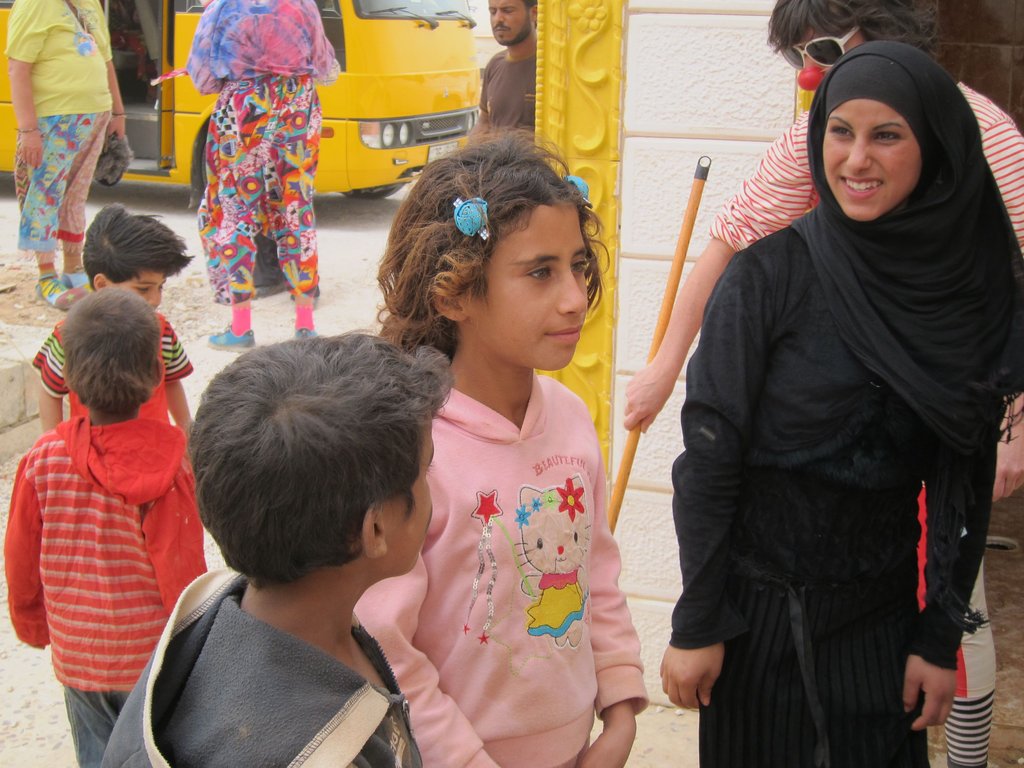
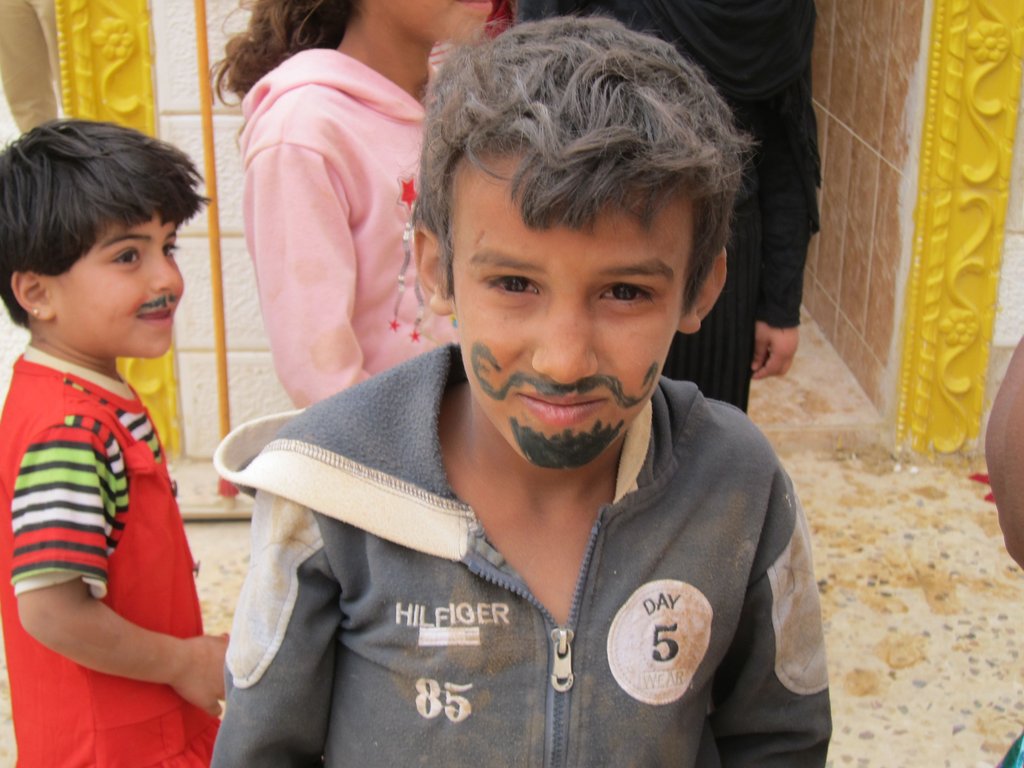
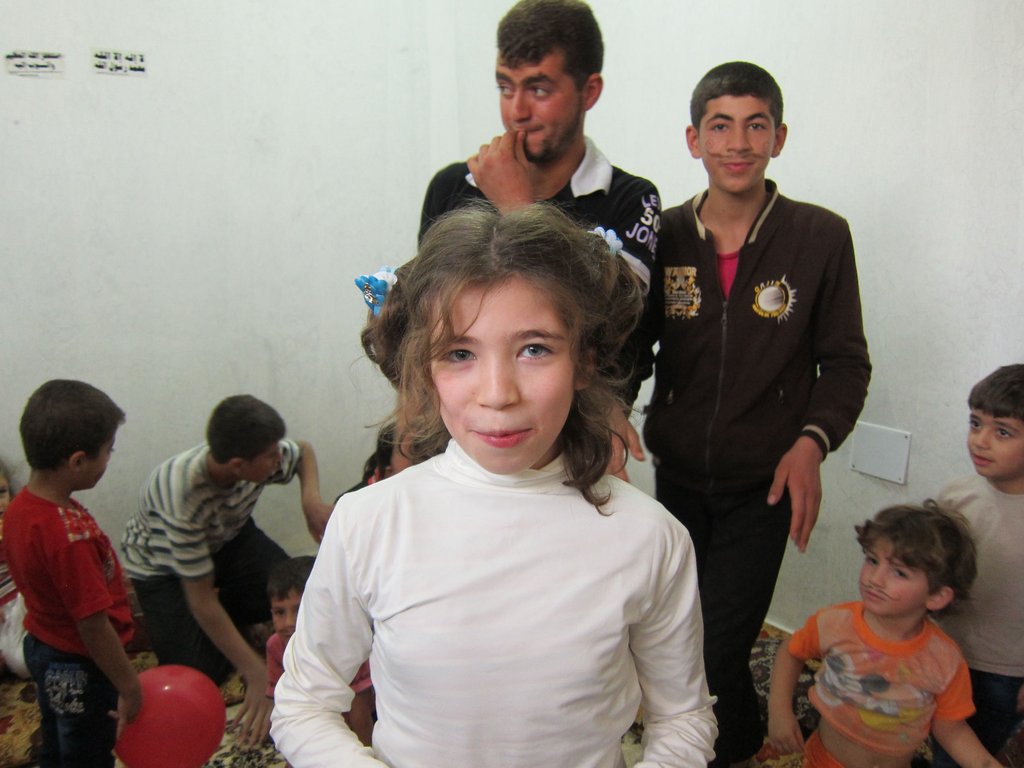
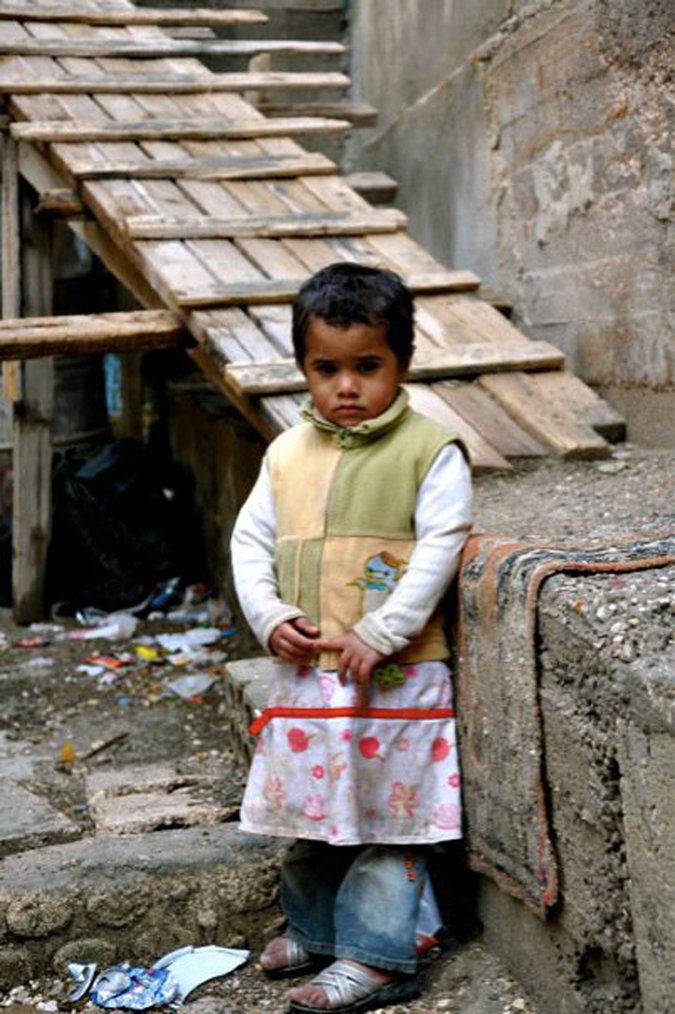
Most at risk continue to be children and women, who make up the large majority of the refugee population, and the pandemic has only increased the degree of danger and loss these most vulnerable members of the refugee community face. As one example, most children have only one parent – in most cases a widowed mother who herself is on her own, and often no parenbt at all. These children are under the care of their one parent or, in the case of losing both parents, have been taken into the care of another family that in most cases is also headed by a widowed mother.
As the pandemic is causing the death of more adult refugees who are the primary care givers for increasing numbers of young children who have lost one or both parents, this already precarious family support structure is now collapsing, creating a rapidly escalating crisis leaving mounting numbers of vulnerable and young children, who have been suffering years of trauma and loss, without any reliable adult care, support, or protection. The consequences are rapidly leading to yet another even graver level of humanitarian crisis that will have a devastating, long term, and likely permanent impact on an entire next generation within the Syrian refugee population, unless we can respond now and adequately.
Our Current Work:
The challenge for our team has been to continue providing our critical disaster health care services within the extraordinary limitations on our physical access to refugees in the community that are imposed on us by the pandemic. The focus of our efforts has also had to necessarily expand significantly to address both the psycho-emotional trauma of these victims of war and now this immediate specific medical danger to an already endangered population created by the expanding pandemic crisis that has left them highly vulnerable and their lives phenomenally even more at risk. We are fortunate in that most of our local team members and trainees in Jordan are medical students and professionals who can also contribute their medical skills in addressing the pandemic.
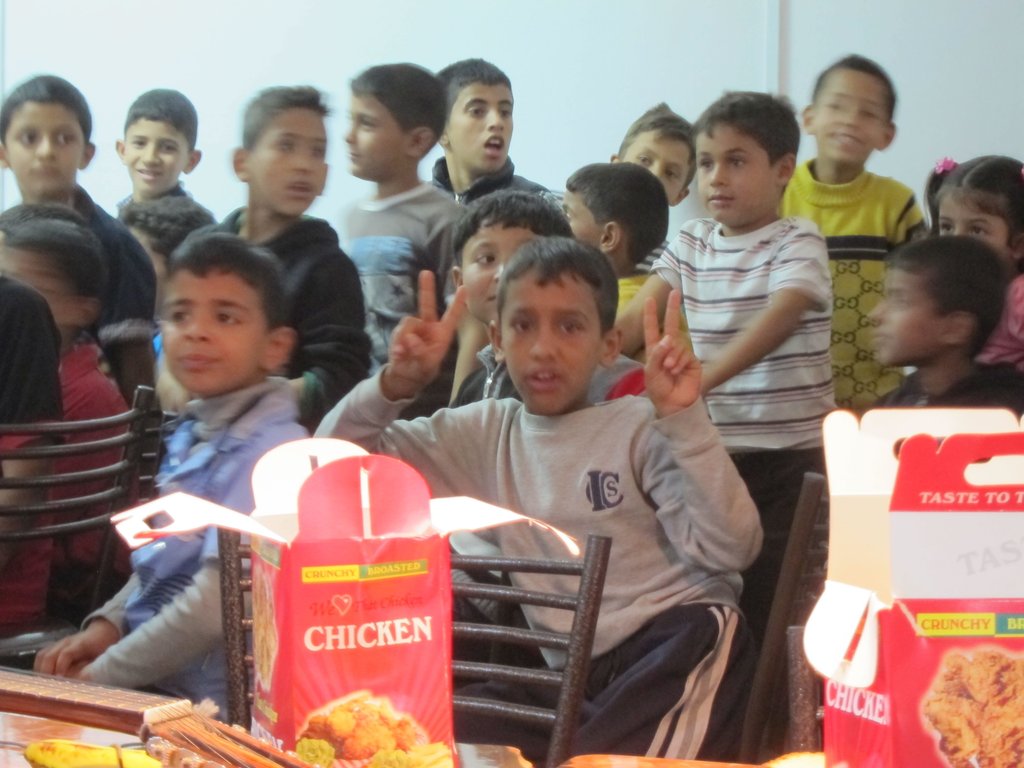
With the greatly appreciated funding support of those who are moved to help us in these life saving efforts, we have been diligenly working to gradually increase the needed communication technology at as many service sites in Jordan as we can. This equipment and internet service is needed to allow our international and local treatment team supported by our local mental health trainees to connect virtually with large groups of refugees located across the country – refugees who are already required to live and interact in large groups with no ability to physical distance – to provide critically needed tele-health services.
Even as our amazing local team members and trainees themselves are also struggling with the impact of the pandemic on their personal lives, they remain committed and dedicated to their role as disaster health care providers for those in such desperate need.
Our Current Needs:
As we diligently continue to provide services as much as possible our largest and most consistent resource is the resource of our expert trauma treatment team and our health care trainees, all of who are volunteers.
Our most challenging imitations in continuing our regular direct treatment services, and in adapting to the most recent unique challenges and barriers imposed by the pandemic, are in the hard resources simply needed to do our work.
Equipment and adequate high-speed broadband internet service are expensive, and our resources are always stretched to secure more technology for both equipping more sites and maintain the existing sites we’ve equipped.
Over these same 10 years, our continuing services have made a concrete difference for thousands of refugees in Jordan we have assisted in alleviating and healing the trauma of war, violence, and profound loss. We know that with our access to those experiencing such harm and losson many levels, with the treatment skills of our dedicated psychosocial service providers, and with the materials, equipment, and supplies needed to provide this service, healing and lasting recovery is achieved and is clearly possible. We have consistently witnessed this year to year.
Without this, and in the face of now a deadly new life-threatening element to survive that is imposed on them, the future of these refugees, and particularly the majority who are children and women, is now significantly more in question.
In the midst of these new challenges there is deep concern about what happens next with this community. At the same time there is also great hope based on our years of success in meeting the needs of these victims of war.
We have the expert service skills and large pool of service providers needed to meet this challenge.
Our appeal is for the critical financial support of those who can donate to the direct costs of our actually getting these services to those who need it.
HOW YOU CAN HELP US MEET THIS NEW CHALLENGE AND MAINTAIN OUR LIFE-SAVING ASSISTANCE:
Feel free to contact Steve Olweean, SHC Program Director and IHPA President, with any questions or to share your feedback at: SOlweean@aol.com.
Links:
Project reports on GlobalGiving are posted directly to globalgiving.org by Project Leaders as they are completed, generally every 3-4 months. To protect the integrity of these documents, GlobalGiving does not alter them; therefore you may find some language or formatting issues.
If you donate to this project or have donated to this project, you can receive an email when this project posts a report. You can also subscribe for reports without donating.