![]()
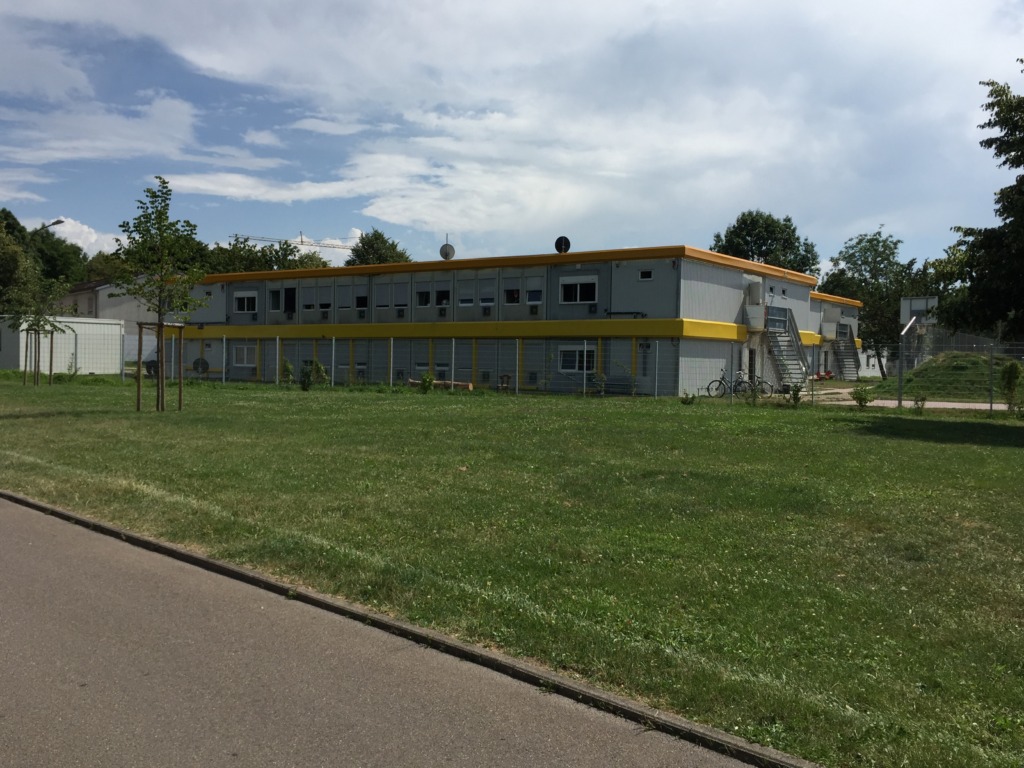
In July, Social Health Care for Healing Syrian Refugees (SHC) staff held a series of meetings related to the refugee issues in the Freiburg, Germany area. SHC staff met with representatives of a local aid organization, city administration officials in charge of migration and asylum seekers, and staff of 3 refugee camps. There was great need and interest in the idea of possible benefits of both cross training (Germany and Jordan) and a conference on the refugee crisis in Europe and the Middle East. There is interest in the possibility of continuing this new conference as well as further training.
What we learned is there are a number of government and volunteer services/programs to assist refugees and assylum seekers throughout Germany. There are many good hearted volunteers (though the numbers have dropped massively since the initial wave of refugees) and staff. The reality is that many of hte programs and opportunities are mainly on paper, but they are not being realized. The original systems and facilities created to receive, intake, process, place, and integrate refugees and asylum seekers have broken down significantly under the size of the need and numbers of people. These facilities offer very little space, no real privacy, confinement to within the walls, and no information how long tehy will be in limbo. In at least one camp there is a problematic mix of refugees from many cultures, religions, countries, regions,races,and languages. Some of the refugees are from places where their communities are in direct conflict with each other. There are also a lot of single men from these various societies pushed together with families in a confined space. So there is a lot of tension between these groups, in addtion to the tensions due to their being in such limbo with no idea of what tomorrow brings for them. The serious lack of privacy, especially between those from different societies and cultures, is creating a great deal of tension, depression, and sometimes violence.
We heard from staff at each camp that they are seriously overwhelmed by the simple lack of adequate staffing, and burdened by unrealistic and cumbersome policies and the difficult conditions at the camps. There is little of what we would call psychosocial treatment (though staff acknowledge the high need with a highly traumatized population) because staff that have some of these skills do not have enough time to provide these sorts of services. There was great interest in the November conference in Germany becoming a shared experience conference of those working with the refugees and being able to offer policy suggestions to the governments on what works, what doesn't work, and aligning policies for the best outcomes.
![Share on Twitter]()
![Share on Facebook]()
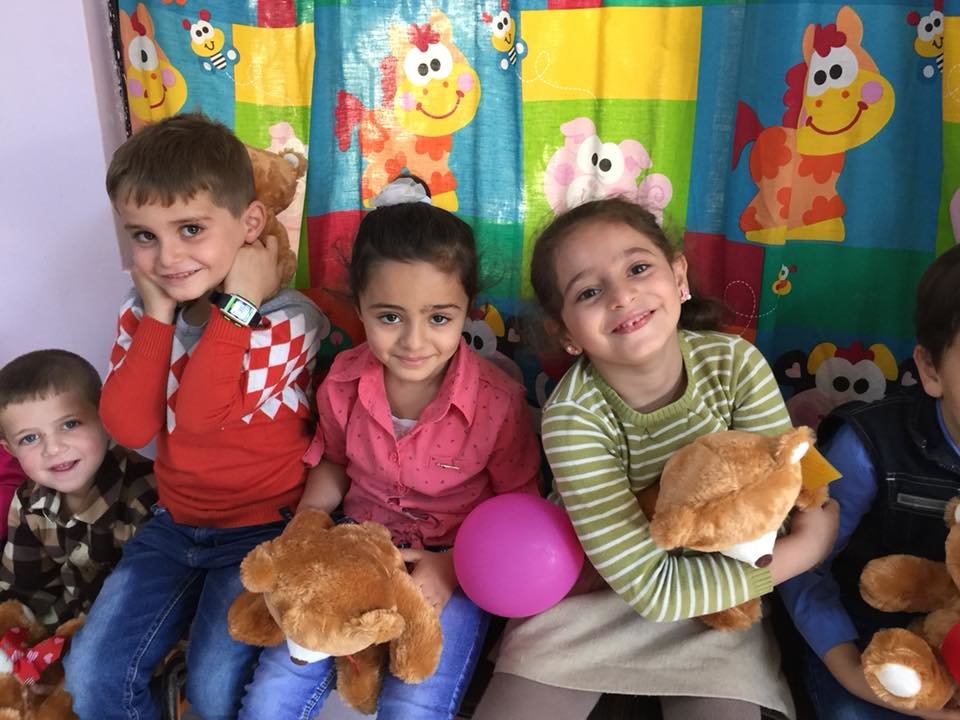
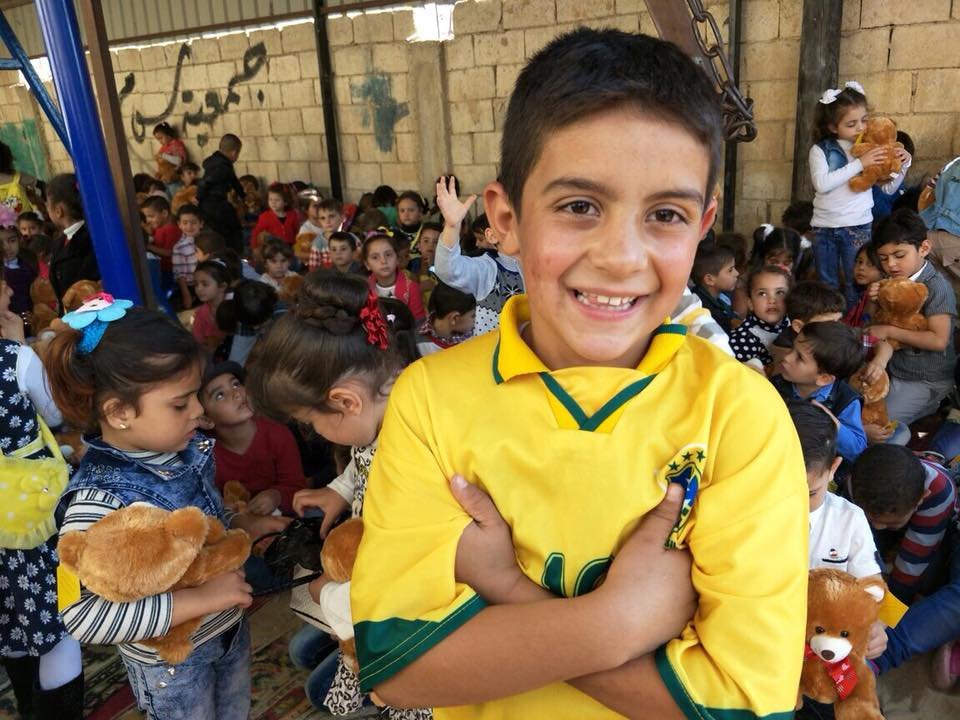
 The Teddy Bear Project