![]()
The socio-economic injustices faced by women are due to lack of education and cultural traditions of marginalization. The criteria for enrollment in the SED program are that the applicants:
- Reside in an impoverished settlement;
- Support school-age children;
- Are aged 17 through 60, the range of prime income-generating ability;
- Are literate to the level of standard 8 or willing to receive adult education from the center
- Agree to complete a full course of the training they select.
Women tend to be adept at saving and appreciate the value of help received.
They are highly motivated to succeed because of their commitment to improve the welfare of their children.
BWC is situated in an area where economic activities are limited to menial jobs; semi arid areas where the communities are pastoralists and marginalized . Many women have undergone female gentalia mutilation , forced to drop out of school and into early marriages where there are 2nd or 3rd wife . Sexual gender based violence is very common in this area and there is no rescue center nearby for women , girls and youths who undergo such harassment . Their poverty is enforced by traditional culture and beliefs (that Nomadic communities are livestock keepers and all women should give birth to as many children as possible because it’s a sign of wealth
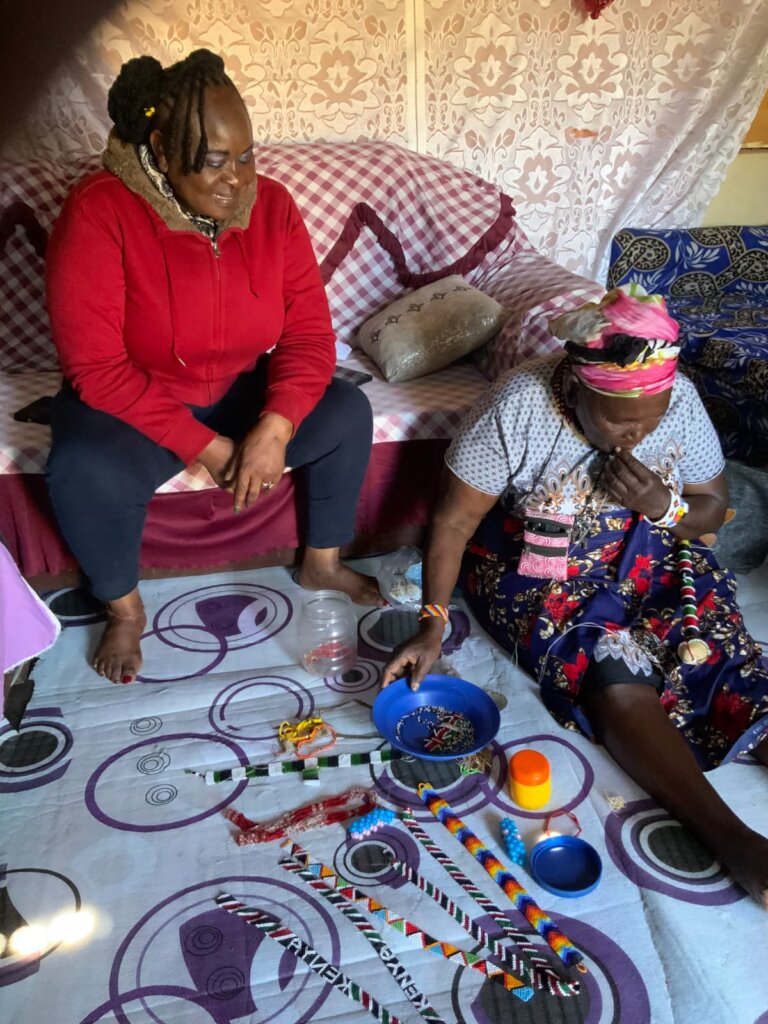
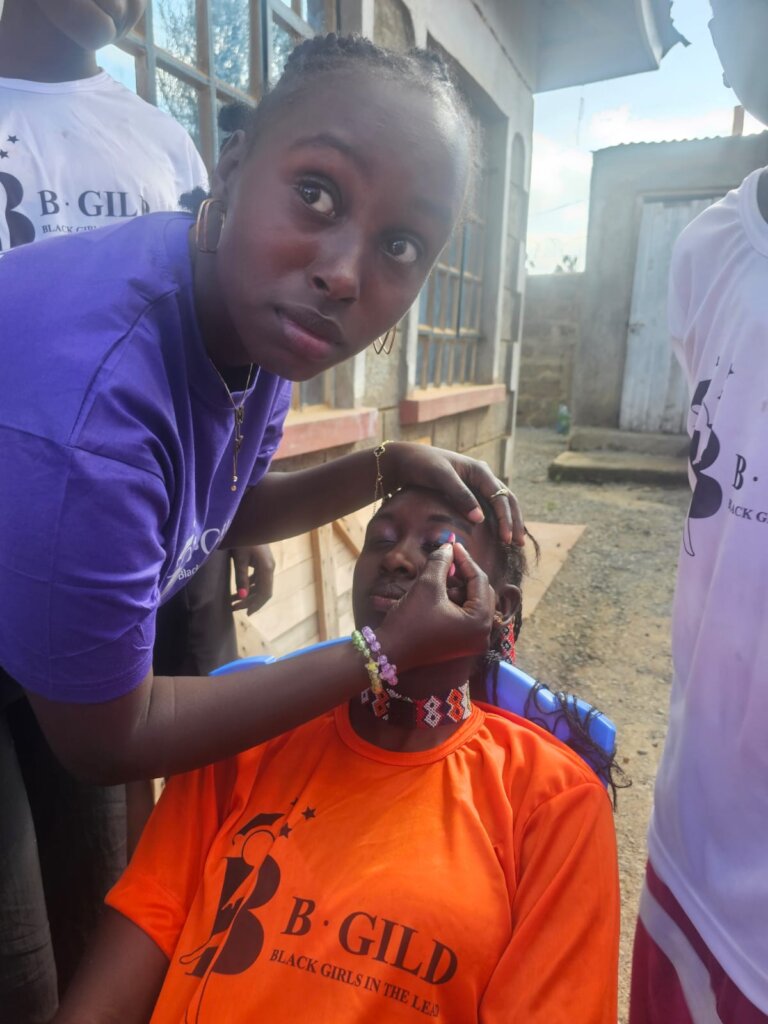
Most of these people are domestic workers especially the young girls and mothers who drop out of school after female gentalia mutilation and forced to early marriages. Others go for casual jobs or herd their husbands animals .But as the result of BWC’s training, more are entering into small businesses such as hair dressing / beauty therapy, clothing and craft sales, tailoring, cyber / stationery business while others have been employed. However, these women still face a myriad of survival challenges. The women also lack a place to sell their bead products and other lack seed capital to start their small business
Women with small businesses account for as much as 70% of the total of the community’s income in Kenya. The majority are young mothers who are 2,3 or 4th wife, single moms or widows with an average of five children, making them vulnerable to rising costs and reduced livelihood options. Their poverty is enforced by:
- Under-education and underemployment
- Gender-based violence and substance abuse
- Lack of self-esteem
- Feelings of discouragement and despair
- A burden of poor health
- Lack of business or vocational skills and knowledge
- Lack of knowledge about where to go for help.
Entrepreneur women are more likely to join savings circle as a means of financing (table banking groups) their businesses and they use less start-up capital and or formal credit than men.
Women managing small businesses are more likely to rely on unpaid and unskilled help.
Their businesses are near their homes where they know and understand the market and can manage both home chores their business.
They are more likely to work in temporary structures and without utilities.
They are more likely to leave business for personal reasons rather than business failure.
Given their central role in the welfare of the children and families and their dual role as primary income producers, the effort to enhance their economic success is vital in both short and long term.
Goal
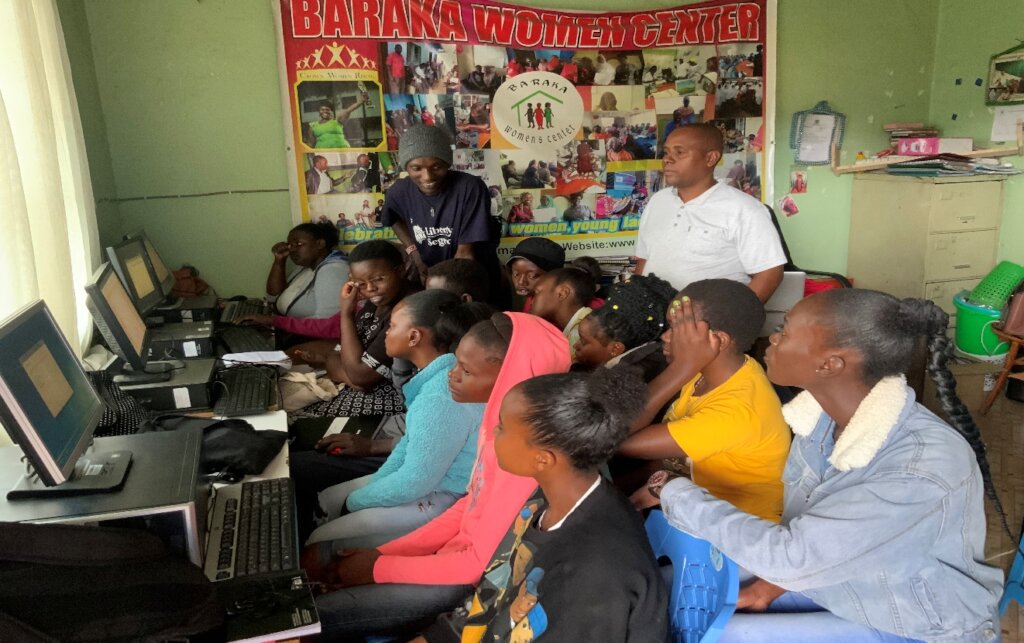
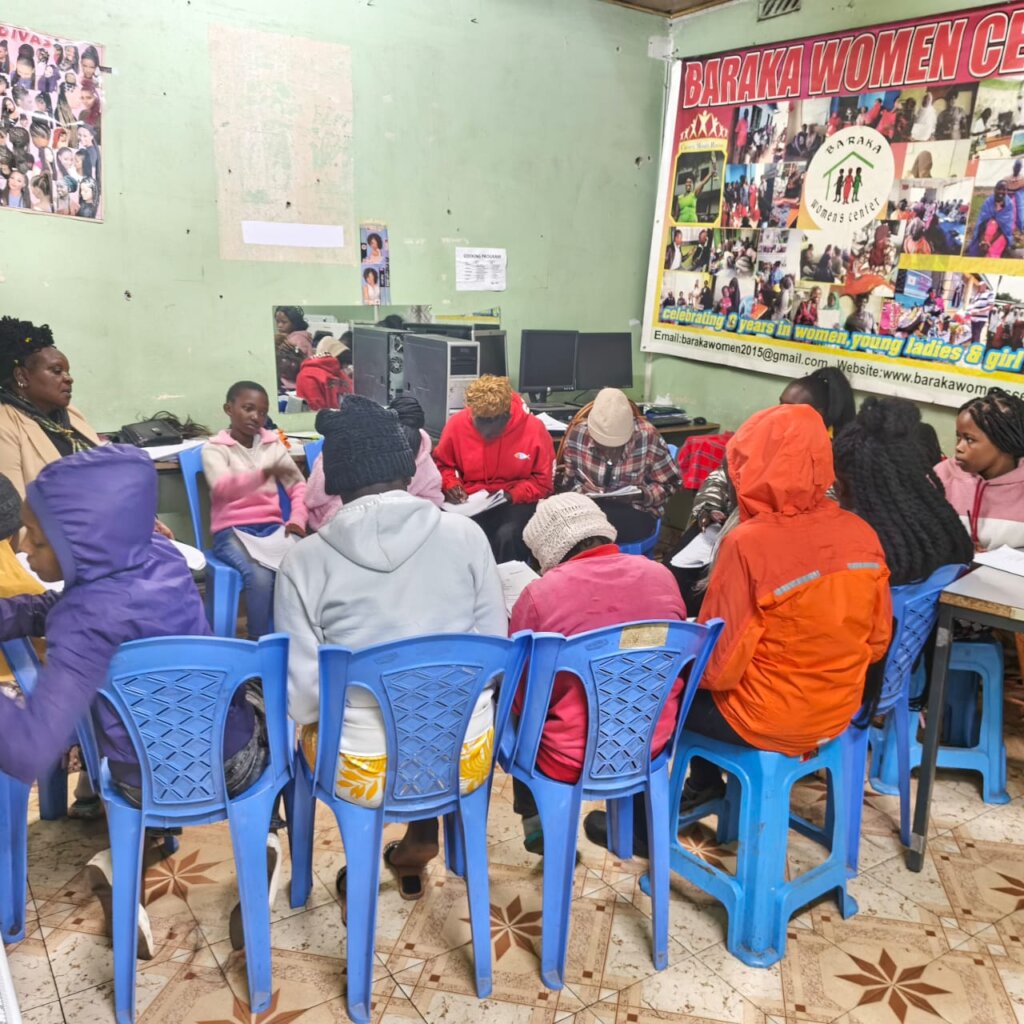
This program expands existing vocational training programs at Baraka Women’s Center and is aimed at ensuring that disadvantaged women and youth who’ve left school are engaged in economically viable and sustainable activities. All the trainees will be mentored and guided on table banking formation and management, business start-up and management, and livelihood life skills.
Objectives
The primary objectives are to empower women to compete profitably in the local business markets, improve their capacity to access formal credit institutions, build savings, and reduce or eliminate dependency on government aid.
SECTION 2 - KEY DEVELOPMENTS/CHALLENGES
An overview of the progress your project has made, the challenges you have faced and the lessons learned.
- Describe the progress or key achievements of your project this month.
SEP/OCT
- Recruitment of trainees and interview has taken place
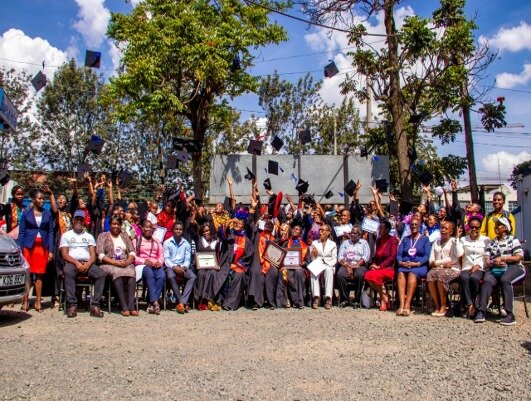
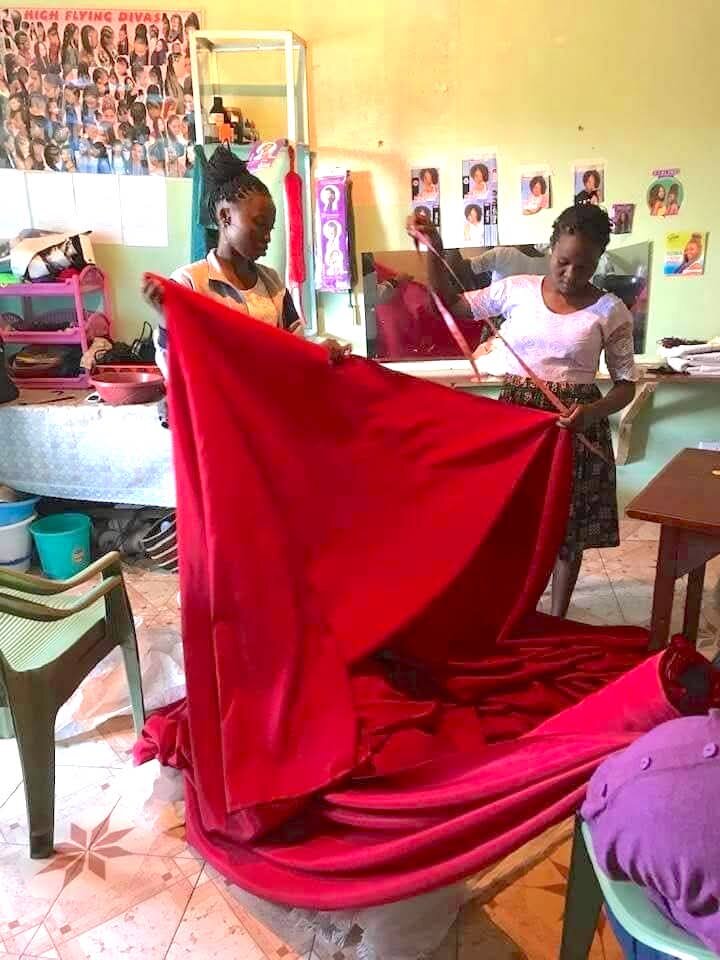
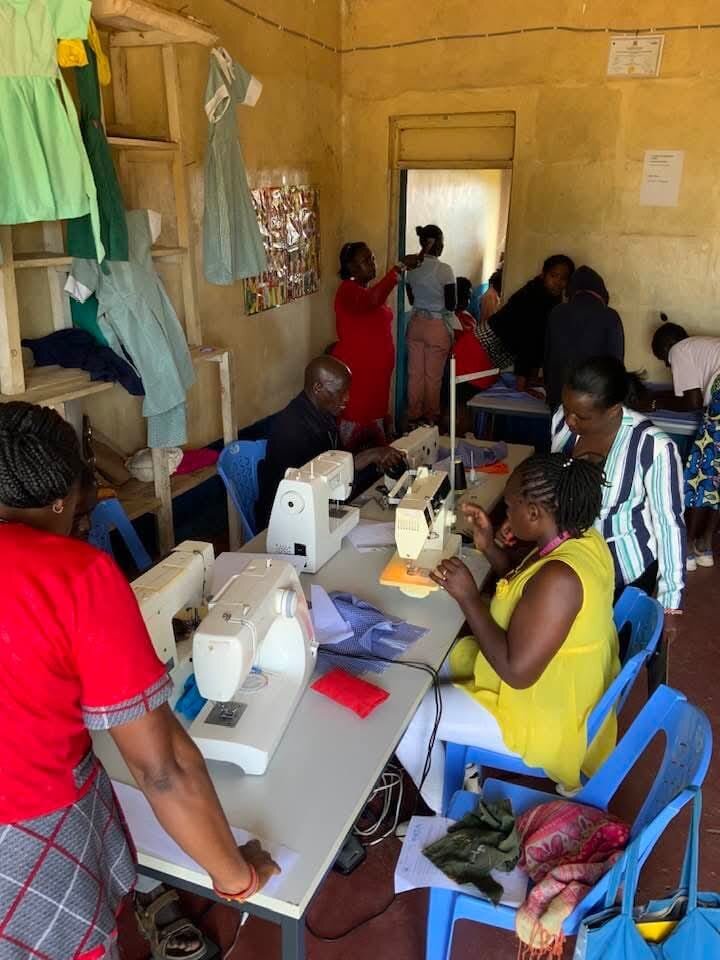
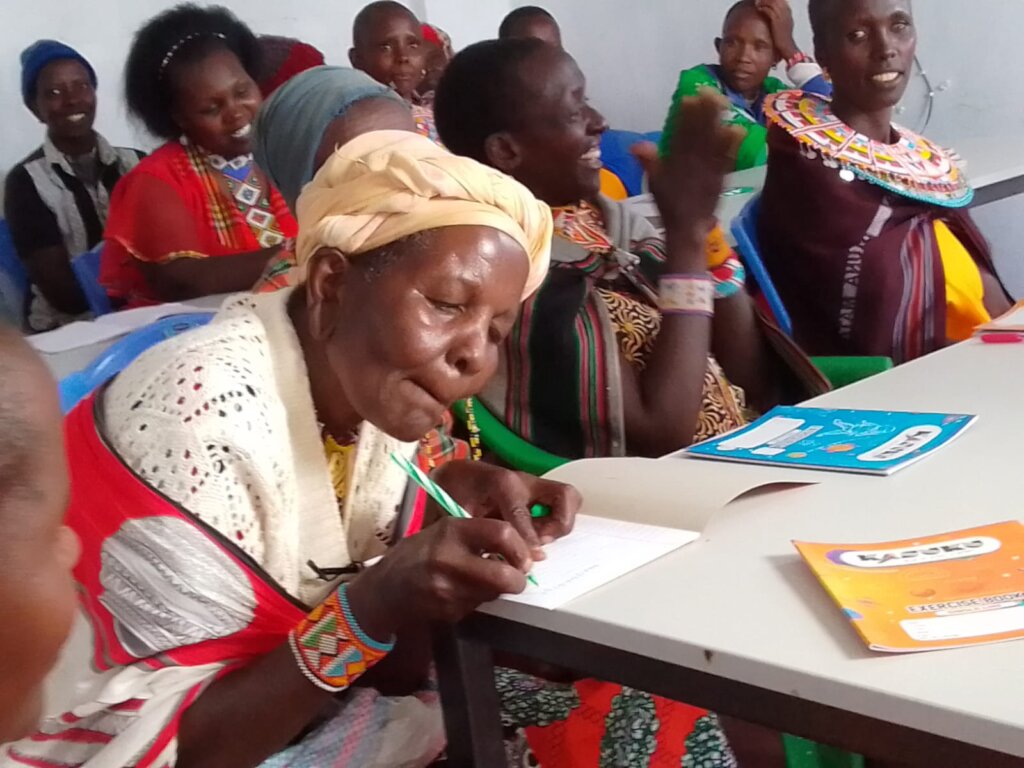
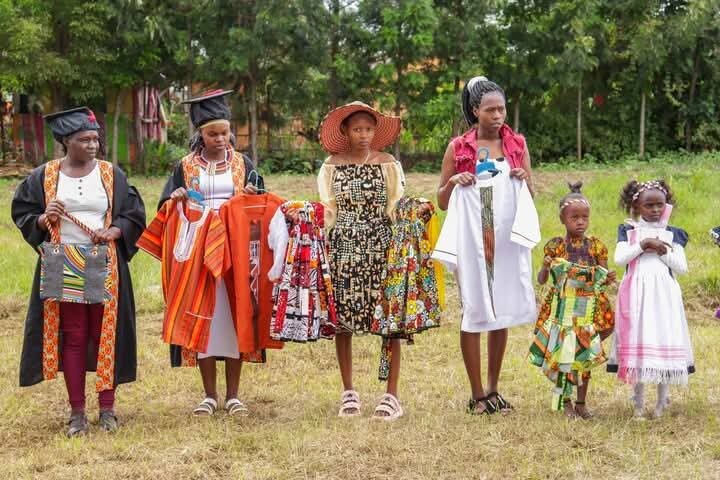
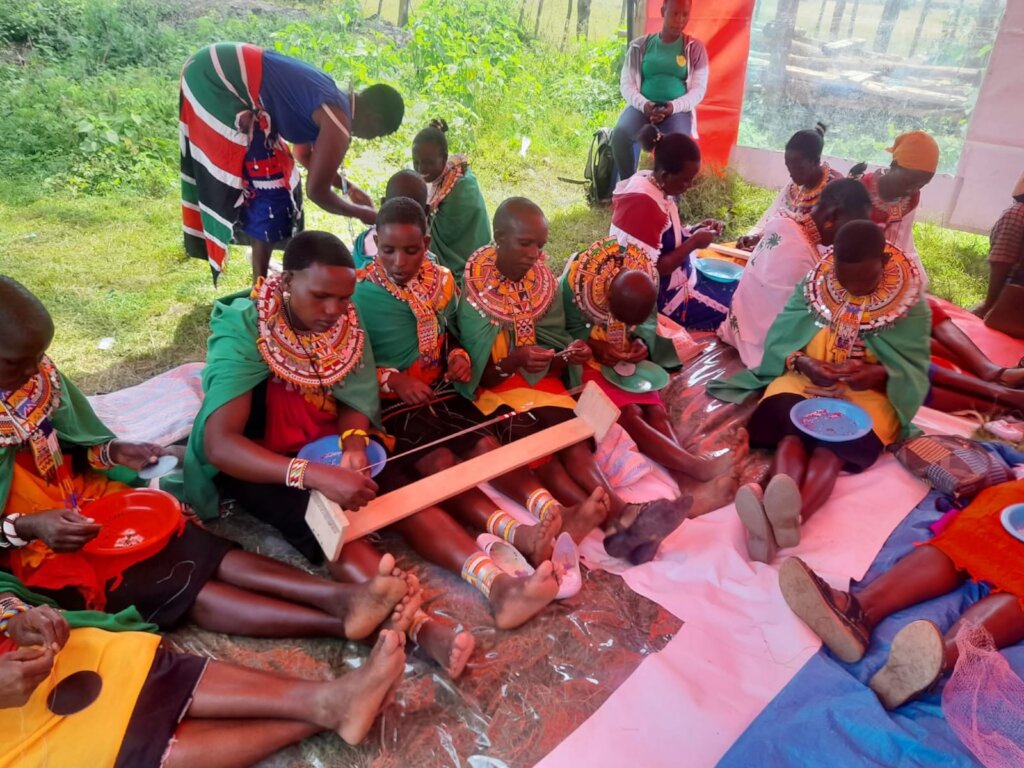
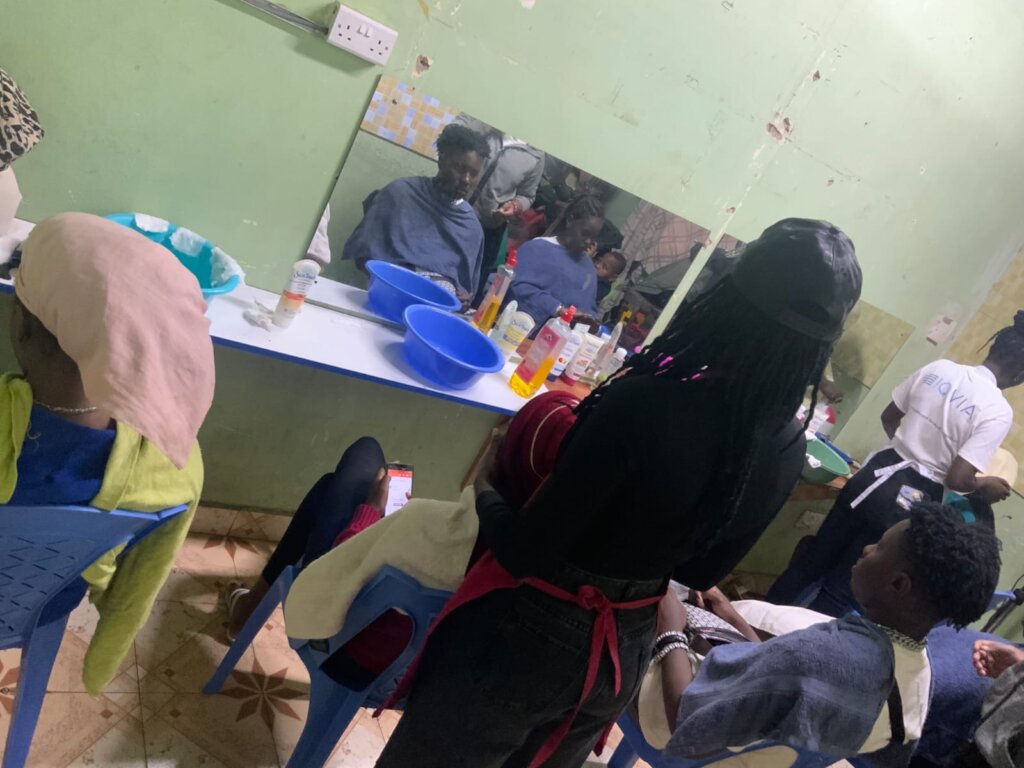
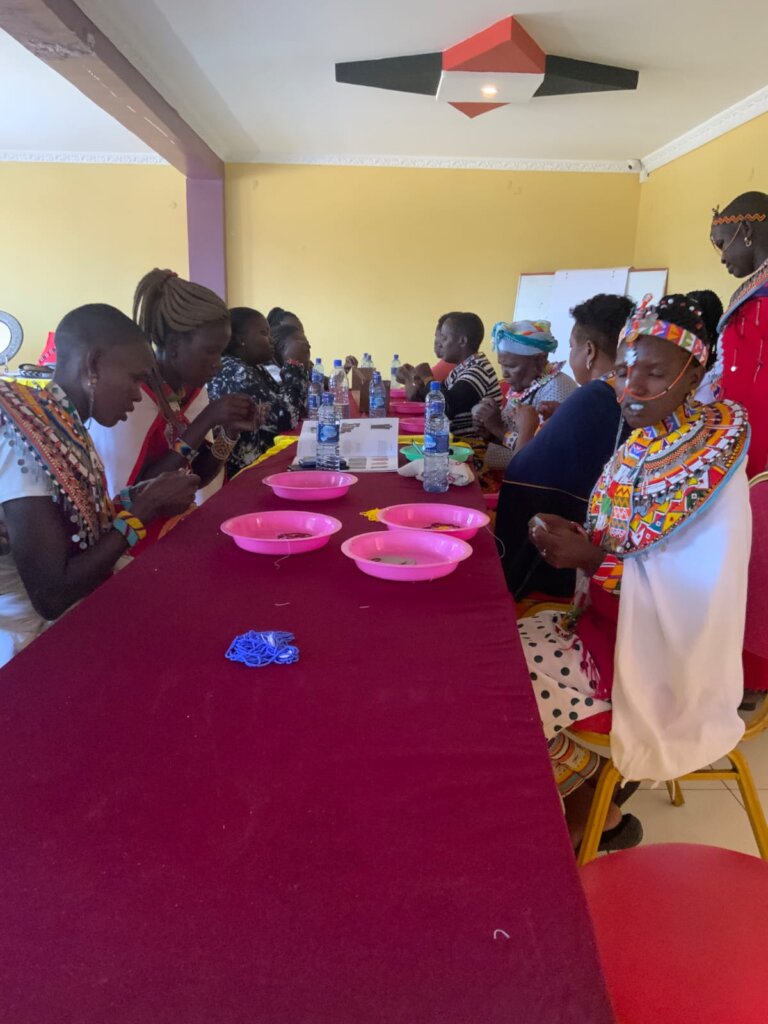
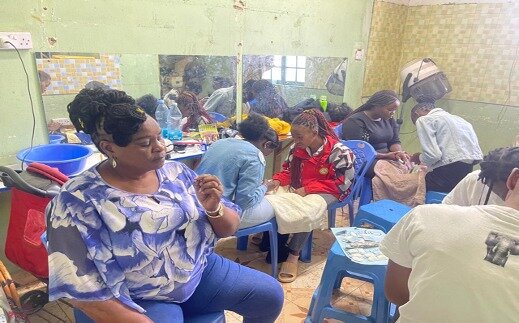
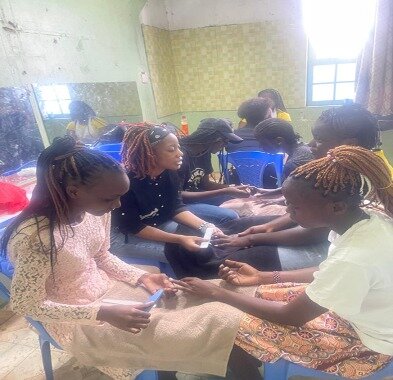
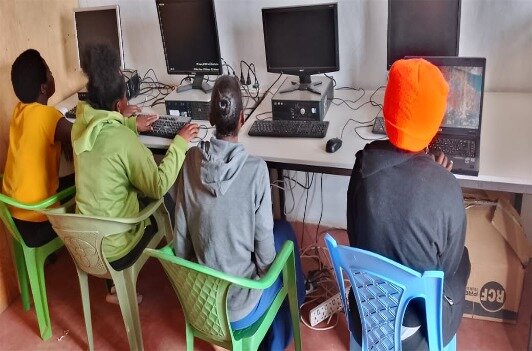
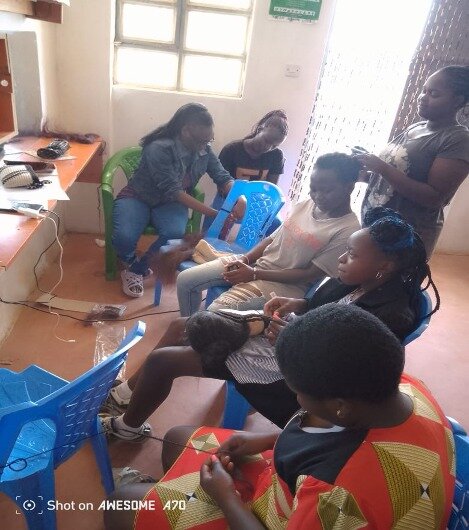
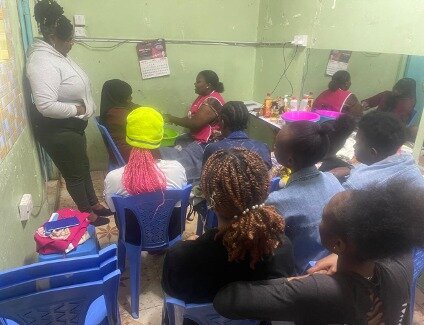
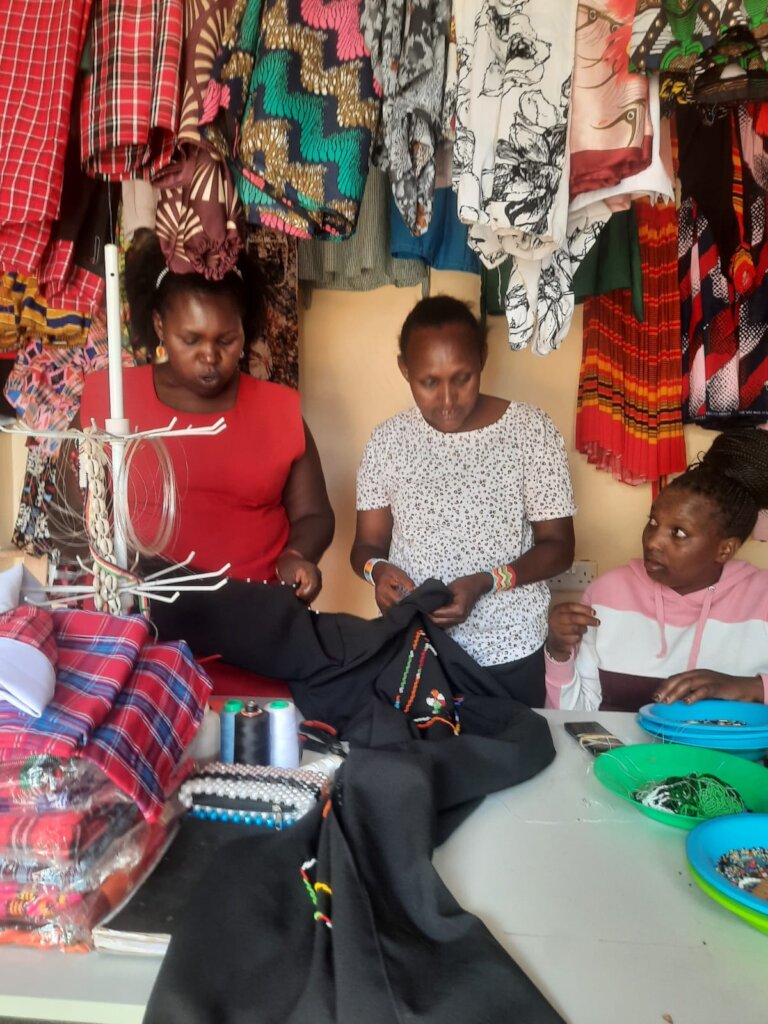
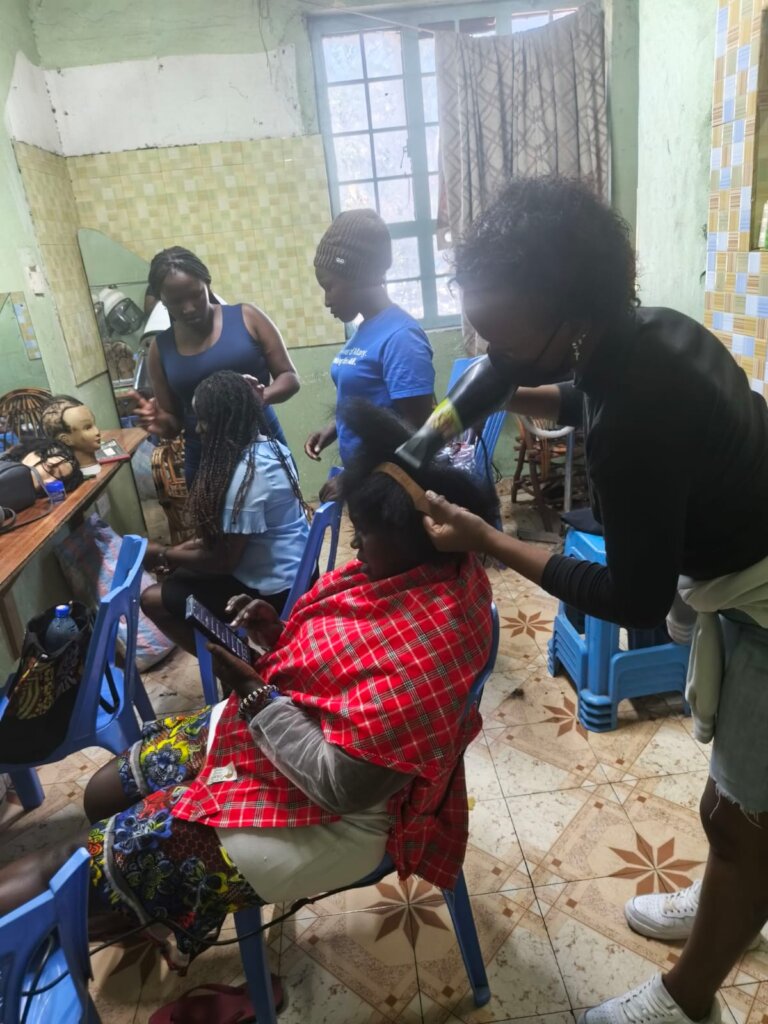
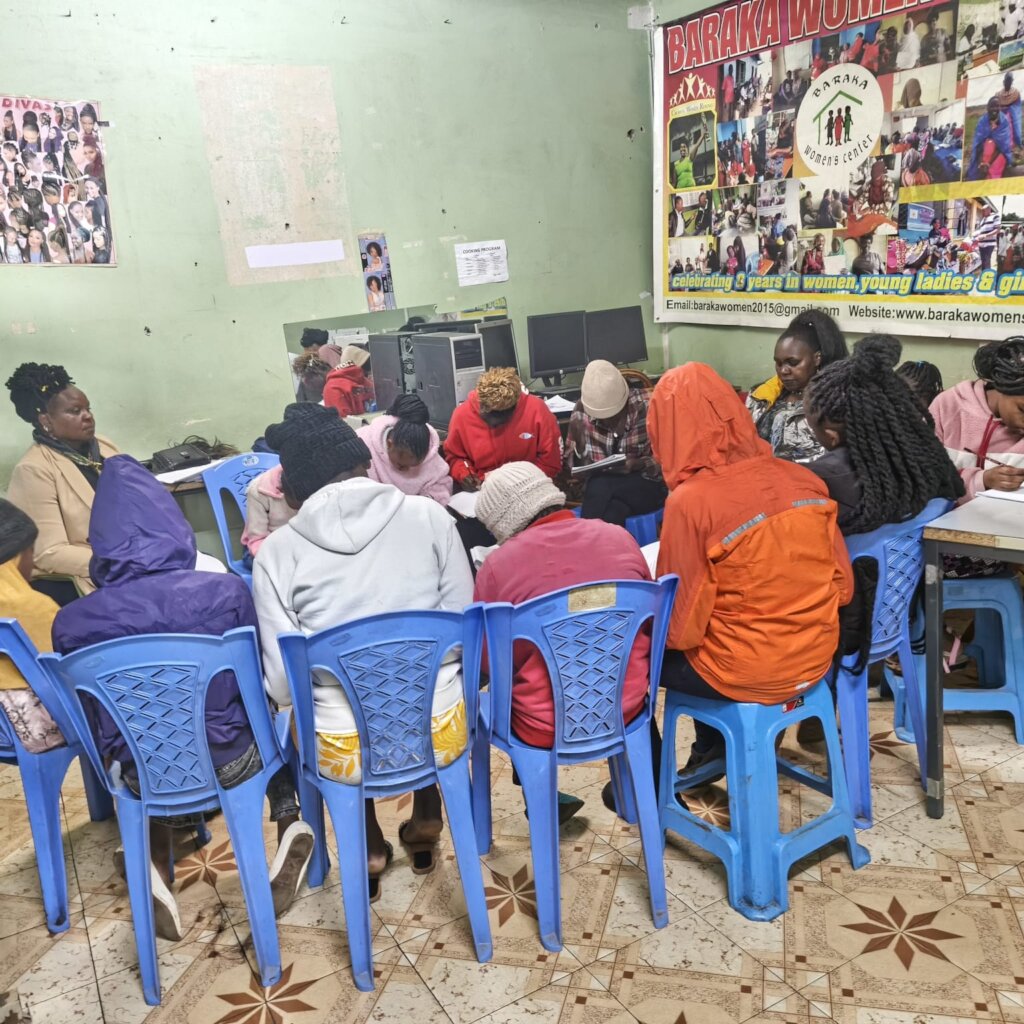
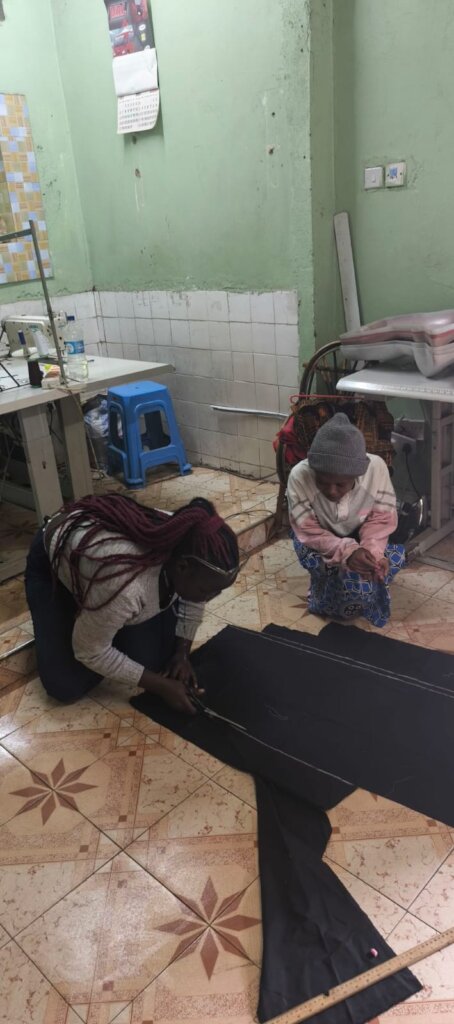
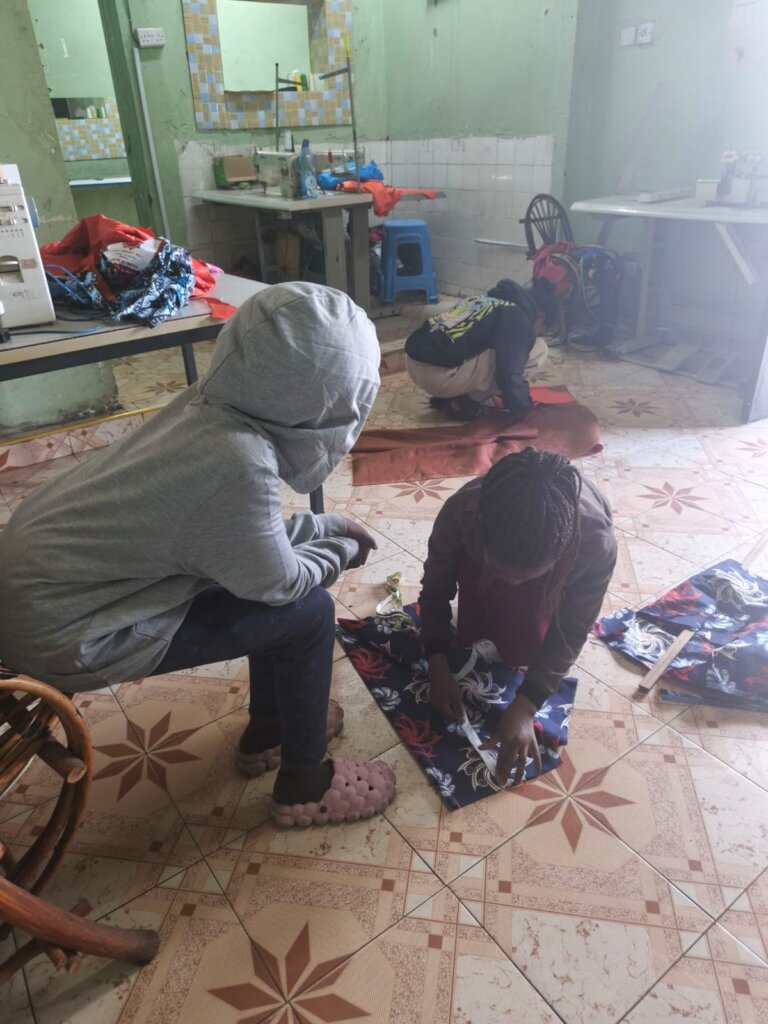
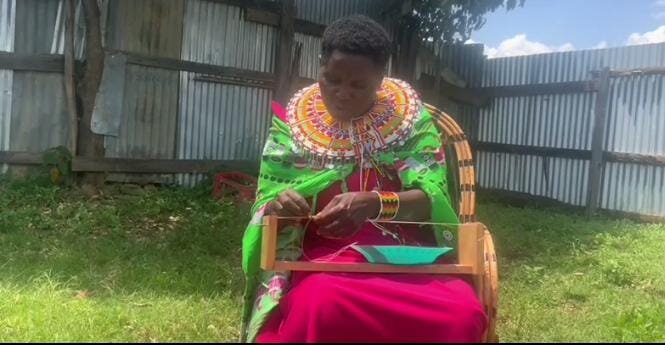
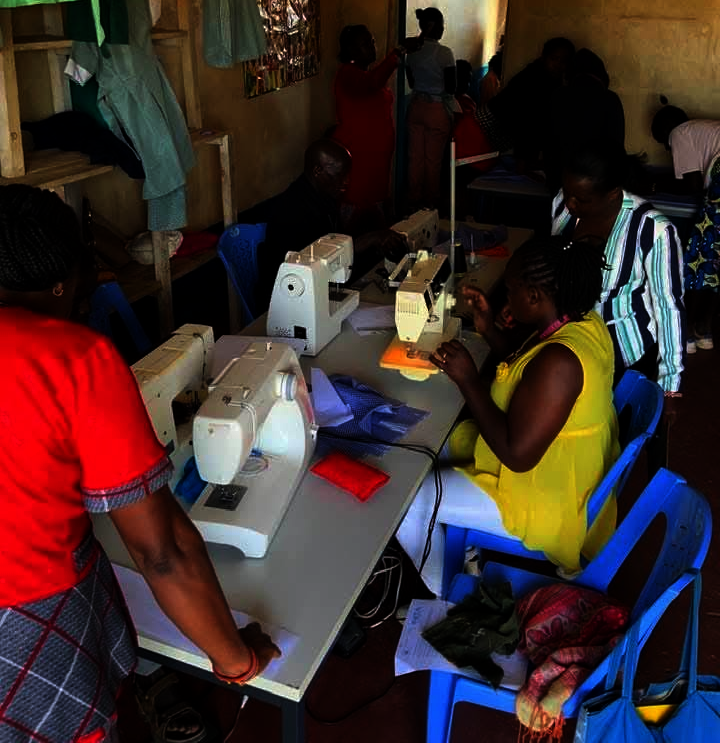
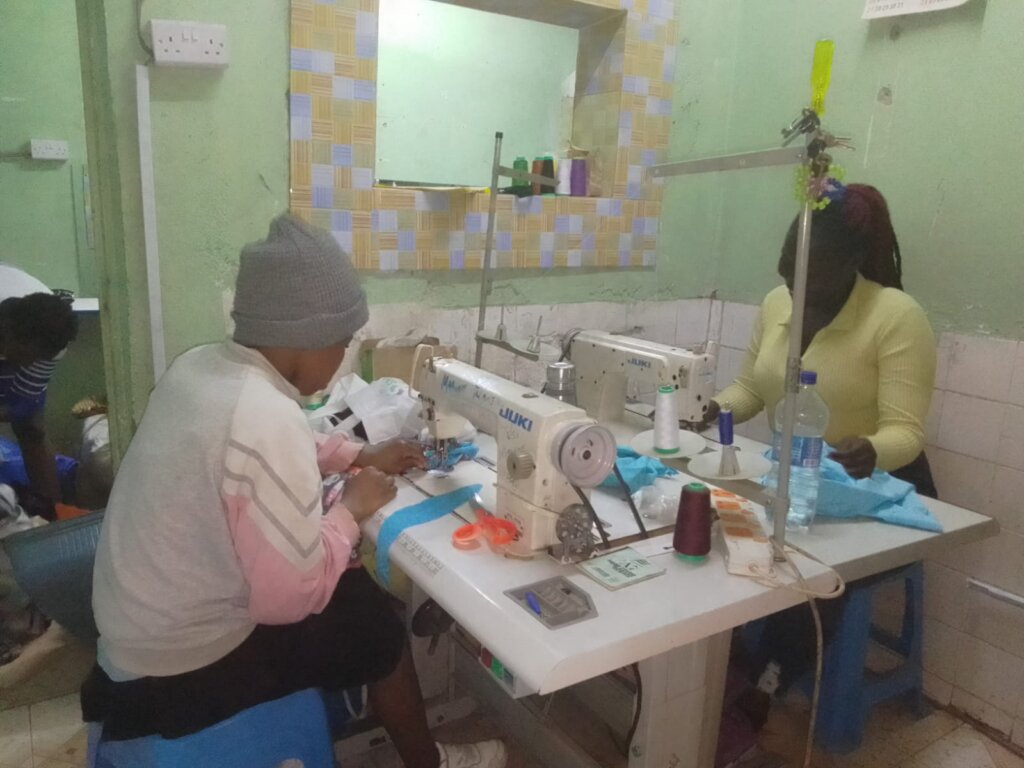
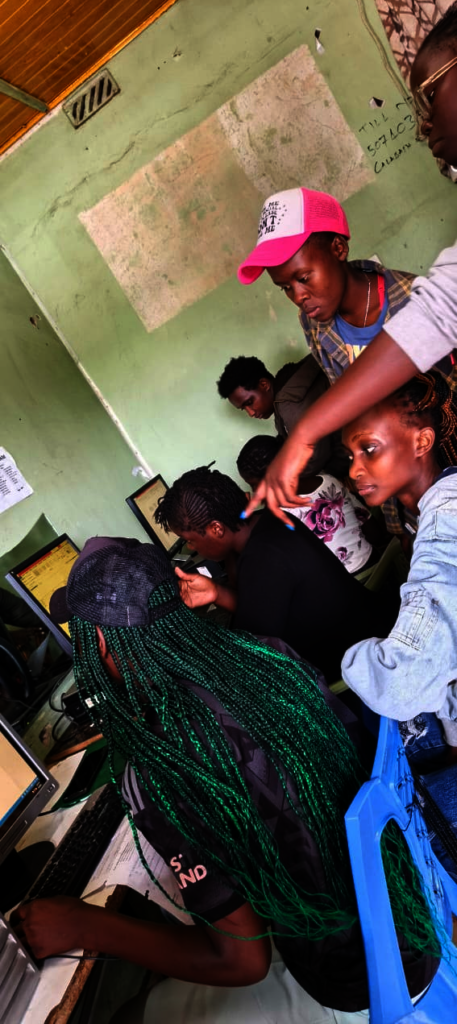
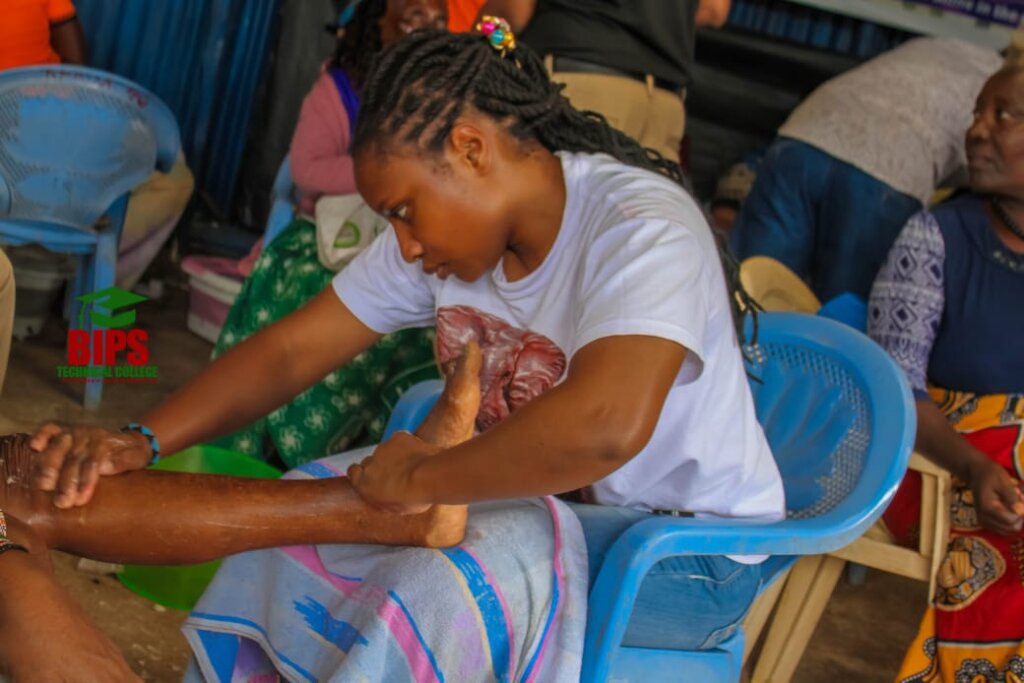
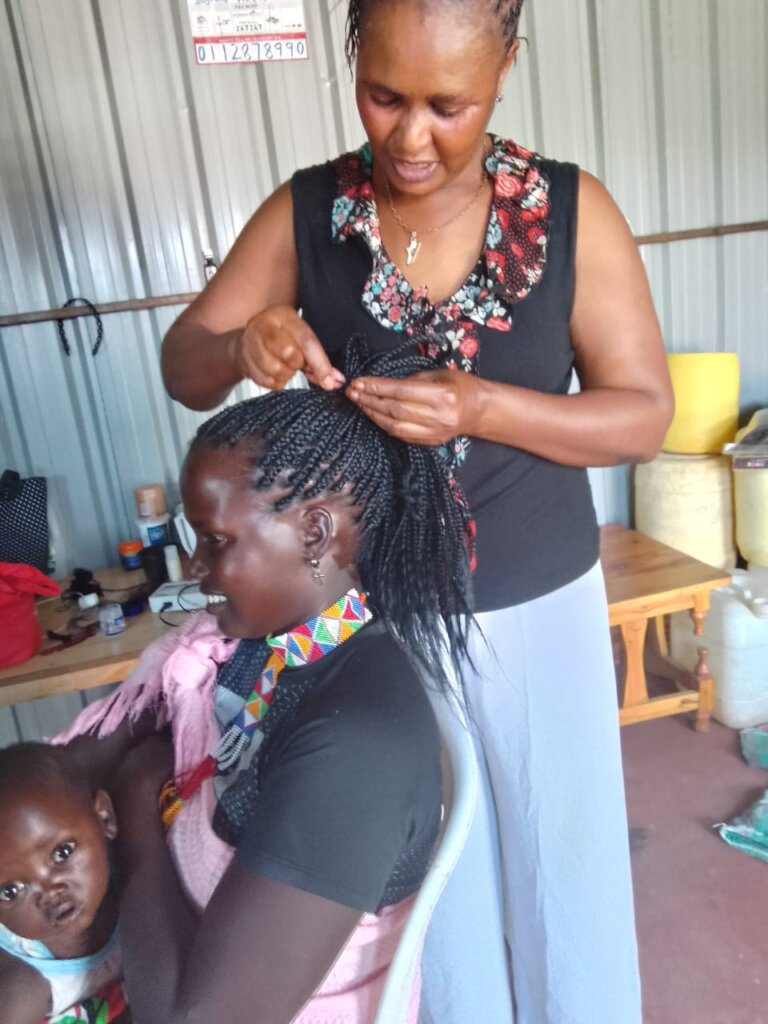
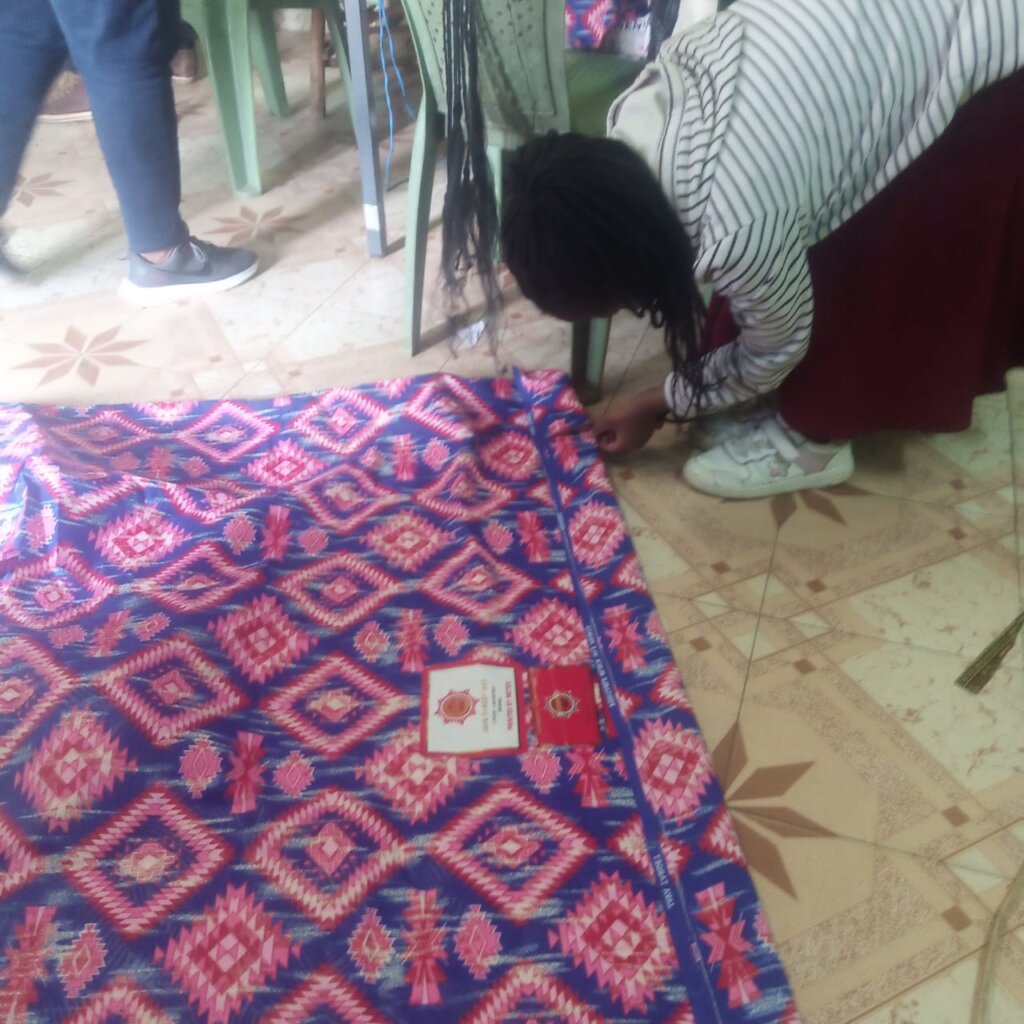
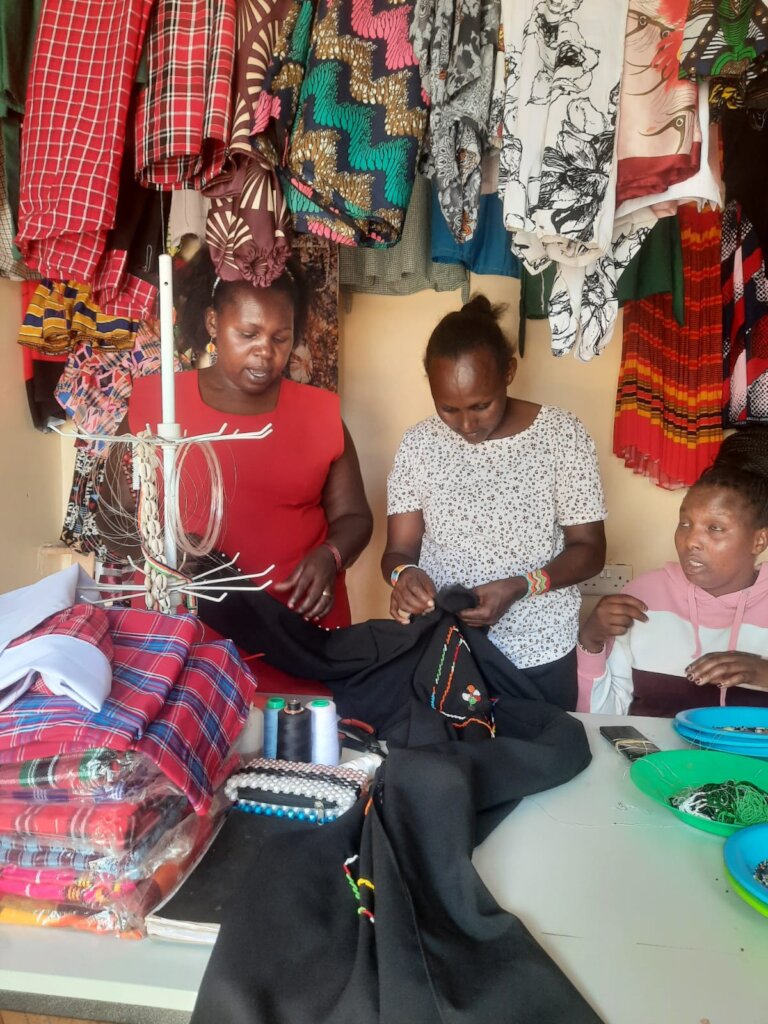
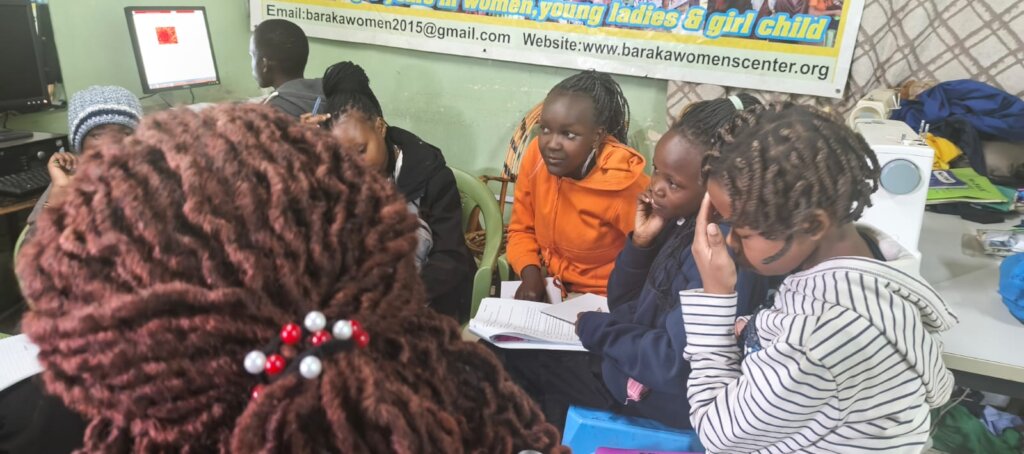
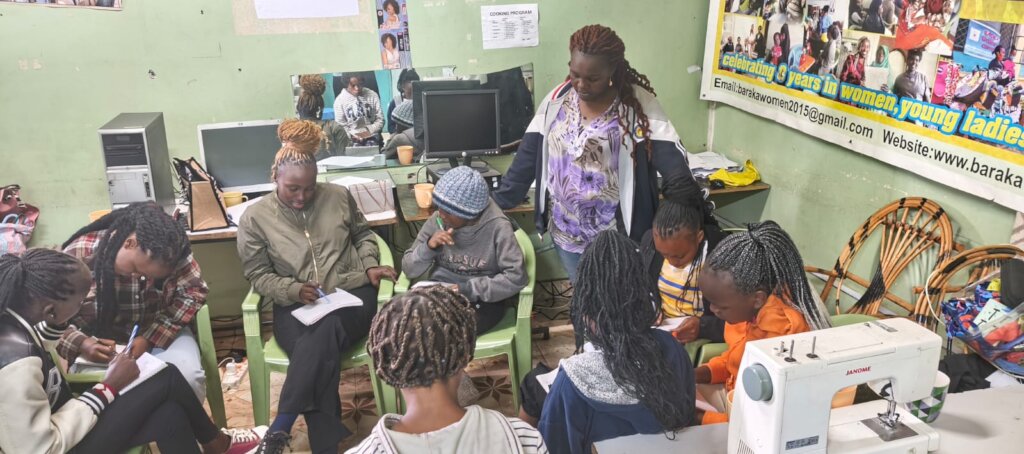
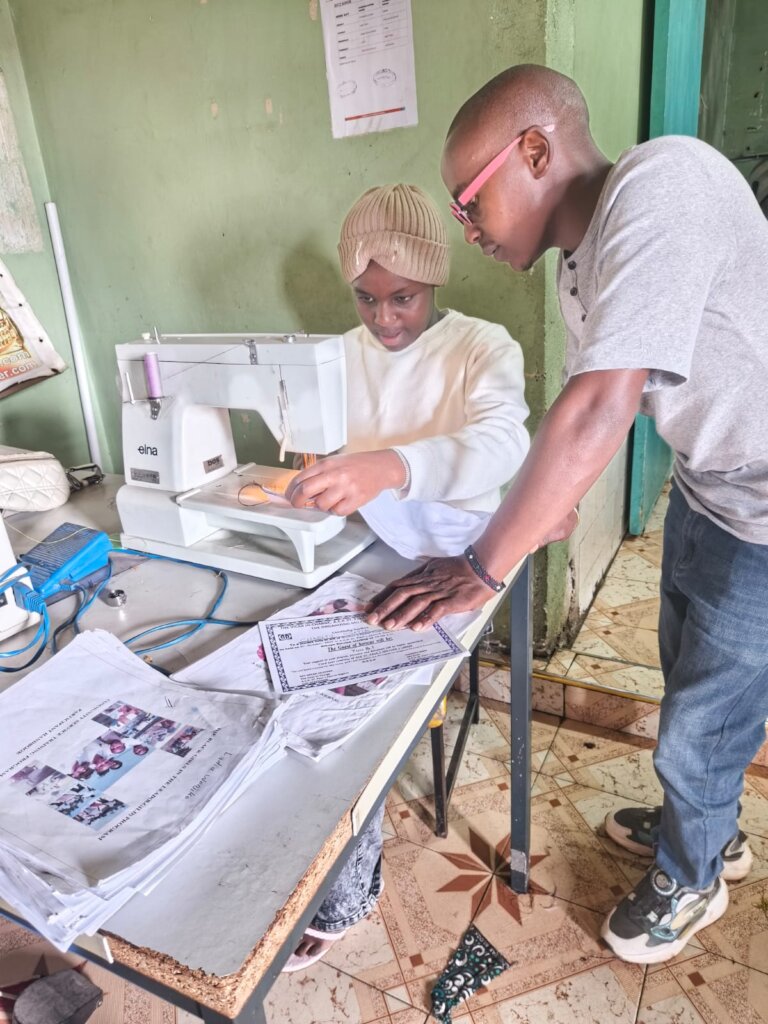
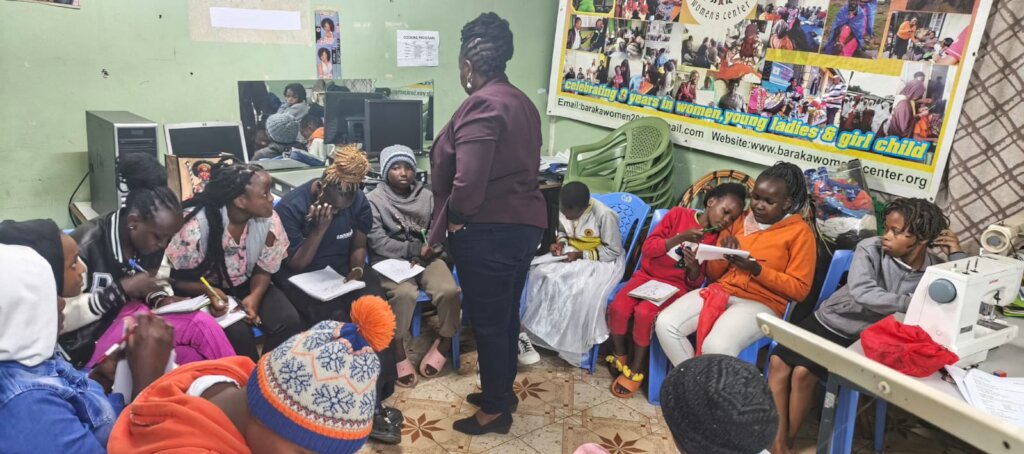
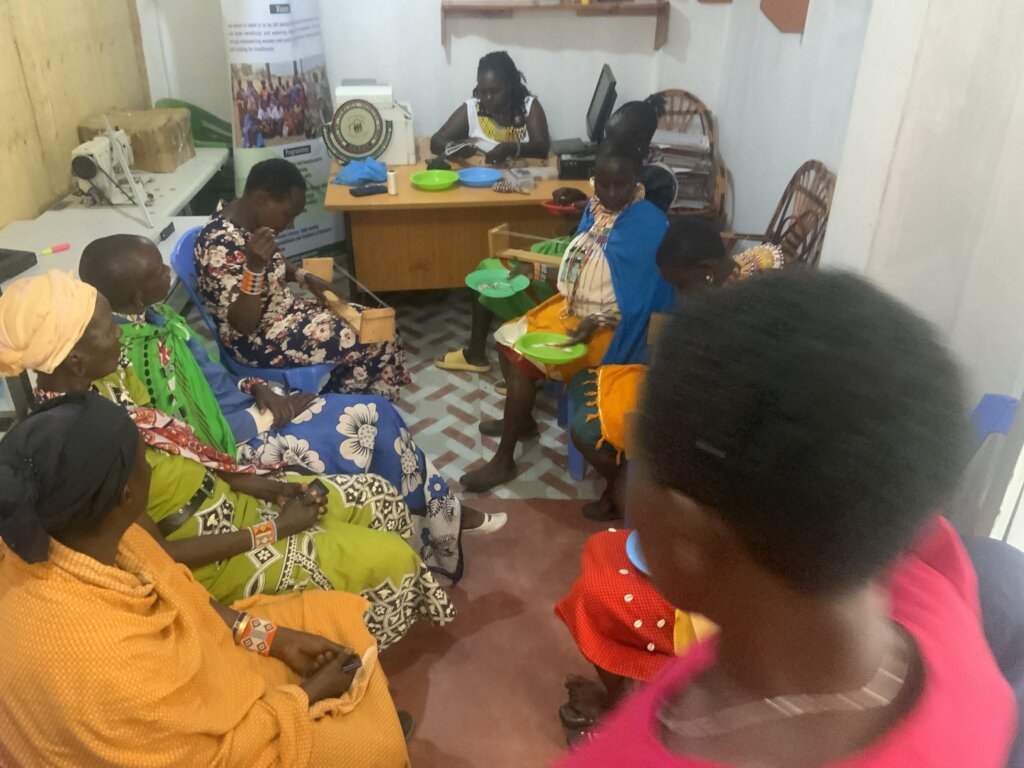
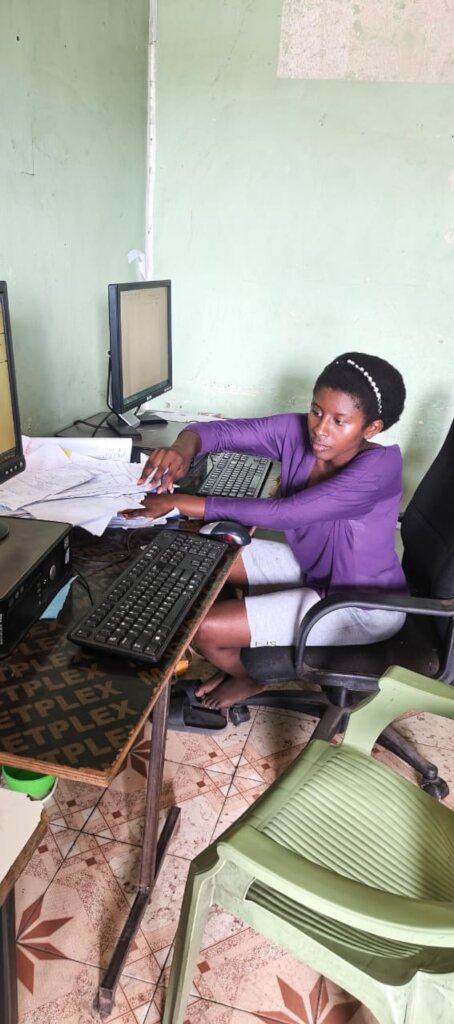
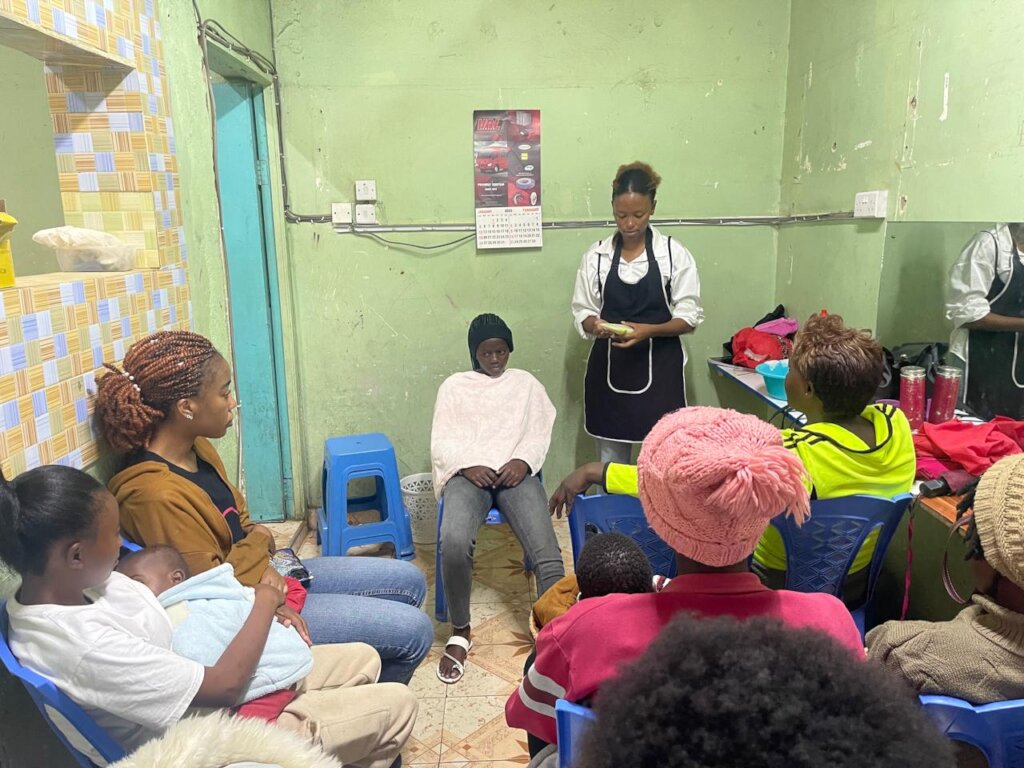
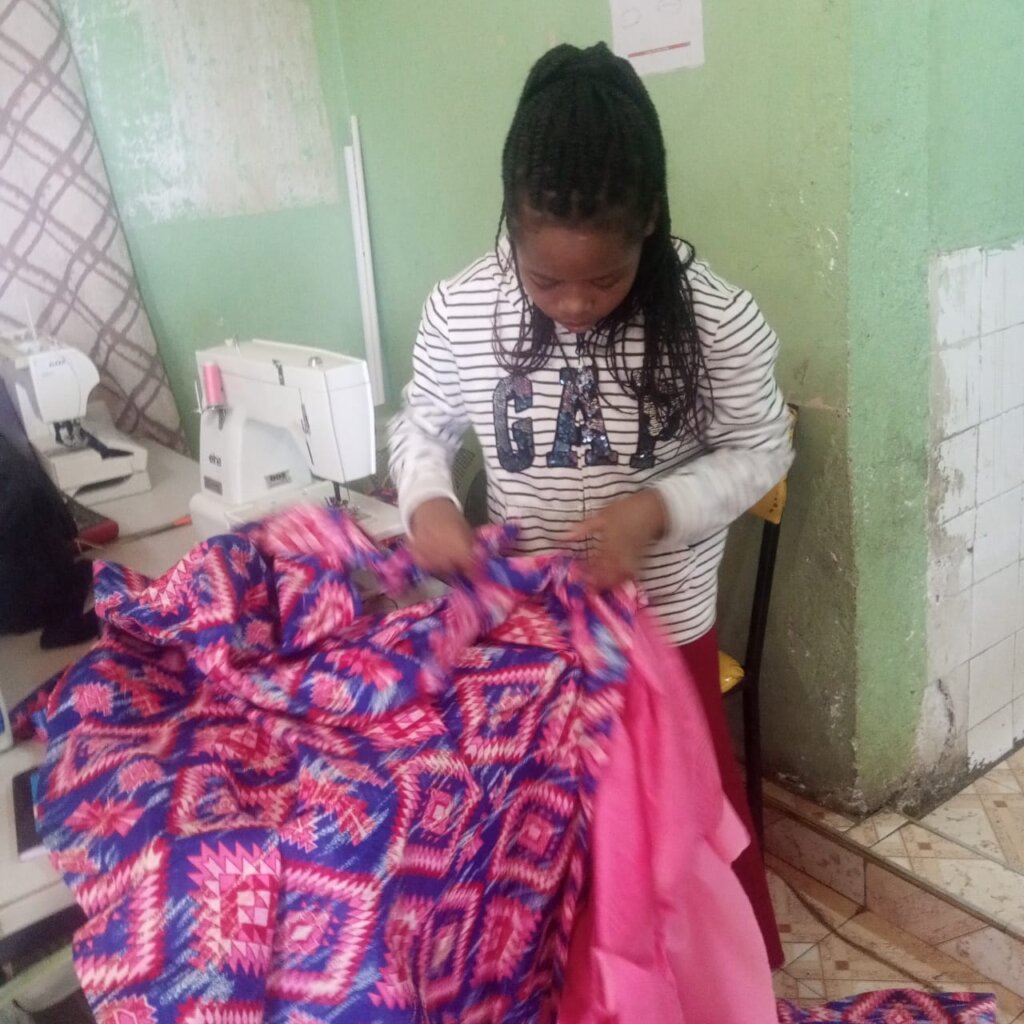
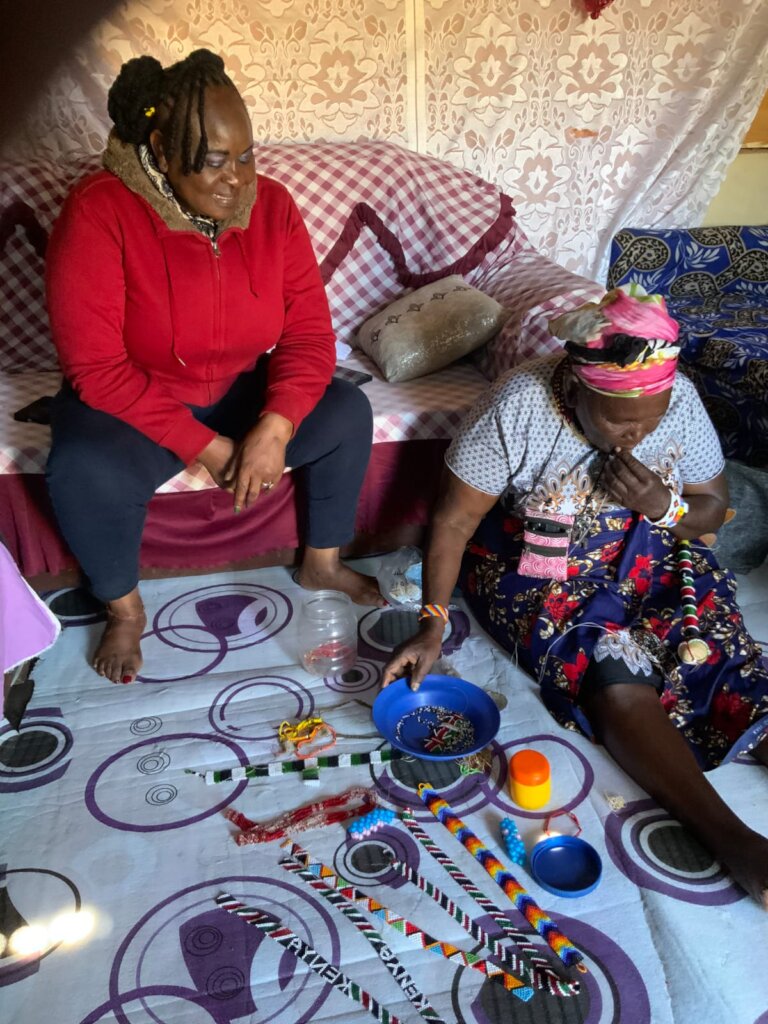
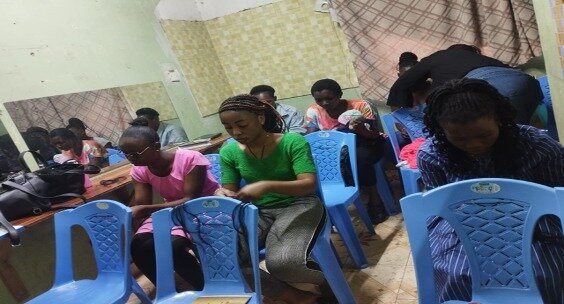
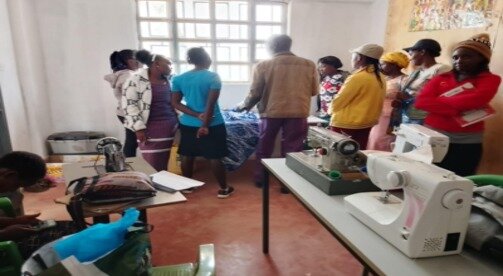
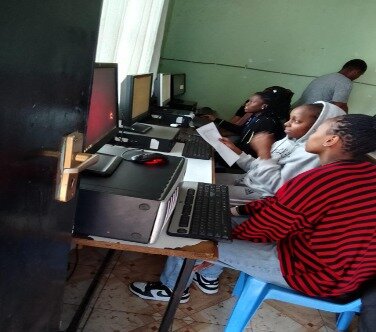
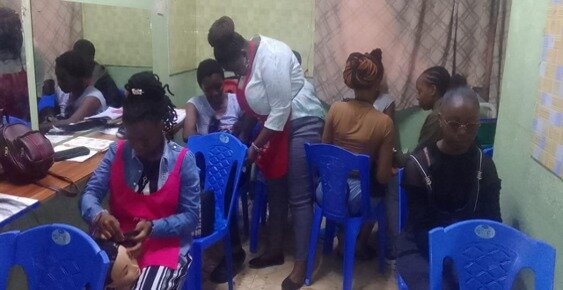
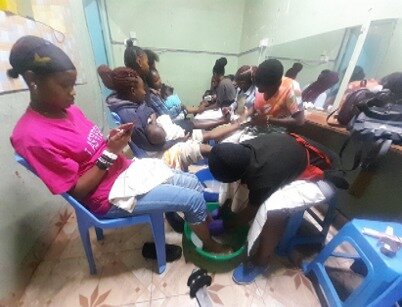
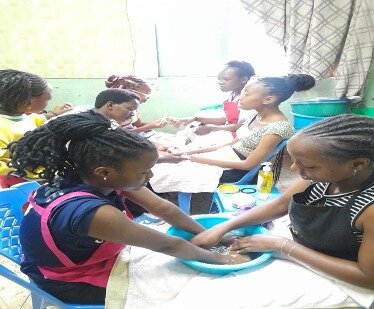
- Out of all the trainees who came for interview 25 were taken for hair dressing/ beauty therapy, 20 for tailoring / dress making, 15 for Computer and 15 for bead work. Total number of trainees is 75.
- Review of the four curriculums of the 4 vocational training courses has been done.
- Purchase of the training materials done.
- Orientation of each department to the trainees has taken place
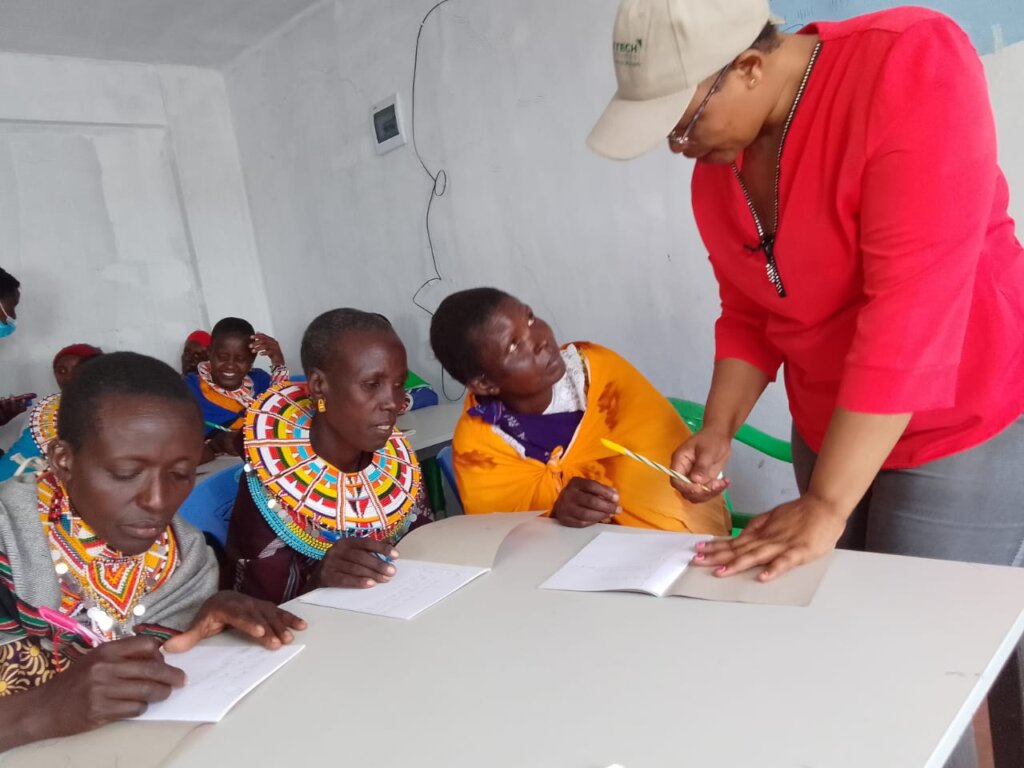
- Training of the 4 vocational skills has started.
- 11 trainees have joined the existing table banking groups.
- 5 of the new trainees have started their small business.
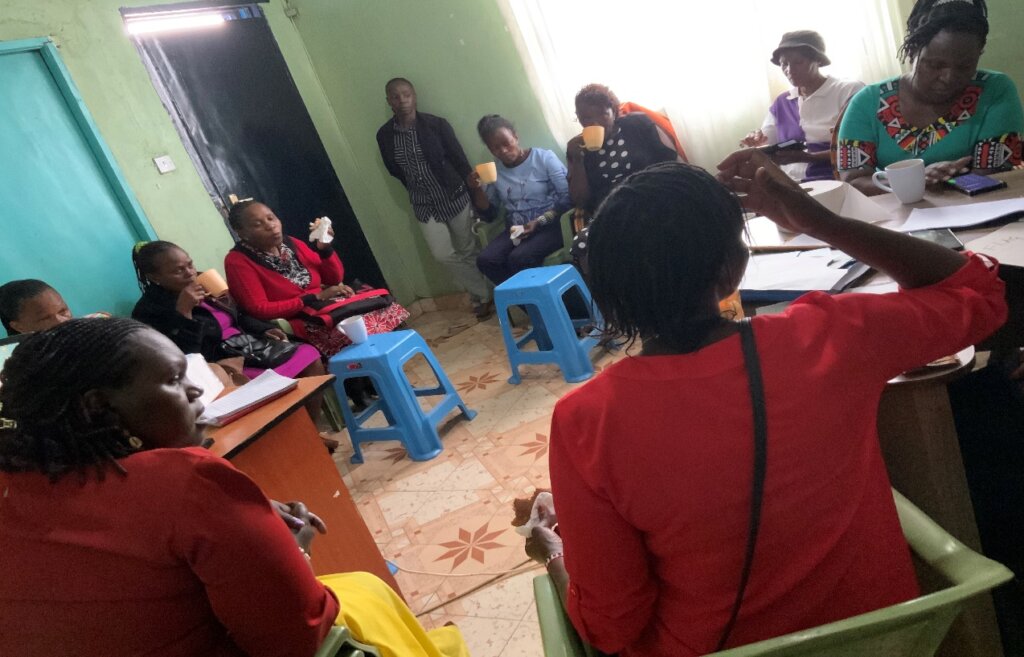
- Some of the trainees can now share their life history with others after mentorship sessions
- 18 business of the previous trainees have been mentored / monitored.
NOV/DEC
- The trainings in the 4 departments are progressing well
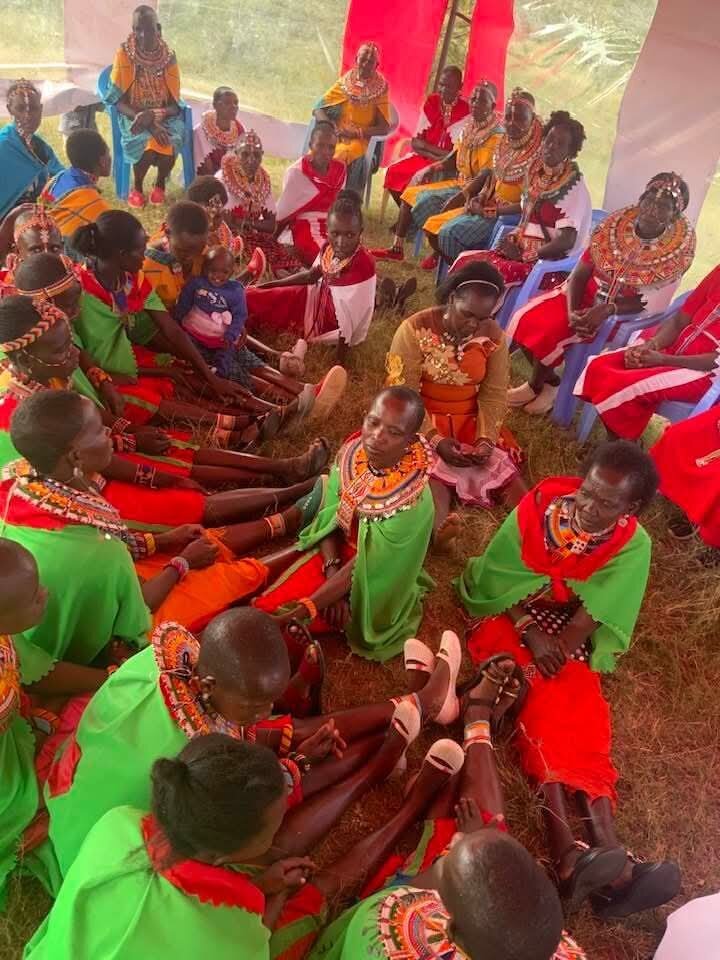
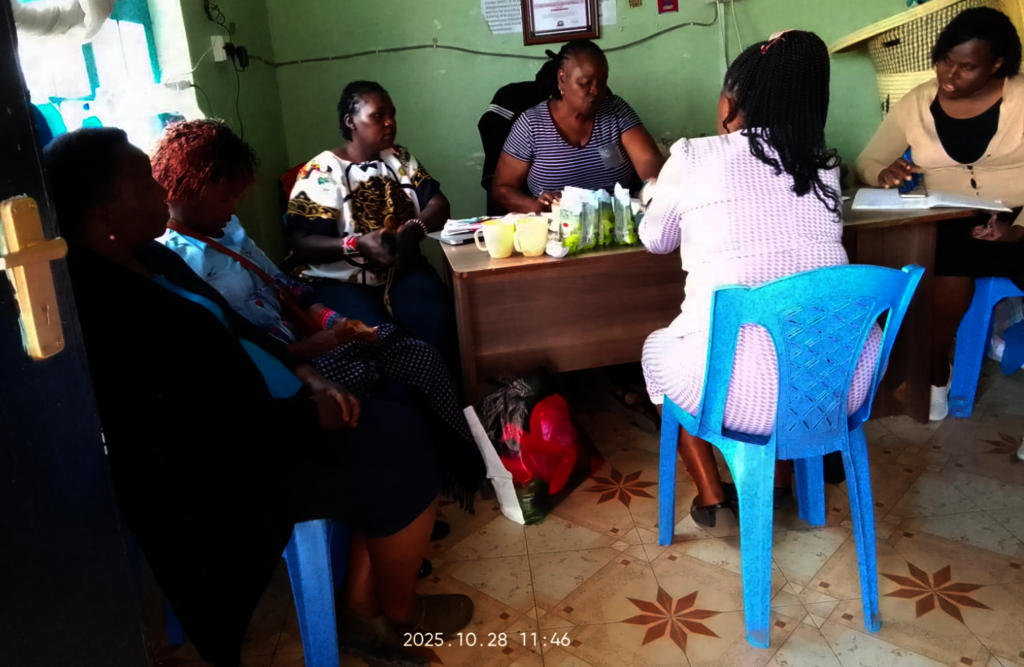
- During the group counseling therapy 14 the trainees have shared about their traumatizing on how they underwent female gentalia mutilation and their early marriages as the 3 or 4th wife.
- 7 of the trainees have started their business. 3 have started mobile hair dressing and beauty therapy , 2 have own machines hence making simple dresses and doing repair of dresses , and two of the young mothers are hawking boiled eggs and fruits respectively.
- 11 new business have been started by 2nd cohort group, 3 have been employed in salon and 2 in dress making.
- 15 business have been mentored and monitored this month of November.
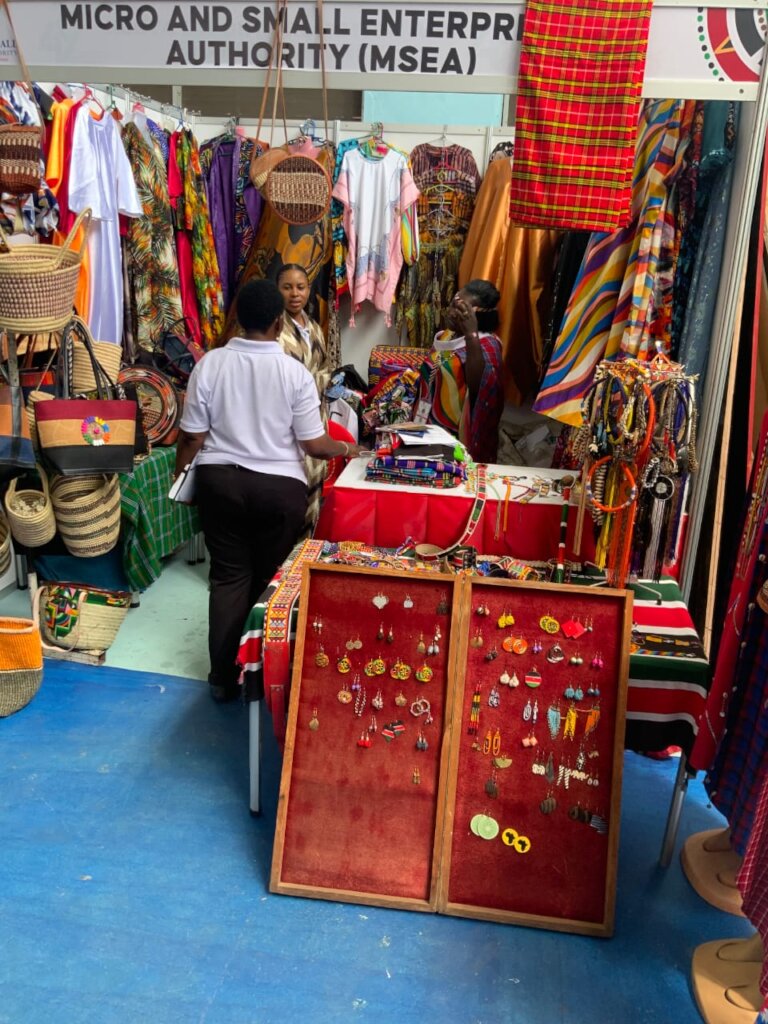
- BWC has been invited for exhibition at Kenya International Conference Center (KICC) by Uwezo Fund to celebrate women /youths / persons abled differently SMEs and Rumuruti women have joined the Nairobi women to showcase their products
- Equity Bank has trained the table banking members on finance literacy , and importance of saving . 5 women have opened business accounts and 4 table banking groups have opened accounts.
- The BWC vocational training center has been featured by local media houses as a center of excellency in vocational training where young mothers get employed or start their own business
JAN/FEB
- All the trainees in the four department progressed with their trainings up to19th Dec
- 4 girls of the trainees have been rescued from undergoing Female gentalia mutilation and taken to a rescue center
- 8 trainees shared on their new change of life during the mentorship session
- 5 new business have been started by the new trainees.
- The mentors have mentored/ monitored 13 business this month.
- 2 of the table baking groups Kandutura / Kisiri women groups have added goats to their goat rearing projects.
- The table banking members received their end of the year dividends and education booster.
- BWC fashion and design accessories exhibited their products in Uganda,Tanzania, South Sudan and Bondo in Siaya County.
- 4 of the 7 business closed last month have been reopened after mentorship / refresher courses.
- 6 women who are in business have opened business accounts.
- 14 women who are still undergoing trainings have joined the existing table banking groups and started saving.
- The bead work group has started weaving African baskets which are being sold in exhibitions after adding value to them.
- Describe any challenges that your project faced in 6 months and how you dealt with these challenges.
Challenge(s)
Solution(s)
SEP/OCT
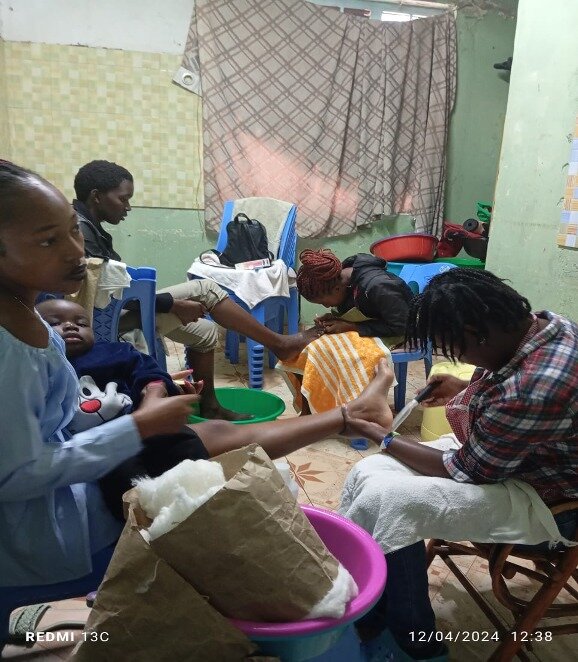
- Some of the trainees attend classes with their babies who keeps disrupting the training.
- Most of the young mothers are the bread earner in their families hence attend classes at different times.
- Some of the trainees attend classes late or few days due to the distances they cover.
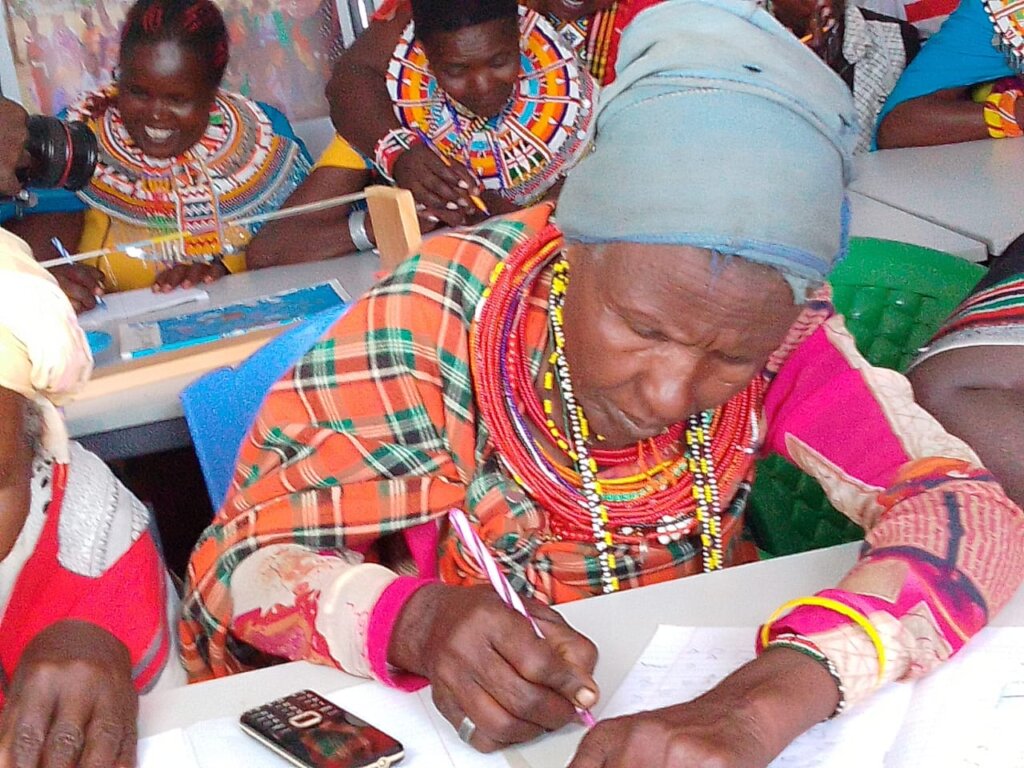
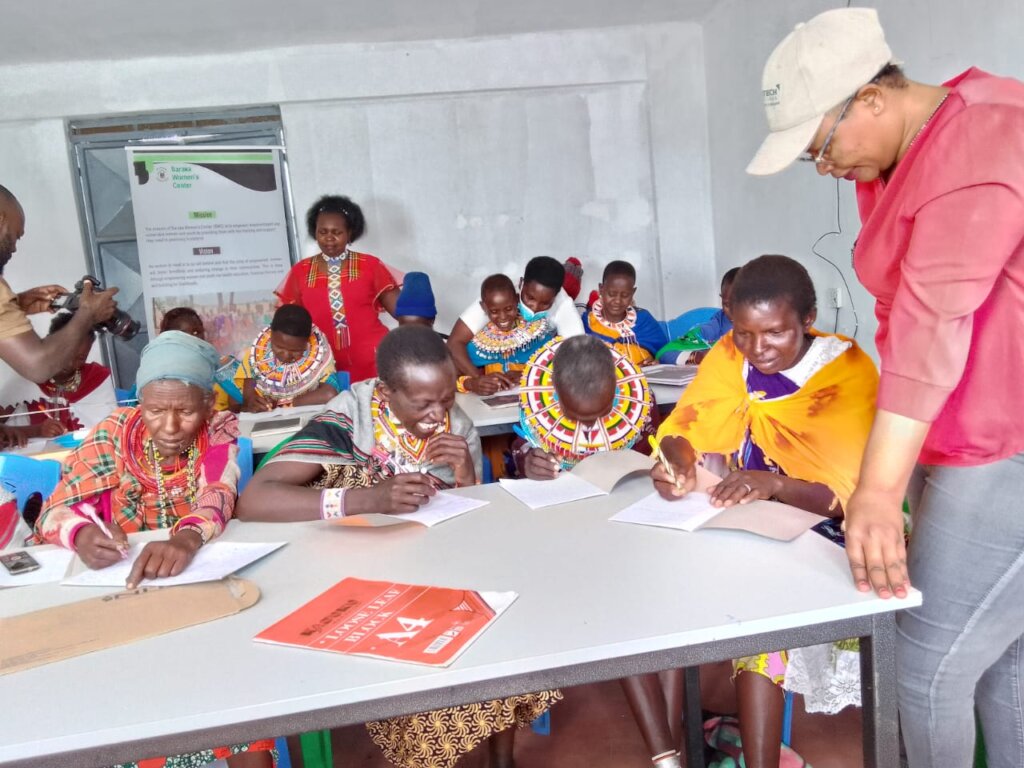
- Illiteracy level of some trainees is affecting the training and delaying.
- Being a pastoralist/ nomadic area, the mothers have problems in feeding the babies / themselves hence affecting the trainings.
- Rains have started and usually falls in the morning hence affecting the trainees from attending classes on time.
- Being a pastoralist / nomadic area, many children follow the mother to BWC to be fed.
- When rains falls in the afternoon the trainees are unable to go back to their home.
- Some of the women who received seed capital in their table banking groups have defaulted as their families relocated from Rumuruti due to their pastoralist nature
- The trainees volunteer on daily to take care of the babies and cook for them porridge
- The trainers have grouped them according to their availability
- The trainees are arranged according to their locations and availability
- BWC engages the mentors to translate into their language and also adult education has continued for basic skills
- BWC directors have sourced for food from well-wishers for a feeding program
- The trainers train the trainees affected when available
- BWC buys porridge/ snacks with profit from the business to feed the babies / elderly
- BWC has bought mattresses and makes them to sleep in the computer room
- New members will be recruited as we wait for the defaulters to settle down
NOV/DEC
- Some trainees are missing classes for 3 days a week as their go for casual jobs
- Young mothers attend sessions with their babies who keep disrupting the trainings
- Some of the trainees are highly illiterate hence training in English or Kiswahili is difficulty
- Its holiday time hence most of the young school going children follow their parents to the center for the feeding program
- 7 of the business of the 1st and 2nd cohort graduates have been closed down
- The new premises where BWC relocated to is have problems of water
- The trainers create time for the trainees when they come for sessions are extend the training times
- The young mothers continue volunteering as care givers to the children
- Mentors are used to translate while training and to do adult education
- The volunteer of the day cooks for the children while BWC directors / well-wisher source for food
- The 7 graduates are being mentored by the mentors and given refresher courses in entrepreneurship skills
- BWC management is in the process of applying for water from the Ministry of water
JAN/FEB
- Majority of the young mothers were attending classes in the afternoon as go for casual jobs in the morning
- Most of the young mothers attend the classes with their children because schools are closed and expect a meal
- 5 business which had been opened by the previous graduates has been closed down
- Trainers have created time for them up to late in the evening according to their availability
- BWC contribute the food as the young mothers volunteers to cook and take care of the children
- The business owners are being mentored/ and given refresher courses in entrepreneurship to help them restart their business again
- Describe any lessons learned this month.
SEP/OCT
- Women in pastoralist/ nomadic areas are bread earners of their families
- Majority of the women have their phone lines registered under their husbands/ fathers
- 70% of the young mothers are single mothers either separated or got children out of wedlock
- All the trainees have undergone female gentalia mutilation
- Mentorship has started making the women to share about themselves
- 5 of the trainees have started business of selling second hand clothes, tomatoes and 2 are in hair dressing
NOV/DEC
- Young mothers are determined to change and better their livelihood through skills they are acquiring
- The women who have opened their business have registered their phone lines under their names
- Female gentalia mutilation is still happening as 14 girls have been rescued from the cut
- Mentorship is helping the women to change their dressing styles and also having confidence in themselves
- 11 business have been started by the 1st and 2nd cohort graduates
- 5 of the 2nd cohort graduates have been employed
- 3 of the 2nd cohort graduates have opened a business together of dress making and hair dressing in on partitioned room
- There is need of having a reproductive health program especially in family planning
- Men have started accepting the programs as no woman has been prevented from attending classes
JAN/FEB
- Mentorship is making the young mothers become very aggressive in life and become better parents
- 5 women have opened bank accounts and several have the phone lines registered under their names
- Female gentalia mutilation needs to be addressed and workshops carried on as 4 girls have been rescued
- 5 new business have been opened by the current trainees, 9 by 1st / 2nd cohort graduates while 3 graduates have been employed
- 13 business have been mentored and monitored
- With table banking’s being active , the women are able to start their projects through loans from the groups e.g Kandutura and Kisilili group which has
- Reproductive health training is key in the BWC programs
![]()
![]()
![]()
![]()
![]()
![]()
![]()
![]()
![]()
![]()
![]()
![]()
![]() Attachments:
Attachments:
![Share on Twitter]()
![Share on Facebook]()