By Dipak Basu | Founder
In our digital livelihoods classrooms, students were strong at following a fixed sequence, enter this data, format this sheet, respond to this customer query in this way. The gap showed up only once they reached a workplace, where tasks rarely arrive in the sequence they were taught.
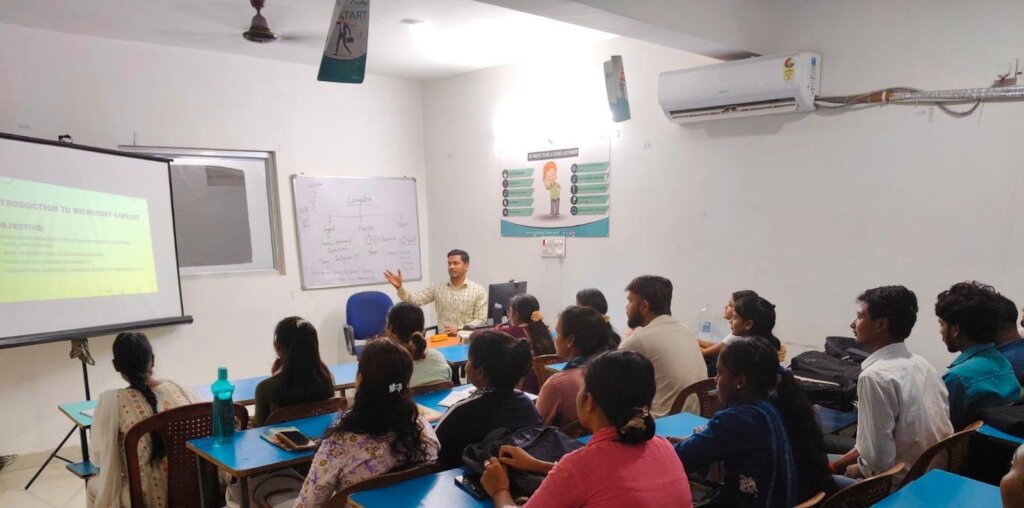
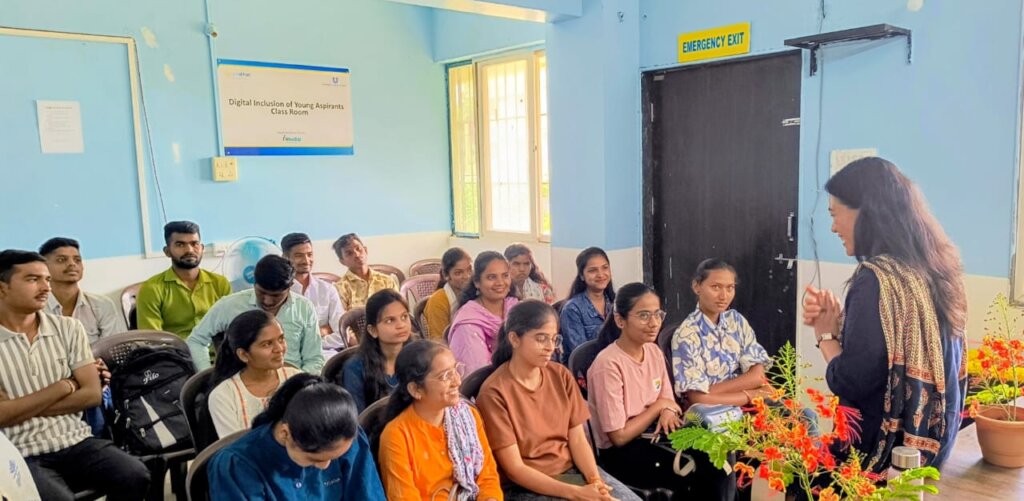
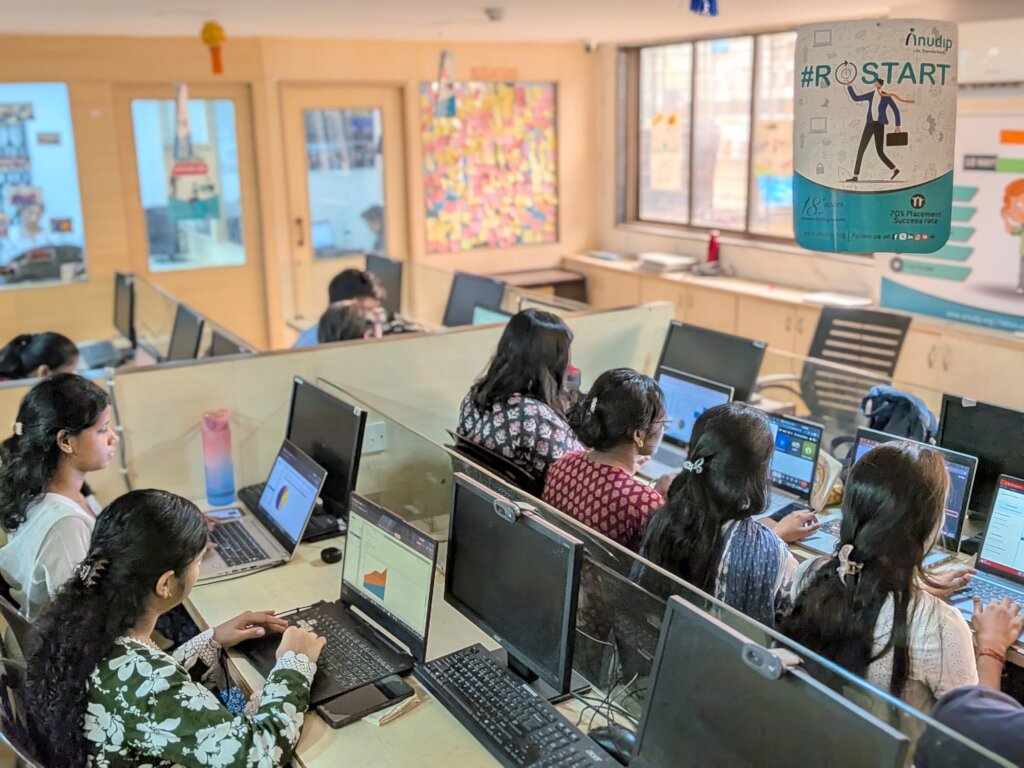
To address this gap, we recently adopted a Discovery-Based Learning method across all our digital livelihoods classrooms in India.
How this Method Works?
In practice, this means a trainer stops short of demonstrating the full procedure. A student handling a mock billing error, a mismatched inventory count, or a customer complaint with incomplete information is asked to work out what to check, what to ask, and what to try, before any correct process is explained.
This changes what the classroom is building. Earlier, the focus was on completing a task the way it had been shown. Now, the focus is on reading a situation that does not match the standard case, and deciding what to do about it.
Introducing this required retraining our own trainers first. Many were used to correcting a student’s approach as soon as it went off track. The adjustment was learning to let that approach run its course, including the parts that did not work, because the misstep is where the learning happens.
It has been 6 months since we started the formal integration of this method and centers have been reporting a visible shift in how students behave when a task goes wrong. Instead of stopping and waiting for a trainer, students are checking their own assumptions first, trying an alternative, and asking for input only after that. Trainers also note more questions that start with “why did this happen” rather than “what do I do now.”
Workplaces rarely resemble the clean case studies used to teach a skill. The outcome this shift is built for is students who do not freeze when a real task looks different from the practice version, and who already have the habit of working out what comes next on their own.
By Dipak Basu | Founder
By Dipak Basu | Founder
Project reports on GlobalGiving are posted directly to globalgiving.org by Project Leaders as they are completed, generally every 3-4 months. To protect the integrity of these documents, GlobalGiving does not alter them; therefore you may find some language or formatting issues.
If you donate to this project or have donated to this project, you can receive an email when this project posts a report. You can also subscribe for reports without donating.


Support this important cause by creating a personalized fundraising page.
Start a Fundraiser