Project Report
| Aug 30, 2022
Quarterly Report August 2022
By Michael Anyeko Enyakoit | Executive Director
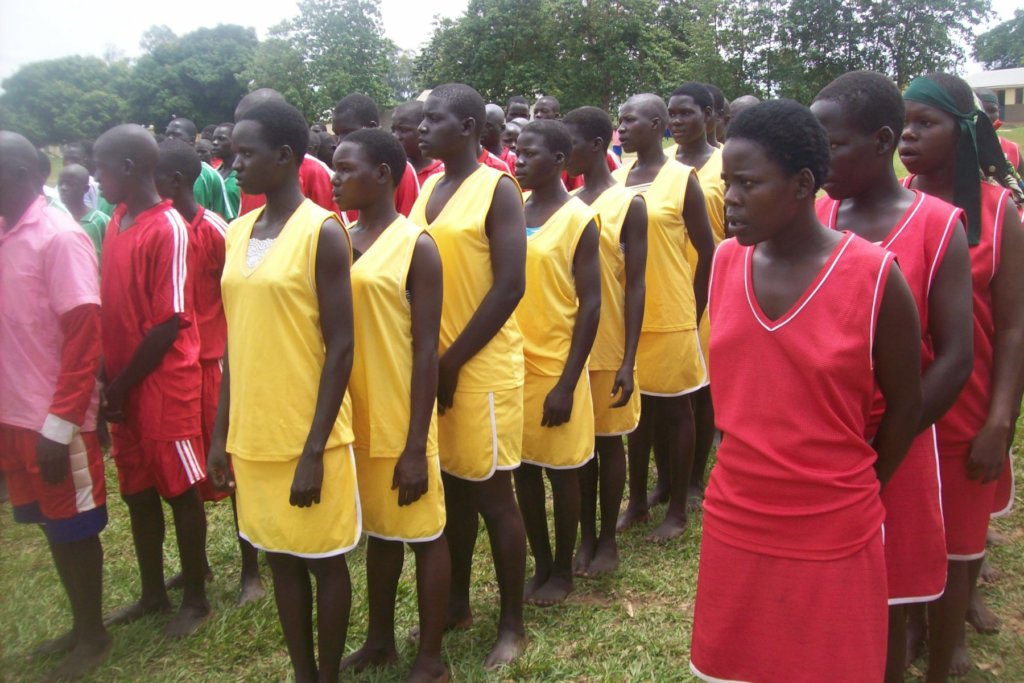
The girls hope education project is being implemented by APPCO with support from GlobalGiving targeting saving 6,800 vulnerable girls from dropping out of school through the provision of scholastic materials and training on menstrual hygiene and management, provision of psychosocial support and creating socio economic opportunities for girls to provide other school and home basic needs.
APPCO in this reporting period identified the most vulnerable girls in the target communities with the help of local council leaders considering those with disability impairments, orphans, child mothers, exposed to GBV, GBV victims, single mothers, pregnant teenagers, school drop outs due to lack of fees and girls from poor family back ground. The identified girls suggested to be supported with specific skills i.e., tailoring, hair dressing, bakery and liquid soap making which the project supported to train girls including making of reusable pads using locally available resources so as to address period poverty among vulnerable adolescent girls.
Attachments:
![Share on Twitter]()
![Share on Facebook]()
May 3, 2022
Quarter 1 Report
By Michael Anyeko Enyakoit | Executive Director
The project will save 6,800 vulnerable girls from dropping out of school by providing a Package of scholastic materials, Uniforms, school fees and training on sanitary pads making as Menstrual Hygiene and management approach for girl child school retention in Eastern and Northern Uganda. The project targets 24 schools to boost education of girls affected by Poverty, war trauma, and cultural practices including early marriage. 12 boreholes will be drilled in 12 schools and nearby communities.
APPCO this period managed to train 30 girls on different MHM topical areas. Through the discussion’s girls were able to have an understanding that
Girls who have blood on their clothes are often teased by teachers, boys or other girls.
- Social norms may lead women and girls to feel that menstruation is dirty, shameful or unhealthy.
- APPCO procured and distributed to 3 schools an assortment of hygiene sanitary materials like pads, pampers for babies, and liquid soap. It was observed that attendance of girls during menstrual period has improved. 1,84 girls have been supported through MHM activities.
A total of 100 girl (70f, 30f) have been reached directly through awareness campaigns. This has created and this has led to improvements in attendance of learners while the dropout rates are getting reduced through the joint stakeholder’s involvement in mobilization of children to attend school and complete school.
Attachments:
![Share on Twitter]()
![Share on Facebook]()
Jan 3, 2022
2021 Report
By Michael Anyeko Enyakoit | Executive Director
1.0. PROJECT SUMMARY:
In the period ending December 2021, through the girls hope education project APPCO participated in the support of five schools with different project interventions. Girl Education hope projectis an important aspect in nurturing these girls to pursue their goals in life, the girls hope education project being implemented by APPCO with support from GlobalGiving is targeted towards saving 6,800 vulnerable girls from dropping out of school through the provision of scholastic materials and training on menstrual hygiene and management.
With emerging of COVID-19 coupled with traditional issues that marginalized girls and women across the globe including Uganda from March 2020; the vulnerability of girls and women has increased to the greatest extent. The sensitizations worked in ensuring the return of this girls to schools’ once announcement for resumption given that there was an outburst in communities with cases of early pregnancies brought about the long periods of out of school stay due to the pandemic that exposed the young girls to conditions facilitating early pregnancy.
In many communities, traditional gender norms require women to be responsible for family health. As primary caretakers, women are most vulnerable to contracting diseases like COVID-19 when it spreads.
Attachments:
![Share on Twitter]()
![Share on Facebook]()