By Namrata Ranjan | Program Manager Media & Comm
The new academic year has begun with fresh hopes, aspirations and a deliberate reflection on how we can make learning more relevant to the world our children are growing into. The school team came together to deliberate on new strategies for teaching and learning, with a particular focus on how emerging technologies such as Artificial Intelligence and Robotics could be seamlessly integrated into the classroom.
The intent was not simply to introduce technology, but to use it as a tool to make learning more interactive, experiential and future-focused while also exploring newer ways to understand and assess each child’s learning and development.
Bringing AI, Robotics & Digital Learning into the Classroom
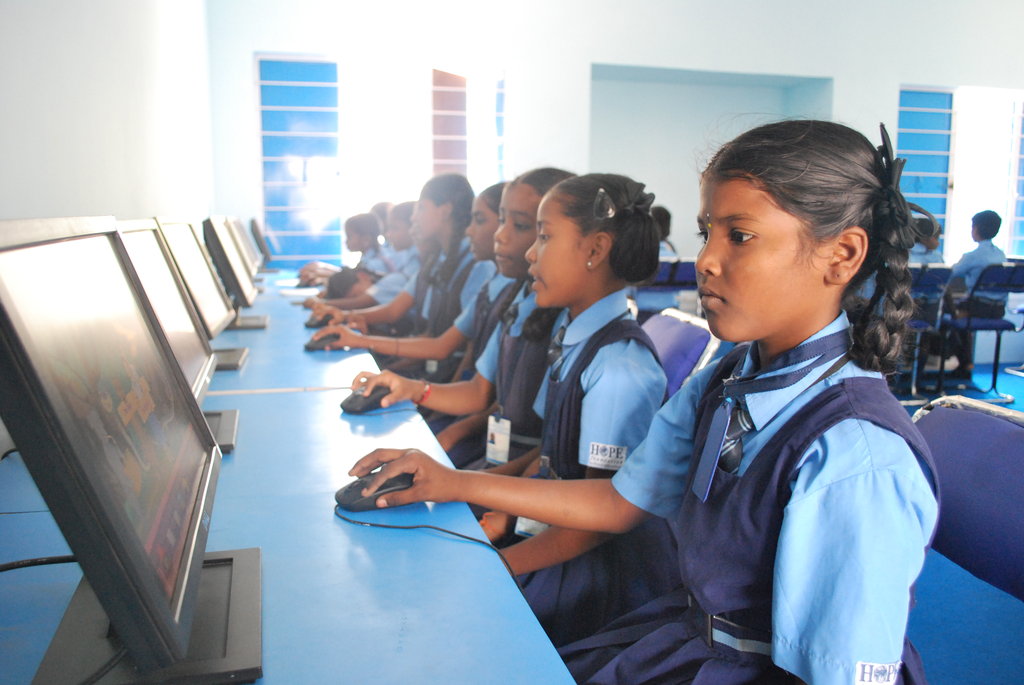
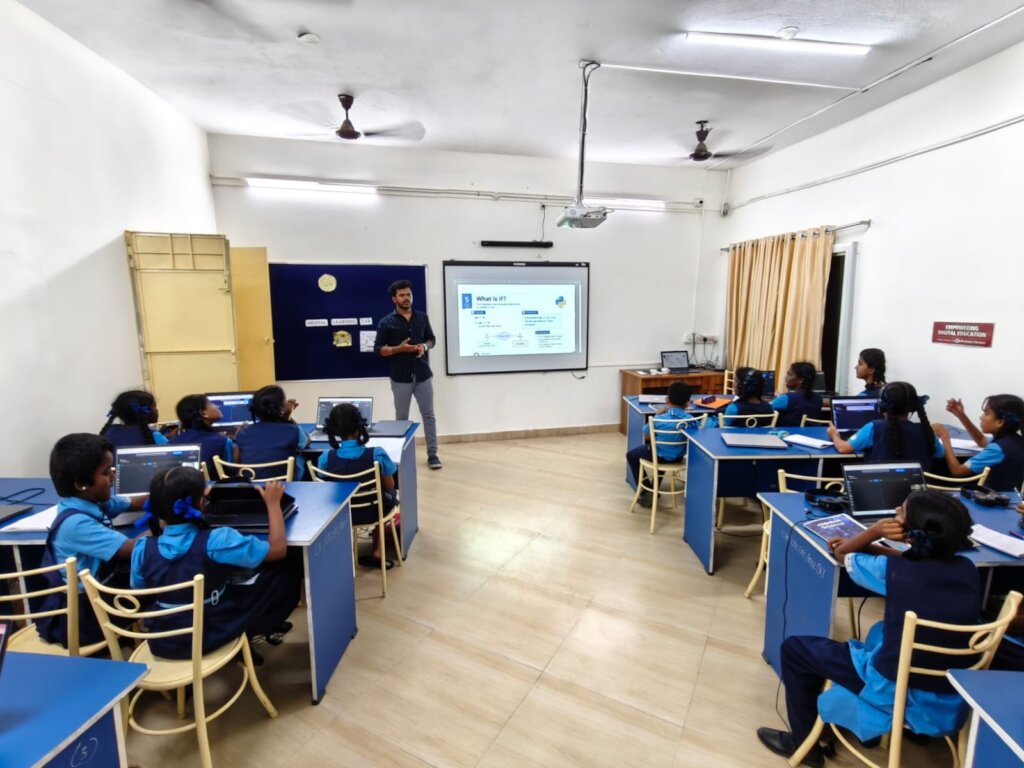
The school has significantly strengthened students’ exposure to emerging technology through AI, robotics, programming and digital learning. During August, students were introduced to the AI & GPT ecosystem, Excel Macros, game design and Python programming, with practical, hands-on sessions that developed their coding, logical thinking, creativity and problem-solving skills.
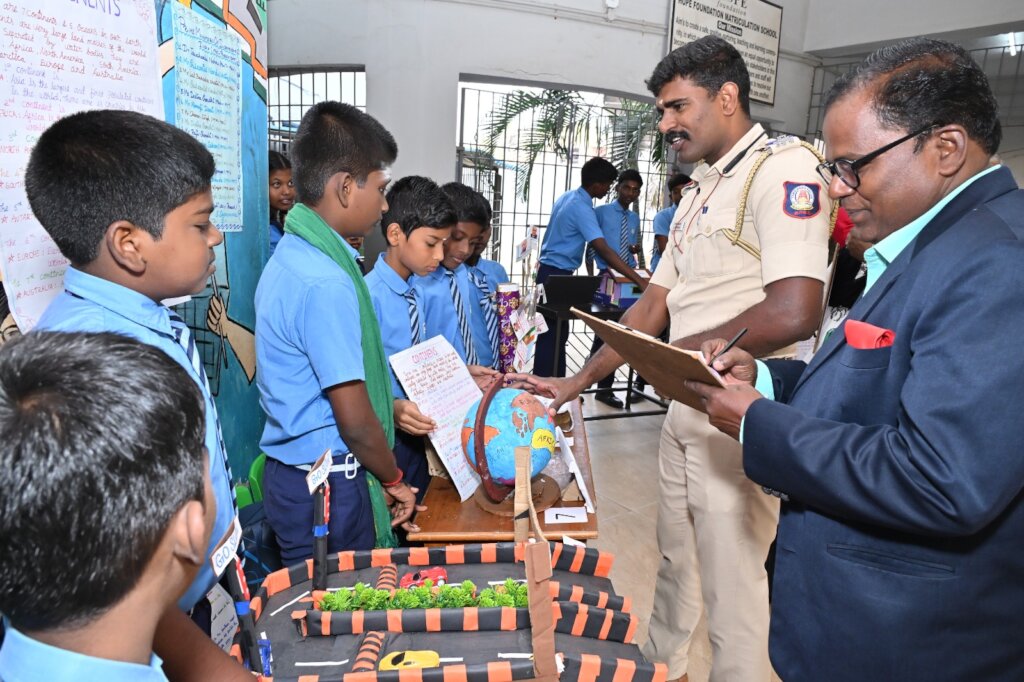
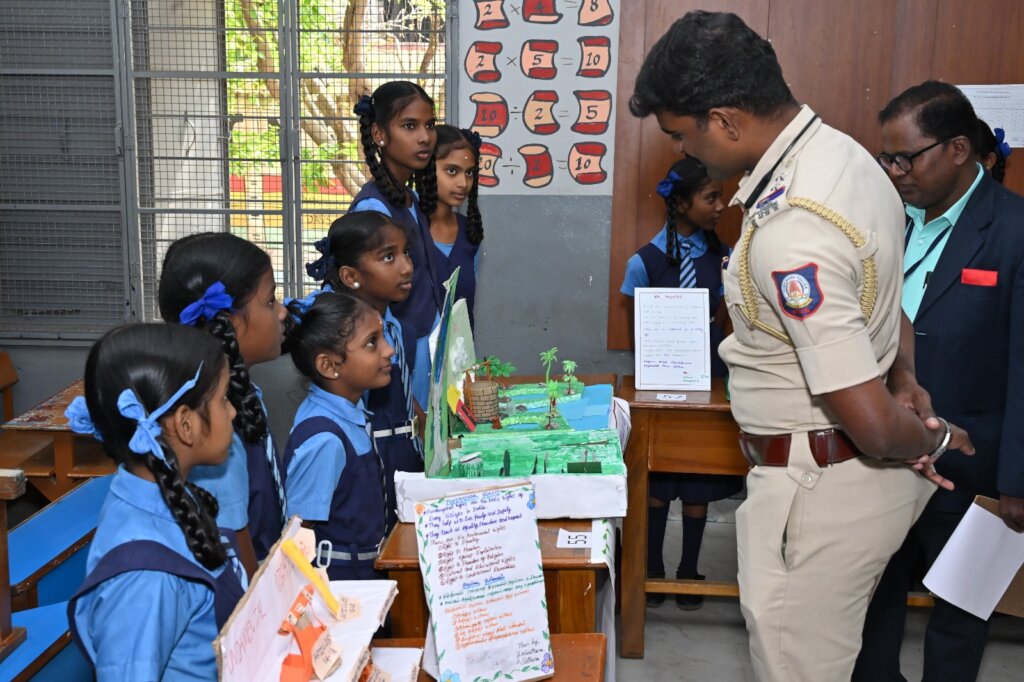
The STEM Lab was actively used by Classes VI–X for experiential learning. Students worked with robotic kits to assemble simple circuits and understand sensors, batteries and switches, while interactive ICT-panel activities further strengthened their understanding of academic concepts.
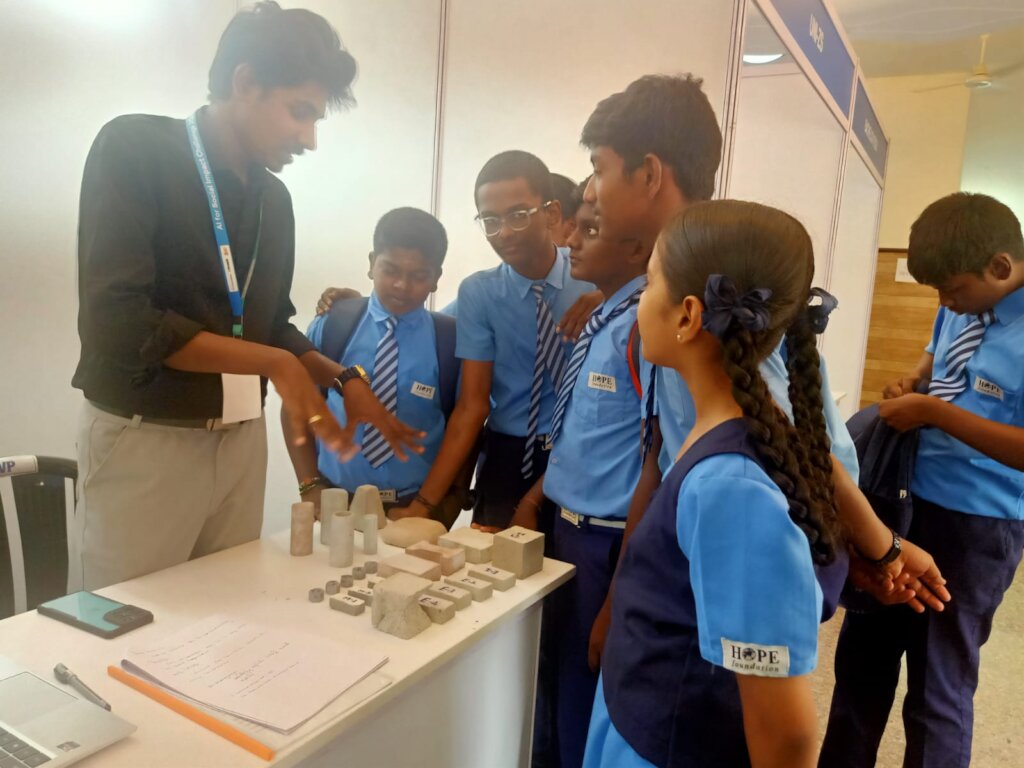
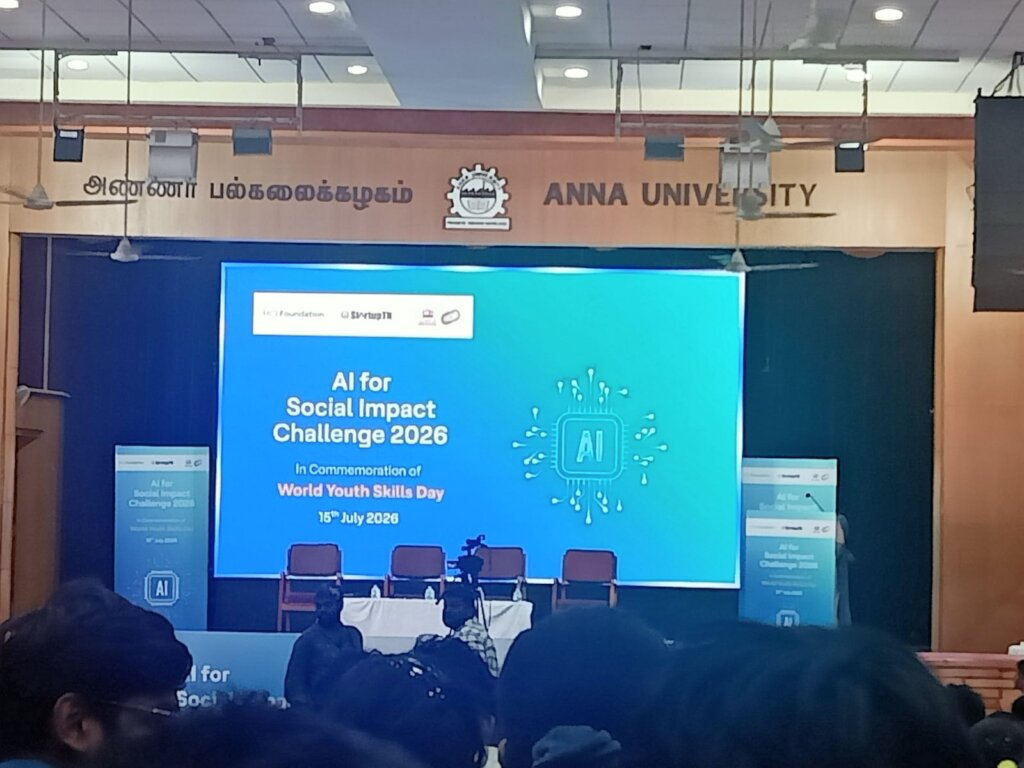
A particularly valuable exposure was the visit of 10 students to Anna University for the AI Social Impact Challenge 2026, where they explored innovative AI projects and gained an insight into emerging technologies and future possibilities.
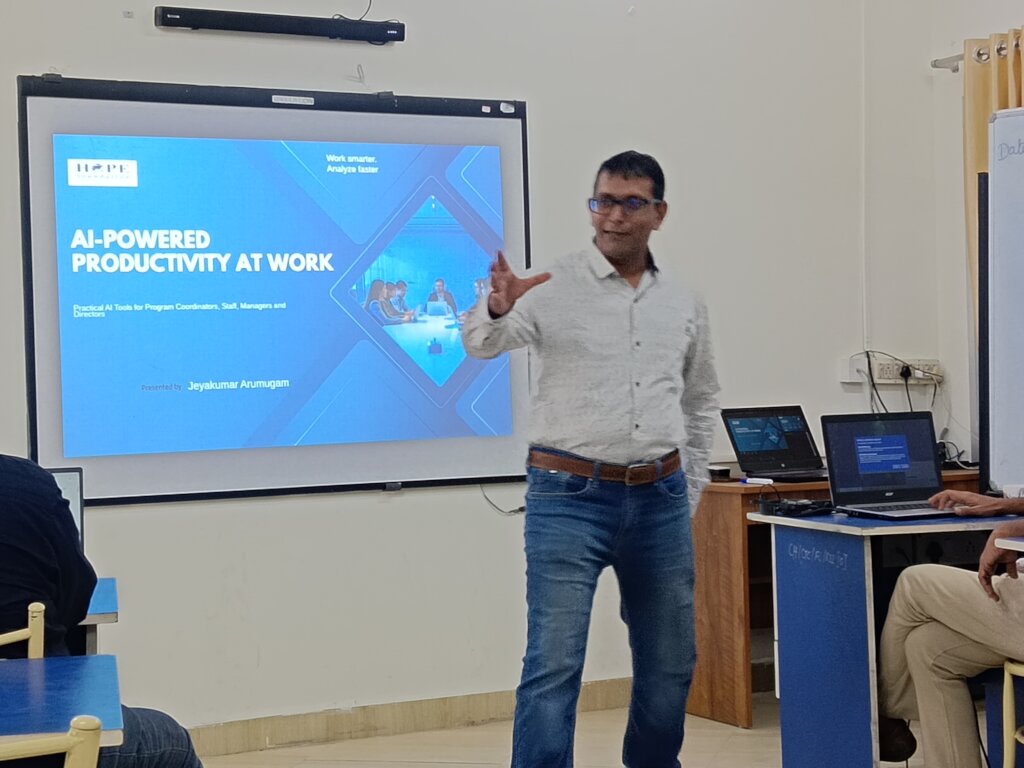
Importantly, the focus on technology is not limited to students. Teachers and staff are also being equipped with AI tools to enhance their own capabilities and make everyday work more effective. Mr. Jayakumar, a Board Member of HOPE Foundation, conducted an AI workshop for Program Managers and Program Coordinators at HOPE School Chennai, bringing together 25 staff members from different locations.
The hands-on session introduced participants to tools such as ChatGPT, NotebookLM and Canva, demonstrating how AI can support program planning, documentation, communication and other organizational activities.
New Developmental & Assessment Initiatives
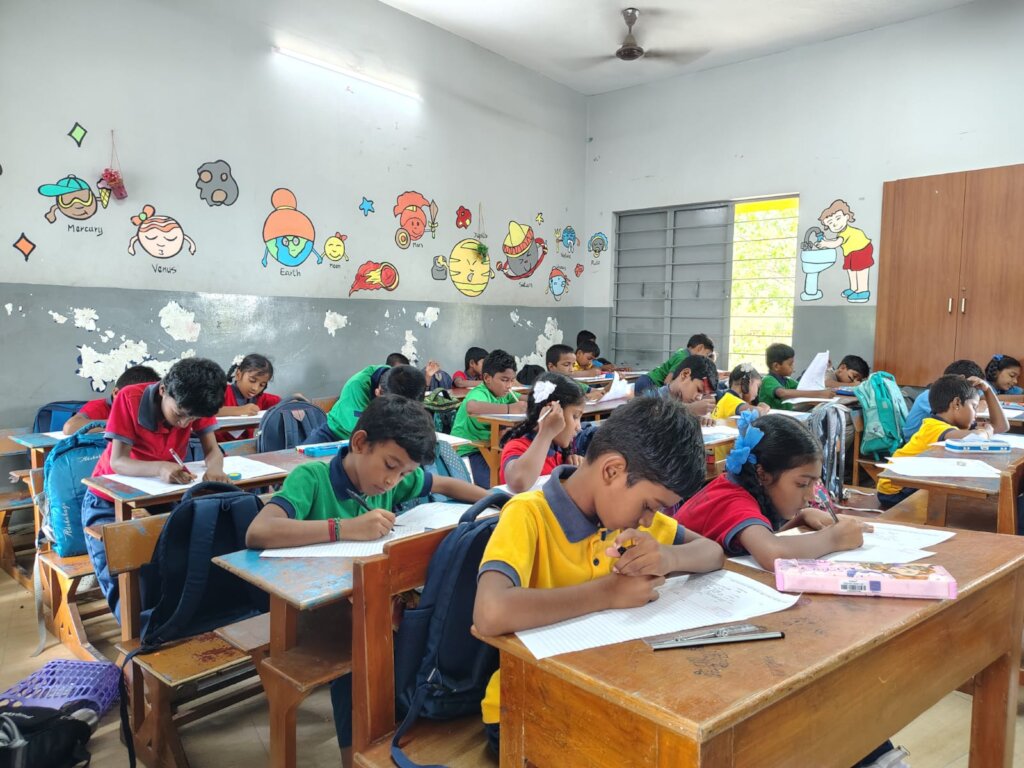
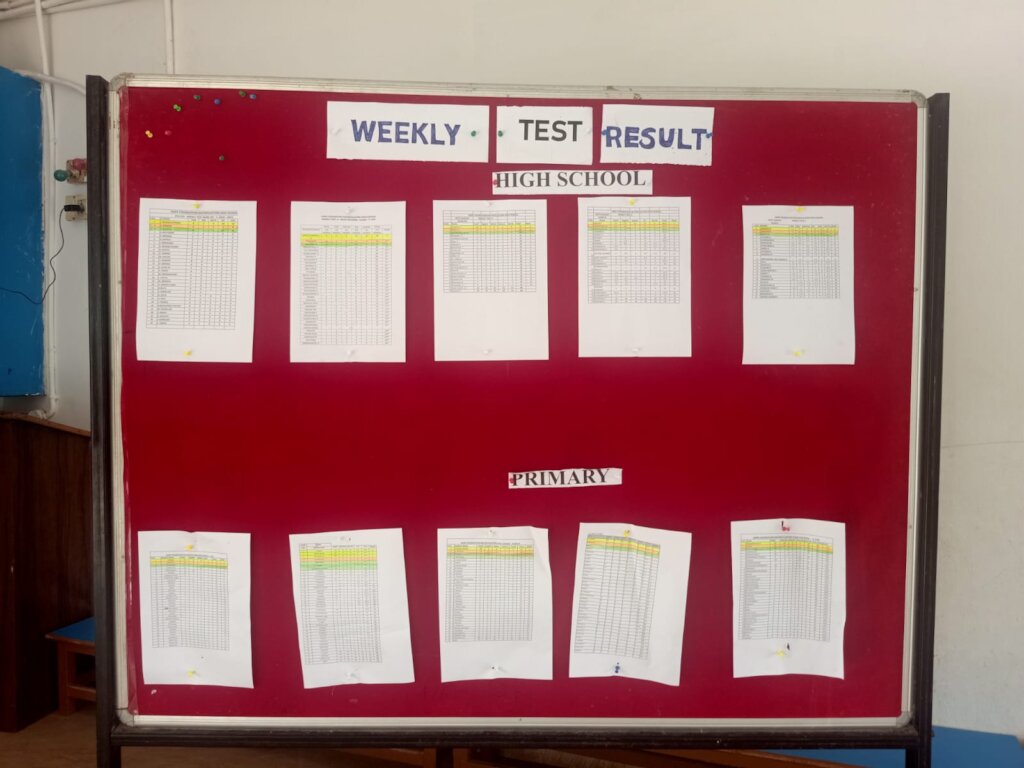
As teaching methods evolve, the school is also exploring new ways of assessing and understanding children’s learning. Weekly 10-mark assessments across Classes I–X provide teachers with regular feedback on learning progress and help identify areas requiring reinforcement.
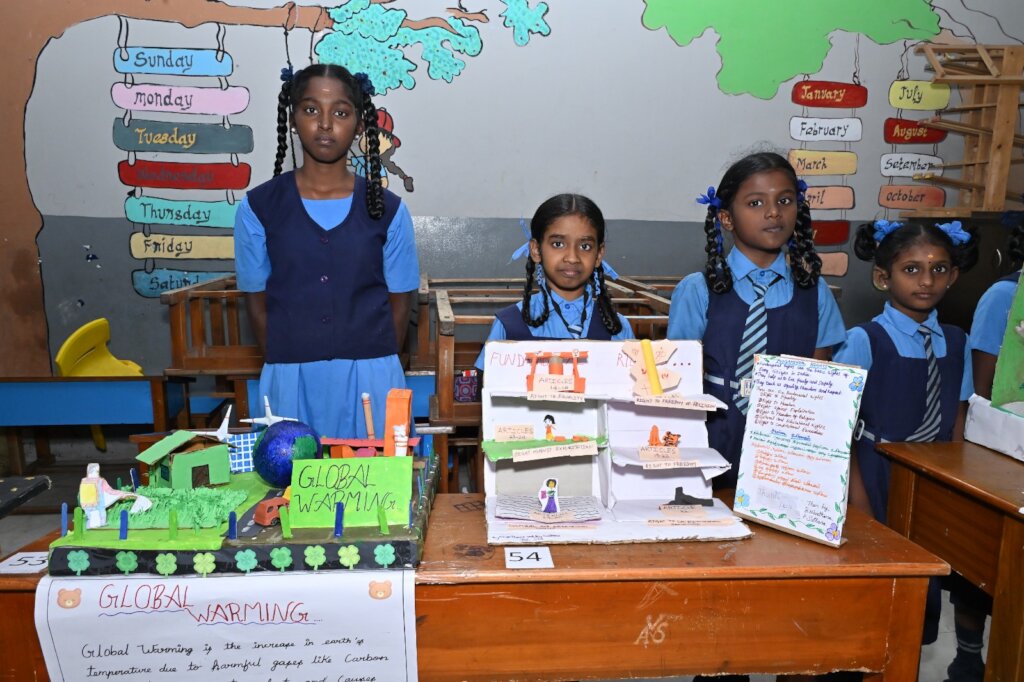
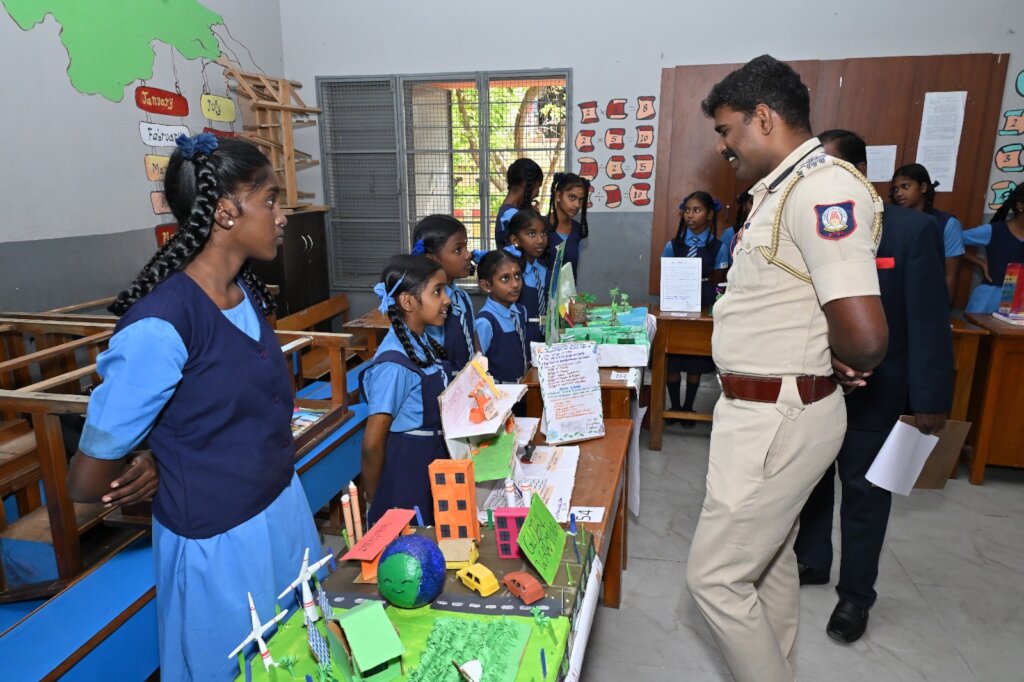
Assessment is also moving beyond conventional written tests to include skits, presentations, practical activities, role plays and digital learning activities. These approaches are providing a more holistic view of each child by allowing teachers to observe not only academic understanding, but also creativity, communication, participation, teamwork, confidence and problem-solving abilities.
Therefore, this new academic year, is not just about learning new things it is about discovering new ways to learn, think and grow.
By Namrata Ranjan | Program Manager Media & Communications
By Namrata Ranjan | Program Manager- Media & Communications
Project reports on GlobalGiving are posted directly to globalgiving.org by Project Leaders as they are completed, generally every 3-4 months. To protect the integrity of these documents, GlobalGiving does not alter them; therefore you may find some language or formatting issues.
If you donate to this project or have donated to this project, you can receive an email when this project posts a report. You can also subscribe for reports without donating.



Support this important cause by creating a personalized fundraising page.
Start a Fundraiser