![Project In Progress]()
Project In Progress
GyanTantra: Bridging Learning Gaps Through Digital Innovation
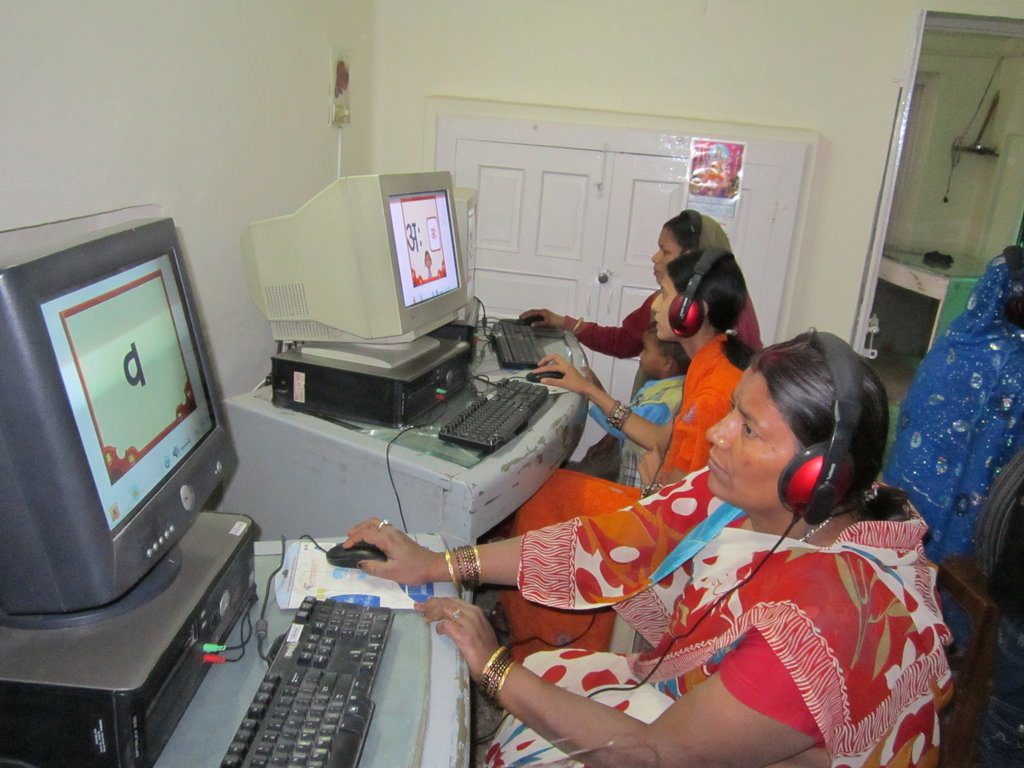
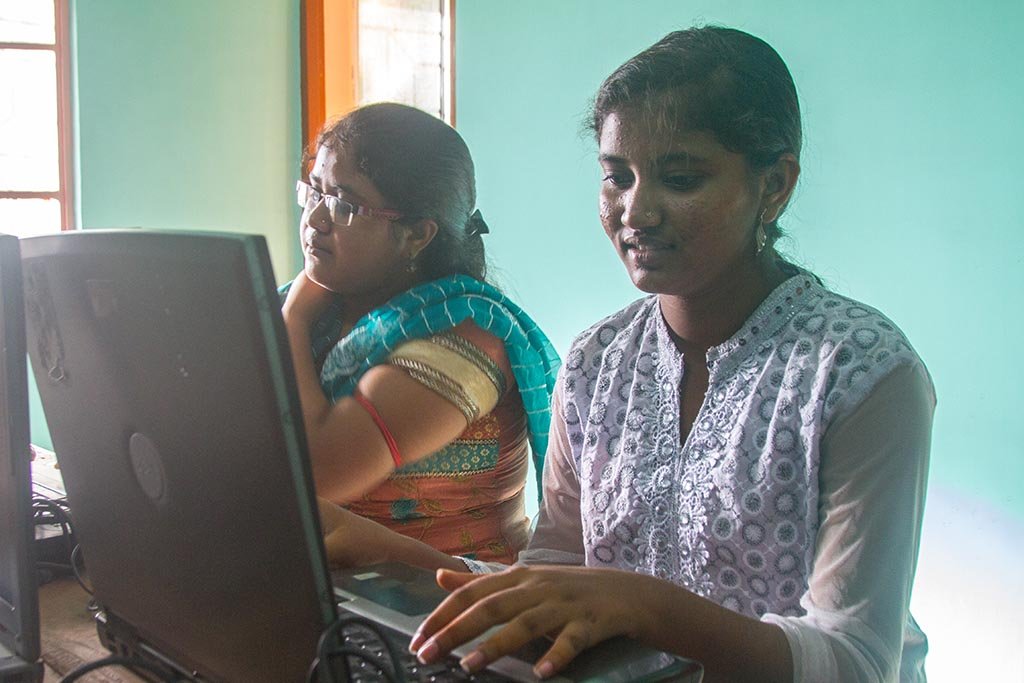
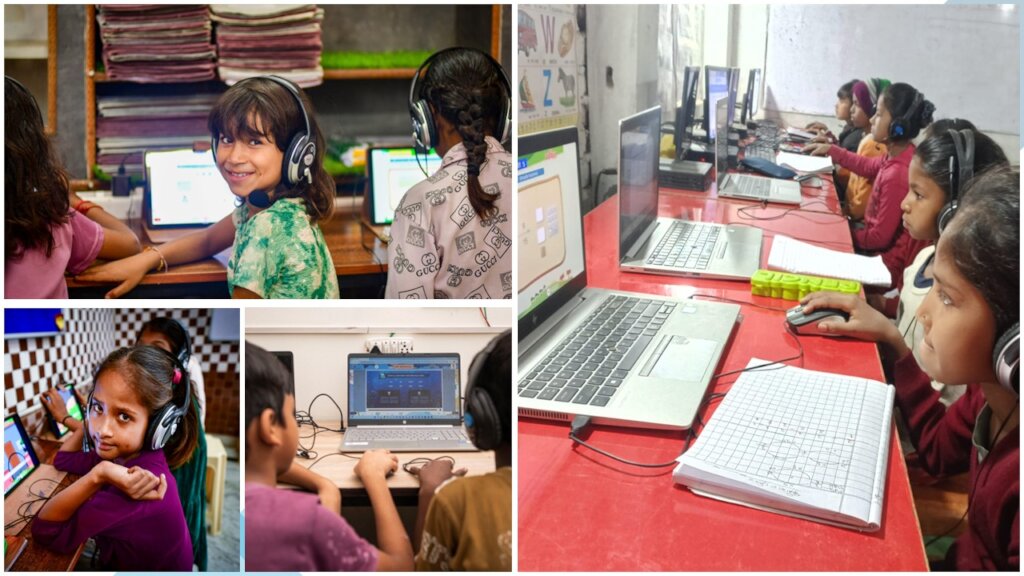
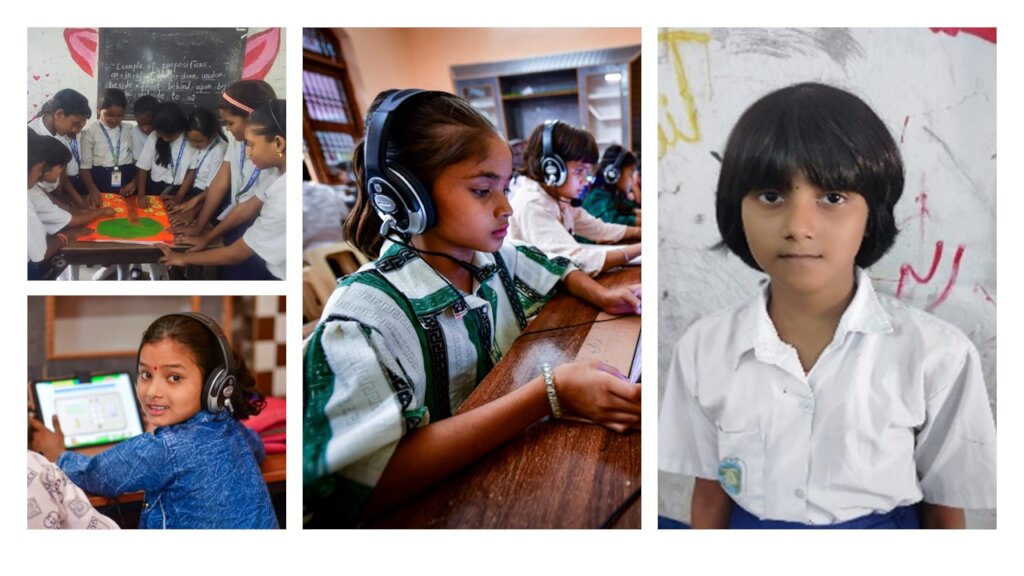
GyanTantra, an innovative educational software developed by Literacy India, addresses significant learning gaps in early-grade schools. As a collaborative, interactive ICT initiative, it offers a self-empowered learning experience to underprivileged students lacking access to computers. The program has shown remarkable progress in enhancing academic performance, increasing student engagement, and improving achievement. Key achievements include better learning outcomes, higher school attendance, and a stronger academic foundation for students.
Objectives
The GyanTantra project aims to:
- Admit Dropout and Non-School-Going Children: Enrol children who have dropped out or are not currently attending school.
- Support Students Struggling with the School Syllabus: Provide supplementary education to students struggling to keep up with the regular curriculum through GyanTantra or other academic guidance.
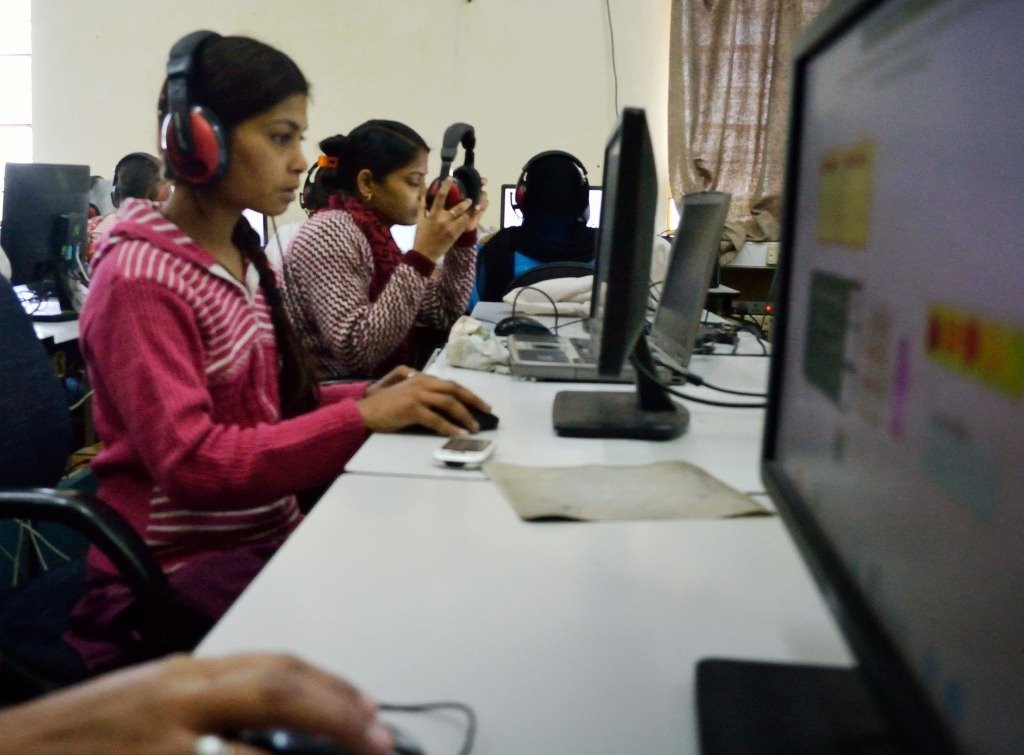
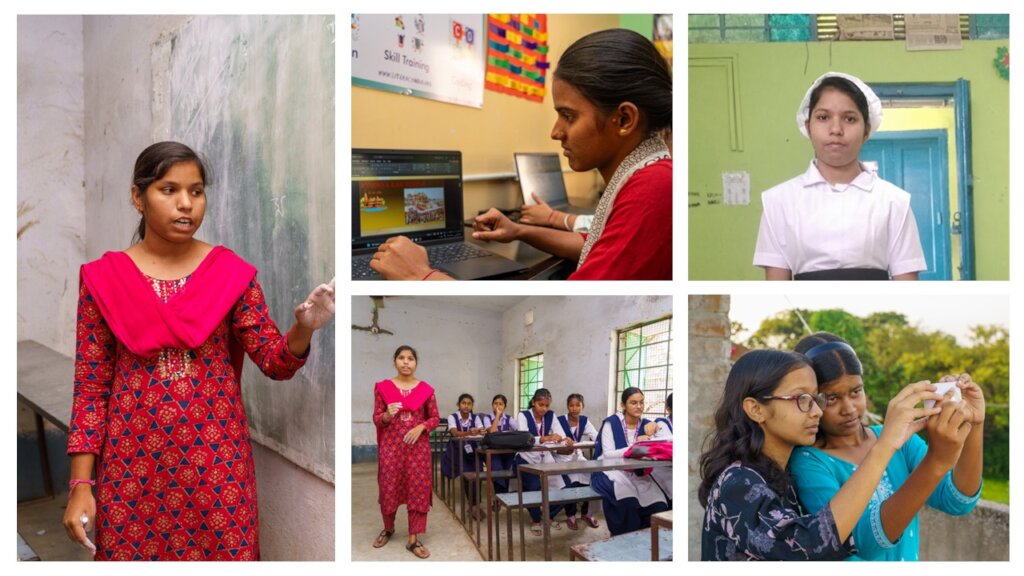
- Involve Children in ICT-Based Learning: Engage students in digital learning to enhance their educational experience.
- Improve School Performance and Activity-Based Learning: Integrate activity-based learning approaches to enhance teaching methods and learning outcomes.
- Reduce Dropout Rates: Lower dropout rates among students in classes V to VIII by providing additional academic support and engagement.
- Build a Strong Foundation for Government School Children: Strengthen the academic foundation of government school students for long-term educational success.
Methodology
Implementation Process: GyanTantra was introduced in selected government schools and learning centres to support students needing additional educational help. The implementation involved enrolling students in batches and conducting periodic assessments, including pre-assessments, monthly tests, and post-tests. These evaluations used both written and oral techniques to measure students' prior knowledge, progress, and assimilated learning.
Assessment and Intervention: Targeted interventions based on assessment results were provided, utilizing GyanTantra’s interactive features to address specific learning gaps and enhance teaching outcomes.
Impact Analysis
Quantitative Impact: Assessment data indicate significant improvements in student performance in subjects such as Hindi, English, and Mathematics. Attendance rates have also increased, reflecting greater engagement with the learning material.
Qualitative Impact: Students have reported increased confidence and enthusiasm for learning. Case studies, such as that of Rupak, demonstrate the transformative effect of GyanTantra on individual academic experiences and aspirations.
Evolution of the Gyanantra Platform: From Offline to LMS-Based Learning
Gyanantra has now evolved from an offline model to a integrated, LMS-based online learning platform. This transition has been developed with inputs from both educators and children to ensure the system is practical, engaging, and learner-centric.
The new LMS provides children with a comprehensive and interactive dashboard, offering easy access to learning modules, progress tracking, quizzes, and activity updates. For facilitators and coordinators, real-time data monitoring and assessments have become significantly more efficient and accurate.
AI integration has also been proposed to further enhance the platform’s efficiency, personalization, and overall robustness, making Gyanantra a more powerful tool for digital learning and child development.
Community Profile: Goalbati, Chingrighata – Kolkata
Goalbati, located near Chingrighata in eastern Kolkata, is a close-knit semi-urban community characterised by its dense population, modest housing clusters, and a diverse migrant population. Many families have lived here for decades, while others have migrated from rural districts of West Bengal, as well Jharkhand, and Odisha in search of livelihood. The locality is surrounded by small markets, informal settlements, and narrow lanes, reflecting both cultural diversity and economic challenges.
Most households in Goalbati belong to lower-income groups. Parents typically work as daily wage labourers, domestic helpers, rickshaw pullers, drivers, security guards, small vendors, or workers in local workshops. Many mothers are employed as housemaids or home-based workers. Average family income is limited, making access to quality education and digital resources difficult. Homes are generally small, with limited study space for children. Despite financial hardships, families are deeply aspirational and place strong importance on their children’s education as a path to upward mobility.
Socially, the community is vibrant, with neighbours supporting each other during festivals and crises. However, issues such as irregular income, early school dropout, limited exposure to technology, and lack of safe play spaces affect children’s developmental opportunities. Goal Bati School stands as the only government school in the area, serving as an essential educational lifeline for children from economically weaker backgrounds. It draws students from across the locality and plays a crucial role in promoting literacy, bridging learning gaps, and providing a safe, structured learning environment.
Stories of Change
Empowering a Young Learner: Ishita’s ( Name Changed) Journey of Confidence and Growth Through Gyantantra
In the heart of Sukanta Nagar, a community defined by hardship, long work hours, and daily survival, lives 11-year-old Ishita ,( Name Changed) a Class IV student of Goal Bati School. Her world is shaped by narrow lanes, overcrowded households, and families who work tirelessly but often remain financially unstable. In this environment, education is not easily accessible—yet for Ishita, it is her only hope for a brighter future.
Ishita ( Name Changed) comes from a financially challenged family. Her father works as a daily wage labourer in construction, while her mother supports the household as a domestic maid. Their income is unstable and insufficient, making it difficult to provide educational resources or a conducive study environment at home.
In her neighbourhood, most families work as street vendors, auto drivers, masons, domestic helpers, or housekeeping staff. Books, quiet study corners, and academic guidance are luxuries few can afford. Amidst this, Goal Bati School stands as the only government school—the sole reliable source of formal education for children like Ishita in Sukanta Nagar.
Despite these challenges, Ishita ( Name Changed) carries within her a quiet determination. Though academically average and often struggling to keep up with her lessons, she shows a deep willingness to improve.
Intervention Through Gyantantra: A Turning Point
Ishita( Name Changed) especially struggled with reading and pronouncing English words. She hesitated while reading aloud, found long sentences overwhelming, and lacked confidence in phonics and basic pronunciation. Her teachers noticed that she needed structured support, patience, and engaging learning tools.
To help her, the school introduced her to the Gyantantra program.
Through:
- Daily reading and phonics practice
- Vocabulary-building exercises
- One-on-one guidance from teachers
- Interactive, child-friendly Gyantantra modules
Ishita ( Name Changed) slowly began to overcome her fear of reading.
In mathematics, she faced difficulties in understanding multi-step problems and logic-based equations. Teachers used simplified explanations, step-by-step demonstrations, and repeated practice to strengthen her foundation. With their guidance, Ishita started asking questions, participating in discussions, and engaging actively in problem-solving.
What Gyantantra provided was not just academic support—it gave her a sense of confidence, structure, and motivation that she had never experienced before.
Impact: A Steady Rise Toward Confidence and Achievement
Thanks to consistent support and the structured learning approach of Gyantantra, Ishita( Name Changed) began showing remarkable progress:
- Developed better learning habits
- Became more responsible with homework and class activities
- Improved her reading fluency and pronunciation
- Gained confidence in solving mathematical problems
- Became more attentive and active during lessons
- Overcame social and environmental barriers of the Sukanta Nagar community
- Emerged as a positive example for other children in her neighbourhood
Despite the unstable income at home, limited space for studying, and lack of academic support in her community, Ishita did not give up. Her resilience, paired with Gyantantra’s support, helped her break through the limitations surrounding her.
Today, she stands as a symbol of what guided learning, digital intervention, and committed teaching can achieve—even in the most disadvantaged environments.
“Ishita’s ( Name Changed) journey is a shining example of how Gyantantra is transforming learning for children growing up in underserved communities like Sukanta Nagar.”
Links:
![Share on Twitter]()
![Share on Facebook]()