By Capt. Indraani Singh | CEO and Managing Trustee
Manoharthana, nestled in Rajasthan’s Jhalawar district, may seem like a lush anomaly in the state’s arid landscape. With green fields and seasonal rains, this small business hub connects several villages, trading mostly in grains and oilseeds. Yet, beneath this natural abundance lies a persistent struggle: limited access to quality education and sustainable livelihoods.
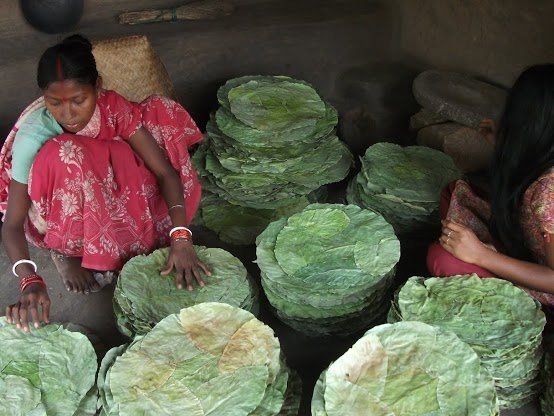
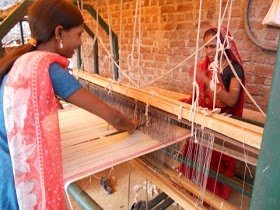
Despite the presence of primary schools, higher education remains a distant dream—literally. The nearest college is 50 kilometres away, and poor infrastructure deters many from continuing their studies. The youth, especially girls, face steep barriers due to early marriage, migration, and household responsibilities. Most families survive on seasonal agriculture, tobacco work, or low-paying field labour. Traditional livelihoods like weaving have dwindled due to modern substitutes and a lack of market access.
The region is home to marginalised communities, including tribal groups, nomadic tribes like the Kathodiya, and socially backward castes. For many, education stops before it starts, especially for young girls and adolescents who never enrolled or dropped out too early.
Why Second Chance Schooling Matters
1 High Dropout Rates
Children, particularly girls, leave school early due to poverty, family needs, or marriage.
2 Missed Primary Education
Many youth never had access to even basic education. They need accelerated and flexible learning pathways.
3 Livelihood Without Literacy
Without literacy, options remain limited to hard labour, often with poor pay and no dignity.
4 Nomadic Challenges
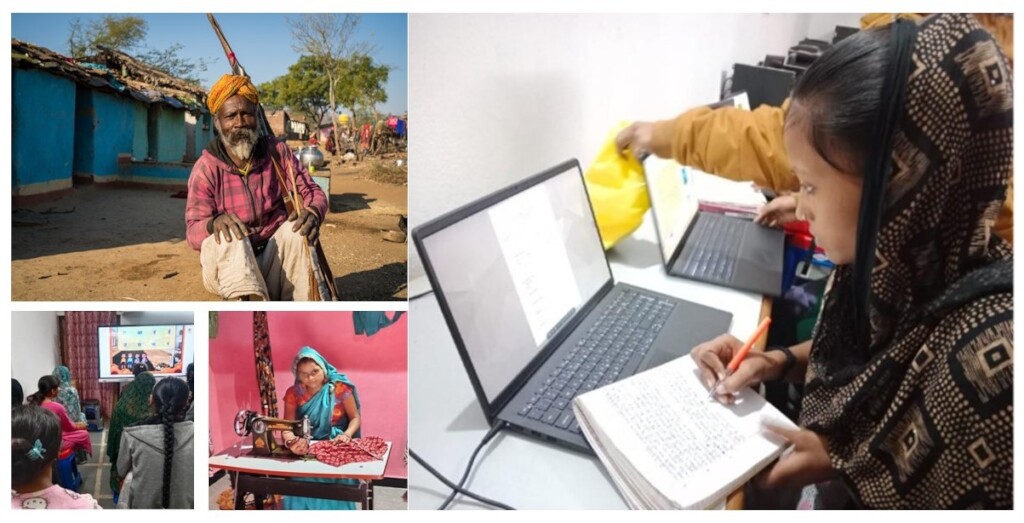
Tribes like the Kathodiya move seasonally, making regular schooling difficult. A flexible model like Second Chance bridges this gap.
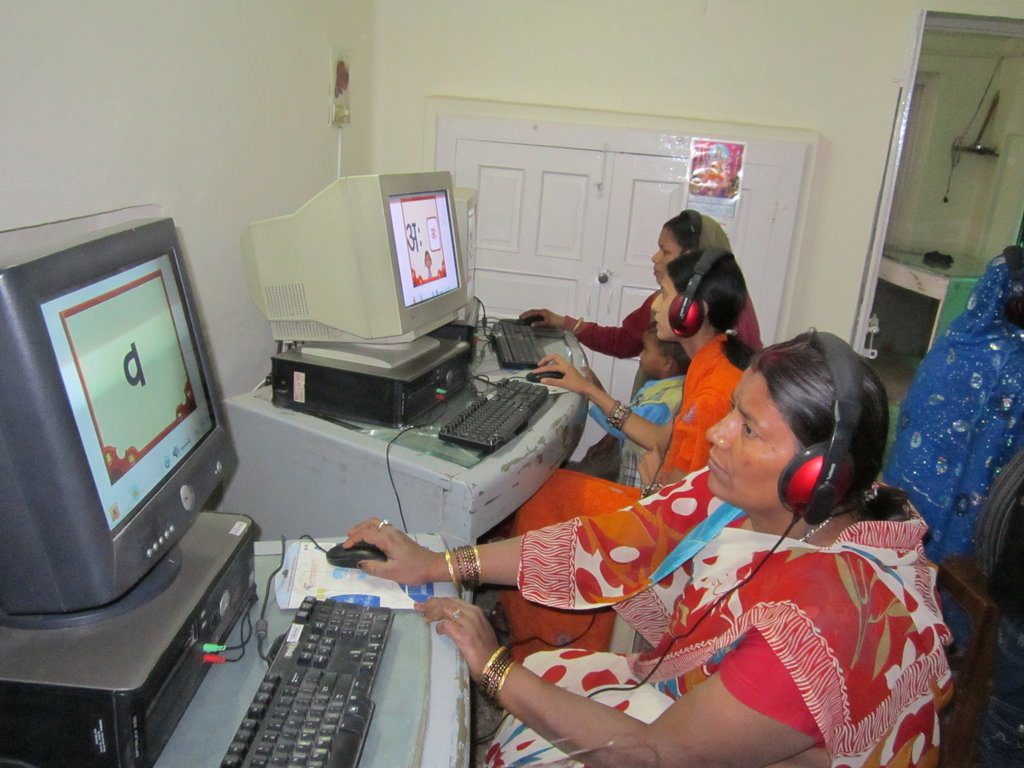
What Literacy India’s 2nd Chance Program Offers
Impact Highlights
Suman’s Story: Silent, Yet Unstoppable (Name changed)
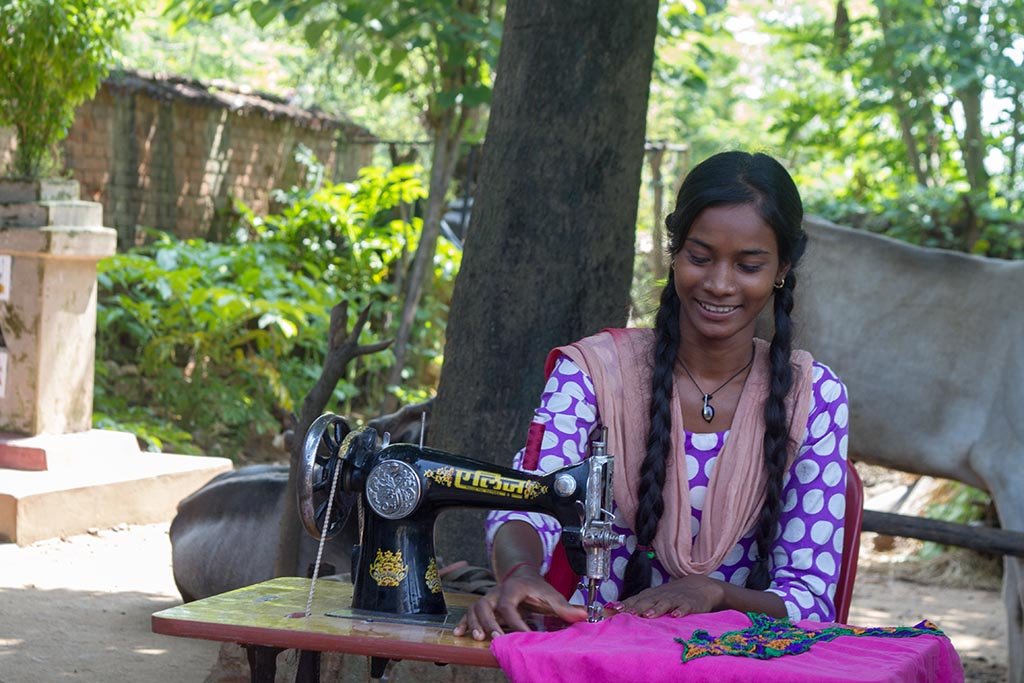
Suman (name changed), a 23-year-old from Manoharthana, was born with hearing and speech impairment. Married early and pulled out of school after Class 8, she watched her dreams fade into silence. Until she discovered Literacy India’s Second Chance Program.
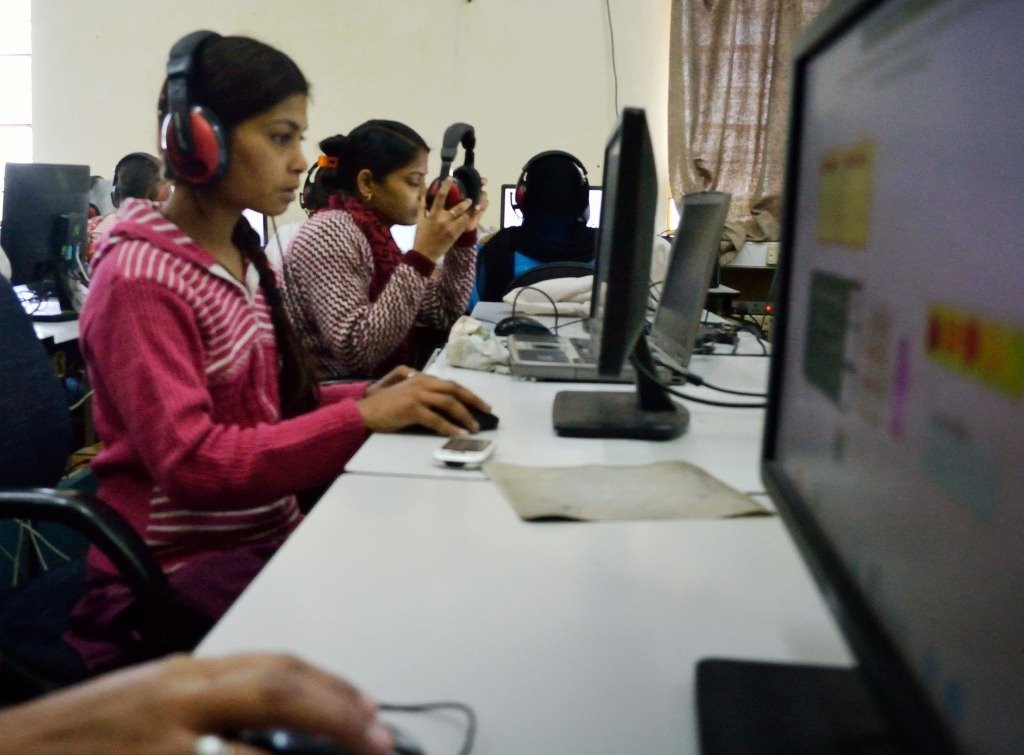
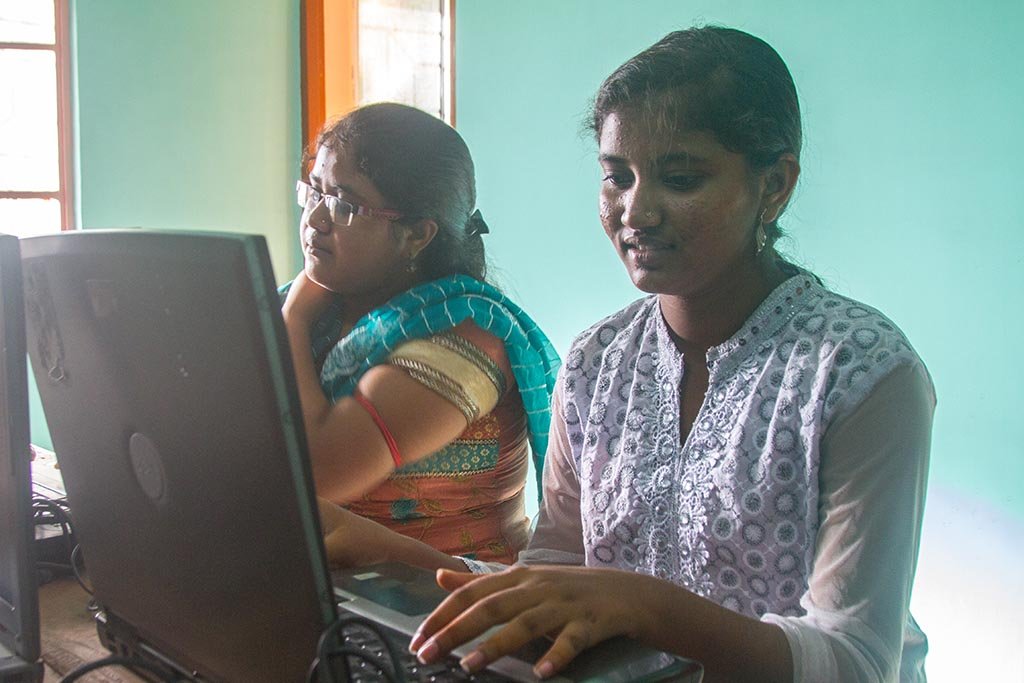
With determination in her eyes, she enrolled in Class 10 through Rajasthan State Open School. Despite her disability, Suman embraced learning with gestures, visuals, and digital tools. Her teachers adapted. “She grasped digital lessons even faster than others,” says her mentor Naurin. “It was a turning point—for her and for me.”
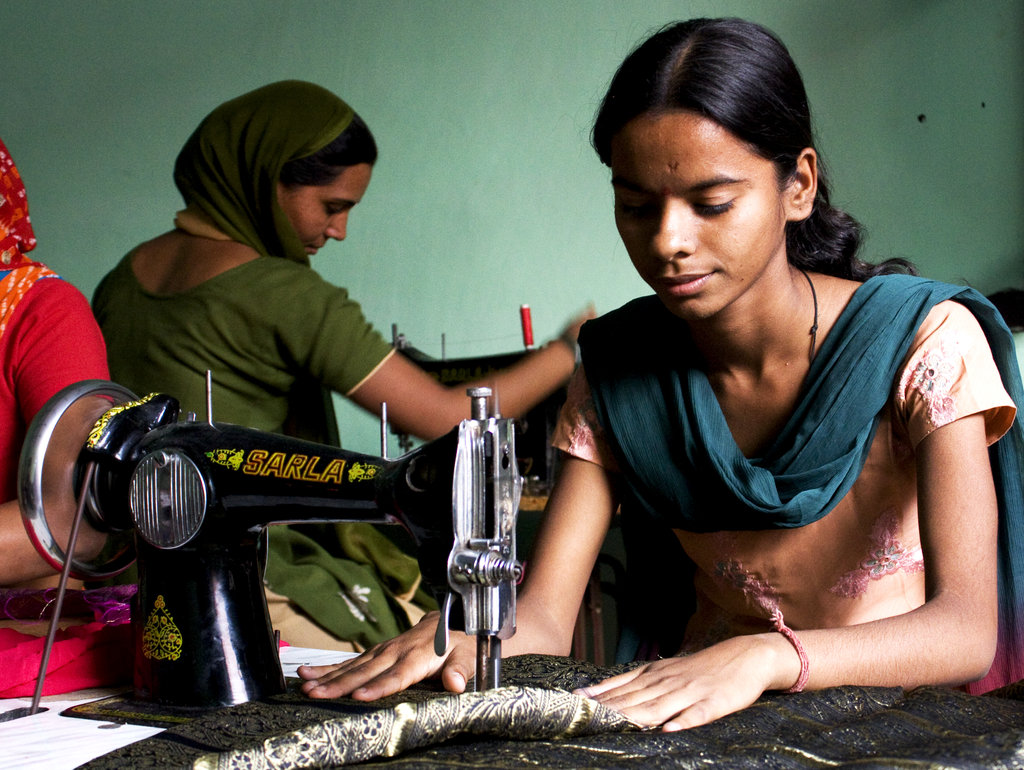
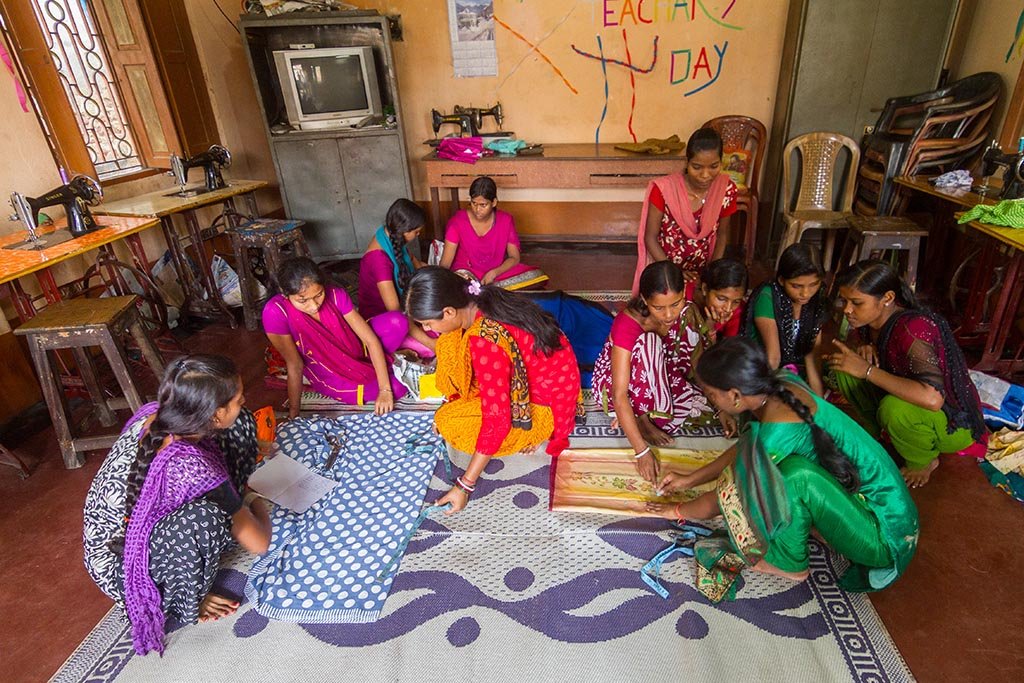
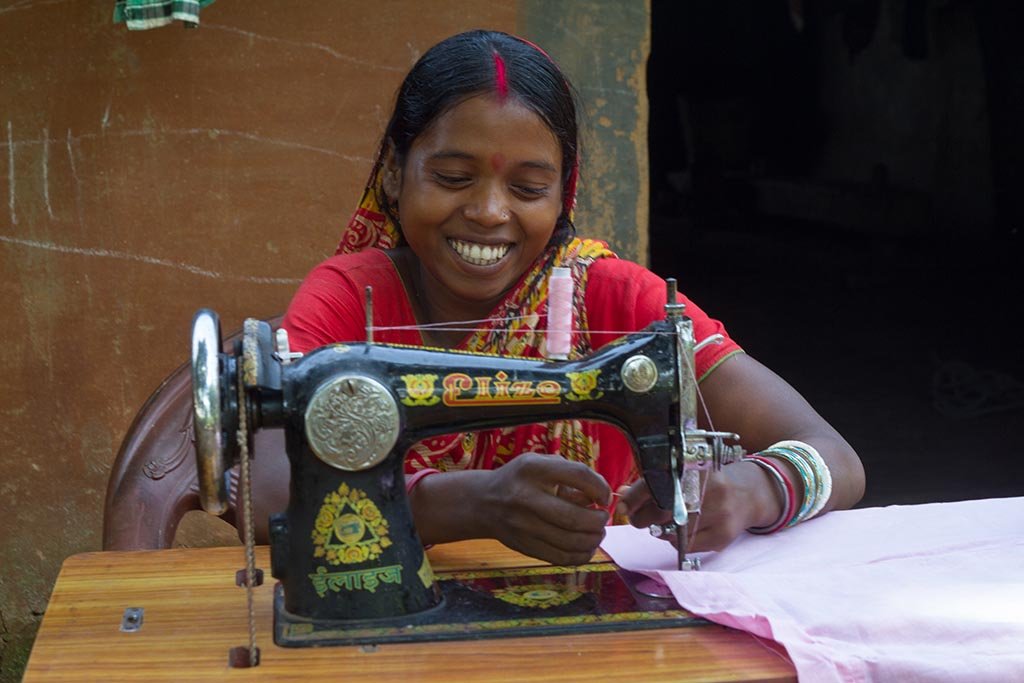
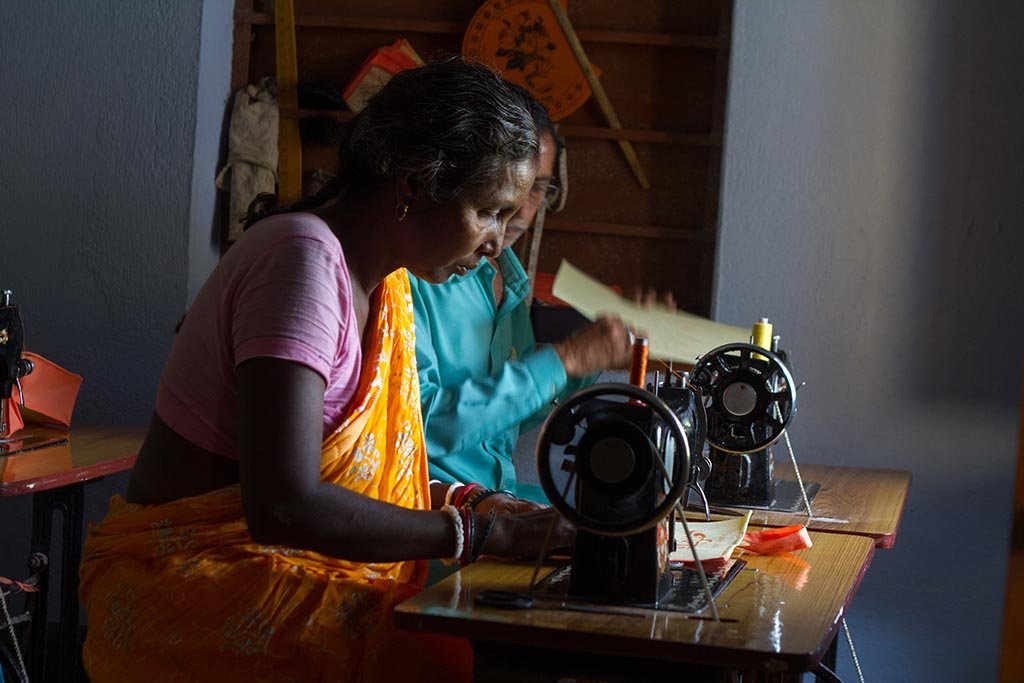
Suman passed her Class 10 exam, joined the stitching program, and now earns 2,000 per month through home-based work. Her husband stands by her side, supporting her dream to pursue Class 12 and eventually sit for government exams.
Suman now sees a future—clear, loud, and proud.
Conclusion
The 2nd Chance Program in Manoharthana is more than an educational initiative—it is a lifeline. For young women like Suman, for tribal families trapped in intergenerational poverty, and for entire communities left behind, it brings not just learning, but hope, dignity, and opportunity.
Links:
Project reports on GlobalGiving are posted directly to globalgiving.org by Project Leaders as they are completed, generally every 3-4 months. To protect the integrity of these documents, GlobalGiving does not alter them; therefore you may find some language or formatting issues.
If you donate to this project or have donated to this project, you can receive an email when this project posts a report. You can also subscribe for reports without donating.



Support this important cause by creating a personalized fundraising page.
Start a Fundraiser