By Capt. Indraani Singh | CEO & Managing Trustee
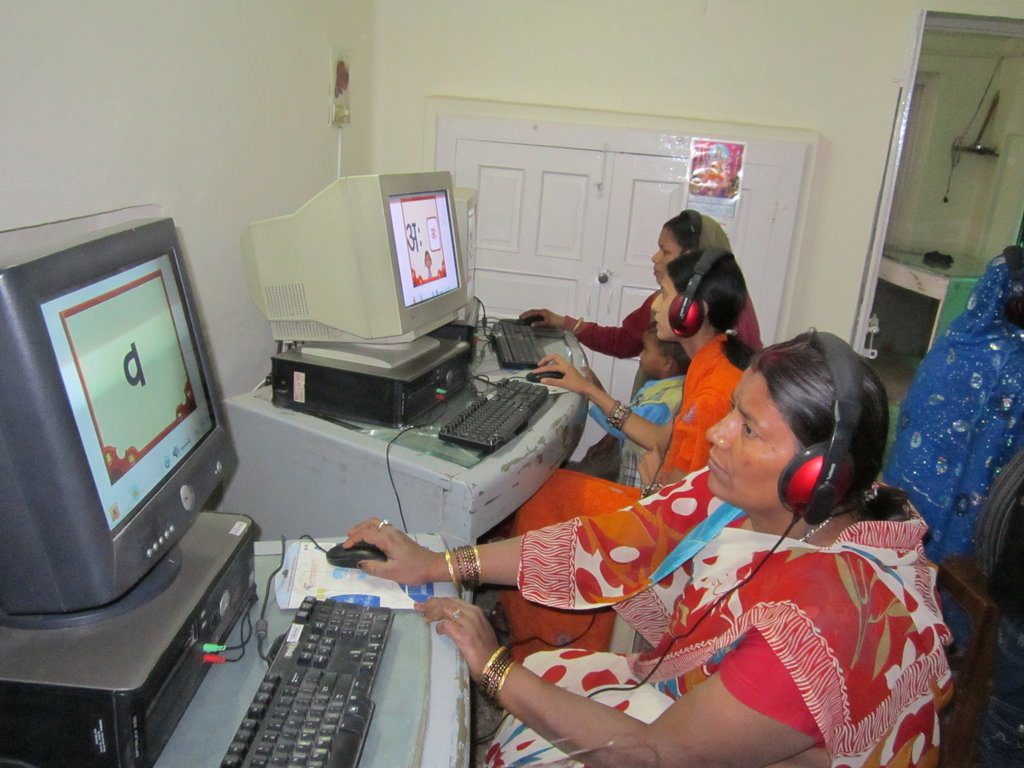
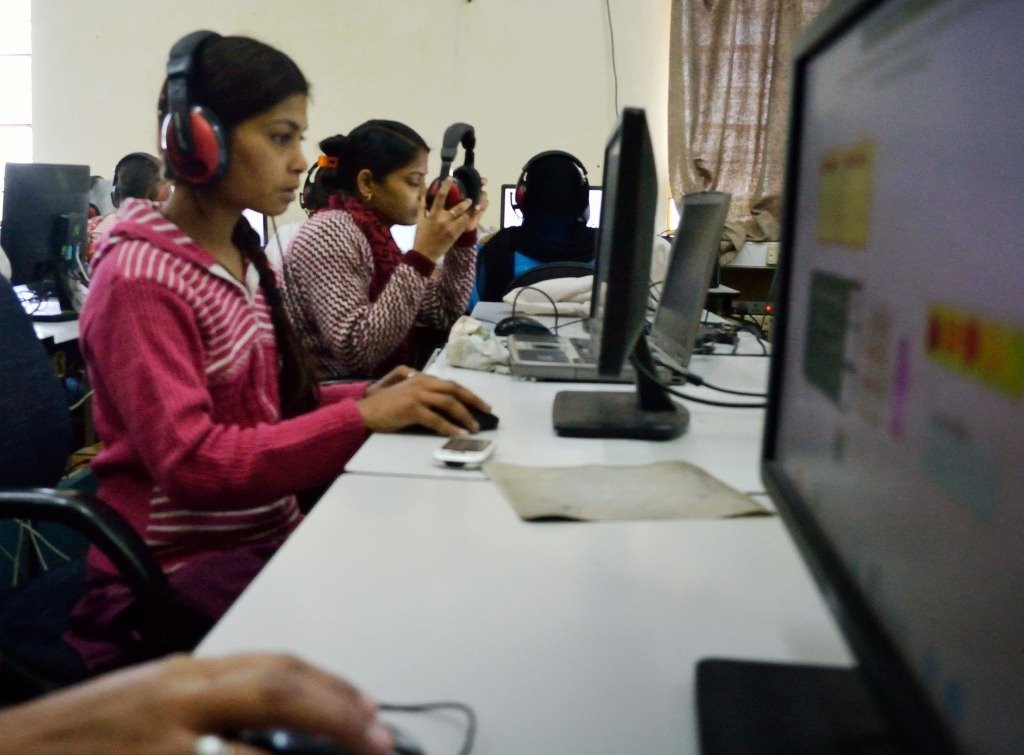
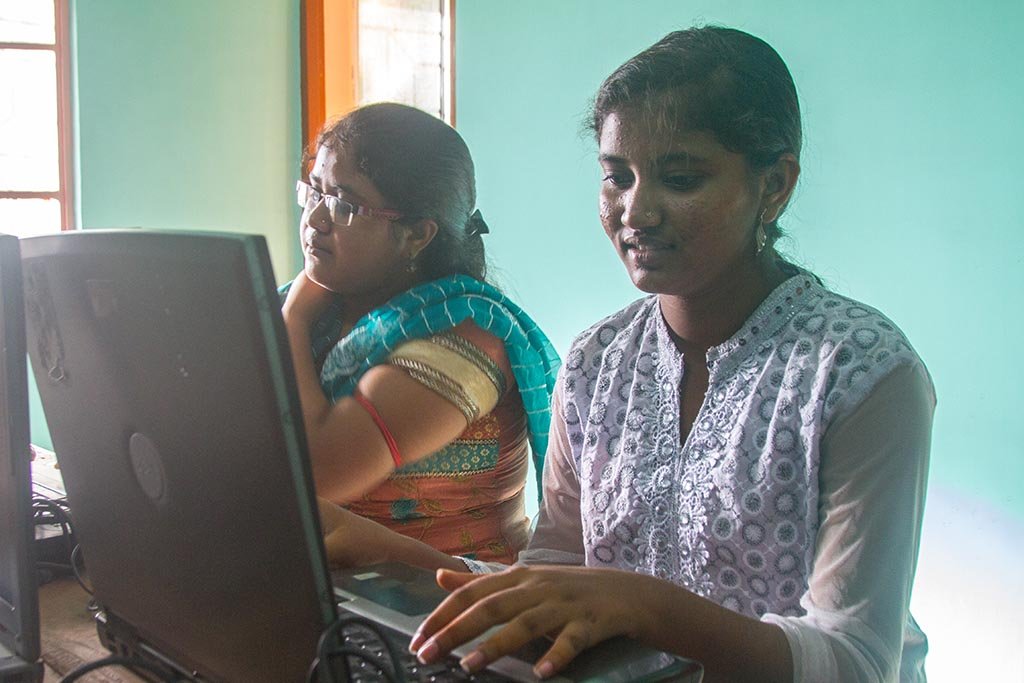
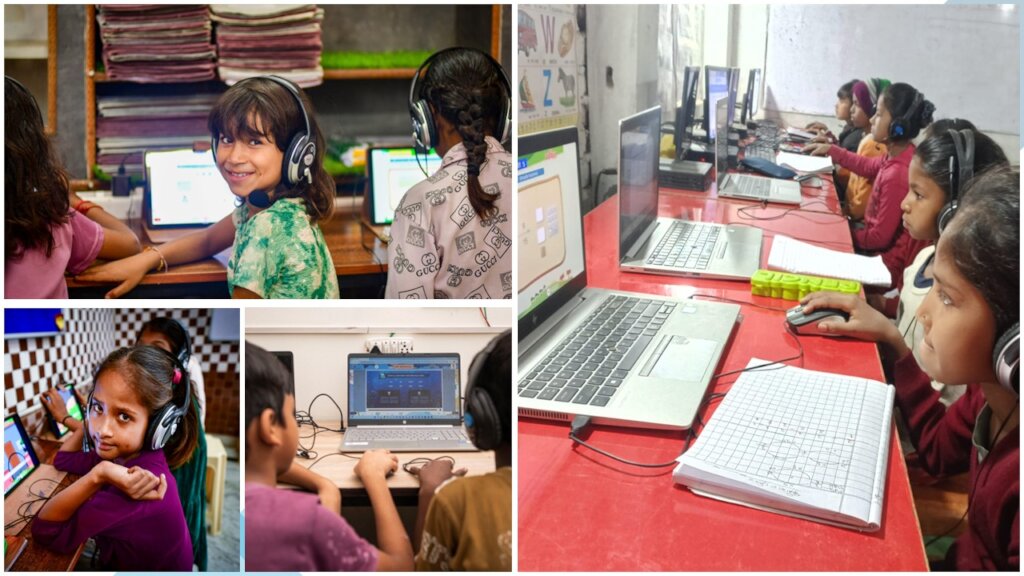
GyanTantra, an innovative educational software developed by Literacy India, addresses significant learning gaps in primary-grade schools and impacted more than 360000 children across 16 states of India. As a collaborative, interactive ICT initiative, it offers a self-empowered learning experience to underprivileged students lacking access to computers. The program has shown remarkable progress in enhancing academic performance, increasing student engagement, and improving achievement. Key achievements include better learning outcomes, higher school attendance, and a stronger academic foundation for students.
Objectives
The GyanTantra project aims to:
Methodology
Implementation Process: GyanTantra was introduced in selected government schools and learning centres to support students needing additional educational help. The implementation involved enrolling students in batches and conducting periodic assessments, including pre-assessments, monthly tests, and post-tests. These evaluations used both written and oral techniques to measure students' prior knowledge, progress, and assimilated learning.
Assessment and Intervention: Targeted interventions based on assessment results were provided, utilizing GyanTantra’s interactive features to address specific learning gaps and enhance teaching outcomes.
Impact Analysis
Quantitative Impact: Project Social Aduit and Assessment data indicate significant improvements in student performance in subjects such as Hindi, English, and Mathematics. Attendance rates have also increased, reflecting greater engagement with the learning material.
Evolution of the Gyanantra Platform: From Offline to LMS-Based Learning
Gyanantra has now evolved from an offline model to a integrated, LMS-based online learning platform. This transition has been developed with inputs from both educators and children to ensure the system is practical, engaging, and learner centric.
The new LMS provides children with a comprehensive and interactive dashboard, offering easy access to learning modules, progress tracking, quizzes, and activity updates. For facilitators and coordinators, real-time data monitoring and assessments have become significantly more efficient and accurate. it’s in Testing phase and will be implemented from new Academic session.
AI integration has also been proposed to further enhance the platform’s efficiency, personalization, and overall robustness, making Gyanantra a more powerful tool for digital learning and child development.
Project Location and Background
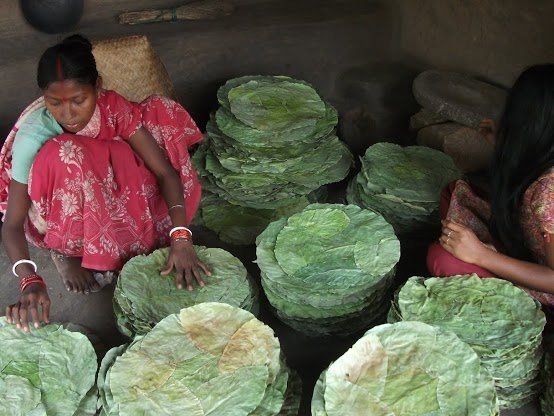
Kone Block in Sonbhadra district of Uttar Pradesh represents a highly underserved rural region facing multiple developmental challenges. The area is characterized by limited access to quality education, healthcare, infrastructure, and employment opportunities. Most residents rely on agriculture and marginal labor for their livelihoods, reflecting economic vulnerability.
The village of Kone, surrounded by agricultural land and forested areas near the Rihand Dam, has a population largely comprising Scheduled Tribes (ST) and Other Backward Classes (OBC). With a significant number of households, the community struggles with inadequate basic infrastructure. Poor road conditions significantly hinder connectivity, often turning short distances into long, time-consuming journeys. Although electricity is available, frequent outages disrupt daily life.
Access to safe drinking water is mainly through hand pumps and borewells, while sanitation has seen some improvement. Educational facilities are limited to a few poorly equipped primary schools, and students must travel outside the village for higher education, restricting learning opportunities. Healthcare access is even more critical, as there is no nearby hospital, forcing residents to travel long distances during emergencies.
Government schools face several challenges, including a shortage of teachers, inadequate classrooms, and lack of basic infrastructure such as furniture. Drinking water facilities depend largely on hand pumps, and children often walk to school on poorly maintained roads. Therefore, quality education interventions like Gyantantra are essential to improve learning outcomes and empower children and the community to address future challenges.
Project Interventions
Impact Story
Bridging the Education Gap: Enabling Change through Quality Education in Rural India
In rural areas of India, quality education is still a distant dream for many underprivileged children. Limited resources, a lack of trained teachers, and inadequate infrastructure often prevent young learners from reaching their full potential. In such a setting, Shrishti ( Name Changed) from Kone village in Sonbhadra district, Uttar Pradesh, achieved academic proficiency through the Gyantantra innovation.
Shrishti ( name Changed) , a 9-year-old student of Class IV, comes from a modest family. Her father works as an auto driver, while her mother, a homemaker, plays a key role in encouraging her education. When the Gyantantra Learning Centre was introduced in her village, Shrishti ( Name Changed) joined with great enthusiasm. However, her initial assessment revealed significant learning gaps, as she scored only 16 marks overall, struggling in Hindi, English, and Mathematics. Her foundational level was very weak, as a Class IV child, she was performing at a Class III level.
Through the Gyantantra programme, Shrishti ( Name Changed) was introduced to interactive digital learning, activity-based teaching, and personalized support. Gradually, concepts became clearer, especially in Mathematics as well as in languages—both English and Hindi—and her confidence began to grow. Her hard work and consistent effort led to remarkable improvement, with her overall performance rising to 80%, including 90% in Mathematics.
Today, Shrishti ( Name Changed) is more confident, curious, and actively engaged in learning.
Links:
Project reports on GlobalGiving are posted directly to globalgiving.org by Project Leaders as they are completed, generally every 3-4 months. To protect the integrity of these documents, GlobalGiving does not alter them; therefore you may find some language or formatting issues.
If you donate to this project or have donated to this project, you can receive an email when this project posts a report. You can also subscribe for reports without donating.



Support this important cause by creating a personalized fundraising page.
Start a Fundraiser