By DR. J.TAGORE DEROSE | DIRECTOR
REPORT TITTLE: CONTINUOUS TRAININGS FOR DISASTER MANAGEMENT PROJECT TITTLE: FLOOD DISASTER RESPONSE, TAMIL NADU, S.INDIA
PROJECT DISTRICT: THOOTHUKUDI DISTRICT TARGET GROUP WOMEN SELF HELP GROUP MEMBERS
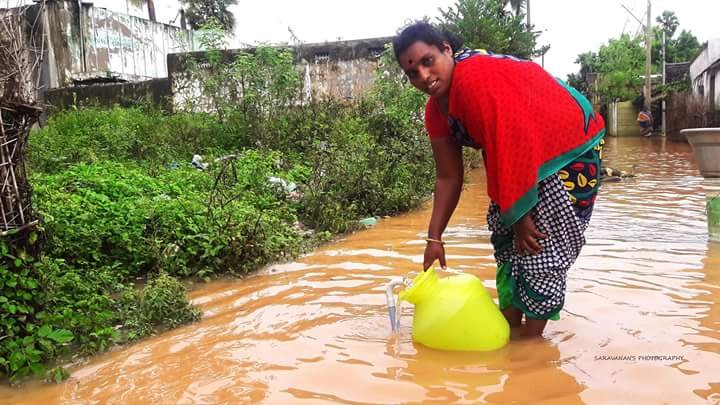
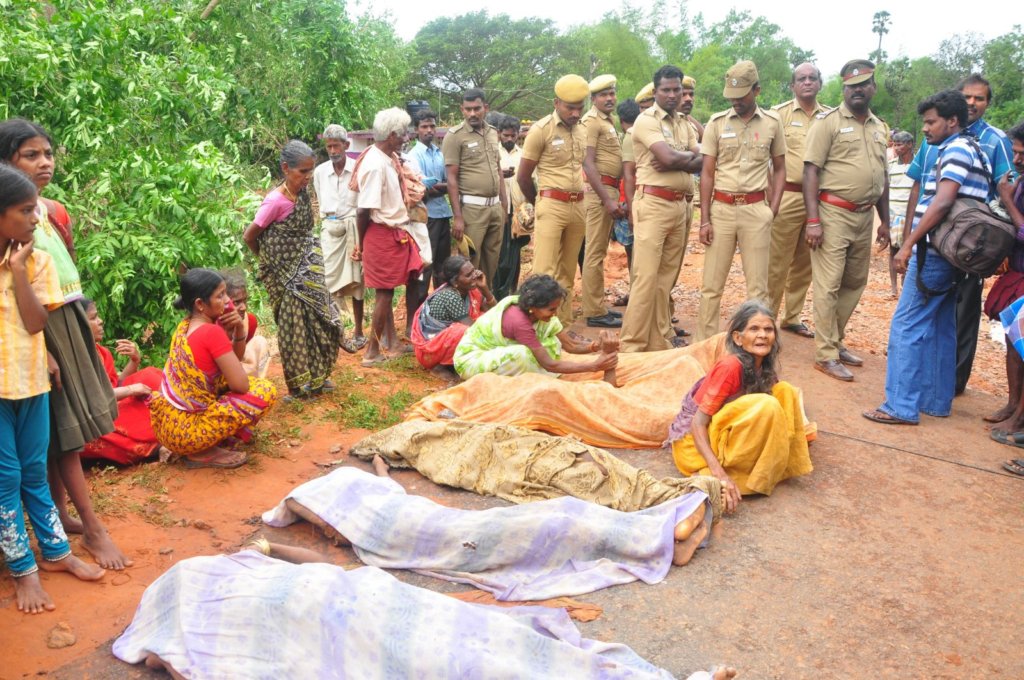
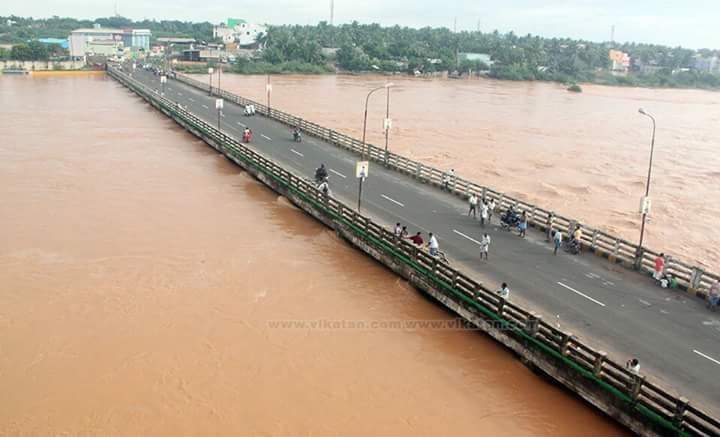
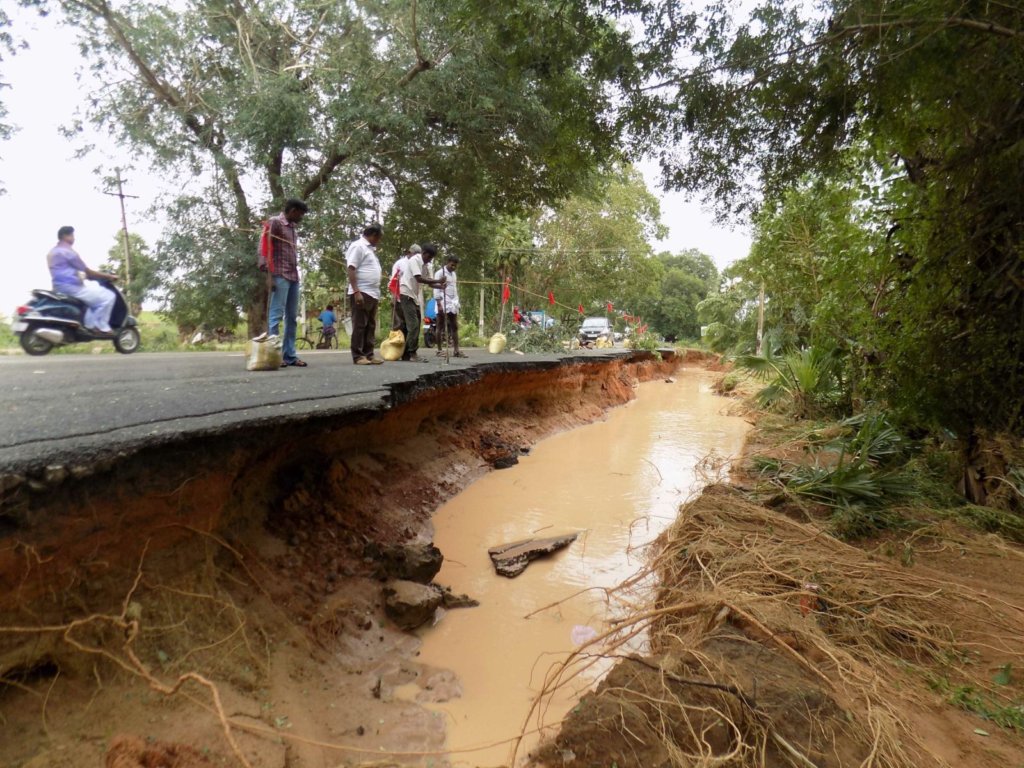
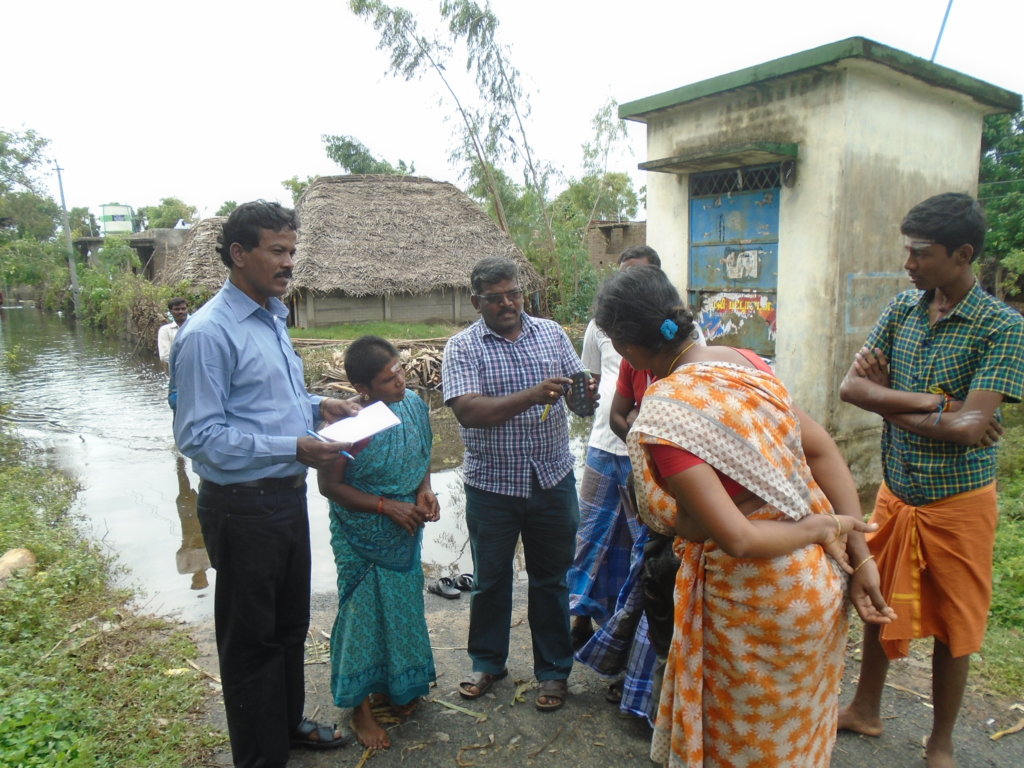
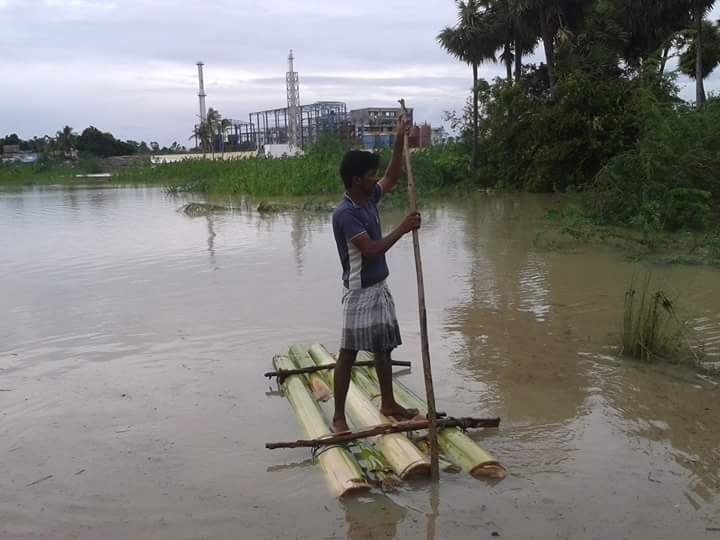
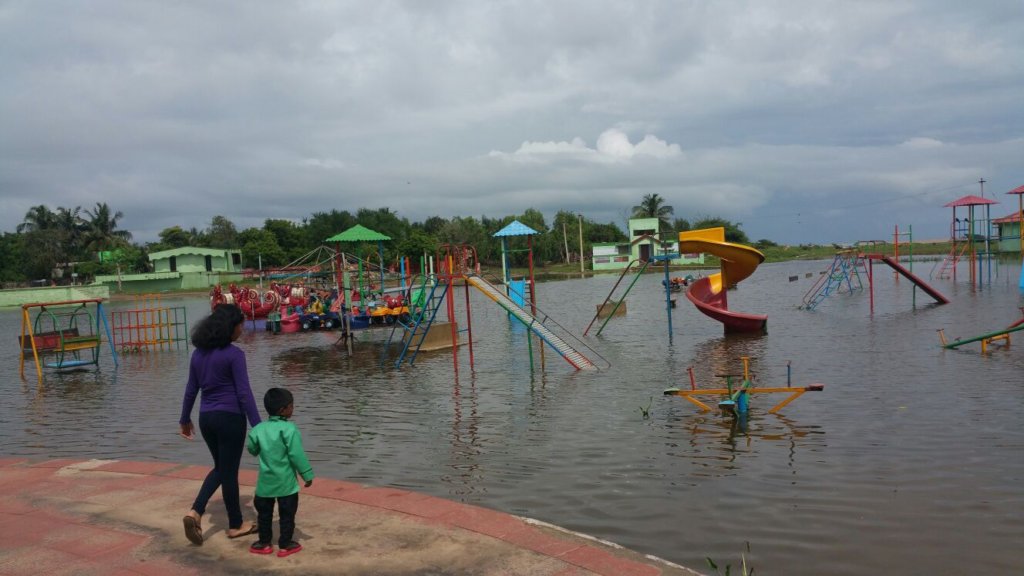
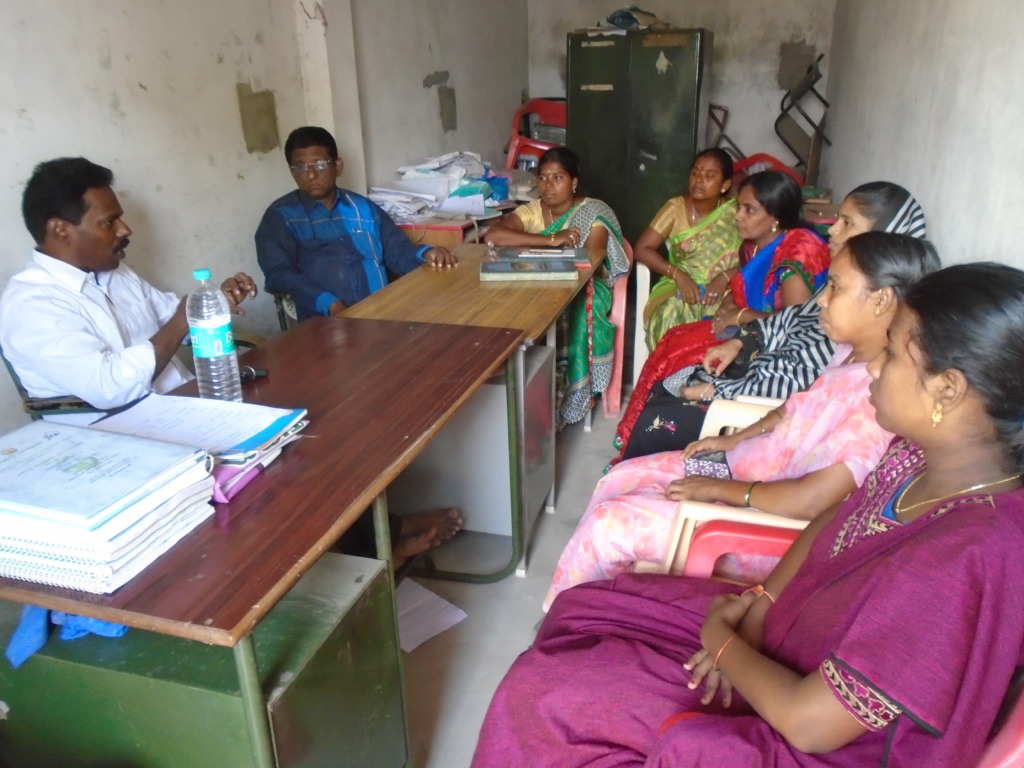
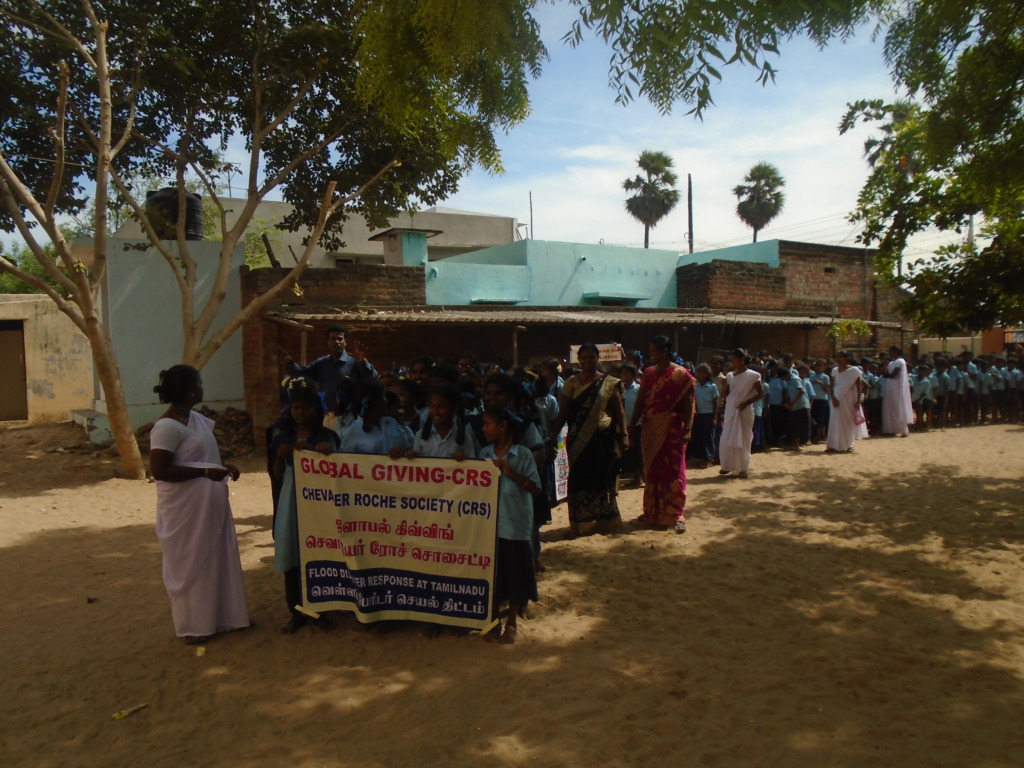
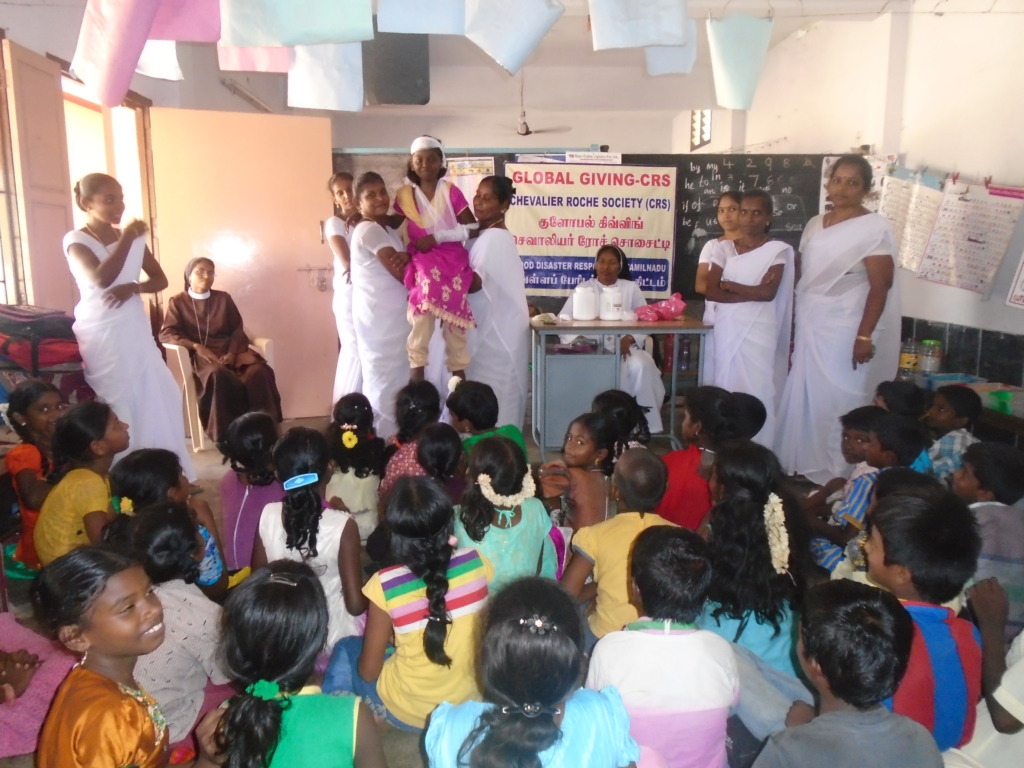
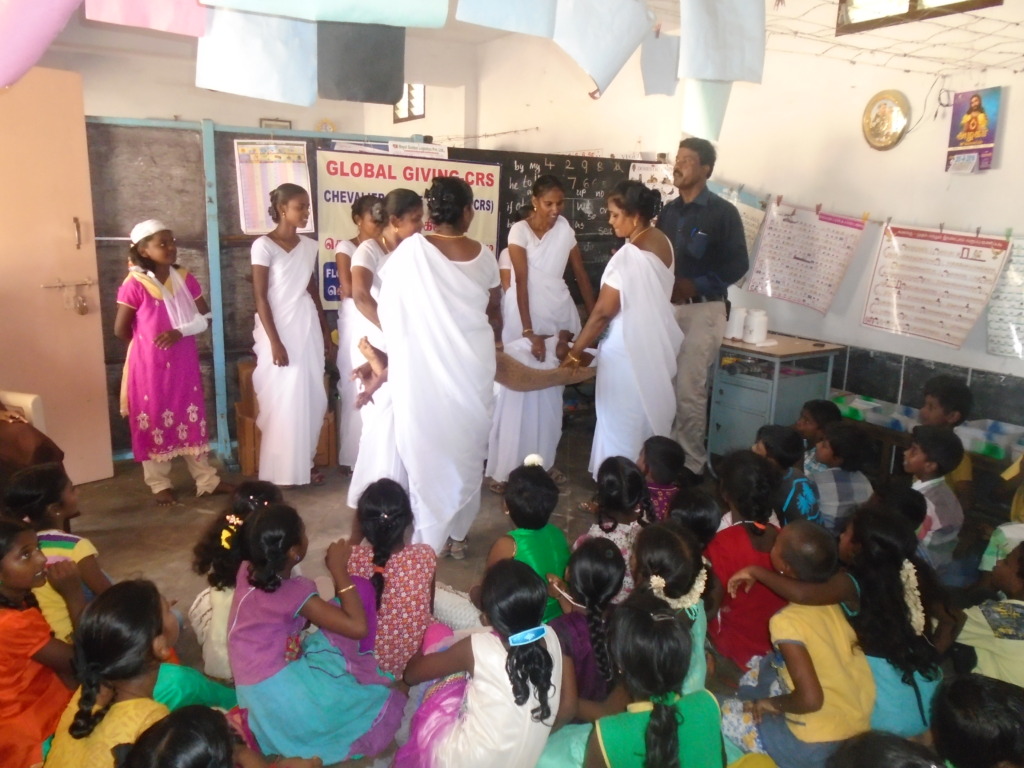
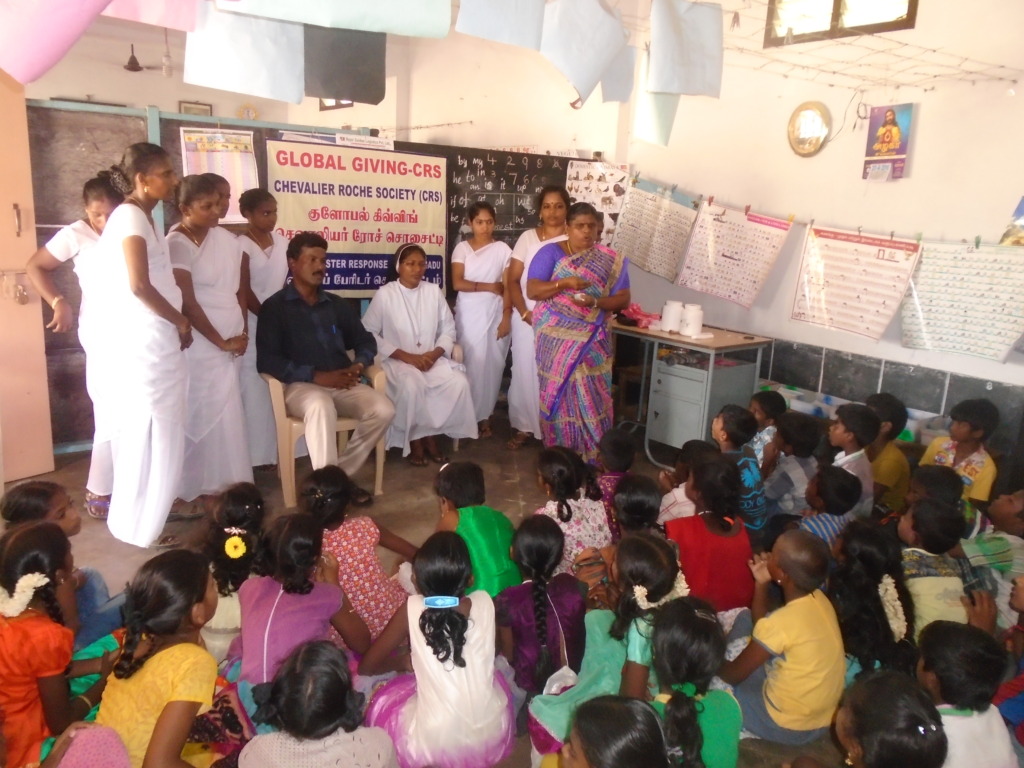
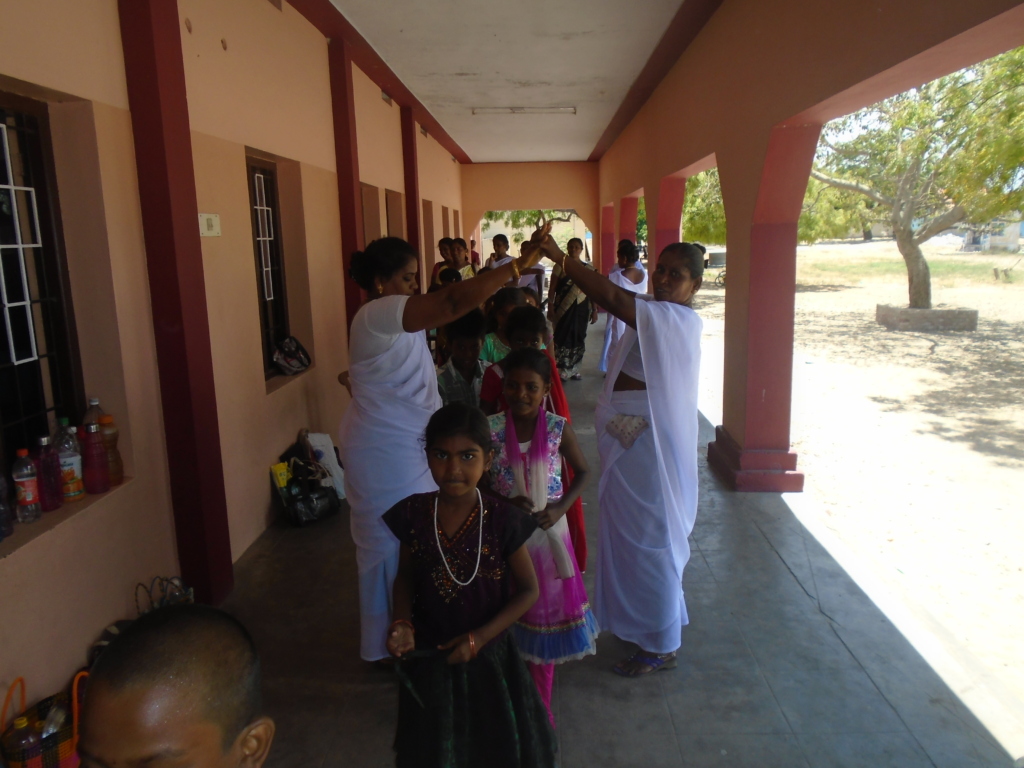
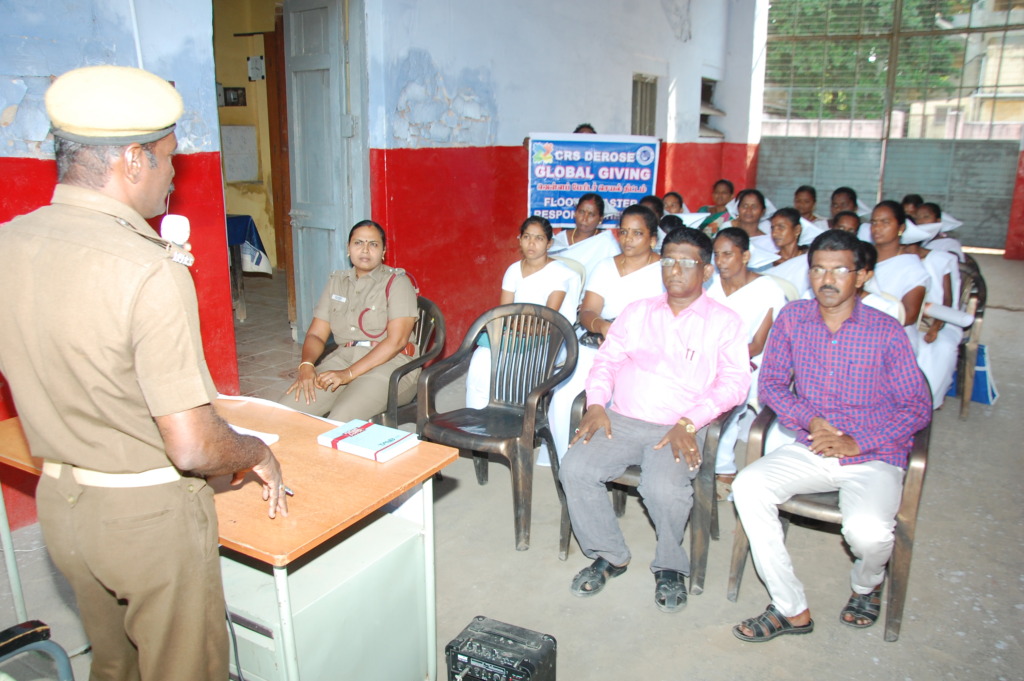
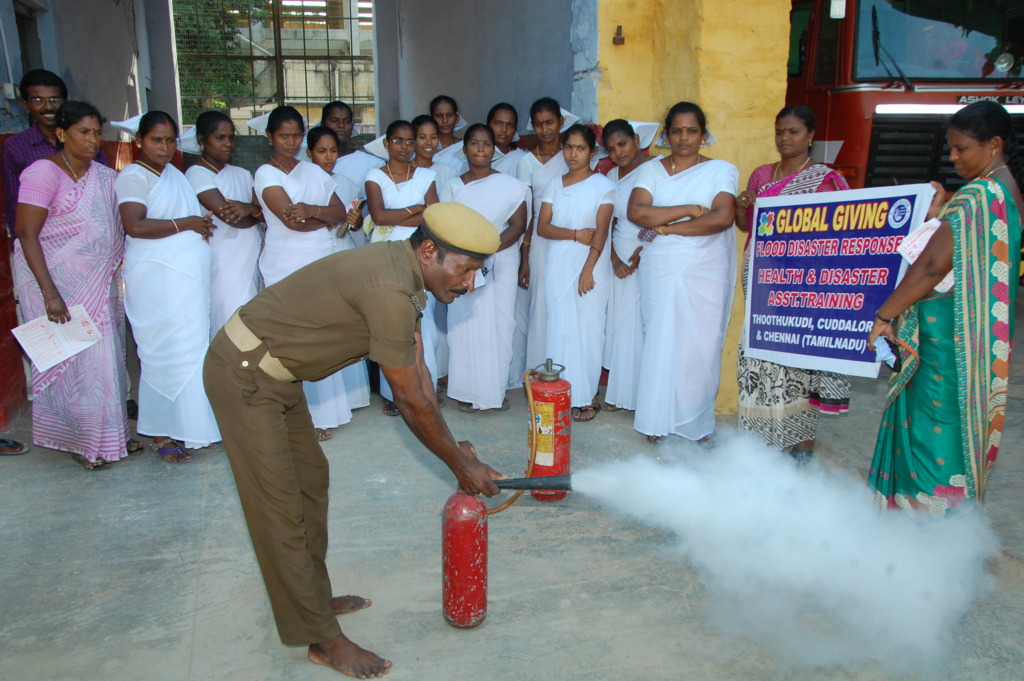
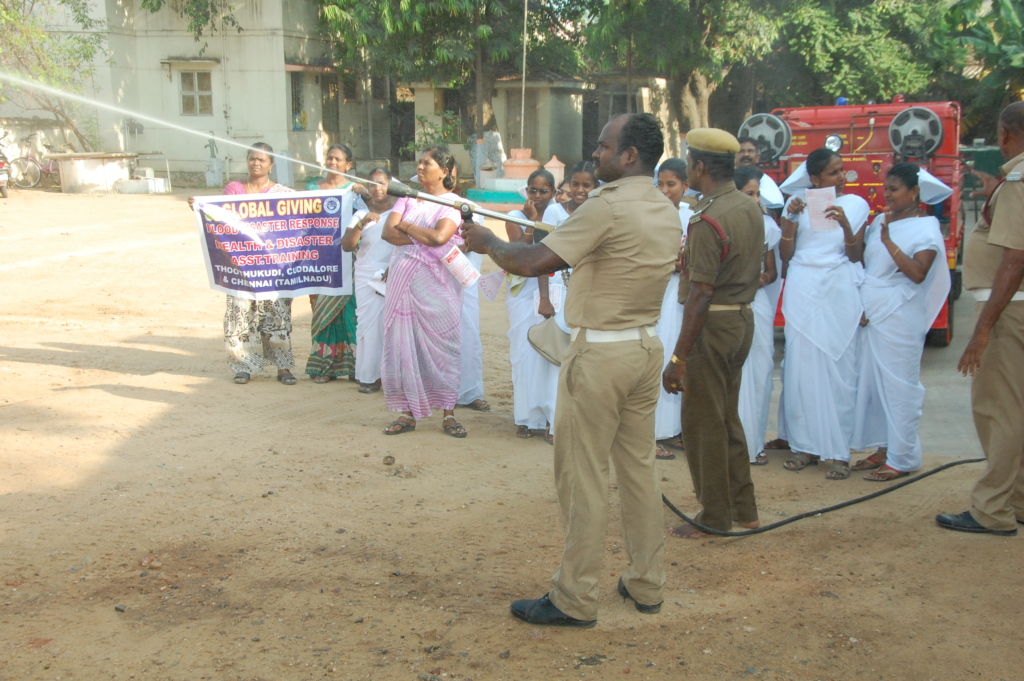
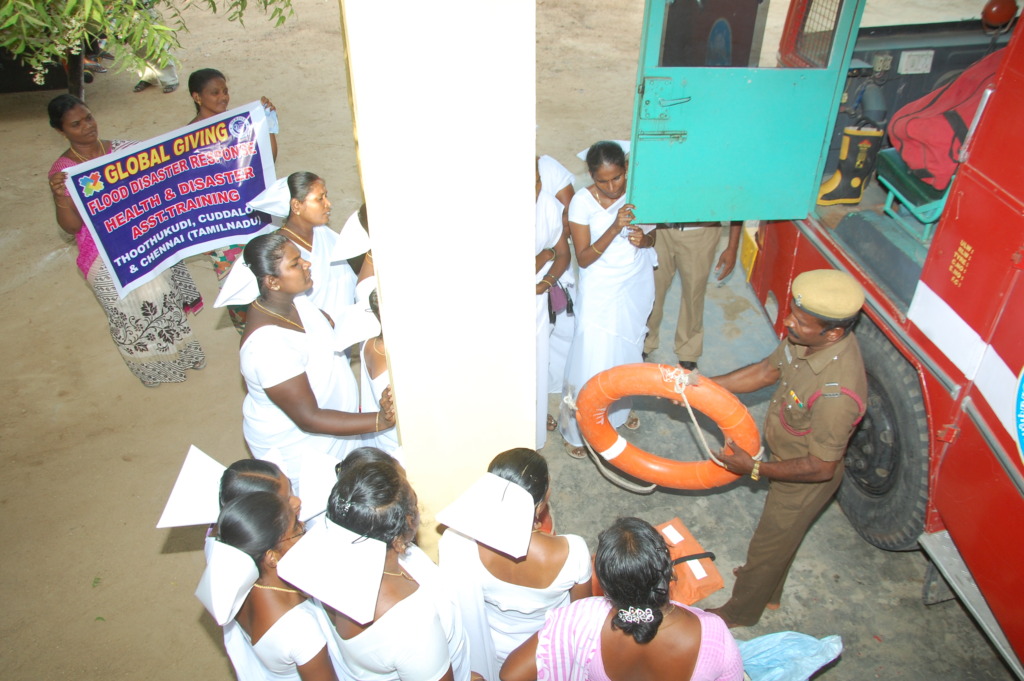
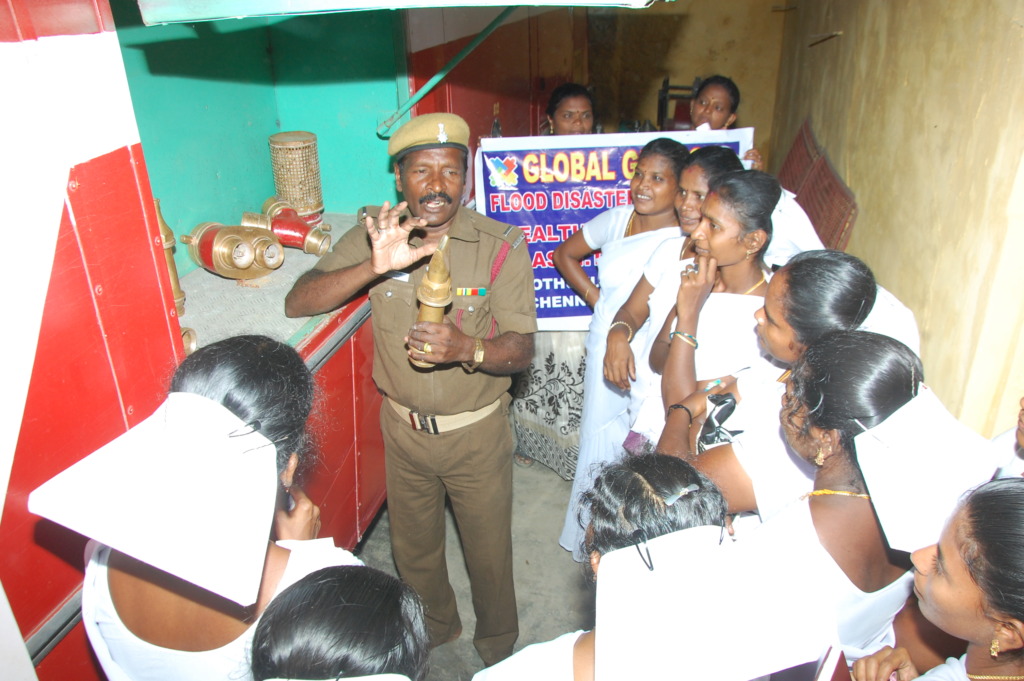
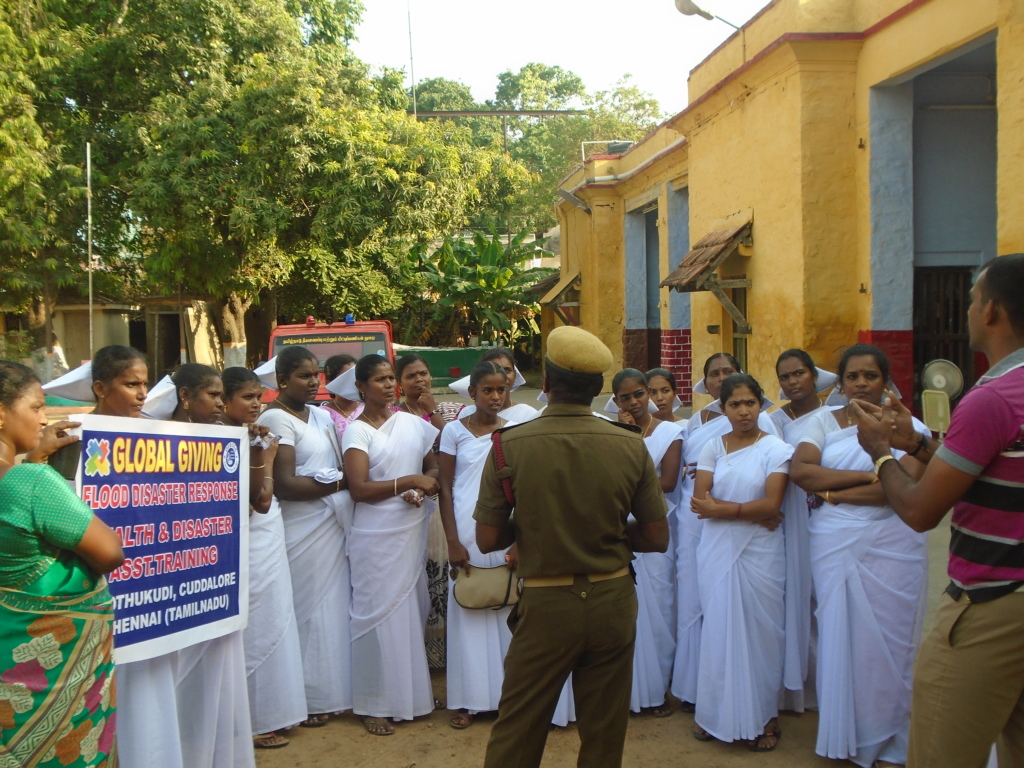
During the floods of 2015, the worst affected areas in Thoothukudi corporation area were Ambedkar Nagar, Maruthwar Nagar, Kurinji Nagar, Iyappan Nagar, Iyanadipu Mathavar Nagar. The women belonging to the self-help group in these areas were given disaster management training programme through Global giving aided Chevalier Roche Society Project. The training was divided through 3 subjects. These are 1.Under standing Disaster Management 2. Search and Rescue methodlogies 3. First Aid Techniques. This training was provided to the women members of the self help groups( totally 100 members through 3 programmes). The training was conducted by the project managers of Global giving in CRS, Mr.A. Dhamotharan and Mr. Armstrong, as well as Mrs. P. Suyambukani, the teacher of CRS disaster assistant training. The following instructions were explained both theoretically as well as practically.
DISASTER MANAGEMENT TRAINING: This training was given by Mr.A. Dhamotharan Global giving aided Project Manager. Even though there had been a struggle between man and nature from the early times such as the creation of the world, India came to know nature’s adversity during the Gujarat earthquake in 2001, the tsunami in 2004 and the most recent floods during 2015. The explanation of a disaster was given as well as the different types of disasters and the effects it had upon humans. The responsibility of every man and women in disaster management was explained in detail.Loss of lives and loss of properties in the previous disaster were explained to the people. The fire components of disaster management are 1. Facing the disaster 2. Paying heed to early warnings 3. Preparedness in the face of disaster 4. Increasing the individual’s capacity to survive 5. Reducing the deaths. These were explained to the people. In order to increase the preparedness, the vulnerable people (elders, handicapped, children, pregnant women) and vulnerable areas (huts, coastal areas, low lying areas houses on the banks of rivers streams and near industries) are identified and become the main priory during a disaster.The alternate route are also identified explained. The safe areas (school building, community halls, police stations, hospital) are identified and the disaster as well as the route should also be identified. Vehicles of transport for rescue operation such as autos, any four wheelers, ambulances and JCP’s should be identified by the people. Exploitation of water resources and water lands such as building hours and industries in water areas should be avoided. According to the seashore management law, houses should be built 200m away from the seas. In order to prevent droughts and the effects of storms, trees should be grown near sea shores. Fire accidents which happen due to explosion of gas cylinders, fire crackers and electric wires are explained and people are given instructions on how to prevent it. The safety measures during storms and rains were explained to the members. Prevention of road accidents (following the traffic rules) and preventing the collapse of building (not building in coastal areas the coastal shores water resources as well as in low lying areas) is explained in detail to the people.Increasing the cleanliness in order to prevent transferable and communicable diseases was explained to the people.Group such as early warning, search and rescue first aid and patrol should be formed in villages and given continuous training so that they come in handy during the times of disaster.The emergency numbers such as police, fire stations, hospitals, home guard ambulance, blood banks and emergency should be noted by the people, so that it provides useful during times of disaster.Due to the selfish nature of man, nature has retaliated through disasters. So man is asked to love nature and be in a symbiotic with it.
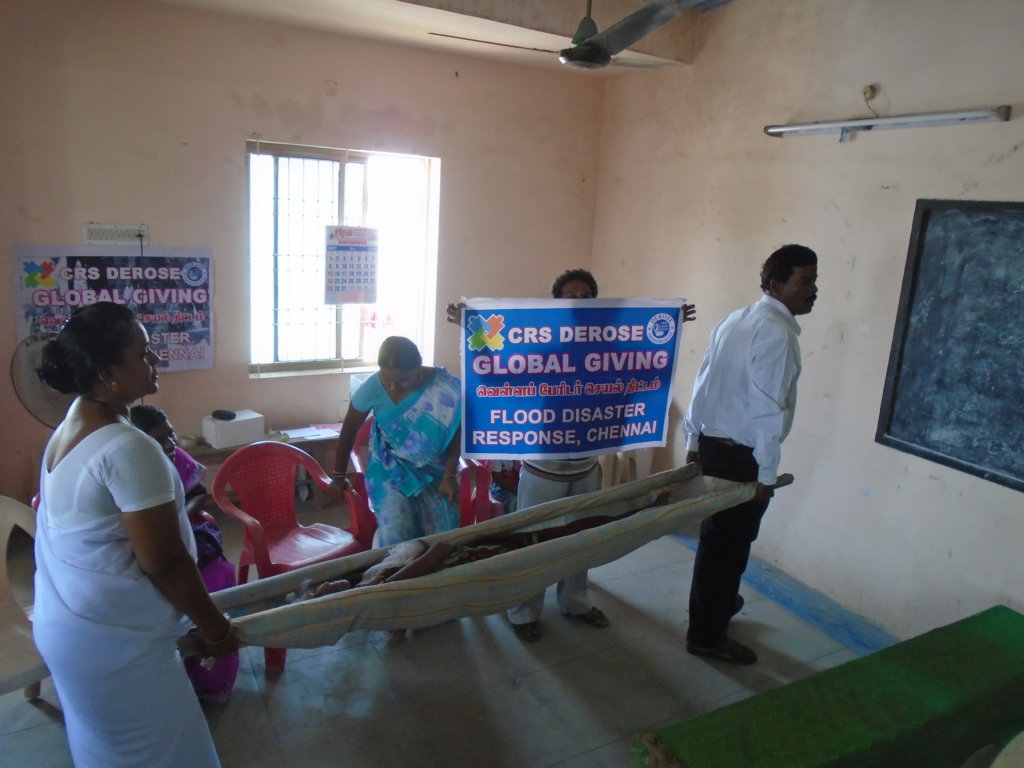
SEARCH & RESCUE METHODLOGIES: HUMAN CRUTCH METHOD:Stand near the wounded side of the person, grab his with your hand, put his hands on your peck for grip and grab his hand with the other hand and carry him without creating any pain for him. PICK A BACK METHOD: Cary wounded person on your back. Put his legs around your hip and his arms around your neck. Check if he is holding you strong enough before you carry. FIREMAN’S LIFE METHOD: How to carry a wounded person with your shoulders by holding his wrists with your arms. This method was executed practically to the people. HAND SEATS METHOD: Creating a seat with the hands of two persons to carry a wounded person safely. This method was shown to the audience with the help of two volunteers. FORE AND AFT METHOD:In this method two persons carry a wounded person, first person holds the armpit of the wounded man and carries him. This method was practically done to the people. BLANKET LIFE METHOD: How to build a stretcher to carry a wounded person who couldn’t be carried with bare hands was demonstrated to the audience. A stretcher was built by spreading a blanket on the floor and the blanket was tied with two wooden logs on the sides of it. This stretcher was built and a demonstration was done on carrying a wounded person in the stretcher. (TO CARRY WITHOUT BLANKET) HOOK GRIP METHOD: The wounded person will be carried by two people on the two sides of him. The people carrying the wounded person hold their hands like a hook while they left him. This method was also practically done to the people. CREATING ARTIFICIAL STRETCHER: How to build artificial stretcher to carry a wounded person was demonstrated. This method has multiple types of creating a stretcher with the properties we have in a disastrous scenario. Building a stretcher with wooden logs and cloths pieces. Using the clothes (saree, lungie, etc) of the wounded person or clothes near by to build a stretcher. Using a door or steel bed as a stretcher.All these method were demonstrated to the audience.
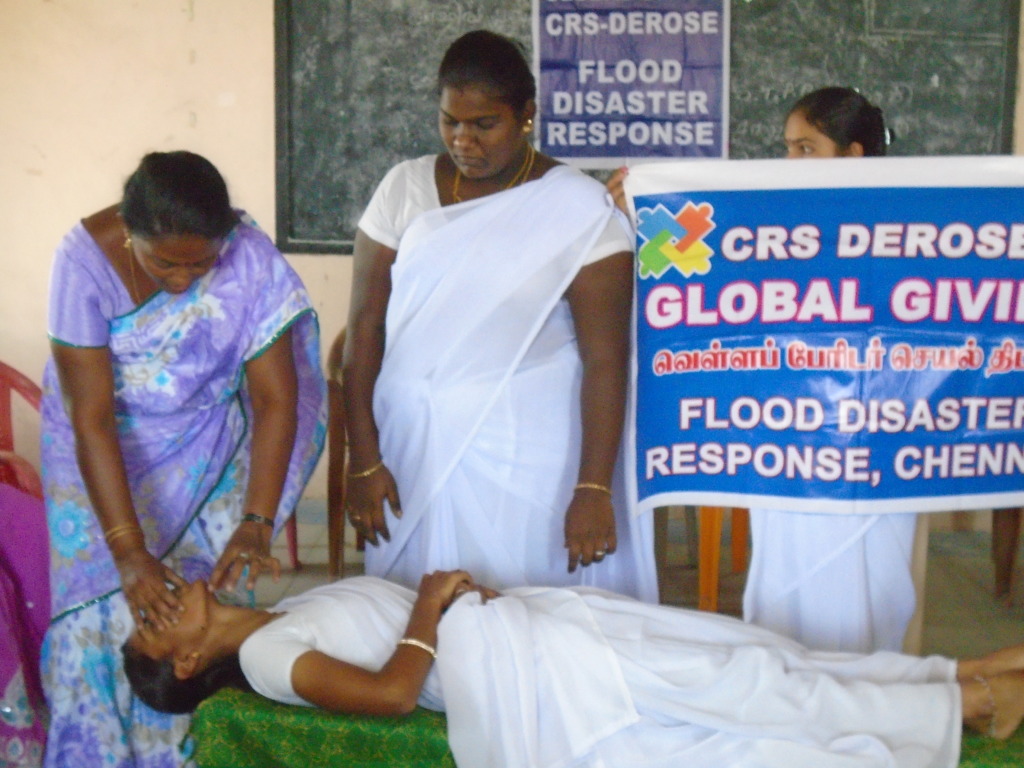
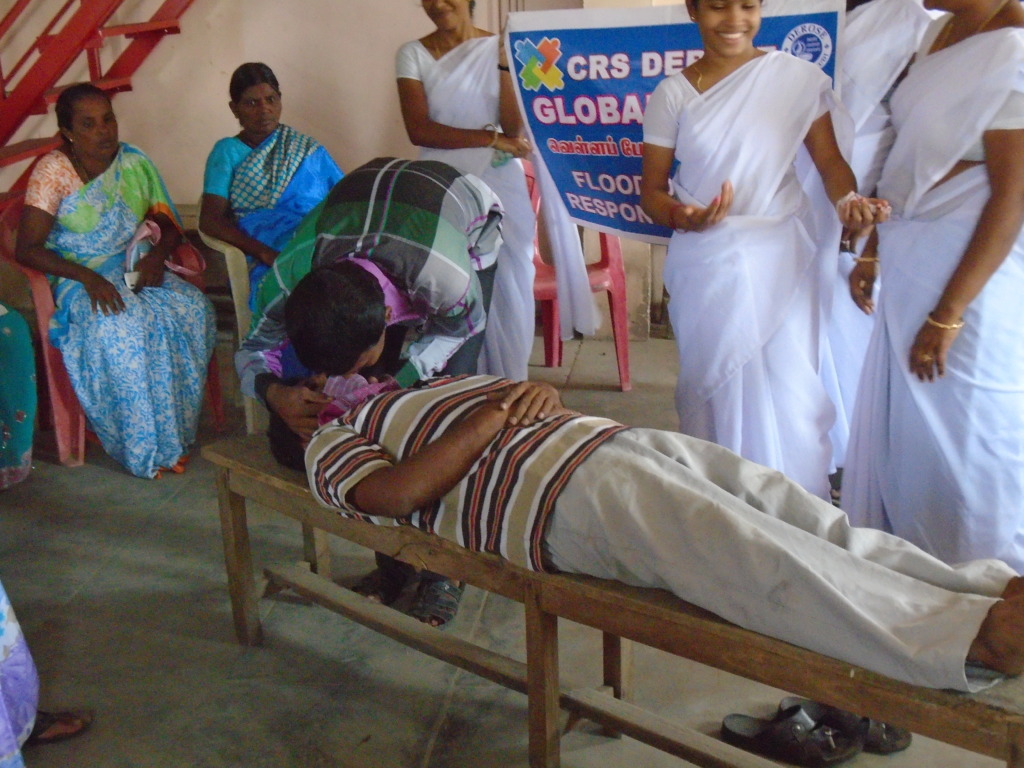
FIRST AID TECHNIQUES:Three stages of providing First Aid was demonstrated by Mrs.P. Suyambukani, Global giving aided free health and disaster training lecturer. Three stages 1. Checking the breath & giving CPR 2. How to stop blood clottage 3. How to tie bandages. CHECKING THE BREATH AND GIVING CPR:How to check if a person is wounded in an accident or when he faints on the road was shown. Checking breath: This process also includes 3 methods To check the breath of a wounded person watch if there is any movement in his chest or his upper stomach. Check if there is any movement in his mouth or use your ears to check if he breathes with his mouth. Using your hands to check if the wounded person exhales hot air from his nose or mouth. GIVING CPR / GIVING BREATH: How to give breath to a wounded person (artificial respiration) if he doesn’t breathe was demonstrated by Mrs. P. Suyambukani. To give breath to a wounded person inhale deeply and blow air to his mouth so that he will get breath. Usage of a piece of cloth was stressed important to the people because it would prevent spreading germs and bacteria from the wounded man to the helper or from the helper to the wounded man. Holding the wounded man’s head and moving it backwards which helps him to breathe. How to give air to the wounded man by blowing air in his nose with the helper’s mouth was demonstrated.STOPPING BLOOD CLOTTAGE: How to stop blood clottage when a person bleeds continuously on facing an accident was practically shown. In this method a wet cloth was prescribed to be tied on the wounded area to stop the clottage of blood.TYPING BANDAGES: Typing bandages are the easy task which can be done by people with less knowledge on medicine. But still it requires proper procedures, these procedures were instructed practically to the people. Those were: To wash the wounds with water before applying bandages. Not to apply inappropriate materials as medicine (tea powder, turmeric powder, etc). The procedures to tie bandages on fractured wounds were also demonstrated. That is to tie the fractured area with bandages by using a stick, pen steel rod, pipes, etc. All these methods were practically demonstrated by Mrs. P. Suyambukani.
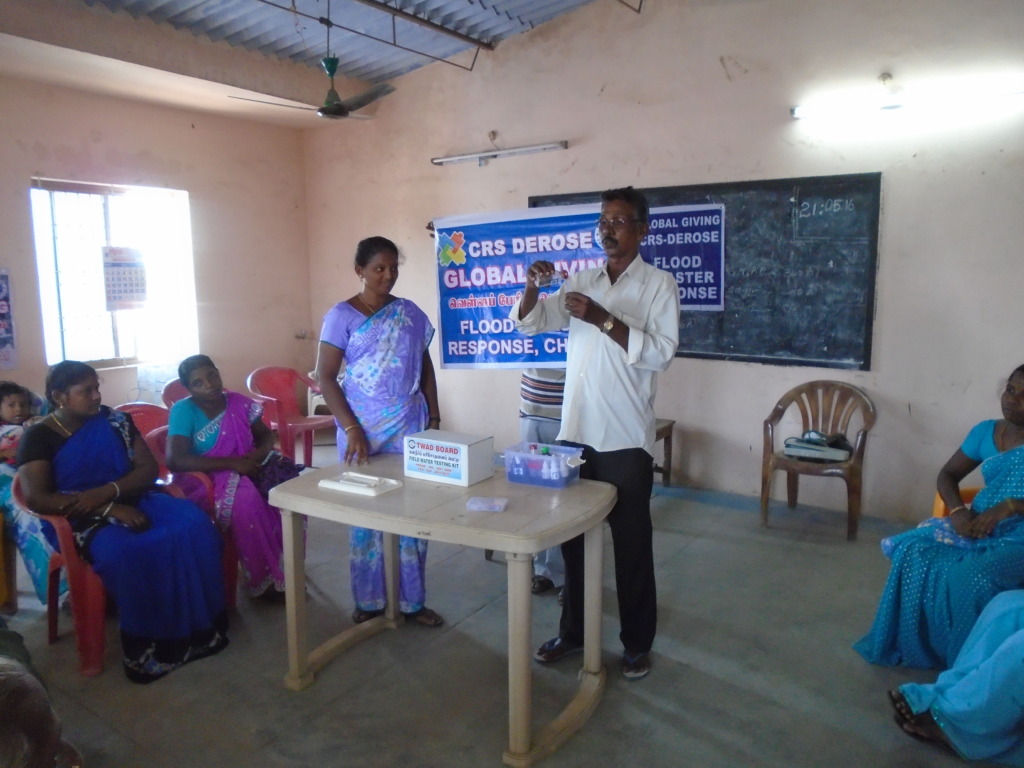
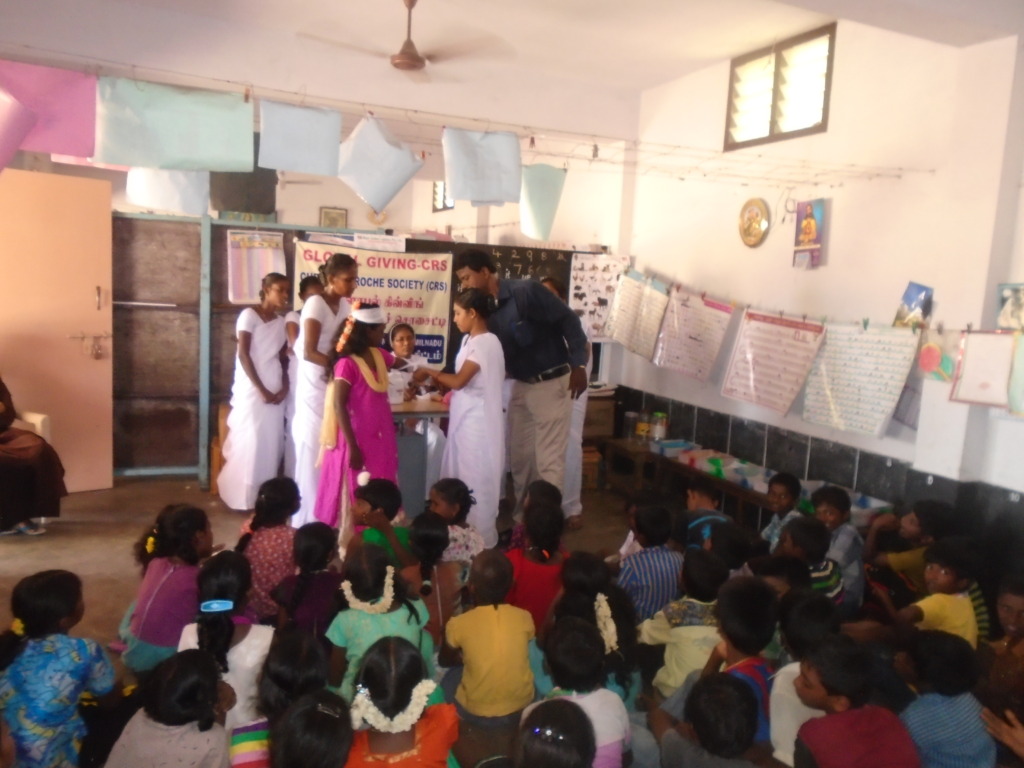
DRINKING WATER CONSERVATION AWARENESS AND DEMONSTRAITION THROGH FIELD WATER TOOL KIT (FWTK) Field water testing was done practically to the people by using the required instruments and chemicals. The use of this testing is to check the purity of water which might be contaminated by disasters. This reason was also explained to the people by Mr. Armstrong. The procedures to check the level of impurities, iron, chlorine, etc were demonstrated to give the people awareness and the knowledge of doing such testing during disasters. The training was concluded with a vote of thanks given by Mr. S.P. Dasan.
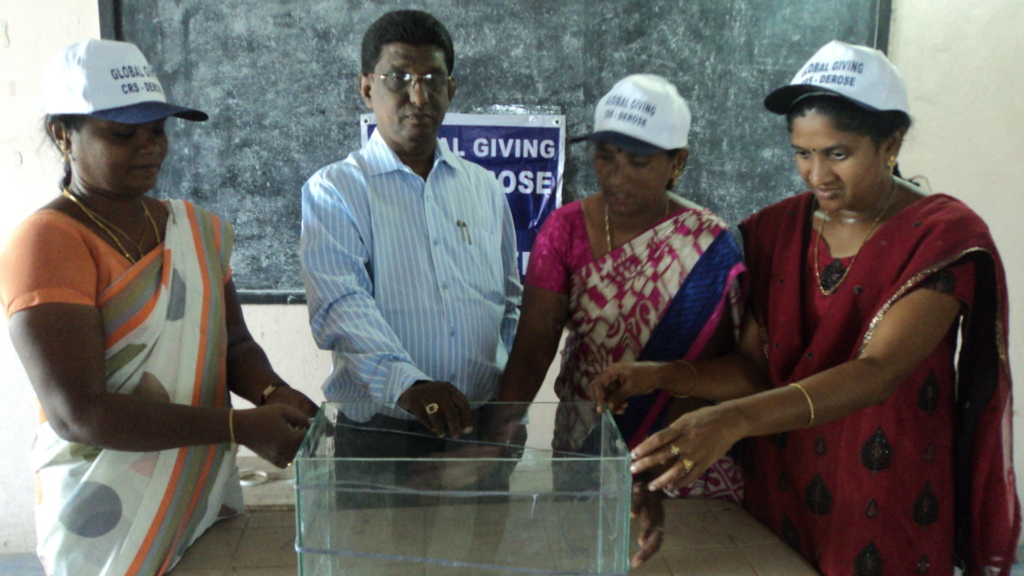
LIVELIHOOD TRAINING FOR ORNAMENTAL FISH CULTURE: Dr. P. Shaumuganantham, Aqua consultant and Dr. J. Tagore Derose, Director, Global giving aided CRS project handled livelihood training for ornamental fish culture are as follows, feeding technology, site selection, species selection, behavior study and also construction of fish tanks.
By DR. J.TAGORE DEROSE | DIRECTOR
By DR. J.TAGORE DEROSE | DIRECTOR
Project reports on GlobalGiving are posted directly to globalgiving.org by Project Leaders as they are completed, generally every 3-4 months. To protect the integrity of these documents, GlobalGiving does not alter them; therefore you may find some language or formatting issues.
If you donate to this project or have donated to this project, you can receive an email when this project posts a report. You can also subscribe for reports without donating.