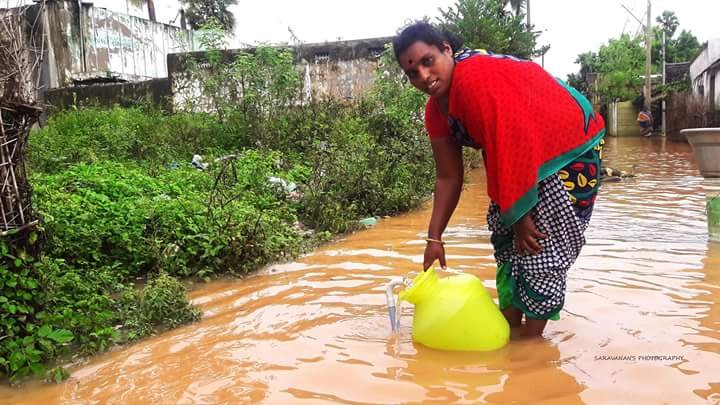
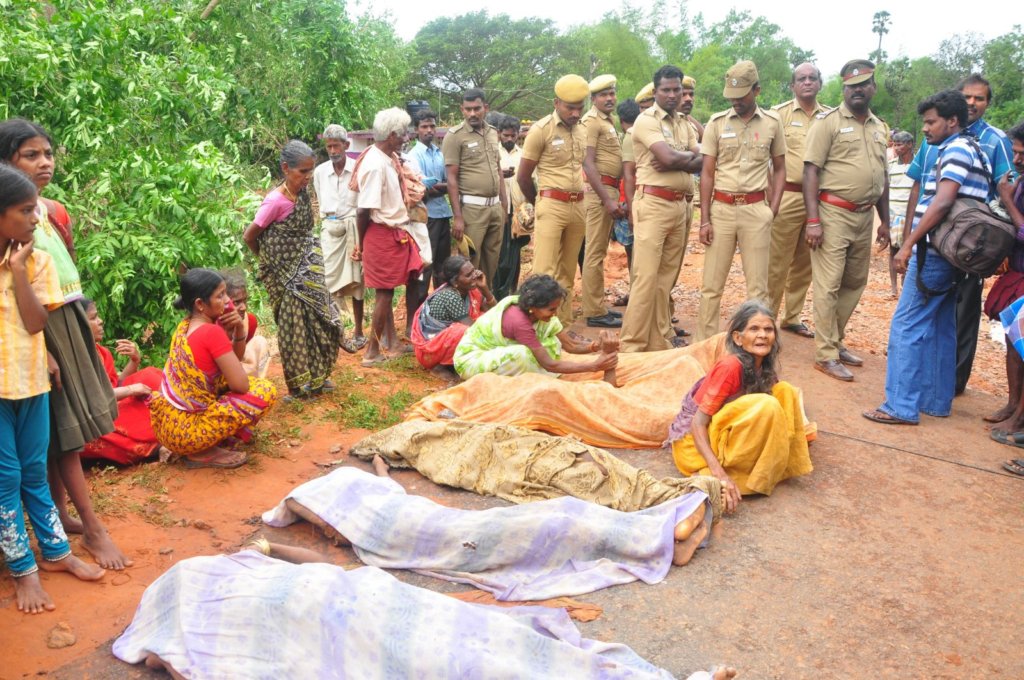
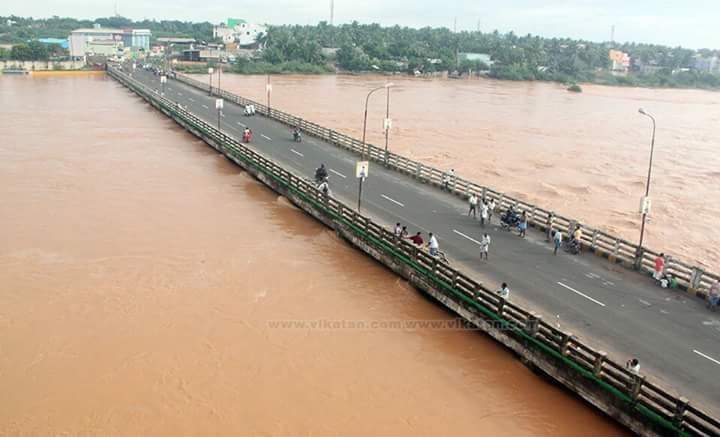
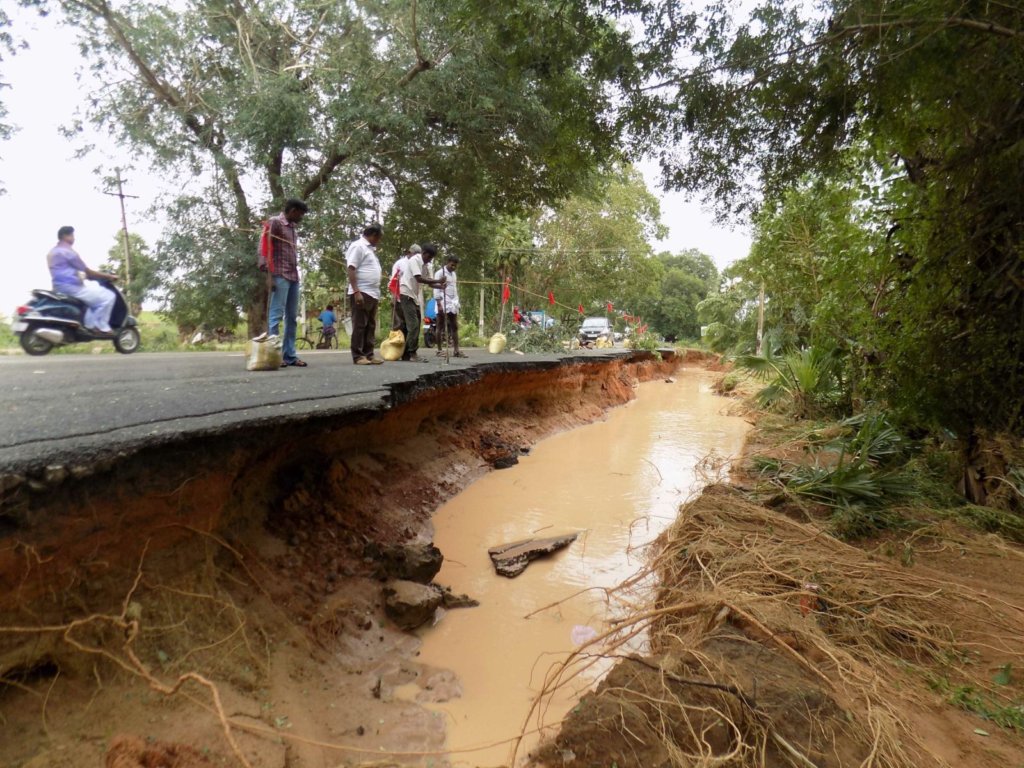
Flood Disaster Response at Tamil Nadu, S.India

by Chevaliar J.L.P. Roche Victoria K.S.G. Memorial Trust Society
Play Video
Flood Disaster Response at Tamil Nadu, S.India

Project Report | Oct 14, 2016
CLIMATE MANAGERS MASTERS TRAINING AT THOOTHUKUDI

By DR. J. TAGORE DEROSE | DIRECTOR

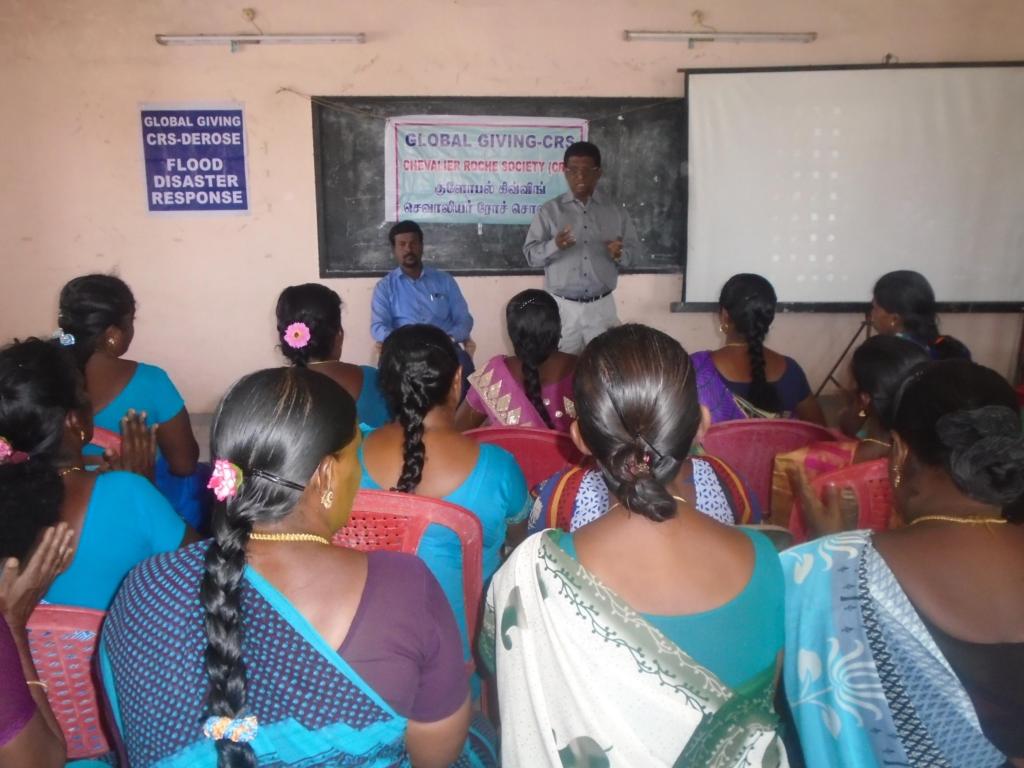
OUR NGO DIRECTER AT CLIMATE MANAGERS TRAINING

REPORT TITLE: CLIMATE MANAGERS MASTERS TRAINING AT THOOTHUKUDI

PROJECT TITLE: FLOOD DISASTER RESPONSE AT TAMILNADU, S.INDIA

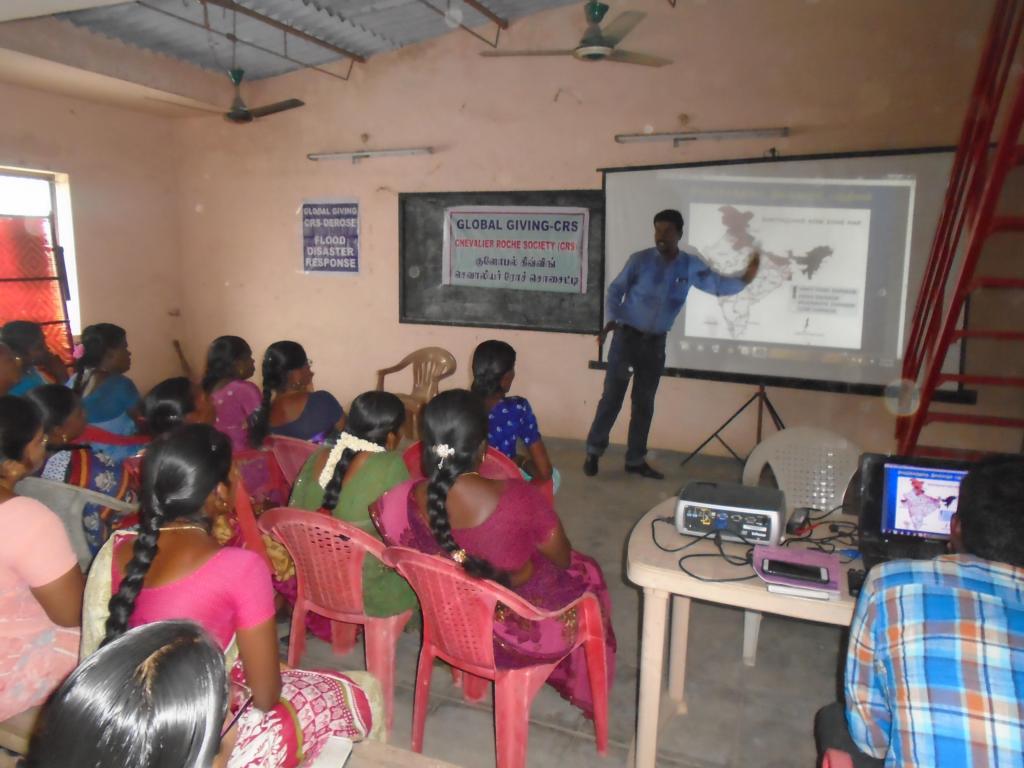
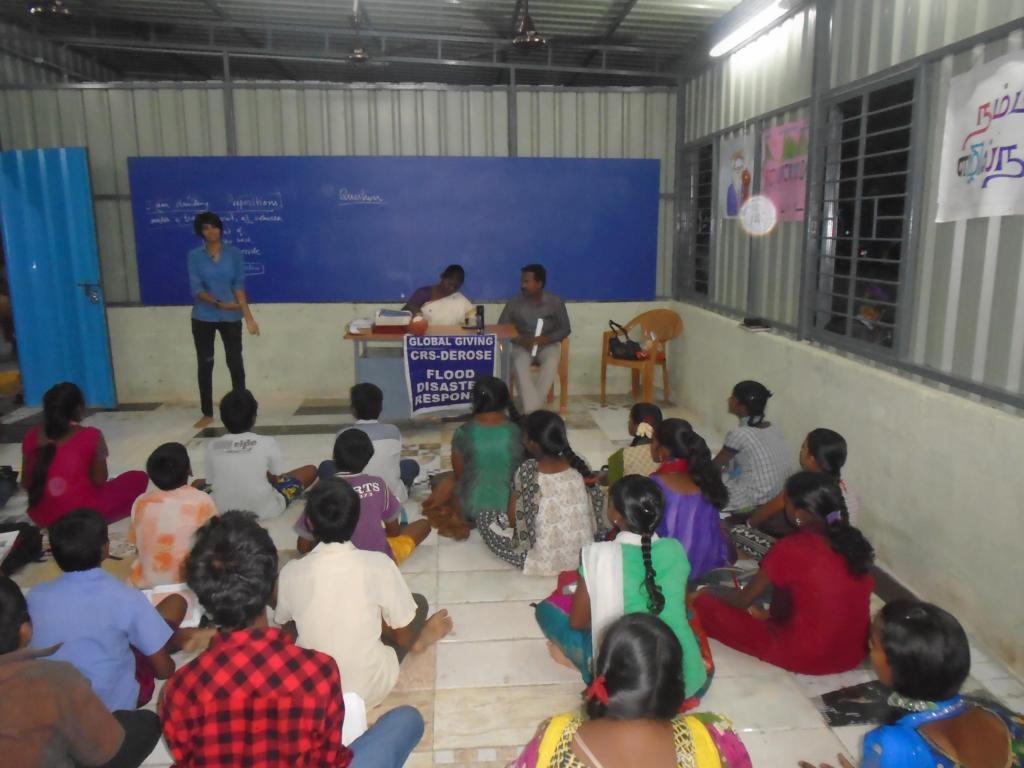
          Through the Community Based Disaster Risk Management (CBDRM) Intervention Project at Thoothukudi Corporation and extensions area through Global Giving Aided NGO, Chevalier Roche Society from the trained members of the self help women group. Two members were selected from each group which already worked in those areas training programme for the district level Climate Managers – Masters Training was held at Chevalier Roche Society meeting hall. In this Training Programme in the presence of leader panchayat union level women group federation Ayyanadaippu panchayat union Director Chevalier Roche Society presided over the function. Project Manager & Chief Trainer, Chevalier Roche society and Nursing Teacher, Chevalier Roche Society participated and provided training to the participated and provided training to the participants of this Masters training programme with the help of power point presentation, explanation with the practical demonstration was given along with the group discussion. During the training programmed following information were given. 

COMMUNITY BASED DISASTER RISK MANAGEMENT (CBDRM) TRAINING:

  1. Since the creation of the world disaster is continually occurring. Really it is a great challenge the human race. It was explained in detail.
  2. Detailed explanation was given about the natural and artificial disasters occurred in past times in India and as a result of that found lost lives material damages were explained in detail.
  3. In the times to come how shall we face the disasters even it is small or big one. It was also suggestions given how shall we prepare people?
  4. Three important points of the disaster management. Before the occurrence of disaster what shall we do? What must be done during the disaster? What shall we do after the end of the disaster?

All these were explained in detail and clearly.

  1. It was informed to prepare village level disaster management action plan. What types of affairs shall be included in it? It was also explained elaborately.
  2. It was taught how shall the Masters trainers prepare the Flood affected victims during the disaster times? How can they be helpful in bringing the people to the prepare? It was also taught to them.
  3. Risk by waters, climatic dangers, dangers related to the earth, biological risks, environmental risks were elaborately and clearly taught.
  4. High level authority group appointed by the Govt. of India during the year 1979 has classified the various types of disasters occurred in the nation. Those facts were explained in detail during this training programme.
  5. What are the reasons for the power decreased stages among the Indian people? It was also discussed and explained in detail.
  6. Who are the targeted people of the disaster affected? How shall we be helpful to them? How can they be given priority? It was explained.
  7. It was also explained how shall we develop the skills of the disaster affected people?
  8. What type of actions shall be taken in order to face the disasters? It was emphasized to the trainers to take the necessary actions in detail.
  9. Frequently disaster affected areas people living over there, low lying areas evacuation routes shall be identified? In what manner they shall be identified? This was explained in detail to the chief trainers.
  10. They were emphasized to know and called the addresses and phone numbers of the safety places, comforts over there, important offices and emergency phone numbers.  For example : it is necessary to know in detail particularly about police station, fire station, recovery department, hospitals, ambulance, blood bank etc., scout groups, district collector and block development offices etc.
  11. Quick relief by the circulation of Disaster and Risk Management, Rehabilitation Services, Reconstruction and Development Controlling Methods, Disaster & Risk Reduction, Preparedness, Renovation works were explained in detail through the videography and discussed elaborately.
  12. It was also explained about the repairing works and restoration of the disaster victims and the works to be done immediately.
  13. It was also emphasized to form disaster management groups and possibilities of convening continuous training programme to the trainers of the training programme.

FIRST AID & RECOVERY TRAINING PROGRAMMME:

1)    Purpose of the first aid service and life saving activities were explained.

2)    Principles of the first aid and role of a good first aid worker were explained.

3)    Instructions to be followed during the first aid service were deeply taught.

4)    Unconscious condition and artificial respiration method was elaborately described through still photograph exhibition.

5)    It must be known definitely what shall we do during the accident times and the necessity of providing artificial respiration, well trained condition in that field and necessary experience, doing the right things in right manner and the necessity of all these were taught properly. Trainers were very much eager to follow. The instructions and rules accordingly

6)    How shall we increase the speed of the heart beat by giving necessary upon the chest? It was demonstrated practically.

7)    What is meant by suffocation? What are the reasons for that? These were also explained in detail in the training programme.

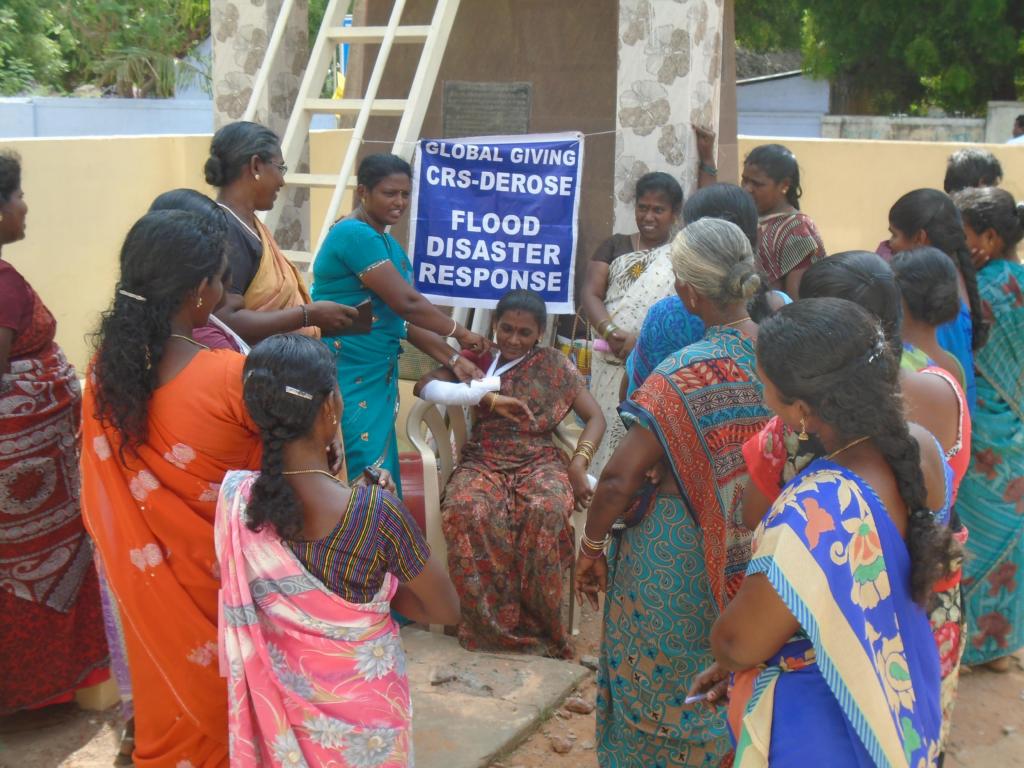
8)    How shall we control the bleeding? How shall we make the bandage surrounding the injury and fractured bones?

9)    It was demonstrated practically as model for the trainees.

10)  It was also demonstrated practically what type of first aid to be provided for the minor injuries being found on the surface of skin.

11)  Explanations were also given for the first aid services for ulcers and injures.

12)  It was also taught with the practical demonstration how shall we redeem a person who entangled within the fire?

13)  First aid services to be provided for bone fractures were taught with necessary examples and practical demonstrations.

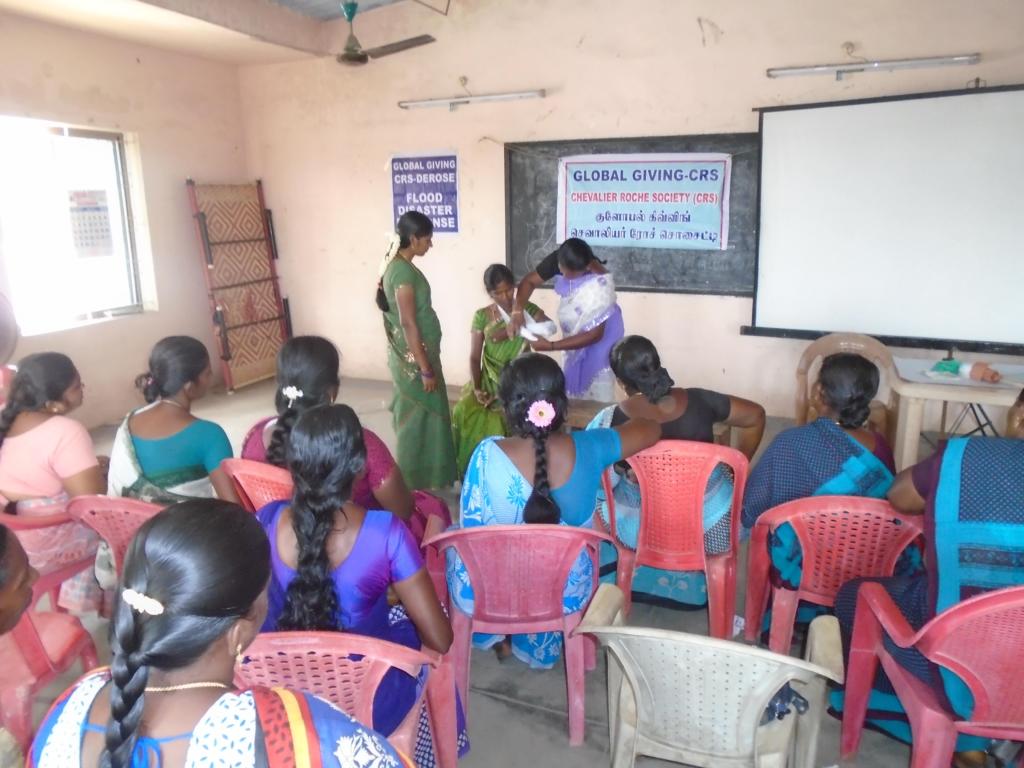
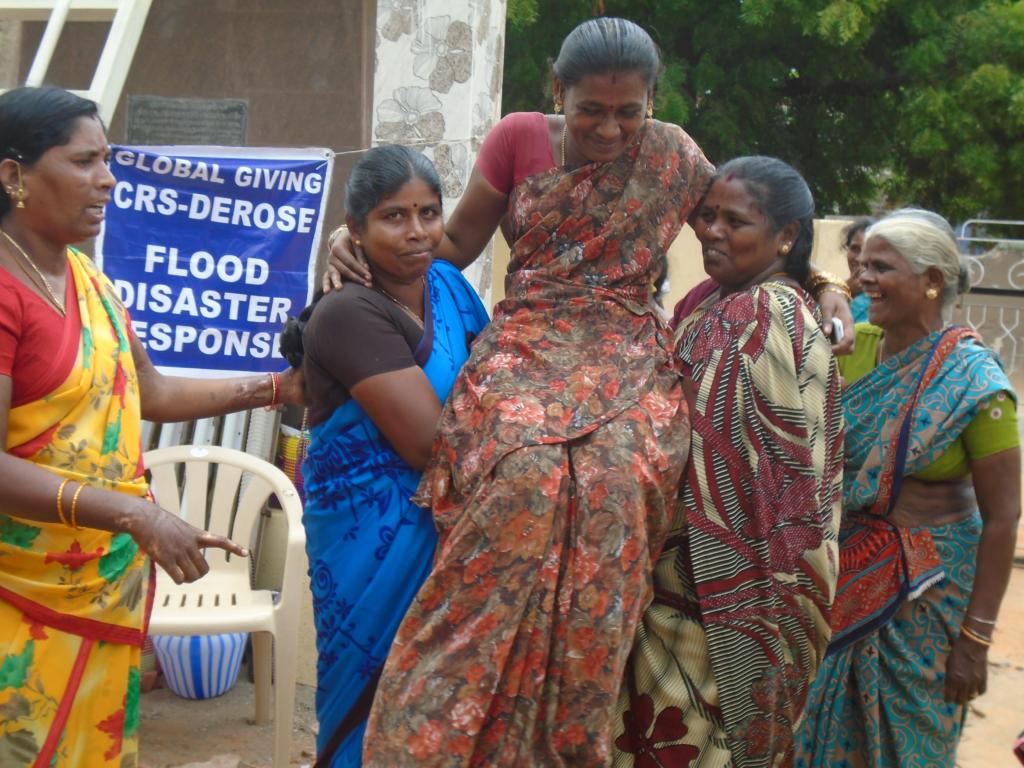
14)  Victims being affected by accidents and disasters. Their physical condition,   types of bandages to be made for them according to the situation, in what   manner they shall be carried? It was also demonstrated before the trainers according to the guidance of chief trainer.

15)  Practical demonstration was provided on how to carry the disaster affected persons with the available materials in the spot itself. Trainees keenly understood the points taught.

16)  What materials can be used as the recovery equipments? In what manner they shall be operated? Explanation was given a simple manner.

17)  It was also emphasized to make phone calls for ambulance and recovery department before beginning the first aid help.

GROUP DISCUSSION:

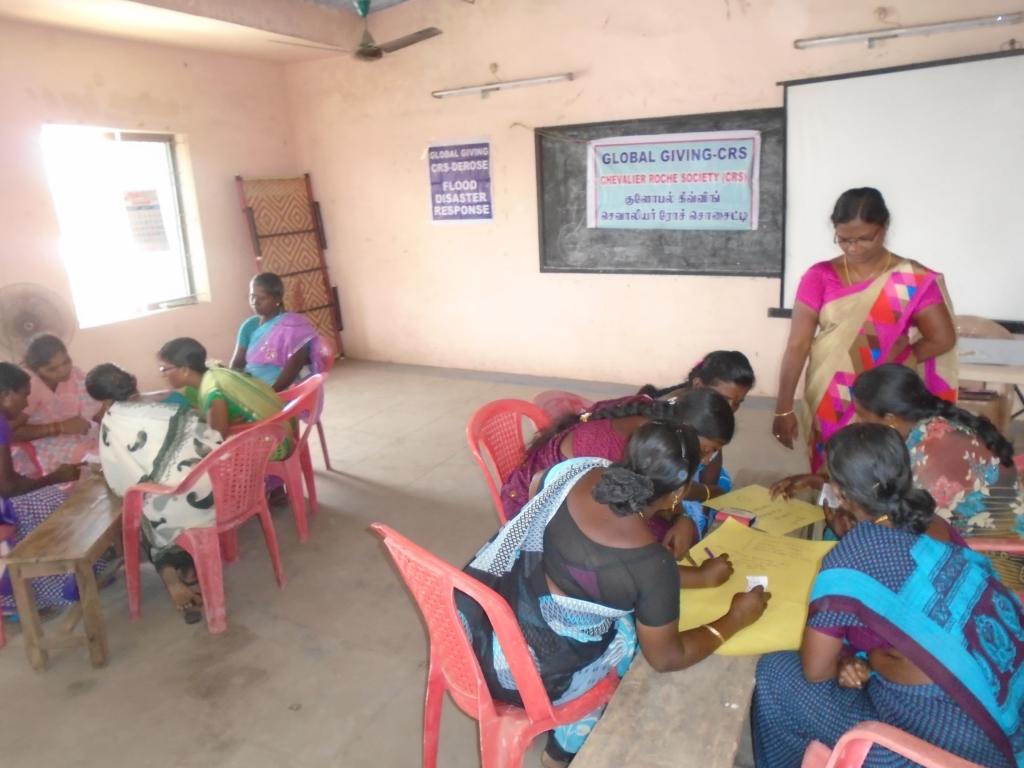
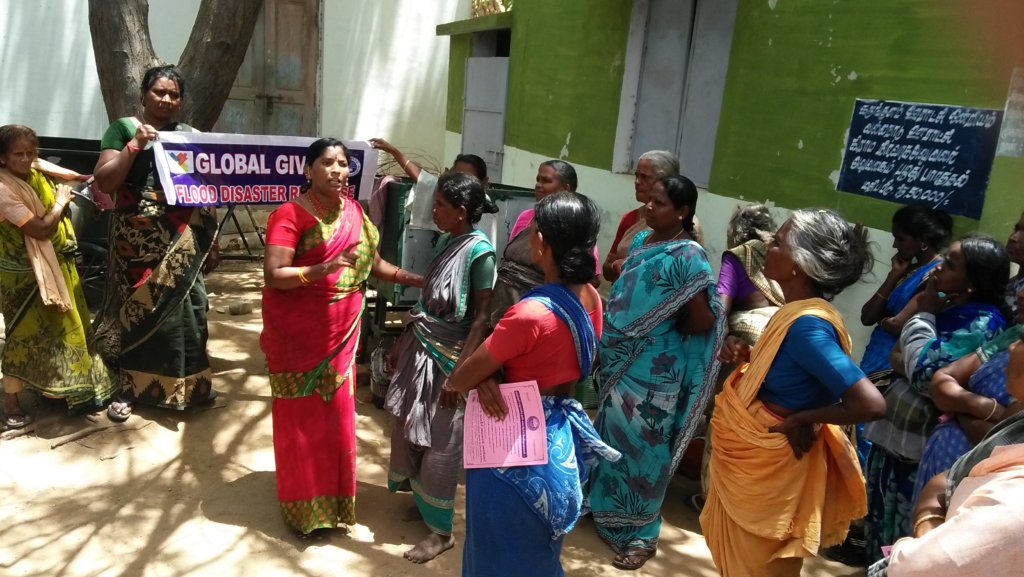
  1.  Masters Trainers participated in the training programme was divided into 4 groups. Each group had 8 trainers and each group was divided 4 topics and they had the nice discussion among them.
  2. For the first group 4 topics named cyclone, rain, flood and infection were given. What will be the result and infection were given. What will be the result, if these four are found in a location? What action must be taken in order to reduce these defects? In such a manner questions were asked and discussion continued for the first group.
  3. For the second group 4 topics such as tremor, tsunami, earth quake, and jungle fire were provided. What defects will be there if all these 4 disaster were occurred, at a place? What defects will be there? What type of action must be taken to reduce the defects of the disaster? In this manner questions were asked and discussion continued further.
  4. For the third group 4 topics named fire accident, automobile accident, factory accident and environmental defect were allotted for the discussion. If these 4 disasters are found in a place what defects will be found there? How can we reduce the measure of these disaster defects? All these questions were asked and discussed in detail.
  5. For the 4th group 4 topics called intense heat, severe cold, Dryness (Drought), famine were allotted this 4 group was asked to discuss about the defects being formed  by these 4 disasters and the methods to cut down the measure of the defects were discussed. They continued their discussion with the topics.
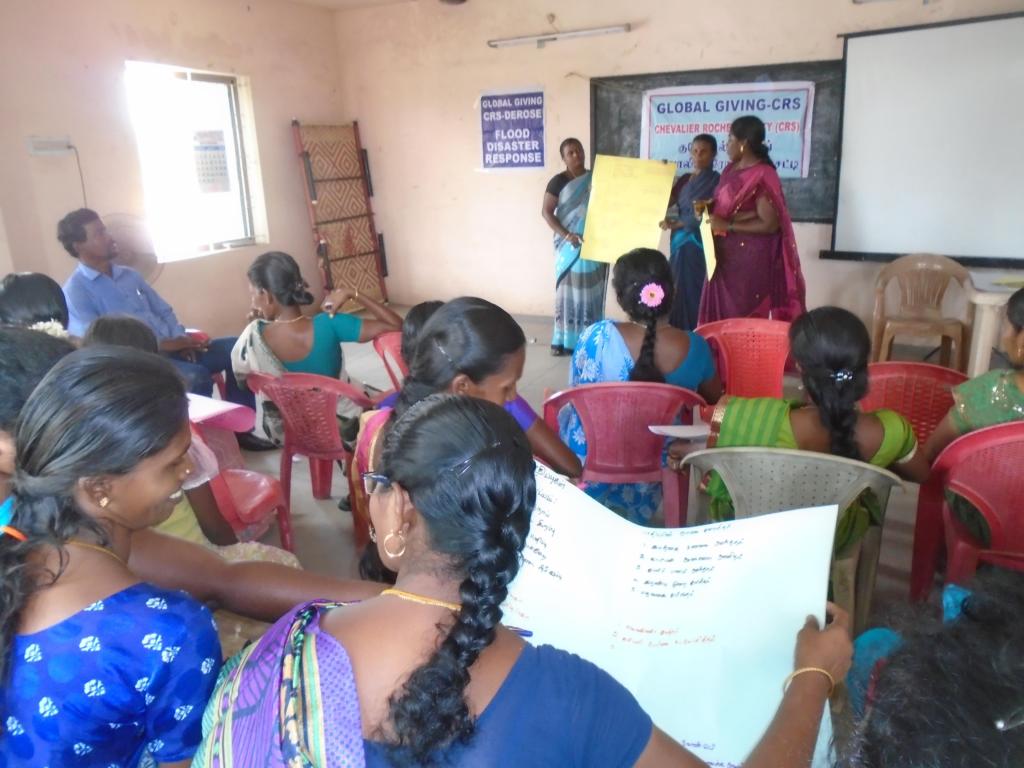
  6. Every group presented individually their discussion.

Finally Global Giving Project Co-ordinator delivered the vote of thanks. District level Community Based Disaster Risk Reduction Management (CBDRM) Masters Trainer Training Programme accomplished successfully.

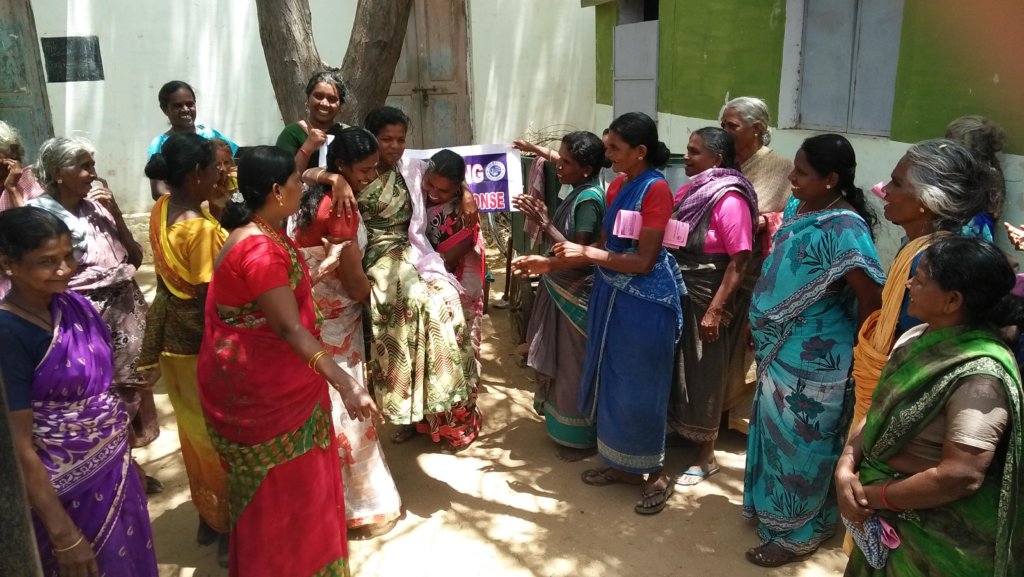
PROJECT MANAGER EXPLAINED VULNERABLE DETAILS
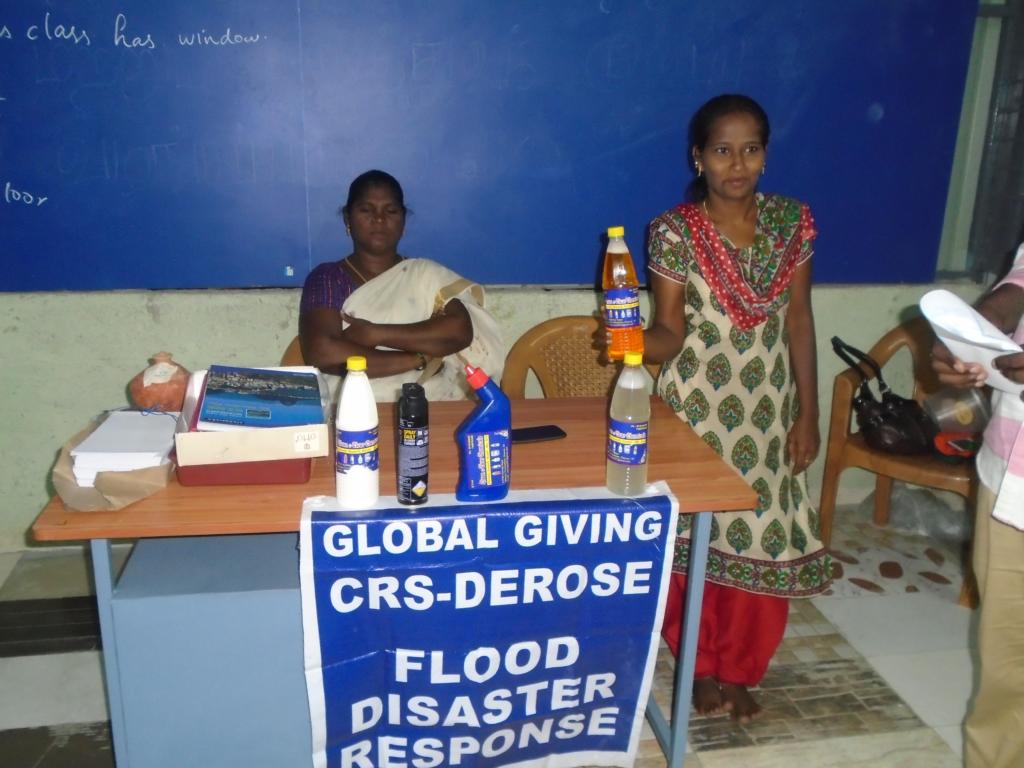
GROUP WORK
GROUP WORK
GROUP WORK PRESENTATION
BANDAGE TECHNIQUES TRAINING
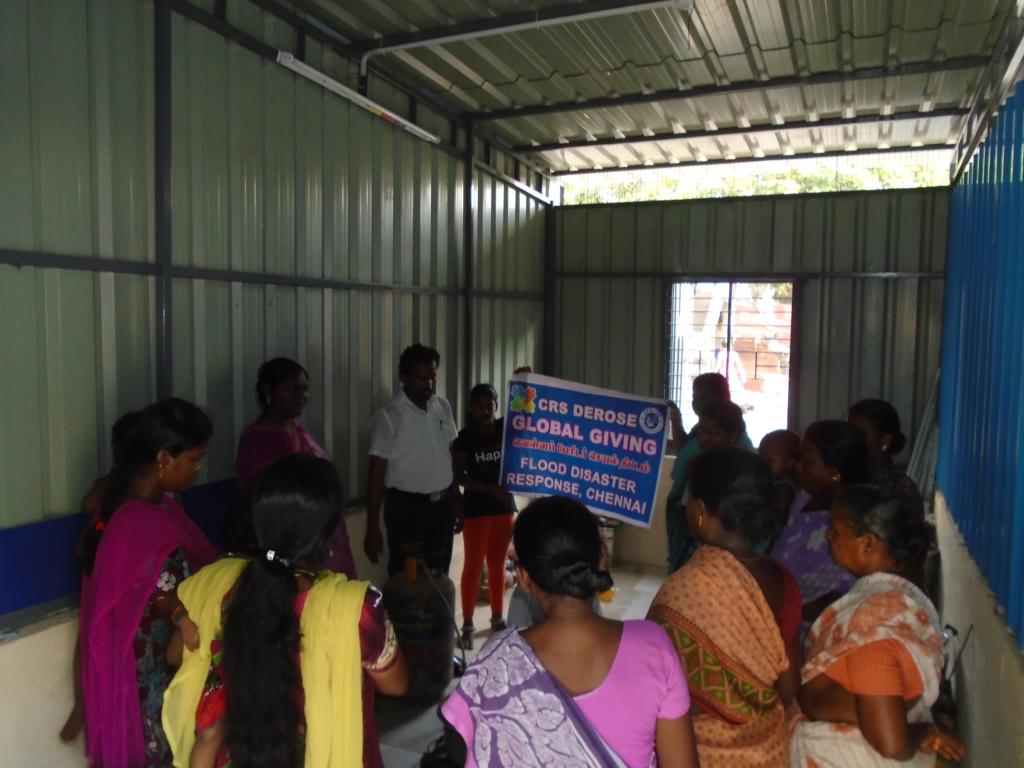
EVACUATION PROCEDURES
Share on Twitter Share on Facebook

Oct 6, 2016
SUCCESSFUL BEGINNING THRO GLOBAL GIVING ASSISTANCE

By DR. J. TAGORE DEROSE | DIRECTOR

Oct 6, 2016
DISASTER MANAGEMENT TRAINING AT THOOTHUKUDI

By DR. J. TAGORE DEROSE | DIRECTOR

About Project Reports

Project reports on GlobalGiving are posted directly to globalgiving.org by Project Leaders as they are completed, generally every 3-4 months. To protect the integrity of these documents, GlobalGiving does not alter them; therefore you may find some language or formatting issues.

If you donate to this project or have donated to this project, you can receive an email when this project posts a report. You can also subscribe for reports without donating.

Sign up for updates

Organization Information

Chevaliar J.L.P. Roche Victoria K.S.G. Memorial Trust Society

Location: Tuticorin, Tamil Nadu - India
Website:
Chevaliar J.L.P. Roche Victoria K.S.G. Memorial Trust Society
James Tagore Derose
Project Leader:
James Tagore Derose
Tuticorin , Tamil Nadu India

Funded Project!

Combined with other sources of funding, this project raised enough money to fund the outlined activities and is no longer accepting donations.
   

Still want to help?

Find another project in India or in Disaster Response that needs your help.
Find a Project

Learn more about GlobalGiving

Teenage Science Students
Vetting +
Due Diligence

Snorkeler
Our
Impact

Woman Holding a Gift Card
Give
Gift Cards

Young Girl with a Bicycle
GlobalGiving
Guarantee

Get incredible stories, promotions, and matching offers in your inbox

WARNING: Javascript is currently disabled or is not available in your browser. GlobalGiving makes extensive use of Javascript and will not function properly with Javascript disabled. Please enable Javascript and refresh this page.