Project Report
| Jul 19, 2026
Nigeria Is Facing a Severe Hunger Emergency
By JACKSON AMEH | Project Leader
![]()
The crisis unfolding in Benue State is part of a much larger and deeply troubling hunger emergency affecting the entire nation of Nigeria. According to projections by the United Nations World Food Programme (WFP), nearly 35 million people across Nigeria could face acute and severe food insecurity during the 2026 lean season. WFP has described this situation as the country’s worst level of hunger in a decade, highlighting the urgent need for widespread humanitarian intervention.
In addition to these staggering numbers, the United Nations has issued a grave warning that approximately three million children in Nigeria are at risk of severe malnutrition in 2026. These children face life-threatening conditions without immediate and sustained nutritional support.
Conflict and violence exacerbate this hunger crisis in profound ways. Armed clashes and insecurity prevent farmers from accessing their land, disrupting vital planting and harvesting cycles. Food reserves are destroyed, markets are closed, transportation routes are blocked, and household incomes are dramatically reduced. Families who once relied on their own farms for sustenance find themselves suddenly dependent on humanitarian aid to meet even their most basic needs.
Benue State is widely recognized as one of Nigeria’s major agricultural hubs, producing food not only for local consumption but also for wider distribution. When farming communities are repeatedly displaced by violence, the impact extends far beyond individual families. It leads to significantly reduced food production, increased pressure on already scarce food supplies, and deepening hunger throughout the region.
This crisis demands urgent attention and support to prevent further suffering and loss.
Links:
Jul 19, 2026
When Families Are Forced to Depend on Aid
By JACKSON AMEH | Project Leader
![]()
When Self-Reliant Families Are Forced to Depend on Food Aid
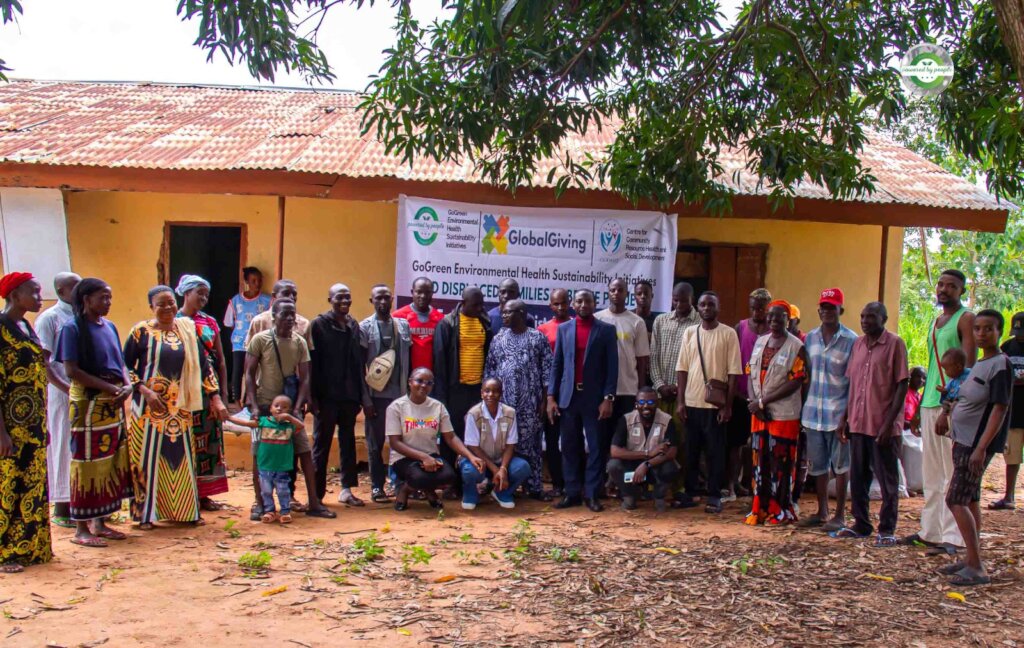
Families supported by GoGreen once thrived through their own determination and resilience. They cultivated their land, raised livestock, and traded in local markets—providing for their children’s education, investing in brighter futures, and uplifting entire communities. These families were not just survivors; they were backbones of the local economy and pillars of hope for generations.
But all it takes is a single act of violence to erase a lifetime of hard work. In mere moments, families lose everything—their homes, precious crops, farming tools, livestock, land, and their only sources of income. The security and dignity they built vanish, replaced by fear and relentless hardship.
Imagine a mother, once able to nourish her children from her own harvest, now staring at empty shelves and hungry faces. Imagine a father, whose calloused hands once provided, now trapped by insecurity and unable to work the land he loves. Forced to flee, their lives are uprooted, leaving them vulnerable and desperate.
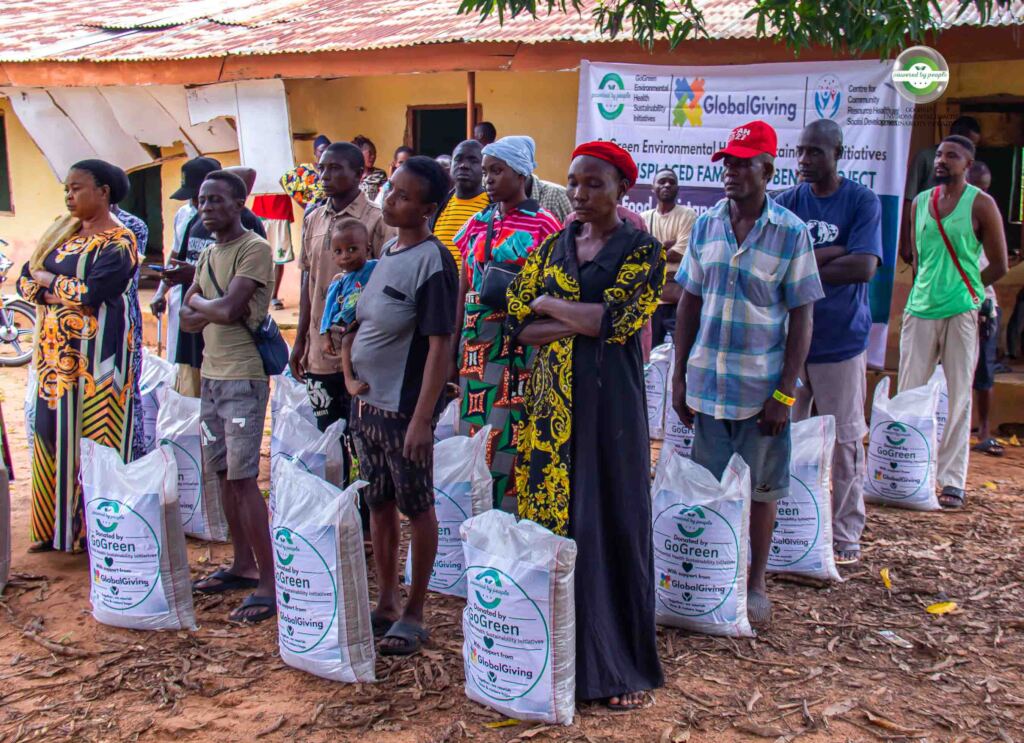
For these families, food assistance is not charity—it is a lifeline. It is a compassionate response to devastating loss, ensuring that hope endures when all else has been stripped away.
Your support has the power to restore dignity, hope, and the possibility of a new beginning. By joining us, you become the reason these families can survive today—and rebuild for tomorrow.
Jul 19, 2026
But the Need Has Become Even Greater
By JACKSON AMEH | Project Leader
![]()
When we first launched this project, our goal was to provide support to thousands of displaced individuals and families who were struggling to rebuild their shattered lives. We envisioned offering a foundation of hope and assistance to those who had been uprooted, helping them to regain some stability amid the chaos. However, the situation has since deteriorated far beyond our initial expectations.
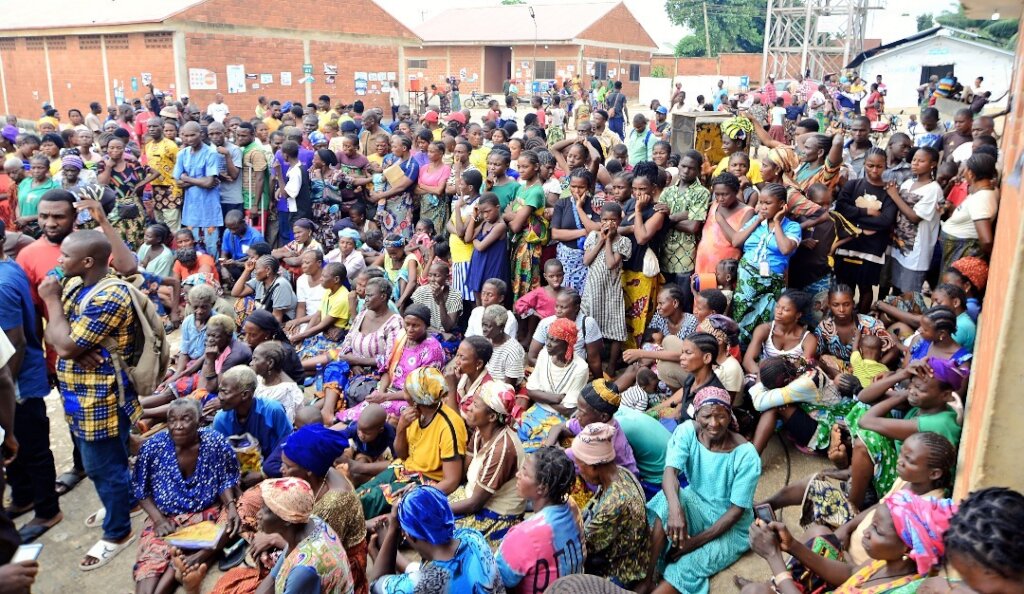
Today, the ongoing conflict has caused even more families to be displaced, forcing entire communities to leave behind their homes, possessions, and familiar surroundings. Neighborhoods and villages that were once bustling with life and activity now stand empty and silent, a stark reminder of the toll this crisis has taken on countless lives. The flow of new arrivals into displacement camps continues unabated, with each day bringing fresh faces seeking refuge and aid.
As a result, the number of vulnerable households in urgent need of assistance is growing at an alarming rate. The demand for humanitarian aid—such as food, clean water, shelter materials, hygiene supplies, and protection—is increasing steadily, while the resources available to meet these needs remain painfully insufficient. This imbalance has created a severe gap between what is required and what can be provided.
This escalating crisis demands urgent attention and action. It is a call to all of us to stand with those who have lost so much and to help provide the lifeline they so desperately need. Your support no matter how little is helping to keep hope alive for affected families.
Thank you sincerely,