Project Report
| Nov 10, 2025
Understanding the County's tax policy: KIFA
By George Obua | Project Leader
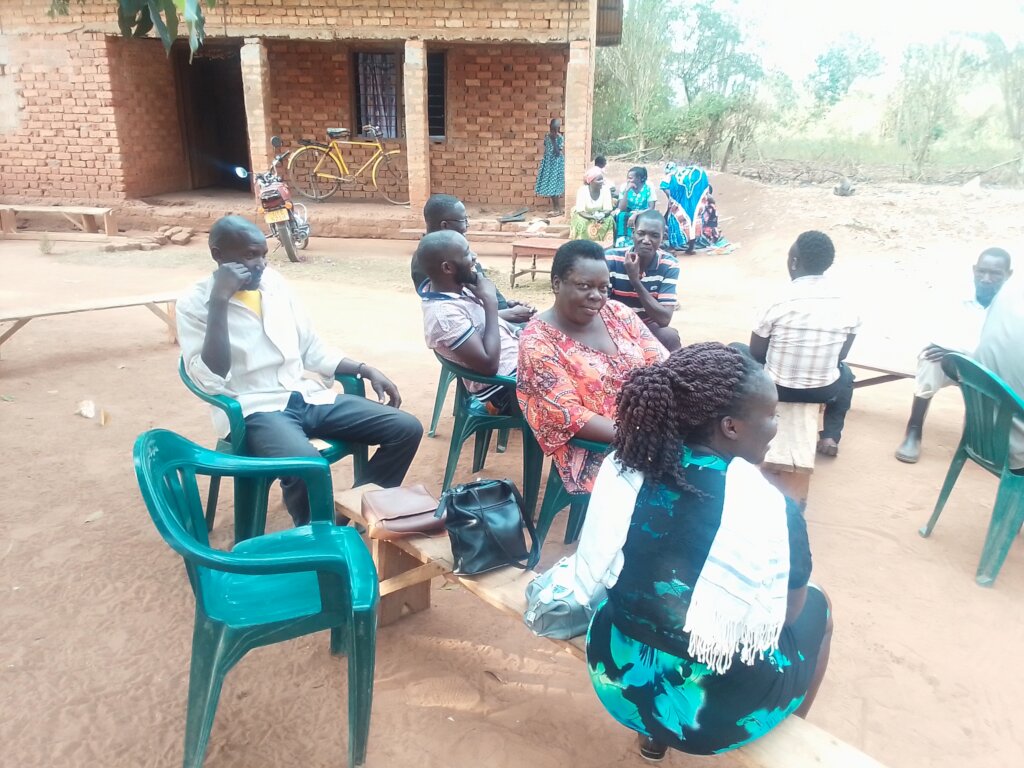
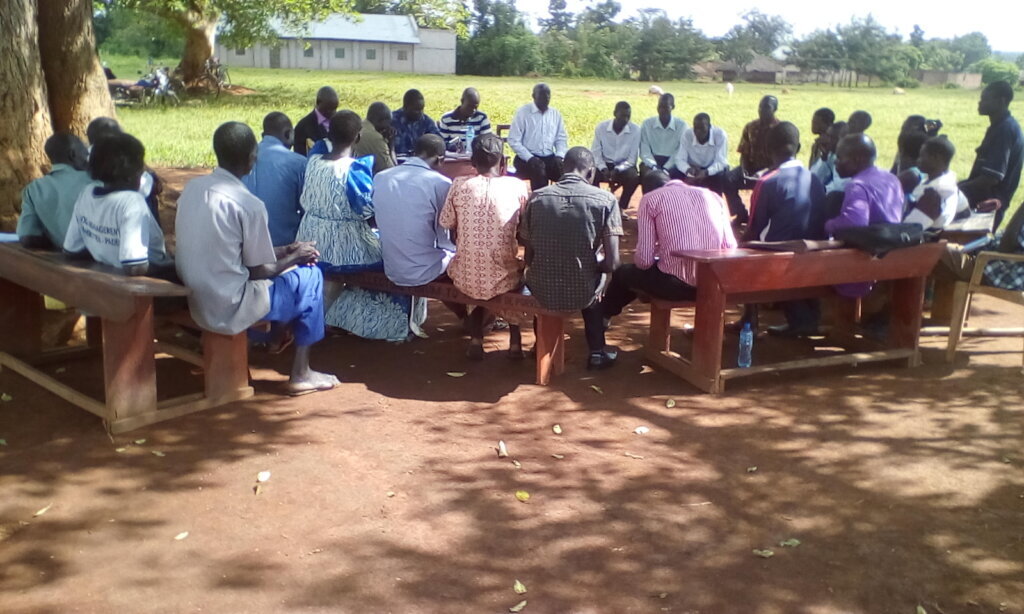
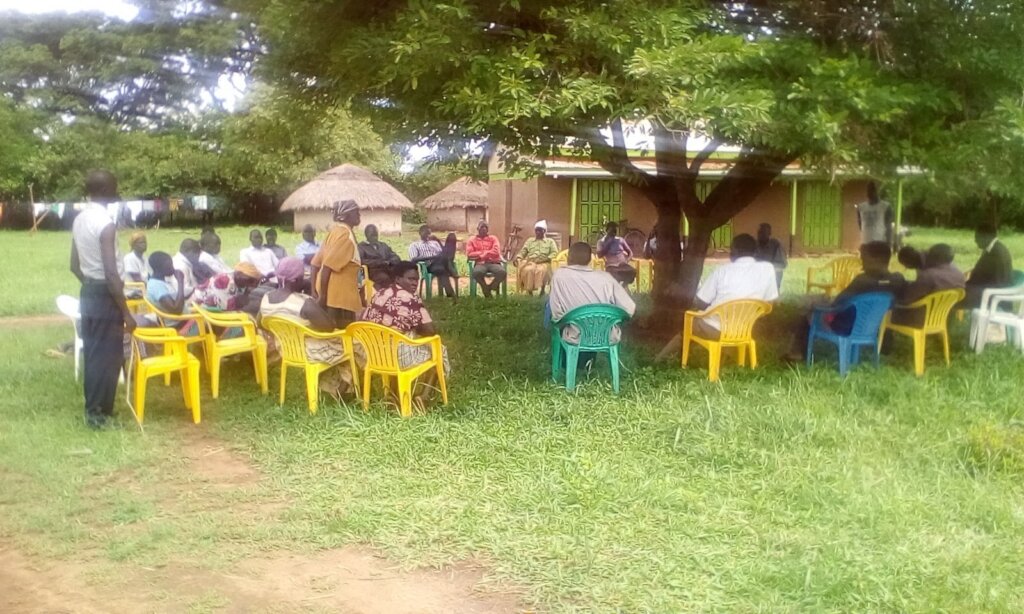
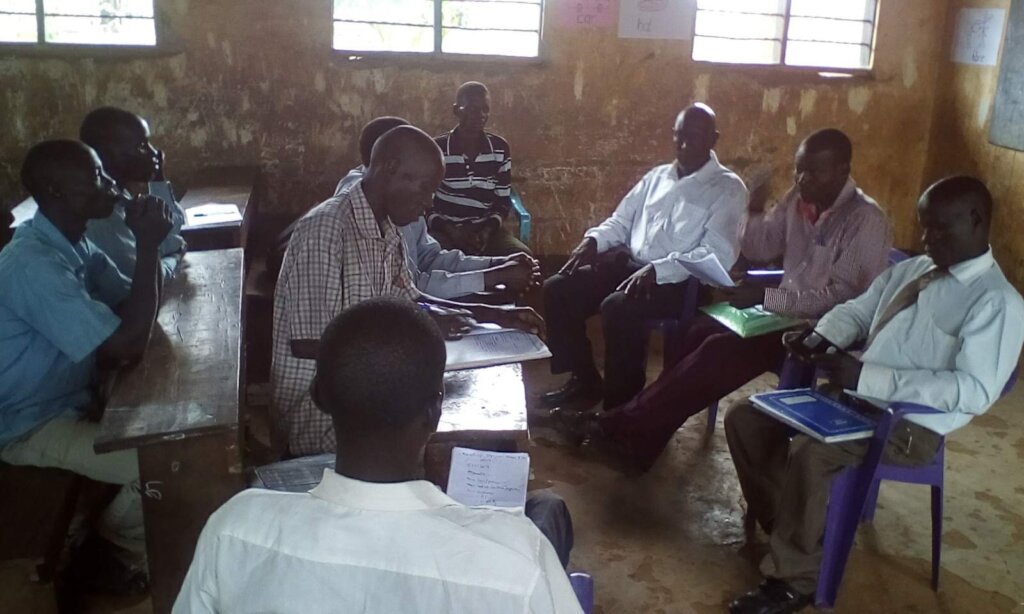
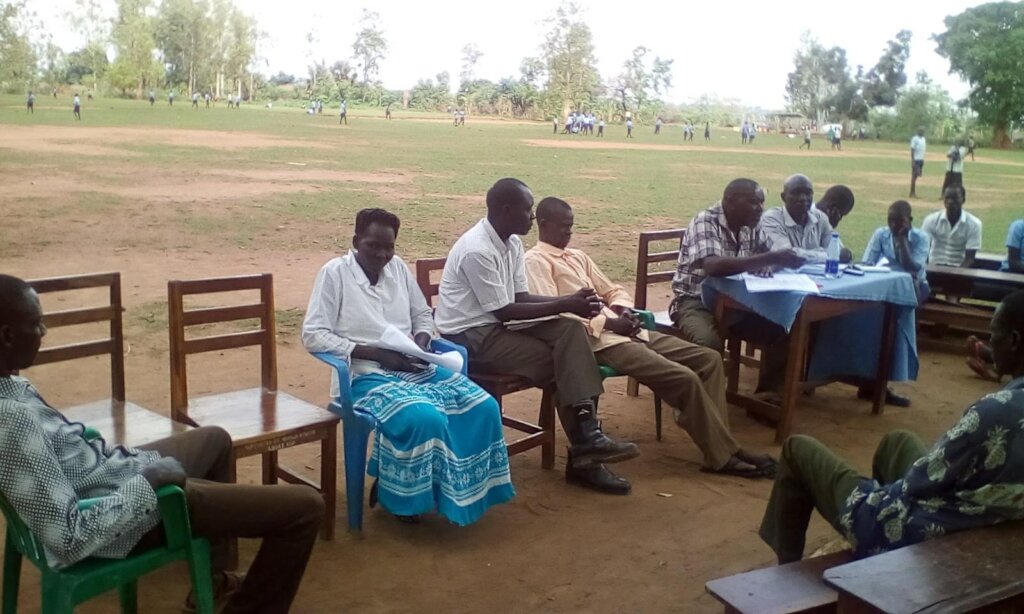
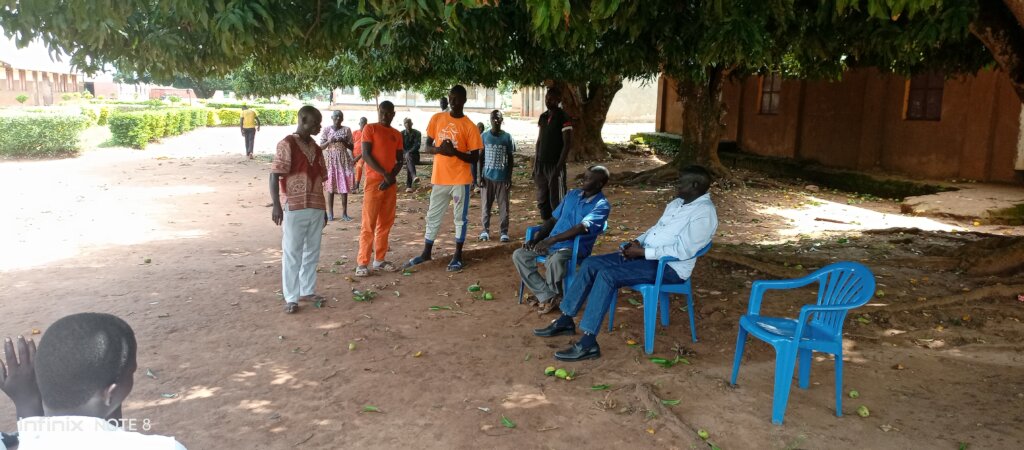
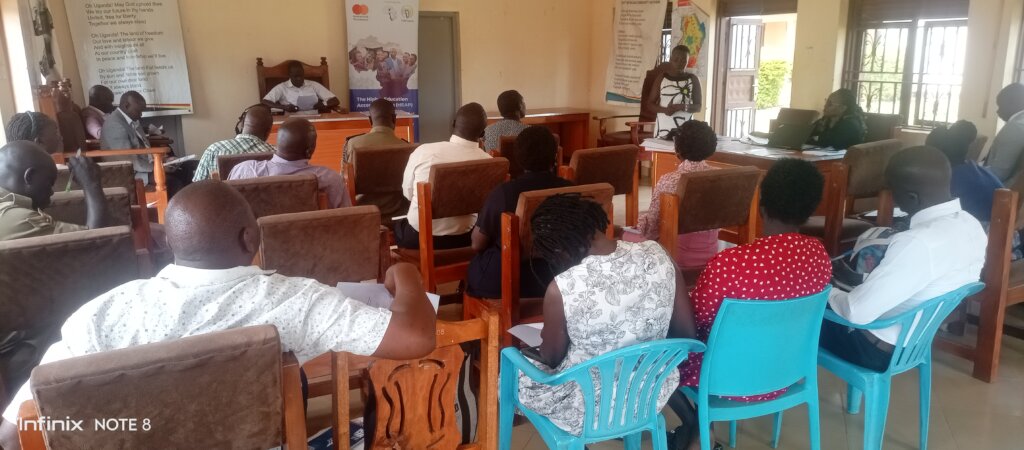
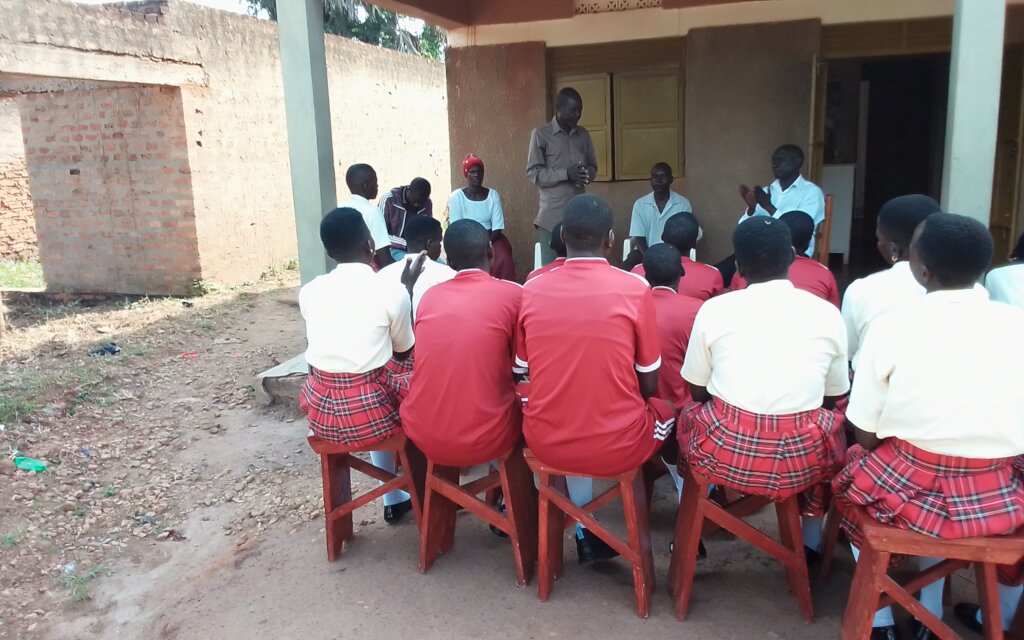
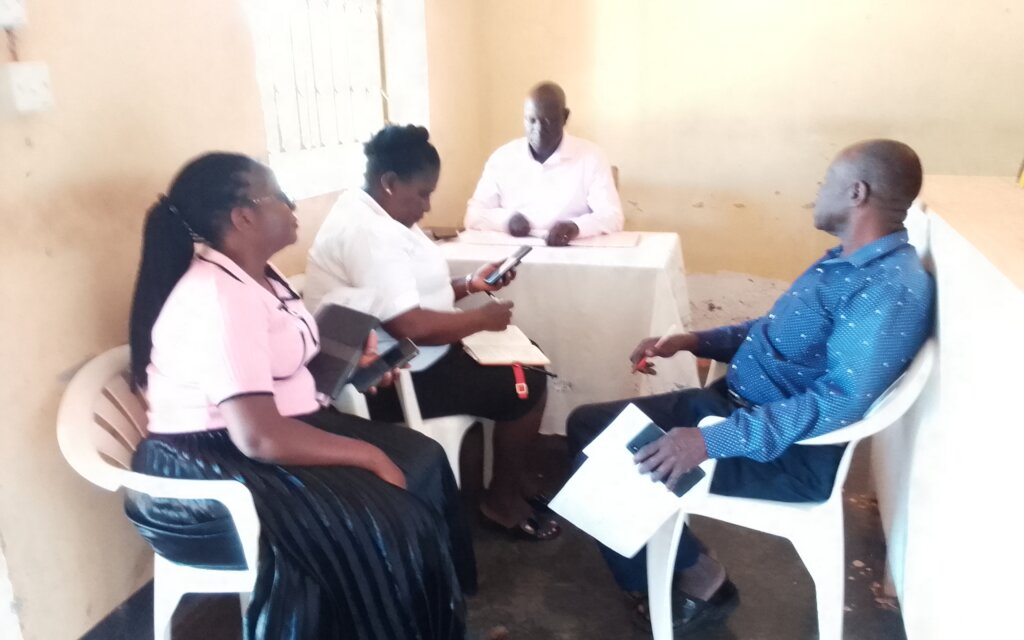
![URA Tax education session ongoing attended: KIFA]()
URA Tax education session ongoing attended: KIFA
Understanding the County’s tax policy by Kole Intellectual Forum (KIFA)
Kole Intellectual forum is one of such nonprofit organizations that attempts to obey the law and policies of its country. To be An NGO that can understand the context of tax policy with the aim of be ensuring legal compliance and also to avoid penalties; the organization is strategically managing its financial viability and sustainability by operating within the tax policy that enable its team to participate in advocacy and shaping the legal environment that governs the non-profit sector.
By attending to all the Uganda Revenue Authority’s educational sector meetings; the organization (Kole Intellectual Forum) is able to exercise its legal duties base on operational and Financial Reasons as numerated below, that:

- Legal Compliance and Risk Mitigation: Understanding tax laws is crucial for adhering to national regulations, which helps NGOs avoid fines, sanctions, or even legal action. This includes regulations regarding income tax, Value Added Tax (VAT), customs duties, and payroll taxes.
- Maintaining Tax-Exempt Status: NGOs typically have a special tax-exempt status, but this is a privilege, not an automatic right. They must follow specific guidelines, such as ensuring income is used for their stated charitable purposes and not for private gain, and filing regular financial reports. A lack of understanding can jeopardize this status.
- Effective Financial Planning: Knowledge of tax obligations allows an NGO to accurately forecast its budget, manage its resources efficiently, and plan for any potential tax liabilities on unrelated business income or property, ensuring financial stability.
- Optimizing Funding and Resources: Tax policies influence how NGOs can raise funds, manage donations, and allocate resources. For example, policies on tax-deductible donations affect donor incentives and, consequently, the level of charitable contributions. Understanding these dynamics enables NGOs to diversify their funding streams and maximize their income.
Nov 6, 2025
Empowering Students in speech and reading
By George Obua | Project Leader
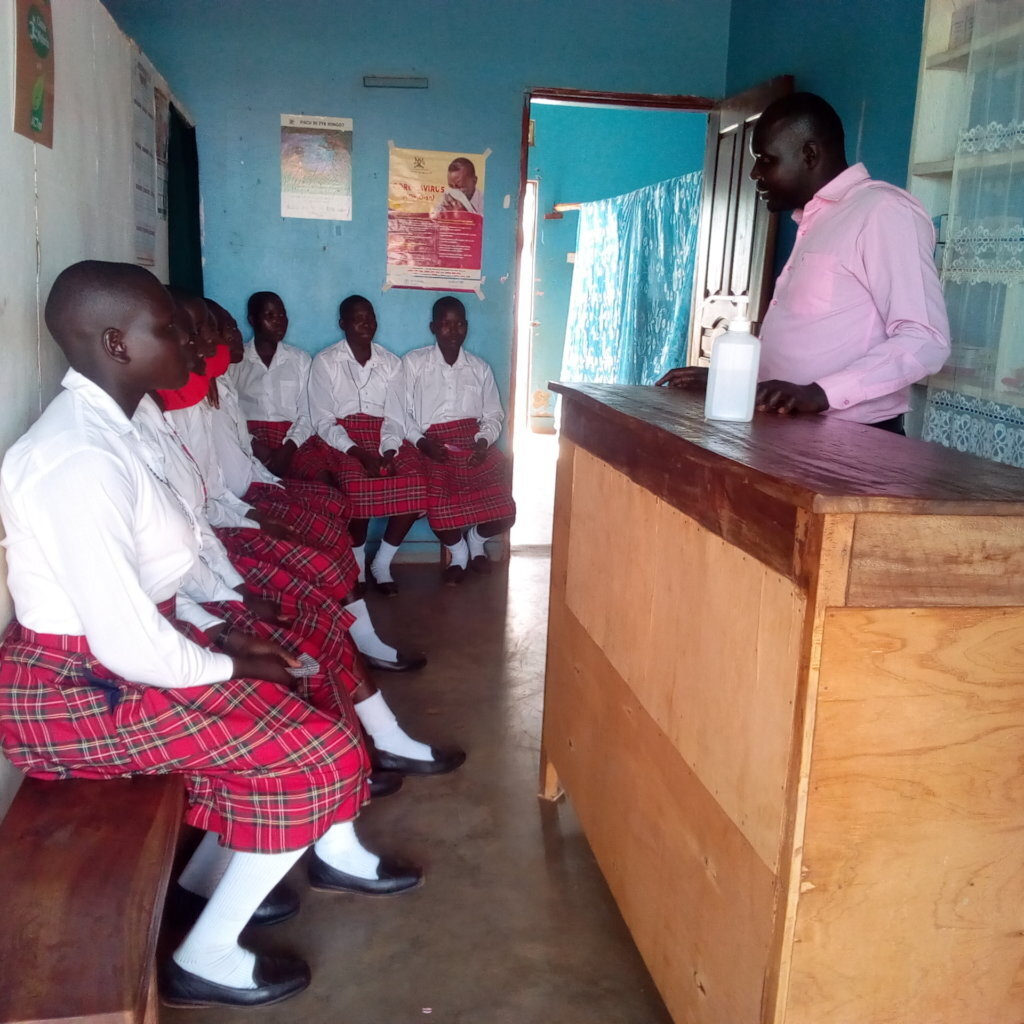
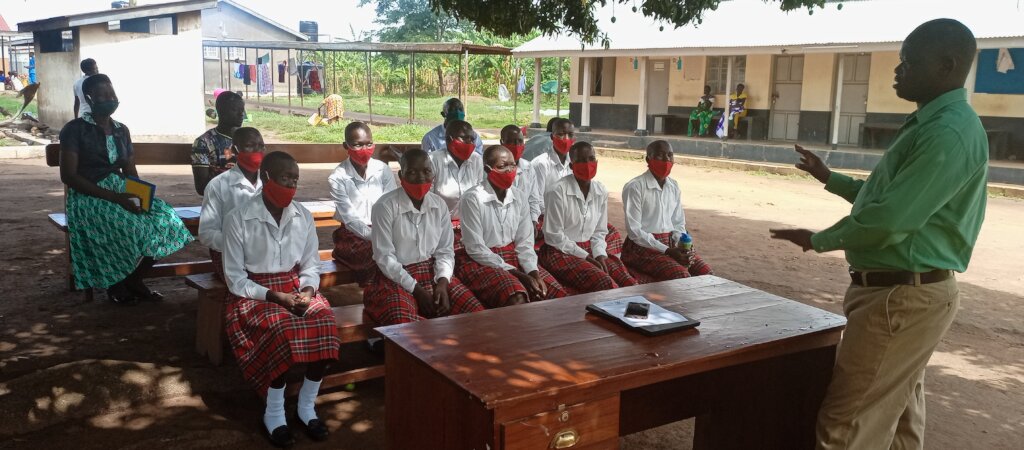
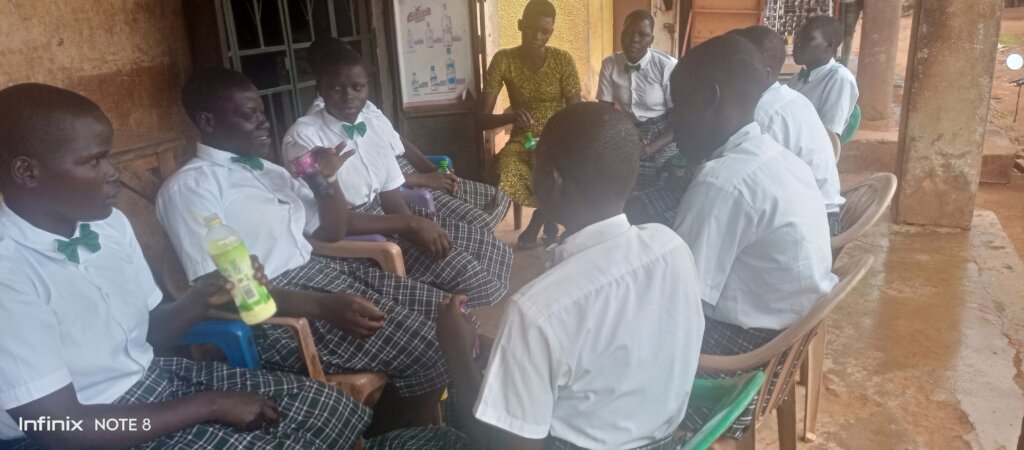
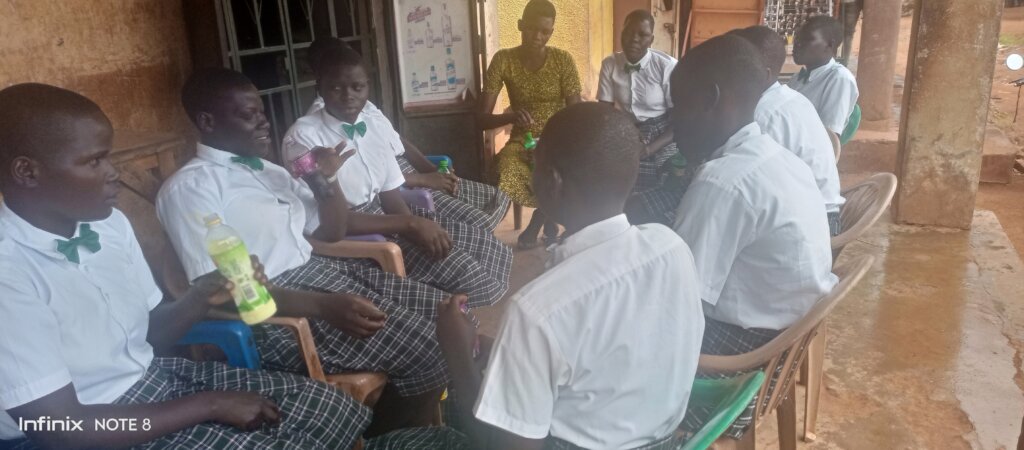
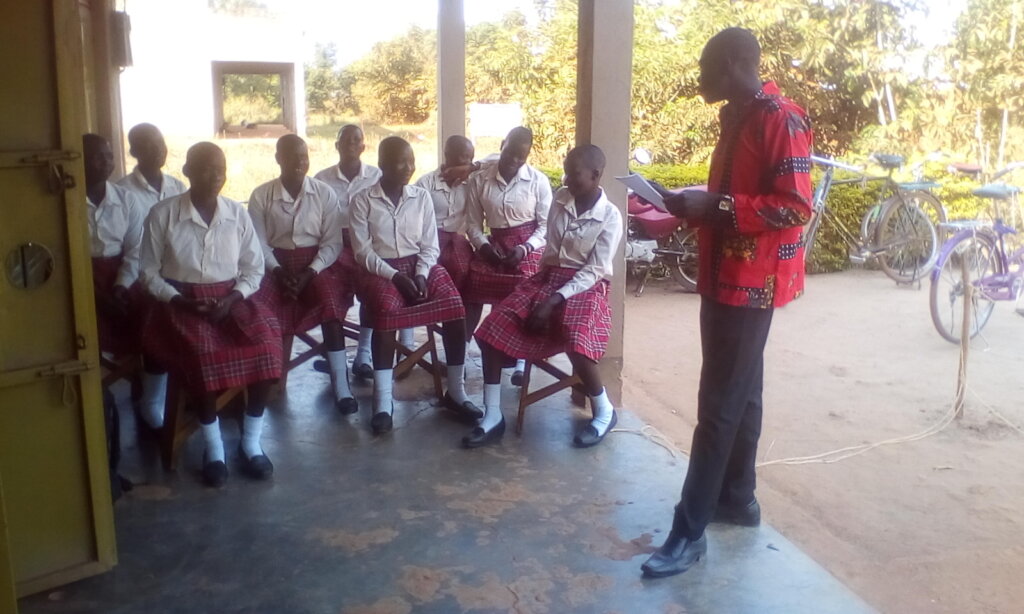
![Empowerment through reading and speech: study]()
Empowerment through reading and speech: study
Empowering Students in speech and reading
By empowering students of Kole Intellectual Forum to foster ownership in their speeches and engage them in growth mindset in reading; Kole Intellectual Forum, at their Institute of Home Economics is giving their students in making choices in their reading materials, making learning interactive with games and technology, and explicitly teaching them skills like "brain talk" to build resilience and confidence.
In practice, they:
- Provide choice and variety: by allowing their students to choose their own reading materials based on their interests and provide access to a wide variety of texts, from novels to magazines.
- Encourage extensive reading that helps their students to build stamina by reading with them in the classroom rather than only assigning it as homework.
- Integrate technology: by using tools like tablets for annotating passages, which can make reading more interactive and engaging.
- Focus on skills: students are taught the skills they need to choose the right text and provide explicit instruction on how words work, including using morphology and Latin roots.
- Make it fun: Incorporate games, physical movement, and rewards to keep reading enjoyable and motivating.
- Promote reading speed: Practice timed reading exercises to improve fluency and speed.
- Establish clarity and purpose: make them to clearly communicate their goals in speech sessions and this has help them to understand the purpose of their work.
- Promote independence: Empower students to take control of their own communication goals instead of relying solely on the caregiver or therapist to motivate them.
Nov 6, 2025
Celebratory of national identity and unity display
By George Obua | Project Leader
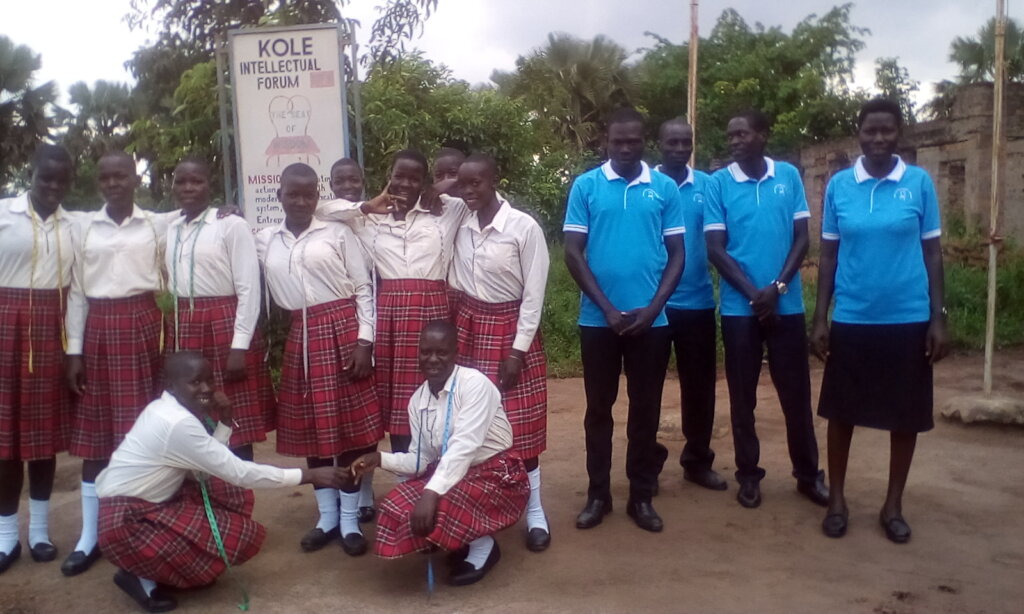
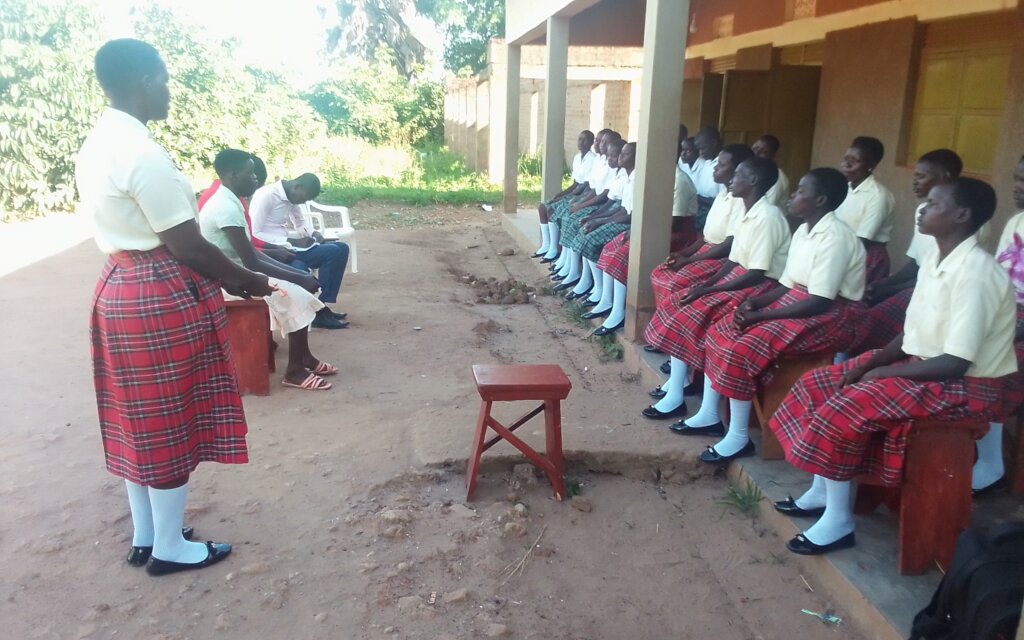
![Patriotism display during flag Ceremony]()
Patriotism display during flag Ceremony
Celebratory of national identity and unity displayed
In an actual sense, patriotism is one of the subjects taught at Kole Intellectual Forum’s Institute of Home Economics to display an action that expresses deep love, loyalty, and pride for the students to their nation - Uganda through dancing, with the national flag as a central visual symbol. This act is a powerful and celebratory display of national identity and unity.
By so doing that: it makes the students to display their sense of:
Expression in Patriotism: by publicly demonstrating their national pride, during their weekly assemblies at cultural events and ceremonies
Celebrating their National Identity: by dancing at the assemblies, they highlight their nation's values, history, and its collective identity to its people.
Cultural Performance: it serves as a vibrant and artistic way to honor the country
Unity and Commemoration: Such performances is meant to bring these students together, by allowing them to connect with their heritage and the shared their values of their nation.