Project Report
| Oct 10, 2026
Capacity building: A process of development KIFA
By George Obua | Project Leader
Capacity building: A process of development at KIFA
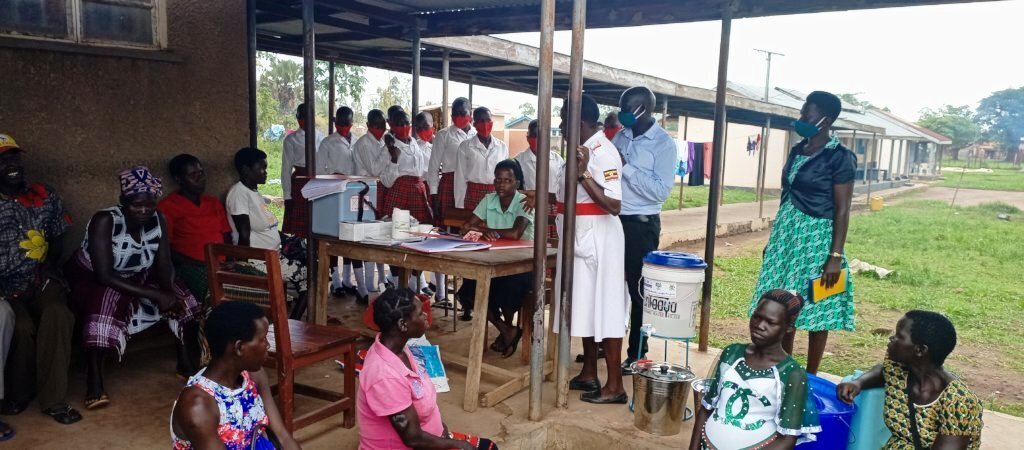
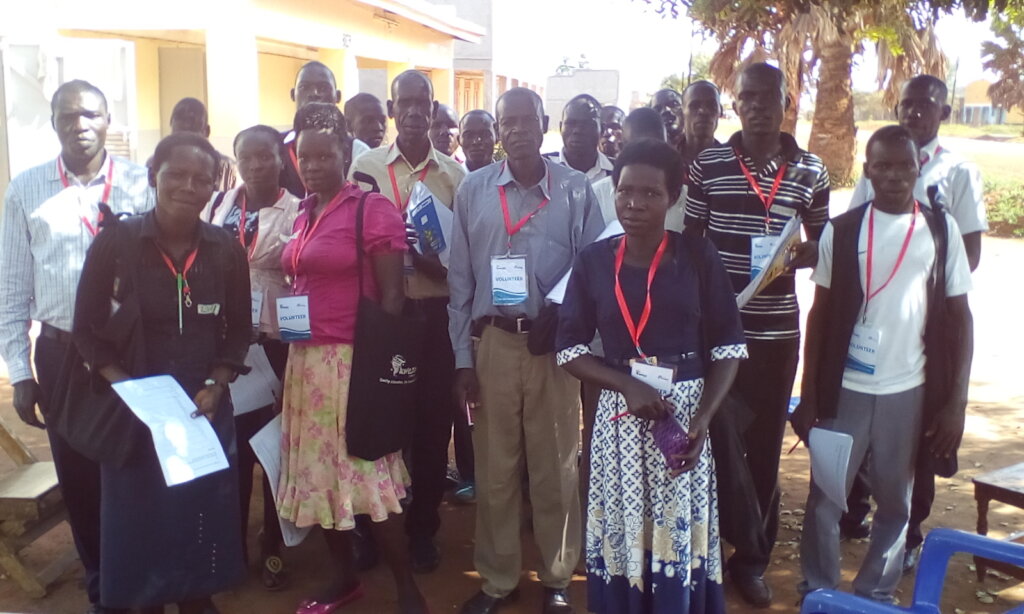
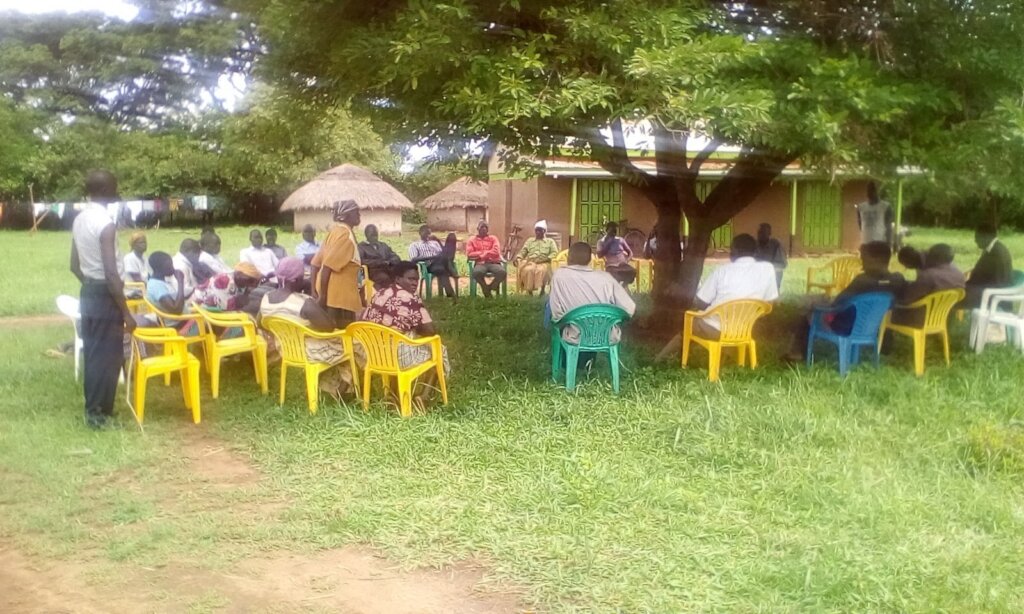
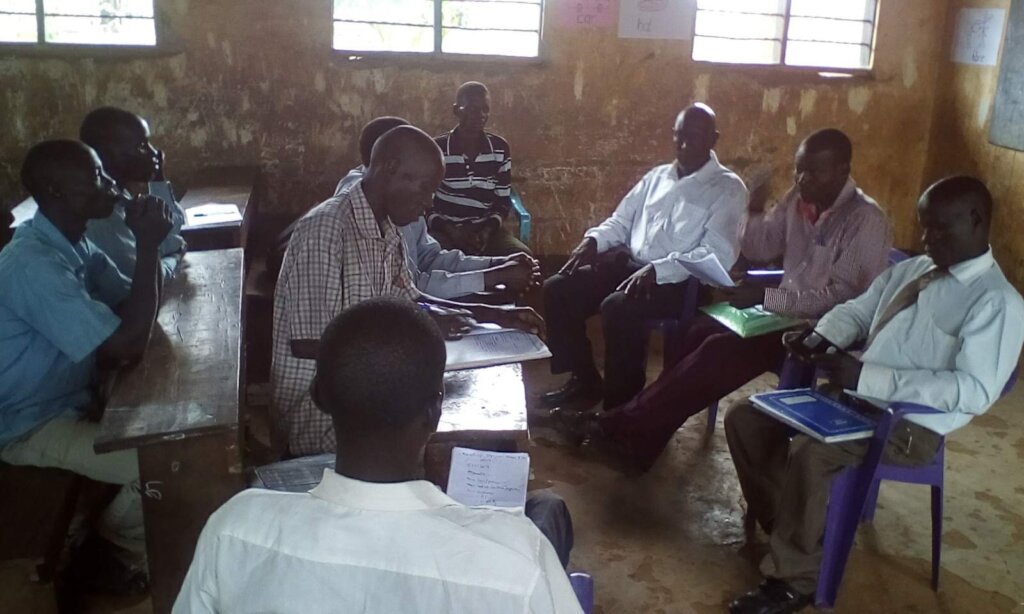
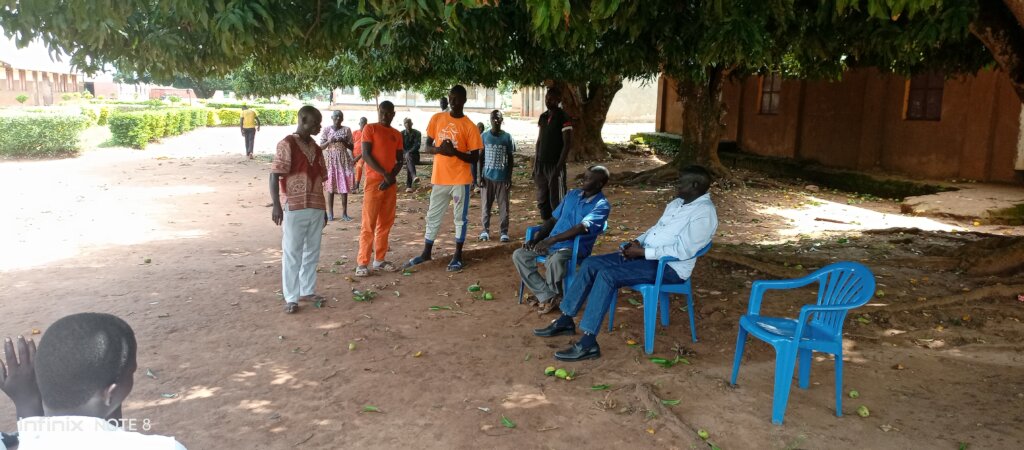
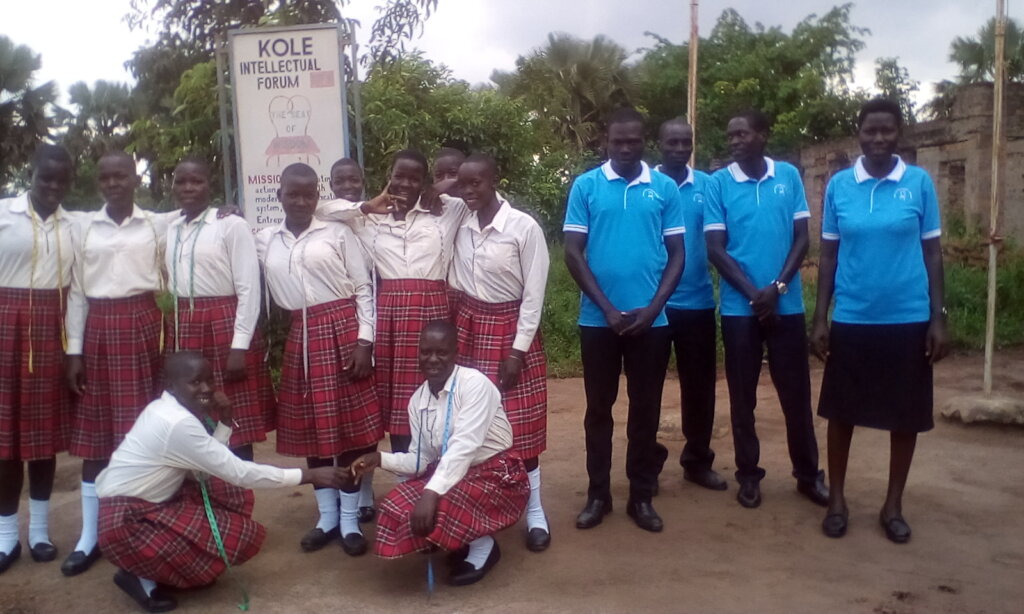
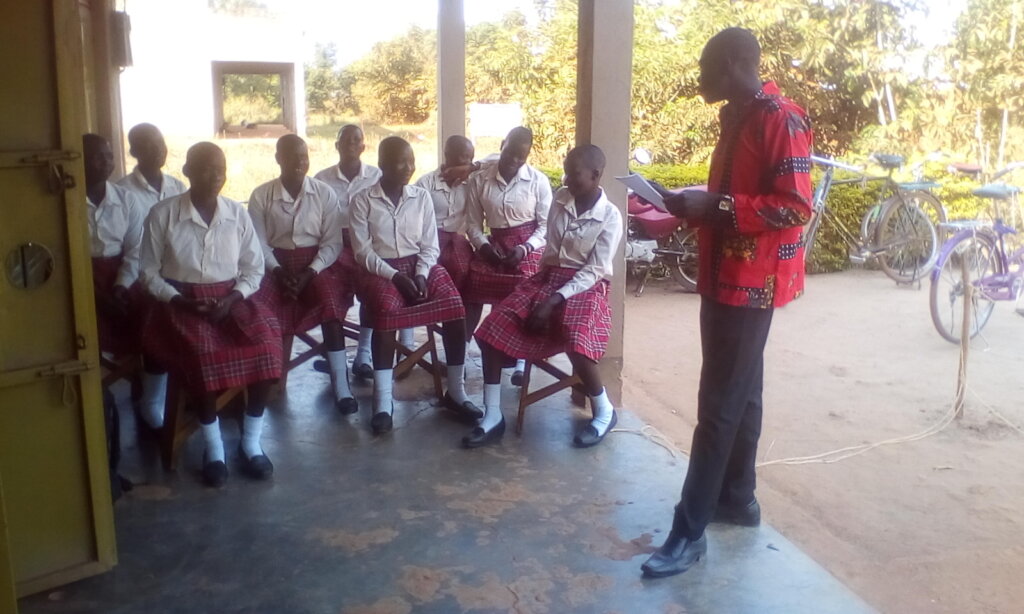
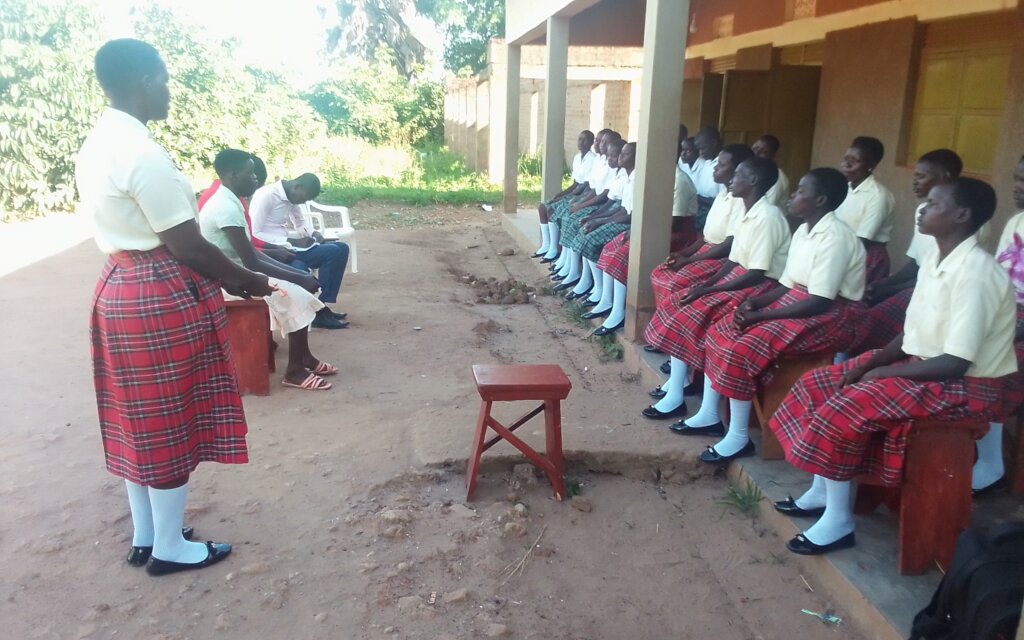
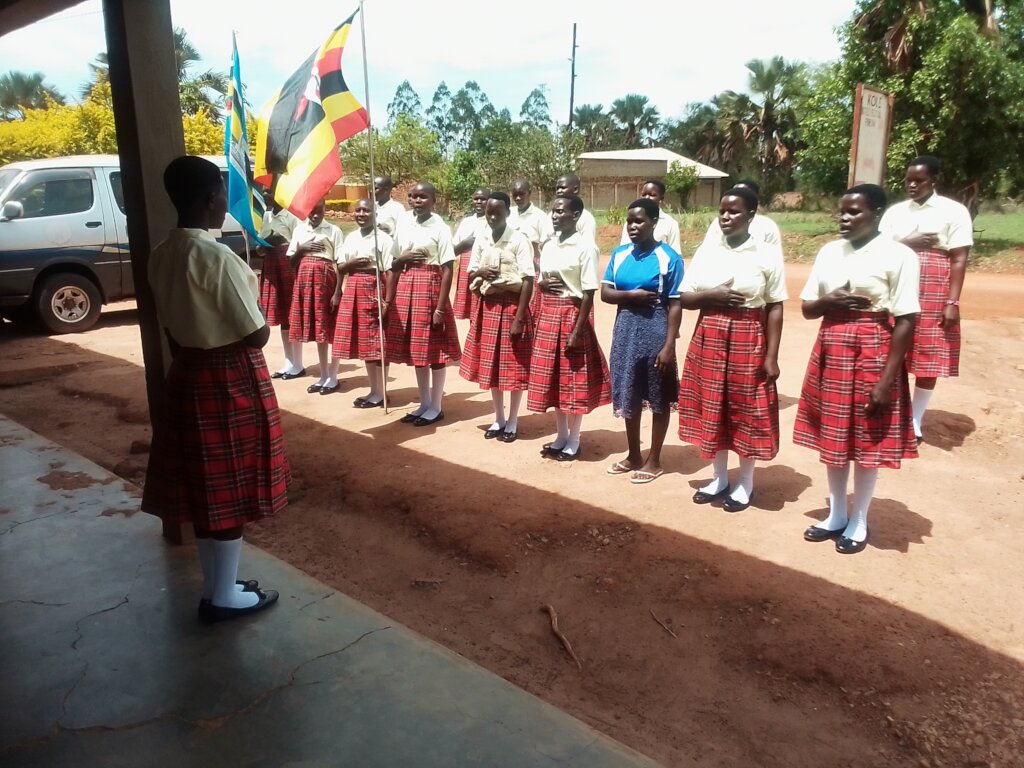
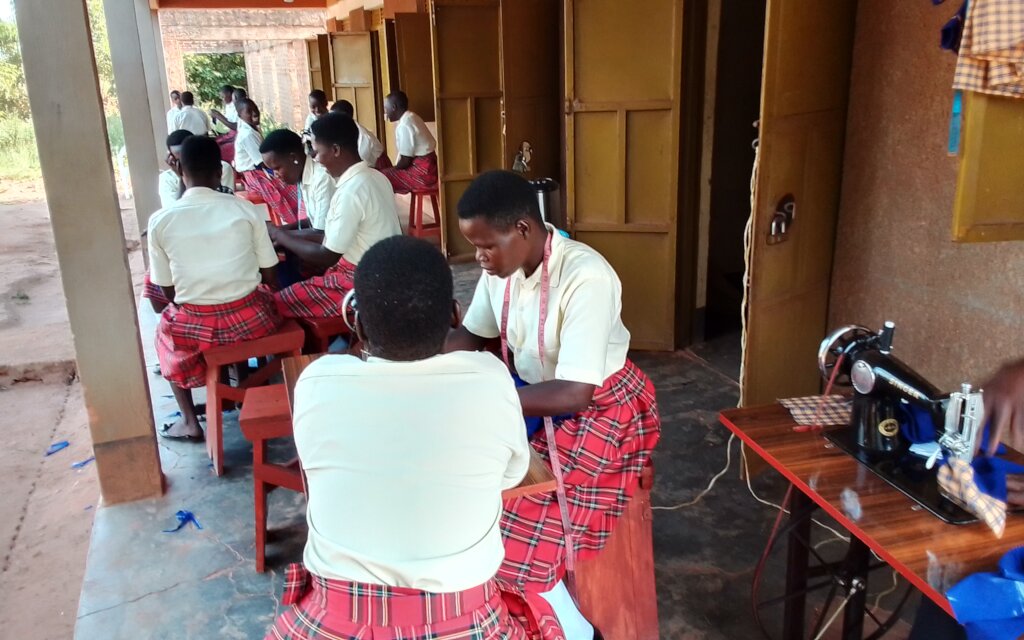
At KIFA (Kole Intellectual Forum), Capacity building is taken as an ongoing process of developing and strengthening the skills, knowledge, tools, and confidence that individuals, particularly their students and communities need to lead their own development and solve their local problems.
The organizational core Goals are to build on:
- Self-reliance: Empower local leadership so communities drive their own priorities rather than relying on external rescue.
- Transformation from within: Shift mindsets and build long-term resilience rather than just completing one-off tasks.
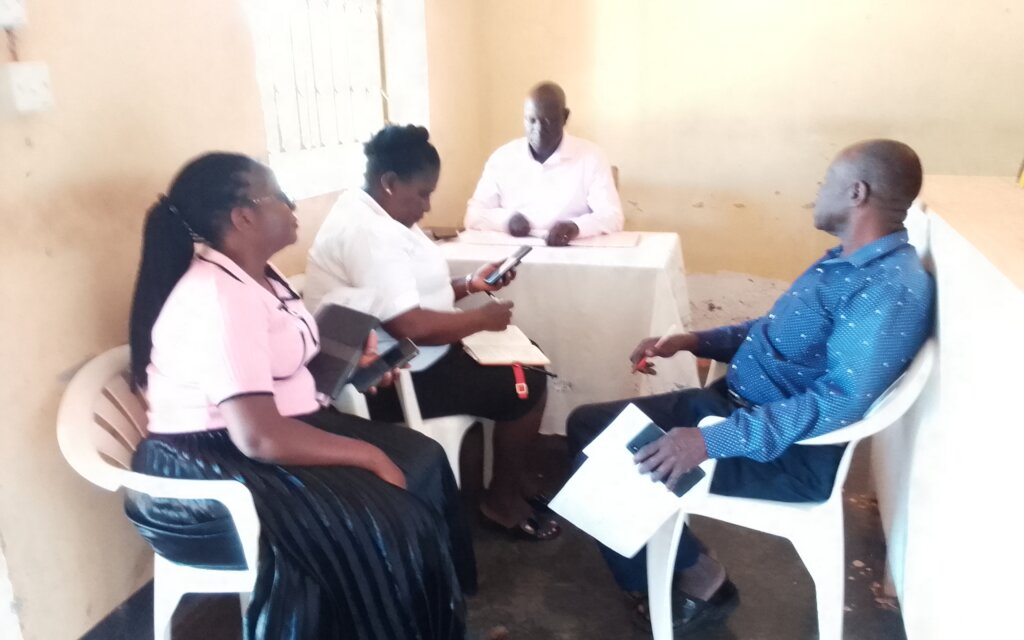
- Better resource use: Help community groups manage funds, engage local governments, and run programs effectively.
![Share on Twitter]()
![Share on Facebook]()
Oct 8, 2026
Engaging by boosting knowledge & sustainability
By George Obua | Project Leader
Engaging students by boosting knowledge and sustainability
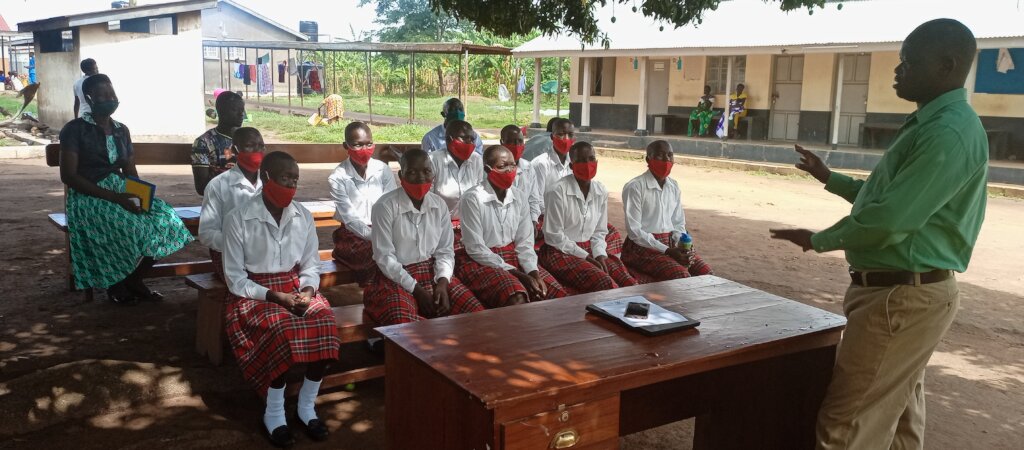
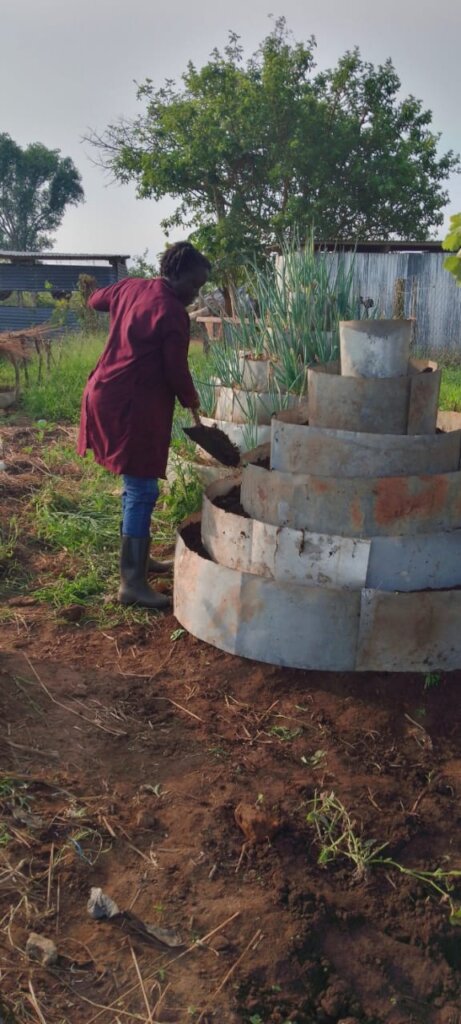
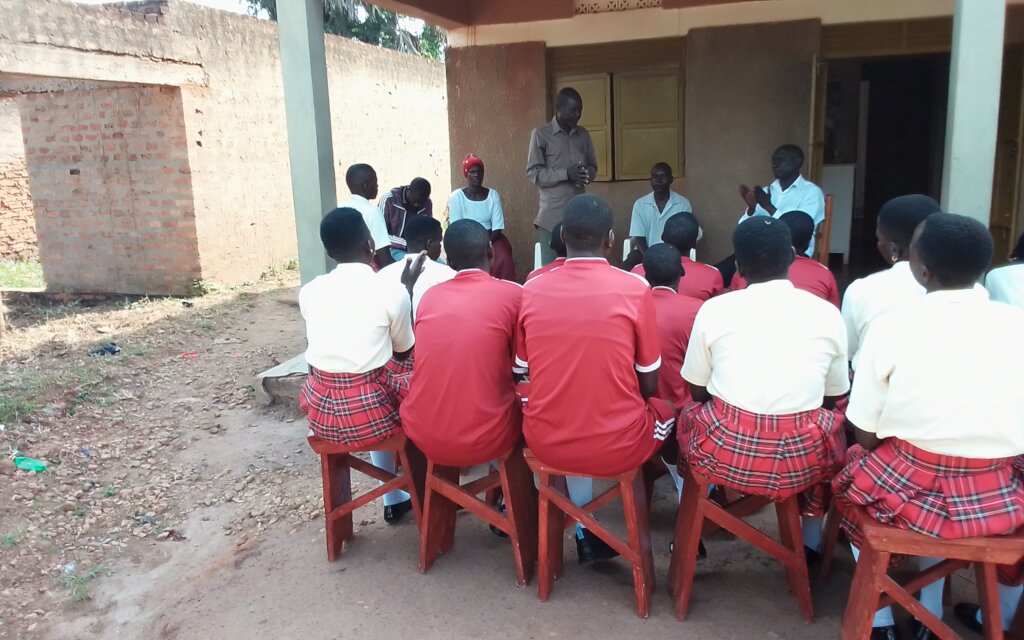
As the team of Kole Intellectual Forum (KIFA) has been assuming, they believe that, engaging their students by boosting their knowledge and sustainability would be their key to success. To go through this, the organization is focusing mainly either on education, promoting sustainable practices, and driving innovation. These particularly concerns include integrating sustainability into curricula, training employees, and encouraging individual action through daily choices and community engagement.
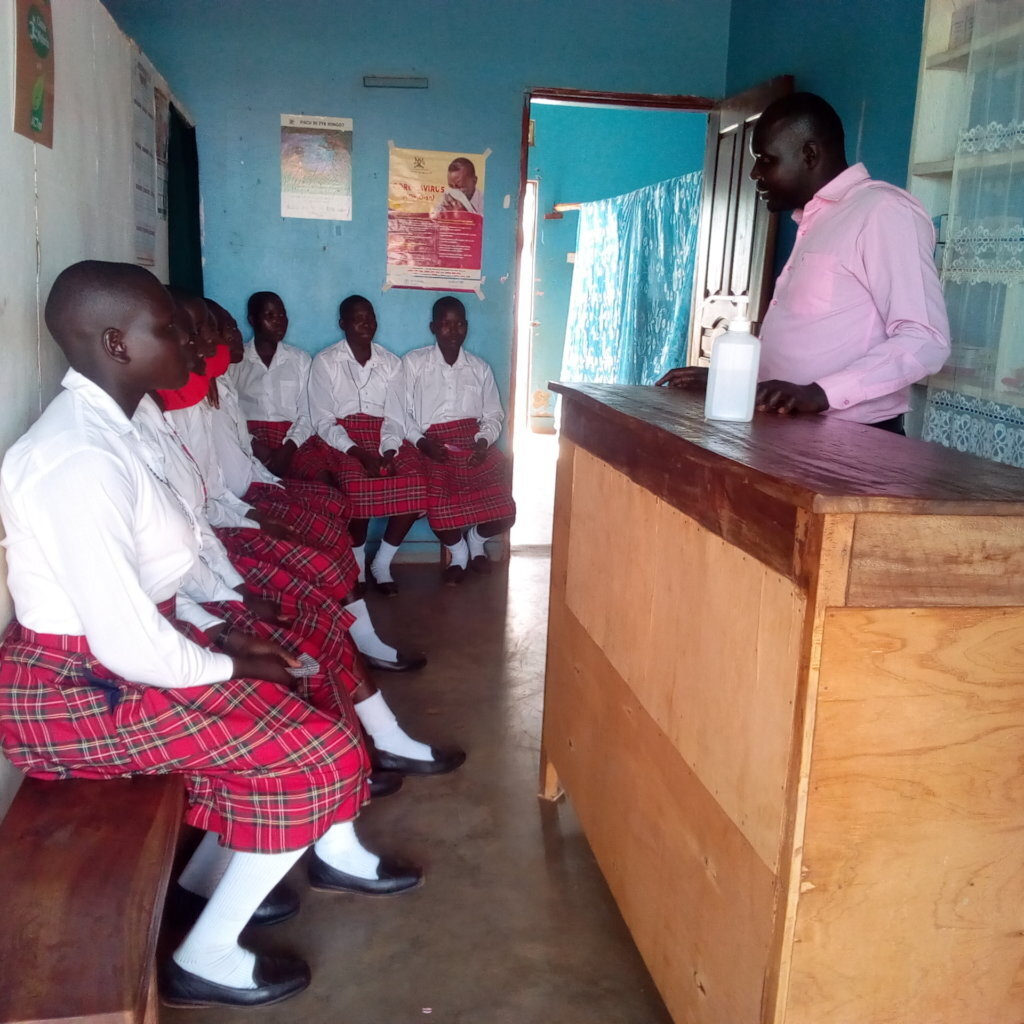
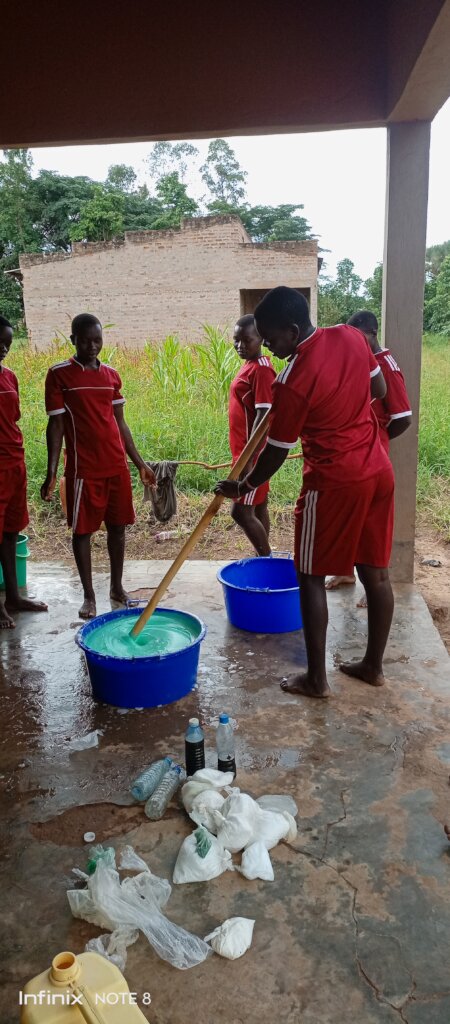
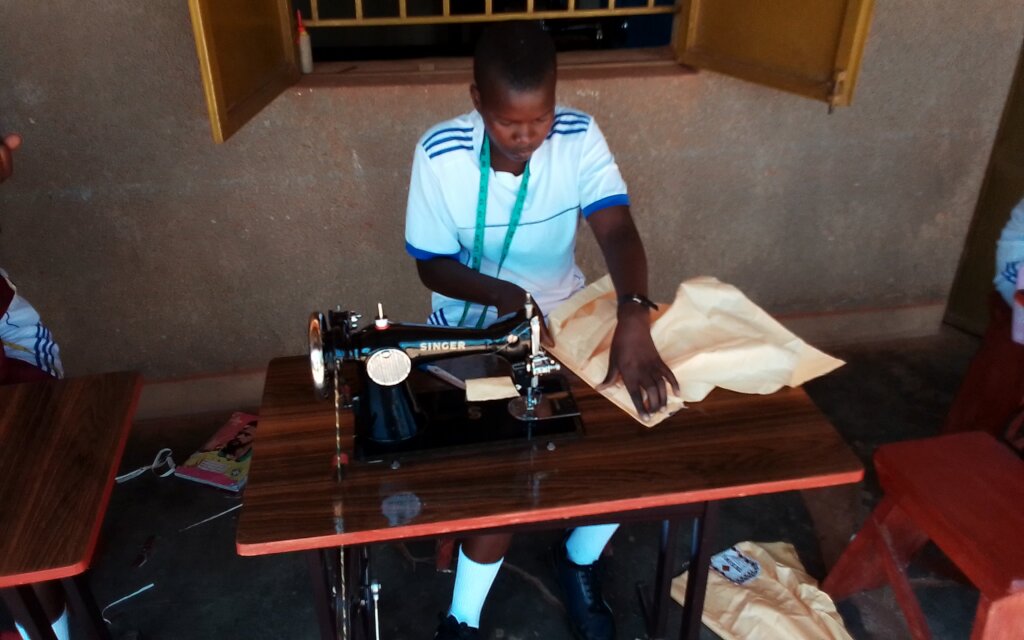
In the field of education, the team is trying to advocate for the integration in schools the teaching of sustainable projects through extra curriculum and by adopting green practices like waste reduction and energy efficiency; promoting organizational employee knowledge, by providing with training on sustainability and ESG (Environmental, Social, and Governance) principles to foster a culture of responsibility and equip employees with the skills to innovate, and by encouraging lifelong learning for individuals to pursue specific degrees in sustainability or simply staying informed about resource management through the principles of Home Economics
![Share on Twitter]()
![Share on Facebook]()
Oct 8, 2026
Parents involvement into their children's learning
By George Obua | Project Leader
Parents involvement into their children’s learning
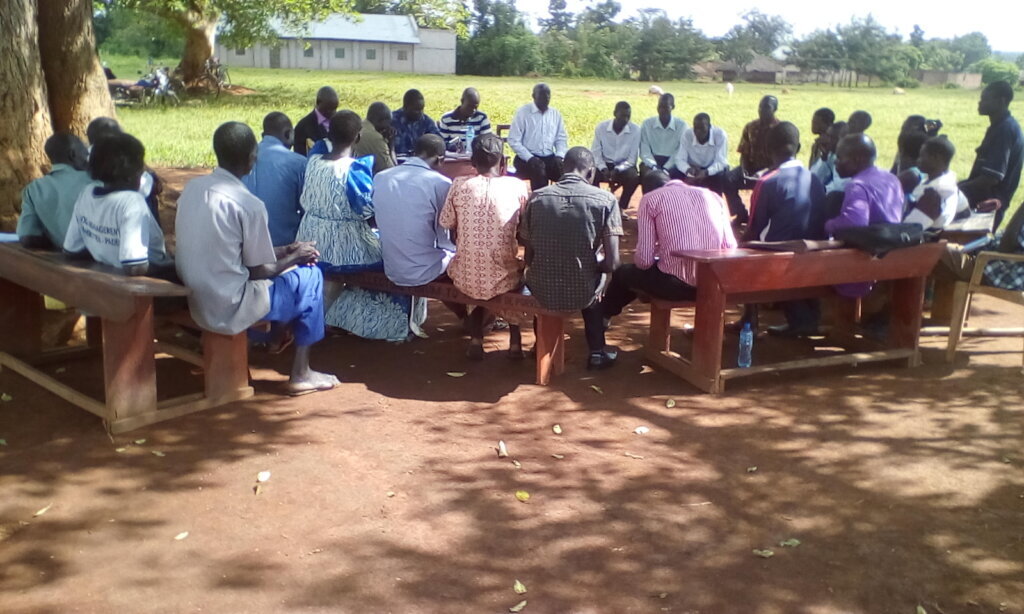
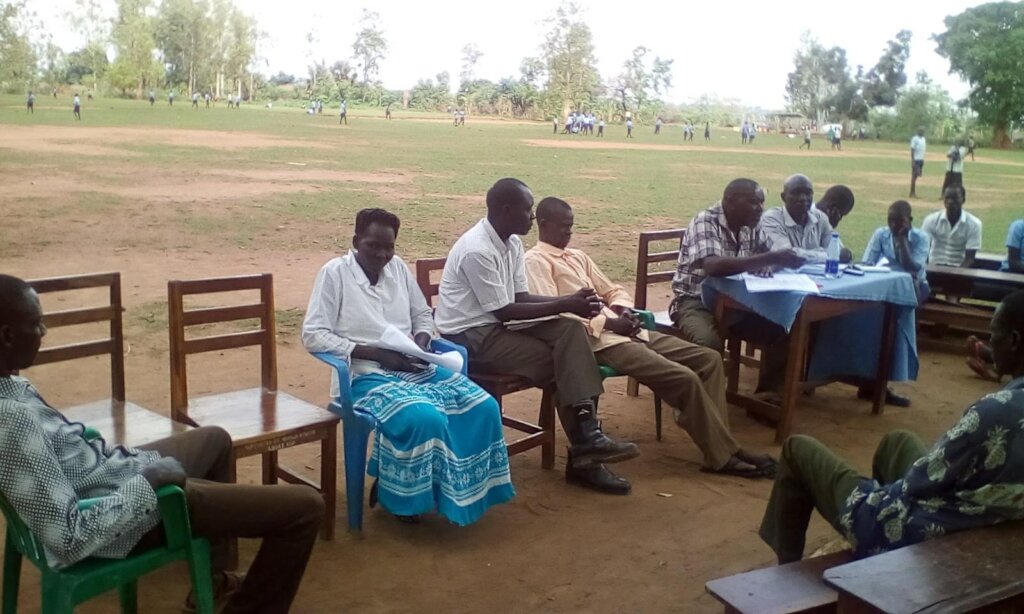
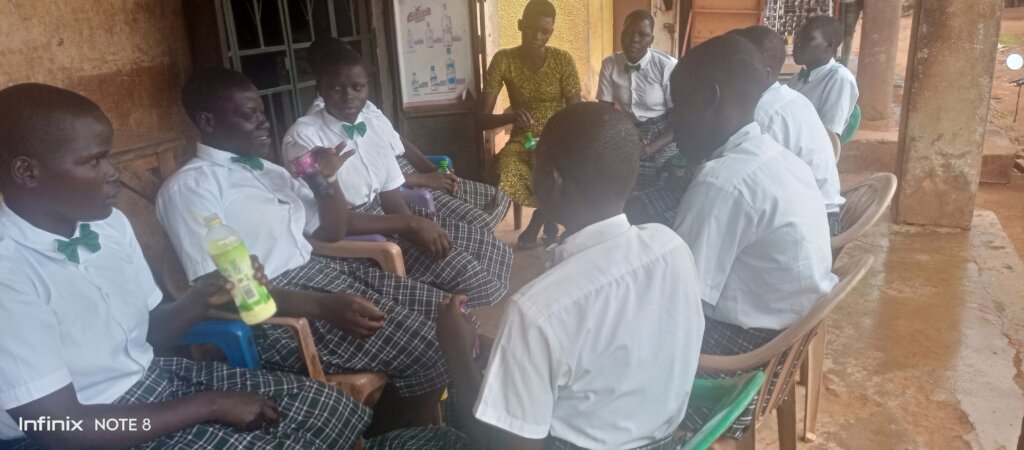
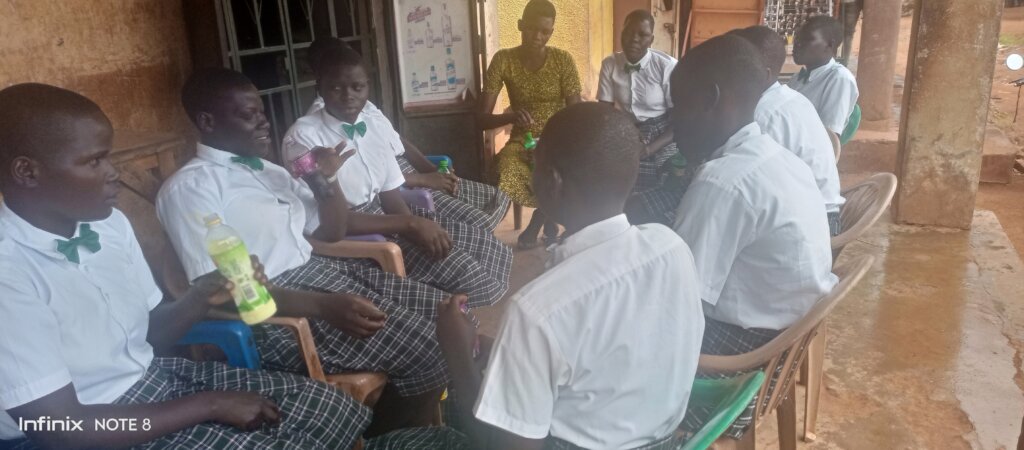
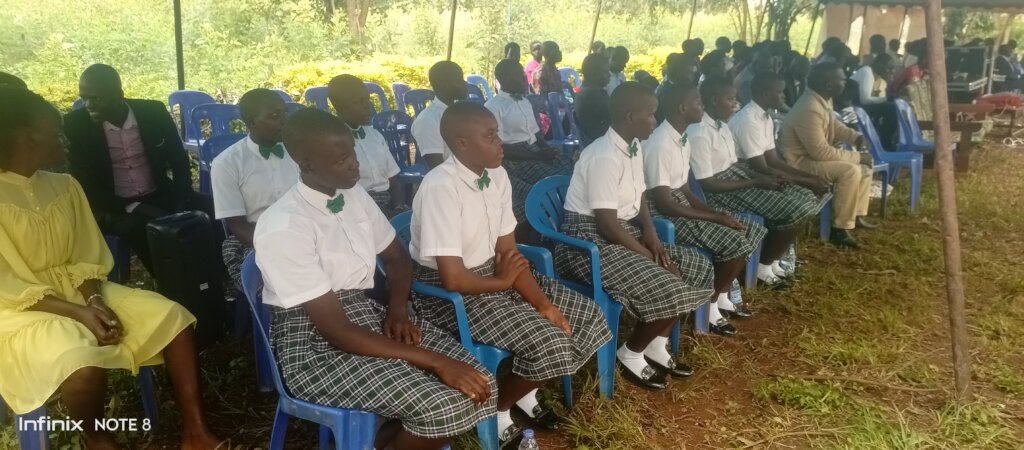
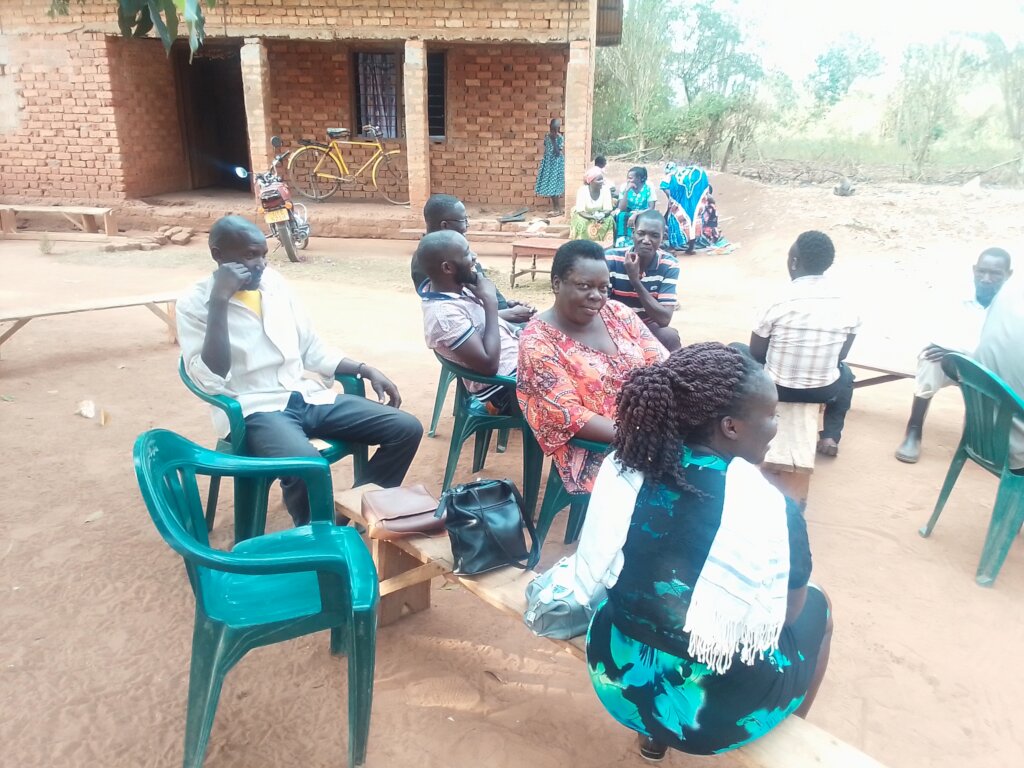
Over years of training students to get the best of it all: Kole Intellectual Forum has tried to ensure they commit their parents into their children's learning because this type of approach has helped them to improve on their performance, better their behavior, and build more positive attitude towards learning.
Above all, parental involvement has provided for the students a vital emotional support, reinforce them with what is taught in school, and has also helped them to develop confidence in social skills.
For over time, this type of committing parents to general over view of their children learning, has helped the institute to build a strong foundation for a lifelong love of learning among the students, parents and school administrators.
![Share on Twitter]()
![Share on Facebook]()