Project Report
| Sep 11, 2026
The Developmental Agenda at KIFA
By George Obua | Project Leader
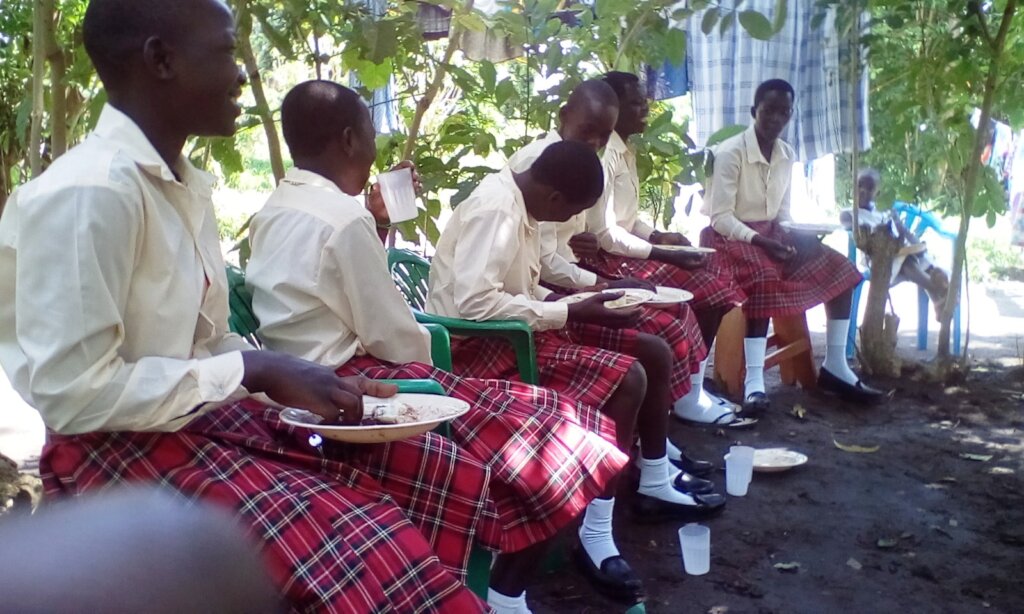
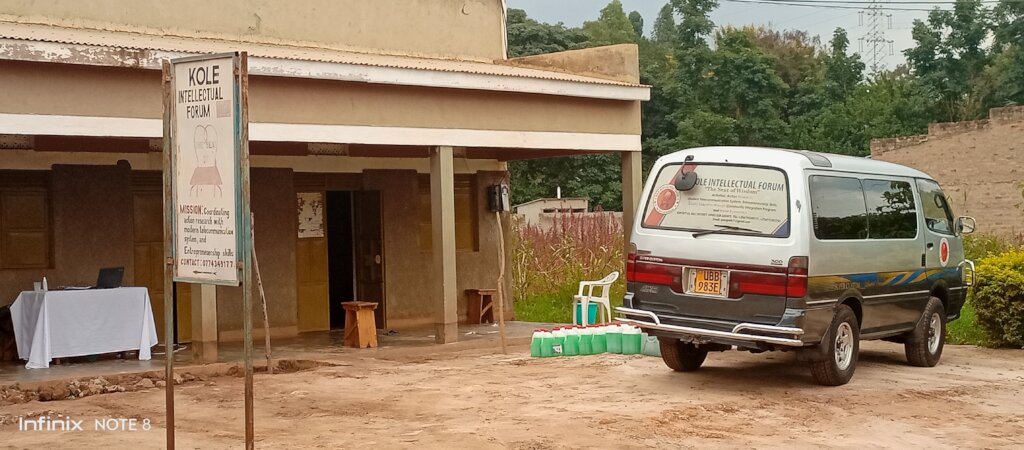
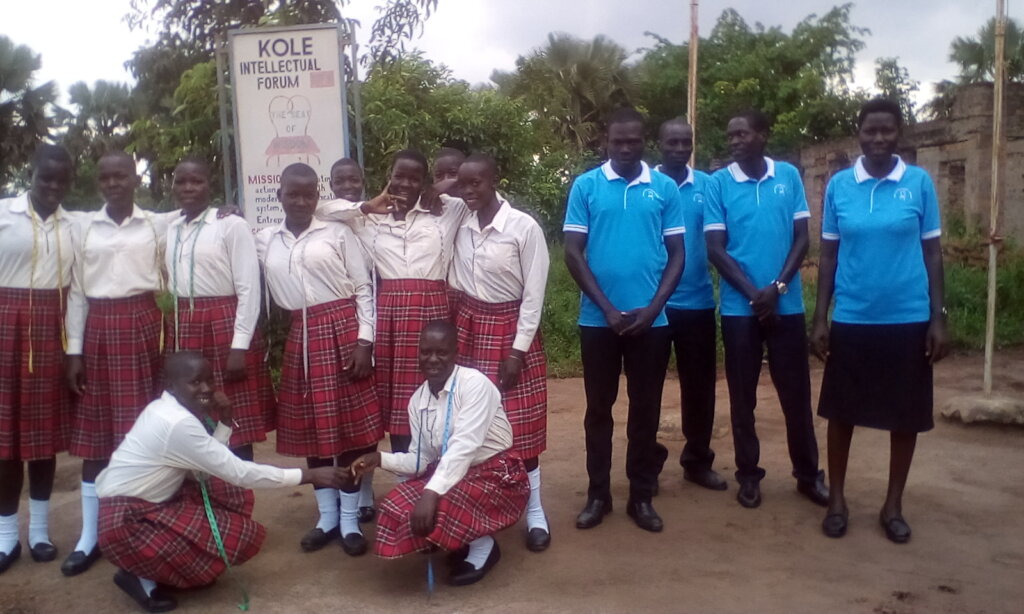
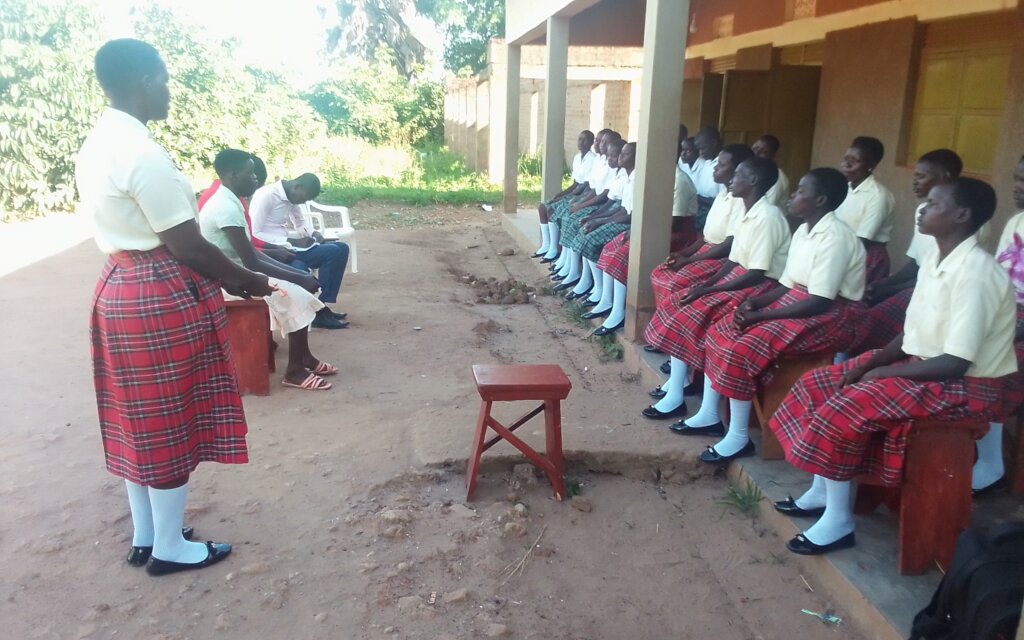
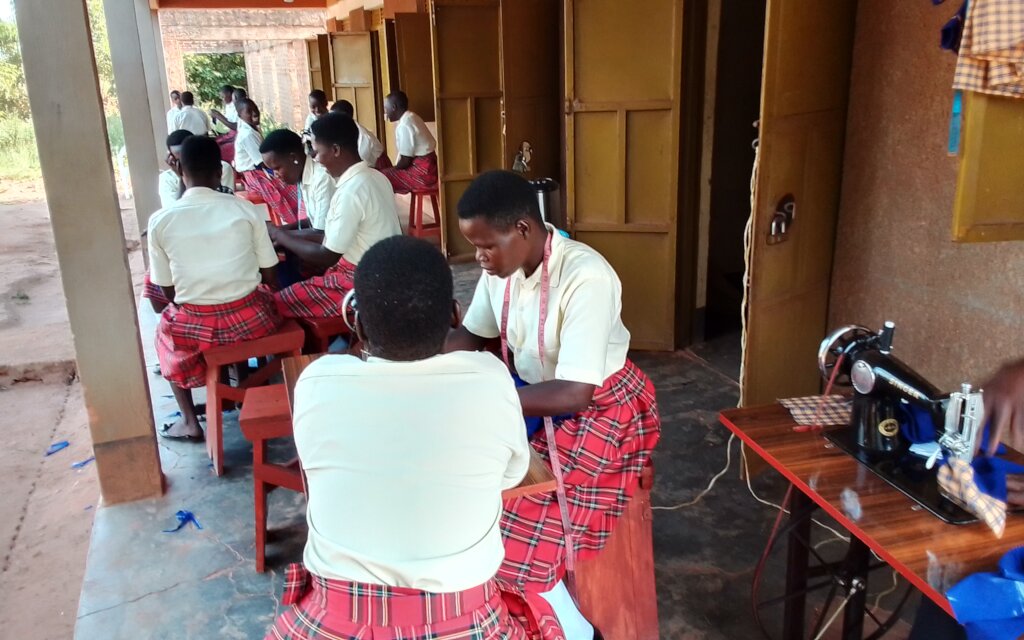
Kole Intellectual Forum (KIFA), one of the Community Based Organizations in Kole District, Northern Uganda, supported with the donations mainly from the platform of GlobalGiving, is fostering development in its area of operation, is promoting a serious child development agenda in home economics to their for an important dual-layered of life, positively, and constructive sentiment; most often, they describe this approach in life as an instrument of a "moral duty" or "virtue" that combines self-worth or development with a deep, affectionate attachment to one’s homeland.
It is not merely building a good home, but rather a "critical intelligence they (Kole Intellectual Forum) are building in the hearts of their students that works for the betterment of the society, community and the nation while prioritizing the well-being and dignity of people that live at home, based on the principle of a good home is the foundation of development.
![Share on Twitter]()
![Share on Facebook]()
Sep 10, 2026
Generating numerous benefits: targeted approach
By George Obua | Project Leader
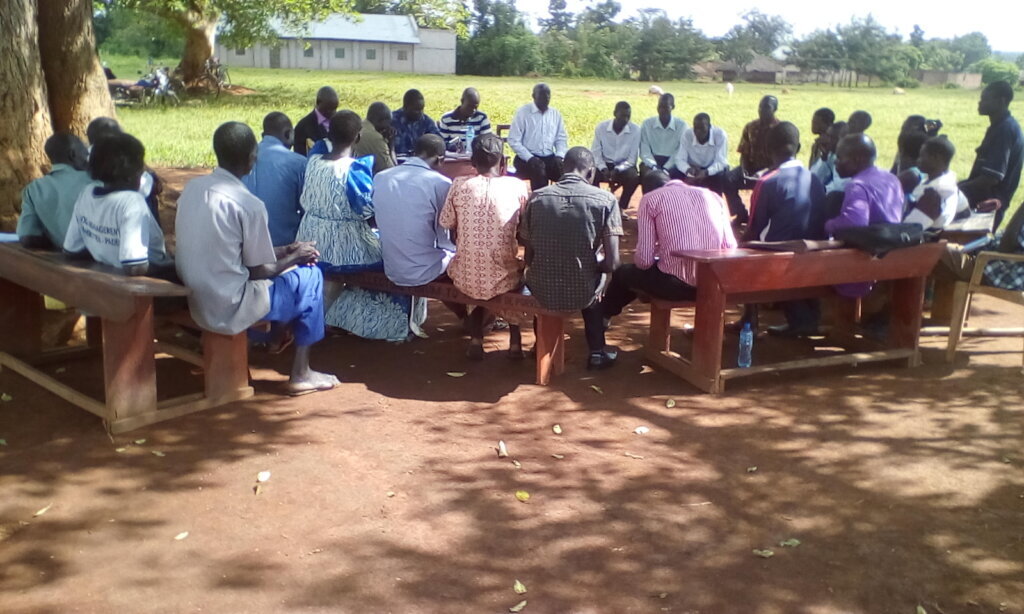
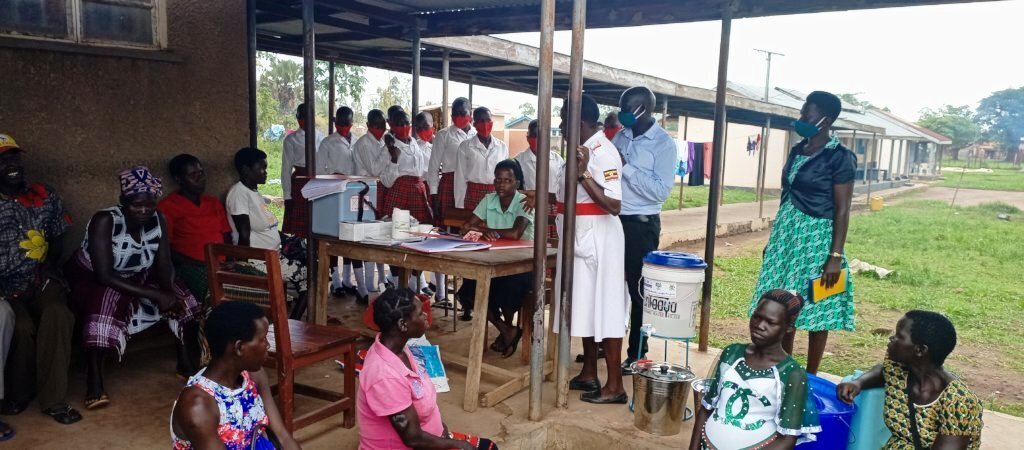
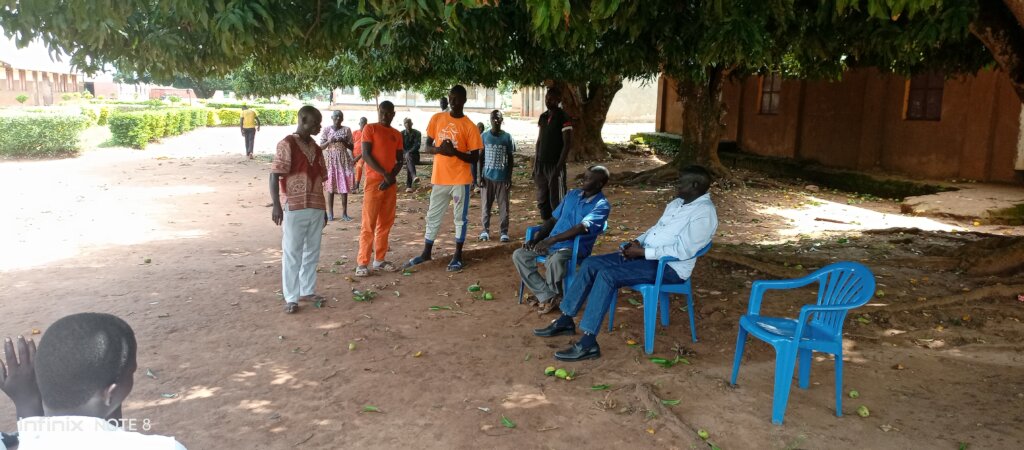
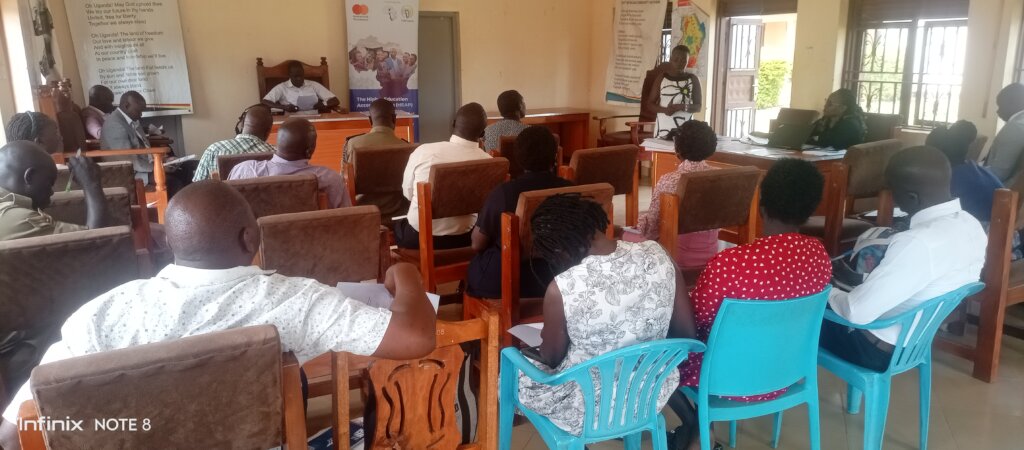
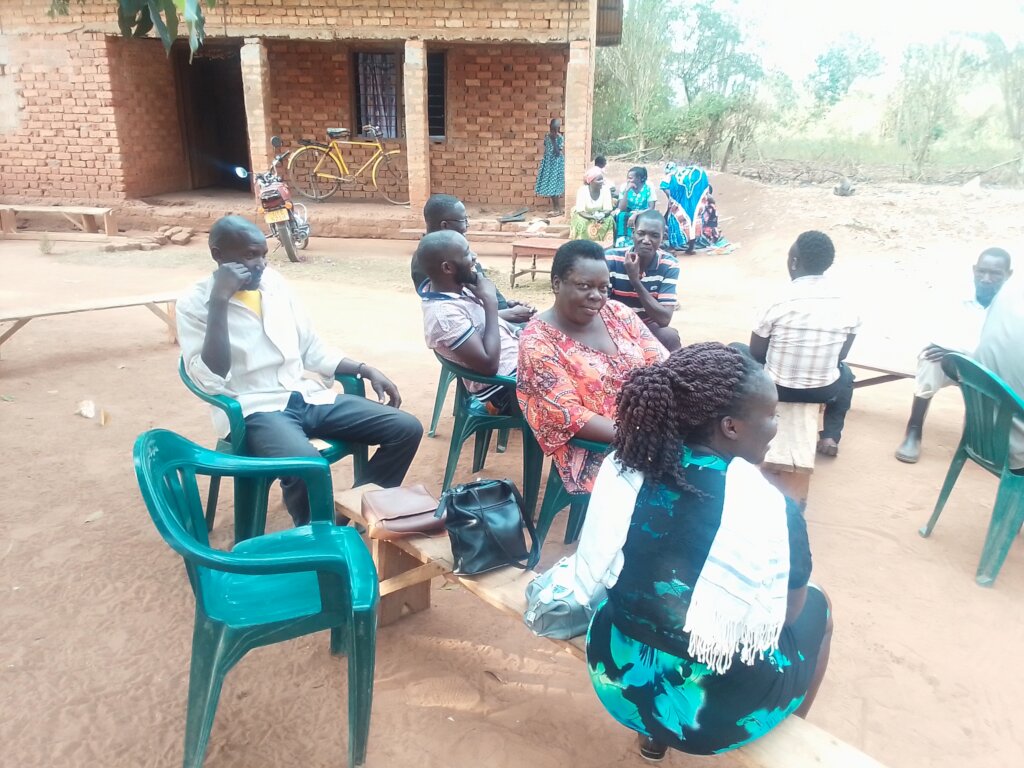
KIFA dealing with Community Problems: OutreachKIFA or Kole Intellectual Forum is dealing with community through community outreach; that is when they are directed toward a community's specific problems to ensure their solutions are collectively decided on; to promote its relevancy, effectiveness and sustainability. Of course, this targeted approach, rather than a generic one, is bringing numerous benefits to both the community and the organizations itself.Kole intellectual Forum has found out that this approach, problem-Specific Outreach is Essential to bothe the community and the organization dealing with the problem, because, it:
- Addresses Root Causes: Generic outreach often provides "band-aid" solutions. Focusing on specific problems (e.g., food insecurity, lack of educational resources, or mental health stigma) allows initiatives to address underlying issues, leading to lasting change.
- Ensures Relevance and Accessibility: By understanding a community's unique cultural, social, and economic context and needs, outreach programs can be tailored to be culturally relevant and accessible. This increases the likelihood that residents will use the services or participate in programs.
- Builds Trust and Buy-In: When community members see that their specific concerns are being heard and addressed, it builds trust with the outreach organizations. This genuine engagement encourages a sense of ownership and shared responsibility, making the community more likely to participate in the planning and execution of initiatives.
- Maximizes Resource Efficiency: Tailoring programs to specific needs ensures that resources (time, money, and volunteers) are used efficiently on projects that have the most significant impact, rather than being spread thin across unrelated issues.
- Empowers the Community: A problem-specific approach empowers community members by involving them in developing solutions for their own challenges. They become active contributors and agents of change, which builds resilience and self-worth within the community.
- Fosters Effective Collaboration: Identifying specific problems provides a clear common purpose, which encourages collaboration among various stakeholders, including government agencies, non-profits, businesses, and local residents. This pooling of diverse expertise and resources leads to more comprehensive solutions.
In essence, community outreach that is tailored to a community's unique problems transforms passive empathy into active compassion and ensures efforts translate into tangible, measurable improvements in people's lives.
![Share on Twitter]()
![Share on Facebook]()
Sep 9, 2026
Learning through exposure at KIFA
By George Obua | Project Leader
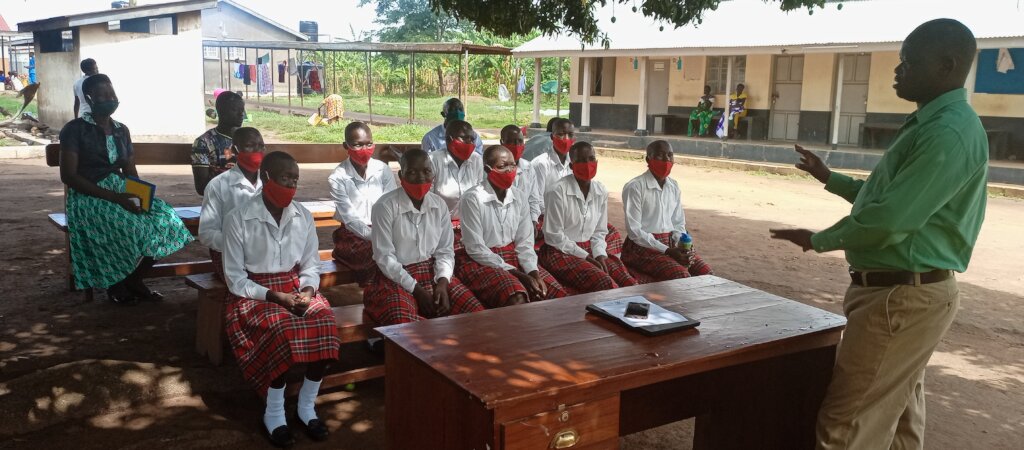
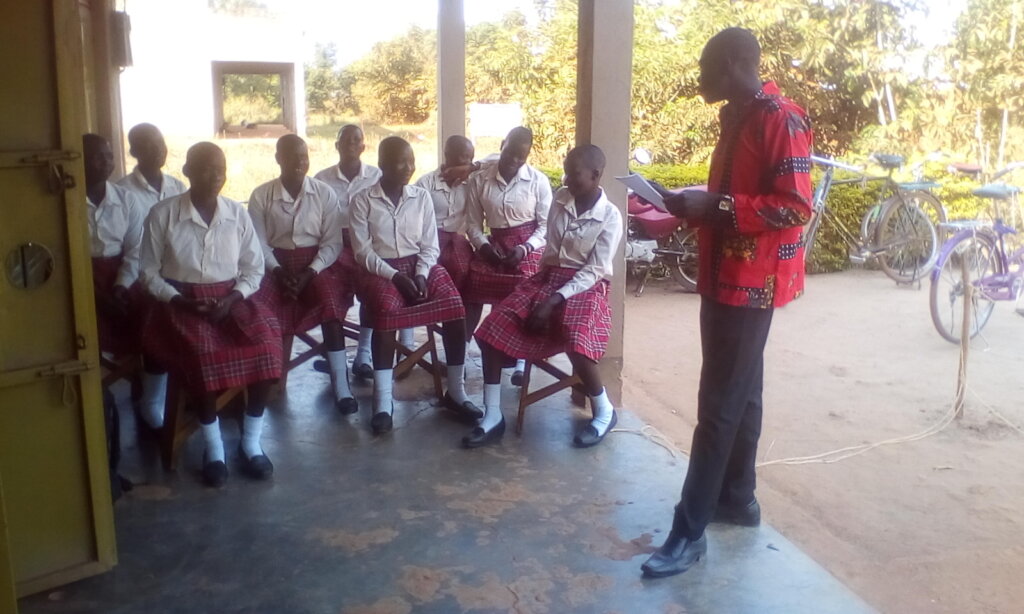
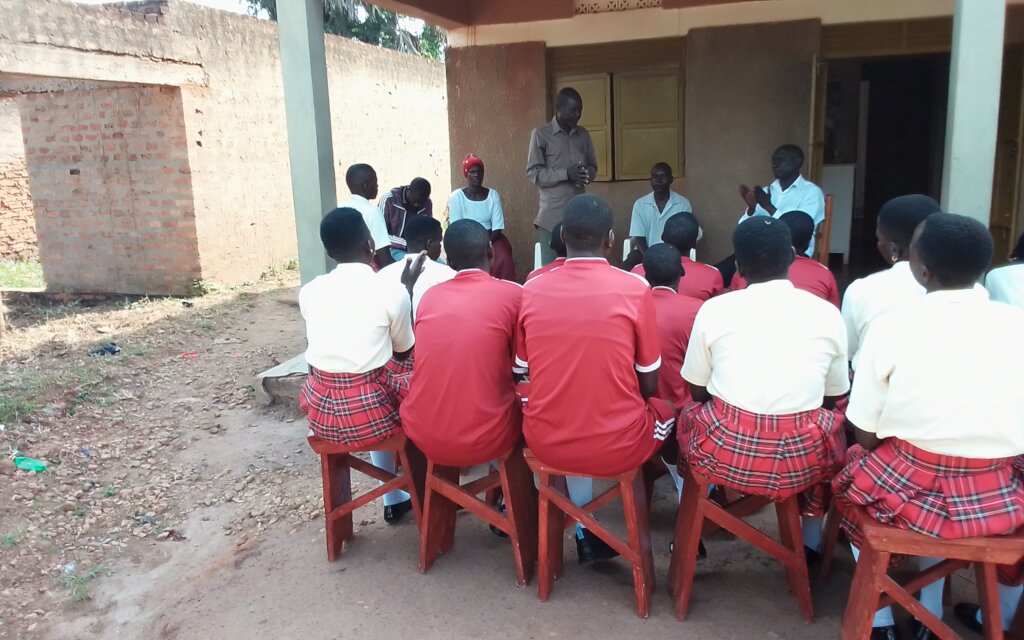
Exposing the students to the Real World is very important to the team of Kole Intellectual Forum.
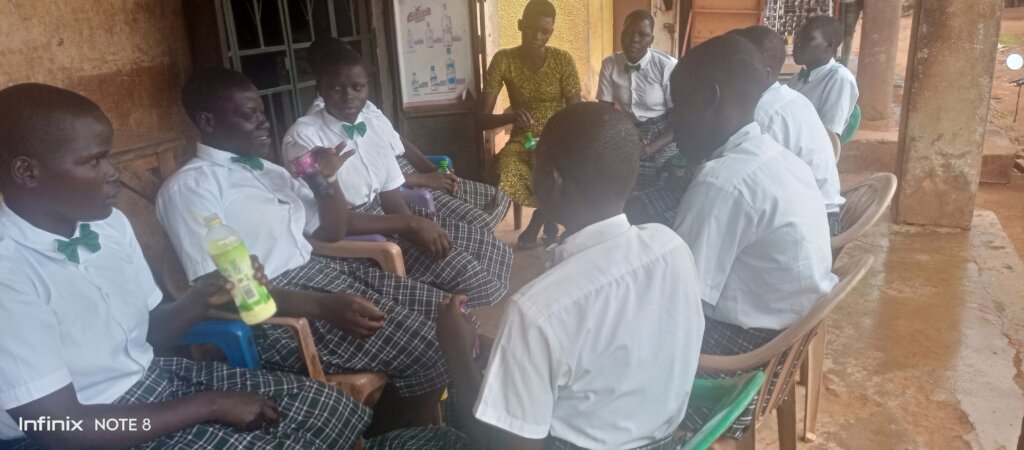
As a Research Based Organization and a Community Based Organization, Kole Intellectual Forum believes it is critical that expose their students to understand and to make connections between the classroom and the real world. While we all aware that, not all children will make it to become housewives economists, nor do we expect them to be what can't assumed, but quite a number of them, will be faced with challenges or obstacles at some point on their way at the Institute or their way to the adulthood.
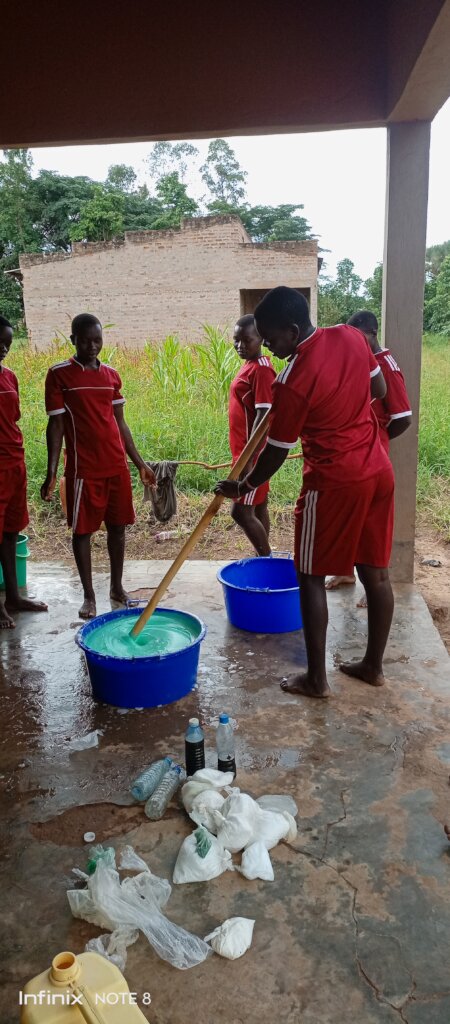
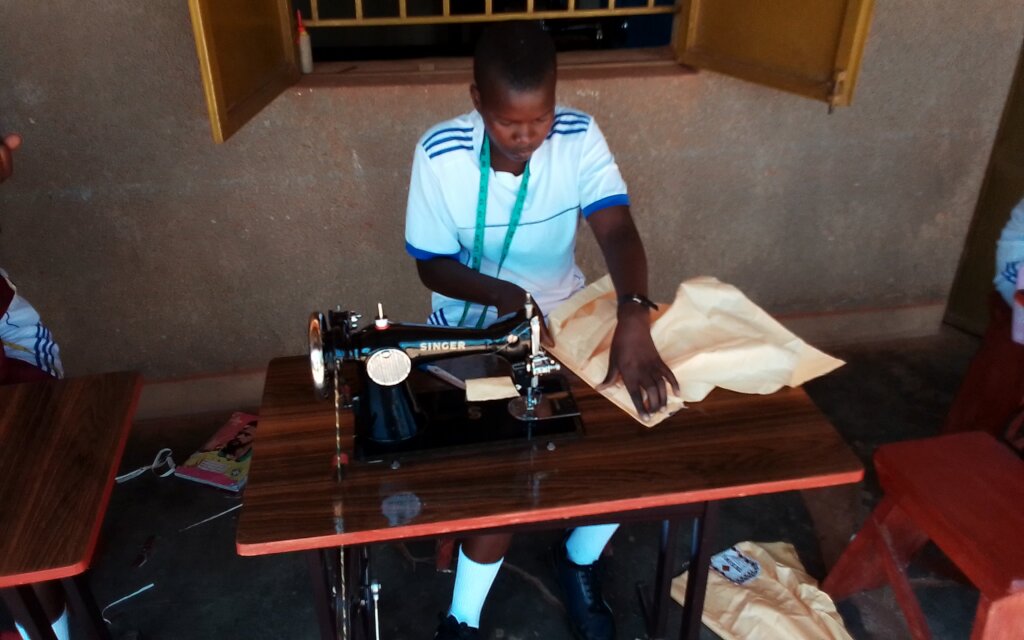
Career exploration doesn’t always mean a field trip or a guest speaker. It can be engrained into our curriculum in many ways. Kole Intellectual Forum therefore expose their students to the real world through project-based lessons that are based on situations in Kole Intellectual Forum Institute of Home Economics’ careers. This gives them the freedom to explore a variety of careers from the comfort of their classroom.
We therefore teach them to work through their projects using tdifferent approaches that can yield positive results.
![Share on Twitter]()
![Share on Facebook]()