By Regina N. Muhasa | Executive Director
INTRODUCTION
RAVENS FOUNDATION (RAF), is an indigenous non-government organization founded in 2018, with the aim of contributing to the process of transformational development in the lives of adolescent girls, teenage mothers, other vulnerable women and entire communities.
VISION: Fanning the Wisdom of Motherhood and Nobility of Womanhood.
MISSION: RAVENS FOUNDATION (RAF) exists to develop and impact women especially young mothers with the love of Christ through sharing the word of God, counseling, life skills training and social services provision, hence enabling them to become women of noble character who continually build their homes.
BACKGROUND
Menstruation and menstrual practices still face many social, cultural, and religious restrictions which are a big barrier in the path of menstrual hygiene management. In many parts of the country especially in rural areas girls are not prepared and aware about menstruation so they face many difficulties and challenges in handling and managing their menstrual cycle. Girls and women have very little or no knowledge about reproductive tract infections caused due to ignorance of personal hygiene during menstruation time. In rural areas, women hardly have access to sanitary products or they know very little about the types and methods of using them or are unable to afford such products due to high cost. So, they mostly rely on old pieces of cloth which they wash and use again. Needs and requirements of the adolescent girls and women are ignored despite the fact that there are major developments in the area of water and sanitation.
In Ravens Foundation, our goal is to grow the making of reusable pads into a sustainable social business. We are intentionally building this entity with our focus on impact, not on profit. Our plan to see to it that 100% of any profits that will ever accrue from the sale of the reusable pads in future, will be reinvested in the work. Throughout our entire production process, we aim at creating employment and supporting the local economy.
All our products will continue to be produced locally in Bukomolo village in Budaka district, by local Ugandan women. We plan to expand the project and diversify so that we produce various reusable products including the following;
This report covers a period of four months, January to April 2022. As reported previously, we received a donation of skills training tools from TOOLS WITH A MISSION (TWAM) which includes the following;
1 Sewing Machine Kit - Manual
Includes Sewing Kit
3Sewing Machine Kit - Electric
Includes Sewing Kit
1 Sewing Machine -Treadle
Includes Sewing Kit
2 Haberdashery Pack
Fabric, Zips, Ribbon etc for sewing m/c
1 Knitting Machine Kit
Includes sack of knitting wool
1 Knitting Wool Sack
Included in Knitting Machine Kits
1 Knitting - Hand Kit
1 Embroidery & Craft Kit
Activities carried out and achievements
Acquisition of facility to host skills training centre: Building on our previous efforts, the last four months have been used to look around for a place to use as a skills training centre. Ravens Foundation still has a limited financial base and so we depend heavily on the good will of our founders. And one of the founder members, Mrs Anne Ruth Owere purchased a building and is willing to let Ravens Foundation use it temporarily as a skills training centre, but it requires some renovation before we can start using it effectively. The renovation of that building could cost about $2000 dollars.
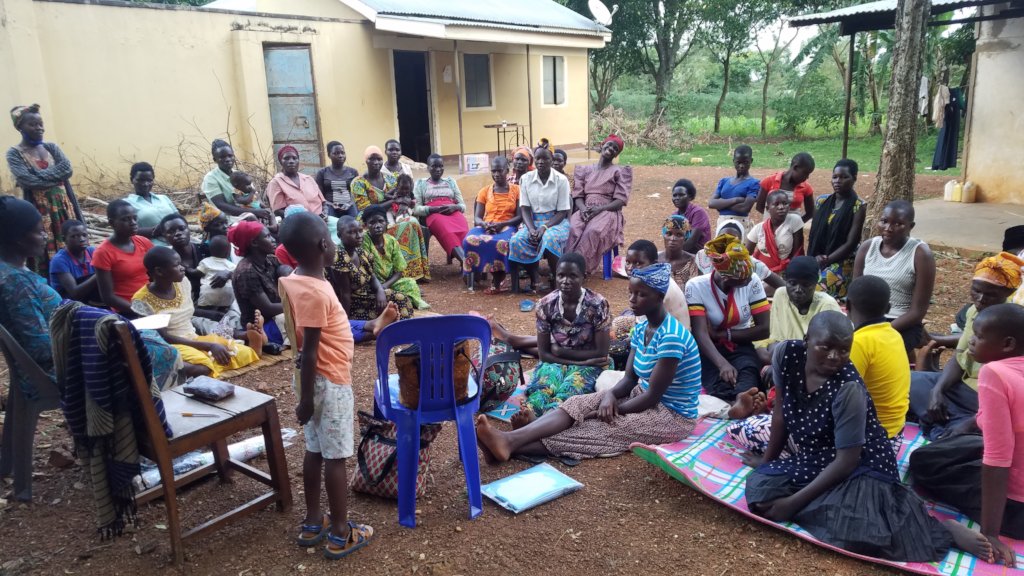
Election of a local governing Committee: On April 9,2022 the women and girls held a community meeting during which they elected a local governing committee of seven members. This committee will oversee the activities of skills training, mobilize the girls and women fro enrolment into the training and also supervise the training activities. The following are names of the committee members and their designations.
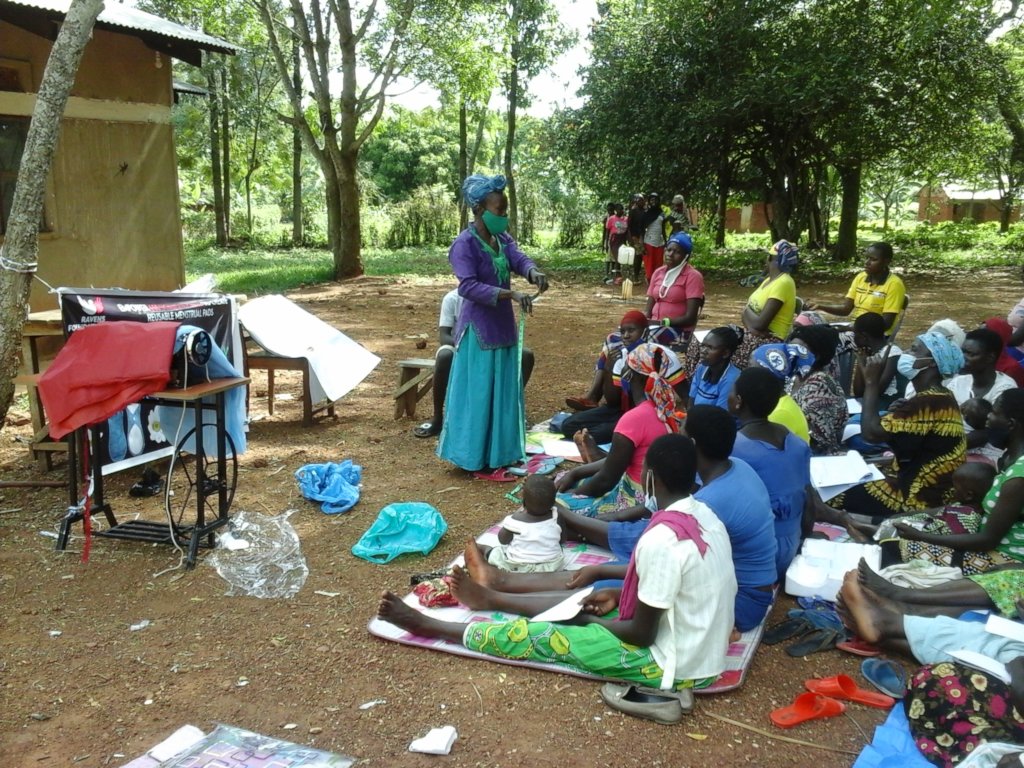
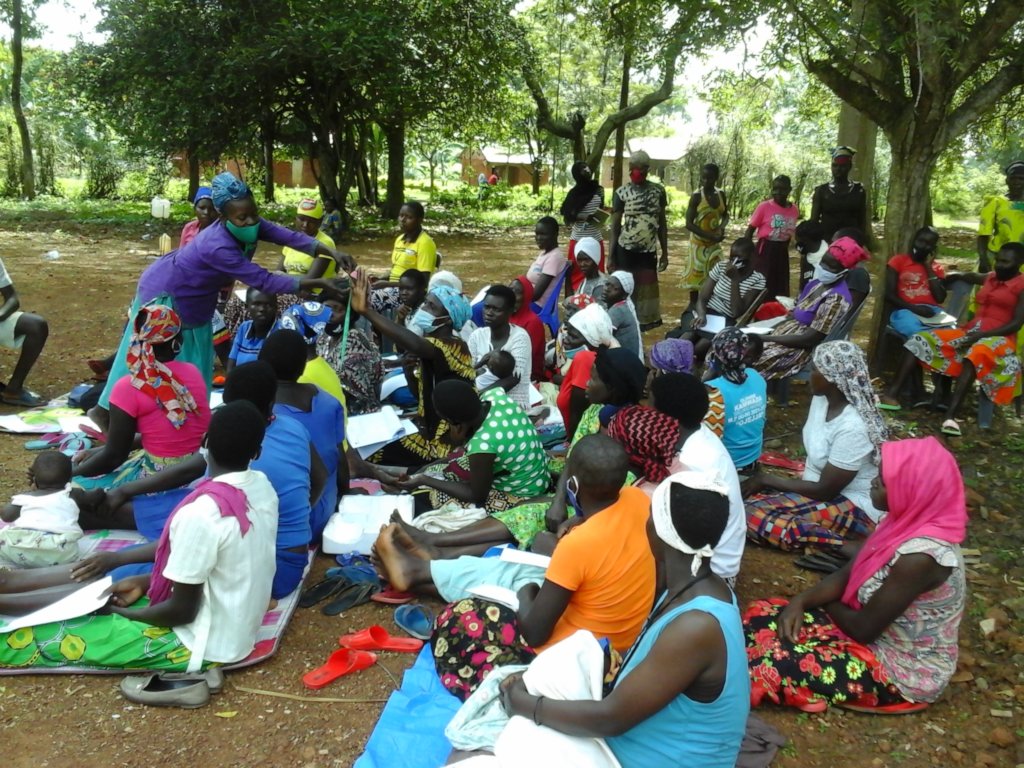
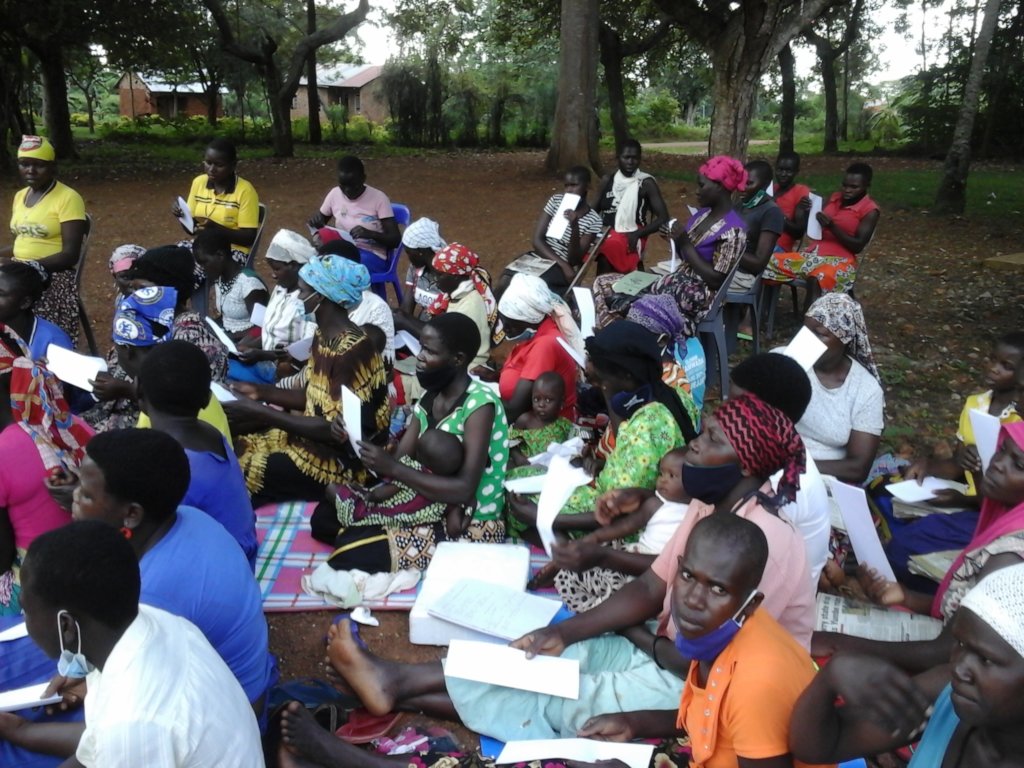
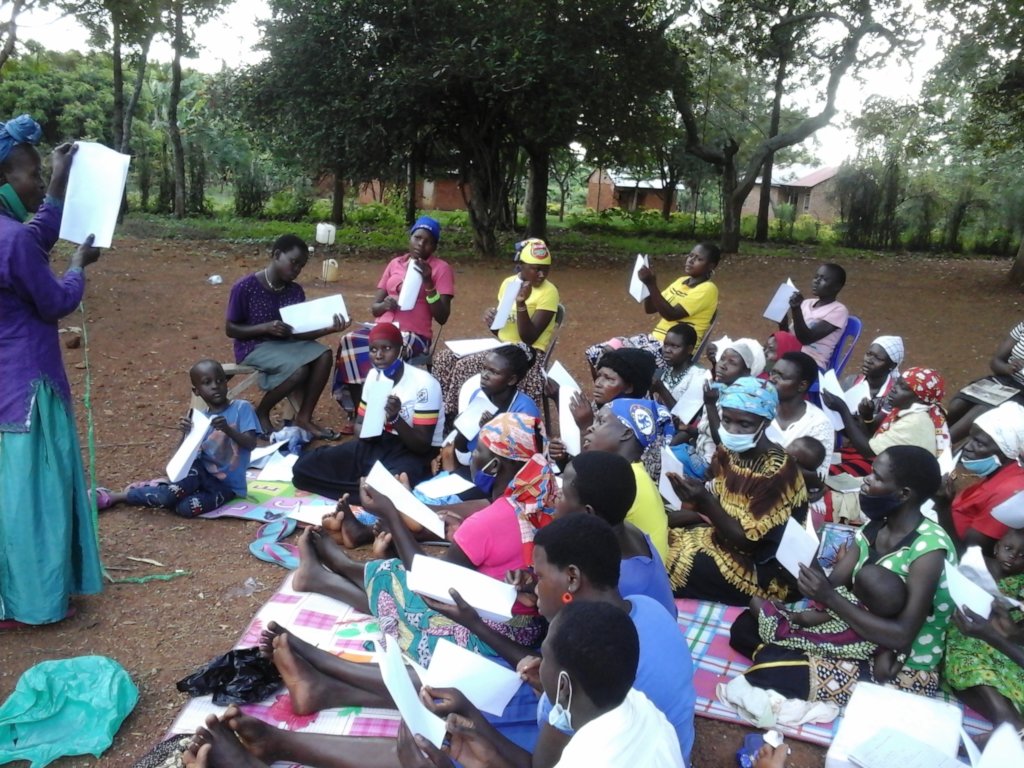
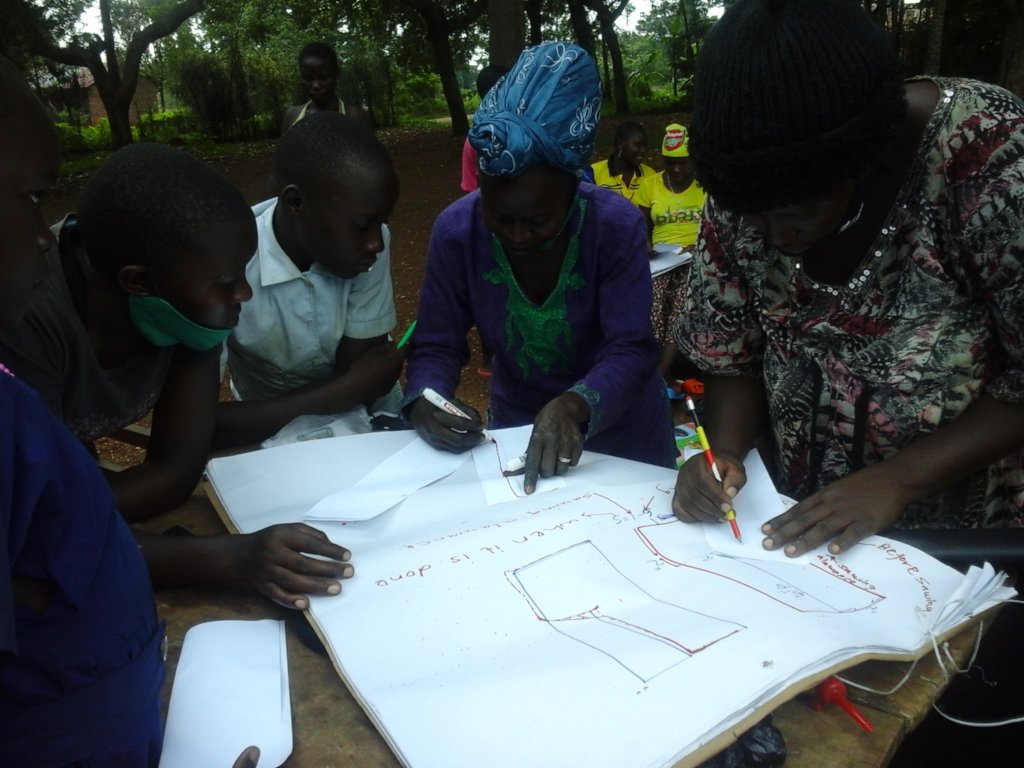
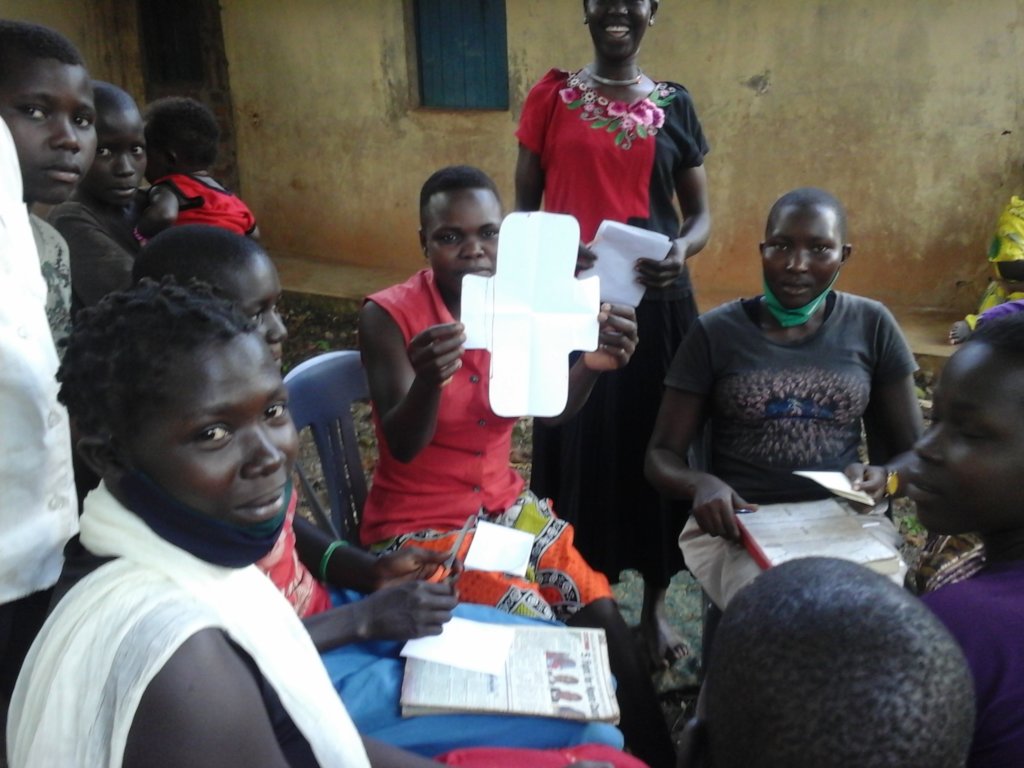
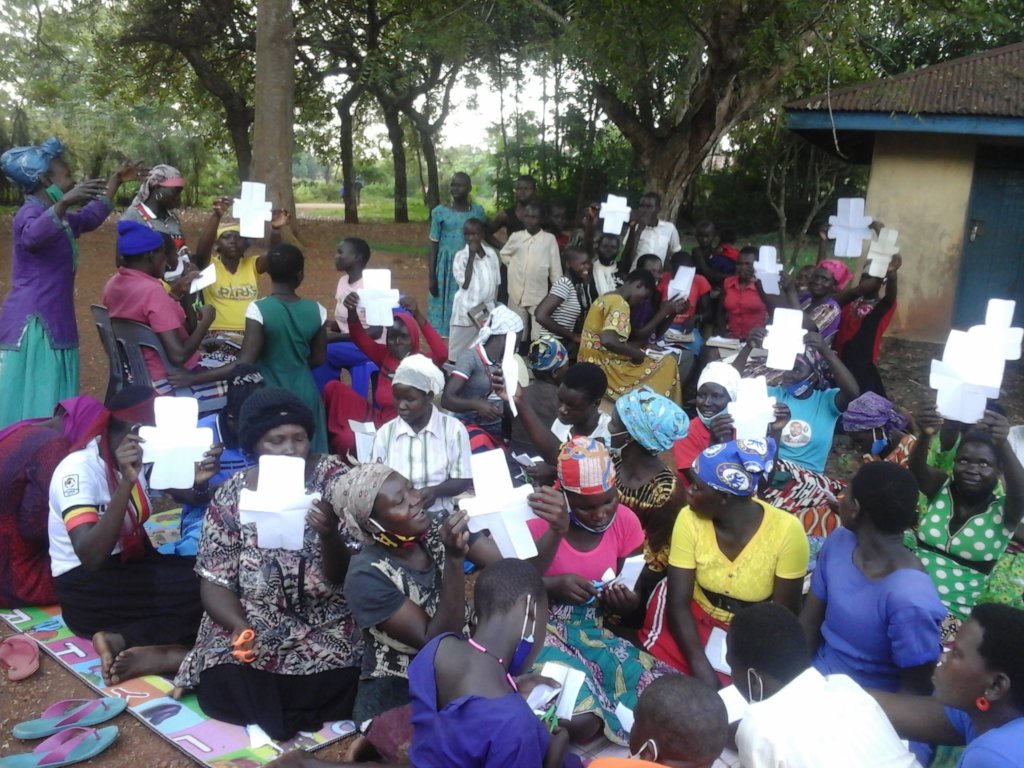
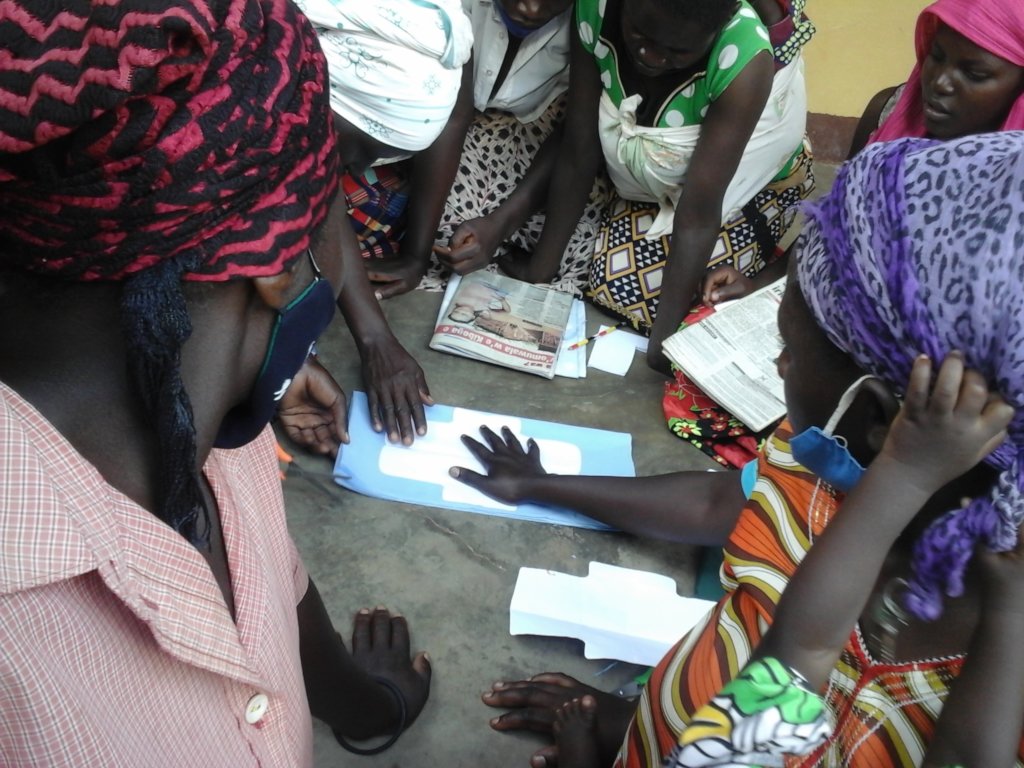
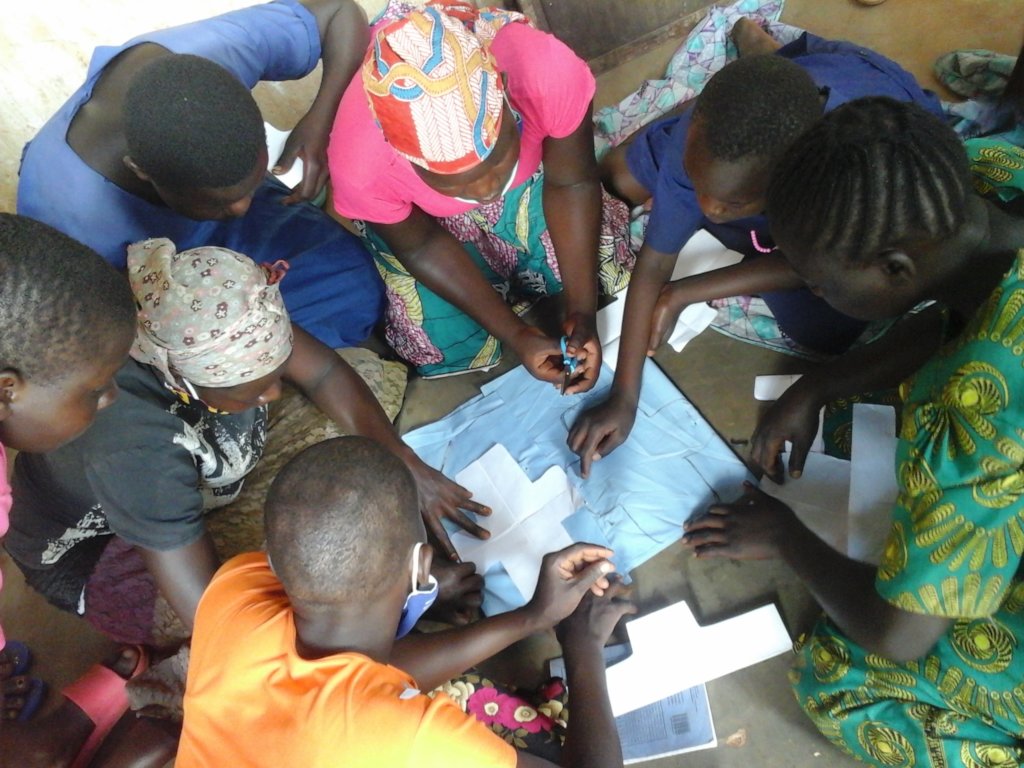
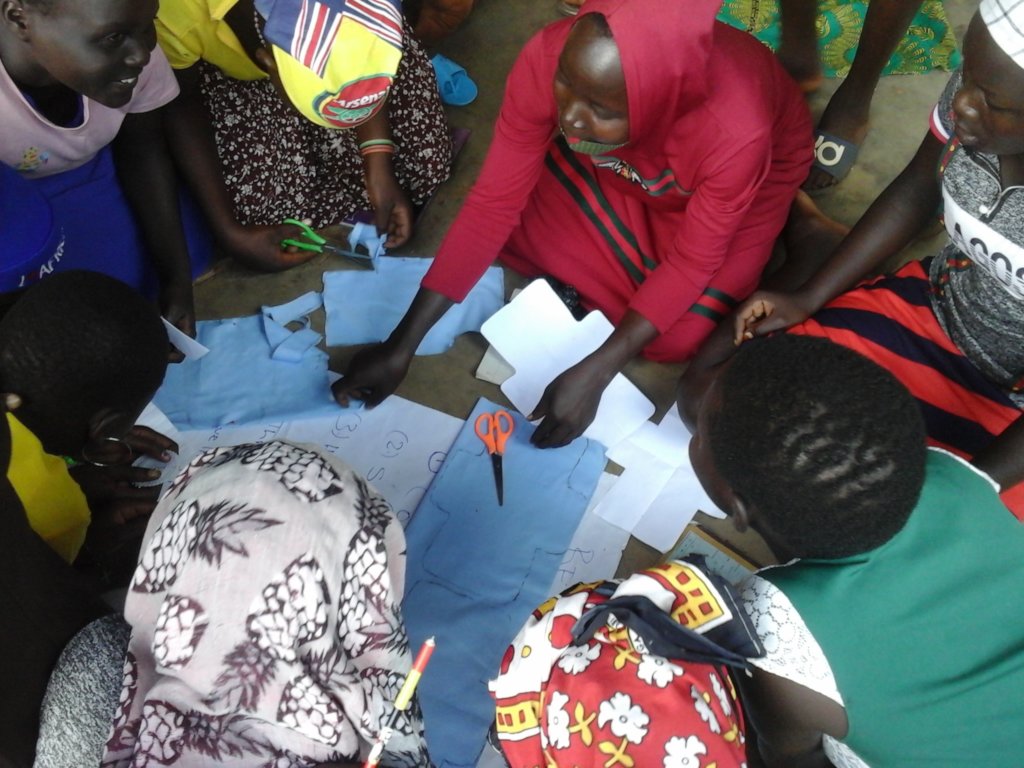
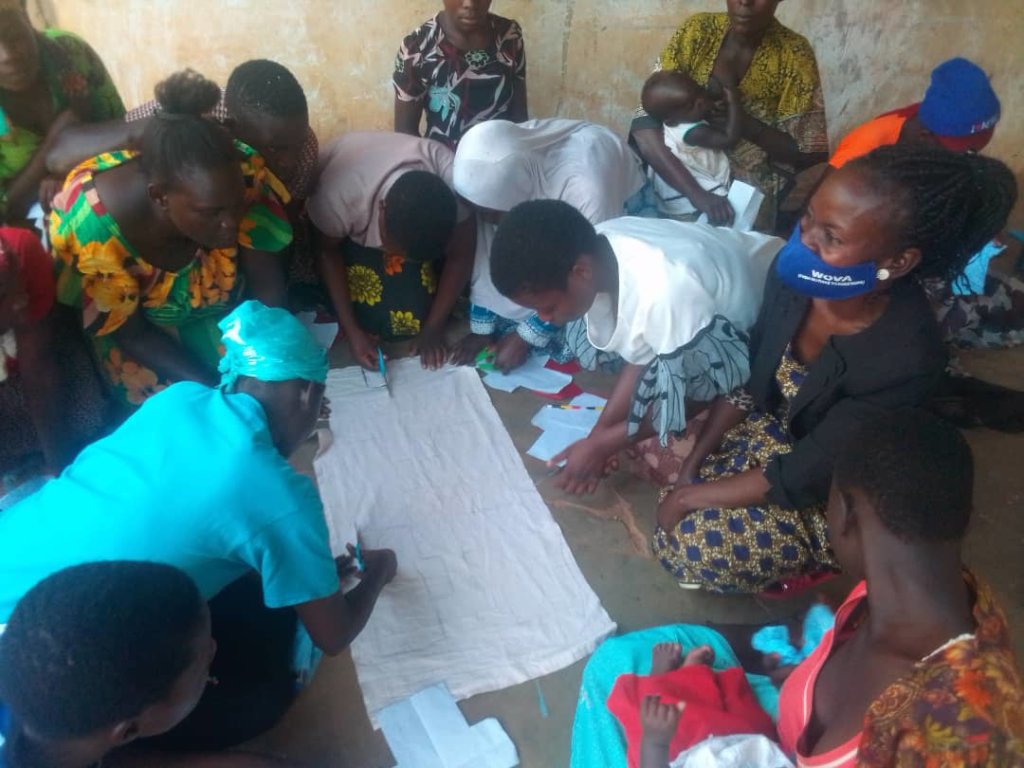
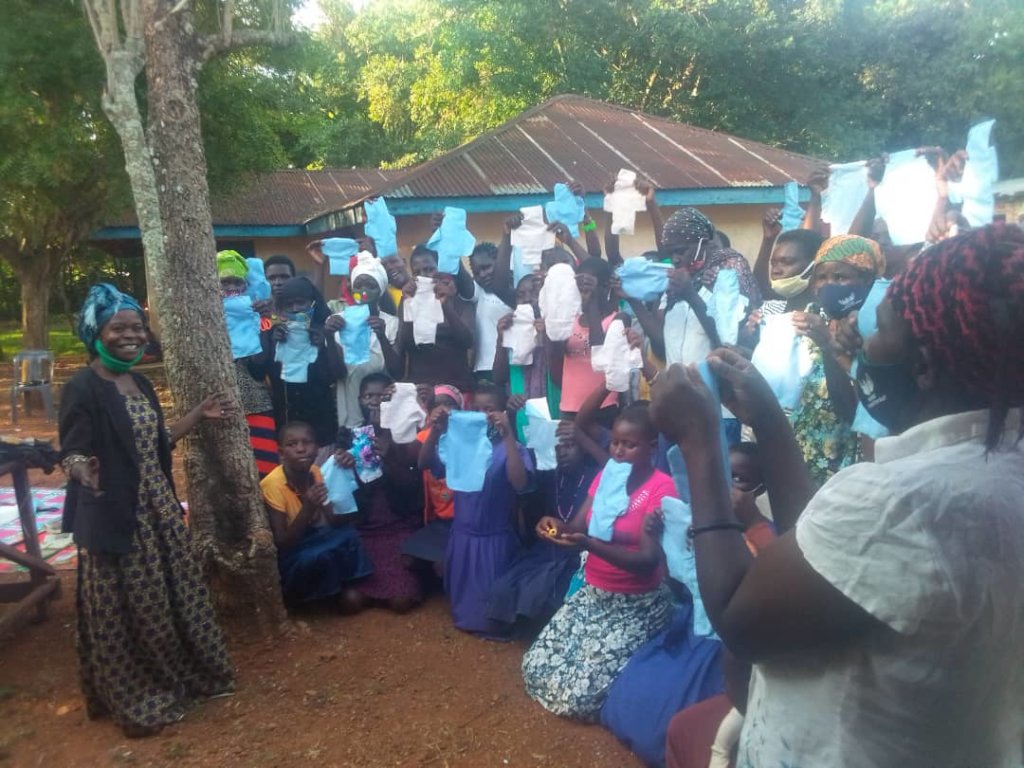
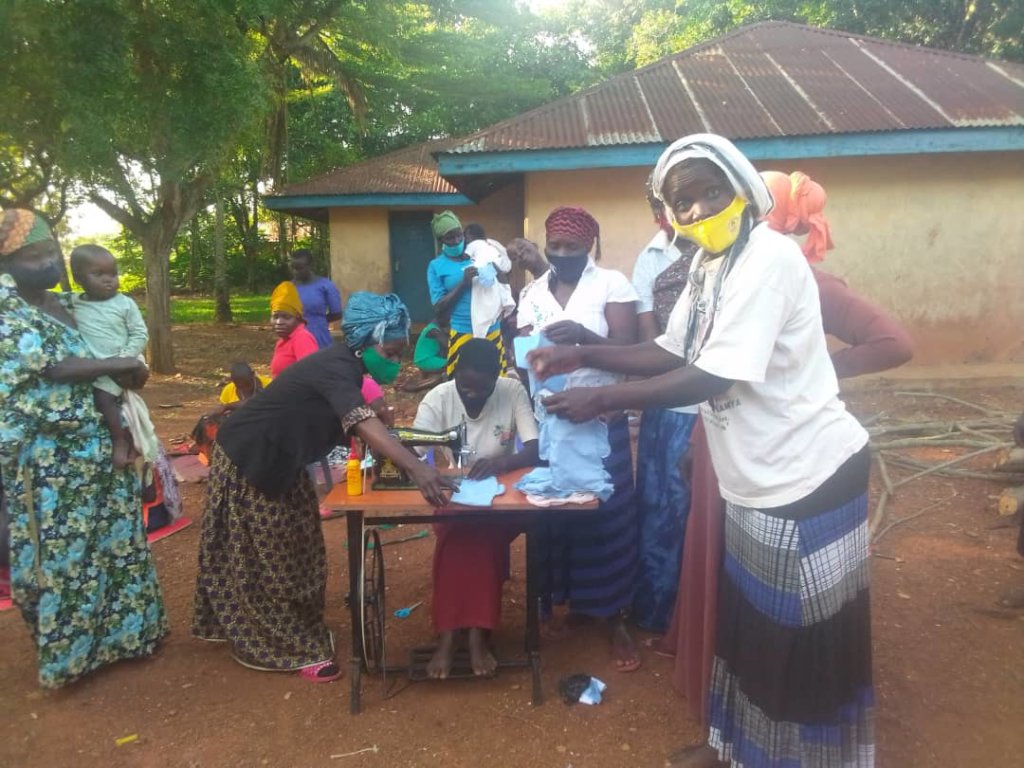
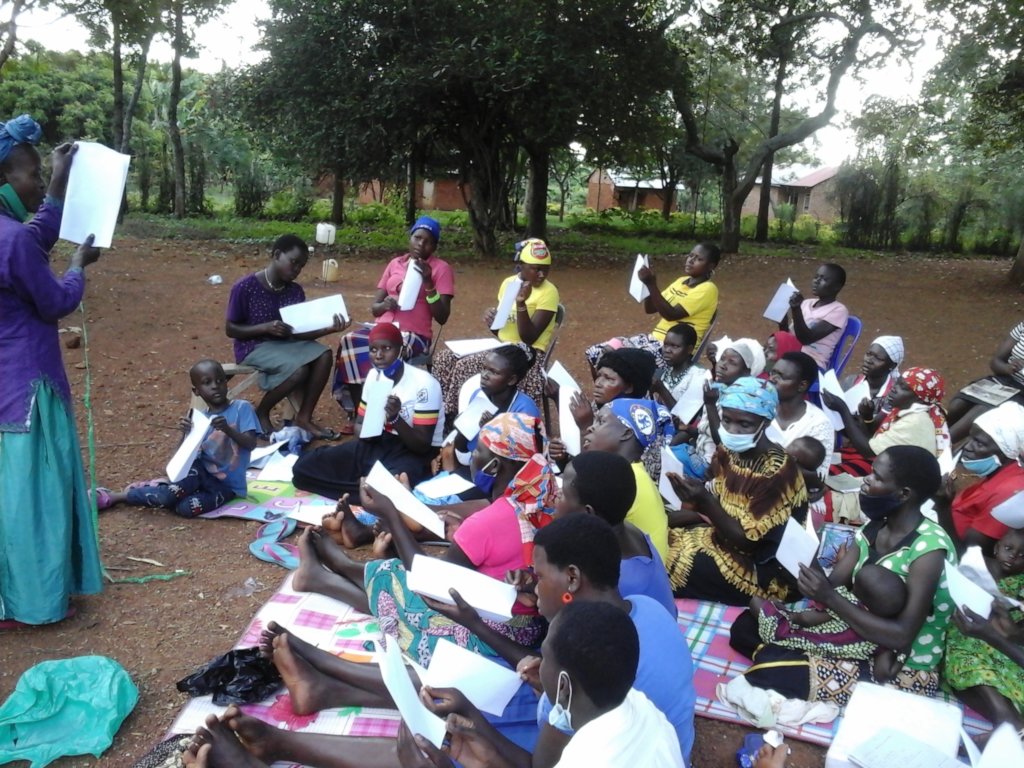
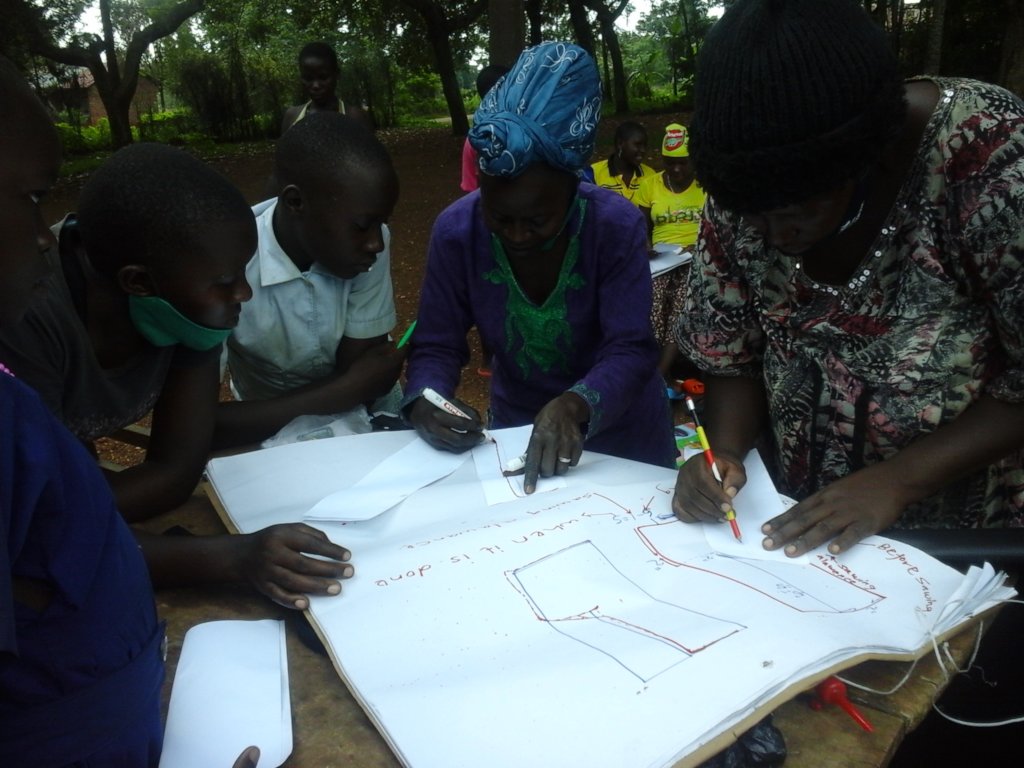
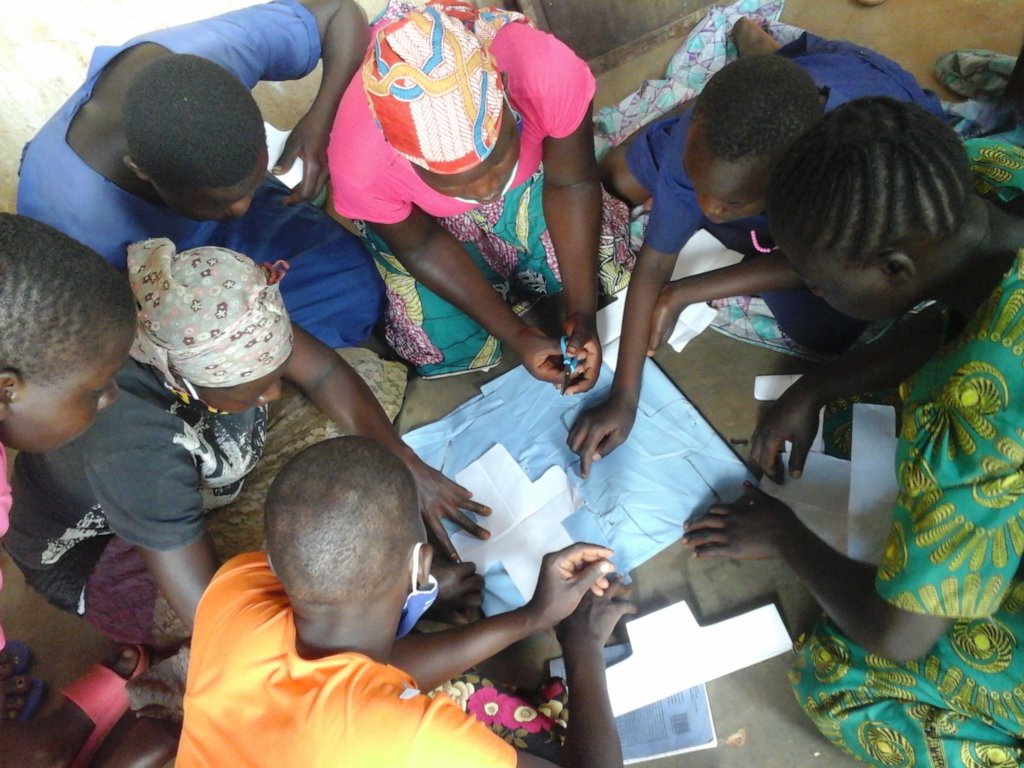
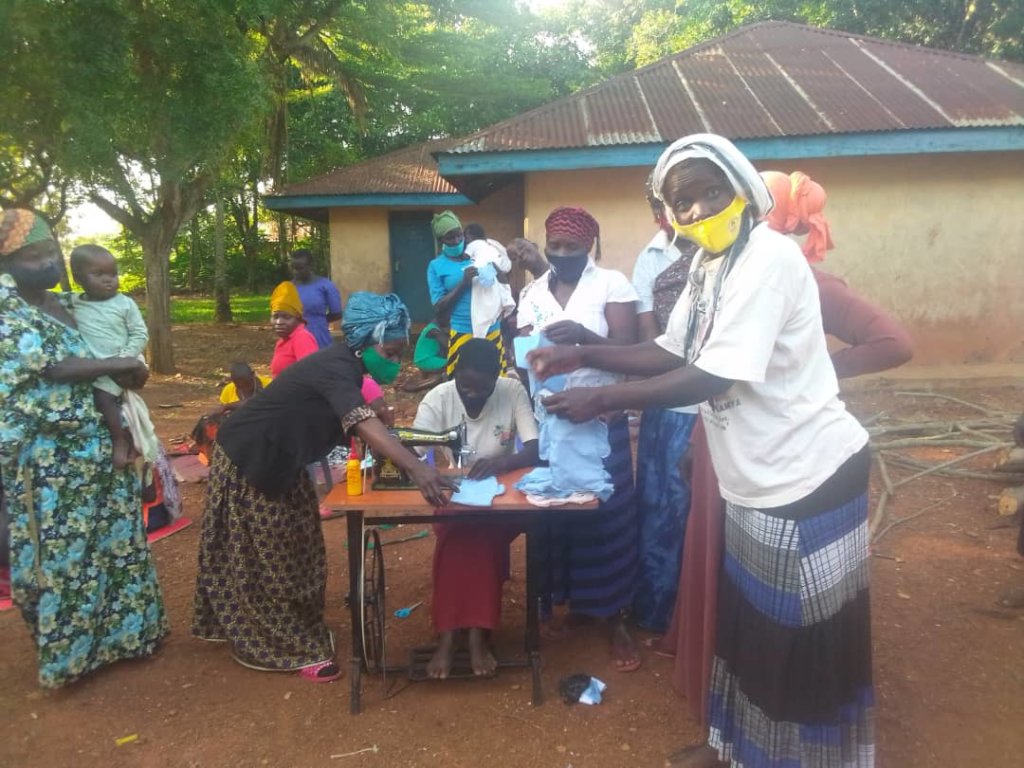
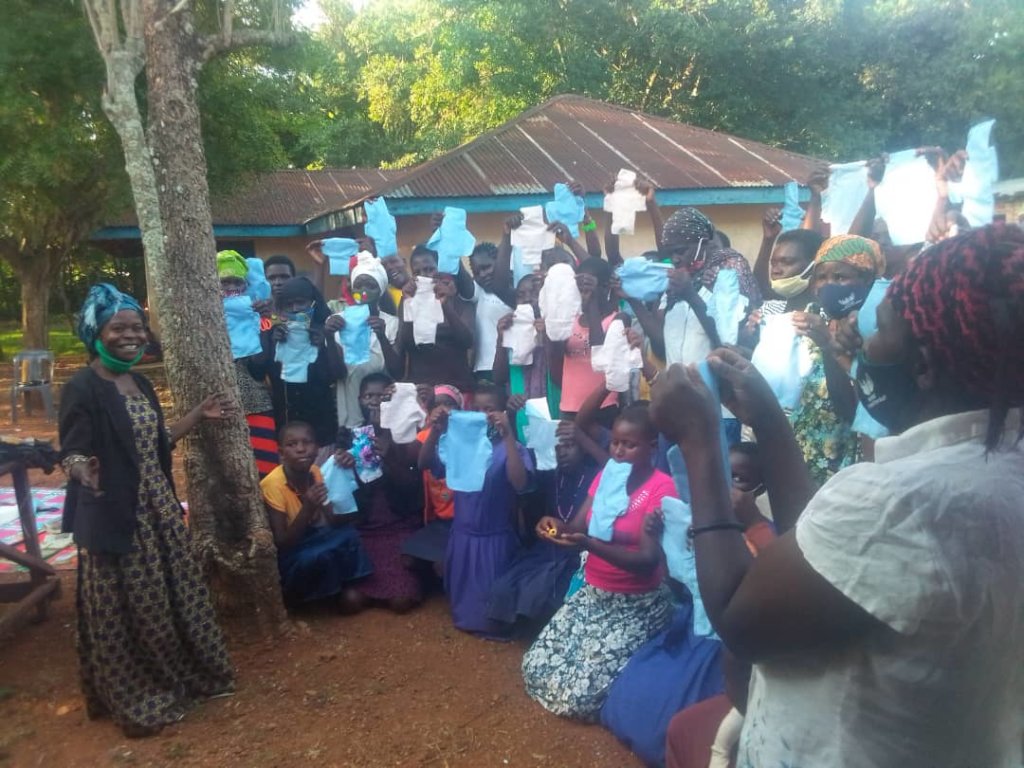
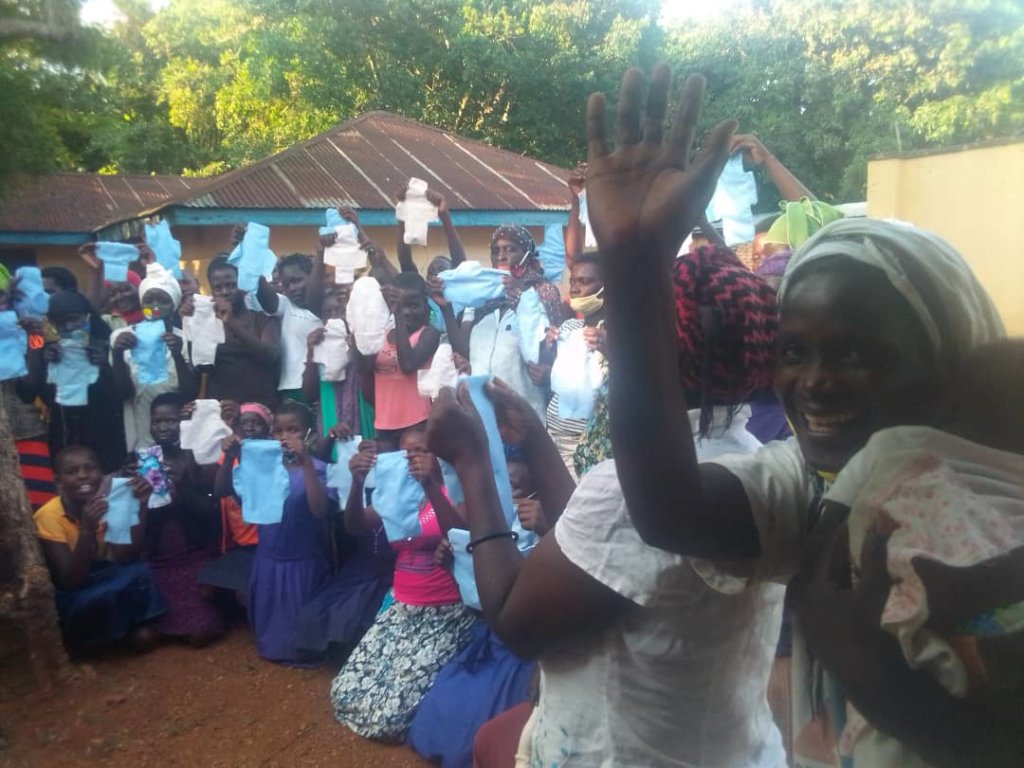
Making of reusable pads: The learning and making of reusable pads continues and the women/girls meet once every week. For now, the ones who learnt faster than the rest are the ones who are training others as volunteers.
CHALLENGES ENCOUNTERED
By Regina Muhasa | Executive Director
By Regina Muhasa | Executive Director
Project reports on GlobalGiving are posted directly to globalgiving.org by Project Leaders as they are completed, generally every 3-4 months. To protect the integrity of these documents, GlobalGiving does not alter them; therefore you may find some language or formatting issues.
If you donate to this project or have donated to this project, you can receive an email when this project posts a report. You can also subscribe for reports without donating.



Support this important cause by creating a personalized fundraising page.
Start a Fundraiser