By REGINA MUHASA | Executive Director
REPORT FOR THE PERIOD:
JUNE – SEPTEMBER 2026
SUBMITTED TO GLOBALGIVING ACCELERATOR
By
REGINA N. MUHASA
Executive Director
EXECUTIVE SUMMARY
During the reporting period of June–September 2026, Ravens Foundation (RAF) conducted limited hands-on training activities, as this period coincided with the school term when most of our target beneficiaries were in school.
Instead, RAF focused on strengthening networks and grassroots mobilization. During this period, we introduced the Foundation’s work to local leaders, who welcomed the initiative and expressed interest in supporting and engaging with our activities.
ABOUT RAVENS FOUNDATION (RAF)
Ravens Foundation (RAF) is an indigenous community-based organization established in 2018 to advance transformational development among women, girls, and their communities in Uganda. The organization focuses on addressing challenges related to menstrual hygiene management, education, health, and economic empowerment.
Vision: Fanning the Wisdom of Motherhood and the Nobility of Womanhood.
This vision reflects RAF’s belief that empowered women and mothers are catalysts for healthy families, stronger communities, and sustainable social transformation.
Mission: To empower women and girls to manage personal hygiene with dignity while promoting health, education, and economic opportunities through counselling, skills training, mentorship, and advocacy.
RAF seeks to create sustainable impact by equipping women and girls with practical skills, knowledge, and resources that enhance their health, confidence, dignity, and economic independence.
BACKGROUND
Women in many low-income communities across Uganda face significant economic challenges, including limited access to employment opportunities, vocational training, and financial resources. At the same time, they carry substantial responsibilities for household welfare, childcare, and community development. These challenges can limit their ability to achieve economic independence and improve the well-being of their families.
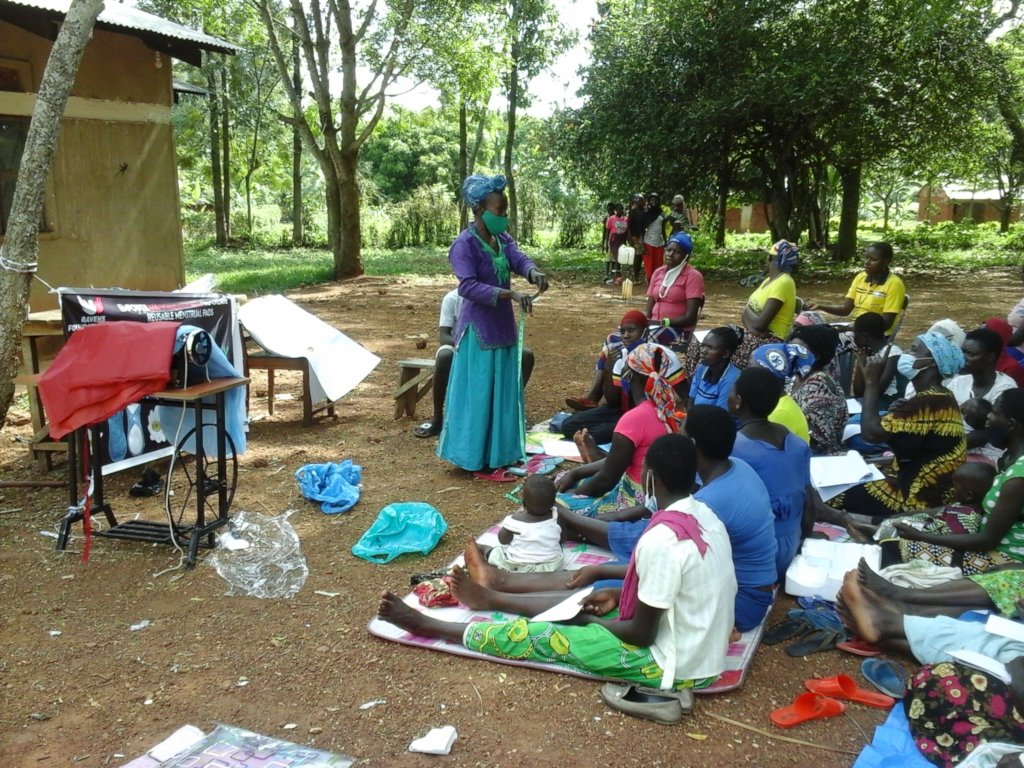
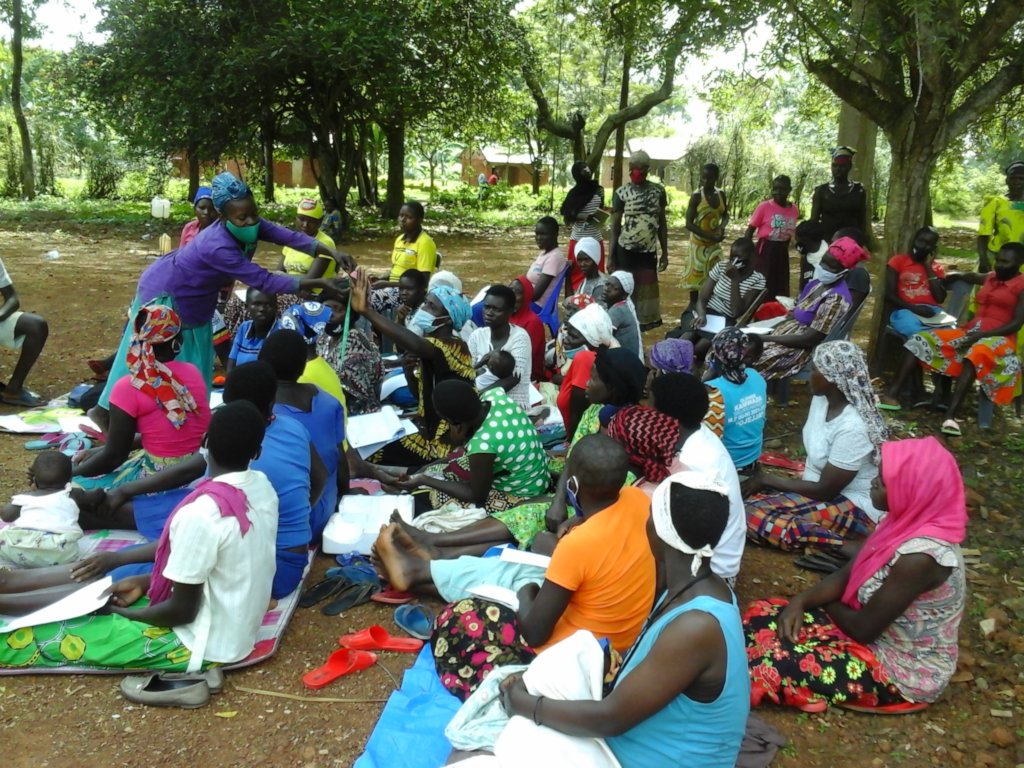
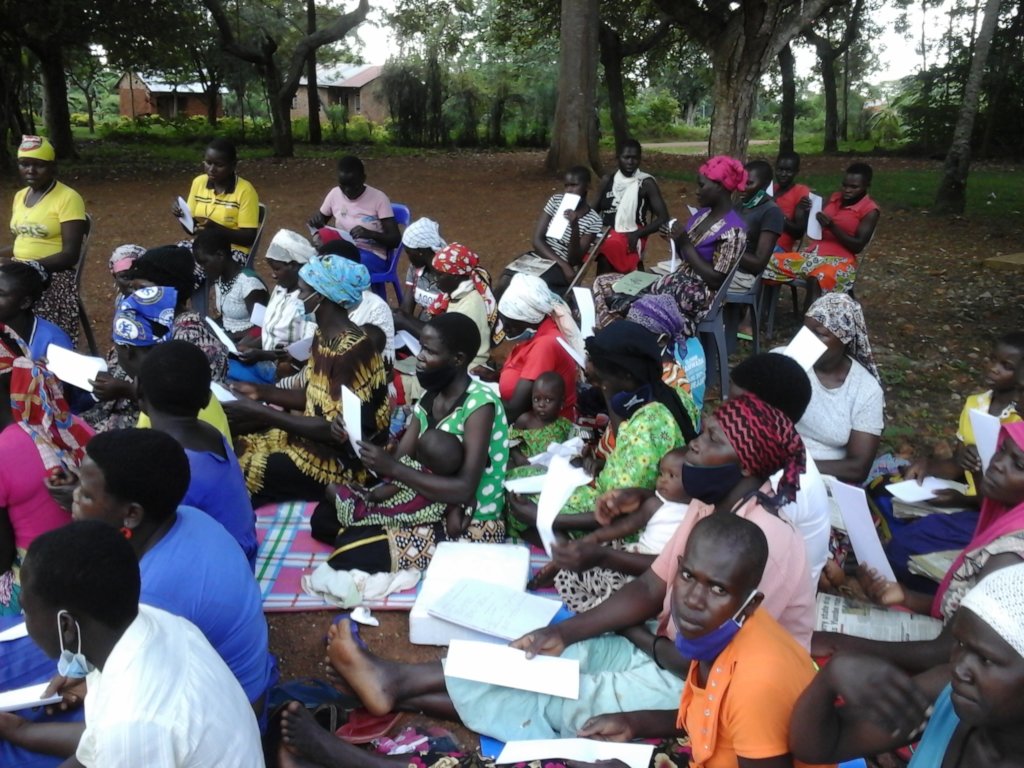
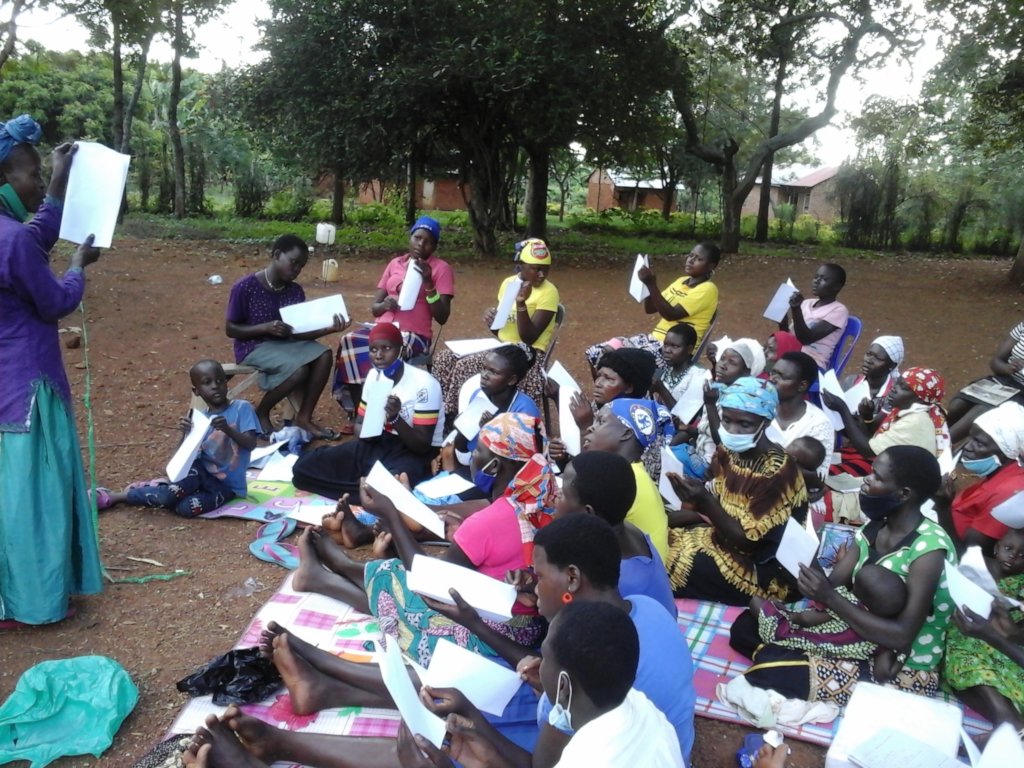
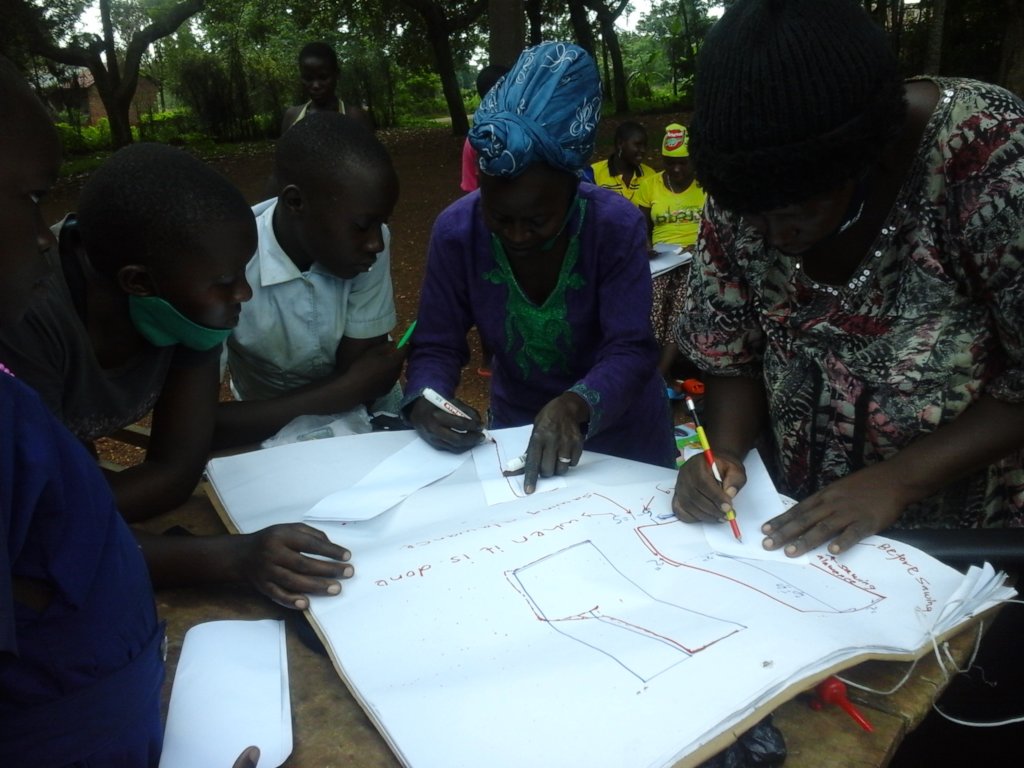
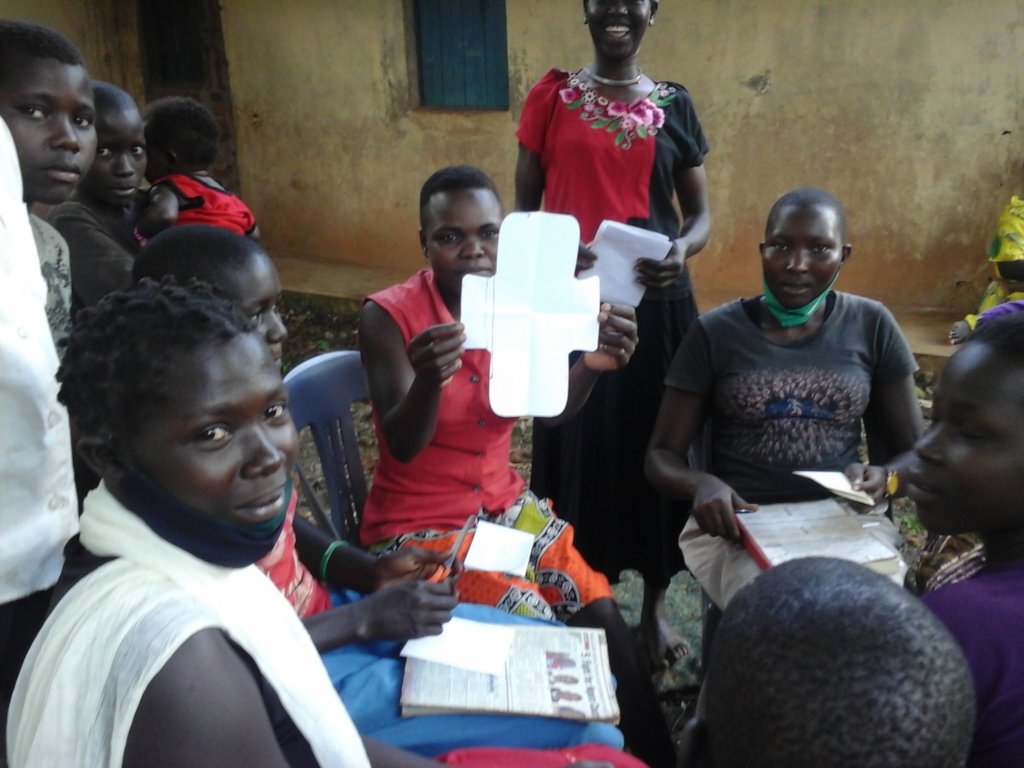
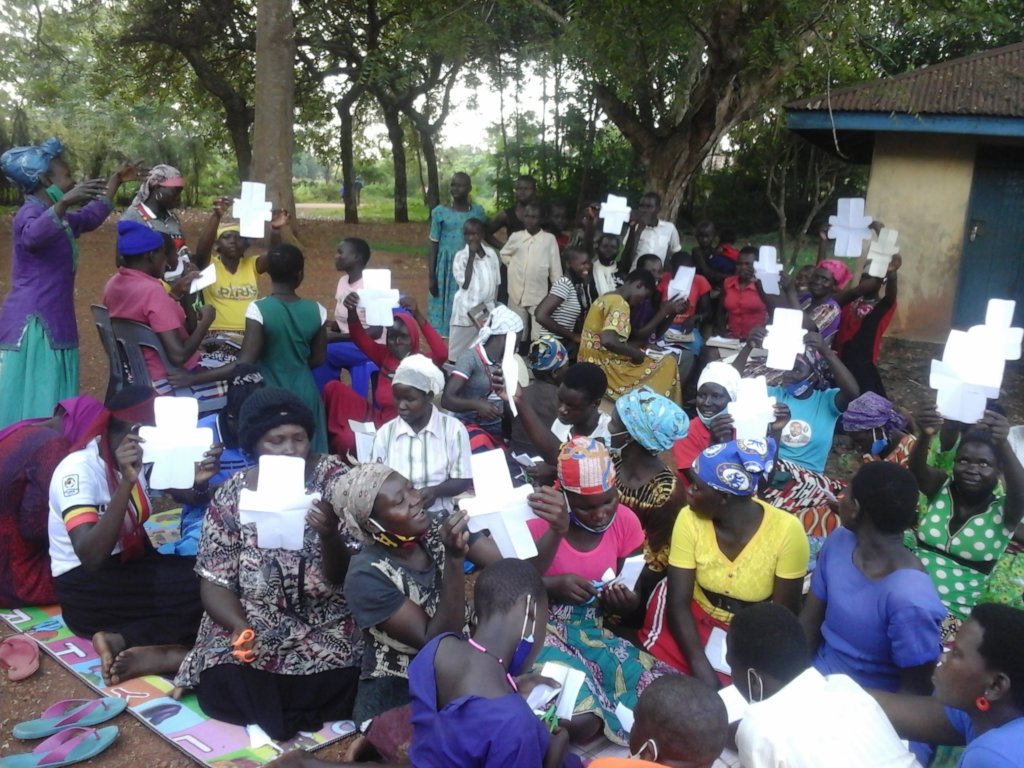
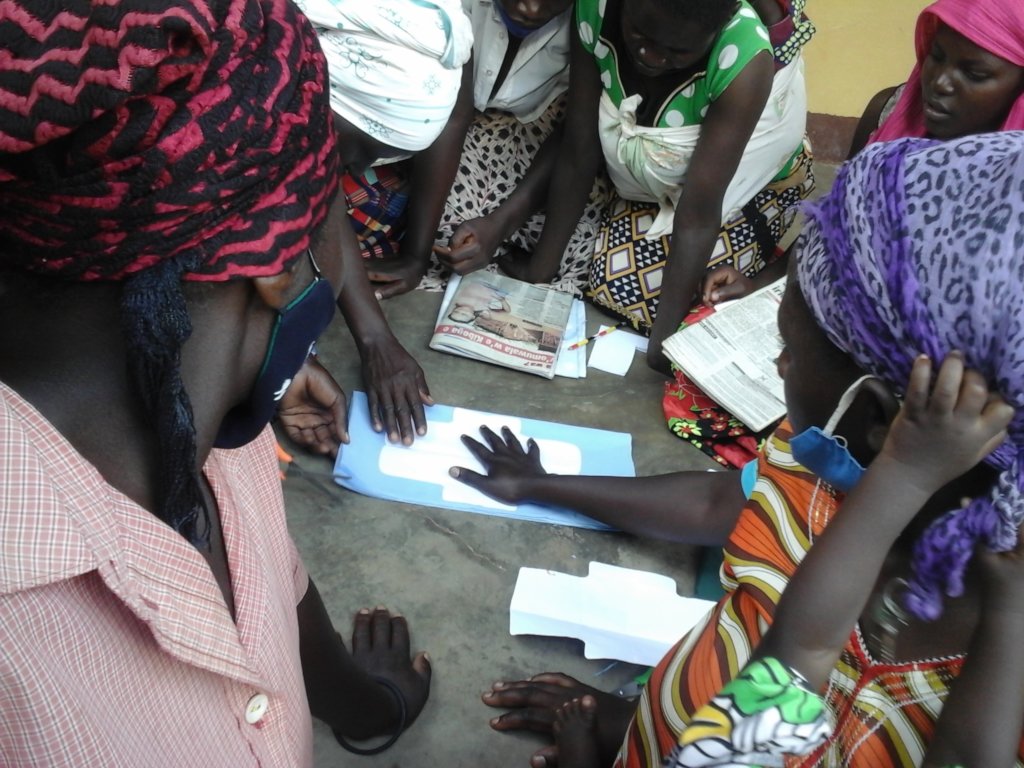
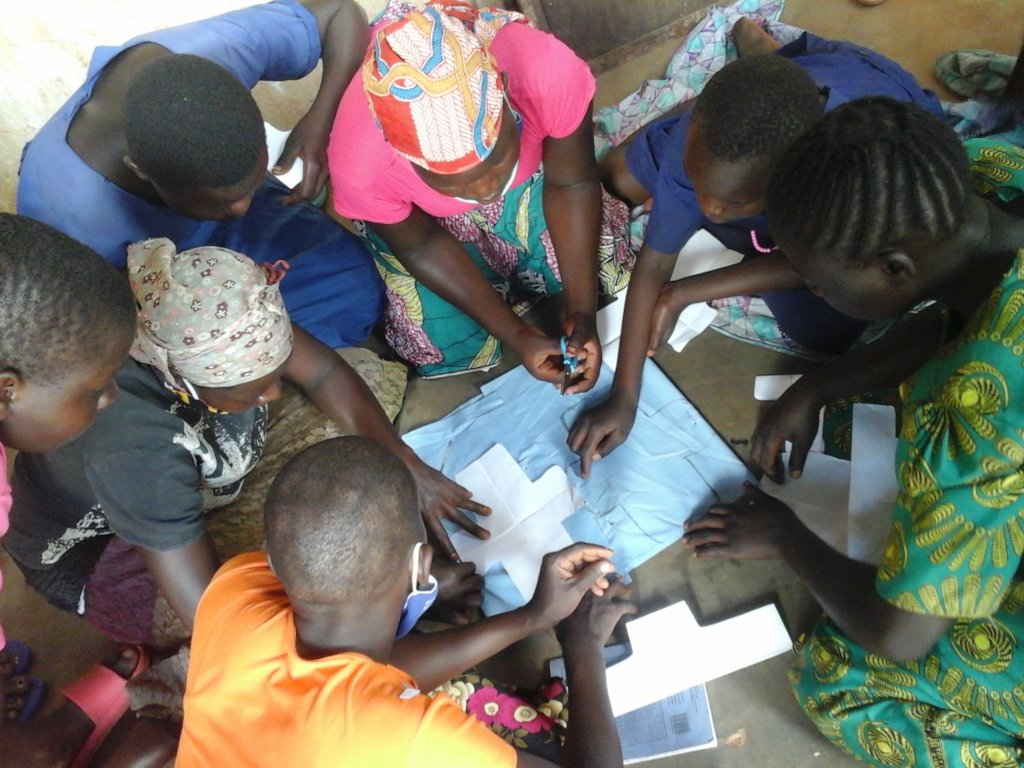
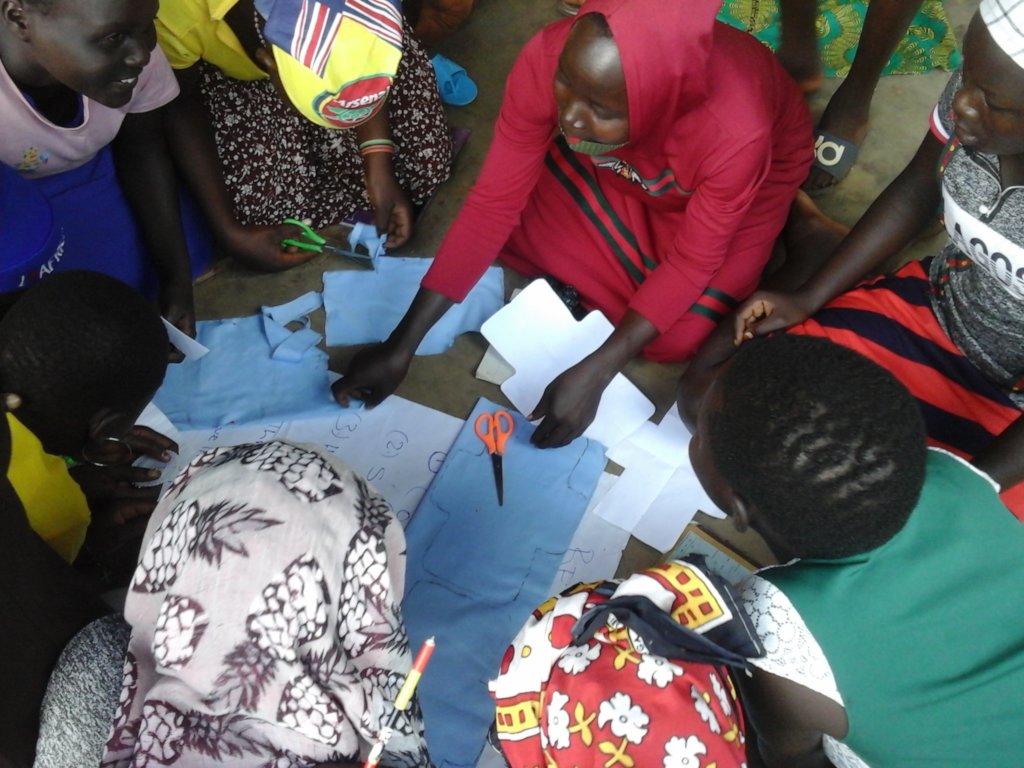
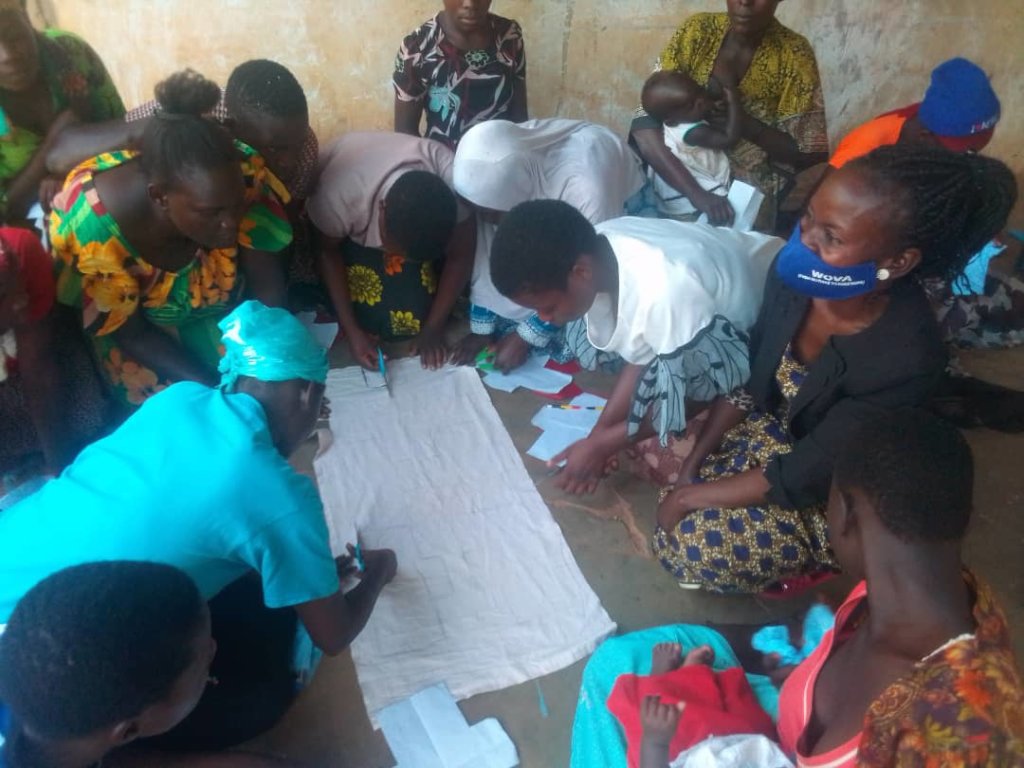
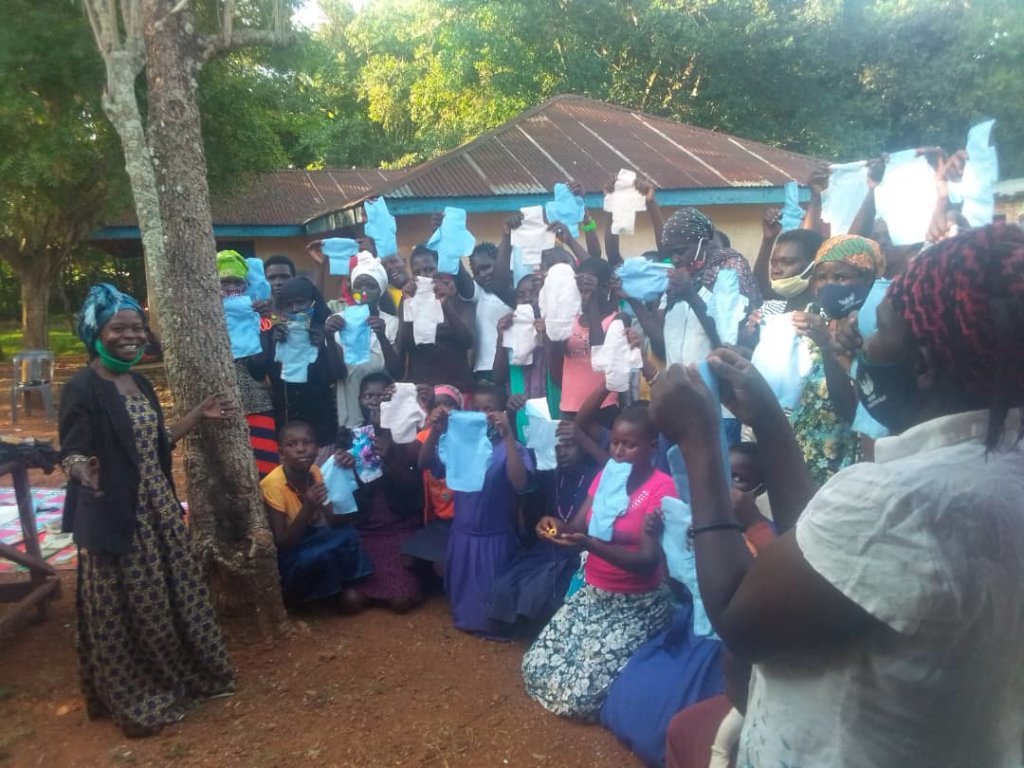
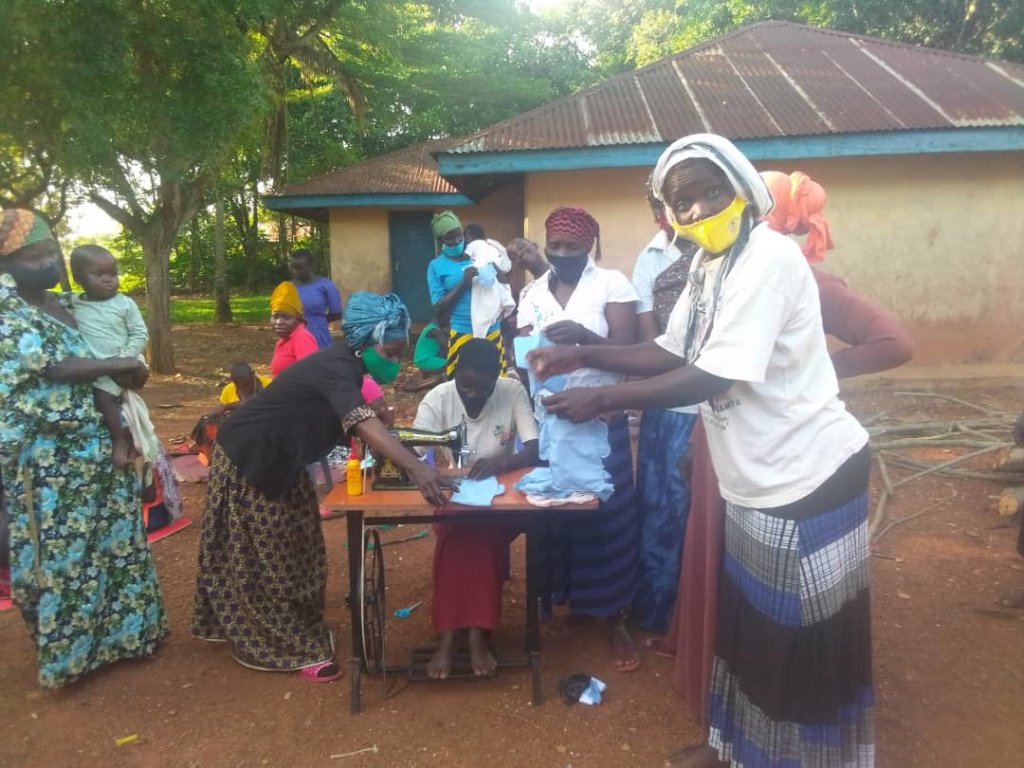
In response to these challenges, Ravens Foundation (RAF) implements skills-development programmes that enable women and girls to acquire practical livelihood skills while promoting menstrual health, dignity, and self-confidence. By building local capacity in the production of reusable sanitary pads, handbags, and school bags, the project seeks to equip participants with skills that can generate income and support household livelihoods.
Through these interventions, RAF contributes to reducing economic vulnerability, promoting menstrual health and dignity, and strengthening the resilience of women, girls, families, and communities.
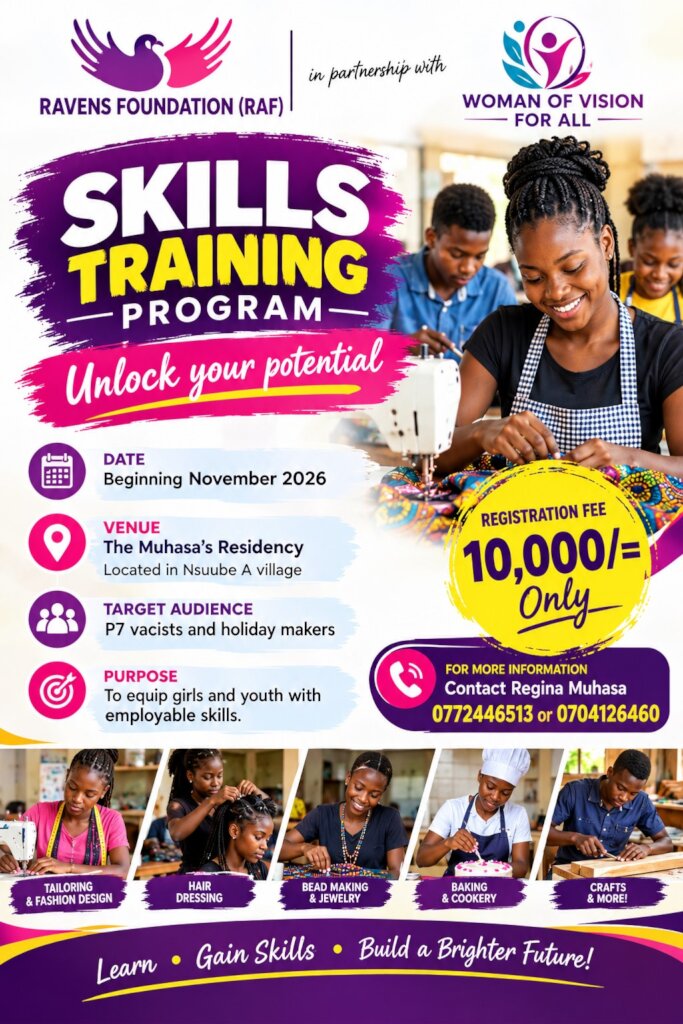
ACTIVITIES IMPLEMENTEDDevelopment of Mobilization Materials: Ravens Foundation designed promotional flyers (attached) to support the mobilization and recruitment of young people and girls for the planned skills-training programme. The flyers were intended to create awareness about the training opportunities and encourage participation among the target beneficiaries.
.
EXPECTED OUTCOMES
Since this programme targets students during school holidays, it is expected to create a positive ripple effect at the individual, school, household, and community levels. The programme will provide young people with practical skills and productive ways to use their holiday time while contributing to their personal development and future economic opportunities.
Impact on Students/Participants
Impact on the Education SystemEconomic and Community Impact
SMART EXPECTED OUTCOMES AND INDICATORS
Outcome
Indicator
Target
Means of Verification
Timeline
Participants acquire practical livelihood skills in selected areas.
Number of participants completing skills training; percentage demonstrating basic competency in their selected skill.
At least 30 participants trained, with at least 80% demonstrating basic competency in at least one skill area.
Registration records, attendance registers, pre- and post-training assessments, practical skills assessment, trainer reports.
November 2026–January 2027
Participants develop practical skills in tailoring and sewing.
Number of participants completing basic tailoring/sewing tasks independently.
At least 15 students demonstrate the ability to complete at least one basic sewing item independently.
Practical assessment, samples of completed work, trainer assessment forms, photographs.
November 2026–January 2027
Participants acquire knitting skills that can support future income generation
Number of participants able to complete a basic knitted item using the techniques taught.
At least 10 students complete one basic knitted item or demonstrate the required basic knitting techniques.
Completed products, practical assessment, trainer reports, and photographs.
November 2026–January 2027
Participants acquire skills in making bags.
Number of participants able to design and produce a basic reusable bag.
At least 15 students produce at least one reusable bag by the end of the training.
Completed bags, practical assessment, photographs, and trainer records.
November 2026–January 2027
Participants acquire basic cooking skills.
Number of participants demonstrating selected basic cooking skills and safe food-handling practices.
At least 20 students demonstrate competence in at least three basic cooking or food-preparation tasks.
Practical demonstrations, trainer assessment, attendance records, photographs.
November 2026–January 2027
Girls and young women acquire skills for making reusable menstrual pads.
Number of participants able to produce reusable menstrual pads using the recommended materials and procedures.
At least 20 participants demonstrate the ability to make at least two reusable menstrual pads and explain basic menstrual hygiene practices.
Completed menstrual pads, practical assessment, participant feedback, trainer reports, and photographs.
November 2026–January 2027
Participants develop entrepreneurship and income-generation awareness.
Percentage of participants who can identify potential uses of their skills for income generation; number developing a simple income-generation idea.
At least 75% of participants identify at least one way to use their acquired skills to generate income, save money, or support their households. At least 15 participants develop a simple income-generation idea.
Pre- and post-training questionnaires, simple business/enterprise plans, group discussions, trainer reports.
January 2027
Participants improve confidence, teamwork, and problem-solving skills
Percentage of participants reporting improved confidence and demonstrating teamwork and problem-solving during group activities.
At least 75% of participants demonstrate or report improvement in at least two identified life skills.
Participant feedback forms, pre- and post-training assessments, trainer observations, group activity records.
November 2026–January 2027
Participants use their school holiday productively through structured learning.
Number and percentage of registered participants attending the agreed training sessions.
At least 80% of registered participants attend the minimum number of sessions required to complete the programme.
Attendance registers, session reports, participant registration forms.
November 2026–January 2027
Participants complete practical products that demonstrate skills acquired.
Number of completed products produced by participants during the training.
At least 80% of participants complete at least one practical product in their selected area of training.
Product inventory, completed work, photographs, practical assessment records.
January 2027
Participants are linked to opportunities for continued skills development and application.
Number of participants linked to mentors, skilled artisans, businesses, apprenticeships, or other relevant opportunities.
At least 10 participants are linked to a mentor, artisan, business, apprenticeship, or other opportunity for continued skills development.
Referral/linkage records, mentor records, follow-up reports, participant interviews.
By January 2027 and during follow-up
The programme strengthens community support for youth skills development.
Number of parents, local leaders, schools, and other stakeholders engaged in mobilization and programme support.
At least 10 community stakeholders engaged in supporting or promoting the programme and youth skills development.
Stakeholder engagement records, meeting reports, mobilization records, photographs.
November 2026–January 2027
MONITORING AND MEASUREMENT
Progress towards these outcomes will be measured through participant registration and attendance records, pre- and post-training assessments, practical skills demonstrations, participant feedback forms, photographs of completed products, trainer observations, and follow-up visits or interviews. Where possible, results will be reported using actual numbers and percentages rather than general statements.
ANTICIPATED CHALLENGES
Because the programme will be implemented during formal school holidays, it may face a number of operational, financial, and social challenges. Anticipating these challenges will enable Ravens Foundation to develop proactive measures to minimize their impact and support successful implementation.
1. Participant and Parent-Related Barriers
2. Resource and Sustainability Constraints3. Time and Programme ManagementMITIGATION MEASURES AND STRATEGIES
To address the anticipated challenges, Ravens Foundation will implement the following mitigation measures and strategies:
1. Participant and Parent-Related Challenges
Challenge: Students may be reluctant to participate during their holiday.
Mitigation: RAF will begin mobilization and sensitization before the school holidays. Flyers, community mobilization, and engagement with local leaders, parents, schools, churches, and other community stakeholders will be used to explain the benefits of acquiring practical skills during the holiday period. The training will also be designed to be practical, engaging, and participatory to maintain students’ interest.
Challenge: Students may have household and family responsibilities during the holidays.
Mitigation: RAF will engage parents and caregivers early to agree on suitable training schedules that take household responsibilities into consideration. Where possible, training sessions will be organized at convenient times to enable students to participate without significantly disrupting family responsibilities.
Challenge: Participants may drop out because the programme is voluntary.
Mitigation: Participants and parents will be clearly informed about the programme expectations, duration, and benefits before enrolment. Attendance will be monitored throughout the training, and facilitators will follow up with participants who miss sessions. Practical, hands-on activities and opportunities to produce useful items will also be used to maintain motivation.
Challenge: Some parents may not immediately appreciate the value of the programme.
Mitigation: RAF will sensitize parents and caregivers about the importance of practical skills, entrepreneurship, menstrual health, and productive use of school holidays. Parents will also be encouraged to support participants in practicing and applying the skills acquired after the training.
2. Resource and Sustainability Challenges
Challenge: Limited financial resources may affect the availability of tools and training materials.
Mitigation: RAF will prioritize essential materials and develop a detailed budget before implementation. The Foundation will also seek support from partners, local businesses, well-wishers, and other stakeholders to provide training materials, equipment, or financial contributions. Where appropriate, participants will work in small groups to maximize the use of available equipment and materials.
Challenge: Limited training space and equipment may affect practical learning.
Mitigation: RAF will assess available community spaces and identify suitable venues before the training begins. Training schedules will be organized to allow participants to share equipment effectively and receive adequate practical time. RAF will also explore partnerships with local artisans and businesses that may provide access to equipment or training facilities.
Challenge: Participants may lose or fail to develop their skills after the programme ends.
Mitigation: RAF will encourage participants to continue practicing their skills at home or within their communities. Where resources permit, the Foundation will establish mentorship and follow-up arrangements with skilled artisans and trainers. Participants will also be linked to opportunities for further training, apprenticeships, or income-generating activities.
Challenge: Participants may lack access to markets or start-up capital.
Mitigation: Entrepreneurship and basic business skills will be incorporated into the training. Participants will be introduced to basic costing, pricing, saving, customer identification, and marketing. RAF will also explore linkages with local businesses, markets, community savings groups, and other organizations that can support participants to apply their skills.
3. Time and Programme Management Challenges
Challenge: The holiday period may not provide sufficient time to cover all the planned skills.
Mitigation: RAF will develop a structured training schedule with clear learning objectives for each session. Participants will be encouraged to select or prioritize skills according to their interests, while ensuring that sufficient time is allocated for practical exercises and assessment.
Challenge: Managing several different skills within one programme may be difficult.
Mitigation: Training will be organized into clearly defined skill areas, with appropriately skilled trainers or facilitators assigned to each area. Where necessary, participants will be divided into smaller groups and rotate between sessions according to a structured timetable.
Challenge: Attendance may be affected by competing activities during the holiday.
Mitigation: RAF will maintain regular communication with participants and parents regarding training schedules. Attendance registers will be used to monitor participation, and follow-up will be conducted with participants who miss sessions. Certificates or recognition of completion may also be considered to encourage participants to complete the programme.
4. Monitoring and Follow-Up
RAF will regularly monitor implementation to identify challenges early and make necessary adjustments. Attendance, participation, skills acquisition, completed products, and participant feedback will be documented throughout the programme. A follow-up process will also be considered after the training period to assess whether participants are continuing to practice or apply the skills acquired and to identify opportunities for further support.
CONCLUSION
The June–September 2026 reporting period was an important phase for Ravens Foundation (RAF) as it focused on strengthening community networks, introducing the Foundation’s work to local leaders, and laying the groundwork for the planned skills-training programme. Although hands-on training activities were limited because most of the target beneficiaries were attending school, the period provided an opportunity to strengthen relationships with key community stakeholders and prepare for the next phase of implementation.
The planned holiday skills-training programme will provide at least 30 students with opportunities to acquire practical skills in tailoring and sewing, knitting, bag making, cooking, and the production of reusable menstrual pads. Beyond skills acquisition, the programme is intended to promote productive use of school holidays, build confidence and teamwork, strengthen awareness of entrepreneurship, and create pathways for young people to apply their skills in their homes and communities.
RAF recognizes that successful implementation will require continued mobilization, parental and community support, adequate training materials, skilled facilitators, and follow-up after the training period. The Foundation will therefore continue to strengthen partnerships with local leaders, parents, schools, community members, and potential partners to ensure that the programme is sustainable and responsive to the needs of its beneficiaries.
Overall, RAF remains committed to empowering women, girls, and young people with practical skills, knowledge, and opportunities that can contribute to greater dignity, self-reliance, and community resilience. The Foundation looks forward to building on the progress made during this reporting period and expanding its reach and impact in the coming period.
A CALL FOR ACTION
Ravens Foundation (RAF) is committed to equipping young people, women, and girls with practical skills that can strengthen their confidence, self-reliance, and future livelihood opportunities. To successfully implement the planned holiday skills-training programme, RAF is seeking support from partners, organizations, businesses, well-wishers, and individuals who share our commitment to youth empowerment and community development.
The programme aims to train at least 30 students in tailoring and sewing, knitting, bag making, cooking, and the production of reusable menstrual pads. To provide meaningful hands-on learning, the programme requires adequate training materials, tools, equipment, and other operational resources.
RAF would particularly welcome support in the following areas:
RAF welcomes both financial and in-kind contributions. Partners may support the programme through direct financial contributions, donation or provision of raw materials, technical expertise, mentorship, or linkages to markets and further training opportunities.
Every contribution, regardless of size, will help create an opportunity for a young person to learn a practical skill, discover their potential, and take a step towards greater self-reliance. RAF is committed to using all resources responsibly and documenting programme activities, outputs, and outcomes to ensure transparency and accountability to its supporters and beneficiaries.
We therefore invite individuals, organizations, businesses, development partners, and other stakeholders to partner with Ravens Foundation in making this initiative a meaningful and sustainable investment in the lives of young people and their communities.
Together, we can unlock potential, build practical skills, and create pathways to a more empowered and resilient generation.
By Regina N. Muhasa | Executive Director
By Regina N. Muhasa | Project Leader
Project reports on GlobalGiving are posted directly to globalgiving.org by Project Leaders as they are completed, generally every 3-4 months. To protect the integrity of these documents, GlobalGiving does not alter them; therefore you may find some language or formatting issues.
If you donate to this project or have donated to this project, you can receive an email when this project posts a report. You can also subscribe for reports without donating.


Support this important cause by creating a personalized fundraising page.
Start a Fundraiser