By Regina Muhasa | Executive Director
EXECUTIVE SUMMARY: The average adolescent girl will menstruate for about 3,000 days in her lifetime. Unfortunately majority of these girls and women have limited options for affordable menstrual materials. And yet poor menstrual hygiene can pose physical health risks such as reproductive and urinary tract infections. Providing access to safer low-cost menstrual materials could reduce urogenital diseases. Periods don’t stop for pandemics! The coronavirus (COVID-19) pandemic has exacerbated persisting challenges related to menstruation. Financial stress from the pandemic’s economic impact causes families to prioritize other basic needs, except menstrual materials. Therefore, it is more necessary now than ever before that women and girls especially those living in extreme poverty, should be equipped with skills in making reusable menstrual pads
BACKGROUND
Every day more than 800 million people between ages 15 and 49 are menstruating. And yet, in some cultures, monthly menstruation is a stigmatized issue shrouded in silence, secrecy and shame. It’s a topic that can be embarrassing to talk about, and some communities around the globe have developed harmful myths and beliefs regarding it. A lack of information about menstruation leads to damaging misconceptions and discrimination, and can cause girls to miss out on normal childhood experiences and activities. Stigma, taboos and myths prevent adolescent girls from the opportunity to learn about menstruation and develop healthy habits.
The average adolescent girl will menstruate for about 3,000 days in her lifetime. Unfortunately majority of these girls, especially those living in extreme poverty lack access to a restroom, people to talk to who understand, and clean materials to use in managing their periods; a phenomenon often called period poverty. Many girls and women have limited options for affordable menstrual materials. Poor menstrual hygiene can pose physical health risks and has been linked to reproductive and urinary tract infections. Providing access to safer low-cost menstrual materials could reduce urogenital diseases.
Periods don’t stop for pandemics! The coronavirus (COVID-19) pandemic highlights, or even exacerbates, persisting challenges related to menstruation. Financial stress from the pandemic’s economic impact causes families to prioritize other basic needs. And disrupted supply chains increase prices of commercial products, making them unaffordable for too many women and girls; hence the solution lies in homemade reusable menstrual pads.
Schools, community centers, churches and other touch points where girls and women can typically access critical information about menstruation as a natural process that is neither shameful nor polluting are closed due to the pandemic. For those without computers or internet access, other sources of information are nonexistent. Consequently, period stigma and taboos persist, and can undermine adolescent girls’ confidence at a key stage of development. There is also limited availability of routine health services amid the COVID-19 response. Menstrual health and hygiene (MHH) needs to be included in COVID-19 emergency response interventions.
Ravens Foundation premised its interventions on the above , hence embarking on efforts to engage the adolescent girls and young women on issues of reproductive health, our objectives for the project being;
In order to fulfill our objectives we planned to carry out the following activities;
This report covers a period of three months, April to June 2021. Due to resource constraints, our main focus in this period was on equipping our beneficiaries in the villages of Bukomolo and Bugolya inBudaka district; with skills in making reusable menstrual pads.
ACTIVITIES CARRIED OUT DURING THE REPORTING PERIOD
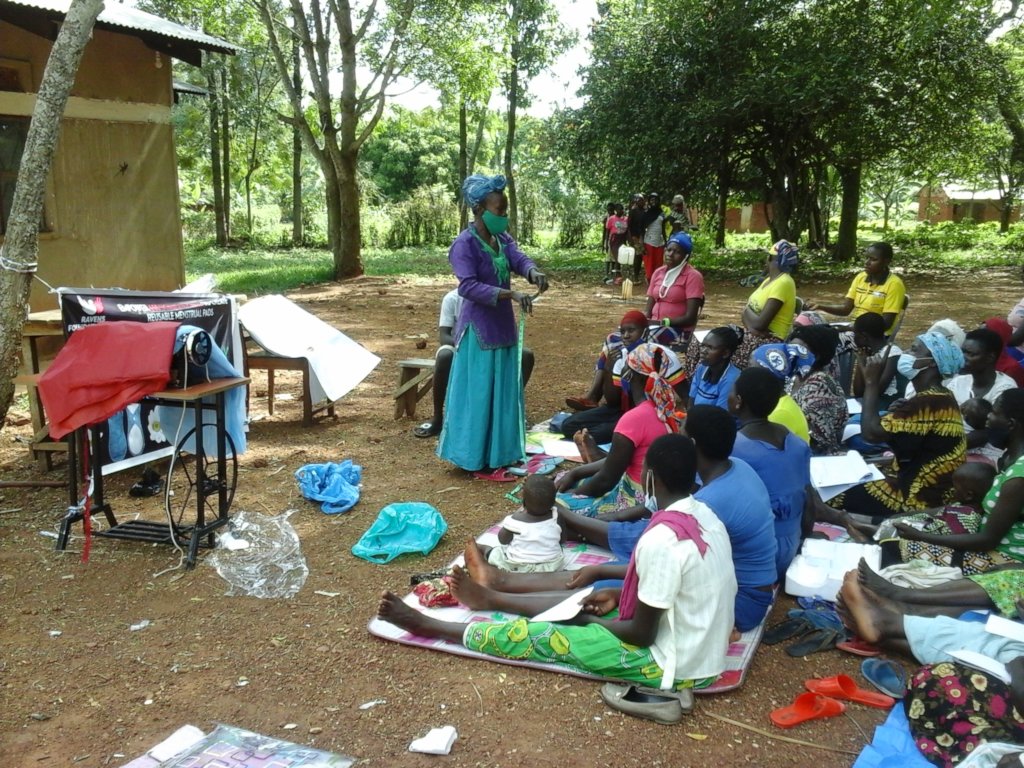
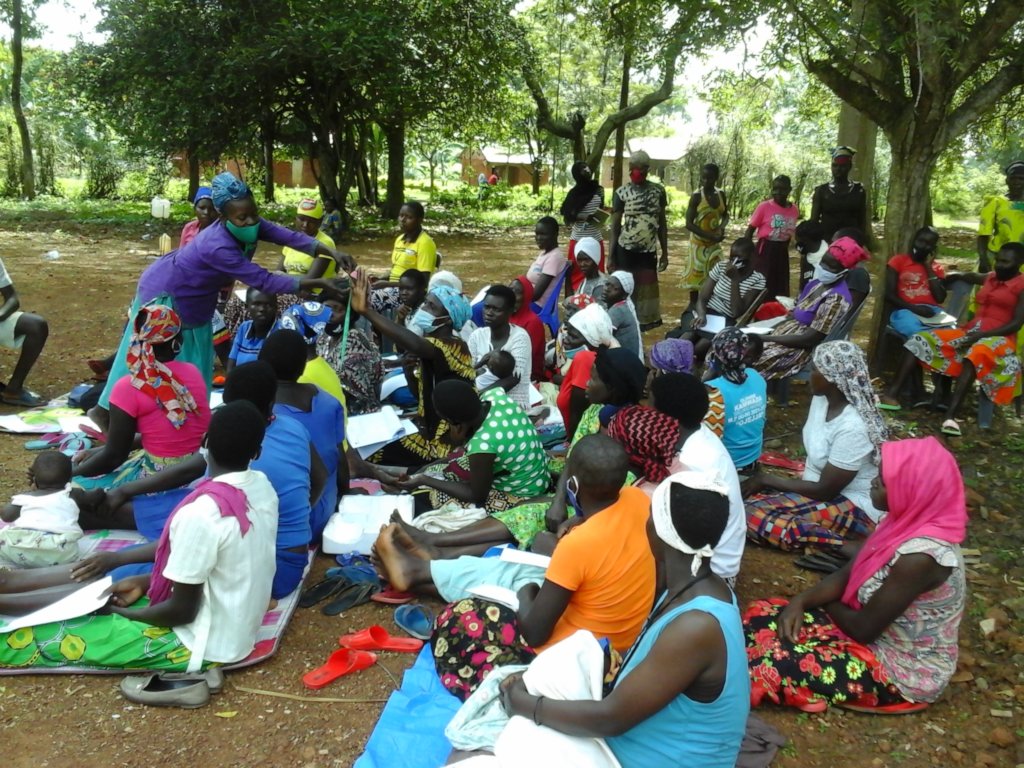
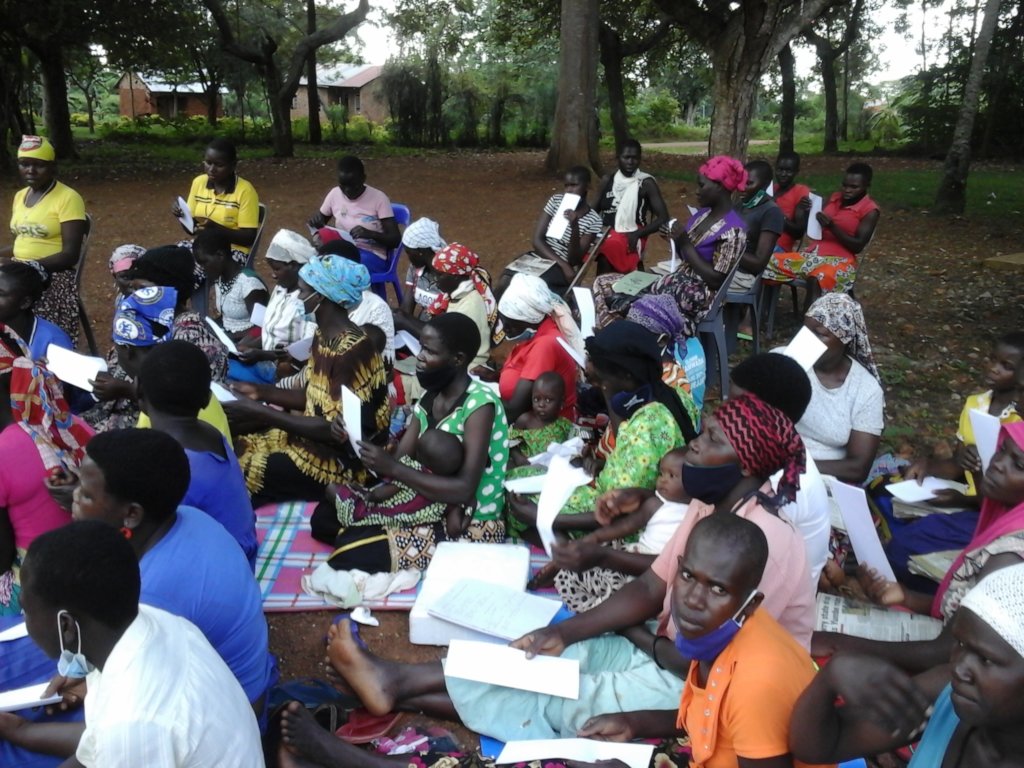
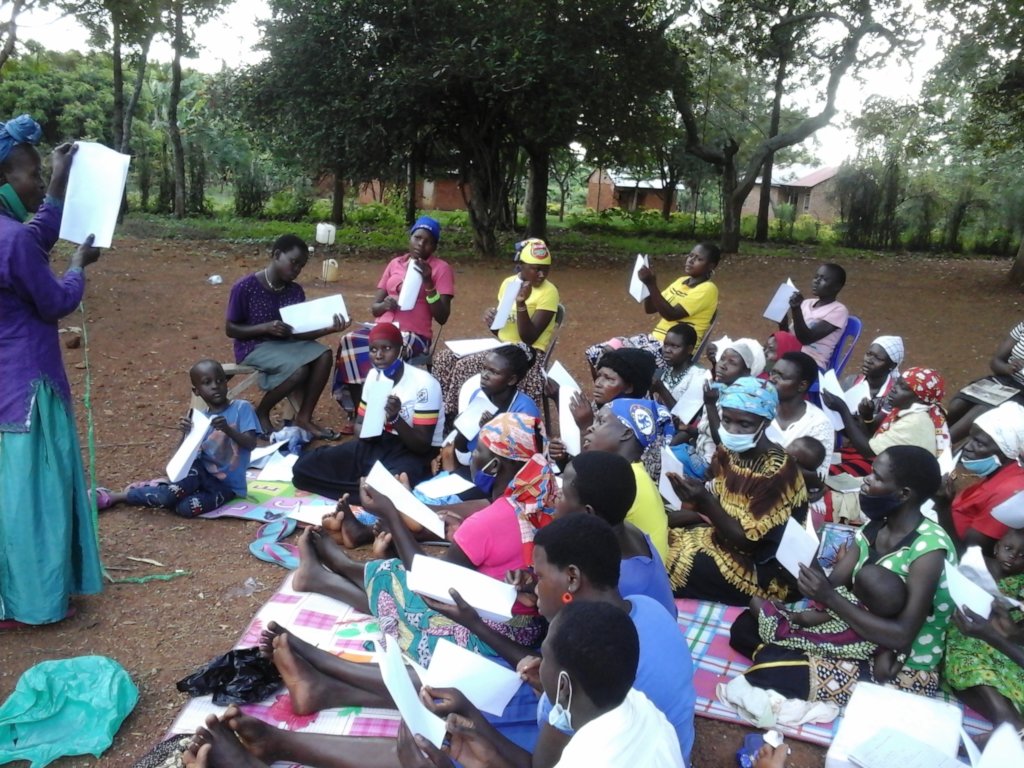
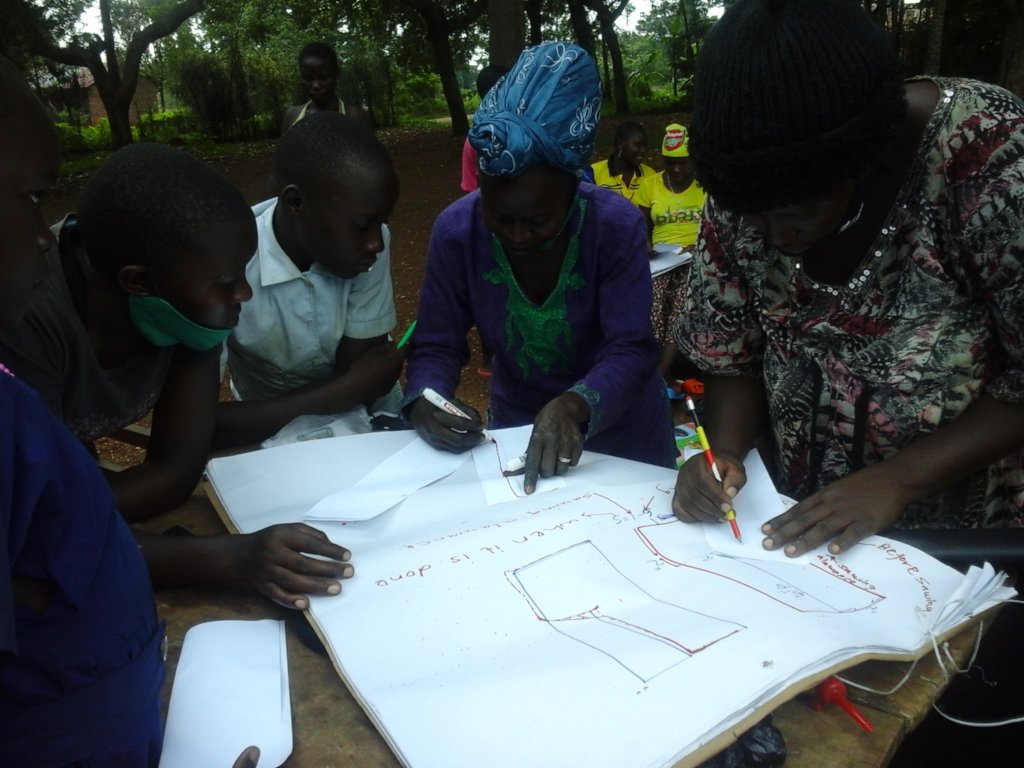
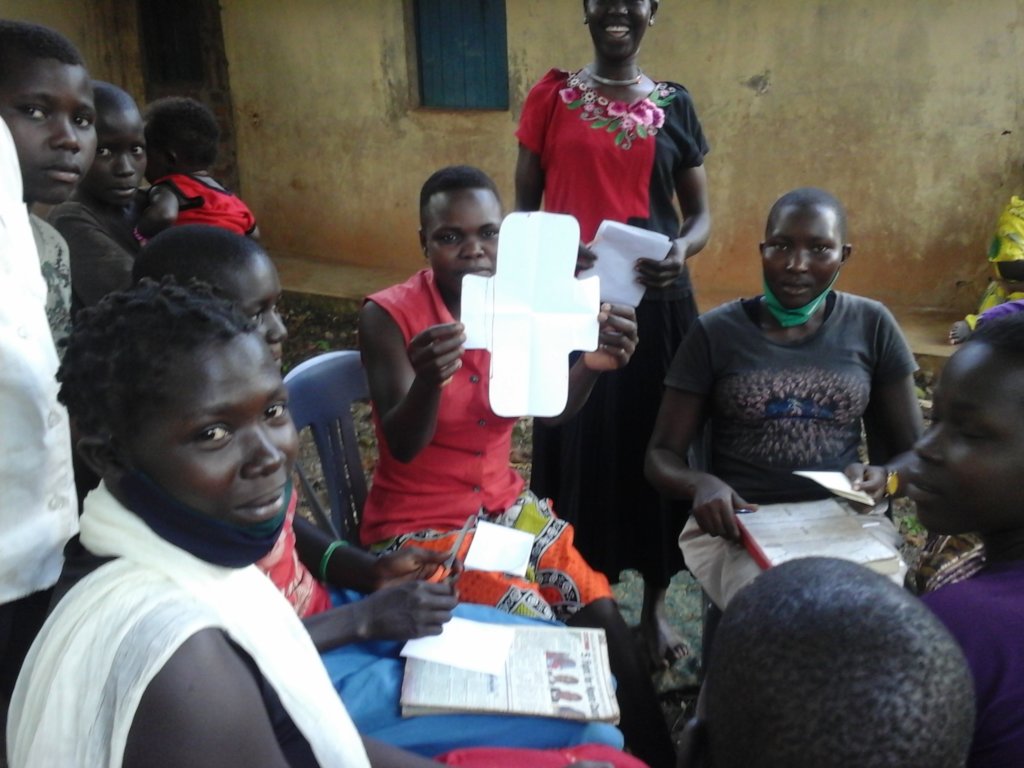
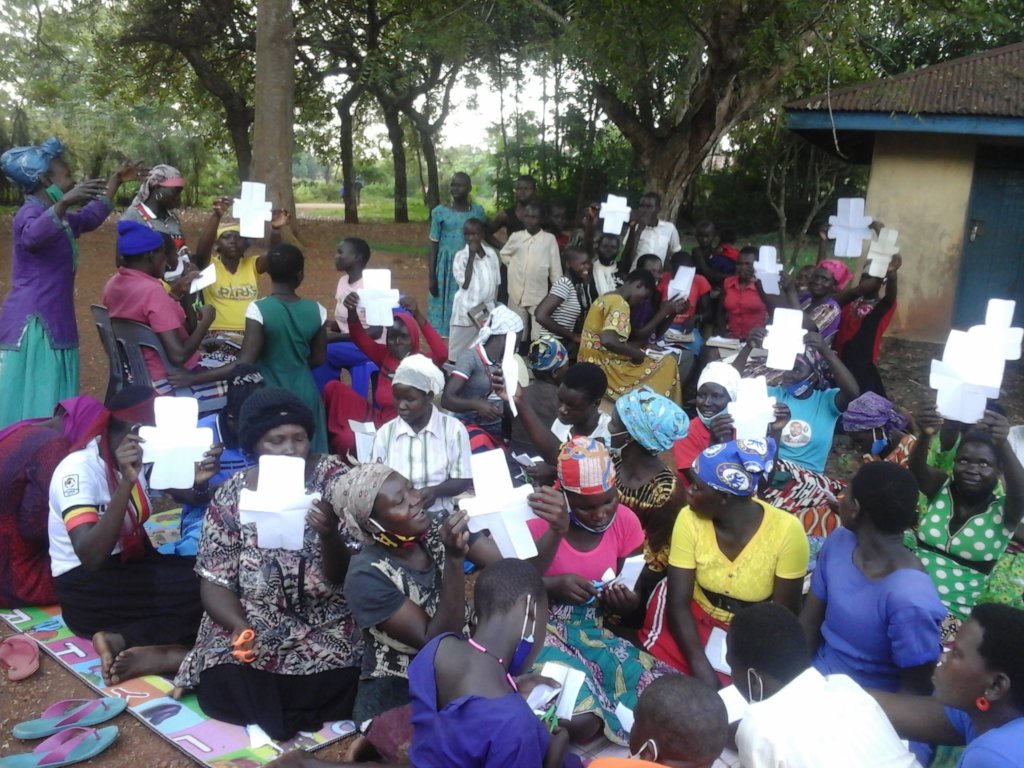
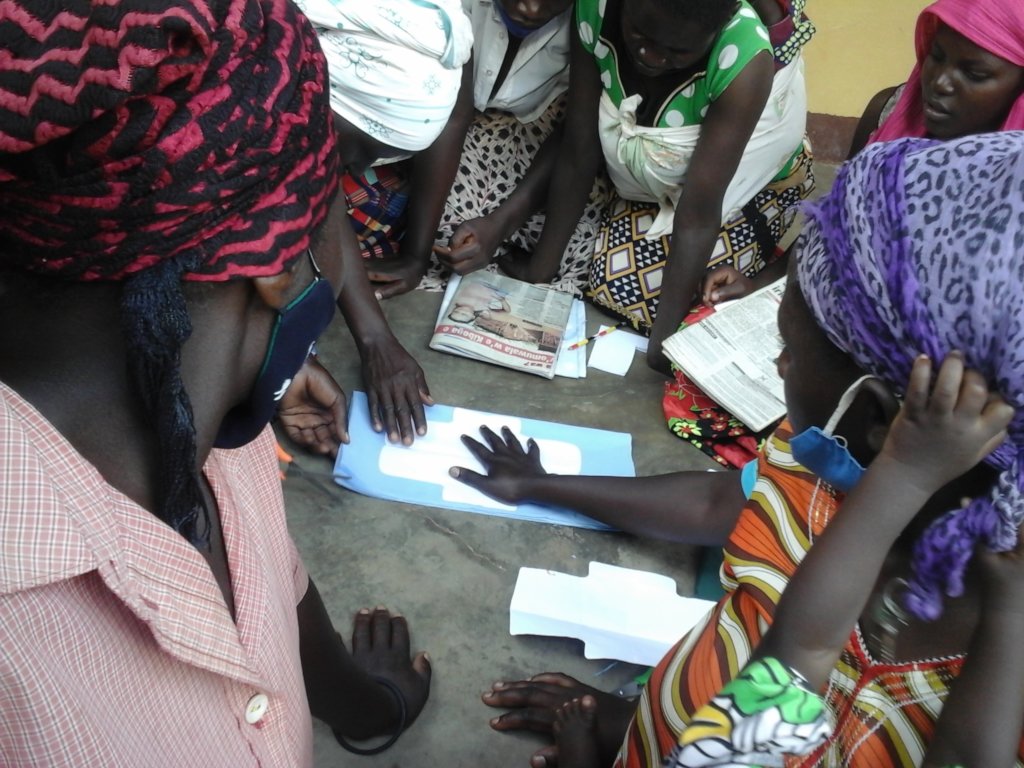
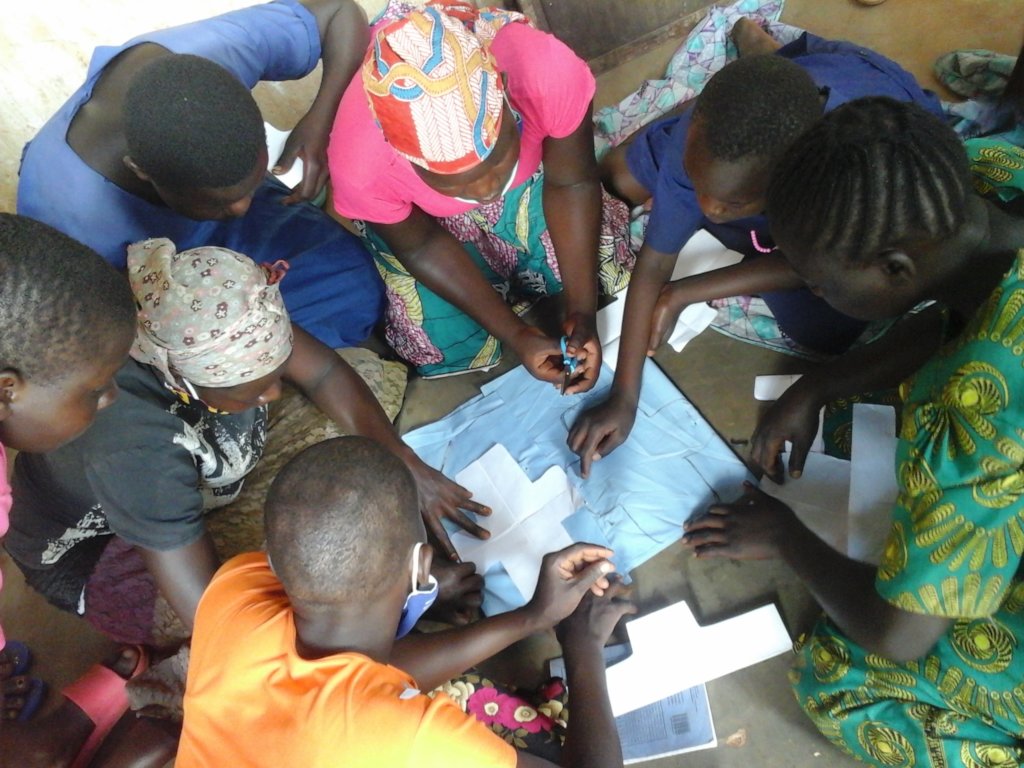
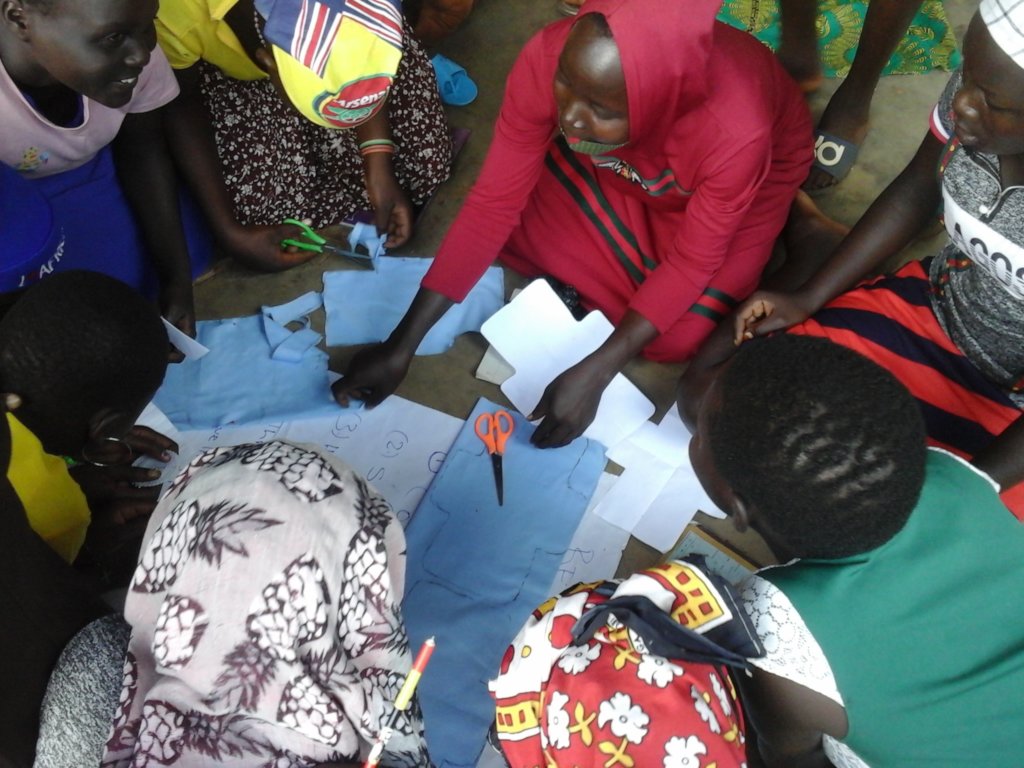
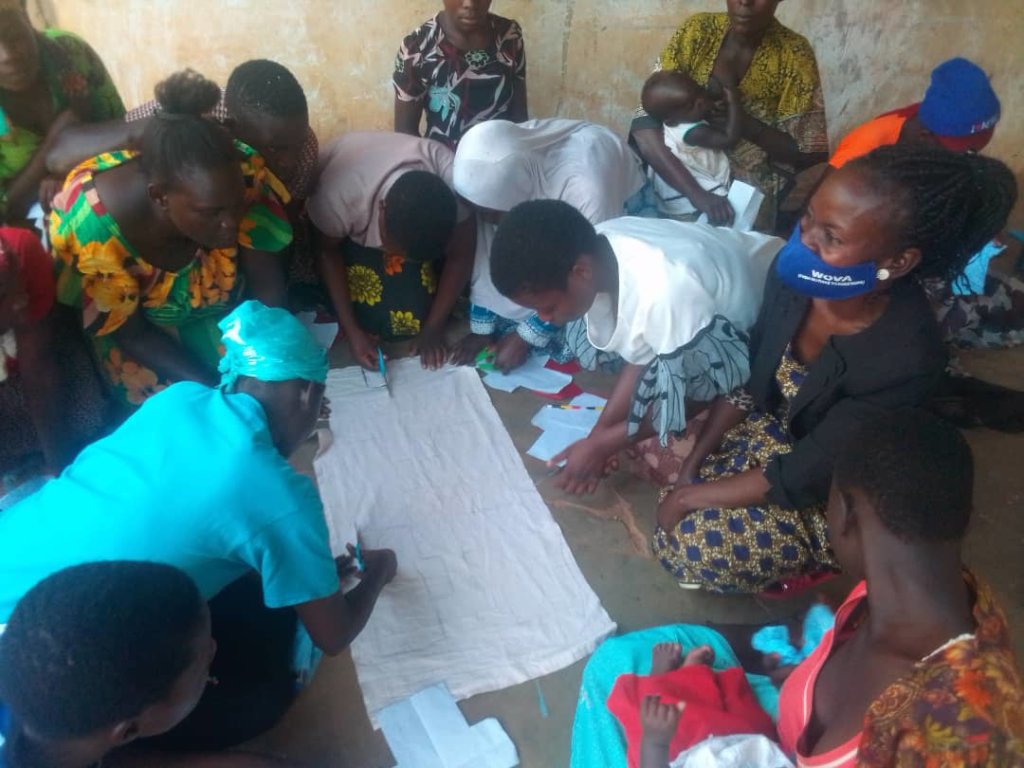
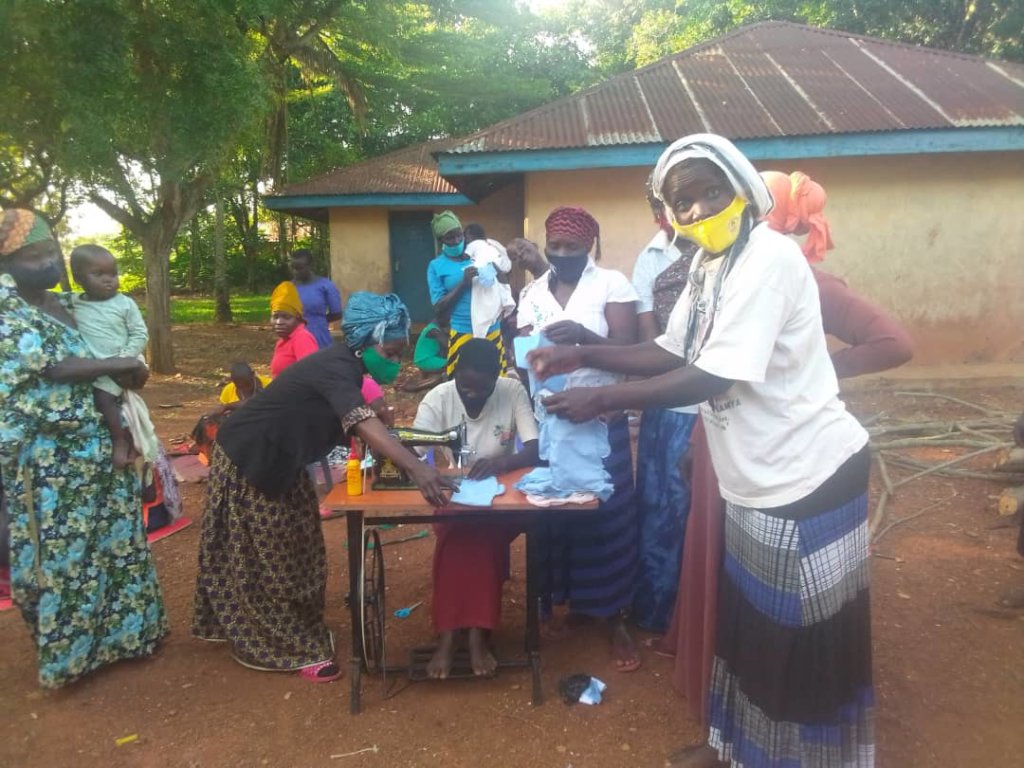
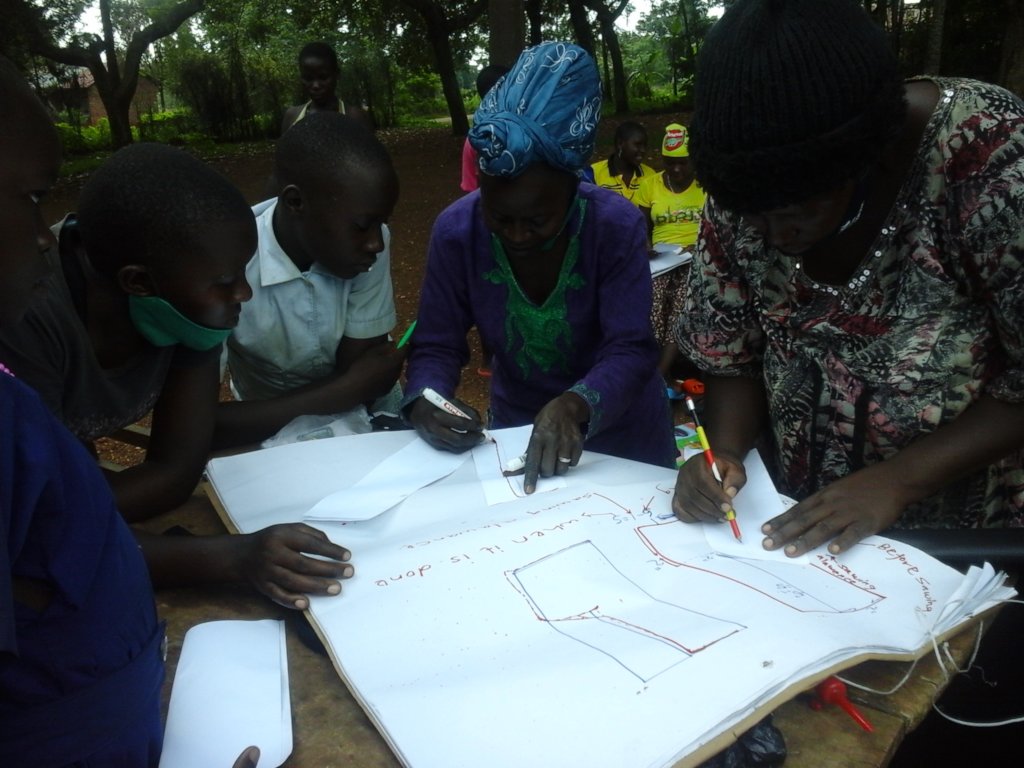
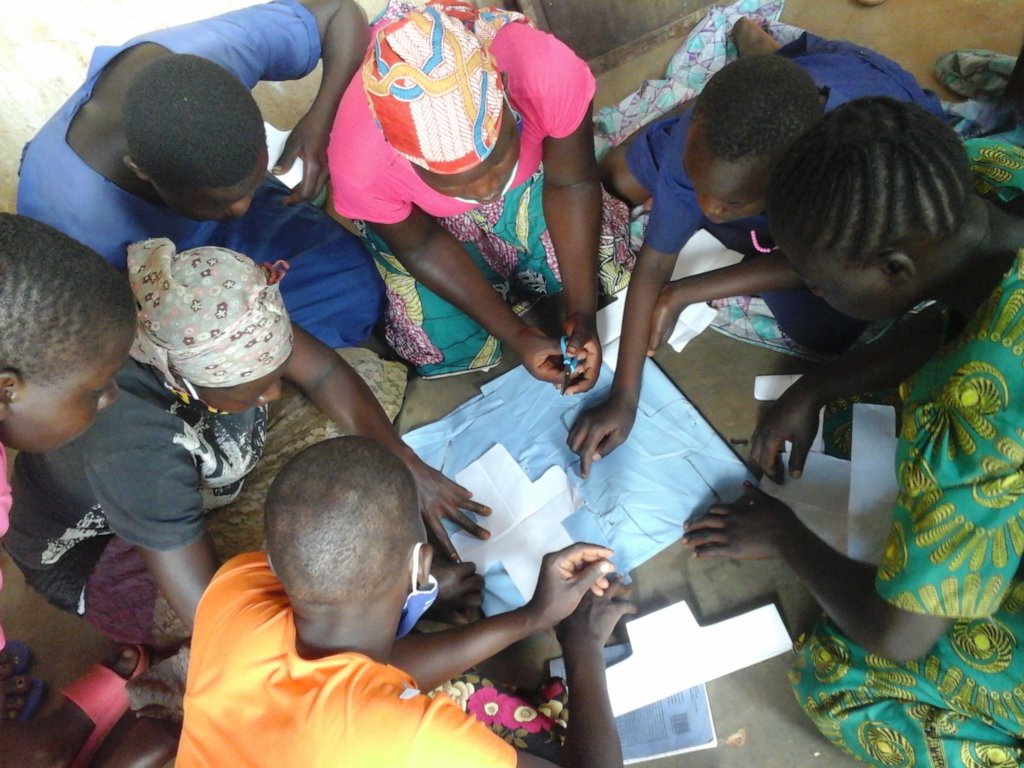
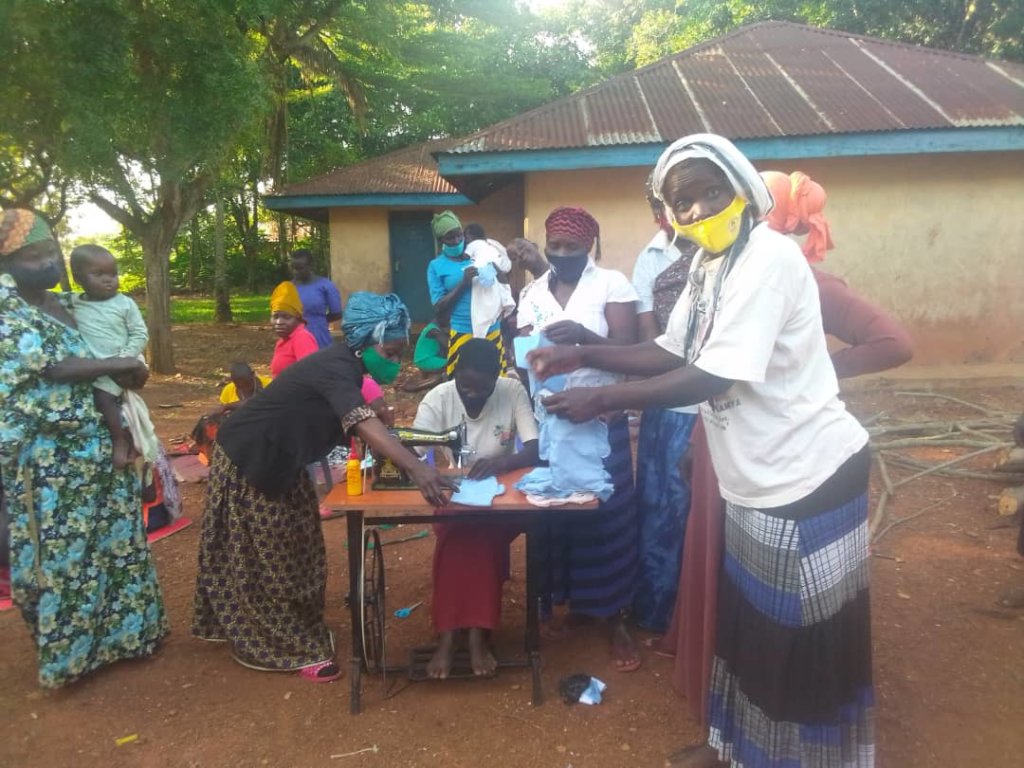
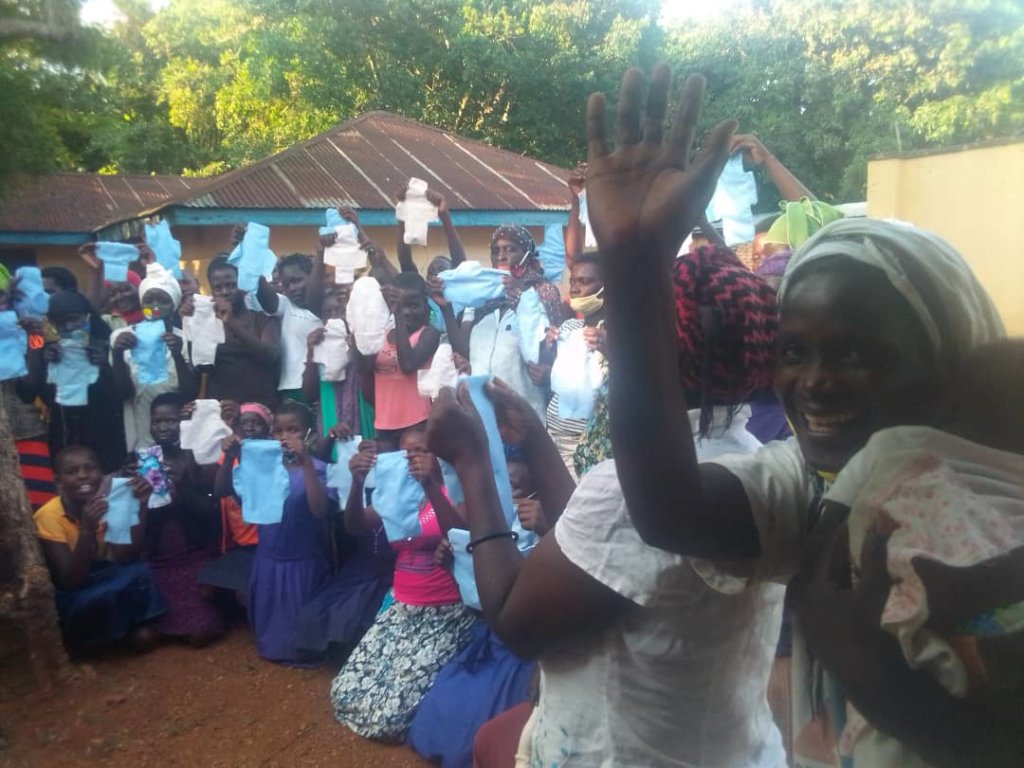
The major activity during the reporting period was training of women and girls in making reusable menstrual pads.
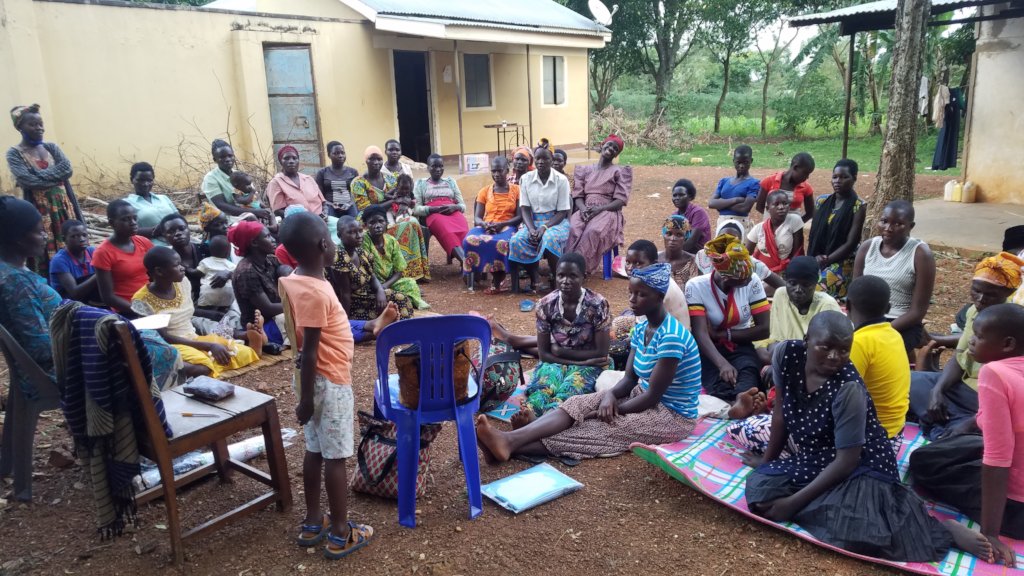
Inception Meeting: this took place on May 26, 2021. During our mobilization work in the first quarter, January to March 2021, we registered 20 women and girls, but on the first day during our inception meeting a total of 41 women and girls turned up.
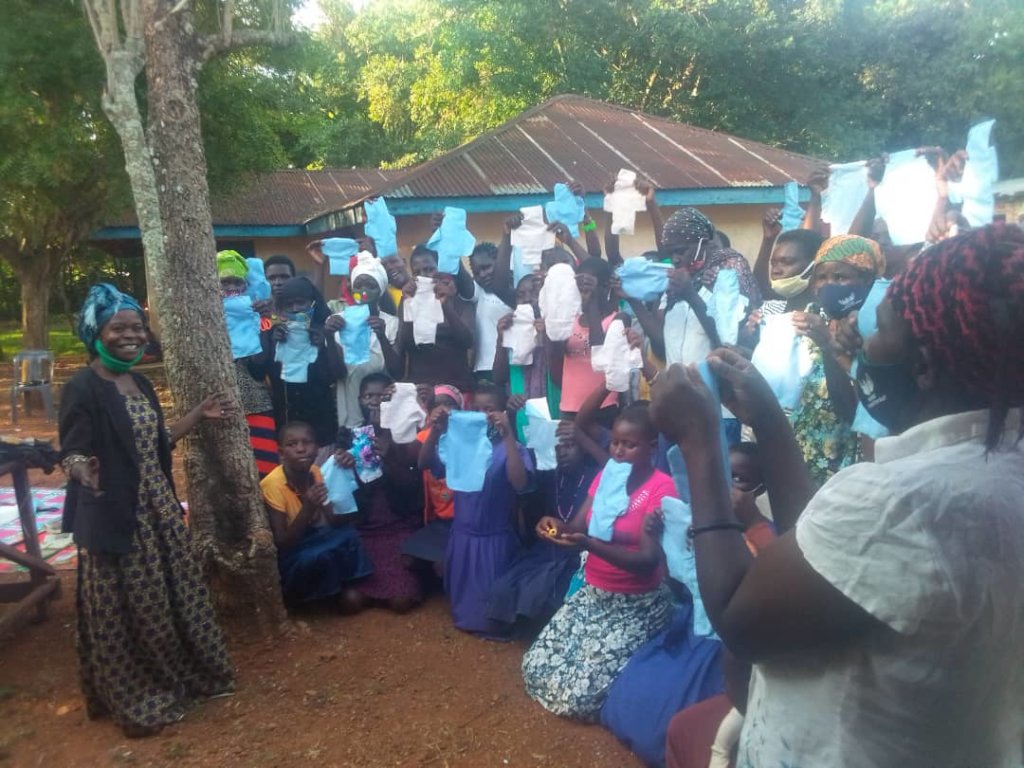
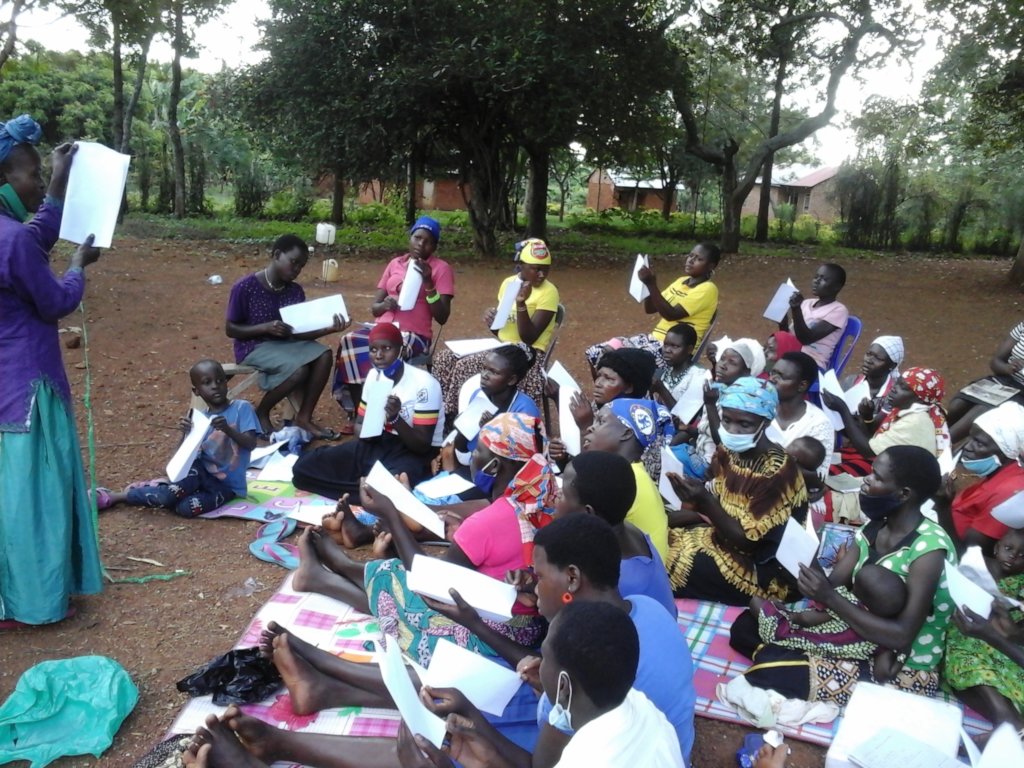
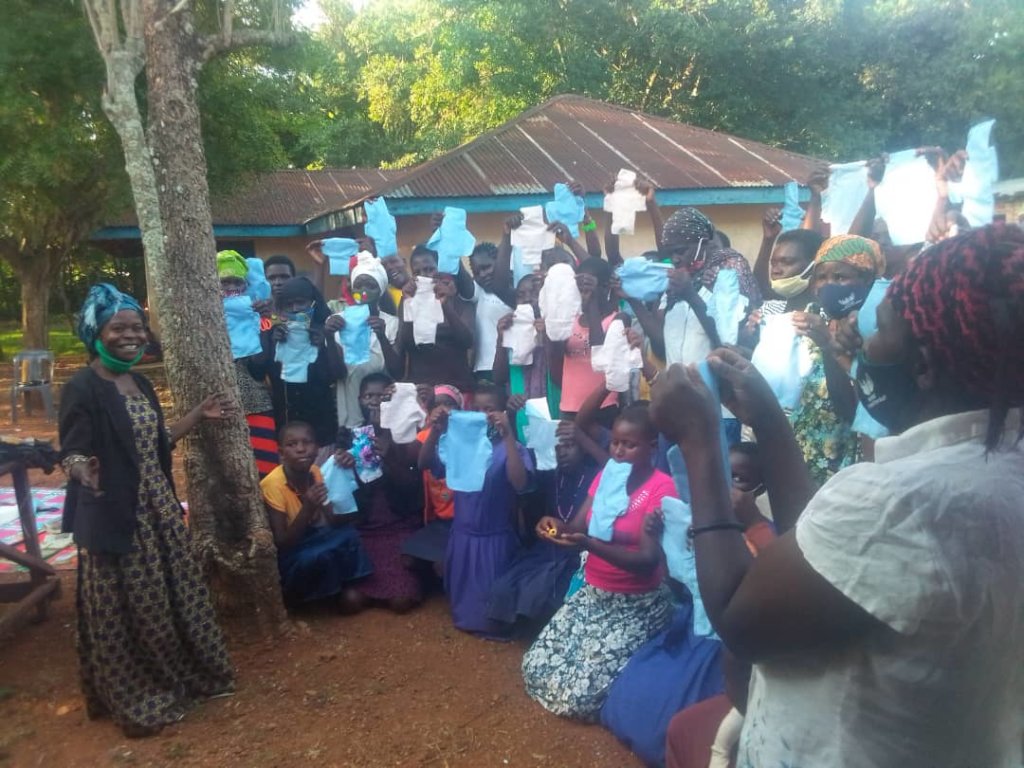
Training: Given the limited resources, we could not afford to carry on the training for a long period of time but the four days we conducted the training were a great success. A total of 60 women and girls were trained, plus a few boys from within the neighborhood.
ACHIEVEMENTS REGISTERED
By the end of day four of the training we had registered the following achievements;
CHALLENGES ENCOUNTERED
SUGGESTIONS OF HOW TO SOLVE THE CHALLENGES
Note: All these call for more resources and so we call upon any willing individuals who can give to this cause. We also welcome any ideas towards handling these challenges.
LESSONS LEARNT
“This is the first time such training is being done in this community-actually in the entire sub-county.”(Opinion leader)
CONCLUSION: The challenge menstruating girls and women face is often less tangible than simply the availability of infrastructure, and is rooted in social norms and beliefs. In many cultures, menstruating women are considered impure/unclean and are systematically excluded from participating in every-day activities, such as education, employment, and cultural and religious practices. Moreover, the taboos and stigmas attached to menstruation lead to an overall culture of silence around the topic, resulting in limited information on menstruation and menstrual hygiene. Such misinformation can have ramifications on the health and dignity of girls and women.
Given the multiple challenges women and adolescent girls face, it is evident that promoting menstrual hygiene management (MHM) is not only a sanitation matter; it is also an important step towards safeguarding the dignity, bodily integrity and overall life opportunities of women and girls. Therefore, equipping rural girls and women with skills in making safe low cost reusable pads is not only solving the issues of menstrual hygiene but can have the ripple effect of uplifting the economic status of the target beneficiaries and their households.
Project reports on GlobalGiving are posted directly to globalgiving.org by Project Leaders as they are completed, generally every 3-4 months. To protect the integrity of these documents, GlobalGiving does not alter them; therefore you may find some language or formatting issues.
If you donate to this project or have donated to this project, you can receive an email when this project posts a report. You can also subscribe for reports without donating.



Support this important cause by creating a personalized fundraising page.
Start a Fundraiser