By Seruzi Alexander | Head Of ICT
KEA CIRC REPORT FOR JUNE 2016
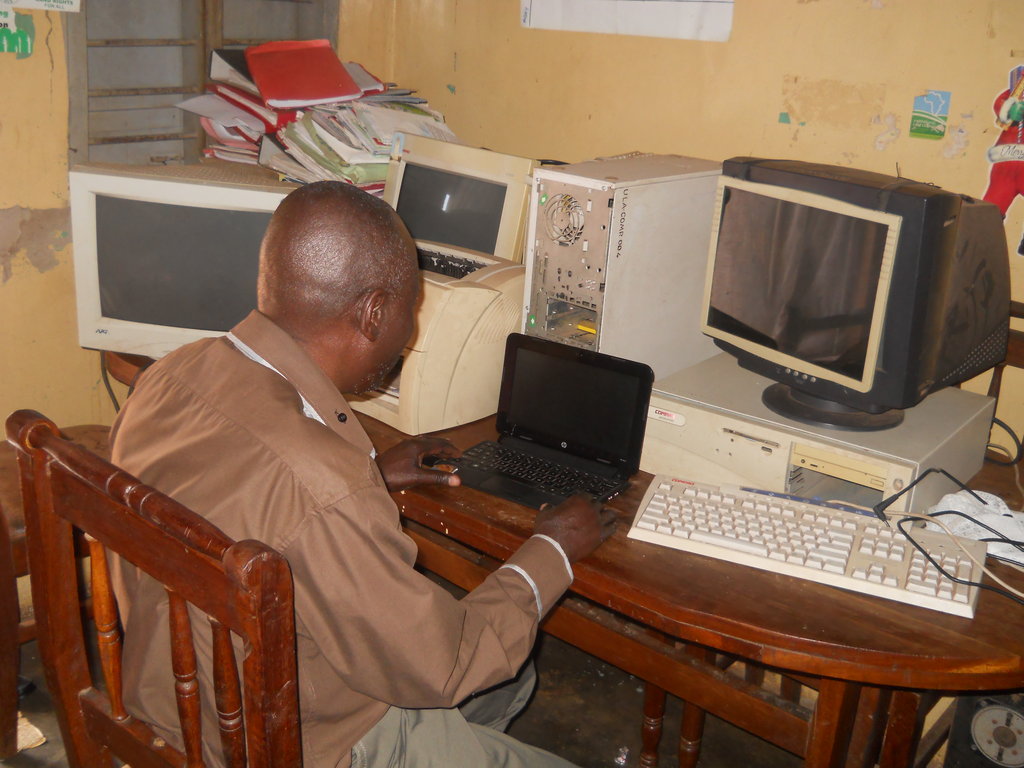
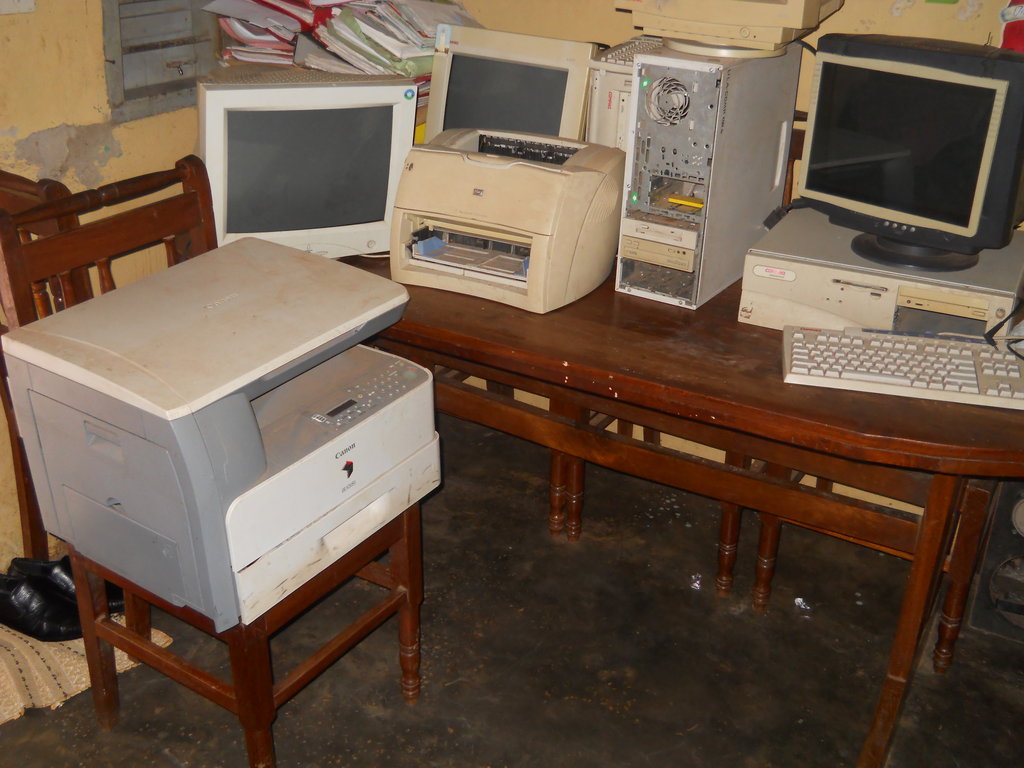
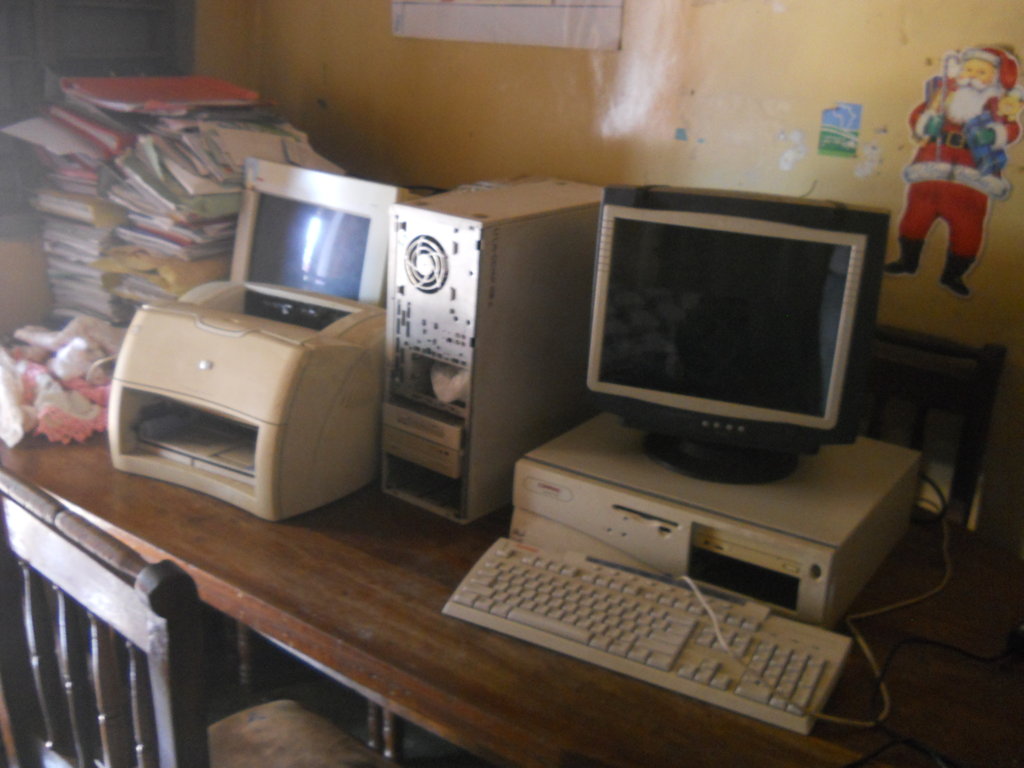
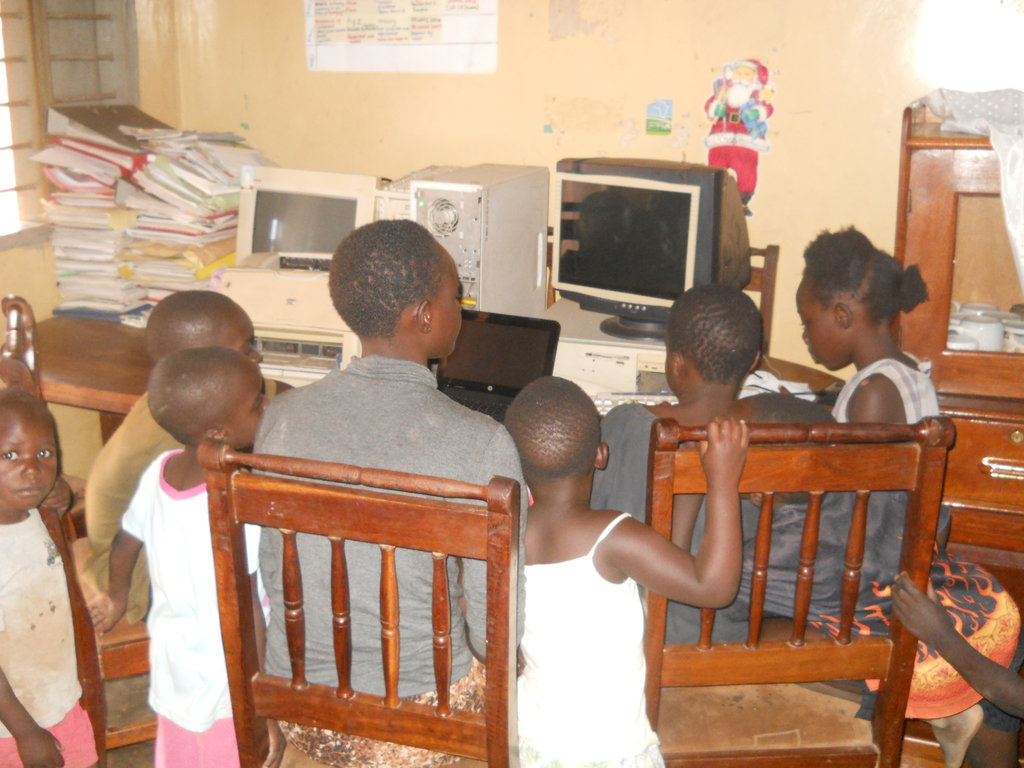
Kikandwa Environmental Association KEA in partnership with A Growing Culture (AGC) is soon launching a Library for Food Sovereignty; a world’s first digital platform made to connect farmers to allow them to learn from each other’s successes and challenges in Uganda.
As an n old African proverb says: “When an old man dies, a library burns to the ground”, information exchange is an essential pillar for A Growing Culture. It is through information exchange and an open knowledge system that we are able to promote AGC’s work and complete our mission. The traditional top-down model of research distribution does not meet the needs of small-scale farming businesses. As Eric Holt-Giménez and Miguel Altieri cite in Agroecology, Food Sovereignty, and the New Green Revolution, Agroecology and Sustainable Food Systems (2013), agroecology is knowledge intensive rather than capital intensive: tending towards small, highly diversified farms, with an emphasis on local communities to generate and scale-up innovations through farmer-to-farmer research. AGC’s work is in harnessing and empowering farmer-led research, making it permanently available for agrarians all over the world to learn from. AGC believes that information exchange is imperative to putting the needs of those who grow, distribute, and consume food at the center of food systems. Furthermore, knowledge sharing helps propel grounds movements, solidify communities, and stimulate creative solutions.
Mission for the Library
The mission of the Library is simple: it brings together the riches of farmer-led agricultural innovation into one central collaborative platform and makes it freely available to the world. The collection is a growing and democratic portal that strives to contain the full breadth of agricultural expression. It includes innovations from small and medium-sized agrarians around the globe and represents the diversity of challenges faced by farmers.
The collection policy is based on a consortium model where organizations, farmers, and individuals contribute unbiased content. The Library selection process is operated by a peer review panel that approves submissions. The collective spirit of the repository is further emphasized by a rotating Steering Committee made up of farmers and individuals from like-minded organizations that systematically evaluate the Library’s direction.
Goals
The Library serves four main purposes: (1) to collect, organize, preserve, and make accessible farmer-led innovations from all corners of the world; (2) to facilitate knowledge exchange between farmers, social movements, and agroecology actors; (3) empower agrarians to become knowledge managers that propel holistic approaches to agriculture, gender equality, and food rights; and (4) reverse traditional top-down research models and return farmers to the forefront of agriculture.
What is Farmer Led Documentation?
Farmer Led Documentation (FLD) is a participatory communication strategy that involves documenting in fixed form the experiences, techniques, and innovations of farmers. Often, farmers document themselves over the course of their work; other times the documentation is done by an outside entity such as an organization or individual.
AGC and KEA support FLD as a knowledge-sharing model. In our own work—and through our meaningful partnerships and alliances—harnessing the research generated by farmers, movements on the ground and other agents are central. FLD is being implemented successfully in many communities. Prolinnova, in Farmer Led Documentation and Knowledge Sharing writes, “The FLD approach provides local farmers with a new role of being their own knowledge managers, problem solvers and decision makers. In the FLD approach, the farmers own their development process.” Farmer Led Documentation is one method AGC uses with regards to collection acquisition. By partnering with farmer networks, organizations, and other agro agents, we are able to collect and make accessible a wide variety of materials pertaining to agriculture.
Become an Information Hub
AGC invites farmers of all kinds to submit documented innovations in areas that include but are not limited to: harvesting, planting, integrated pest management, compost, seeds, soil fertility, livestock, marketing, business, cover crops, women farmers, crop rotation, experiences, and stories. Your submissions may take the form of a manual, slideshow, lecture, moving image, audio recording, photography, guide, data, song, drawing or poem. All format types and languages are acceptable and diversity and originality is valued. Our team will then begin the peer-review process and work with you to finalize the best work possible. The AGC staff will work with professional translators to make sure the work is represented in as many languages as possible. If you have concerns about translation please contact us for assistance.
For More Information Contact
Kikandwa Environmental Association (KEA)
C/o Uganda Coalition for Sustainable Development
P.0.BOX 27551 Kampala Uganda
Email: ekikandwa@yahoo.com /johnkaganga@gmail.com
Loren Cardeli, Founder and President
Email: loren@agrowingculture.org
By Kaganga John | Director KEA
By Seruzi Alexander | KEA ICT Manager and KEA CIRC manager
Project reports on GlobalGiving are posted directly to globalgiving.org by Project Leaders as they are completed, generally every 3-4 months. To protect the integrity of these documents, GlobalGiving does not alter them; therefore you may find some language or formatting issues.
If you donate to this project or have donated to this project, you can receive an email when this project posts a report. You can also subscribe for reports without donating.