By Sarah Quinn | Partnerships Manager
Hello Friend,
I hope this update is finding you in good spirits. As communities across the world come together to fight the spread of Coronavirus, CoderDojo clubs in 100s of countries have been closing too. In this newsletter, I want to share some of the supports we have been implementing for the CoderDojo and Raspberry Pi Communities.
As you might already know, CoderDojo is part of the Raspberry Pi Foundation family and is one of the major youth programmes to help young learners learn computing and digital making. Generally, we just share CoderDojo specific news with you, but these are rapidly changing times and we are working together to try and support as many young people, whether they are part of CoderDojo or not. The Raspberry Pi Foundation’s educational mission has never been more vital. We want to create a world where every young person, whatever their background or circumstances, can learn how to shape their world with digital technologies.
Right now, over 1.5 billion young people aren’t able to access learning through schools or clubs due to the restrictions needed to stop the spread of the virus. Teachers and parents are doing their best to provide meaningful learning experiences at home and online. We have a responsibility and the ability to help.
We are taking four immediate actions to help millions of young people to learn at home through the crisis and we’re looking for financial and practical support to help us achieve impact at significant scale:
Digital Making at Home - This week's theme is Games!
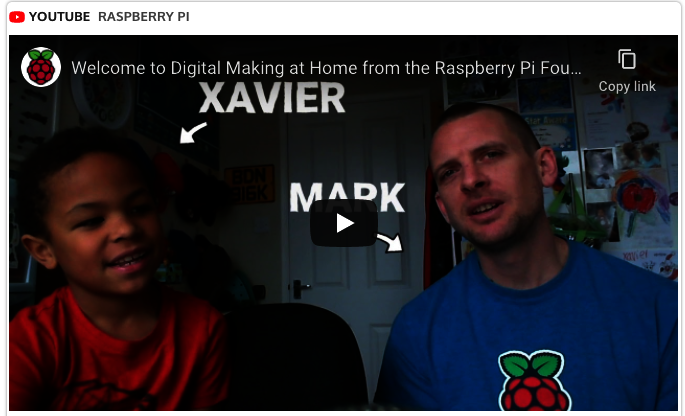
Based on user feedback we have designed new virtual and online learning experiences that launched on 30 March: Digital Making at Home. With our existing library of free online project resources (which are translated into up to 29 languages) as a foundation, we are producing easy-to-follow instructional videos that support different levels of skills and are led by members of our team. Each week we will set a theme that will inspire and engage young people to learn how to solve problems and express themselves creatively with technology.
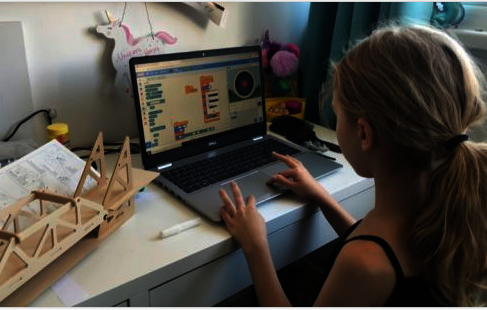
We are creating resources for young people aged 7–17 who are learning at home, independently or with their parents, carers, or siblings. Our projects use freely available online technologies like Scratch and Trinket to reduce barriers to participation. We will encourage and support young people to share and showcase their work on our website to help build community and give them a goal to work towards.
Over the coming weeks and months, we will iterate and develop the Digital Making at Home programme in response to user feedback. Our ambition is to run a wide range of direct-to-learner activities every week during the crisis (and beyond), including developing badges/accreditation and building community through sharing and showcasing of completed projects.
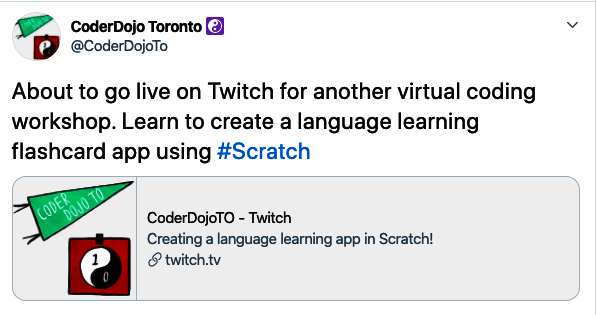
Helping volunteers run virtual and online coding clubs
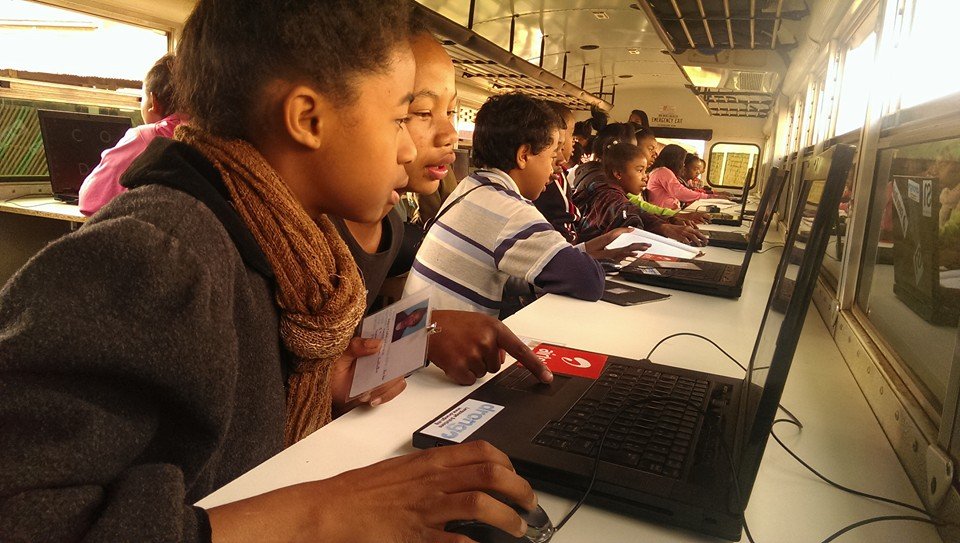
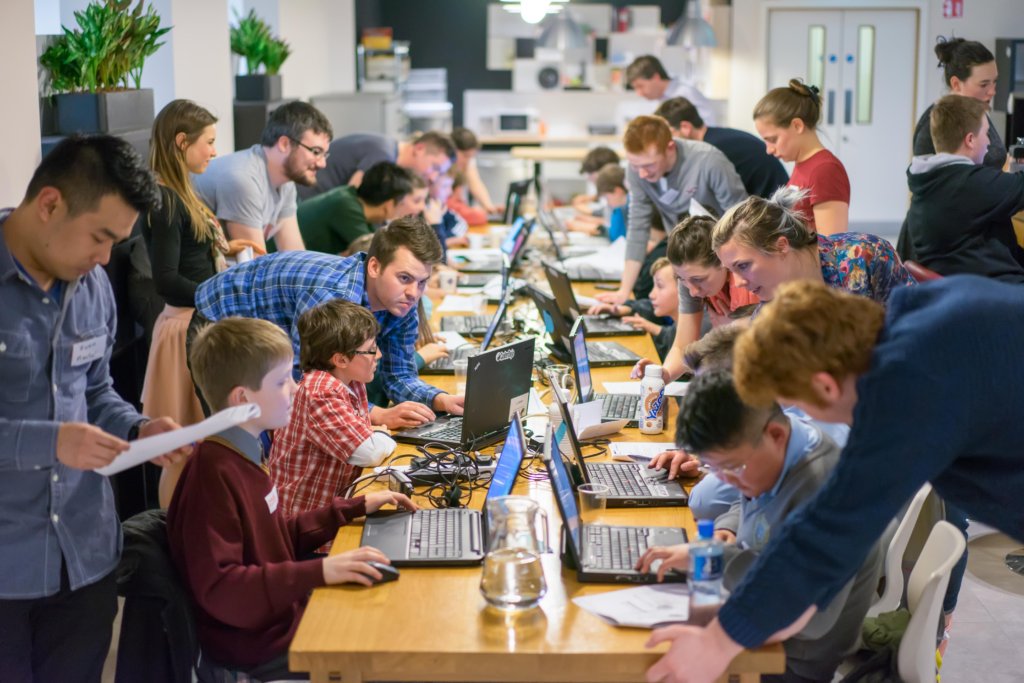
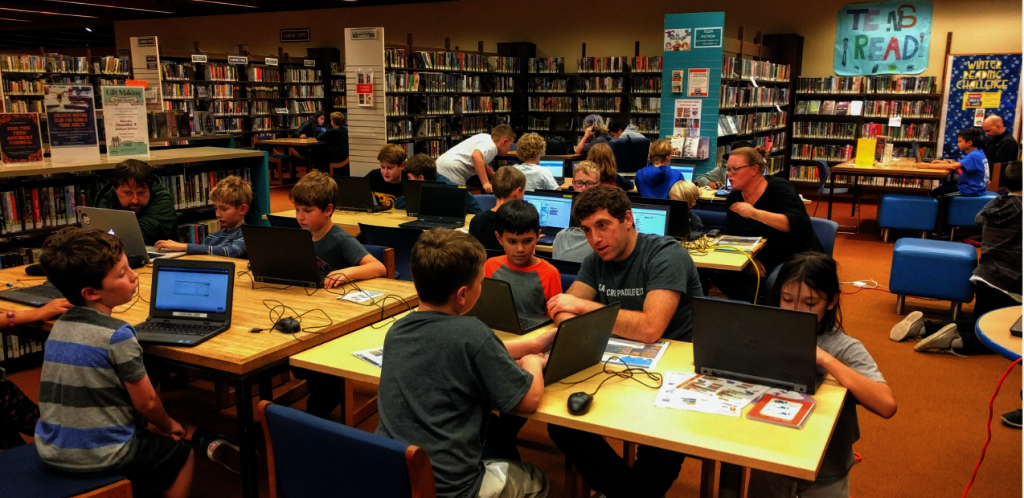
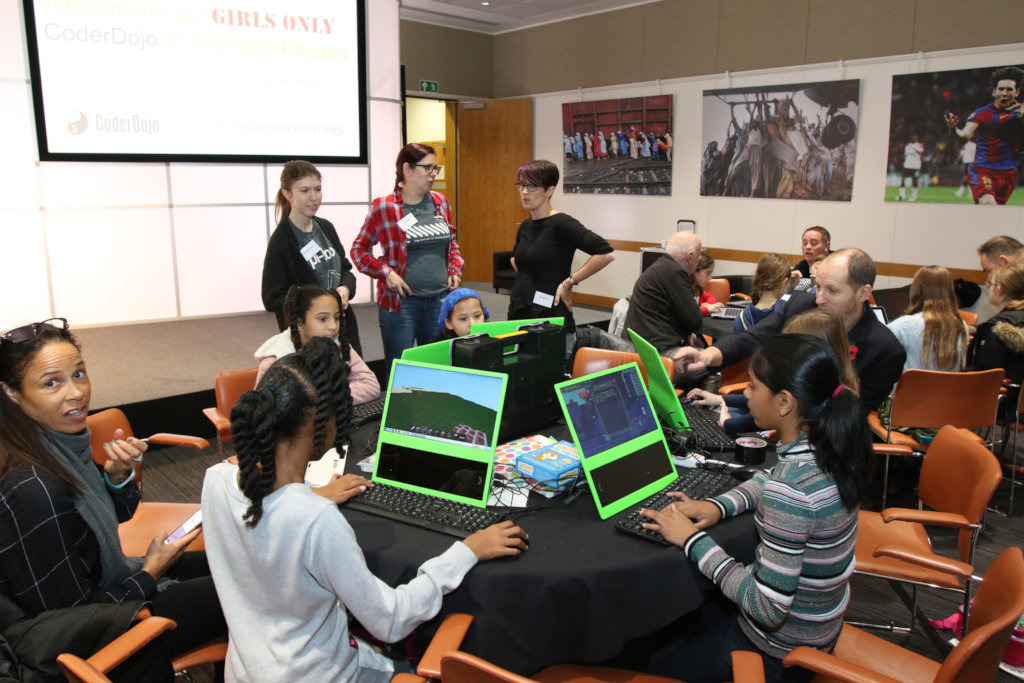
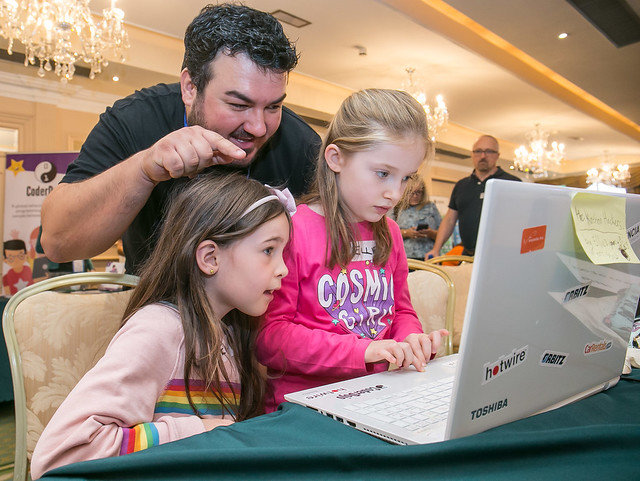
The Raspberry Pi Foundation supports the largest network of free coding clubs, with over 10,000 Code Clubs and CoderDojos reaching more than 250,000 young people on a regular basis. We have been delighted to see Dojos across the world setting up virtual clubs and sharing best practice via our Global Slack channel.
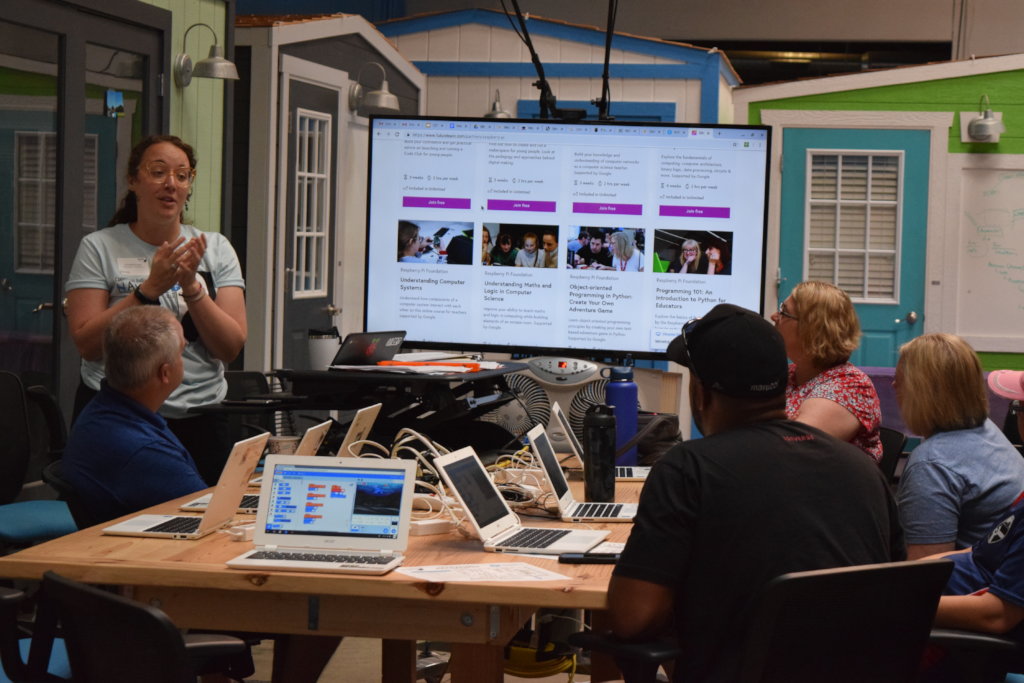
We are supporting the clubs that are unable to meet in person during the pandemic to move to virtual and online approaches. This includes providing training and support to CoderDojo champions, Code Club organisers, educators, and volunteers. We are working with our network of 40 international partners to help them support the clubs in their regions.
We are also supporting organisations and individuals who have never previously been involved in our networks of clubs, and who want to contribute to online learning during the crisis. This includes providing free resources, support with handling issues like safeguarding, and effective design and delivery of online learning experiences.
Access to hardware
We know that a significant proportion of young people don’t have access to a computer for learning at home. We are working with partners and donors in the UK to get Raspberry Pi Desktop Kits distributed for free to these children. The Desktop Kits include everything except a screen (computer, keyboard, mouse, power supply, cables, beginners guide) and are designed to be used with any household TV. The Raspberry Pi desktop computers have wireless connectivity and come with a bundle of free educational software and materials included so that they can also be used offline if necessary.
Get involved
Everything we do is made possible thanks to an incredible network of partners and supporters. We have been overwhelmed (in a good way) by offers of help from existing and new partners since the coronavirus pandemic took hold. Here are some of the ways that you can get involved right now:
Share what we’re doing with your audiences and networks. We need as many people as possible to know that we are offering free, meaningful learning experiences for millions of young people. Please help us spread the word. Feel free to circulate this note to anyone who would find it useful or interesting. Amplify our communications on social media.
Share your expertise and time. We regularly mobilise tens of thousands of volunteers all over the world to run computing clubs and other activities for young people. We are supporting clubs to continue to run virtually and online. We also need more help with translation of our learning resources. If you have expertise and time to share, get in touch.
As always, we will be sharing stories from the CoderDojo community over on our blog so do pop by and check out some of the latest stories, from free online courses to news from Vasu our Community Coordinator supporting Dojos across India.
Wishing you all the best from CoderDojo and Raspberry Pi Foundation,
Sarah
Links:
By Sarah Quinn | Partnerships Manager
By Sarah Quinn | Partnerships Manager
Project reports on GlobalGiving are posted directly to globalgiving.org by Project Leaders as they are completed, generally every 3-4 months. To protect the integrity of these documents, GlobalGiving does not alter them; therefore you may find some language or formatting issues.
If you donate to this project or have donated to this project, you can receive an email when this project posts a report. You can also subscribe for reports without donating.