By Sandra Dubpernell & Susan Berta | Co-coordinators, CPSMMSN
As we begin preparation for our busy spring and summer stranding season, we have been told that the NOAA Fisheries budget for the entire Marine Mammal Stranding Program nationwide is slated for even more substantial cuts again this year, including money for staffing of the Prescott Marine Mammal Stranding Program. Recent budget cuts have already hurt our program, and these proposed cuts will further impact our ability to respond/investigate many strandings as well as curtail our research project begun several years ago to determine comparative levels of certain toxins in our local marine mammals.
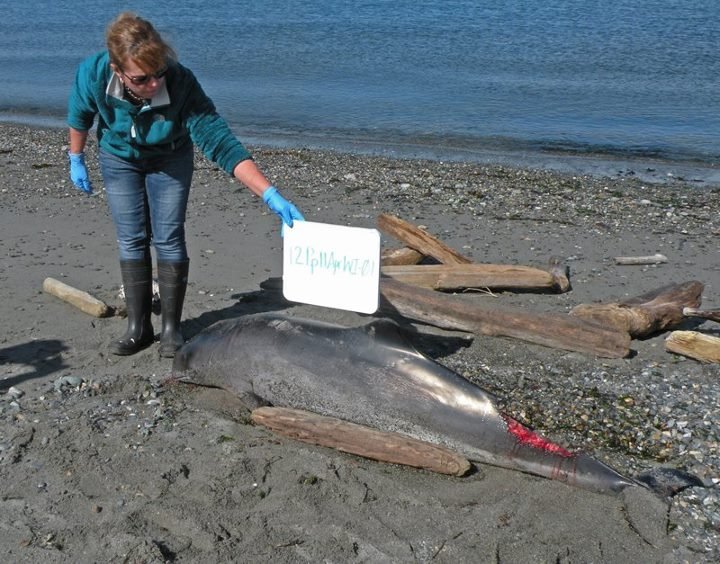
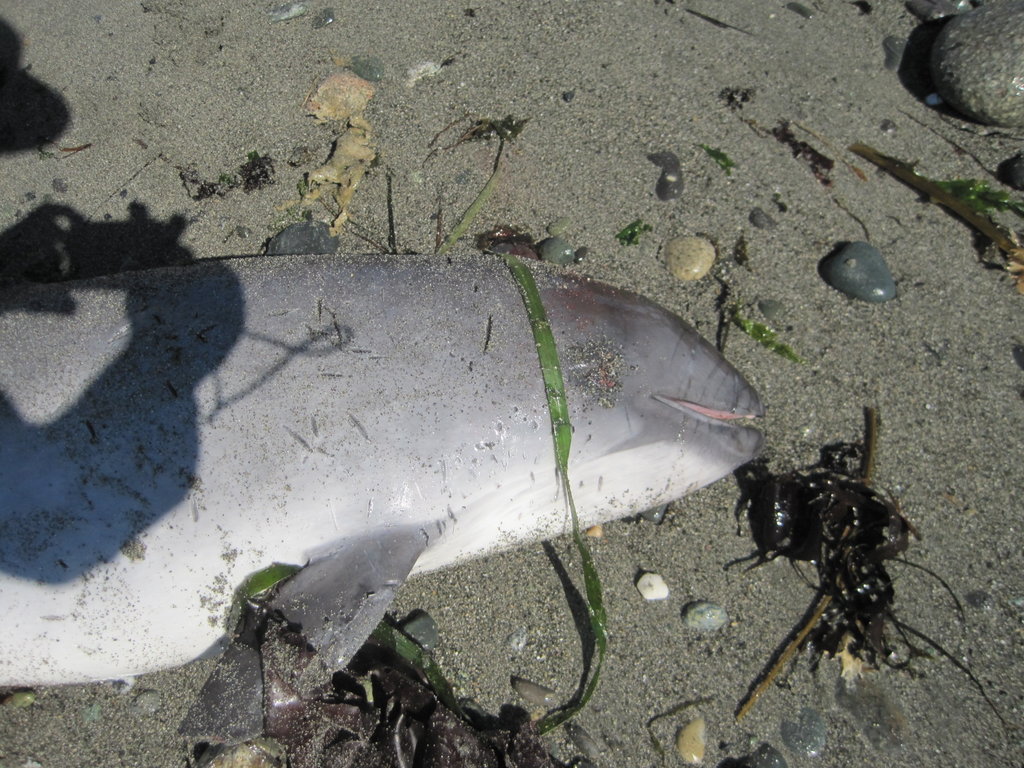
All told, we received a total of 17 harbor porpoise calls in 2014.
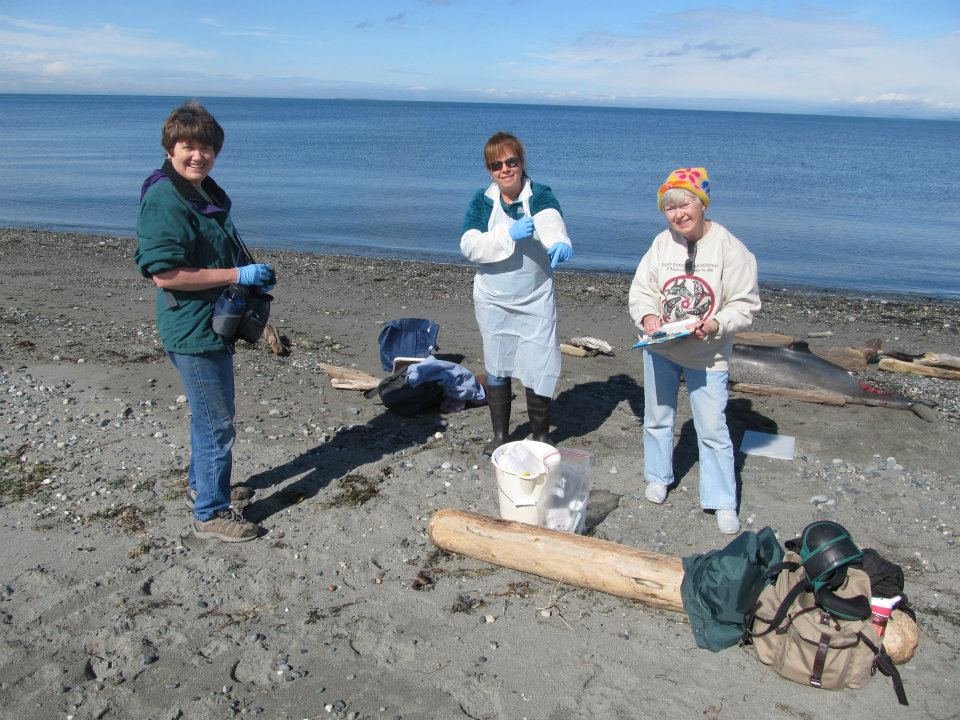
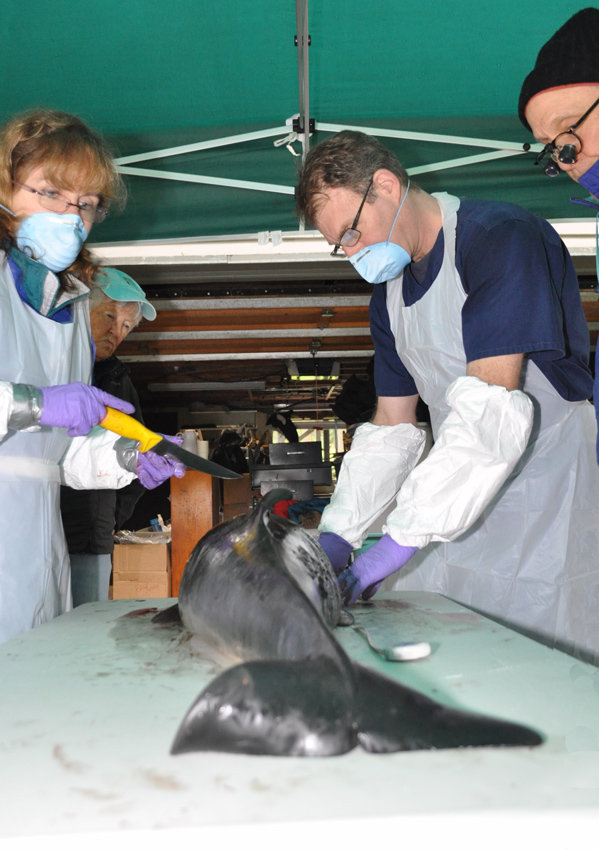
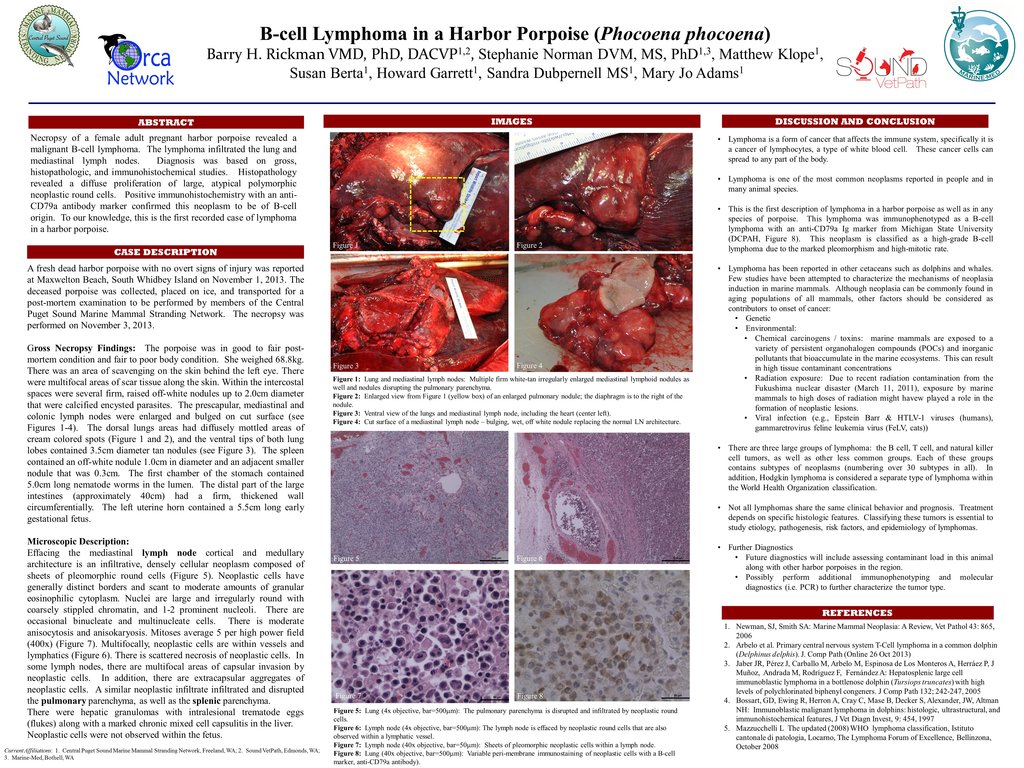
We were able to collect nine carcasses for necropsy. The others were either too scavenged or decomposed to be of value or floated out to sea before they could be collected. Additional testing for the presence of cancer causing viruses in the harbor porpoise found to have lymphoma (reported to GlobalGiving last November) is being considered if funds can be found. The information gathered from Harbor porpoise necropsies not only provides up to date information on the health of our Harbor porpoise population, but also translates into how the ocean habitat is doing and what toxins are increasing, which is valuable information that also relates to our endangered Southern Resident orcas who share the same waters and eat a similar diet.
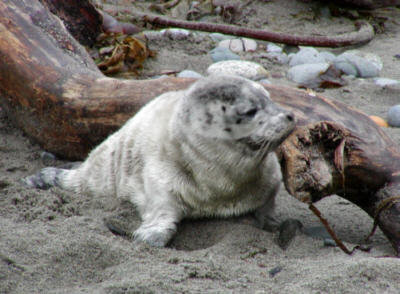
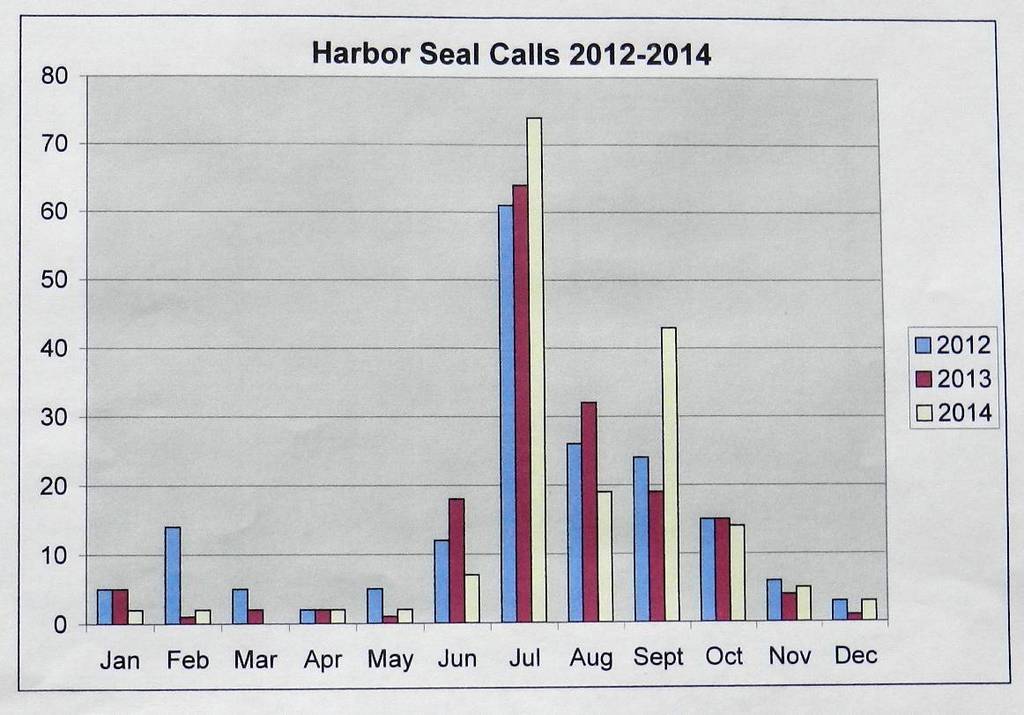
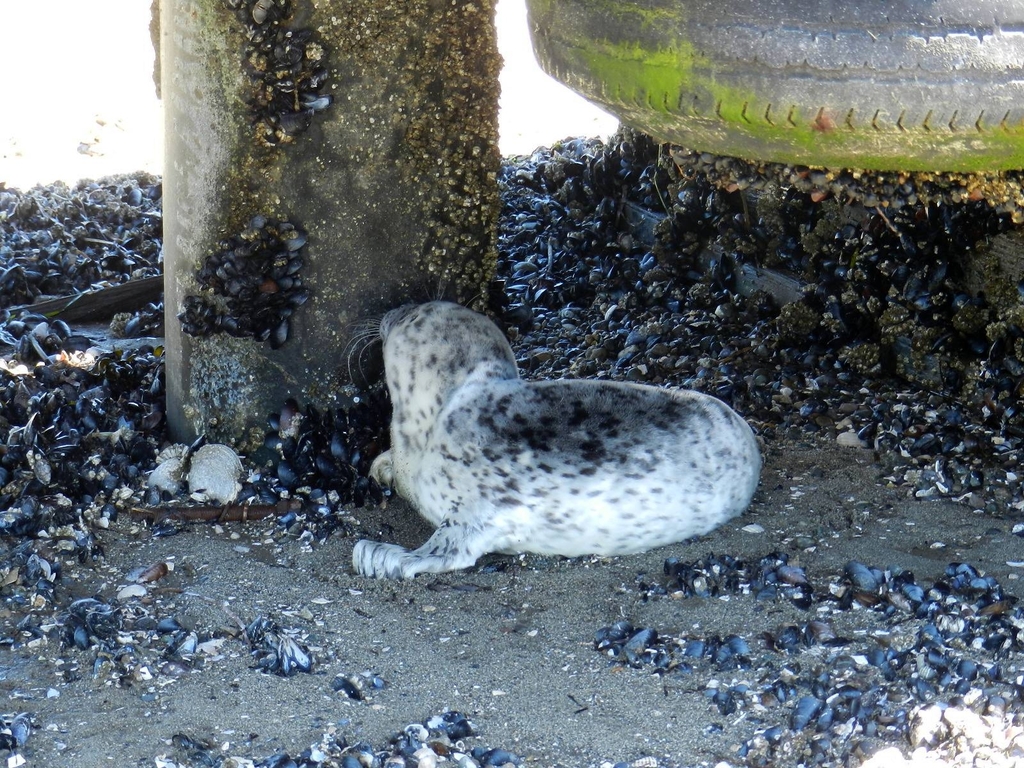
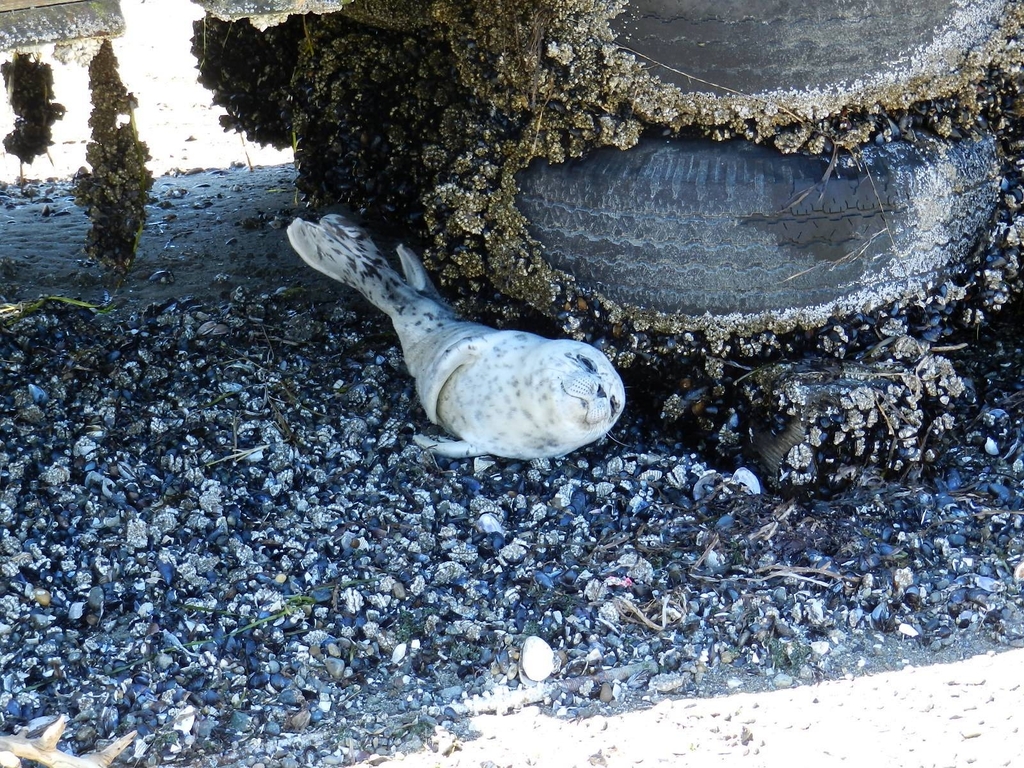
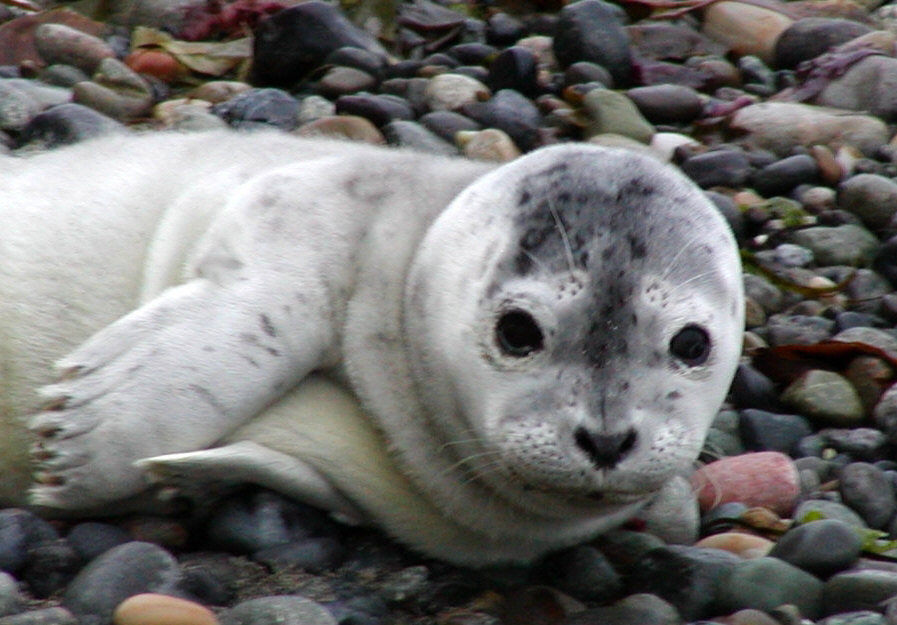
The attached chart “Harbor Seals - 2014” shows the number of harbor seals reported to our stranding network. July through September is our busiest season for birthing and weaning of pups. We provide extensive education to the public on how to share our island with harbor seals and to make people aware of the necessity to avoid disturbing newborn pups and their nursing mothers. Nevertheless, harbor seals still suffer an approximately 50% mortality in their first year of life due mainly to human interference and predation by transient (meat-eating) orcas.
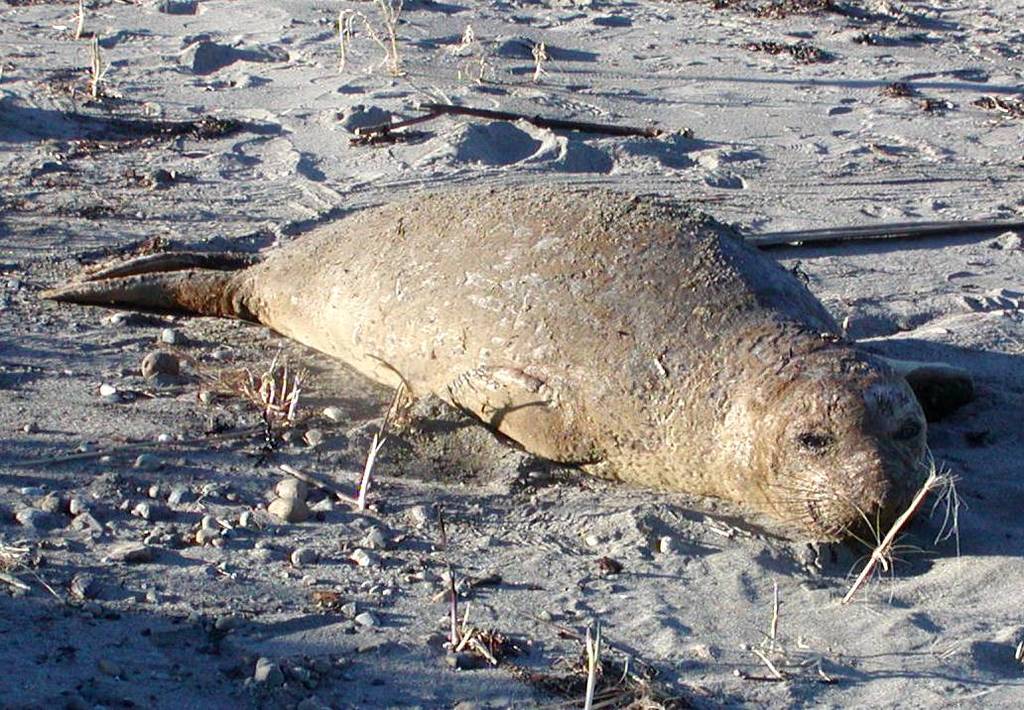
Despite funding cuts to NOAA's Marine Mammal Stranding program, the Central Puget Sound Marine Mammal Stranding Network continues to respond to stranded porpoise, seal pups, molting elephant seals (see photo), and the occasional Gray whale or sea lion stranding, thanks to supporters like YOU! And we continue to provide public education via our website and Orca Network's Langley Whale Center on Whidbey Island, WA, where many of our marine mammal specimens are on display.
We truly appreciate the donations received via GlobalGiving that enable us to support the work of our veterinarians and numerous volunteers investigating why our marine mammals are dying in the Salish Sea.
Our sincere thanks, we truly could not do it without your support!
Links:
By Susan Berta, Orca Network | Program Coordinator
By Susan Berta | Project Coordinator
Project reports on GlobalGiving are posted directly to globalgiving.org by Project Leaders as they are completed, generally every 3-4 months. To protect the integrity of these documents, GlobalGiving does not alter them; therefore you may find some language or formatting issues.
If you donate to this project or have donated to this project, you can receive an email when this project posts a report. You can also subscribe for reports without donating.