By Sandra Dubpernell | CPSMMSN Coordinator
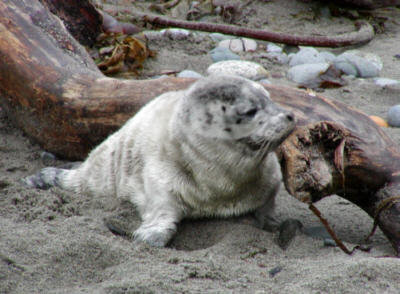
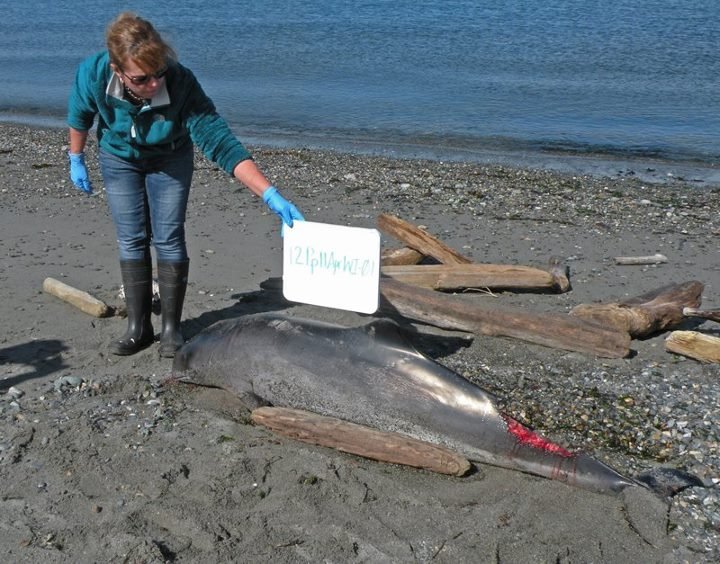
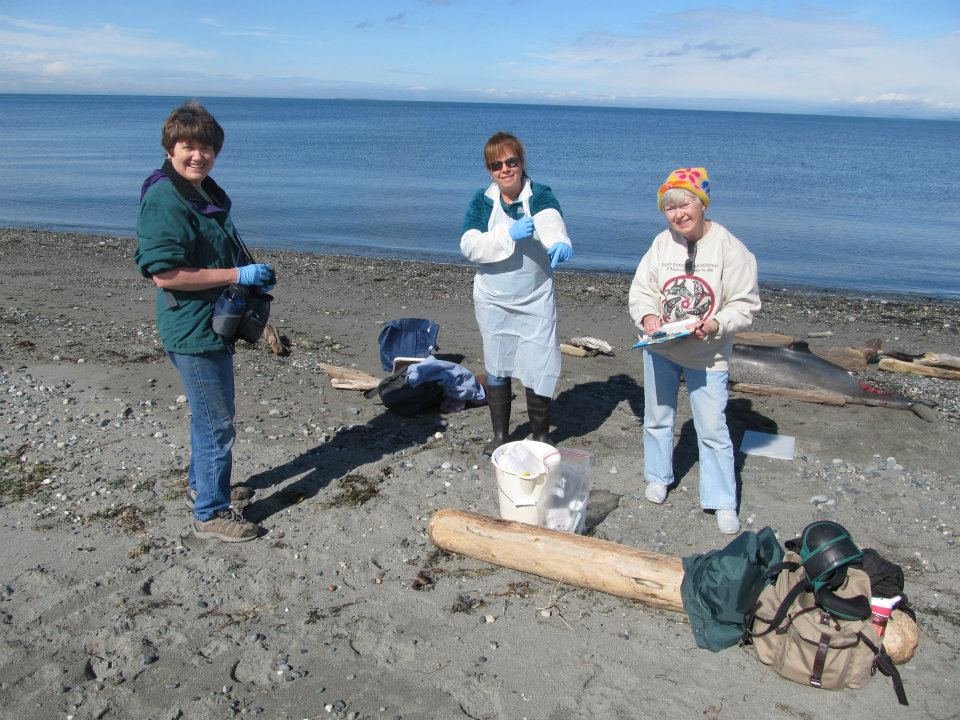
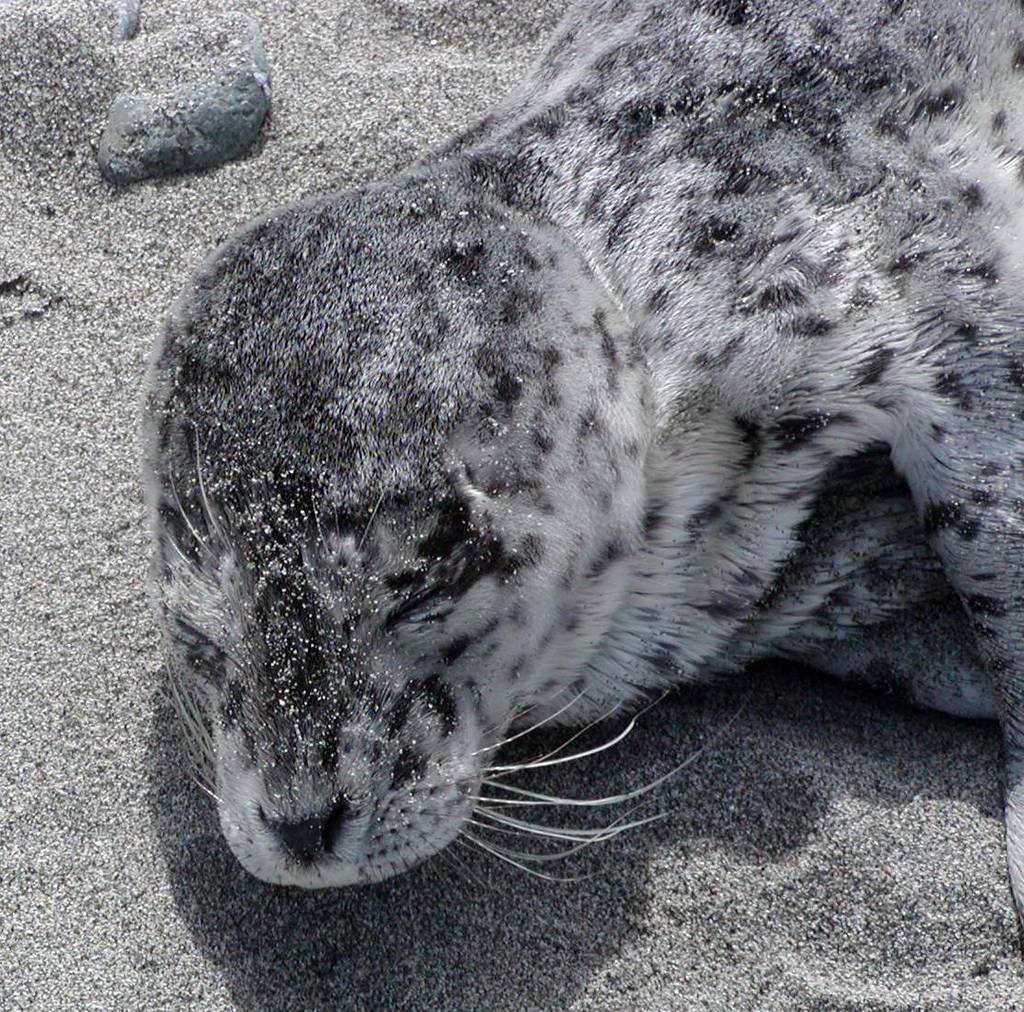
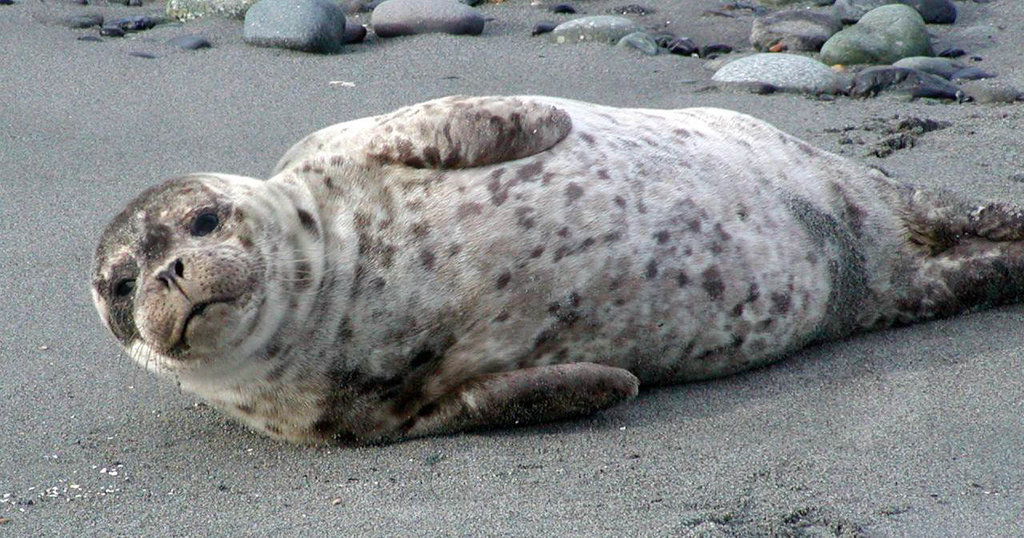
Since 2002 the Orca Network/Central Puget Sound Marine Mammal Stranding Network has been authorized by NOAA to investigate dead and stranded marine mammals and collect specimens from them for testing, research and public education.
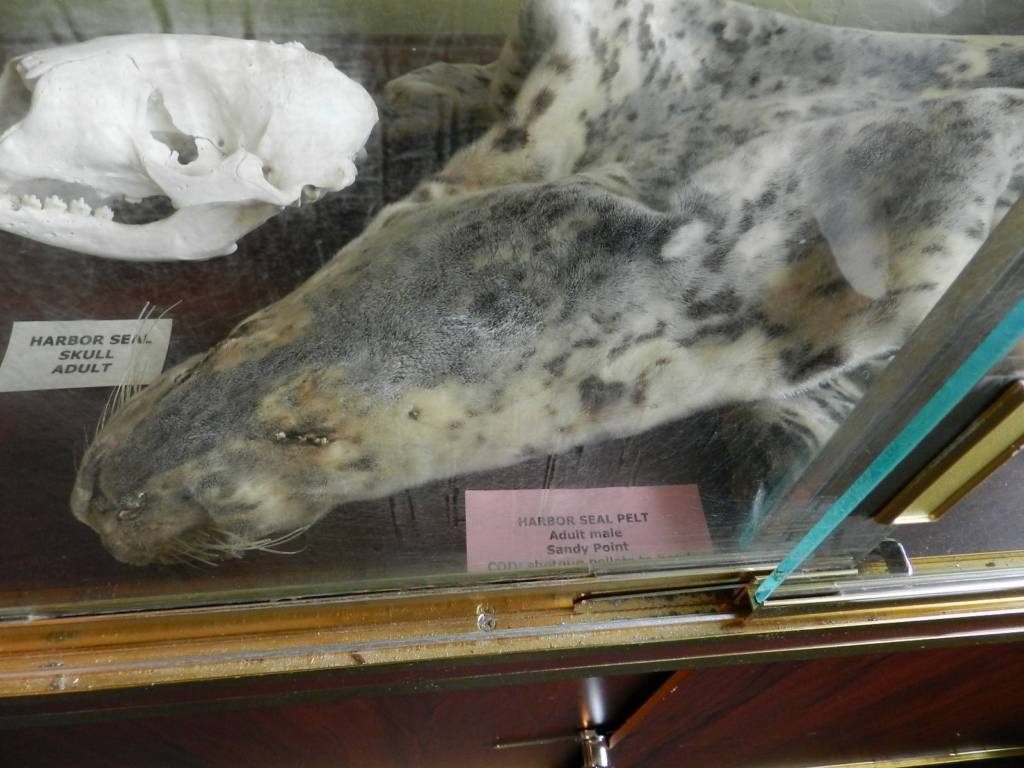
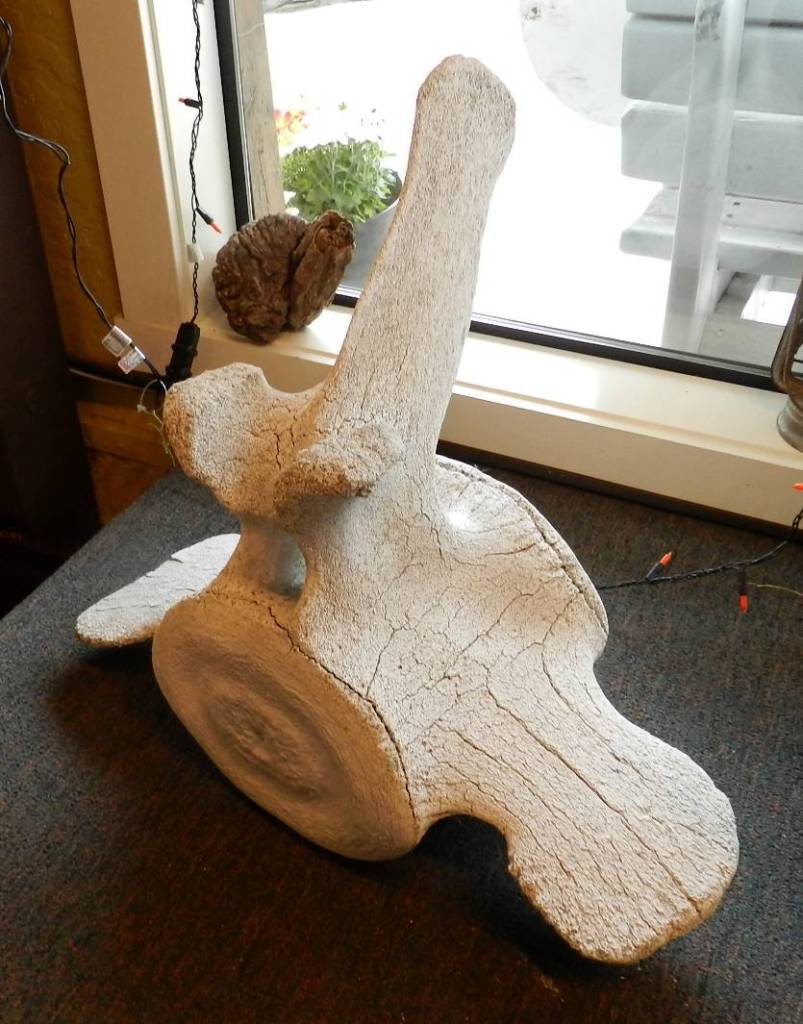
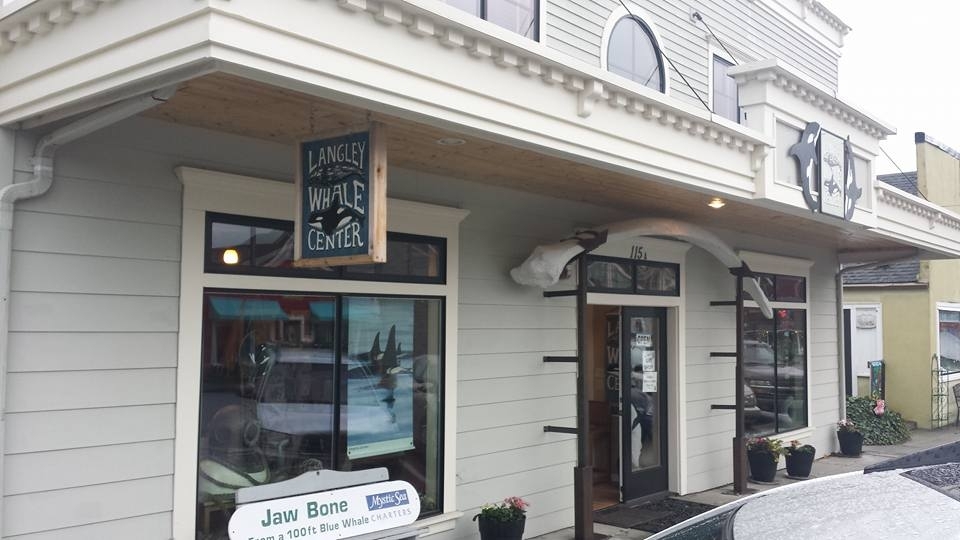
In our Langley Whale Center we have many of these specimens ranging from tiny half inch long porpoise teeth to a 17’ long jawbone of a blue whale. We have skulls of seals, sea lions and small cetaceans, harbor seal pelts and baleen and vertebrae from gray whales. Several of our specimens have been donations from folks who had collected bones off the beach decades ago. Among these is a humpback vertebra and a walrus oosik (anyone who has ever been to Alaska knows what an oosik is).
The15,000 visitors we have had at the Langley Whale Center since we first opened in spring 2014 have enjoyed learning about the displays and many, in turn, have related their own personal experiences. (education is a 2-way street). In mid-October Orca Network's Langley Whale Center moved into a larger building, to accomodate more visitors and exhibits, and to have room for monthly presentations. We will be receiving additional specimens from the Center for Whale Research this month to add to our displays, including baleen from a Humpback whale, which is a species just recently becoming more common in Puget Sound.
In addition to collecting specimens for our own use, we have provided many tissue and skeletal specimens to other NOAA approved institutions like universities, research labs both civilian and military, major aquaria and state parks, among others. We have provided an entire gray whale skeleton with baleen to the Smithsonian Institution for study. One of our major projects took years to complete- the collection, cleaning, preserving and reconstruction of the entire skeletons of a gray whale, Dall’s porpoise and Steller sea lion for display in the neighboring town of Coupeville. We hope to prepare the skeleton of a harbor porpoise soon for display in our new Whale Center facility.
Along with the display specimens at the Whale Center is a notebook containing a pictorial history of the results of our investigations into the cause of death of these animals. This notebook is of particular interest to those visitors with a medical or other scientific background.
It is illegal to ever receive any remuneration for collecting and distributing marine mammal specimens, so we give a hearty and heart–felt thank you to our donorrs for enabling us with your generous donations to purchase equipment for necropsy, harvesting, cleaning and preserving specimens for education.
By Sandy Dubpernell | Central Puget Sound MMSN Volunteer Coordinator
By Susan Berta | Program Coordinator
Project reports on GlobalGiving are posted directly to globalgiving.org by Project Leaders as they are completed, generally every 3-4 months. To protect the integrity of these documents, GlobalGiving does not alter them; therefore you may find some language or formatting issues.
If you donate to this project or have donated to this project, you can receive an email when this project posts a report. You can also subscribe for reports without donating.