By Sandra Dubpernell & Susan Berta | CPSMMSN Coordinators
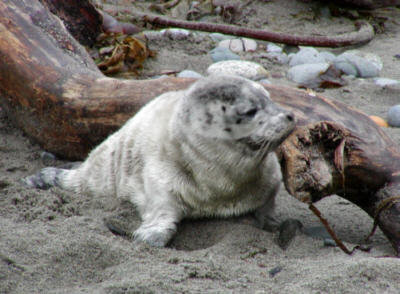
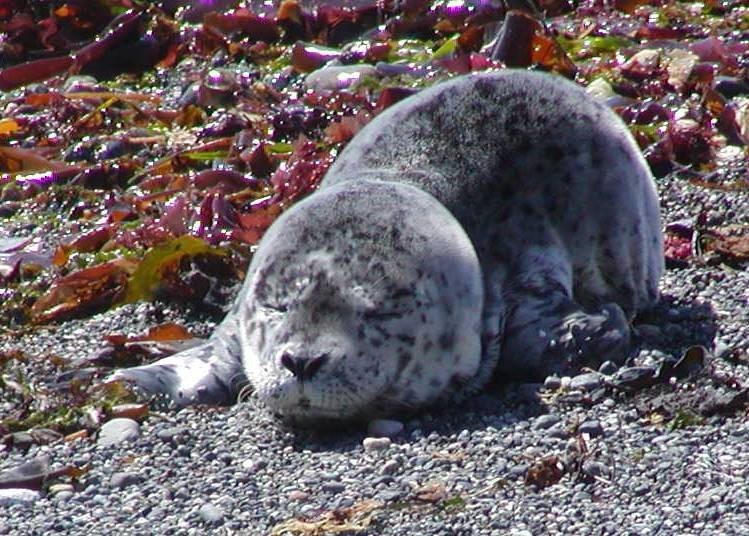
We are approximately half way through our July - August harbor seal pupping season. From the chart below (pale blue bar) you can see we are in the normal range of calls for the season. "Seal pup story" messages have been recorded on our Orca Network and Stranding Network phones, as well as on the NOAA Hotline.
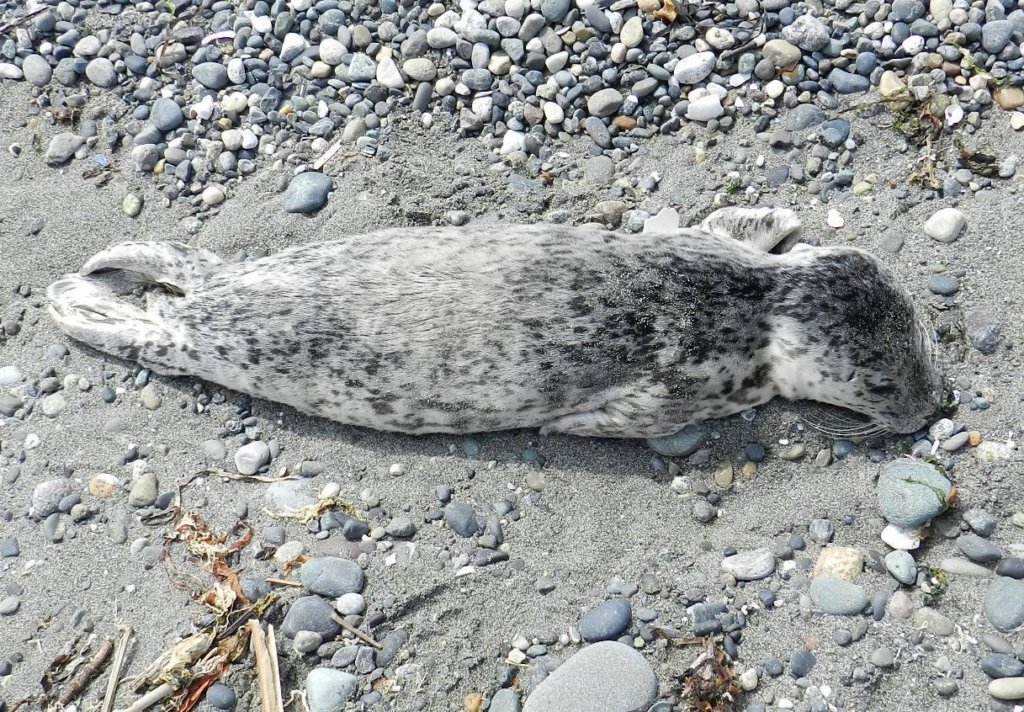
Callers can learn from the message how to share the shore with seal pups potentially reducing the number of phone calls our volunteers must answer personally. In addition, more people are engaging themselves in "citizen science" by reporting to us more extensive details about the physical appearance and health of these animals. And people LOVE to send us cell phone pictures. This often enables us to assess a seal pup situation and determine whether it is a healthy pup. By engaging the public in the gathering of information they learn from the experience and become a part of the response, which motivates a stronger stewardship ethic and inspires them to share what they have learned with their neighbors and friends.
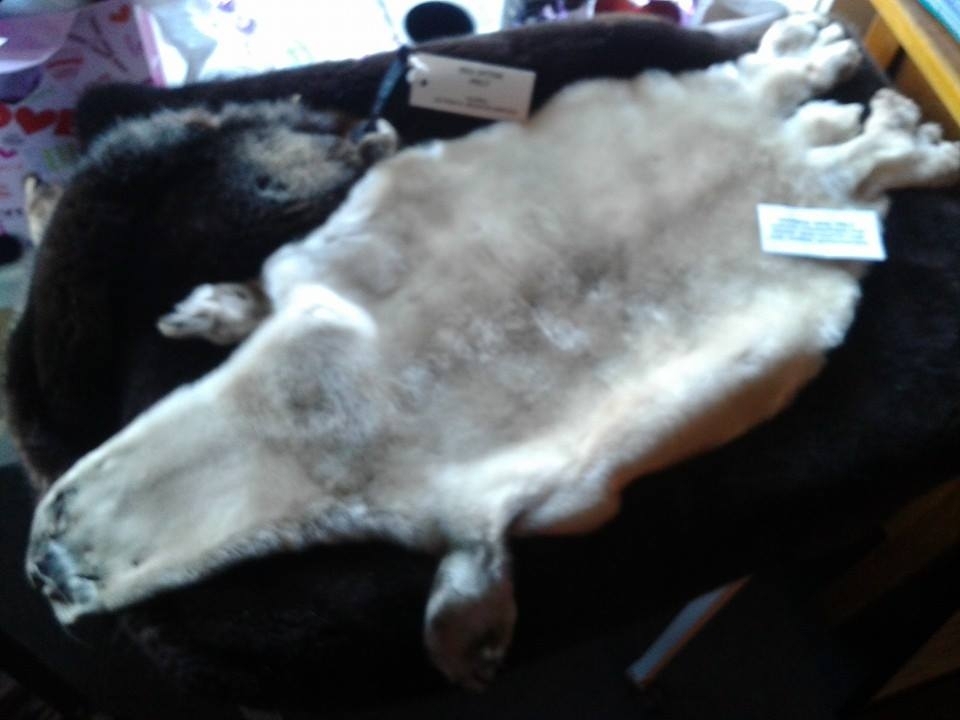
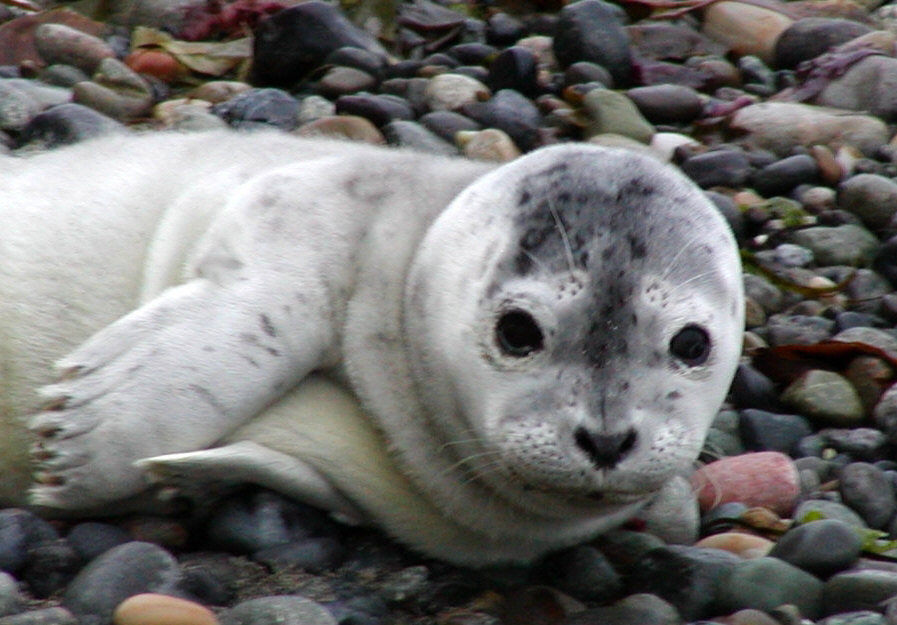
During the busy seal pup season of July, Orca Network posted a seal pup photo and the link to NOAA's excellent publication "Sharing the Shore with Seal Pups" front and center on our website homepage, and directed many callers to the site to learn more about why seal pups must rest on the beaches undisturbed while their moms forage for food. We also talked directly to many people on the phone, as well as on the beach, and in cases where a pup is resting at a marina dock or on a busy beach, volunteers worked with the community to post signs and educate the neighborhood to not disturb the pup. During seal pup season, our Langley Whale Center has a seal pup display front and center as people walk in the door, including a seal pup pelt collected by our Central Puget Sound Marine Mammal Stranding Network, and photos of seal pups on local beaches and what to do when you see one.
While both the human and seal populations have been growing in our region, increasing the potential for seal pup disturbance, we are very pleased to be noticing a change in what we hear from callers reporting seal pups. While there are still many visitors or residents who may not realize seeing a seal pup alone on a beach is normal, we have seen a marked increase in the number of callers who tell us they know the pup is ok and they are supposed to leave the pup alone, and are just reporting it to us so we are aware of it, or often are reporting other people on the beach who need to be educated. Through brochures, rack cards and displays at our Langley Whale Center, and through social media, emails, news releases, and interpretive signs, Orca Network's Central Puget Sound Marine Mammal Stranding Network continues to educate and engage the public in learning about marine mammals, and how to share our beaches with them.
Links:
By Sandy Dubpernell | Stranding Network Coordinator and Archivist
By Sandra Dubpernell | CPS Marine Mammal Stranding Network Coordinator
Project reports on GlobalGiving are posted directly to globalgiving.org by Project Leaders as they are completed, generally every 3-4 months. To protect the integrity of these documents, GlobalGiving does not alter them; therefore you may find some language or formatting issues.
If you donate to this project or have donated to this project, you can receive an email when this project posts a report. You can also subscribe for reports without donating.