By Sandra Dubpernell | Central PugetSound Marine Mammal Stranding Network
Dear Wonderful Donors.
Thank you so much for your generosity this year on helping fund the various projects we are pursuing. The Central Puget Sound Marine Mammal Stranding Network is gathering a great deal of information about the diseases affecting our local marine mammals and the health of their environment.
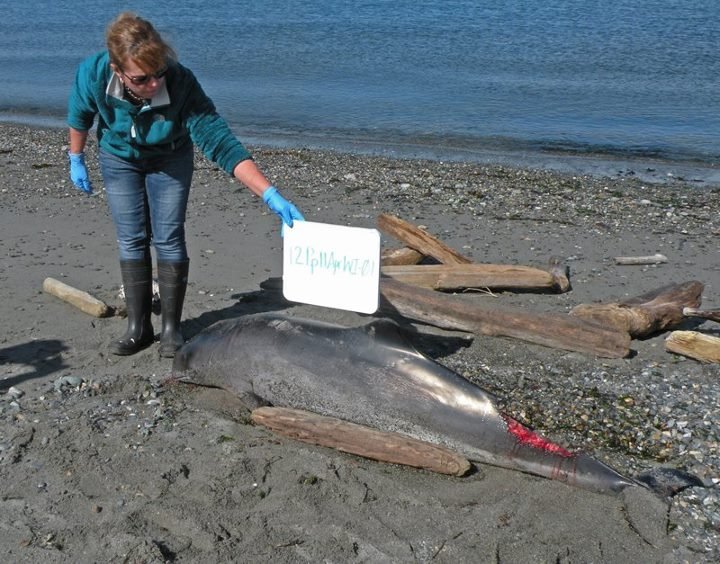
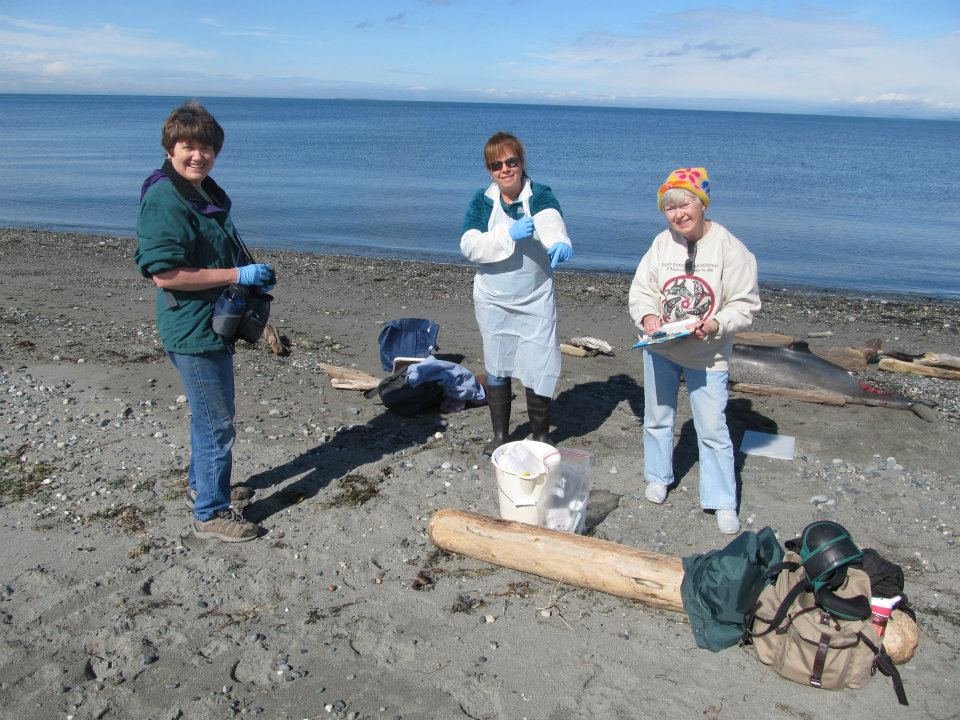
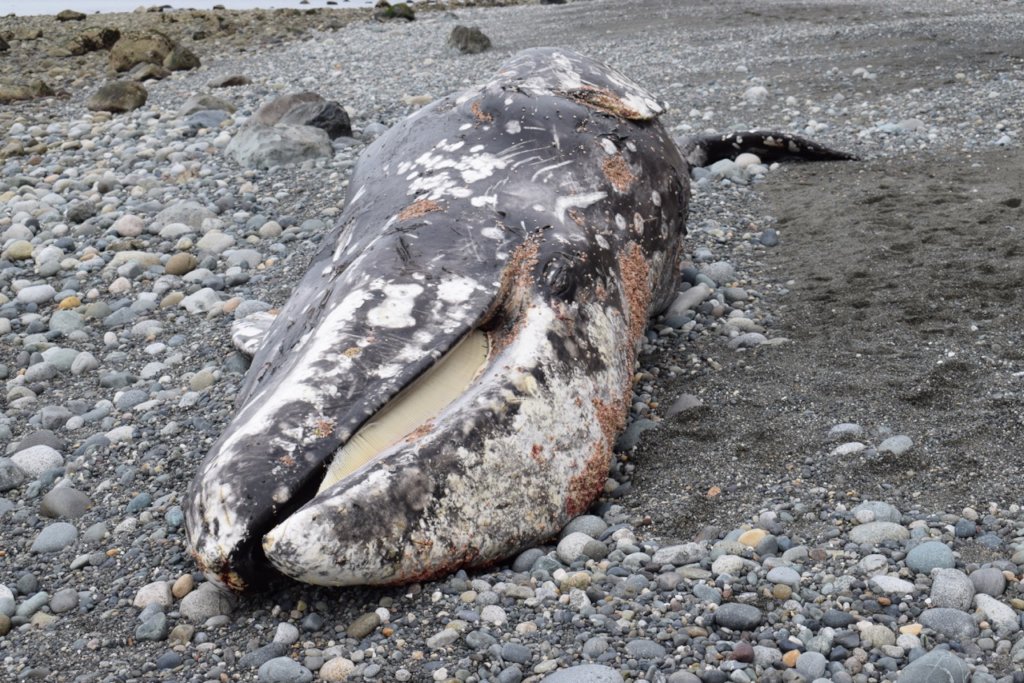
And now I am excited to tell you about a brand new extensive research project on Antibiotic Resistance we have just begun, funded through the Wildlife Disease Association's crowd-funding grant program. Our goal was to raise $7000 for the project, we met that goal, and met our stretch goal of $9000, and won a prize for the most backers for our project (this crowd-funded grant program has now ended, but your support through GlobalGiving will pay the costs of CPSMMSN staff who respond to collect dead stranded seals and porpoise for this study, and the costs of other testing done on the marine mammals we necropsy).
Antibiotic resistance is an important health issue of both humans and animals. Resistant bacteria come from land animals, humans and agricultural practices.
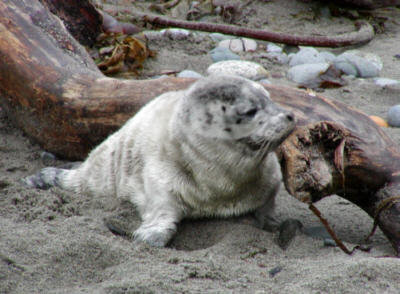
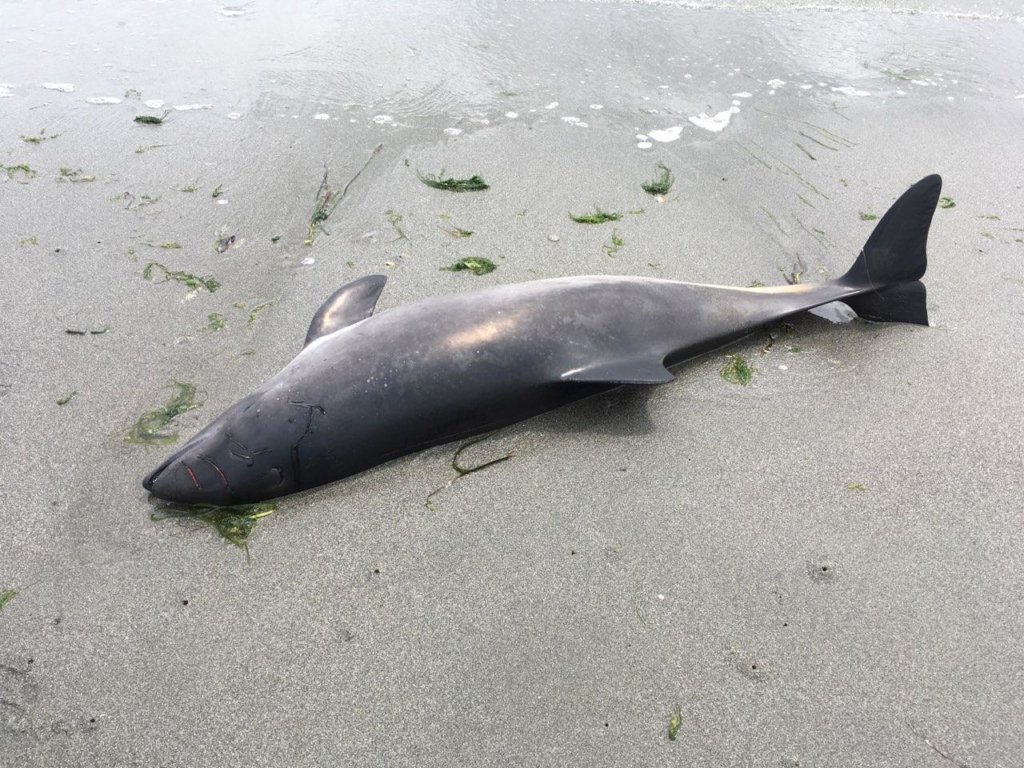
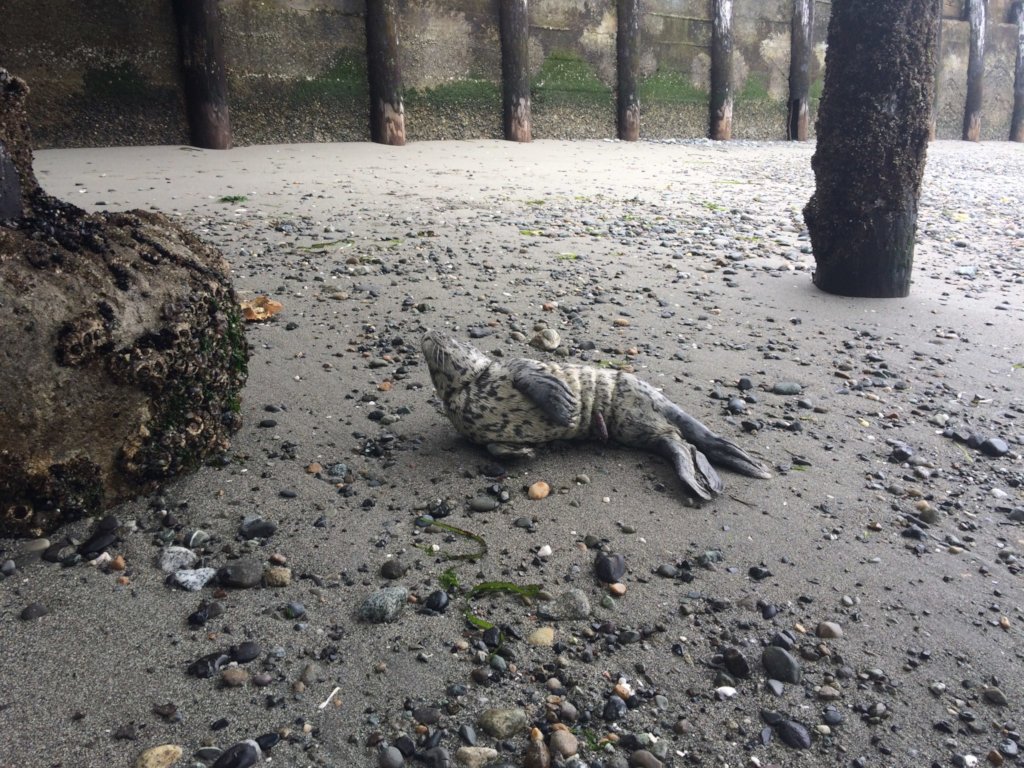
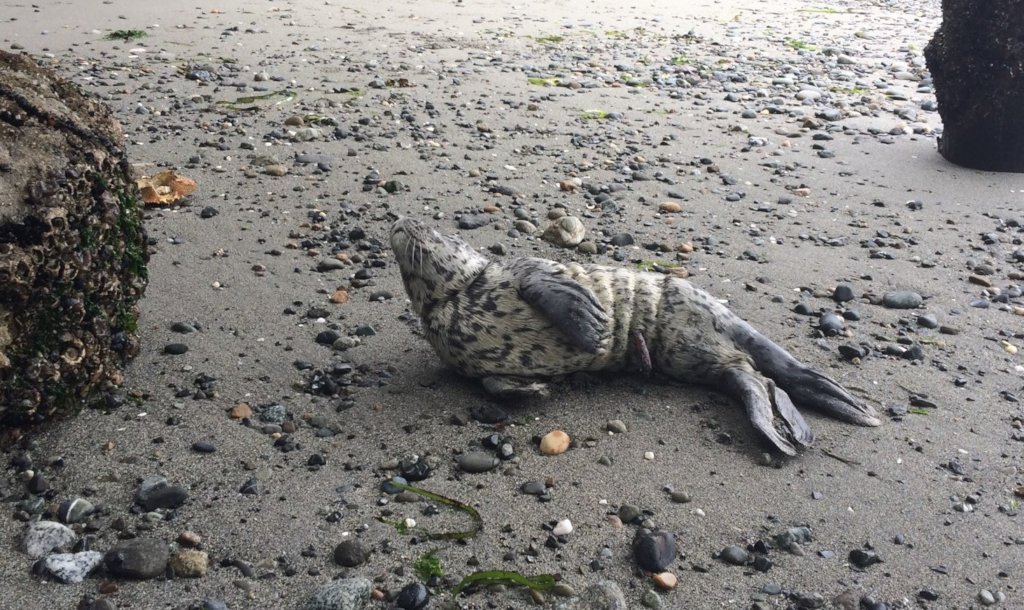
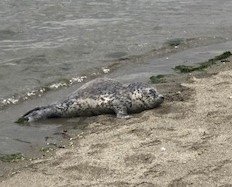
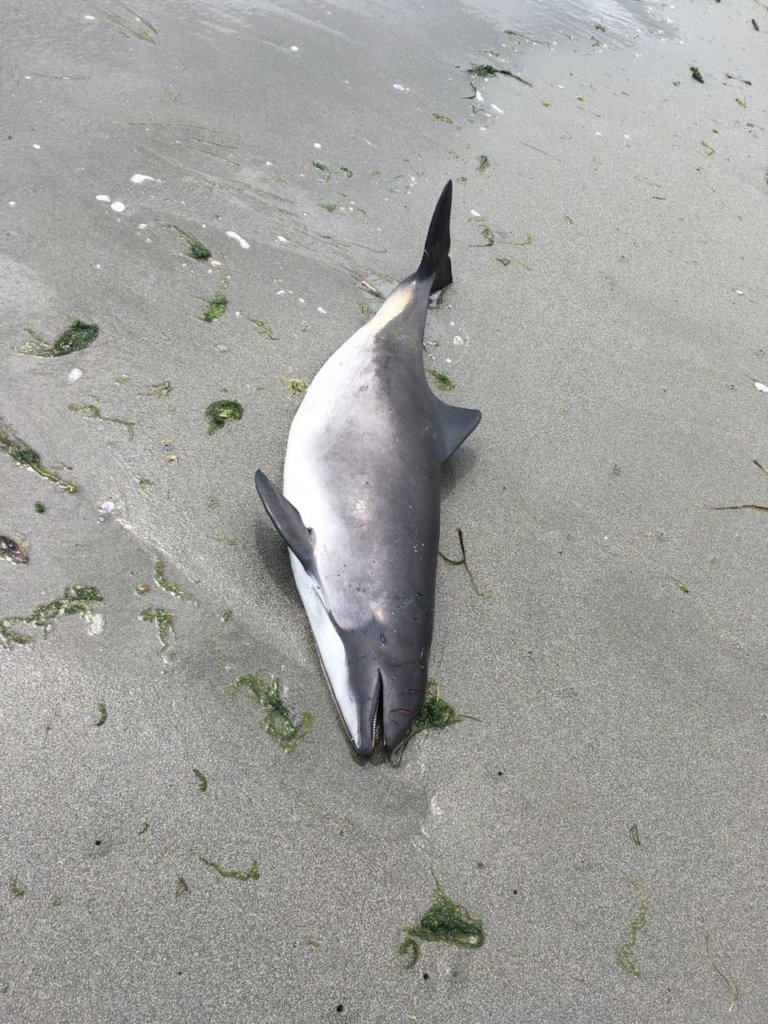
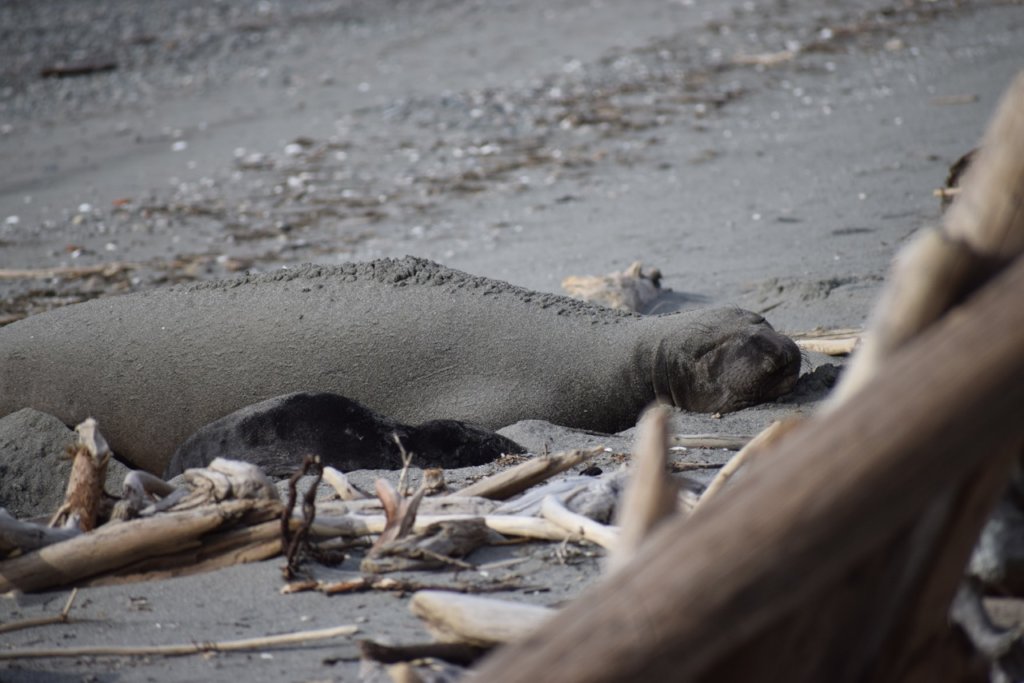
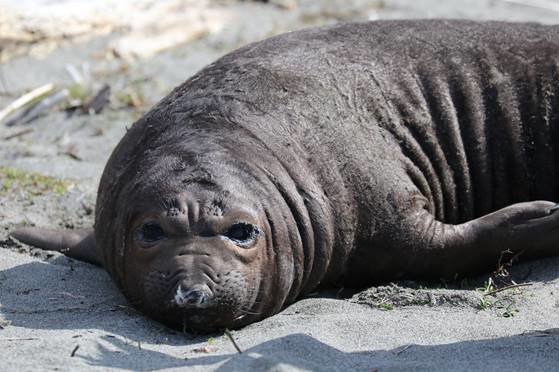
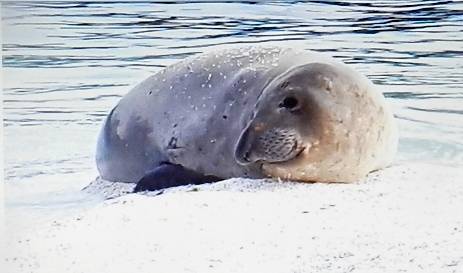
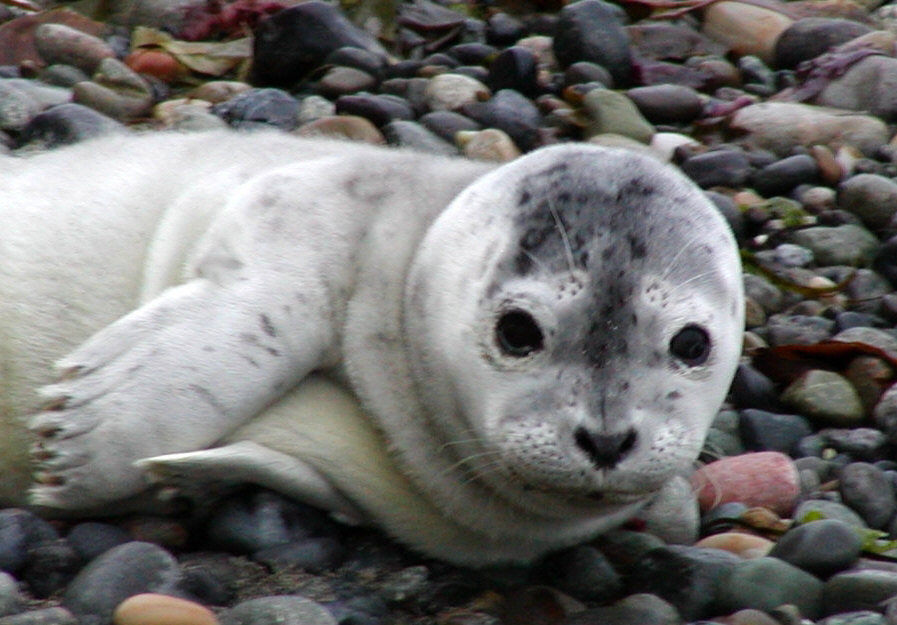
Our mentor Dr Stephanie Norman, DVM, PhD has initiated a three year study to determine if antibiotic resistant bacteria are present in harbor seals and porpoises in our local urban waters.
Resistance may be created when water carrying antibiotics and resistant bacteria enters the Salish Sea. (which is the name for Puget Sound and US and Canadian inland waters) As you know, whatever we ingest on land eventually ends up in the marine environment. To learn more about how antibiotic resistance happens, read this informative article by Dr. Norman.
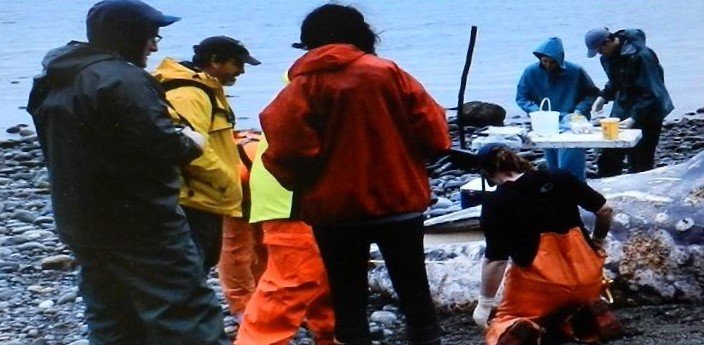
This project is designed to collect selected samples at necropsy of multiple species, from all age classes and from all locations in the Salish Sea. Bacterial colonies that grow in the laboratory will be identified and tested against a collection of common antibiotics used in veterinary and human medicine.
The three goals in the study are (1) describe the presence and extent of antibiotic resistant bacteria, (2) determine difference in resistance between seals and porpoises and (3) determine geographic patterns.
Starting immediately we will collect and sample as many seals and porpoises as we can over the next year. The following year is to complete the compilation and data analyses and summarize results. The final step is to complete the write up of the results and submit it to a peer reviewed journal for publication.
We thank you for all your past support, and hope you will continue to support us in this worthy project.
Links:
By Sandra Dubpernell & Susan Berta | Central PugetSound Marine Mammal Stranding Network
By Sandra Dubpernell | Central Puget Sound MMSN Coordinator
Project reports on GlobalGiving are posted directly to globalgiving.org by Project Leaders as they are completed, generally every 3-4 months. To protect the integrity of these documents, GlobalGiving does not alter them; therefore you may find some language or formatting issues.
If you donate to this project or have donated to this project, you can receive an email when this project posts a report. You can also subscribe for reports without donating.