![WCC water project]()
WCC water project
WCC will continue to Maximise the learning experience of the children will necessitate the provision of the complete health infrastructure. WCC will also improve the quality of life of young people by improving the health and sanitation facilities and providing various educational opportunities to advance their economic prospects and qulaity of life.
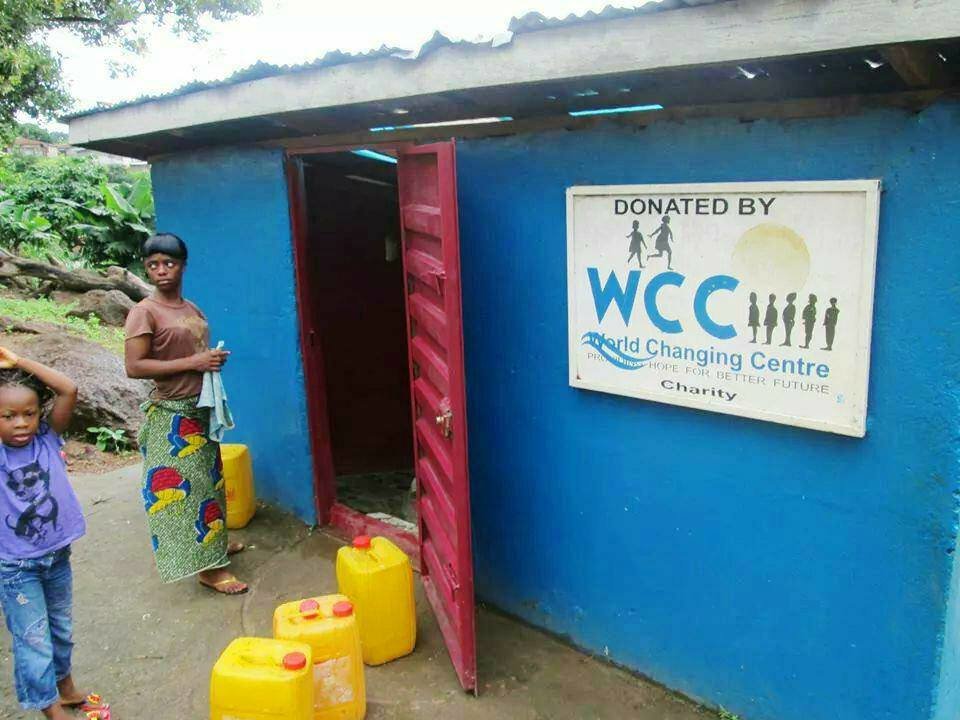
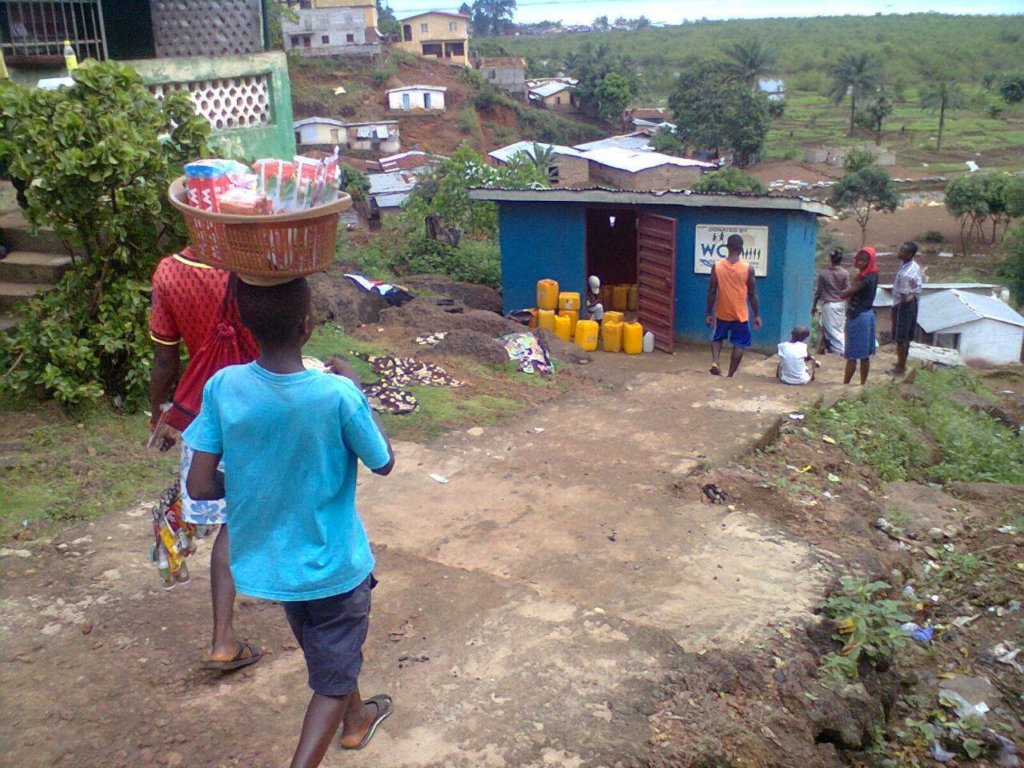
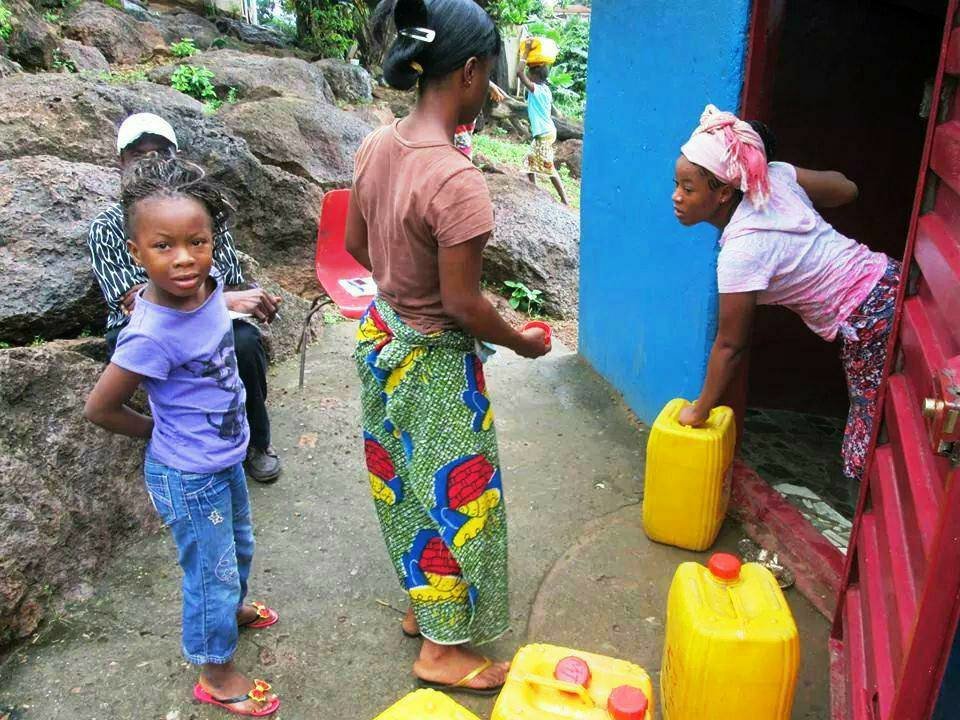
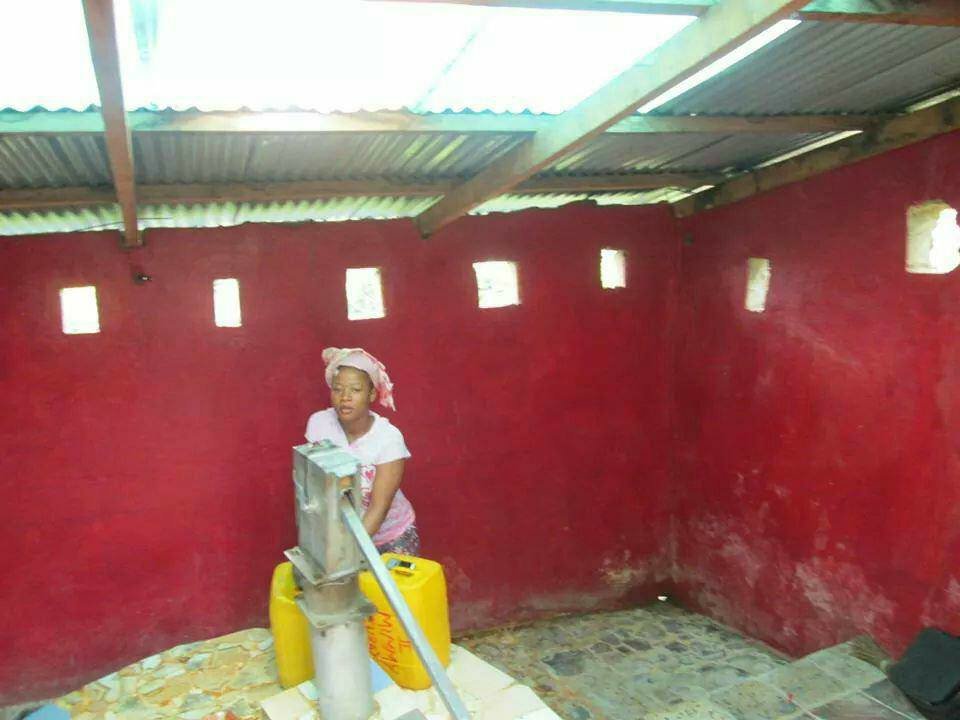
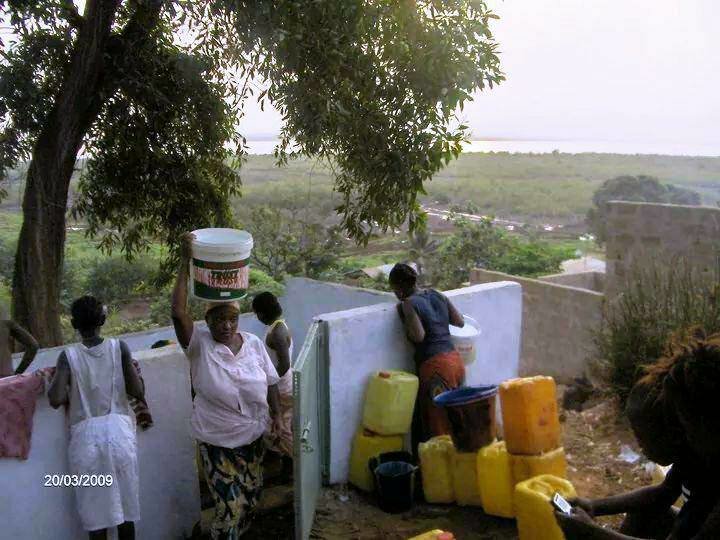
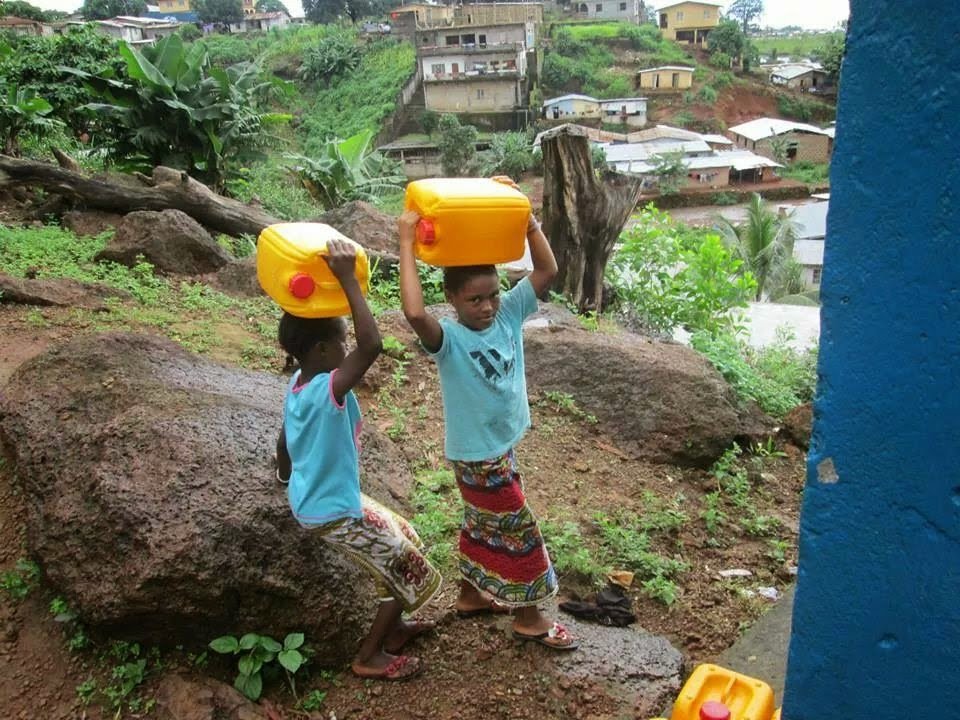
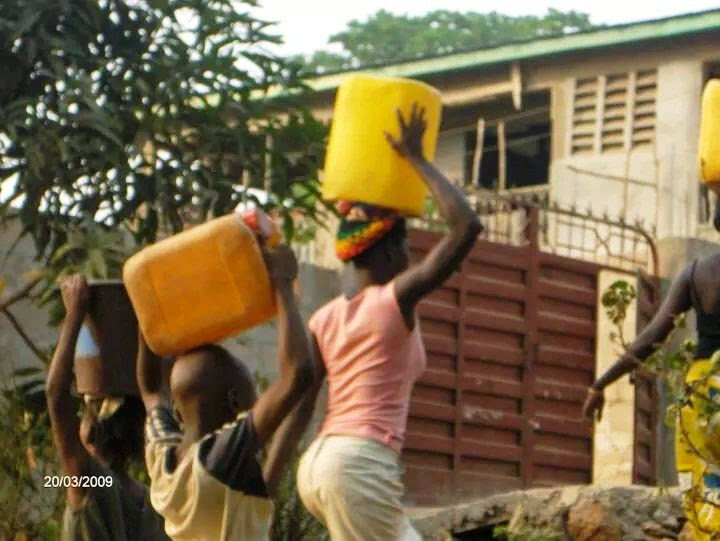
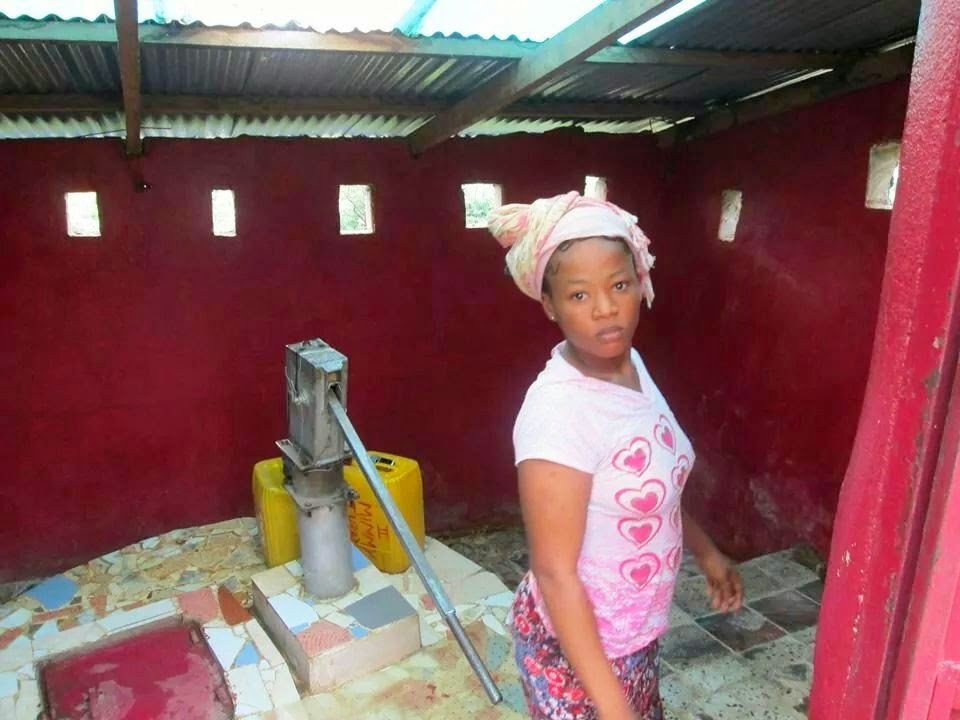
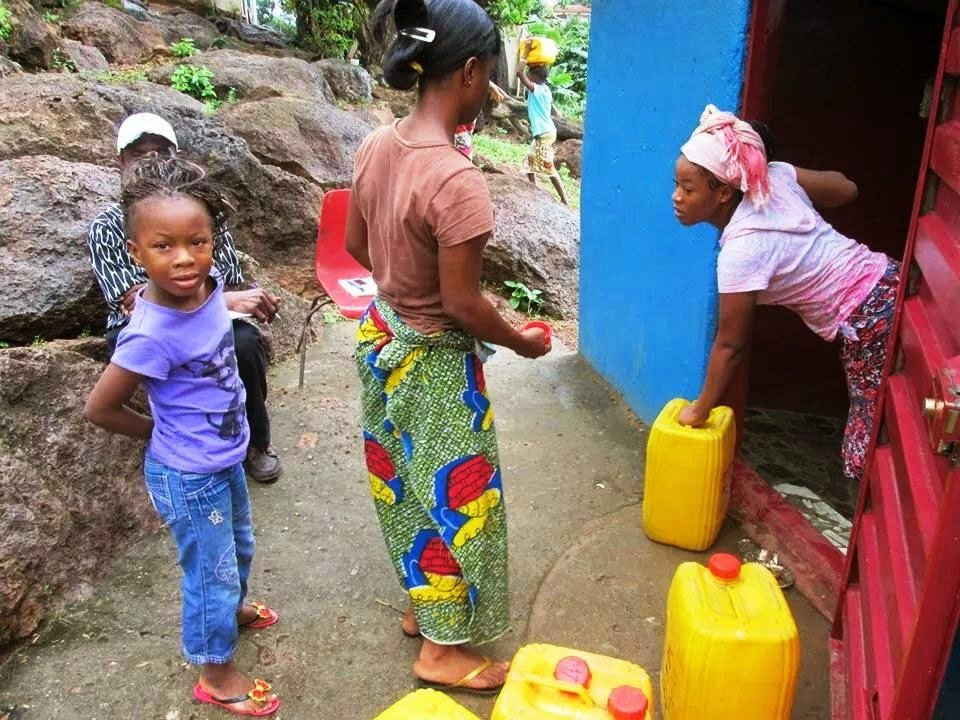
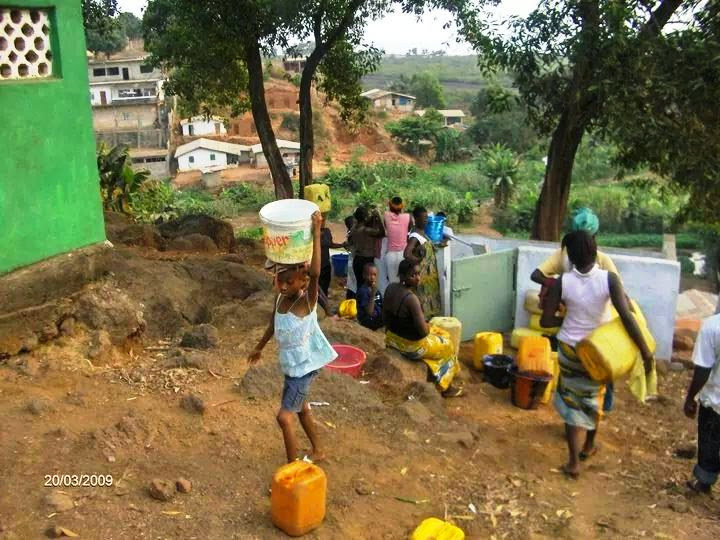
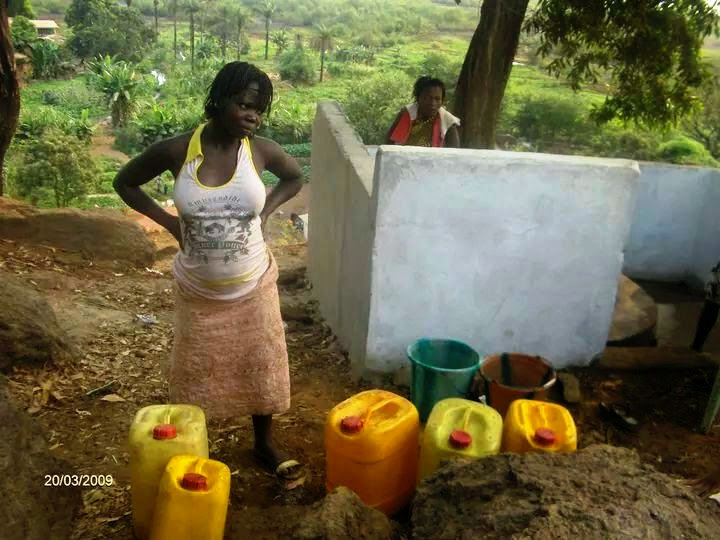
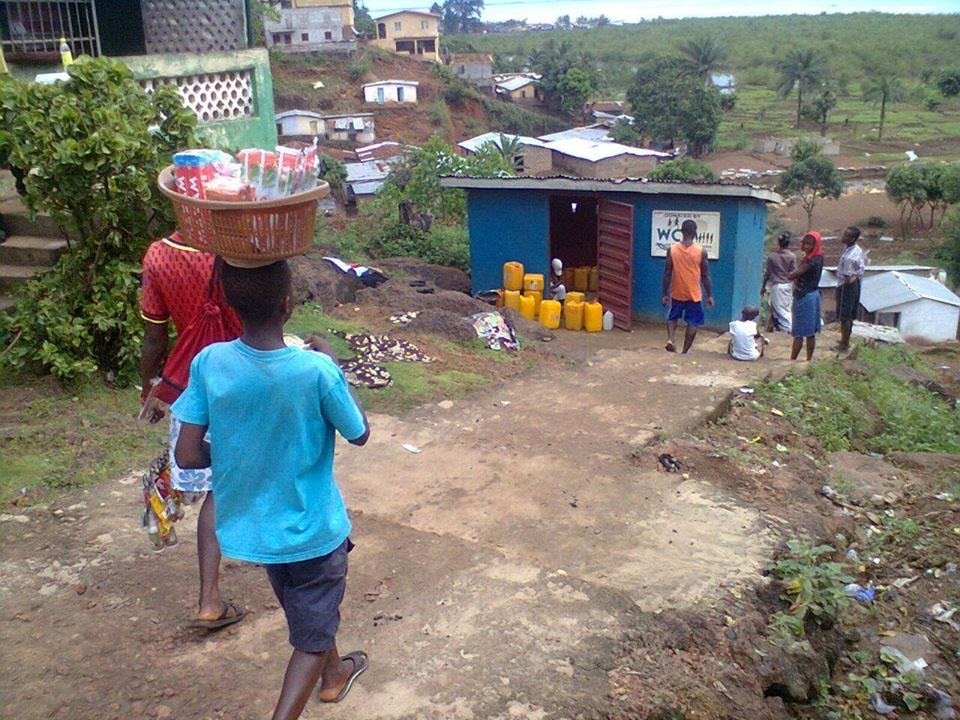
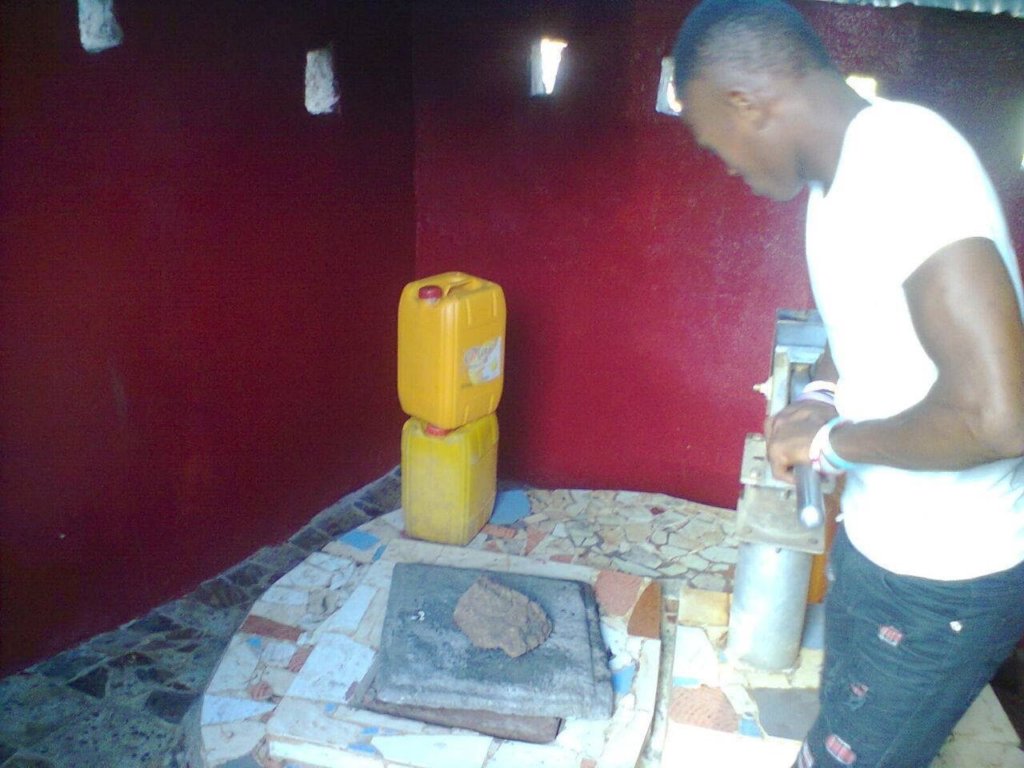
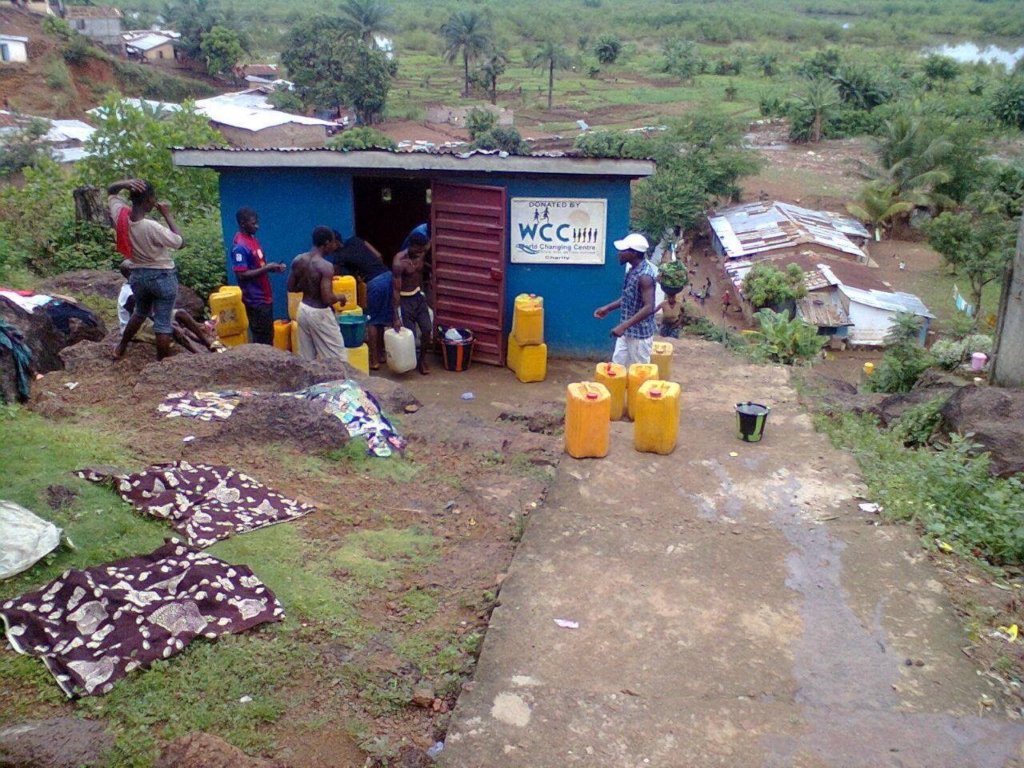
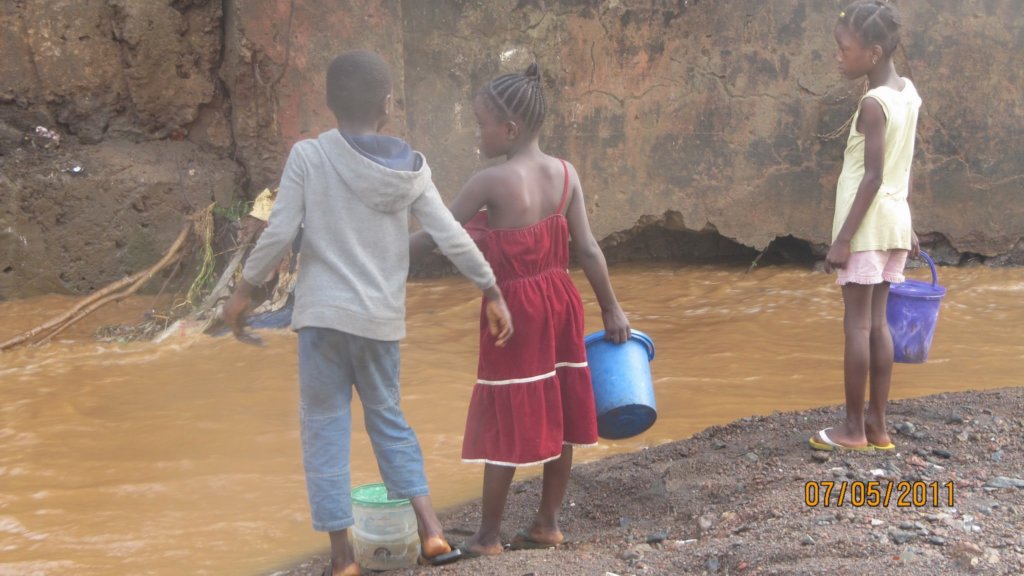
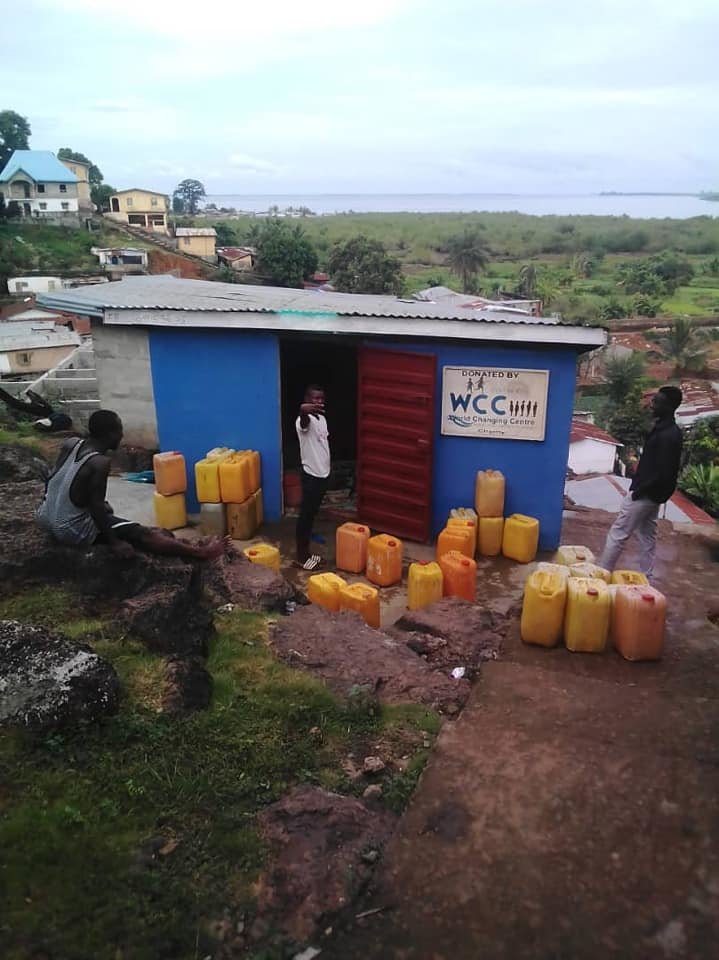
As an organisation, WCC supports research on child poverty in Africa. Intuitively, the main means of escaping poverty is education, taken in its broadest sense (formal and informal schooling, skills training and knowledge acquisition).WCC aims to give the children and young people in Maboikardor a health service fit for the 21st century. This will improve the capability in the near future. There is is still desperate need of water supply in Sierra Leone. Young people have to walk 3 to 4miles everyday just to fetch water needed for their households. In addition some of the water these young people collect from the streams is sometimes unhealthy and unsafe for drinking due to upstream contamination such as human faeces etc. As a result WCC aims to construct an additional three water wells in the community adding to the one already donated as an approach to counter the poor water situation in Freetown )Calabatown ).
http://www.worldchangingcentre.org/sanitation/
Our school and healthcare building construction is presently at Maboikardor. One of the sixteen (16) villages combined to formed the Molambay Area located in the Western Area Rural District of Sierra Leone and, Waterloo serves as its capital for Local Government Authorities.The entire Molambay Area has a population of 12,000 and, 800 of these are inhabitant of Maboikardor. This Eastern settlement has a large expanse of flat land and is interlocked with very rich inland valley swamps, making it easy for the development of large scale market gardening. This endowed resources before the outbreak of the Ebola tragedy had influenced a greater percentage of the population to be engaged in profitable self-employed agricultural activities.
This Eastern settlement has a large expanse of flat land and is interlocked with very rich inland valley swamps, making it easy for the development of large scale market gardening. This endowed resources before the outbreak of the Ebola tragedy had influenced a greater percentage of the population to be engaged in profitable self-employed agricultural activities.
As a result of the keen economic potential, these communities possess a lot of people of diverse economic interest. The populations are mostly youthful and, are determined to make a difference in their socio-economic status. Sadly though, the socio-economic activities of these people and that of the entire country of Sierra Leone came to a halt due to the outbreak of the deadly Ebola virus in 2014. And as result of this tragedy, education came to a standstill, business crumbled as peoples movement were restricted by the government to avoid the spread of the virus during that time. After the virus was contained in 2015/16, many of the inhabitants in the Molambay were to not able to recover their lost and are today left in abject poverty.
Education and healthcare, especially for women and children are of great challenge to these communities. There is only one government primary school located in one of this community about few kilometer walk from Maboikardor and the nearest Secondary School is about 7km. Pupils and students would have to trek on foot each day to and from School. This challenge has led to high rate of dropout of boys and girls from schools. And many of the older students have gone into small scale backyard gardening to help support their families since; they cannot continue to pursue higher education because of the lack of funding.
http://www.worldchangingcentre.org/sanitation/
Links:
![Share on Twitter]()
![Share on Facebook]()